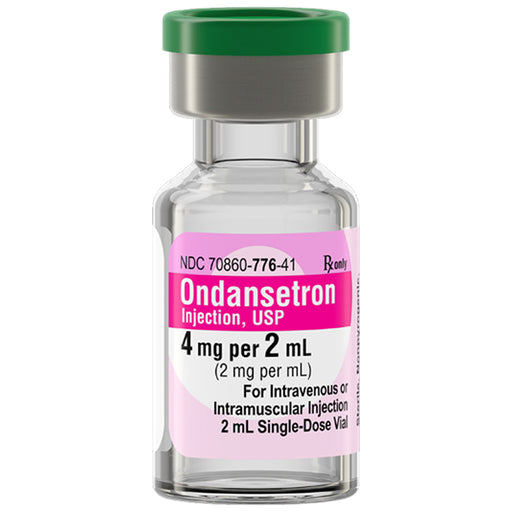
Ondansetron 4 mg tablets (e.g. brand Zofran) are prescription oral medications used to prevent nausea and vomiting. Each white oval tablet contains 4 mg of ondansetron (a serotonin 5-HT₃–receptor blocker).
Ondansetron is an anti-emetic that works by blocking serotonin signals in the gut and brain that can trigger vomiting. In practice, Ondansetron 4 mg is given for:
- Preventing vomiting caused by cancer chemotherapy (adults and children).
- Preventing nausea from radiotherapy (adults).
- Preventing/treating postoperative nausea and vomiting (adults).
(It is not generally used for motion sickness, since it targets treatment-related nausea
Ondansetron Tablets 4 mg by Aurobindo Pharma USA offer reliable, clinically-tested relief from nausea and vomiting. With a convenient blister card of 3 packs of 10 tablets each (30 Count), it is ideally suited for both short-term and ongoing management of nausea caused by chemotherapy, radiation therapy, and postoperative recovery.
Administration
The tablets are taken by mouth with water. A typical regimen is one 4 mg dose about 30–60 minutes before the nausea-causing event. For example, doctors often give the first dose ~30 minutes before chemotherapy or 1 hour before surgery. Additional 4 mg doses can be given every 4–12 hours as needed during and for 1–2 days after the treatment. Patients must follow their prescribing physician’s schedule (e.g. two 4 mg tablets = 8 mg total if needed).
Product Details & Features
-
Active Ingredient: Ondansetron Hydrochloride 4 mg per tablet
-
Packaging: 3 blister packs, each with 10 tablets (total 30 tablets)
-
Manufacturer: Aurobindo Pharma USA, a trusted leader in prescription medications
-
Storage: Store at room temperature (20° to 25°C / 68° to 77°F)
-
Quality: FDA-approved, GMP-certified manufacturing process
Key Features
- Fast-acting antiemetic relief
-
Easy-to-use blister packaging ensures freshness and convenient dosing
-
Suitable for adult and pediatric use (consult healthcare provider)
-
Generic equivalent to Zofran® for cost-effective therapy
Directions
-
General Use: Take orally with or without food as directed by your healthcare provider.
-
Onset of Chemotherapy/Radiation: Take the first dose 30 minutes before starting treatment.
-
Post-Surgery: Usually taken 1 hour before anesthesia.
Always follow your doctor’s instructions regarding dosage and scheduling.
Dosage
-
Adults: Typically 4 mg taken orally every 8 hours as needed to control nausea and vomiting.
-
Children: Dosage will be determined by a healthcare provider based on weight and age.
Allergies
Do Not Use if you:
- Are allergic to ondansetron, granisetron, or any ingredient in this medicine.
- Have hypersensitivity to other 5-HT3 receptor antagonists.
If you experience signs of an allergic reaction (rash, itching, swelling, severe dizziness, or difficulty breathing), seek emergency medical attention immediately.
Drug Interactions
Ondansetron may interact with:
-
Medications that affect heart rhythm: (e.g., amiodarone, sotalol)
-
Certain antidepressants: (e.g., SSRIs or SNRIs)
- Other drugs that prolong QT interval
-
Phenytoin, carbamazepine, rifampin: may decrease ondansetron effectiveness
Inform your doctor about all medications, supplements, and herbal products you are taking to avoid potential interactions.
Side Effects
Ondansetron is usually well tolerated. Common side effects include headache and constipation, and sometimes fatigue or mild dizziness. These are generally transient.
Rare but serious reactions do occur. As with any drug, allergic symptoms (rash, itching, swelling of face/tongue/throat, or breathing difficulty) can happen – immediate care is needed if they occur.. Ondansetron can also prolong the heart’s QT interval in susceptible patients (leading to palpitations or fainting), so caution is used in people with heart disease. Patients on multiple serotonergic drugs are monitored for serotonin syndrome (very rare with ondansetron alone). If severe symptoms appear (severe dizziness, fast/irregular heartbeat, chest pain, vision changes, or signs of allergy), medical attention is essential.
Side Effects & Warnings
Common Side Effects
- Headache
- Constipation
- Fatigue
- Drowsiness
Serious Warnings
-
Heart Rhythm Problems: Risk of QT interval prolongation; seek immediate care for irregular heartbeat, dizziness, or fainting.
-
Serotonin Syndrome: Especially if used with other serotonergic drugs; symptoms include agitation, confusion, fever, and muscle stiffness.
-
Liver Disease: Use with caution in patients with severe hepatic impairment.
Use exactly as prescribed and consult your healthcare provider if you experience any unusual symptoms or side effects.
Ondansetron 4 mg tablets are oral anti-nausea pills used (under a doctor’s order) to prevent vomiting from chemotherapy, radiation or surgery. They must be dosed carefully, and patients should report any bothersome side effects (headache, constipation) or warning signs (allergy, heart rhythm changes) to their provider.
Ondansetron Tablets 4 mg by Aurobindo Pharma USA deliver reliable, clinically-proven control of nausea and vomiting in a convenient, cost-effective package. Always use under the direction of a healthcare professional.
Ondansetron (Zofran) – Side Effects (4 mg tablets)
Ondansetron tablets (4 mg) are generally well tolerated, but like all medicines they can cause side effects. Common side effects tend to be mild. Common side effects include headache; feeling tired or weak; and stomach upset such as constipation or diarrhea. Some people also report drowsiness or dizziness and sometimes mild transient changes like dry mouth (though these are less frequent).
Serious side effects (rare): Call your doctor or go to the ER if you experience any severe or unusual reactions. In particular, watch for signs of an allergic reaction: rash, hives, itching, or swelling of the face, mouth or throat, and difficulty breathing. Also seek help if you notice an abnormal heart rhythm (fast, slow or irregular heartbeat), or symptoms of severe neurologic/serotonergic effects: for example, sudden confusion, hallucinations, agitation, muscle stiffness or tremors, vision changes, seizures, fainting, or a very high fever. These serious reactions are rare, but ondansetron can prolong the QT interval on an ECG, so any chest pain, fainting or palpitations should be evaluated immediately.
(Any persistent or bothersome side effect should be discussed with a healthcare provider. This is not a complete list of side effects; refer to the prescribing information or your pharmacist for more details.)