Skip to content

Added to your cart:

Cart subtotal

Sodium Ferric Gluconate Complex in Sucrose Injection 62.5mg SDV 5mL 10/Pack (RX)

SKU: 00143957010
Sale 26%
Original price $ 499.95
Current price $ 369.00
*Mountainside Medical does not fill personal prescriptions Medical Professional License Required to Unlock Account

How to Order:

Send an email request to: sales@mountainside-medical.com

You will receive instructions on how to create an account along with Rx Ordering Details.

(Note: Acceptable licenses must have Prescriptive Authority in the license issuing state.)
Fast Delivery
Fast Delivery
24/7 Support
24/7 Support
No Returns
No Returns
Hospital Grade
Hospital Grade
Free Shipping on orders above $100
Payment Secure transaction
Packaging Ships in product packaging
Service-Disabled Veteran-Owned Small Business
Located in Adirondack Mountains in NY
Family Owned Business 2002
Sale 26%
Original price $ 499.95
Current price $ 369.00
Free Shipping on orders above $100
Payment Secure transaction
Packaging Ships in product packaging
Sodium Ferric Gluconate Complex in Sucrose Injection 62.5mg SDV 5mL 10/Pack (RX)
$ 499.95 $ 369.00
🔒 Medical License Required
Description

Sodium Ferric Gluconate Complex in Sucrose Injection 62.5 mg

Overview: Sodium ferric gluconate complex in sucrose injection is a prescription intravenous iron supplement formulated to rapidly replenish iron stores and boost hemoglobin and red blood cell production. This iron infusion contains 62.5 mg elemental iron per 5 mL single-dose vial (12.5 mg/mL), in a stable ferric (Fe³⁺)–gluconate–sucrose complex. By delivering iron directly into the bloodstream, it overcomes the limitations of oral iron (poor absorption or gastrointestinal side effects) and is specifically FDA-indicated for iron deficiency anemia in chronic kidney disease (CKD) patients on hemodialysis who are also receiving epoetin therapy. This medical-grade iron infusion is shipped as a pack of 10 vials (single-use each) for use under physician supervision. When administered correctly, it helps restore iron levels, improve hemoglobin (Hgb), and alleviate anemia symptoms (fatigue, weakness) by supporting healthy red blood cell production.

Key features: Each 5 mL vial contains 62.5 mg of elemental iron as the sodium salt of ferric gluconate in 20% w/v sucrose. Sodium ferric gluconate (generic) is the active ingredient (also marketed under the brand name Ferrlecit in the US) and is provided in a clear, dark brown aqueous solution. This intravenous iron therapy is administered either as a slow infusion or injection during dialysis. Because it contains benzyl alcohol (9 mg/mL), it is not recommended for neonates. The solution is supplied in single-dose vials—use one vial per intravenous dose and discard any unused portion. Store at controlled room temperature (68–77°F) and protect from freezing. Prescription Only: This product must be administered by qualified healthcare professionals in a clinical setting.

Uses and Applications

  • Treat Iron Deficiency Anemia: Specifically indicated for iron deficiency anemia in adult and pediatric patients (≥6 years) with chronic kidney disease on hemodialysis who are receiving supplemental epoetin (erythropoiesis-stimulating agent) therapy. It replenishes iron stores, allowing the body to produce hemoglobin and healthy red blood cells.
  • Rapid Iron Repletion: Ideal for patients who cannot tolerate or absorb oral iron (e.g. gastrointestinal issues, inflammatory bowel disease, or CKD). By intravenous infusion, iron is delivered directly to the bloodstream, providing fast correction of anemia and reducing fatigue.
  • Dialysis Center Use: Commonly used in hemodialysis clinics and hospitals. During dialysis sessions, the iron solution can be given in tandem with routine care to improve patient iron levels without extra clinic visits. It’s often prescribed when lab tests show low ferritin or transferrin saturation (TSAT) despite oral iron.
  • Nutrient Infusion Therapy: As a blood-building nutrient injection, it helps support oxygen transport throughout the body. Iron is critical for hemoglobin/myoglobin synthesis to maintain oxygen delivery to tissues. This injection fortifies blood health and energy levels in anemic patients, aligning with overall wellness goals for CKD-related anemia management.

Specifications

  • Generic Name: Sodium Ferric Gluconate Complex in Sucrose (iron gluconate injection)
  • Brand Name: (e.g. Ferrlecit®) – generic product is bioequivalent.
  • Active Ingredient: Ferric (Fe³⁺) gluconate with sucrose stabilizer.
  • Strength: 62.5 mg elemental iron per 5 mL vial (12.5 mg/mL).
  • Formulation: Clear, dark brown sterile solution for intravenous injection. Each mL contains 9 mg benzyl alcohol (preservative). pH ~7.7–9.7.
  • Packaging: Box of 10 single-dose 5 mL vials (NDC may vary by manufacturer). Each vial is for one-time use only.
  • Administration Route: Intravenous infusion or slow IV push (i.e. venous injection into bloodstream).
  • Storage: Room temperature (68–77°F); do not freeze. Protect from light/shocks. Use immediately after preparation.
  • Regulatory: FDA-approved iron replacement therapy. Prescription drug only (requires licensed healthcare provider).

How to Use

  • Medical Supervision: Administer this IV iron injection only in a clinical setting (hospital/dialysis clinic) under the guidance of trained medical staff. Ensure resuscitation equipment is available for allergic reactions.
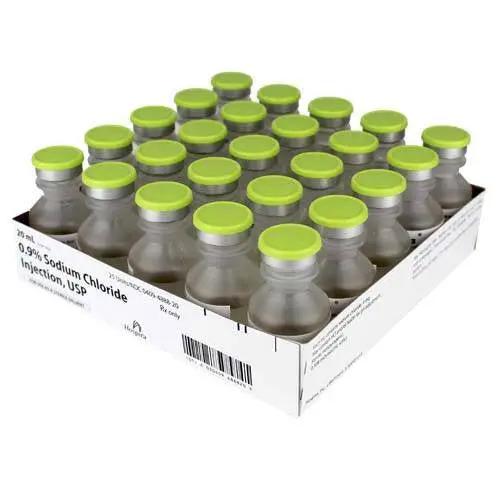
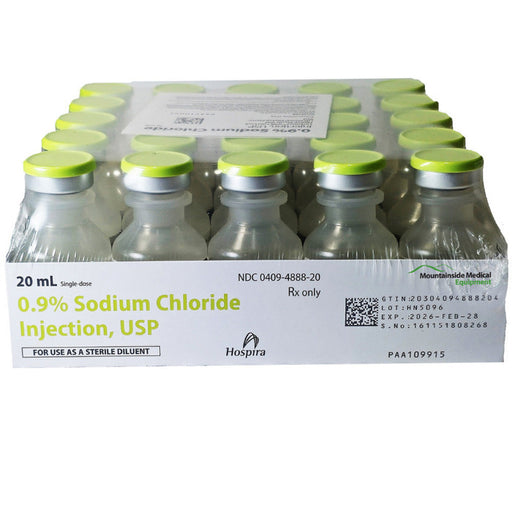
  • Preparation: Inspect vial for particulate matter/discoloration. Use only if solution is clear and vial intact. Withdraw the calculated dose using aseptic technique and dilute in 0.9% sodium chloride (normal saline) compatible with label instructions. Do not mix with other medications or dextrose solutions; dilute only in normal saline. Shake gently to mix, and use immediately after dilution. Discard any unused portion.
  • Infusion/Injection: Connect IV line to patient’s access (e.g. venous line). Administer dose slowly as follows:
    • IV Infusion: Dilute the vial(s) in 100 mL of 0.9% NaCl. Infuse over approximately 1 hour per hemodialysis session.
    • Slow IV Push: If instructed, the undiluted 10 mL (125 mg) dose may be given via slow IV injection (not faster than 12.5 mg/minute, i.e. ~8 minutes per 10 mL) at the end of dialysis.
  • Monitoring: Check patient’s blood pressure and status during and after administration. Observe for signs of allergy or hypotension as noted below. Adjust infusion rate if necessary.
  • Dosage Calculations: Confirm dose using 62.5 mg per 5 mL concentration; do not exceed recommended volume. Use the exact volume prescribed (e.g. 10 mL = 125 mg elemental iron).

Dosage and Administration

  • Adult Patients: The typical repletion dose is 125 mg elemental iron (10 mL) per hemodialysis session. This dose may be given diluted over 1 hour or slow IV push (12.5 mg/min). For most patients, a total course of about 1,000 mg (eight 125 mg doses) over successive dialysis visits is needed to correct anemia levels. After iron stores are replete, maintenance doses (e.g. 125 mg monthly) may be used to keep hemoglobin and serum ferritin in target range.
  • Pediatric Patients (≥6 years): Dose is 1.5 mg/kg of elemental iron (0.12 mL/kg), up to 125 mg, given diluted in 25 mL NS over 1 hour per dialysis. Do not exceed 125 mg per dose. Multiple doses over 8 sessions are typically required for full repletion. Safety/efficacy in children <6 years not established.
  • Administration Details: Administer during or immediately after dialysis session. Do not combine the injection with parenteral nutrition or other IV drugs. Always use the vial solution as soon as drawn and complete infusion before the end of dialysis hour.

Drug Interactions

  • No Known Major Interactions: Formal drug–interaction studies have not identified significant interactions with sodium ferric gluconate infusion. Iron infusion bypasses the gut, so oral absorption interactions (with tetracyclines, fluoroquinolones, levothyroxine, etc.) are minimized, but it is still advisable to inform the physician of all medications and supplements being taken.
  • Coadministration Caution: Calcium, magnesium, antacids, and certain antibiotics can bind iron if given orally; these are usually spaced apart when oral iron is used. With IV iron, this is less of a concern, but check labels of each medication. In all cases, ensure compatibility; do not mix in the same IV line with anything other than normal saline.
  • Erythropoietin Agents: No direct negative interaction – in fact, sodium ferric gluconate is intended to be used with epoetin (EPO) to achieve better anemia control. Continue monitoring blood counts and iron studies to adjust doses of erythropoiesis-stimulating agents accordingly.

Side Effects

Common side effects are generally mild to moderate and may include:

  • Gastrointestinal discomfort: nausea, vomiting, or diarrhea. These may occur during or shortly after infusion.
  • Injection site reactions: pain, burning, swelling, or irritation at the site of IV infusion.
  • Flushing or Hypotension: transient low blood pressure (hypotension) can cause dizziness, faintness, or headache. Conversely, some patients may experience transient hypertension (rise in blood pressure) after infusion. Vital signs should be monitored during administration.
  • Musculoskeletal: cramps or pain in legs or abdomen.
  • Respiratory/General: shortness of breath, chest pain, general malaise, or unusual sensations (e.g. headache, fatigue, rash).
  • Allergic Reactions: Itching, hives, swelling, or asthma-like symptoms can occur, typically during the infusion. Serious (rare): anaphylaxis (life-threatening allergic reaction) is possible. Symptoms include difficulty breathing, throat tightness, rapid heartbeat, or severe hypotension – seek emergency care immediately.
  • Other: Back pain, leg pain, or fever have been reported. Report any unexpected symptoms to a healthcare provider.

If severe side effects occur (e.g. passing out, chest pain, trouble breathing, confusion), stop the infusion and get medical help right away. For any concerns during infusion, notify medical staff immediately.

Warnings and Precautions

  • Hypersensitivity (Allergy/Anaphylaxis): Serious allergic reactions can occur, especially on first dose. Infuse only in a setting equipped for resuscitation and monitor patient closely for at least 30 minutes after infusion completion. Discontinue if signs of anaphylaxis (rash, bronchospasm, hypotension) appear.
  • Hypotension: Sodium ferric gluconate may cause drops in blood pressure. Infuse slowly and monitor. If hypotension occurs, slow or stop the infusion and manage supportively (e.g. IV fluids) as needed.
  • Iron Overload: Over-treatment can lead to iron overload and related organ damage. Do not use in patients with known hemosiderosis, hemochromatosis, or other iron storage disorders. Before each dose, check hemoglobin, ferritin, and TSAT. Do not exceed recommended dosing unless guided by lab values and specialist advice.
  • Contraindications: Do not give to anyone with a history of serious allergic reaction to iron gluconate or any component of the injection. Also avoid use in anemia not caused by iron deficiency (e.g. hemolytic anemia, bone marrow disorders) as it offers no benefit and poses risk.
  • Neonates and Pediatrics: Contains benzyl alcohol; not for use in neonates or infants (risk of “gasping syndrome”). Safety in children under 6 yrs is not established. Use with caution and dosing by weight in older children.
  • Pregnancy and Lactation: Use only if clearly needed during pregnancy. Risk of hypersensitivity to fetus is unknown. Iron is essential in pregnancy, but the decision should balance maternal benefit vs. potential fetal risk. Not known if excreted in breast milk; discuss with physician before breastfeeding.
  • Other Precautions: Store properly; discard if frozen or contaminated. Monitor iron levels periodically; resume maintenance treatment only when iron stores fall or anemia recurs. Patients with acute or chronic infections should be monitored closely, as iron can theoretically promote bacterial growth. Avoid overdose – fatal iron toxicity can occur in children if accidentally ingested.

WARNING: This is a potent prescription iron medication. Use only under medical supervision with appropriate monitoring.

Description

Sodium Ferric Gluconate Complex in Sucrose Injection 62.5 mg

Overview: Sodium ferric gluconate complex in sucrose injection is a prescription intravenous iron supplement formulated to rapidly replenish iron stores and boost hemoglobin and red blood cell production. This iron infusion contains 62.5 mg elemental iron per 5 mL single-dose vial (12.5 mg/mL), in a stable ferric (Fe³⁺)–gluconate–sucrose complex. By delivering iron directly into the bloodstream, it overcomes the limitations of oral iron (poor absorption or gastrointestinal side effects) and is specifically FDA-indicated for iron deficiency anemia in chronic kidney disease (CKD) patients on hemodialysis who are also receiving epoetin therapy. This medical-grade iron infusion is shipped as a pack of 10 vials (single-use each) for use under physician supervision. When administered correctly, it helps restore iron levels, improve hemoglobin (Hgb), and alleviate anemia symptoms (fatigue, weakness) by supporting healthy red blood cell production.

Key features: Each 5 mL vial contains 62.5 mg of elemental iron as the sodium salt of ferric gluconate in 20% w/v sucrose. Sodium ferric gluconate (generic) is the active ingredient (also marketed under the brand name Ferrlecit in the US) and is provided in a clear, dark brown aqueous solution. This intravenous iron therapy is administered either as a slow infusion or injection during dialysis. Because it contains benzyl alcohol (9 mg/mL), it is not recommended for neonates. The solution is supplied in single-dose vials—use one vial per intravenous dose and discard any unused portion. Store at controlled room temperature (68–77°F) and protect from freezing. Prescription Only: This product must be administered by qualified healthcare professionals in a clinical setting.

Uses and Applications

  • Treat Iron Deficiency Anemia: Specifically indicated for iron deficiency anemia in adult and pediatric patients (≥6 years) with chronic kidney disease on hemodialysis who are receiving supplemental epoetin (erythropoiesis-stimulating agent) therapy. It replenishes iron stores, allowing the body to produce hemoglobin and healthy red blood cells.
  • Rapid Iron Repletion: Ideal for patients who cannot tolerate or absorb oral iron (e.g. gastrointestinal issues, inflammatory bowel disease, or CKD). By intravenous infusion, iron is delivered directly to the bloodstream, providing fast correction of anemia and reducing fatigue.
  • Dialysis Center Use: Commonly used in hemodialysis clinics and hospitals. During dialysis sessions, the iron solution can be given in tandem with routine care to improve patient iron levels without extra clinic visits. It’s often prescribed when lab tests show low ferritin or transferrin saturation (TSAT) despite oral iron.
  • Nutrient Infusion Therapy: As a blood-building nutrient injection, it helps support oxygen transport throughout the body. Iron is critical for hemoglobin/myoglobin synthesis to maintain oxygen delivery to tissues. This injection fortifies blood health and energy levels in anemic patients, aligning with overall wellness goals for CKD-related anemia management.

Specifications

  • Generic Name: Sodium Ferric Gluconate Complex in Sucrose (iron gluconate injection)
  • Brand Name: (e.g. Ferrlecit®) – generic product is bioequivalent.
  • Active Ingredient: Ferric (Fe³⁺) gluconate with sucrose stabilizer.
  • Strength: 62.5 mg elemental iron per 5 mL vial (12.5 mg/mL).
  • Formulation: Clear, dark brown sterile solution for intravenous injection. Each mL contains 9 mg benzyl alcohol (preservative). pH ~7.7–9.7.
  • Packaging: Box of 10 single-dose 5 mL vials (NDC may vary by manufacturer). Each vial is for one-time use only.
  • Administration Route: Intravenous infusion or slow IV push (i.e. venous injection into bloodstream).
  • Storage: Room temperature (68–77°F); do not freeze. Protect from light/shocks. Use immediately after preparation.
  • Regulatory: FDA-approved iron replacement therapy. Prescription drug only (requires licensed healthcare provider).

How to Use

  • Medical Supervision: Administer this IV iron injection only in a clinical setting (hospital/dialysis clinic) under the guidance of trained medical staff. Ensure resuscitation equipment is available for allergic reactions.
  • Preparation: Inspect vial for particulate matter/discoloration. Use only if solution is clear and vial intact. Withdraw the calculated dose using aseptic technique and dilute in 0.9% sodium chloride (normal saline) compatible with label instructions. Do not mix with other medications or dextrose solutions; dilute only in normal saline. Shake gently to mix, and use immediately after dilution. Discard any unused portion.
  • Infusion/Injection: Connect IV line to patient’s access (e.g. venous line). Administer dose slowly as follows:
    • IV Infusion: Dilute the vial(s) in 100 mL of 0.9% NaCl. Infuse over approximately 1 hour per hemodialysis session.
    • Slow IV Push: If instructed, the undiluted 10 mL (125 mg) dose may be given via slow IV injection (not faster than 12.5 mg/minute, i.e. ~8 minutes per 10 mL) at the end of dialysis.
  • Monitoring: Check patient’s blood pressure and status during and after administration. Observe for signs of allergy or hypotension as noted below. Adjust infusion rate if necessary.
  • Dosage Calculations: Confirm dose using 62.5 mg per 5 mL concentration; do not exceed recommended volume. Use the exact volume prescribed (e.g. 10 mL = 125 mg elemental iron).

Dosage and Administration

  • Adult Patients: The typical repletion dose is 125 mg elemental iron (10 mL) per hemodialysis session. This dose may be given diluted over 1 hour or slow IV push (12.5 mg/min). For most patients, a total course of about 1,000 mg (eight 125 mg doses) over successive dialysis visits is needed to correct anemia levels. After iron stores are replete, maintenance doses (e.g. 125 mg monthly) may be used to keep hemoglobin and serum ferritin in target range.
  • Pediatric Patients (≥6 years): Dose is 1.5 mg/kg of elemental iron (0.12 mL/kg), up to 125 mg, given diluted in 25 mL NS over 1 hour per dialysis. Do not exceed 125 mg per dose. Multiple doses over 8 sessions are typically required for full repletion. Safety/efficacy in children <6 years not established.
  • Administration Details: Administer during or immediately after dialysis session. Do not combine the injection with parenteral nutrition or other IV drugs. Always use the vial solution as soon as drawn and complete infusion before the end of dialysis hour.

Drug Interactions

  • No Known Major Interactions: Formal drug–interaction studies have not identified significant interactions with sodium ferric gluconate infusion. Iron infusion bypasses the gut, so oral absorption interactions (with tetracyclines, fluoroquinolones, levothyroxine, etc.) are minimized, but it is still advisable to inform the physician of all medications and supplements being taken.
  • Coadministration Caution: Calcium, magnesium, antacids, and certain antibiotics can bind iron if given orally; these are usually spaced apart when oral iron is used. With IV iron, this is less of a concern, but check labels of each medication. In all cases, ensure compatibility; do not mix in the same IV line with anything other than normal saline.
  • Erythropoietin Agents: No direct negative interaction – in fact, sodium ferric gluconate is intended to be used with epoetin (EPO) to achieve better anemia control. Continue monitoring blood counts and iron studies to adjust doses of erythropoiesis-stimulating agents accordingly.

Side Effects

Common side effects are generally mild to moderate and may include:

  • Gastrointestinal discomfort: nausea, vomiting, or diarrhea. These may occur during or shortly after infusion.
  • Injection site reactions: pain, burning, swelling, or irritation at the site of IV infusion.
  • Flushing or Hypotension: transient low blood pressure (hypotension) can cause dizziness, faintness, or headache. Conversely, some patients may experience transient hypertension (rise in blood pressure) after infusion. Vital signs should be monitored during administration.
  • Musculoskeletal: cramps or pain in legs or abdomen.
  • Respiratory/General: shortness of breath, chest pain, general malaise, or unusual sensations (e.g. headache, fatigue, rash).
  • Allergic Reactions: Itching, hives, swelling, or asthma-like symptoms can occur, typically during the infusion. Serious (rare): anaphylaxis (life-threatening allergic reaction) is possible. Symptoms include difficulty breathing, throat tightness, rapid heartbeat, or severe hypotension – seek emergency care immediately.
  • Other: Back pain, leg pain, or fever have been reported. Report any unexpected symptoms to a healthcare provider.

If severe side effects occur (e.g. passing out, chest pain, trouble breathing, confusion), stop the infusion and get medical help right away. For any concerns during infusion, notify medical staff immediately.

Warnings and Precautions

  • Hypersensitivity (Allergy/Anaphylaxis): Serious allergic reactions can occur, especially on first dose. Infuse only in a setting equipped for resuscitation and monitor patient closely for at least 30 minutes after infusion completion. Discontinue if signs of anaphylaxis (rash, bronchospasm, hypotension) appear.
  • Hypotension: Sodium ferric gluconate may cause drops in blood pressure. Infuse slowly and monitor. If hypotension occurs, slow or stop the infusion and manage supportively (e.g. IV fluids) as needed.
  • Iron Overload: Over-treatment can lead to iron overload and related organ damage. Do not use in patients with known hemosiderosis, hemochromatosis, or other iron storage disorders. Before each dose, check hemoglobin, ferritin, and TSAT. Do not exceed recommended dosing unless guided by lab values and specialist advice.
  • Contraindications: Do not give to anyone with a history of serious allergic reaction to iron gluconate or any component of the injection. Also avoid use in anemia not caused by iron deficiency (e.g. hemolytic anemia, bone marrow disorders) as it offers no benefit and poses risk.
  • Neonates and Pediatrics: Contains benzyl alcohol; not for use in neonates or infants (risk of “gasping syndrome”). Safety in children under 6 yrs is not established. Use with caution and dosing by weight in older children.
  • Pregnancy and Lactation: Use only if clearly needed during pregnancy. Risk of hypersensitivity to fetus is unknown. Iron is essential in pregnancy, but the decision should balance maternal benefit vs. potential fetal risk. Not known if excreted in breast milk; discuss with physician before breastfeeding.
  • Other Precautions: Store properly; discard if frozen or contaminated. Monitor iron levels periodically; resume maintenance treatment only when iron stores fall or anemia recurs. Patients with acute or chronic infections should be monitored closely, as iron can theoretically promote bacterial growth. Avoid overdose – fatal iron toxicity can occur in children if accidentally ingested.

WARNING: This is a potent prescription iron medication. Use only under medical supervision with appropriate monitoring.

Get Notified When Back in Stock