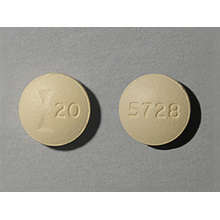
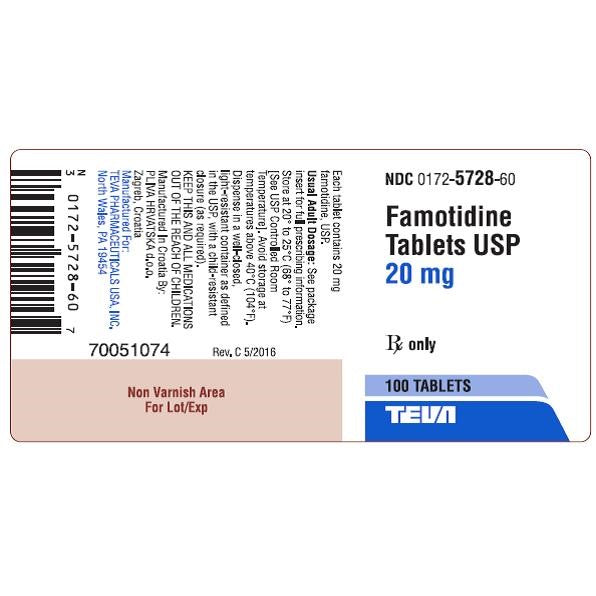
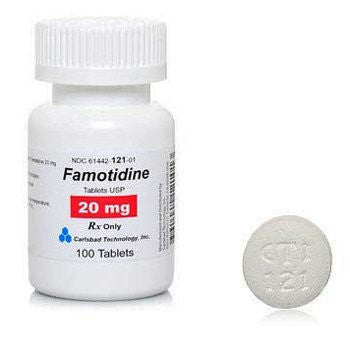
Famotidine 20 mg Tablets (Pepcid AC) – Acid-Reducer for Heartburn, Ulcers, GERD
Famotidine is a histamine H₂-receptor antagonist that decreases stomach acid secretion. It is approved to treat acid-related conditions such as heartburn/GERD (acid reflux), stomach or duodenal ulcers, erosive esophagitis, and other hypersecretory disorders (e.g. Zollinger–Ellison syndrome). Famotidine is available over-the-counter (OTC) and by prescription. OTC 20 mg tablets (“Pepcid AC”) are commonly used for immediate relief or prevention of heartburn. Prescription strength 20 mg or 40 mg tablets are used for peptic ulcers and GERD.
Dosage and Administration
Heartburn (OTC use): The typical instruction is to swallow 1 tablet (20 mg) with water, 10–60 minutes before eating or when symptoms start. Do not chew. Do not take more than 2 tablets in 24 hours, and do not use OTC famotidine for more than 14 days without a doctor’s advice.
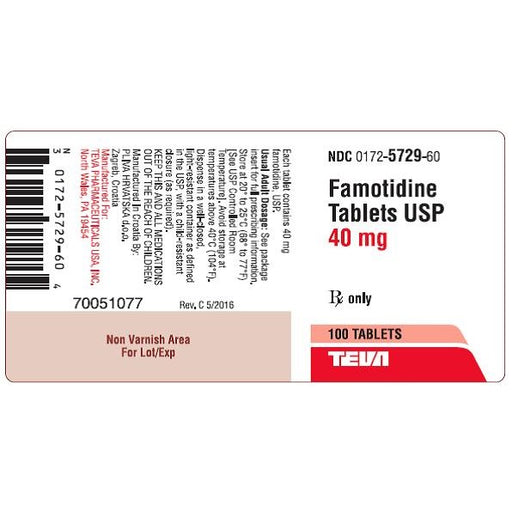
Ulcer/GERD (prescription): Typical adult regimens include 20–40 mg once or twice daily, depending on the condition. For example, active duodenal ulcer is often treated with 20 mg twice daily or 40 mg once daily (4–8 weeks); active gastric ulcer with 40 mg once daily (4–8 weeks); and symptomatic GERD with 20 mg twice daily (typically up to 6–12 weeks). Famotidine can also be given continuously (e.g. 20 mg once daily) to reduce the risk of ulcer recurrence. In renal impairment, dosage should be reduced since famotidine is cleared by the kidneys. Patients should use it exactly as directed and consult a physician if symptoms persist.
Side Effects and Precautions
Famotidine is generally well tolerated. In clinical trials the most common side effects (≥1% of patients) were headache, dizziness, and constipation. Other mild effects can include diarrhea, nausea, or fatigue. Serious side effects are rare. However, central nervous system reactions such as confusion, agitation or lethargy have been reported, especially in elderly patients or those with kidney impairment. In very rare cases, famotidine may trigger allergic reactions (rash, swelling) – it is contraindicated in anyone with known hypersensitivity to famotidine or other H₂ blockers. Famotidine can also mask symptoms of more serious conditions; if vomiting blood, black stools, or severe abdominal pain occurs, other causes (like gastrointestinal bleeding) must be ruled out.
Famotidine may reduce absorption of certain drugs that need acid (e.g. ketoconazole, itraconazole, atazanavir, dasatinib). It modestly inhibits CYP1A2, so it can raise levels of tizanidine (avoid this combination). Patients should tell physicians of all medications they take to check for interactions. Because it reduces stomach acid, famotidine can also alter absorption of vitamin B₁₂ or iron if used long-term; clinicians may monitor levels if used for many months.
Pregnancy/Lactation: Famotidine is Pregnancy Category B (no harm seen in animal studies), and limited human data show no increase in birth defects. It does enter breast milk in small amounts but is not expected to harm the infant. Nonetheless, pregnant or nursing women should use famotidine only if clearly needed and after consulting a doctor.
Summary
In summary, famotidine 20 mg tablets are a well-established H₂ blocker for reducing stomach acid. Taken by mouth (usually once or twice daily), it effectively relieves heartburn/acid indigestion and promotes healing of ulcers. Patients should use the medication as directed on the label or by their doctor, limit OTC use to short courses, and follow up if symptoms are severe or persistent. Common side effects are mild, and serious effects are rare. This medication should be used with caution in the elderly or those with kidney disease, and care should be taken if taking other medications (due to absorption or interaction issues).