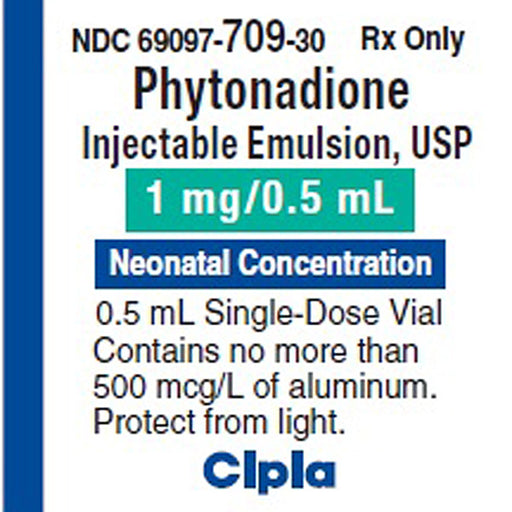
High Potency Vitamin K Injection | Professional-Grade Phytonadione Injectable Solution for Rapid Correction of Vitamin K Deficiency and Blood Clotting Disorders
Vitamin K Injection (Phytonadione Injectable Emulsion 10 mg/mL) is a sterile, fat-soluble vitamin K1 preparation for intramuscular, subcutaneous, or intravenous administration. It is the gold-standard life-saving therapy used to reverse the effects of vitamin K deficiency, treat or prevent serious bleeding, and serve as an antidote to anticoagulant (warfarin) overdose. Phytonadione is the synthetic form of naturally occurring Vitamin K1, vital for activating clotting factors in blood coagulation.
Uses and Clinical Applications
- Rapid reversal of anticoagulant (warfarin) overdose
- Prevention and treatment of vitamin K deficiency bleeding (VKDB) in newborns
-
Correction of hypoprothrombinemia due to:
- Vitamin K deficiency (malnutrition, malabsorption, liver disease)
- Antibiotic therapy (disrupting gut flora)
- Prolonged parenteral nutrition without adequate vitamin K
- Support in liver disease-related coagulopathy
- Emergencies involving abnormal INR/prothrombin time (PT) prolongation
Healthcare settings include hospitals, ERs, surgical centers, and clinics; can also be physician-administered in home health situations.
Order Vitamin K Injection 10mg/mL by Caplin Steriles USA Now—Trusted by Healthcare Professionals for Critical Bleeding Disorders and Emergency Use
NDC: 65145-0151-10 UPC: 365145151100
Ensure life-saving readiness with Caplin Steriles high-strength phytonadione injectable emulsion. For hospital, medical clinic, surgical, pediatric, and emergency protocols.
Uses and Clinical Applications
- Rapid reversal of anticoagulant (warfarin) overdose
- Prevention and treatment of vitamin K deficiency bleeding (VKDB) in newborns
- Correction of hypoprothrombinemia due to:
- Vitamin K deficiency (malnutrition, malabsorption, liver disease)
- Antibiotic therapy (disrupting gut flora)
- Prolonged parenteral nutrition without adequate vitamin K
- Support in liver disease-related coagulopathy
- Emergencies involving abnormal INR/prothrombin time (PT) prolongation
Healthcare settings include hospitals, ERs, surgical centers, and clinics; can also be physician-administered in home health situations.
How to Use / Directions for Administration
IMPORTANT: Administer only under professional medical supervision. Emergency use may warrant hospital/clinic setting.
General Directions:
- Inspect the vial: Ensure solution is clear, free of particulates, and not expired.
- Aseptic Technique: Use sterile syringe and needle; prep injection site.
- Administration Routes:
- IV (intravenous): For urgent INR reversals/active major bleeding; infuse slowly to minimize rare hypersensitivity reactions.
- IM (intramuscular): For non-urgent, non-bleeding situations; not recommended in patients with bleeding tendencies.
- SC (subcutaneous): Alternative for patients at risk of bleeding with IM use.
- Dosage: See below — always individualized and confirmed by prescriber.
- After use: Dispose of syringe and vial safely in approved sharps container.
Drug Interactions
ALERT: Always disclose all medicines and supplements to your healthcare provider.
- Anticoagulants (warfarin/coumadin): Vitamin K directly reverses effect; check INR frequently.
- Broad-spectrum antibiotics: May exacerbate vitamin K deficiency.
- Orlistat/mineral oils/bile acid sequestrants: May decrease vitamin K absorption.
- Other injectables: Avoid mixing in same syringe/IV tubing unless compatibility established.
- Cholestyramine, Colestipol: Can reduce vitamin K absorption.
 Skip to content