
Filters
- Bupivacaine (16)
- Bupivacaine 0.25% (2)
- Bupivacaine for Injection (15)
- Bupivacaine Hydrochloride (12)
- Childbirth (1)
- Dental Procedures (5)
- doctor-only (16)
- Epidurals (3)
- Local Anesthetic (12)
- nerve block (6)
- Nerve blocker (7)
- Nerve signals (1)
- Numbing (7)
- Obstetric Procedures (3)
- Pain Management (3)
- Pain Relief (1)
- Regional Anesthesia (3)
- Surgical procedures (4)
- Aesthetic Supplies MedSpa Supplies & Cosmetic Surgery Supplies (4)
- anesthesia supplies (4)
- Lidociane (3)
- Lidociane for injection (3)
- Marcaine (6)
- Numbing Medicine (2)
- Sensorcaine (5)
- Xylocaine (2)
- Dental procedures (1)
- Multiple Dose Vial (1)
- Multiple Dose Vials (1)
- Nerve impulses (1)
- Obstetric procedures (1)
- Bupivacaine HCL (1)
- Cesarean sections (1)
- Epidural anesthesia (1)
- Obstetrical procedures (1)
- Bupivacaine Hydrochloride and Epinephrine (1)
- Epinephrine Injection (2)
- Surgical Anesthesia (1)
- Labor and Delivery (1)
- Nerve Blocks (1)
- Postoperative Recovery (2)
- Spinal Anesthesia (1)
- Bupivacaine 0.75% (1)
- Bupivacaine Injection (2)
- Surgical Procedures (1)
- Infiltration (2)
- Lidocaine (2)
- Spine (2)
- Bitartrate (1)
- Epinephrine Vials (1)
- Local anesthetics (1)
- Multidose Vial (1)
- 72266-0264-10 (1)
- Dental Injection (1)
- Local Anesthesia (1)
- Local anesthetic injection (2)
- numb pain (1)
- Numbing Injection (2)
- dental anesthesia (1)
- Dental anesthetic (1)
- Dental Care (1)
- dental pain (1)
- Injections (1)
- local anesthesia drug (1)
- nerve block injection (2)
- Preservative Free (1)
- Single Dose (1)
- caudal block (1)
- epidural anesthesia drug (1)
- injectable anesthetic (1)
- labor and delivery (1)
- local anesthetic injection (1)
- Meitheal Pharmaceuticals (1)
- Ampules (1)
- Dextrose (1)
- Spinal Bupivacaine (1)
- Analgesia (1)
- Joint arthroplasty (1)
- Meloxicam (1)
- Post Surgery (1)
- Post Surgery Analgesia (1)
- Zynrelief Kit (1)
Bupivacaine Injections
Bupivacaine Injections
Bupivacaine is a long‐acting amide local anesthetic used for surgical and pain blocks (infiltration, nerve blocks, epidural, etc.). It is chemically related to lidocaine/mepivacaine but is more lipid‐soluble and protein-bound, giving it a slower onset and much longer duration of anesthesia. Brand names include Marcaine and Sensorcaine (bupivacaine HCl) for injections, and Exparel for the liposomal (extended-release) formulation. Bupivacaine works by blocking voltage-gated sodium channels in nerve membranes, preventing depolarization and thus nerve impulse conduction. In clinical order, sensation lost is pain → temperature → touch → motor function.
Available Strengths and Formulations
Bupivacaine injections come in several concentrations (all as mg per mL):
- 0.25% (2.5 mg/mL): Provides mild anesthesia with minimal motor block. Used for minor infiltration or prolonged procedures not requiring deep muscle relaxation. (Available as Marcaine/Sensorcaine 0.25% in 10 mL or 30 mL single-dose vials and 50 mL multi-dose vials.
- 0.5% (5 mg/mL): The most common standard strength. Used for many peripheral nerve blocks, epidural labor analgesia, dental procedures, etc. (Available in 10 mL, 30 mL single-dose and 50 mL multi-dose vials.
- 0.75% (7.5 mg/mL): A higher concentration for deeper anesthesia (e.g. surgical blocks requiring complete motor block, retrobulbar eye blocks, some epidurals). Not recommended for obstetrical epidurals due to reports of cardiotoxicity. (Sold in 10 mL and 30 mL vials; e.g. Marcaine 0.75%.)
- With epinephrine (1:200,000): Bupivacaine 0.25% and 0.5% are also available combined with epinephrine to constrict blood vessels, slow absorption, and prolong duration (e.g. Marcaine with epi 0.5% in 1:200,000). Epinephrine-containing solutions carry additional warnings (see below).
- Other formulations: A 0.75% (7.5 mg/mL) heavy solution with 8.25% dextrose is sold as LIDOCAINE Marcaine™ Spinal for intrathecal (spinal) anesthesia (hyperbaric block). The liposomal form, Exparel®, contains 1.3% bupivacaine (13.3 mg/mL) in a slow-release formulation for post-surgical infiltration (multi-dose vial or syringe). (Exparel is FDA-approved for wound infiltration, not for nerve blocks.)
Typical packaging sizes are 10 mL or 30 mL single-dose vials and 50 mL multi-dose vials, depending on manufacturer and strength. Each vial is colorless solution. Marcaine and Sensorcaine products are chemically identical; the “MPF” designation indicates Methyl Paraben Free (sterile preservative-free) single-dose formats.
Packaging and Brands
Brands: The most common commercial names are Marcaine™ (by Pfizer) and Sensorcaine™ (by AstraZeneca/Fresenius Kabi). Both supply bupivacaine HCl injection in the strengths above, with and without epinephrine. Exparel® (Pacira) is a liposomal bupivacaine (1.3%) for infiltration. Bupivacaine 0.75% with dextrose is marketed as Marcain Spinal for intrathecal use (Pacira also sells non-liposomal Marcaine® Spinal heavy).
Pack sizes: Typical vials are 10 mL or 30 mL single-dose vials or 50 mL multi-dose vials (for example, Marcaine 0.5% comes in 10 mL, 30 mL and 50 mL vials). The Multi-dose vials contain a preservative (methylparaben) whereas “MPF” single-dose vials do not. Each mL of solution contains only bupivacaine (and possibly epinephrine); carriers include normal saline and minimal sodium citrate (to adjust pH). Unused opened vials (without preservative) should be discarded after 24 hours.
All injection vials should be stored at controlled room temperature (no refrigeration needed) and protected from light. Check the expiration date—discard any solution that has changed color or clarity. Do not reuse syringes or share vials between patients (risk of contamination and dosing errors).
Mechanism of Action
Bupivacaine works by reversibly blocking voltage-gated sodium (Na⁺) channels on nerve fibers. Normally, these channels allow sodium influx to generate action potentials (nerve impulses). When bupivacaine binds inside the channel (especially when the channel is open), it prevents Na⁺ from entering, so the nerve cannot depolarize. In effect, the nerve impulse is halted and pain signals cannot travel to the brain, producing a localized numbness.
- Because of its chemical structure, bupivacaine is an amide-type local anesthetic (like lidocaine), which generally has lower allergy risk than ester-type anesthetics.
- Bupivacaine is highly lipid-soluble (high potency) and has a relatively high pKa, so onset is somewhat slower than lidocaine but it produces a long duration of anesthesia (often several hours).
- In the heart and cardiovascular system, bupivacaine also blocks sodium (and other) channels. Due to its slow unbinding from the channel, it prolongs refractory periods in cardiac muscle, which can depress cardiac conduction and cause dangerous arrhythmias if the drug reaches high blood levels. This cardiac effect underlies why bupivacaine has a high risk of cardiotoxicity compared to other local anesthetics.
Administration Routes and Uses
Bupivacaine is administered by a healthcare professional, typically by injection in or around nerves or the spine. Common injection routes include:
- Peripheral nerve block: Injected near a nerve or nerve plexus (e.g. brachial plexus block for arm surgery, dental nerve blocks, intercostal nerve block).
- Local infiltration: Injected into surgical wounds or tissues for postoperative analgesia (e.g. after tooth extraction, knee surgery).
- Epidural anesthesia/analgesia: Injected into the epidural space of the spine (e.g. during labor or cesarean delivery, or for pain control after abdominal surgery).
- Spinal (subarachnoid) anesthesia: Injected into the cerebrospinal fluid (CSF) in the spinal canal for procedures like lower-limb orthopedic surgery or cesarean section.
- Caudal block: A type of epidural given through the lower spine (sacral hiatus) mainly used for pediatric lower-body procedures.
Each route and dose is chosen based on the procedure and desired duration of numbing. Bupivacaine is often formulated at 0.25%, 0.5%, or 0.75% concentrations, and can be combined with a small amount of epinephrine (a vasoconstrictor) to prolong its effect and reduce systemic absorption. Whichever route is used, injections must be performed under strict sterile conditions and with monitoring, since bupivacaine’s potency and slow clearance make toxicity a serious concern.
Effects and Duration
After injection, bupivacaine numbs the targeted area by preventing sensory (and eventually motor) nerve signals. Patients feel numb rather than sedated; consciousness is maintained. Bupivacaine has a slow to intermediate onset and a long duration of action relative to shorter-acting agents like lidocaine. For example, analgesia can last from several hours to up to 8–12 hours depending on dose, concentration, and use of epinephrine. Because of this long action, bupivacaine is often chosen for procedures or postoperative pain control where extended anesthesia is desired.
Adverse Effects and Toxicity
When used properly at recommended doses, bupivacaine provides safe local anesthesia. However, systemic toxicity can occur if too much drug enters the bloodstream or is injected into highly vascular areas. Warning signs of systemic toxicity (sometimes called LAST – Local Anesthetic Systemic Toxicity) include neurologic and cardiac symptoms. Key points:
- Neurologic effects: Early CNS symptoms can include numbness of the tongue or mouth, tinnitus (ringing in the ears), dizziness, blurred vision, and tremors. At higher blood levels, generalized central nervous system depression can occur, including convulsions (seizures), loss of consciousness, and coma.
- Cardiovascular effects: Bupivacaine is notorious for cardiotoxicity. It can cause bradycardia, severe hypotension, conduction blocks, and fatal ventricular arrhythmias (e.g. ventricular tachycardia or fibrillation) due to its strong blockade of cardiac Na⁺ channels. In fact, among local anesthetics, bupivacaine has one of the highest risks of causing life-threatening cardiac complications if overdose occurs.
- Other effects: Allergic reactions to bupivacaine are rare (most true allergies occur with ester-type anesthetics). Other side effects can include nausea, vomiting, shivering, headache, or hypotension from sympathetic block. Methemoglobinemia (abnormal hemoglobin) is exceedingly rare with bupivacaine but has been reported.
The risk of toxicity depends on dose and site of injection. Intravenous injection (accidental intravascular injection) or injections in highly vascular areas (e.g. intercostal blocks) carry the greatest absorption risk. To minimize risk, practitioners aspirate before injecting and give fractional doses, while continuously monitoring the patient.
Management of Overdose (Local Anesthetic Systemic Toxicity)
If signs of bupivacaine toxicity appear (e.g. sudden seizure, severe arrhythmia), immediate treatment is critical. Guidelines recommend airway support, seizure control (benzodiazepines, if needed), and cardiovascular support. A key therapy for lipophilic anaesthetic toxicity is intravenous lipid emulsion (often 20% lipid infusion). Experimental and clinical data show that early administration of lipid emulsion can “rescue” patients from severe bupivacaine-induced cardiovascular collapse. Facilities using long-acting anesthetics should have lipid emulsion readily available for LAST emergencies.
Contraindications and Precautions
Bupivacaine injection should not be used in patients with known hypersensitivity to it or other amide anesthetics. It is also contraindicated in some specific scenarios: for example, it should not be used in intravenous regional (Bier) blocks and certain obstetric blocks (paracervical blocks or high-concentration obstetric epidurals). Caution is needed in patients with severe liver disease, heart block, low blood pressure, or other conditions that reduce cardiac function, since impaired clearance or added cardiac effects increase risk. Pregnant women, children, and elderly patients require dose adjustments and monitoring.
In all cases, bupivacaine injections must be administered by qualified healthcare professionals with proper monitoring (EKG, blood pressure, oxygen). The dose is carefully calculated (typically not exceeding ~2–3 mg/kg total) to avoid toxicity. Patients are informed not to move the numb area until normal sensation returns, to avoid injury during anesthesia.
Summary
In summary, bupivacaine injection is a powerful long-acting local anesthetic used to produce numbness for surgeries, labor, and pain relief. It works by blocking nerve impulses and is given for epidural, spinal, and peripheral nerve blocks. Its benefits include prolonged pain control, but it carries a higher risk of serious cardiac and CNS toxicity than shorter-acting anesthetics. When used by trained clinicians in controlled doses, bupivacaine is an effective and commonly used local anesthetic. Patients receive this medication under medical supervision, and any signs of toxicity (nervousness, dizziness, metallic taste, seizures, arrhythmia) are treated immediately – often with lipid emulsion therapy and advanced cardiac life support as needed.
-
 Sold out
Original price $ 12.95Current price $ 6.95
Sold out
Original price $ 12.95Current price $ 6.95Bupivacaine Hydrochloride Injection 0.25% USP 125 mg/50 mL Multiple Dose Vial 50 mL (RX)
No reviewsBupivacaine Hydrochloride Injection 0.25% is a local anesthetic used to provide prolonged pain relief by numbing specific areas during surgical, de...
View full details -
 Sale 7%
Original price $ 149.00Current price $ 139.00
Sale 7%
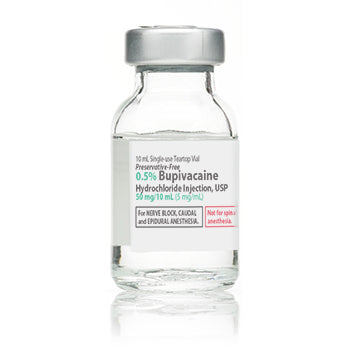
Original price $ 149.00Current price $ 139.00Bupivacaine 0.5% Injection Single-Dose 10 mL Vial, 25/tray (Rx)
1 reviewBupivacaine 0.5% Injection is a widely used local anesthetic, trusted by healthcare professionals for providing long-lasting pain relief during sur...
View full details🔒 Medical License Required -
 Sale 26%
Original price $ 249.95Current price $ 184.00
Sale 26%
Original price $ 249.95Current price $ 184.00Bupivacaine 0.25% Injection Multiple Dose 50 mL Vials 25/tray (Rx)
No reviewsBupivacaine 0.25% for Injection Multiple Dose 50 mL is a local anesthetic used for pain management in various surgical, dental, and obstetric proce...
View full details🔒 Medical License Required -
 Sale 8%
Original price $ 139.95Current price $ 129.00
Sale 8%
Original price $ 139.95Current price $ 129.00Bupivacaine HCL Injection 0.5% Single-Dose Vials 30 mL x 25/Box by Pfizer (RX)
No reviewsBupivacaine HCL Injection 0.5% is a local anesthetic used to provide prolonged pain relief during surgical, dental, and obstetrical procedures, inc...
View full details🔒 Medical License Required -
 Sale 28%
Original price $ 54.00Current price $ 38.95
Sale 28%
Original price $ 54.00Current price $ 38.95Marcaine (Bupivacaine Hydrochloride) 125 mg/50 mL with Epinephrine 1:200,000 Injection 0.25% Multi-Dose 50mL Vial (Rx)
1 reviewMarcaine (Bupivacaine Hydrochloride) 125 mg/50 mL with Epinephrine 1:200,000 is used for local anesthesia and pain management during surgical, dent...
View full details🔒 Medical License Required -
Sold out
Original price $ 6.95Current price $ 5.10
Bupivacaine Hydrochloride 0.5% Injection SDV, Preservative Free 30 mL by Hikma (Rx)
2 reviewsBupivacaine Hydrochloride 0.5% Injection is a high-quality, preservative-free local anesthetic solution designed for surgical anesthesia and pain m...
View full details -
 Sale 27%
Original price $ 139.95Current price $ 102.00
Sale 27%
Original price $ 139.95Current price $ 102.00Marcaine (Bupivacaine Hydrochloride) 0.75% Injection 10 mL Vials, 10/pack (Rx)
No reviewsMarcaine (Bupivacaine Hydrochloride) 0.75% Injection is a local anesthetic used to provide long-lasting pain relief during surgical, dental, and ob...
View full details🔒 Medical License Required -
 Sale 14%
Original price $ 229.95Current price $ 197.00
Sale 14%
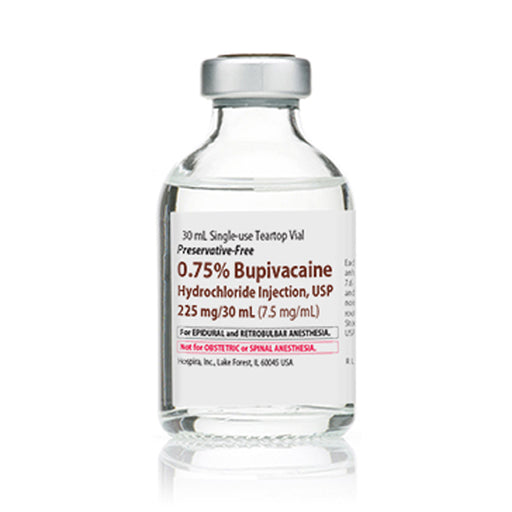
Original price $ 229.95Current price $ 197.00Bupivacaine 0.75% for Injection Single-Dose Vials 30 mL, 25/Tray (Rx)
No reviewsBupivacaine 0.75% for Injection is a local anesthetic used to provide prolonged pain relief by blocking nerve signals during surgical, dental, or o...
View full details🔒 Medical License Required -
 Sale 14%
Original price $ 349.95Current price $ 299.95
Sale 14%
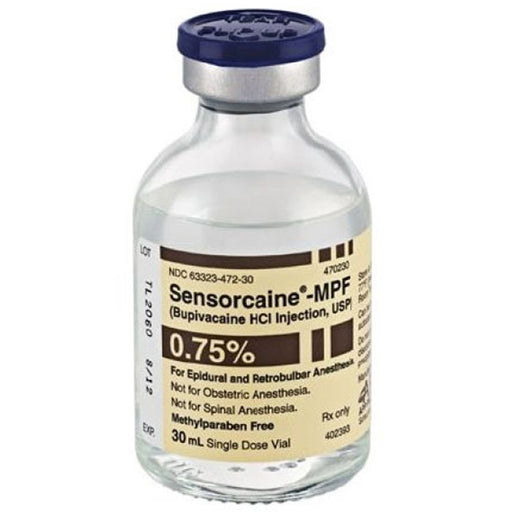
Original price $ 349.95Current price $ 299.95Sensorcaine MPF (Bupivacaine HCL Injection) 0.75% 30 mL Single-dose Vials 25/Tray (Rx)
No reviewsSensorcaine MPF (Bupivacaine HCL Injection) 0.75% 30 mL Single-dose Vials - 25 Pack. Sensorcaine (bupivacaine HCL) is indicated for the production ...
View full details🔒 Medical License Required -
 Sale 16%
Original price $ 999.95Current price $ 839.00
Sale 16%
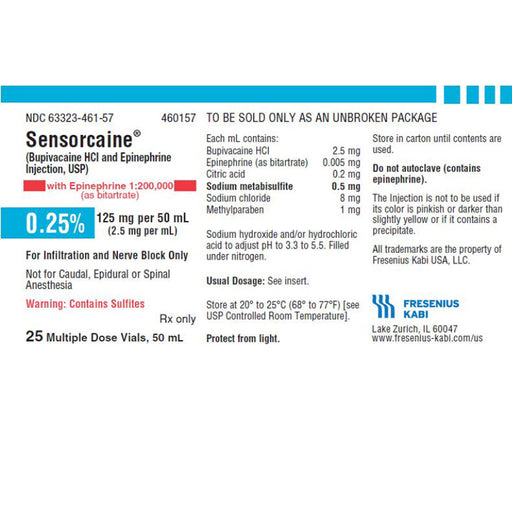
Original price $ 999.95Current price $ 839.00Sensorcaine (Bupivacaine HCL) 0.25% with Epinephrine 1:200,000 (as bitartrate) Multi-Dose 50 mL Vials x 25/Tray
No reviewsSensorcaine® (bupivacaine HCl) injections are sterile isotonic solutions that contain a local anesthetic agent with and without epinephrine (as bit...
View full details🔒 Medical License Required -
 Sale 29%
Original price $ 65.00Current price $ 46.00
Sale 29%
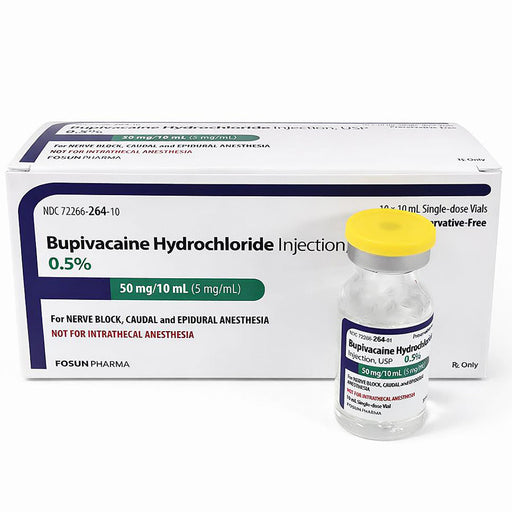
Original price $ 65.00Current price $ 46.00Bupivacaine Injection 0.5% Single Dose 50mg/10ml Preservative-Free 10 ml x 10/Box (RX)
No reviewsBupivacaine Injection 0.5% (Preservative-Free) Bupivacaine 0.5% Injection is a local anesthetic solution used to produce numbness (loss of sensatio...
View full details🔒 Medical License Required -
 Sale 32%
Original price $ 139.95Current price $ 95.00
Sale 32%
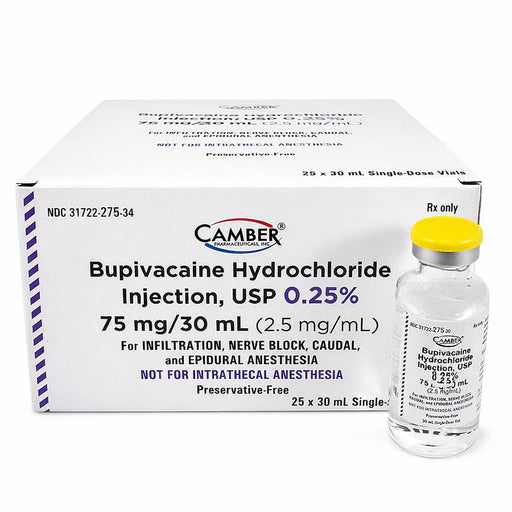
Original price $ 139.95Current price $ 95.00Bupivacaine Injection 0.25% Single Dose Vials 30mL Preservative Free 25/Box (RX)
No reviewsBupivacaine 0.25% Injection (30 mL Single-Dose, Preservative-Free) Bupivacaine injection is a local anesthetic (numbing medication) used to prevent...
View full details🔒 Medical License Required -
 Sold out
Original price $ 9.95Current price $ 6.99
Sold out
Original price $ 9.95Current price $ 6.99Bupivacaine Hydrochloride Injection 0.5% Single Dose Vial 30 mL Nerve Block, Caudal & Epidural Anesthesia (RX)
No reviewsNerve Block, Caudal and Epidural Anesthesia Bupivacaine Hydrochloride Injection 0.5% (30 mL Single Dose Vial) is a high-quality, long-acting local ...
View full details -
 Sale 26%
Original price $ 175.00Current price $ 129.95
Sale 26%
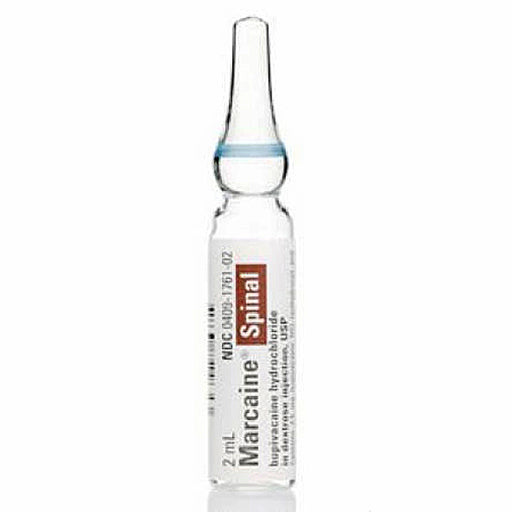
Original price $ 175.00Current price $ 129.95Marcaine Spinal (bupivacaine hydrochloride 0.75% in dextrose injection) 2 mL x 10 Single-Dose Ampules
No reviewsMarcaine Spinal (bupivacaine hydrochloride 0.75% in dextrose injection) is used for spinal anesthesia to provide prolonged pain relief during lower...
View full details🔒 Medical License Required -
 Sale 19%
Original price $ 320.00Current price $ 259.00
Sale 19%
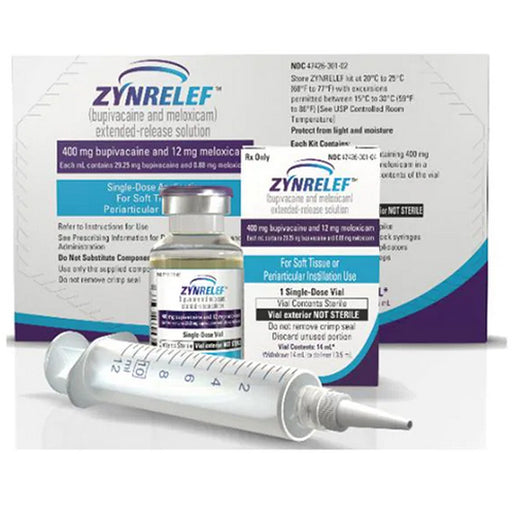
Original price $ 320.00Current price $ 259.00ZYNRELEF Kit (bupivacaine and meloxicam) Extended-Release Solution (Rx)
No reviewsZYNRELEF is indicated in adults for soft tissue or periarticular instillation to produce postsurgical analgesia for up to 72 hours after foot and a...
View full details🔒 Medical License Required -
 Sale 16%
Original price $ 329.95Current price $ 275.95
Sale 16%
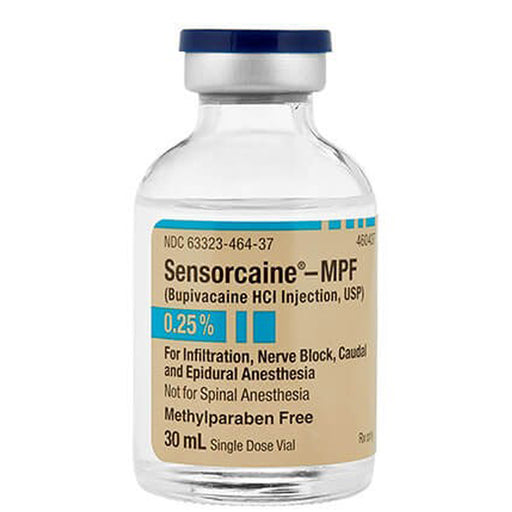
Original price $ 329.95Current price $ 275.95Sensorcaine MPF (Bupivacaine HCL Injection) 0.25% 30 mL Single-dose Vials - 25 Pack
No reviewsSensorcaine MPF (Bupivacaine HCL Injection) 0.25% 30 mL Single-dose Vials - 25 Pack. Sensorcaine (bupivacaine HCL) is indicated for the production ...
View full details🔒 Medical License Required


People Also Searched For
Bupivacaine Injections
Bupivacaine is a long‐acting amide local anesthetic used for surgical and pain blocks (infiltration, nerve blocks, epidural, etc.). It is chemically related to lidocaine/mepivacaine but is more lipid‐soluble and protein-bound, giving it a slower onset and much longer duration of anesthesia. Brand names include Marcaine and Sensorcaine (bupivacaine HCl) for injections, and Exparel for the liposomal (extended-release) formulation. Bupivacaine works by blocking voltage-gated sodium channels in nerve membranes, preventing depolarization and thus nerve impulse conduction. In clinical order, sensation lost is pain → temperature → touch → motor function.
Available Strengths and Formulations
Bupivacaine injections come in several concentrations (all as mg per mL):
- 0.25% (2.5 mg/mL): Provides mild anesthesia with minimal motor block. Used for minor infiltration or prolonged procedures not requiring deep muscle relaxation. (Available as Marcaine/Sensorcaine 0.25% in 10 mL or 30 mL single-dose vials and 50 mL multi-dose vials.
- 0.5% (5 mg/mL): The most common standard strength. Used for many peripheral nerve blocks, epidural labor analgesia, dental procedures, etc. (Available in 10 mL, 30 mL single-dose and 50 mL multi-dose vials.
- 0.75% (7.5 mg/mL): A higher concentration for deeper anesthesia (e.g. surgical blocks requiring complete motor block, retrobulbar eye blocks, some epidurals). Not recommended for obstetrical epidurals due to reports of cardiotoxicity. (Sold in 10 mL and 30 mL vials; e.g. Marcaine 0.75%.)
- With epinephrine (1:200,000): Bupivacaine 0.25% and 0.5% are also available combined with epinephrine to constrict blood vessels, slow absorption, and prolong duration (e.g. Marcaine with epi 0.5% in 1:200,000). Epinephrine-containing solutions carry additional warnings (see below).
- Other formulations: A 0.75% (7.5 mg/mL) heavy solution with 8.25% dextrose is sold as LIDOCAINE Marcaine™ Spinal for intrathecal (spinal) anesthesia (hyperbaric block). The liposomal form, Exparel®, contains 1.3% bupivacaine (13.3 mg/mL) in a slow-release formulation for post-surgical infiltration (multi-dose vial or syringe). (Exparel is FDA-approved for wound infiltration, not for nerve blocks.)
Typical packaging sizes are 10 mL or 30 mL single-dose vials and 50 mL multi-dose vials, depending on manufacturer and strength. Each vial is colorless solution. Marcaine and Sensorcaine products are chemically identical; the “MPF” designation indicates Methyl Paraben Free (sterile preservative-free) single-dose formats.
Packaging and Brands
Brands: The most common commercial names are Marcaine™ (by Pfizer) and Sensorcaine™ (by AstraZeneca/Fresenius Kabi). Both supply bupivacaine HCl injection in the strengths above, with and without epinephrine. Exparel® (Pacira) is a liposomal bupivacaine (1.3%) for infiltration. Bupivacaine 0.75% with dextrose is marketed as Marcain Spinal for intrathecal use (Pacira also sells non-liposomal Marcaine® Spinal heavy).
Pack sizes: Typical vials are 10 mL or 30 mL single-dose vials or 50 mL multi-dose vials (for example, Marcaine 0.5% comes in 10 mL, 30 mL and 50 mL vials). The Multi-dose vials contain a preservative (methylparaben) whereas “MPF” single-dose vials do not. Each mL of solution contains only bupivacaine (and possibly epinephrine); carriers include normal saline and minimal sodium citrate (to adjust pH). Unused opened vials (without preservative) should be discarded after 24 hours.
All injection vials should be stored at controlled room temperature (no refrigeration needed) and protected from light. Check the expiration date—discard any solution that has changed color or clarity. Do not reuse syringes or share vials between patients (risk of contamination and dosing errors).
Mechanism of Action
Bupivacaine works by reversibly blocking voltage-gated sodium (Na⁺) channels on nerve fibers. Normally, these channels allow sodium influx to generate action potentials (nerve impulses). When bupivacaine binds inside the channel (especially when the channel is open), it prevents Na⁺ from entering, so the nerve cannot depolarize. In effect, the nerve impulse is halted and pain signals cannot travel to the brain, producing a localized numbness.
- Because of its chemical structure, bupivacaine is an amide-type local anesthetic (like lidocaine), which generally has lower allergy risk than ester-type anesthetics.
- Bupivacaine is highly lipid-soluble (high potency) and has a relatively high pKa, so onset is somewhat slower than lidocaine but it produces a long duration of anesthesia (often several hours).
- In the heart and cardiovascular system, bupivacaine also blocks sodium (and other) channels. Due to its slow unbinding from the channel, it prolongs refractory periods in cardiac muscle, which can depress cardiac conduction and cause dangerous arrhythmias if the drug reaches high blood levels. This cardiac effect underlies why bupivacaine has a high risk of cardiotoxicity compared to other local anesthetics.
Administration Routes and Uses
Bupivacaine is administered by a healthcare professional, typically by injection in or around nerves or the spine. Common injection routes include:
- Peripheral nerve block: Injected near a nerve or nerve plexus (e.g. brachial plexus block for arm surgery, dental nerve blocks, intercostal nerve block).
- Local infiltration: Injected into surgical wounds or tissues for postoperative analgesia (e.g. after tooth extraction, knee surgery).
- Epidural anesthesia/analgesia: Injected into the epidural space of the spine (e.g. during labor or cesarean delivery, or for pain control after abdominal surgery).
- Spinal (subarachnoid) anesthesia: Injected into the cerebrospinal fluid (CSF) in the spinal canal for procedures like lower-limb orthopedic surgery or cesarean section.
- Caudal block: A type of epidural given through the lower spine (sacral hiatus) mainly used for pediatric lower-body procedures.
Each route and dose is chosen based on the procedure and desired duration of numbing. Bupivacaine is often formulated at 0.25%, 0.5%, or 0.75% concentrations, and can be combined with a small amount of epinephrine (a vasoconstrictor) to prolong its effect and reduce systemic absorption. Whichever route is used, injections must be performed under strict sterile conditions and with monitoring, since bupivacaine’s potency and slow clearance make toxicity a serious concern.
Effects and Duration
After injection, bupivacaine numbs the targeted area by preventing sensory (and eventually motor) nerve signals. Patients feel numb rather than sedated; consciousness is maintained. Bupivacaine has a slow to intermediate onset and a long duration of action relative to shorter-acting agents like lidocaine. For example, analgesia can last from several hours to up to 8–12 hours depending on dose, concentration, and use of epinephrine. Because of this long action, bupivacaine is often chosen for procedures or postoperative pain control where extended anesthesia is desired.
Adverse Effects and Toxicity
When used properly at recommended doses, bupivacaine provides safe local anesthesia. However, systemic toxicity can occur if too much drug enters the bloodstream or is injected into highly vascular areas. Warning signs of systemic toxicity (sometimes called LAST – Local Anesthetic Systemic Toxicity) include neurologic and cardiac symptoms. Key points:
- Neurologic effects: Early CNS symptoms can include numbness of the tongue or mouth, tinnitus (ringing in the ears), dizziness, blurred vision, and tremors. At higher blood levels, generalized central nervous system depression can occur, including convulsions (seizures), loss of consciousness, and coma.
- Cardiovascular effects: Bupivacaine is notorious for cardiotoxicity. It can cause bradycardia, severe hypotension, conduction blocks, and fatal ventricular arrhythmias (e.g. ventricular tachycardia or fibrillation) due to its strong blockade of cardiac Na⁺ channels. In fact, among local anesthetics, bupivacaine has one of the highest risks of causing life-threatening cardiac complications if overdose occurs.
- Other effects: Allergic reactions to bupivacaine are rare (most true allergies occur with ester-type anesthetics). Other side effects can include nausea, vomiting, shivering, headache, or hypotension from sympathetic block. Methemoglobinemia (abnormal hemoglobin) is exceedingly rare with bupivacaine but has been reported.
The risk of toxicity depends on dose and site of injection. Intravenous injection (accidental intravascular injection) or injections in highly vascular areas (e.g. intercostal blocks) carry the greatest absorption risk. To minimize risk, practitioners aspirate before injecting and give fractional doses, while continuously monitoring the patient.
Management of Overdose (Local Anesthetic Systemic Toxicity)
If signs of bupivacaine toxicity appear (e.g. sudden seizure, severe arrhythmia), immediate treatment is critical. Guidelines recommend airway support, seizure control (benzodiazepines, if needed), and cardiovascular support. A key therapy for lipophilic anaesthetic toxicity is intravenous lipid emulsion (often 20% lipid infusion). Experimental and clinical data show that early administration of lipid emulsion can “rescue” patients from severe bupivacaine-induced cardiovascular collapse. Facilities using long-acting anesthetics should have lipid emulsion readily available for LAST emergencies.
Contraindications and Precautions
Bupivacaine injection should not be used in patients with known hypersensitivity to it or other amide anesthetics. It is also contraindicated in some specific scenarios: for example, it should not be used in intravenous regional (Bier) blocks and certain obstetric blocks (paracervical blocks or high-concentration obstetric epidurals). Caution is needed in patients with severe liver disease, heart block, low blood pressure, or other conditions that reduce cardiac function, since impaired clearance or added cardiac effects increase risk. Pregnant women, children, and elderly patients require dose adjustments and monitoring.
In all cases, bupivacaine injections must be administered by qualified healthcare professionals with proper monitoring (EKG, blood pressure, oxygen). The dose is carefully calculated (typically not exceeding ~2–3 mg/kg total) to avoid toxicity. Patients are informed not to move the numb area until normal sensation returns, to avoid injury during anesthesia.
Summary
In summary, bupivacaine injection is a powerful long-acting local anesthetic used to produce numbness for surgeries, labor, and pain relief. It works by blocking nerve impulses and is given for epidural, spinal, and peripheral nerve blocks. Its benefits include prolonged pain control, but it carries a higher risk of serious cardiac and CNS toxicity than shorter-acting anesthetics. When used by trained clinicians in controlled doses, bupivacaine is an effective and commonly used local anesthetic. Patients receive this medication under medical supervision, and any signs of toxicity (nervousness, dizziness, metallic taste, seizures, arrhythmia) are treated immediately – often with lipid emulsion therapy and advanced cardiac life support as needed.
- Product Focus: Bupivacaine injections—FDA-approved, long-acting local anesthetics for surgical, obstetric, and pain management applications
- Primary Users: Licensed healthcare professionals including anesthesiologists, surgeons, pain specialists, dentists, obstetricians, and institutional buyers
- Key Benefit: Extended anesthesia duration (4–12 hours) reduces need for repeat dosing and supports opioid-sparing pain management protocols
- Available Formats: Multiple concentrations (0.25%, 0.5%, 0.75%, 1%) in single-dose and multi-dose vials, with and without epinephrine
- Supply Model: Wholesale distribution direct to hospitals, clinics, surgical centers, EMS teams, dental practices, and institutional buyers across the United States
- Compliance: All products meet FDA pharmaceutical standards for sterility, potency, and safety; intended for qualified healthcare professional use only
- 0.25% Bupivacaine: Infiltration anesthesia and peripheral nerve blocks; lower concentration used for sensory blockade with minimal motor impairment
- 0.5% Bupivacaine: Epidural and spinal anesthesia; most commonly used concentration for surgical and obstetric applications
- 0.75% Bupivacaine: Epidural anesthesia for major surgery; higher concentration for profound anesthesia; available single-dose only
- 1% Bupivacaine: Peripheral nerve blocks and infiltration anesthesia; used when faster onset or deeper blockade is required
- Formulations with Epinephrine: Addition of epinephrine extends duration further, reduces bleeding in surgical fields, and slows systemic absorption for improved safety margins
- Single-Dose and Multi-Dose Vials: Single-dose vials support infection control protocols; multi-dose vials reduce per-unit cost for high-volume facilities
| Feature | Bupivacaine | Lidocaine (for comparison) |
|---|---|---|
| Onset Time | 5–10 minutes | 3–5 minutes (faster) |
| Duration | 4–12 hours | 30 minutes–2 hours |
| Ideal Use | Major surgery, regional blocks, labor, chronic pain management | Minor procedures, brief infiltration anesthesia, rapid pain relief |
| Opioid-Sparing | Superior—extended duration reduces need for systemic opioids | Moderate—shorter duration may require supplemental pain control |
| Cost per Procedure | Higher per vial; lower total cost due to extended duration reducing re-dosing | Lower per vial; may require multiple doses for extended procedures |
Both are FDA-approved local anesthetics. Clinical choice depends on procedure duration, patient factors, and institutional protocols.
- Surgical Anesthesia: General, regional, and local anesthesia for inpatient and outpatient surgical procedures across all specialties
- Labor and Delivery: Epidural and spinal anesthesia for labor pain management, vaginal delivery, and cesarean section procedures; first-line choice in obstetric anesthesia
- Pain Management Clinics: Nerve block injections for chronic pain conditions including sciatica, back pain, neuropathic pain, and post-operative pain management
- Orthopedic Surgery: Peripheral nerve blocks for shoulder, knee, hip, and extremity surgery; supports same-day discharge protocols
- Dental Surgery: Local infiltration and nerve blocks for extractions, implant placement, and other dental procedures
- Wound Repair and Minor Procedures: Soft tissue infiltration anesthesia for laceration repair, abscess drainage, and dermatological interventions
- Determine Procedure Duration: Procedures lasting 2+ hours benefit from bupivacaine's extended action; shorter procedures may use lidocaine or mepivacaine
- Choose Concentration Based on Application: 0.25% for infiltration and distal blocks; 0.5% for epidural and most surgical blocks; 0.75% for major epidural surgery; 1% for peripheral nerve blocks requiring faster onset
- Consider Epinephrine Addition: With epinephrine extends duration 50–100%, reduces bleeding in surgical fields, and slows systemic absorption; avoid in areas with end-artery blood supply (fingers, ears, nose, toes)
- Evaluate Patient Factors: Liver disease, severe renal impairment, cardiac conditions, or pregnancy require careful dose adjustment or alternative agents; consult anesthesia guidelines or pharmacist
- Select Vial Format: Single-dose vials for infection control and convenience; multi-dose vials reduce per-unit cost for high-volume facilities
- Confirm Availability: Contact Mountainside Medical sales team to confirm stock of your preferred concentration and formulation; bulk ordering may offer volume discounts
- Licensed Professional Requirement: Bupivacaine injections are prescription pharmaceutical products; purchases require valid medical license verification or institutional pharmacy license
- Minimum Order Quantities: Contact sales@mountainside-medical.com for MOQ information and bulk pricing structures tailored to your facility volume
- Wholesale Pricing: Competitive pricing for institutional and high-volume buyers; volume discounts available on large orders
- Fast Shipping: Orders ship quickly to healthcare facilities across the United States; free shipping on orders over $100 supports efficient procurement
- Direct Contact for Clinical Questions: Phone: (888) 687-4334 | Email: sales@mountainside-medical.com. Our team includes licensed pharmacy professionals available to discuss indications, dosing, compatibility, and clinical application
- 5% First-Purchase Discount: New customers receive 5% off first order to support cost-effective sourcing and relationship building
Professional Use Only: Bupivacaine injections are pharmaceutical products intended for use by qualified healthcare professionals only. This product is not intended for self-administration or use outside a clinical setting under professional supervision.
Not a Substitute for Professional Medical Advice: The information provided on this page is educational in nature and is not a substitute for professional medical advice, diagnosis, or treatment. All clinical decisions regarding bupivacaine use must be made by licensed healthcare professionals following established clinical guidelines and protocols.
Safety Considerations: Bupivacaine carries risk of systemic toxicity if administered improperly or in excessive doses. All users must understand maximum recommended doses, patient-specific contraindications, and risk mitigation strategies. This product is contraindicated in patients with certain cardiac conditions, severe liver disease, or severe renal impairment without appropriate dose adjustment.
FDA Approval Status: Bupivacaine is FDA-approved as a local anesthetic for use as described in the approved prescribing information. Mountainside Medical distributes pharmaceutical-grade bupivacaine manufactured to FDA standards for sterility, potency, and purity.
Regulatory Compliance: Mountainside Medical is licensed to distribute prescription and injectable pharmaceutical products in accordance with state and federal regulations. All products are sourced from licensed pharmaceutical manufacturers and comply with FDA pharmaceutical standards.
Storage and Handling: Bupivacaine injections must be stored and handled according to manufacturer specifications. Users are responsible for proper storage, inventory management, and adherence to expiration dates and handling protocols.
-
How long does bupivacaine last?
Depending on concentration, formulation, and application, bupivacaine provides local anesthesia for 4–12 hours. When combined with epinephrine, duration can extend further—sometimes 12–24 hours for specific nerve block applications. Onset time is typically 5–10 minutes. The exact duration varies based on injection site, tissue perfusion, patient factors, and whether epinephrine is included.
-
What is the difference between bupivacaine and lidocaine?
The primary difference is duration. Lidocaine has a faster onset (3–5 minutes) but shorter duration (30 minutes to 2 hours), making it ideal for brief procedures. Bupivacaine has slower onset (5–10 minutes) but extended duration (4–12 hours), making it superior for lengthy surgical procedures, regional blocks, and situations requiring prolonged pain control. Bupivacaine is preferred when duration and reduced re-dosing frequency are priorities. Lidocaine remains preferred for rapid, short-duration applications.
-
Is bupivacaine safe?
Yes, when administered by trained healthcare professionals following established dosing protocols and clinical guidelines. Bupivacaine is used safely in millions of surgical procedures annually. However, it is a potent medication requiring proper training and dose adherence. Improper administration or overdosing carries risk of central nervous system (CNS) or cardiac toxicity. All bupivacaine use must be supervised by qualified healthcare professionals. Certain patient populations (severe cardiac disease, liver disease, severe renal impairment) require careful dose adjustment or alternative agents.
-
Can bupivacaine be used in children?
Yes, bupivacaine is commonly used in pediatric anesthesia and pain management with appropriate age and weight-based dosing. Pediatric use requires careful attention to maximum recommended doses, which are lower than adult doses. Bupivacaine is used safely for pediatric nerve blocks, infiltration anesthesia, and epidural/spinal anesthesia in children. All pediatric dosing must follow established pediatric anesthesia guidelines and be administered by healthcare professionals experienced in pediatric anesthesia.
-
Is bupivacaine used in labor and delivery?
Yes, bupivacaine is a first-line choice for epidural and spinal anesthesia during labor and delivery, including vaginal delivery and cesarean section procedures. It is widely used and well-studied in obstetric anesthesia. Bupivacaine provides safe, effective pain control for labor and is preferred over lidocaine due to its extended duration, reducing the need for frequent re-dosing. Obstetric anesthesia requires management by trained obstetric anesthesiologists or anesthesia teams.
-
What are the concentrations available?
Mountainside Medical supplies bupivacaine in standard FDA pharmaceutical concentrations: 0.25%, 0.5%, 0.75%, and 1%. Concentration choice depends on the clinical application. 0.25% is used for infiltration and distal nerve blocks; 0.5% for most epidural, spinal, and surgical nerve blocks; 0.75% for major epidural surgery; 1% for peripheral nerve blocks. All concentrations are available in single-dose and multi-dose vials, with and without epinephrine (where clinically appropriate).
-
Can bupivacaine be mixed with epinephrine?
Yes, bupivacaine is safely combined with epinephrine in FDA-approved formulations. Epinephrine extends anesthetic duration, reduces bleeding in surgical fields, and slows systemic absorption of the local anesthetic, improving the safety margin. Epinephrine-containing formulations are contraindicated in areas supplied by end-arteries (fingers, ears, nose, toes) due to risk of tissue ischemia. Mountainside Medical supplies both formulations—with and without epinephrine.
-
What are the main uses for bupivacaine injections?
Bupivacaine injections are used for surgical anesthesia (general, regional, local); epidural and spinal blocks for labor, delivery, and back pain; peripheral nerve blocks for limb surgery; infiltration anesthesia for soft tissue procedures; and chronic pain management via nerve block injections. Specific use cases include orthopedic surgery, dental procedures, obstetric anesthesia, and postoperative pain control. Clinical application depends on procedure type, duration, and patient factors. Healthcare professionals select bupivacaine when extended anesthesia duration is required.
-
How do I order bupivacaine from Mountainside Medical?
Contact our sales team directly: Phone: (888) 687-4334 | Email: sales@mountainside-medical.com. Bupivacaine is a prescription pharmaceutical product; orders require valid medical license or institutional pharmacy license verification. We offer wholesale pricing, volume discounts, fast shipping (free on orders over $100), and new-customer 5% discount on first purchase. New users receive 5% off. Contact our licensed pharmacy team to confirm availability, discuss bulk pricing, and address clinical questions.
-
What are the maximum recommended doses for bupivacaine?
Maximum recommended doses vary by application and patient factors. Standard guidelines recommend maximum 175 mg without epinephrine and 225 mg with epinephrine for healthy adults (not to exceed 3 mg/kg without epinephrine or 4.5 mg/kg with epinephrine). Pediatric doses are significantly lower and weight-based. Maximum doses must be strictly observed to avoid CNS and cardiac toxicity. All dosing decisions must be made by qualified healthcare professionals following published guidelines and product prescribing information. Dose adjustments are required for elderly patients, those with liver or severe renal disease, and certain cardiac conditions.
-
What patient populations require dose adjustment?
Certain patient populations require careful dose adjustment or consideration of alternative agents. These include: elderly patients (reduced clearance); patients with liver disease (impaired metabolism); patients with severe renal impairment; patients with significant cardiac disease or conduction abnormalities; pregnant patients (especially first trimester); and patients taking medications that interact with local anesthetics. All dose adjustments must be determined by the treating healthcare professional based on individual patient assessment and clinical guidelines.
- Product Focus: Bupivacaine injections—FDA-approved, long-acting local anesthetics for surgical, obstetric, and pain management applications
- Primary Users: Licensed healthcare professionals including anesthesiologists, surgeons, pain specialists, dentists, obstetricians, and institutional buyers
- Key Benefit: Extended anesthesia duration (4–12 hours) reduces need for repeat dosing and supports opioid-sparing pain management protocols
- Available Formats: Multiple concentrations (0.25%, 0.5%, 0.75%, 1%) in single-dose and multi-dose vials, with and without epinephrine
- Supply Model: Wholesale distribution direct to hospitals, clinics, surgical centers, EMS teams, dental practices, and institutional buyers across the United States
- Compliance: All products meet FDA pharmaceutical standards for sterility, potency, and safety; intended for qualified healthcare professional use only
- 0.25% Bupivacaine: Infiltration anesthesia and peripheral nerve blocks; lower concentration used for sensory blockade with minimal motor impairment
- 0.5% Bupivacaine: Epidural and spinal anesthesia; most commonly used concentration for surgical and obstetric applications
- 0.75% Bupivacaine: Epidural anesthesia for major surgery; higher concentration for profound anesthesia; available single-dose only
- 1% Bupivacaine: Peripheral nerve blocks and infiltration anesthesia; used when faster onset or deeper blockade is required
- Formulations with Epinephrine: Addition of epinephrine extends duration further, reduces bleeding in surgical fields, and slows systemic absorption for improved safety margins
- Single-Dose and Multi-Dose Vials: Single-dose vials support infection control protocols; multi-dose vials reduce per-unit cost for high-volume facilities
| Feature | Bupivacaine | Lidocaine (for comparison) |
|---|---|---|
| Onset Time | 5–10 minutes | 3–5 minutes (faster) |
| Duration | 4–12 hours | 30 minutes–2 hours |
| Ideal Use | Major surgery, regional blocks, labor, chronic pain management | Minor procedures, brief infiltration anesthesia, rapid pain relief |
| Opioid-Sparing | Superior—extended duration reduces need for systemic opioids | Moderate—shorter duration may require supplemental pain control |
| Cost per Procedure | Higher per vial; lower total cost due to extended duration reducing re-dosing | Lower per vial; may require multiple doses for extended procedures |
Both are FDA-approved local anesthetics. Clinical choice depends on procedure duration, patient factors, and institutional protocols.
- Surgical Anesthesia: General, regional, and local anesthesia for inpatient and outpatient surgical procedures across all specialties
- Labor and Delivery: Epidural and spinal anesthesia for labor pain management, vaginal delivery, and cesarean section procedures; first-line choice in obstetric anesthesia
- Pain Management Clinics: Nerve block injections for chronic pain conditions including sciatica, back pain, neuropathic pain, and post-operative pain management
- Orthopedic Surgery: Peripheral nerve blocks for shoulder, knee, hip, and extremity surgery; supports same-day discharge protocols
- Dental Surgery: Local infiltration and nerve blocks for extractions, implant placement, and other dental procedures
- Wound Repair and Minor Procedures: Soft tissue infiltration anesthesia for laceration repair, abscess drainage, and dermatological interventions
- Determine Procedure Duration: Procedures lasting 2+ hours benefit from bupivacaine's extended action; shorter procedures may use lidocaine or mepivacaine
- Choose Concentration Based on Application: 0.25% for infiltration and distal blocks; 0.5% for epidural and most surgical blocks; 0.75% for major epidural surgery; 1% for peripheral nerve blocks requiring faster onset
- Consider Epinephrine Addition: With epinephrine extends duration 50–100%, reduces bleeding in surgical fields, and slows systemic absorption; avoid in areas with end-artery blood supply (fingers, ears, nose, toes)
- Evaluate Patient Factors: Liver disease, severe renal impairment, cardiac conditions, or pregnancy require careful dose adjustment or alternative agents; consult anesthesia guidelines or pharmacist
- Select Vial Format: Single-dose vials for infection control and convenience; multi-dose vials reduce per-unit cost for high-volume facilities
- Confirm Availability: Contact Mountainside Medical sales team to confirm stock of your preferred concentration and formulation; bulk ordering may offer volume discounts
- Licensed Professional Requirement: Bupivacaine injections are prescription pharmaceutical products; purchases require valid medical license verification or institutional pharmacy license
- Minimum Order Quantities: Contact sales@mountainside-medical.com for MOQ information and bulk pricing structures tailored to your facility volume
- Wholesale Pricing: Competitive pricing for institutional and high-volume buyers; volume discounts available on large orders
- Fast Shipping: Orders ship quickly to healthcare facilities across the United States; free shipping on orders over $100 supports efficient procurement
- Direct Contact for Clinical Questions: Phone: (888) 687-4334 | Email: sales@mountainside-medical.com. Our team includes licensed pharmacy professionals available to discuss indications, dosing, compatibility, and clinical application
- 5% First-Purchase Discount: New customers receive 5% off first order to support cost-effective sourcing and relationship building
Professional Use Only: Bupivacaine injections are pharmaceutical products intended for use by qualified healthcare professionals only. This product is not intended for self-administration or use outside a clinical setting under professional supervision.
Not a Substitute for Professional Medical Advice: The information provided on this page is educational in nature and is not a substitute for professional medical advice, diagnosis, or treatment. All clinical decisions regarding bupivacaine use must be made by licensed healthcare professionals following established clinical guidelines and protocols.
Safety Considerations: Bupivacaine carries risk of systemic toxicity if administered improperly or in excessive doses. All users must understand maximum recommended doses, patient-specific contraindications, and risk mitigation strategies. This product is contraindicated in patients with certain cardiac conditions, severe liver disease, or severe renal impairment without appropriate dose adjustment.
FDA Approval Status: Bupivacaine is FDA-approved as a local anesthetic for use as described in the approved prescribing information. Mountainside Medical distributes pharmaceutical-grade bupivacaine manufactured to FDA standards for sterility, potency, and purity.
Regulatory Compliance: Mountainside Medical is licensed to distribute prescription and injectable pharmaceutical products in accordance with state and federal regulations. All products are sourced from licensed pharmaceutical manufacturers and comply with FDA pharmaceutical standards.
Storage and Handling: Bupivacaine injections must be stored and handled according to manufacturer specifications. Users are responsible for proper storage, inventory management, and adherence to expiration dates and handling protocols.
-
How long does bupivacaine last?
Depending on concentration, formulation, and application, bupivacaine provides local anesthesia for 4–12 hours. When combined with epinephrine, duration can extend further—sometimes 12–24 hours for specific nerve block applications. Onset time is typically 5–10 minutes. The exact duration varies based on injection site, tissue perfusion, patient factors, and whether epinephrine is included.
-
What is the difference between bupivacaine and lidocaine?
The primary difference is duration. Lidocaine has a faster onset (3–5 minutes) but shorter duration (30 minutes to 2 hours), making it ideal for brief procedures. Bupivacaine has slower onset (5–10 minutes) but extended duration (4–12 hours), making it superior for lengthy surgical procedures, regional blocks, and situations requiring prolonged pain control. Bupivacaine is preferred when duration and reduced re-dosing frequency are priorities. Lidocaine remains preferred for rapid, short-duration applications.
-
Is bupivacaine safe?
Yes, when administered by trained healthcare professionals following established dosing protocols and clinical guidelines. Bupivacaine is used safely in millions of surgical procedures annually. However, it is a potent medication requiring proper training and dose adherence. Improper administration or overdosing carries risk of central nervous system (CNS) or cardiac toxicity. All bupivacaine use must be supervised by qualified healthcare professionals. Certain patient populations (severe cardiac disease, liver disease, severe renal impairment) require careful dose adjustment or alternative agents.
-
Can bupivacaine be used in children?
Yes, bupivacaine is commonly used in pediatric anesthesia and pain management with appropriate age and weight-based dosing. Pediatric use requires careful attention to maximum recommended doses, which are lower than adult doses. Bupivacaine is used safely for pediatric nerve blocks, infiltration anesthesia, and epidural/spinal anesthesia in children. All pediatric dosing must follow established pediatric anesthesia guidelines and be administered by healthcare professionals experienced in pediatric anesthesia.
-
Is bupivacaine used in labor and delivery?
Yes, bupivacaine is a first-line choice for epidural and spinal anesthesia during labor and delivery, including vaginal delivery and cesarean section procedures. It is widely used and well-studied in obstetric anesthesia. Bupivacaine provides safe, effective pain control for labor and is preferred over lidocaine due to its extended duration, reducing the need for frequent re-dosing. Obstetric anesthesia requires management by trained obstetric anesthesiologists or anesthesia teams.
-
What are the concentrations available?
Mountainside Medical supplies bupivacaine in standard FDA pharmaceutical concentrations: 0.25%, 0.5%, 0.75%, and 1%. Concentration choice depends on the clinical application. 0.25% is used for infiltration and distal nerve blocks; 0.5% for most epidural, spinal, and surgical nerve blocks; 0.75% for major epidural surgery; 1% for peripheral nerve blocks. All concentrations are available in single-dose and multi-dose vials, with and without epinephrine (where clinically appropriate).
-
Can bupivacaine be mixed with epinephrine?
Yes, bupivacaine is safely combined with epinephrine in FDA-approved formulations. Epinephrine extends anesthetic duration, reduces bleeding in surgical fields, and slows systemic absorption of the local anesthetic, improving the safety margin. Epinephrine-containing formulations are contraindicated in areas supplied by end-arteries (fingers, ears, nose, toes) due to risk of tissue ischemia. Mountainside Medical supplies both formulations—with and without epinephrine.
-
What are the main uses for bupivacaine injections?
Bupivacaine injections are used for surgical anesthesia (general, regional, local); epidural and spinal blocks for labor, delivery, and back pain; peripheral nerve blocks for limb surgery; infiltration anesthesia for soft tissue procedures; and chronic pain management via nerve block injections. Specific use cases include orthopedic surgery, dental procedures, obstetric anesthesia, and postoperative pain control. Clinical application depends on procedure type, duration, and patient factors. Healthcare professionals select bupivacaine when extended anesthesia duration is required.
-
How do I order bupivacaine from Mountainside Medical?
Contact our sales team directly: Phone: (888) 687-4334 | Email: sales@mountainside-medical.com. Bupivacaine is a prescription pharmaceutical product; orders require valid medical license or institutional pharmacy license verification. We offer wholesale pricing, volume discounts, fast shipping (free on orders over $100), and new-customer 5% discount on first purchase. New users receive 5% off. Contact our licensed pharmacy team to confirm availability, discuss bulk pricing, and address clinical questions.
-
What are the maximum recommended doses for bupivacaine?
Maximum recommended doses vary by application and patient factors. Standard guidelines recommend maximum 175 mg without epinephrine and 225 mg with epinephrine for healthy adults (not to exceed 3 mg/kg without epinephrine or 4.5 mg/kg with epinephrine). Pediatric doses are significantly lower and weight-based. Maximum doses must be strictly observed to avoid CNS and cardiac toxicity. All dosing decisions must be made by qualified healthcare professionals following published guidelines and product prescribing information. Dose adjustments are required for elderly patients, those with liver or severe renal disease, and certain cardiac conditions.
-
What patient populations require dose adjustment?
Certain patient populations require careful dose adjustment or consideration of alternative agents. These include: elderly patients (reduced clearance); patients with liver disease (impaired metabolism); patients with severe renal impairment; patients with significant cardiac disease or conduction abnormalities; pregnant patients (especially first trimester); and patients taking medications that interact with local anesthetics. All dose adjustments must be determined by the treating healthcare professional based on individual patient assessment and clinical guidelines.