
Filters
- 69097-0027-50 (1)
- doctor-only (8)
- Glucagon (7)
- glucagon emergency kit cost (1)
- Glucagon Injection (6)
- Glucagon Kit (1)
- glucose (1)
- glycogenolysis (1)
- Glycogenolytic agent (1)
- Hypoglycemia (6)
- Low Blood Sugar (6)
- Severe Hypoglycemia (7)
- Allergy Emergency (1)
- Amphastar (1)
- Emergency Kit (2)
- Emergency Responders (1)
- Human Recombinant (3)
- Blood Sugar Reversal (1)
- diabetic low blood sugar (1)
- EMS hypoglycemia (1)
- glucagon kit (1)
- Glucagon Vial (1)
- prescription glucagon (1)
- rescue (1)
- treatment kit (1)
- Baqsimi (1)
- Nasal Powder (1)
- Nasal Spray (1)
- Severe Hypoglycemia Treatment (1)
- Autoinjector (2)
- Glycogenolytic Agents (2)
- Gvoke (2)
- Glucagen (1)
- blood glucose (1)
- blood sugar rescue (1)
- Diabetes (1)
- diabetic emergency (1)
- Emergency Treatment (1)
- Glucagon Syringe (1)
- Insulin (1)
- life-saving (1)
- Low blood pressure (1)
- Treat Low Blood Pressure (1)
- GlucaGen (1)
- Glucagen Hypokit (1)
- Hyperglycemic (1)
- Insulinoma (1)
- Nordisk (1)
- Police (1)
- Very Low Blood Sugar (1)
Glucagon injections
Glucagon injections
Glucagon is a natural hormone (a peptide) produced by the alpha cells of the pancreas. It acts opposite to insulin: when released, glucagon causes the liver to break down stored glycogen and release glucose, raising blood sugar levels. In medicine, glucagon injections are given to replicate this effect in emergencies. The main use is to treat severe hypoglycemia (very low blood sugar) in diabetic patients who cannot take sugar orally or are unconscious. Glucagon also relaxes smooth muscle in the gastrointestinal (GI) tract, so an IV form is used by doctors during certain radiologic GI exams to temporarily inhibit gut movement. (Up until recently, injectable glucagon was also used as a diagnostic aid to slow the digestive system for X-rays.) Less commonly, IV glucagon is used in critical care, for example to help raise heart rate and blood pressure in severe beta-blocker overdoses.
Injectable glucagon preparations include:
- Kit (powder + diluent): A single-dose vial of lyophilized (freeze-dried) glucagon plus a syringe of water. The user mixes them before injecting.
- Prefilled syringe/auto-injector: Some products (e.g. Gvoke) come as a pre-mixed injection for immediate use (SC/IM).
- Intranasal spray: (Baqsimi) is a powder for nasal use, not an injection, but it works similarly by delivering glucagon without a needle.
In practice, most glucagon kits contain 1 milligram (mg) of glucagon (sufficient for an adult dose). Caregivers or EMS inject it subcutaneously (under the skin) or intramuscularly (into muscle) for an unconscious person. In-hospital, doctors may reconstitute it and give it intravenously (IV) for things like GI imaging or toxin management (e.g. beta-blocker poisoning).
How It Works (Mechanism)
Glucagon is classified as a glycogenolytic agent – it triggers the breakdown of glycogen (the storage form of glucose) in the liver. This causes the liver to “dump” glucose into the bloodstream. Specifically, glucagon binds to liver cell receptors, stimulating a cascade that converts glycogen to glucose, thereby raising blood sugar. (If the person is fasted or has depleted glycogen stores, glucagon will not work well, since there is no stored sugar to release.)
Because glucagon also relaxes smooth muscle in the GI tract, an IV bolus is used during radiographic exams to slow peristalsis. This makes the stomach and intestines more still, improving image quality.
Uses / Indications
Glucagon injection is used in several specific settings:
- Emergency hypoglycemia (Diabetic coma): The primary use is severe hypoglycemia in insulin-dependent diabetics (Type 1 or Type 2). If a person’s blood sugar falls dangerously low (for example, due to insulin overdosage, missed meals, or prolonged exercise) and they are confused, lethargic, or unconscious, an injection of glucagon can rapidly raise their glucose. This is lifesaving when the patient cannot safely drink or eat sugar.
- Radiology (GI tract): An IV form of glucagon (often as GlucaGen or Gvoke VialDx) is given by a radiologist to inhibit gastrointestinal movement during certain X-ray or CT procedures (e.g. abdominal imaging, ERCP, or colonoscopy). By relaxing the stomach and intestines, glucagon helps the radiologist get clearer images.
- Beta-blocker or calcium-channel blocker overdose: In critical care, high-dose IV glucagon can be used as an antidote. For instance, in severe beta-blocker overdose causing life-threatening bradycardia (very slow heart rate) or hypotension, glucagon’s inotropic effects (raising cAMP in heart cells) can improve cardiac output. (Note: This is adjunctive therapy used only in ICU settings, not outpatient.)
- Other (rare): Glucagon has also been used as a one-time treatment in cases of refractory insecticide poisoning (organophosphates) and for imaging of bile ducts, but these uses are specialized and under medical supervision.
In summary, glucagon injection is essentially an emergency or procedural drug – it is not taken routinely, but used as needed. For diabetic patients, most endocrinologists recommend keeping a glucagon kit at home (or school) for any incident of severe hypoglycemia.
Administration and Dosage
Glucagon must be administered by or under the direction of a healthcare provider (or by a trained caregiver in an emergency). The general guidance is:
-
Hypoglycemia (SC/IM): For an adult (and many children), a single dose of 1 mg glucagon injected subcutaneously or intramuscularly is standard. (Some prefilled pens give 0.5 mg for small children, up to 1 mg for adults.) If the patient does not wake up within ~15 minutes, one additional dose may be given. After the patient regains consciousness, they should be given oral carbohydrates (juice or dextrose) and then a longer-acting snack to stabilize blood sugar.
- Note: In most emergency kits, the glucagon comes as a vial of powder and a syringe of diluent – you must mix them right before injection. Manufacturers provide instructions on reconstitution. Once mixed, the solution is injected (typically into the upper arm, thigh, or buttock).
- Pediatric dosing: Smaller children may receive 0.5 mg, but many kits have weight-based dosing instructions (e.g. 0.5 mg if <25 kg, 1 mg if ≥25 kg). Always follow the specific product’s instructions or a doctor’s orders.
-
Radiology (IV): For GI procedures, the radiologist will draw up the appropriate dose (often 0.2–1 mg IV) just before use. The dose depends on which part of the GI tract needs immobilization and patient factors. The effect is rapid (within 1–2 minutes) but short-lived (minutes). No tapering is needed since this is a one-time use.
-
Toxicology (IV): In a hospital overdose setting, IV glucagon dosing is much higher. A typical regimen for beta-blocker tox might start with 5–10 mg IV over several minutes, then an infusion of 2–5 mg/hour as needed. This is purely critical-care use under ICU protocols.
Administration tips: Glucagon injections should be avoided if the person is conscious and can swallow – in that case, rapidly absorbing oral glucose (juice, glucose gel, candy) is safer. Before injection, ensure the solution is clear and not expired. After injection, turn the patient onto their side, as glucagon commonly causes nausea and vomiting. Emergency services should be called immediately after administering glucagon, even if the person begins to recover.
Common Side Effects
When used as a single emergency dose, glucagon injection is generally well-tolerated, but it can cause some transient side effects:
- Gastrointestinal: Nausea and vomiting are very common (it actually stimulates the gut). Abdominal cramps or diarrhea can occur. Patients often vomit within 5–20 minutes of injection. It’s important to keep the patient on their side to prevent choking.
- Cardiovascular: A fast heartbeat (tachycardia) and a temporary rise in blood pressure may occur, reflecting its stimulant effect on the heart’s cAMP pathways. These changes are usually mild in a healthy person but are carefully monitored if the patient has heart disease.
- Injection site reactions: Mild redness, pain, or a lump at the injection site is possible. These usually resolve on their own.
- Others: Headache, sweating, or allergic-type reactions (rash) can happen, though true allergies to glucagon are rare. Some patients report a weird taste or feeling of fullness in the stomach.
According to patient guides, the most common side effects in adults include nausea, vomiting, headache, and injection-site swelling. (Children may also get temporary hyperglycemia after injection.) These side effects are usually self-limited and short-lived. By contrast, serious reactions (such as severe allergic reactions, unconsciousness beyond the hypoglycemia, or persistent tachycardia) are rare. But any severe symptoms (hives, breathing difficulty, chest pain) warrant emergency care.
Precautions and Warnings
- Contraindications: Patients with a pheochromocytoma (a blood-pressure tumor of the adrenal gland) should not receive glucagon, as it can trigger a dangerous surge in adrenaline and blood pressure. Likewise, insulinoma (an insulin-secreting tumor) or glucagonoma (extremely rare glucagon-secreting tumor) are contraindications. These conditions are unusual, but medical providers always check cancer histories.
- Allergy: If the patient has known hypersensitivity to glucagon or any kit component, it must not be used. Signs of allergy include rash, wheezing, or swelling.
- Adrenal insufficiency/malnutrition: Glucagon requires adequate liver glycogen. Patients who are malnourished or with chronic adrenal insufficiency may not respond well, because they have low glycogen stores. In such cases, glucagon can fail to raise blood sugar, and an IV glucose solution must be started instead. Anyone administering glucagon needs to be aware of this limitation.
- Interactions: Glucagon’s effect on heart rate/blood pressure can be exacerbated by beta-blockers. Conversely, insulin counteracts glucagon, so if someone just received insulin or an insulin secretagogue (sulfonylurea), glucagon’s effect may be blunted. Warfarin (a blood thinner) can have its effect increased by glucagon, so patients on warfarin may require later dose adjustment. Also, certain anti-inflammatories (indomethacin) can cause prolonged hypoglycemia after glucagon. Always tell the treating physician about any other drugs the patient has taken.
- Pregnancy: Glucagon is classified as pregnancy category B (no known risks from human studies). It is generally considered safe if needed for maternal hypoglycemia, as it is not known to harm a fetus.
- Follow-up care: After a glucagon injection, the patient should be checked for recurrent hypoglycemia (blood sugar can fall again once the medication wears off). Caregivers should also watch for dehydration or other stress from vomiting.
How to Use and Monitor
For diabetic patients at risk of hypoglycemia, education is key: a family member or caregiver should always know when and how to give glucagon. If available, practice kits or demonstration models (some manufacturers provide trainer devices) can help build confidence. Store the kit at room temperature and replace it before expiration, since the powder can degrade.
In an emergency:
- Call emergency services immediately.
- Lay the person on their side.
- Inject glucagon SC or IM according to the kit instructions (usually 1 mg for adults).
- The patient should regain consciousness in about 10–15 minutes. If not, a second dose can be given after 15 minutes (some protocols suggest repeating once).
- Once awake, give oral carbohydrates (fruit juice, glucose tablet) to maintain blood sugar.
- Seek medical follow-up even if the patient seems recovered.
In a hospital or clinic (GI exam or overdose), medical staff will monitor vital signs, ECG, and blood glucose after injection, adjusting care as needed.
Summary
Glucagon injections are emergency medications that raise blood sugar by triggering the liver to release glucose. In practice, they are most often kept available for diabetics who experience severe hypoglycemia. When injected (IM or SC), glucagon typically works within 10–15 minutes and brings most patients out of unconsciousness. It is usually supplied as a 1 mg kit (powder + diluent) or prefilled syringe. Aside from low-sugar emergencies, glucagon’s ability to relax the gut makes it useful (under provider supervision) for GI imaging tests.
Common side effects include nausea and vomiting, headache, and injection-site redness. These are generally mild and short-lived. Serious reactions are rare but include allergic responses (rash, breathing difficulty) and, in sensitive patients, large changes in heart rate or blood pressure. Glucagon should not be used in patients with certain endocrine tumors (pheochromocytoma, insulinoma), and it requires adequate glycogen stores to be effective.
Key points: Glucagon is a blood-glucose elevating agent given by injection in emergencies. It is the opposite of insulin – it raises glucose by causing hepatic glycogenolysis. In diabetic care, a glucagon kit is a “rescue” medication for severe hypoglycemia. Proper mixing, injection, and follow-up feeding are essential for success. Always keep glucagon in date and accessible if you or a loved one is at risk of insulin-induced coma.
-
 Sale 30%
Original price $ 199.95Current price $ 139.00
Sale 30%
Original price $ 199.95Current price $ 139.00Glucagon Emergency Kit 1 ml (Glucagon Kit Injection) (Rx)
No reviewsGlucagon Emergency Kit 1 (Glucagon Kit Injection) A Glucagon Emergency Kit is a prescription emergency injection kit containing 1 mg of glucagon (l...
View full details🔒 Medical License Required -
 Sale 16%
Original price $ 592.00Current price $ 499.00
Sale 16%
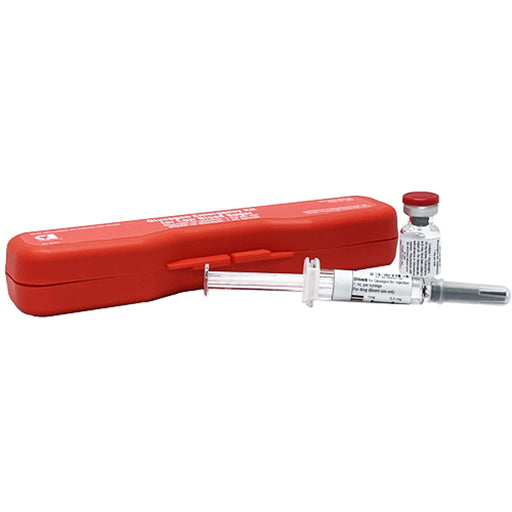
Original price $ 592.00Current price $ 499.00Glucagon Emergency Kit 1 mg/mL for Low Blood Sugar by Amphastar (Rx)
No reviewsThe Amphastar Glucagon Emergency Kit 1 mg/mL is used in emergency treatment of severe episodes of hypoglycemia. The Glucagon Emergency Kit is a pre...
View full details🔒 Medical License Required -
 Sale 15%
Original price $ 429.95Current price $ 365.00
Sale 15%
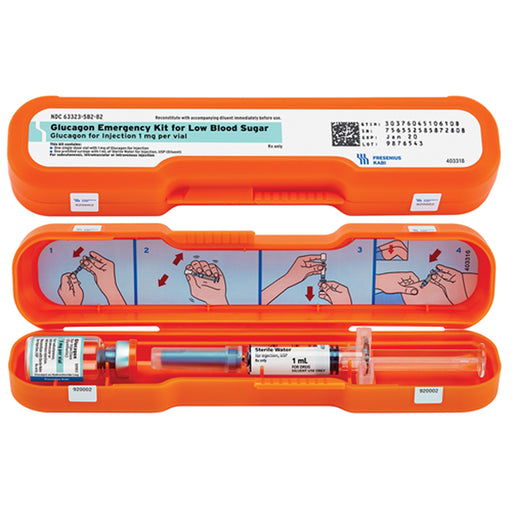
Original price $ 429.95Current price $ 365.00Glucagon Kit, Glucagon Injection Emergency Kit For Hypoglycemia (Rx)
No reviewsImmediate Hypoglycemia Rescue for Diabetics – Fast, Reliable Emergency Blood Sugar Reversal Be ready for diabetic emergencies with the Glucagon Inj...
View full details🔒 Medical License Required -
 Sale 33%
Original price $ 599.95Current price $ 399.95
Sale 33%
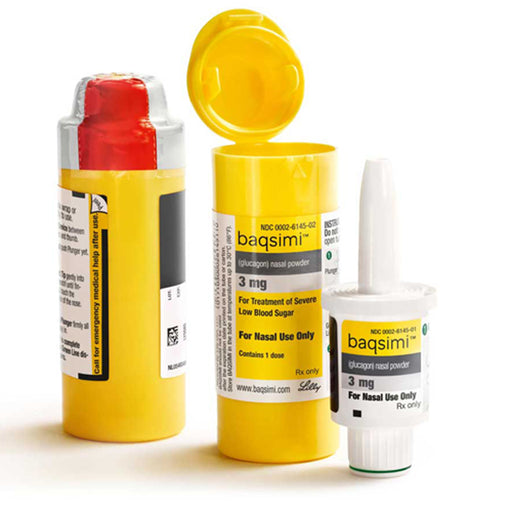
Original price $ 599.95Current price $ 399.95Baqsimi Glucagon Nasal Powder Spray 3 mg (Rx)
No reviewsBaqsimi Glucagon Nasal Powder Spray 3mg is a first of its kind, ready-to-use treatment for very low blood sugar (severe hypoglycemia) in both child...
View full details🔒 Medical License Required -
 Sale 20%
Original price $ 529.95Current price $ 425.00
Sale 20%
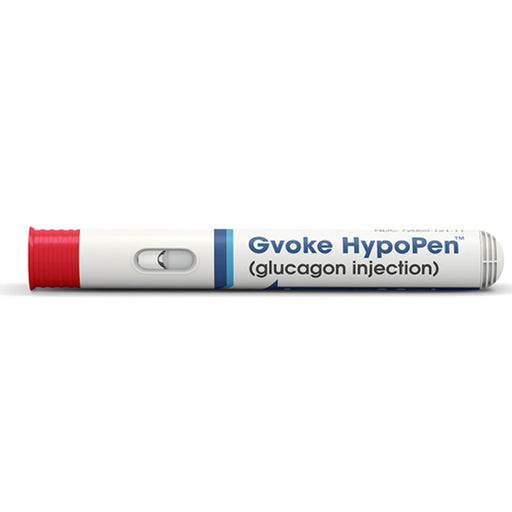
Original price $ 529.95Current price $ 425.00Gvoke HydoPen Glucagon Injection 1 mg Per 0.2 mL Autoinjector
No reviewsGvoke™ HydoPen Glucagon Injection 1 mg Per 0.2 mL is a portable, ready-to-use device used for the emergency treatment of severe hypoglycemia in ind...
View full details🔒 Medical License Required -
 Sale 17%
Original price $ 479.95Current price $ 399.95
Sale 17%
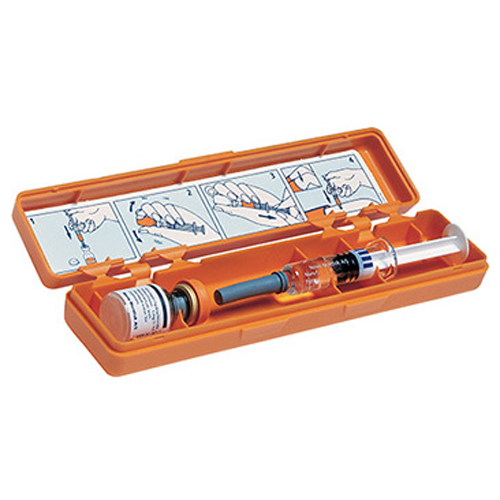
Original price $ 479.95Current price $ 399.95GlucaGen HypoKit (glucagon) for injection 1mg/mL
No reviewsGlucaGen® is a prescription medicine used to treat very low blood sugar (severe hypoglycemia) in people with diabetes and as a diagnostic aid durin...
View full details🔒 Medical License Required -
 Sale 24%
Original price $ 499.95Current price $ 379.00
Sale 24%
Original price $ 499.95Current price $ 379.00Glucagon Emergency Kit (Glucagon Kit ) 1 mL Syringe, Lupin Pharma (RX)
No reviewsA Glucagon Emergency Kit is a rescue injection kit containing the hormone glucagon used to treat severe hypoglycemia (dangerously low blood sugar),...
View full details🔒 Medical License Required -
 Sale 27%
Original price $ 599.95Current price $ 439.00
Sale 27%
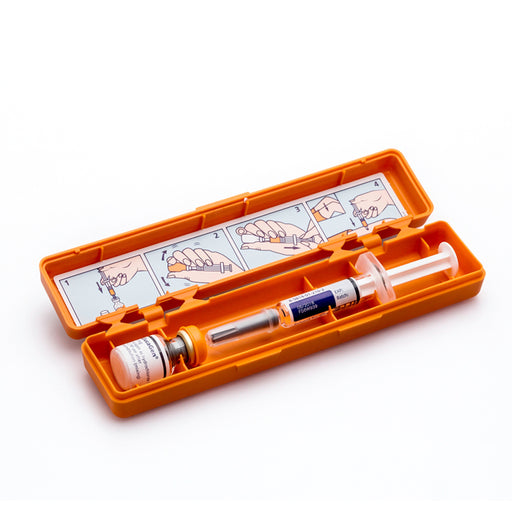
Original price $ 599.95Current price $ 439.00Glucagen Hypokit (Hypoglycemia Treatment) Emergency Injector
No reviewsGlucagen Hypokit is a prescription hypoglycemia treatment emergency injector used to treat very low blood sugar (severe hypoglycemia) that can hap...
View full details -
 Sale 24%
Original price $ 529.95Current price $ 405.00
Sale 24%
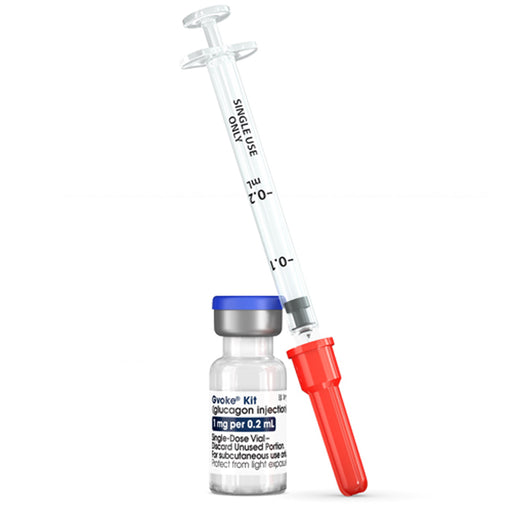
Original price $ 529.95Current price $ 405.00Gvoke Glucagon Injection 1 mg Per 0.2 mL Syringe with Vial
No reviewsGvoke Glucagon Injection 1 mg Per 0.2 mL Syringe with Vial is an emergency injectable medication for severe hypoglycemia (low blood sugar) in peopl...
View full details🔒 Medical License Required


People Also Searched For
Glucagon injections
Glucagon is a natural hormone (a peptide) produced by the alpha cells of the pancreas. It acts opposite to insulin: when released, glucagon causes the liver to break down stored glycogen and release glucose, raising blood sugar levels. In medicine, glucagon injections are given to replicate this effect in emergencies. The main use is to treat severe hypoglycemia (very low blood sugar) in diabetic patients who cannot take sugar orally or are unconscious. Glucagon also relaxes smooth muscle in the gastrointestinal (GI) tract, so an IV form is used by doctors during certain radiologic GI exams to temporarily inhibit gut movement. (Up until recently, injectable glucagon was also used as a diagnostic aid to slow the digestive system for X-rays.) Less commonly, IV glucagon is used in critical care, for example to help raise heart rate and blood pressure in severe beta-blocker overdoses.
Injectable glucagon preparations include:
- Kit (powder + diluent): A single-dose vial of lyophilized (freeze-dried) glucagon plus a syringe of water. The user mixes them before injecting.
- Prefilled syringe/auto-injector: Some products (e.g. Gvoke) come as a pre-mixed injection for immediate use (SC/IM).
- Intranasal spray: (Baqsimi) is a powder for nasal use, not an injection, but it works similarly by delivering glucagon without a needle.
In practice, most glucagon kits contain 1 milligram (mg) of glucagon (sufficient for an adult dose). Caregivers or EMS inject it subcutaneously (under the skin) or intramuscularly (into muscle) for an unconscious person. In-hospital, doctors may reconstitute it and give it intravenously (IV) for things like GI imaging or toxin management (e.g. beta-blocker poisoning).
How It Works (Mechanism)
Glucagon is classified as a glycogenolytic agent – it triggers the breakdown of glycogen (the storage form of glucose) in the liver. This causes the liver to “dump” glucose into the bloodstream. Specifically, glucagon binds to liver cell receptors, stimulating a cascade that converts glycogen to glucose, thereby raising blood sugar. (If the person is fasted or has depleted glycogen stores, glucagon will not work well, since there is no stored sugar to release.)
Because glucagon also relaxes smooth muscle in the GI tract, an IV bolus is used during radiographic exams to slow peristalsis. This makes the stomach and intestines more still, improving image quality.
Uses / Indications
Glucagon injection is used in several specific settings:
- Emergency hypoglycemia (Diabetic coma): The primary use is severe hypoglycemia in insulin-dependent diabetics (Type 1 or Type 2). If a person’s blood sugar falls dangerously low (for example, due to insulin overdosage, missed meals, or prolonged exercise) and they are confused, lethargic, or unconscious, an injection of glucagon can rapidly raise their glucose. This is lifesaving when the patient cannot safely drink or eat sugar.
- Radiology (GI tract): An IV form of glucagon (often as GlucaGen or Gvoke VialDx) is given by a radiologist to inhibit gastrointestinal movement during certain X-ray or CT procedures (e.g. abdominal imaging, ERCP, or colonoscopy). By relaxing the stomach and intestines, glucagon helps the radiologist get clearer images.
- Beta-blocker or calcium-channel blocker overdose: In critical care, high-dose IV glucagon can be used as an antidote. For instance, in severe beta-blocker overdose causing life-threatening bradycardia (very slow heart rate) or hypotension, glucagon’s inotropic effects (raising cAMP in heart cells) can improve cardiac output. (Note: This is adjunctive therapy used only in ICU settings, not outpatient.)
- Other (rare): Glucagon has also been used as a one-time treatment in cases of refractory insecticide poisoning (organophosphates) and for imaging of bile ducts, but these uses are specialized and under medical supervision.
In summary, glucagon injection is essentially an emergency or procedural drug – it is not taken routinely, but used as needed. For diabetic patients, most endocrinologists recommend keeping a glucagon kit at home (or school) for any incident of severe hypoglycemia.
Administration and Dosage
Glucagon must be administered by or under the direction of a healthcare provider (or by a trained caregiver in an emergency). The general guidance is:
-
Hypoglycemia (SC/IM): For an adult (and many children), a single dose of 1 mg glucagon injected subcutaneously or intramuscularly is standard. (Some prefilled pens give 0.5 mg for small children, up to 1 mg for adults.) If the patient does not wake up within ~15 minutes, one additional dose may be given. After the patient regains consciousness, they should be given oral carbohydrates (juice or dextrose) and then a longer-acting snack to stabilize blood sugar.
- Note: In most emergency kits, the glucagon comes as a vial of powder and a syringe of diluent – you must mix them right before injection. Manufacturers provide instructions on reconstitution. Once mixed, the solution is injected (typically into the upper arm, thigh, or buttock).
- Pediatric dosing: Smaller children may receive 0.5 mg, but many kits have weight-based dosing instructions (e.g. 0.5 mg if <25 kg, 1 mg if ≥25 kg). Always follow the specific product’s instructions or a doctor’s orders.
-
Radiology (IV): For GI procedures, the radiologist will draw up the appropriate dose (often 0.2–1 mg IV) just before use. The dose depends on which part of the GI tract needs immobilization and patient factors. The effect is rapid (within 1–2 minutes) but short-lived (minutes). No tapering is needed since this is a one-time use.
-
Toxicology (IV): In a hospital overdose setting, IV glucagon dosing is much higher. A typical regimen for beta-blocker tox might start with 5–10 mg IV over several minutes, then an infusion of 2–5 mg/hour as needed. This is purely critical-care use under ICU protocols.
Administration tips: Glucagon injections should be avoided if the person is conscious and can swallow – in that case, rapidly absorbing oral glucose (juice, glucose gel, candy) is safer. Before injection, ensure the solution is clear and not expired. After injection, turn the patient onto their side, as glucagon commonly causes nausea and vomiting. Emergency services should be called immediately after administering glucagon, even if the person begins to recover.
Common Side Effects
When used as a single emergency dose, glucagon injection is generally well-tolerated, but it can cause some transient side effects:
- Gastrointestinal: Nausea and vomiting are very common (it actually stimulates the gut). Abdominal cramps or diarrhea can occur. Patients often vomit within 5–20 minutes of injection. It’s important to keep the patient on their side to prevent choking.
- Cardiovascular: A fast heartbeat (tachycardia) and a temporary rise in blood pressure may occur, reflecting its stimulant effect on the heart’s cAMP pathways. These changes are usually mild in a healthy person but are carefully monitored if the patient has heart disease.
- Injection site reactions: Mild redness, pain, or a lump at the injection site is possible. These usually resolve on their own.
- Others: Headache, sweating, or allergic-type reactions (rash) can happen, though true allergies to glucagon are rare. Some patients report a weird taste or feeling of fullness in the stomach.
According to patient guides, the most common side effects in adults include nausea, vomiting, headache, and injection-site swelling. (Children may also get temporary hyperglycemia after injection.) These side effects are usually self-limited and short-lived. By contrast, serious reactions (such as severe allergic reactions, unconsciousness beyond the hypoglycemia, or persistent tachycardia) are rare. But any severe symptoms (hives, breathing difficulty, chest pain) warrant emergency care.
Precautions and Warnings
- Contraindications: Patients with a pheochromocytoma (a blood-pressure tumor of the adrenal gland) should not receive glucagon, as it can trigger a dangerous surge in adrenaline and blood pressure. Likewise, insulinoma (an insulin-secreting tumor) or glucagonoma (extremely rare glucagon-secreting tumor) are contraindications. These conditions are unusual, but medical providers always check cancer histories.
- Allergy: If the patient has known hypersensitivity to glucagon or any kit component, it must not be used. Signs of allergy include rash, wheezing, or swelling.
- Adrenal insufficiency/malnutrition: Glucagon requires adequate liver glycogen. Patients who are malnourished or with chronic adrenal insufficiency may not respond well, because they have low glycogen stores. In such cases, glucagon can fail to raise blood sugar, and an IV glucose solution must be started instead. Anyone administering glucagon needs to be aware of this limitation.
- Interactions: Glucagon’s effect on heart rate/blood pressure can be exacerbated by beta-blockers. Conversely, insulin counteracts glucagon, so if someone just received insulin or an insulin secretagogue (sulfonylurea), glucagon’s effect may be blunted. Warfarin (a blood thinner) can have its effect increased by glucagon, so patients on warfarin may require later dose adjustment. Also, certain anti-inflammatories (indomethacin) can cause prolonged hypoglycemia after glucagon. Always tell the treating physician about any other drugs the patient has taken.
- Pregnancy: Glucagon is classified as pregnancy category B (no known risks from human studies). It is generally considered safe if needed for maternal hypoglycemia, as it is not known to harm a fetus.
- Follow-up care: After a glucagon injection, the patient should be checked for recurrent hypoglycemia (blood sugar can fall again once the medication wears off). Caregivers should also watch for dehydration or other stress from vomiting.
How to Use and Monitor
For diabetic patients at risk of hypoglycemia, education is key: a family member or caregiver should always know when and how to give glucagon. If available, practice kits or demonstration models (some manufacturers provide trainer devices) can help build confidence. Store the kit at room temperature and replace it before expiration, since the powder can degrade.
In an emergency:
- Call emergency services immediately.
- Lay the person on their side.
- Inject glucagon SC or IM according to the kit instructions (usually 1 mg for adults).
- The patient should regain consciousness in about 10–15 minutes. If not, a second dose can be given after 15 minutes (some protocols suggest repeating once).
- Once awake, give oral carbohydrates (fruit juice, glucose tablet) to maintain blood sugar.
- Seek medical follow-up even if the patient seems recovered.
In a hospital or clinic (GI exam or overdose), medical staff will monitor vital signs, ECG, and blood glucose after injection, adjusting care as needed.
Summary
Glucagon injections are emergency medications that raise blood sugar by triggering the liver to release glucose. In practice, they are most often kept available for diabetics who experience severe hypoglycemia. When injected (IM or SC), glucagon typically works within 10–15 minutes and brings most patients out of unconsciousness. It is usually supplied as a 1 mg kit (powder + diluent) or prefilled syringe. Aside from low-sugar emergencies, glucagon’s ability to relax the gut makes it useful (under provider supervision) for GI imaging tests.
Common side effects include nausea and vomiting, headache, and injection-site redness. These are generally mild and short-lived. Serious reactions are rare but include allergic responses (rash, breathing difficulty) and, in sensitive patients, large changes in heart rate or blood pressure. Glucagon should not be used in patients with certain endocrine tumors (pheochromocytoma, insulinoma), and it requires adequate glycogen stores to be effective.
Key points: Glucagon is a blood-glucose elevating agent given by injection in emergencies. It is the opposite of insulin – it raises glucose by causing hepatic glycogenolysis. In diabetic care, a glucagon kit is a “rescue” medication for severe hypoglycemia. Proper mixing, injection, and follow-up feeding are essential for success. Always keep glucagon in date and accessible if you or a loved one is at risk of insulin-induced coma.