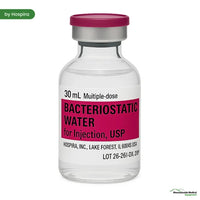
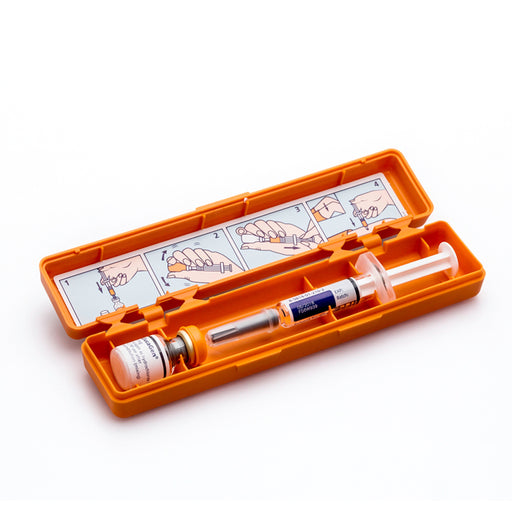
Glucagon Emergency Kit 1 (Glucagon Kit Injection)
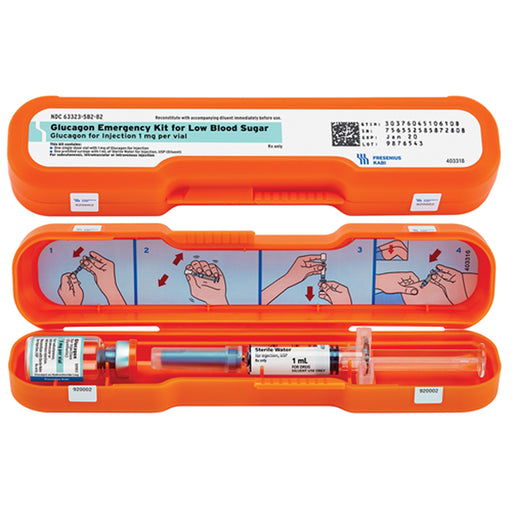
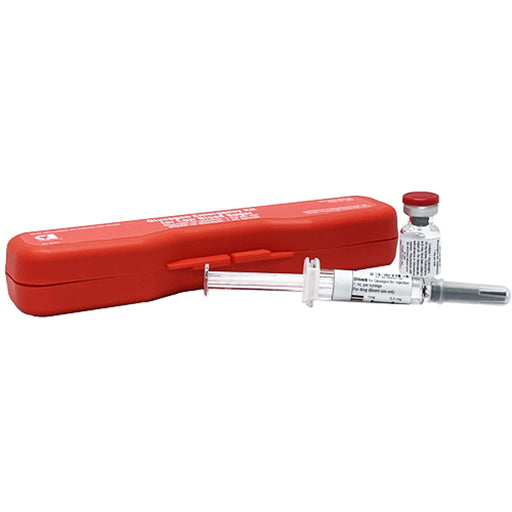
A Glucagon Emergency Kit is a prescription emergency injection kit containing 1 mg of glucagon (lyophilized powder) and a pre-filled 1 mL syringe of sterile water for reconstitution. Glucagon is a hormone that rapidly raises blood sugar by stimulating the liver to convert stored glycogen into glucose. The kit is used to treat severe hypoglycemia (dangerously low blood sugar) in diabetic patients. When a person with insulin-treated diabetes becomes unconscious or unable to swallow sugar, the glucagon injection quickly restores blood glucose to safe levels. (Glucagon also has a diagnostic role in radiology, but the “Emergency Kit” is specifically for low blood sugar.)
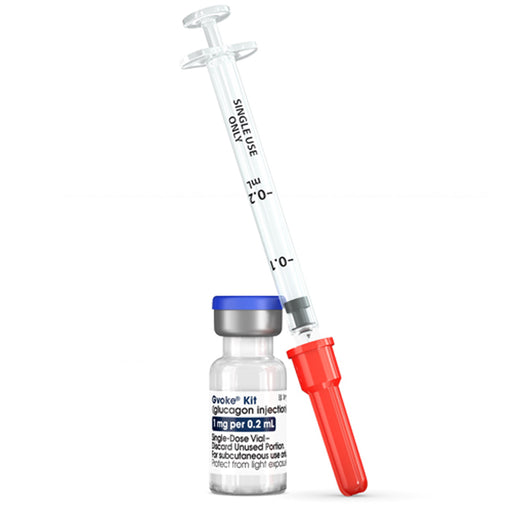
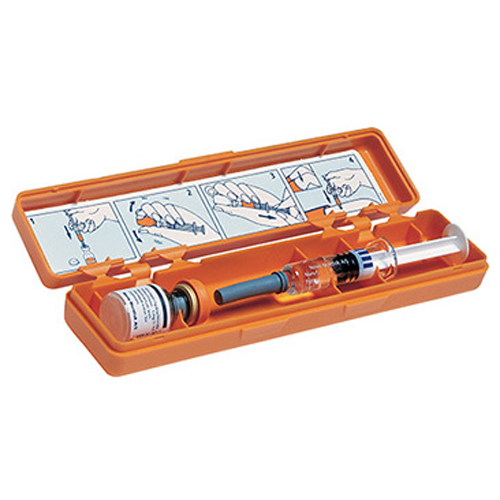
Contents: Each single-use kit includes a vial of 1 mg glucagon powder and a syringe preloaded with 1 mL sterile water. Just before use, the powder is mixed with the water in the vial and the solution is drawn back into the syringe for injection.
Uses (Indications): The Glucagon Emergency Kit is indicated as an antihypoglycemic agent for treatment of severe hypoglycemia in both adults and children with diabetes. Typical uses include:
- Emergency treatment of very low blood sugar in diabetic patients (type 1 or insulin-dependent type 2) who are unconscious or unable to take oral carbohydrates.
- (By triggering the liver to release glucose, glucagon rapidly raises blood glucose levels.
Note: This kit is not for routine blood sugar control or mild hypoglycemia. It should only be used under medical guidance in a true emergency.
Administration: The kit is designed for subcutaneous or intramuscular injection (needle is included). In adults and pediatric patients over ~20–25 kg (or older children), the recommended dose is 1 mg (1 mL) injected into a large muscle (upper arm, thigh, or buttock). If there is no response in ~15 minutes, a second 1 mg dose may be given using a new kit while waiting for emergency help. For smaller children (weight <~25 kg or under ~6 years), the recommended dose is 0.5 mg (0.5 mL) injected SC or IM. (These dosing guidelines come from the FDA-approved labeling and should be confirmed with a healthcare provider.) After injection, the patient should be turned on their side (to prevent choking in case of vomiting) and given a carbohydrate snack (juice, etc.) once able to swallow. Emergency medical help should be called immediately after administering glucagon.
Storage and Handling: The unopened kit should be stored at controlled room temperature (68–77 °F) and protected from light. Do not freeze the kit. Check the expiration date regularly and replace the kit if expired. Once mixed, any unused glucagon must be discarded, do not save reconstituted solution for later use. Caregivers should be trained in advance on how to use the kit, and it should be kept accessible in every environment where a hypoglycemic emergency might occur.
Side Effects and Precautions
Common side effects: Because glucagon acts quickly, it can cause side effects related to its action and injection. The most common reactions are gastrointestinal and injection‐related: nausea and vomiting (very common), headache, dizziness or lightheadedness, trembling, sweating, and injection site reactions (pain, redness, or swelling at the shot site). Other effects reported include pale appearance (pallor), fast pulse, diarrhea, sleepiness or drowsiness, and transient low blood pressure.. Vomiting often occurs as blood sugar is restored; that is why the patient is turned on their side during recovery. Most side effects are short-lived as the glucose level normalizes.
Serious reactions: Hypersensitivity is rare but possible. Patients should not use this kit if they are known to be allergic to glucagon or any ingredients of the kit. (The product contains lactose in the powder). In rare cases, severe allergic reactions (rash, itching, breathing difficulty, anaphylaxis) have been reported.
Contraindications: Do not use glucagon emergency kit in patients with certain tumors, specifically pheochromocytoma (a rare adrenal gland tumor) or insulinoma (an insulin-producing pancreatic tumor). In pheochromocytoma, glucagon can trigger dangerous catecholamine release; in insulinoma, glucagon can paradoxically worsen hypoglycemia. Also avoid use if the patient has severe malnutrition or adrenal insufficiency (conditions in which liver glycogen is depleted, since glucagon requires glycogen to be effective).
Precautions: Inform healthcare providers of any medical conditions. After use of the kit, medical help must be obtained as soon as possible. Do not share needles or kits between individuals. Always follow a doctor’s instructions on dosing and make sure rescue personnel are aware you have used glucagon.
In summary: The Glucagon Emergency Kit is a lifesaving measure for severe hypoglycemia. It provides a rapid-acting dose of glucagon to raise blood sugar when an affected person cannot eat or drink. Used correctly (mixing the powder with diluent and injecting as directed), it can quickly reverse hypoglycemia. However, side effects like nausea/vomiting and low blood pressure can occur, and certain patients (e.g. those with specific tumors or allergies) must not use it. As always, this medication should be kept on hand only per physician’s order, with proper training and adherence to safety instructions.
 Skip to content