 Skip to content

Filters
- 449600 (1)
- Acute Wounds (1)
- Chronic Wounds (1)
- Full Thickness (1)
- Hydate Wound Bed (1)
- Hydrogel (13)
- Moist Wound Healing (2)
- Partial Thickness (1)
- Pressure Ulcers (3)
- Prevent Bacteria Growth (1)
- Solosite (1)
- Venous Stasis Ulcers (1)
- Wound Gel (6)
- amorphous hydrogel (6)
- Antimicrobial (3)
- antimicrobial agent (2)
- Antimicrobial Hydrogel (3)
- Antimicrobial Wound Gel (3)
- doctor-only (2)
- Hydrogel Wound Dressing (7)
- Silvasorb (1)
- Silversorb (1)
- Calcium Dressing (1)
- Hydrophilic (1)
- Hydrophilic Dressing (1)
- Hydrophilic Gel (1)
- Magnesium (1)
- Magnesium Dressing (1)
- Vitamins A (1)
- Zinc Dressing (1)
- Zinc oxide (1)
- autolytic debridement (2)
- Dermal Lesions (1)
- Hypochlorous (1)
- Hypochlorous acid (1)
- Hypochlorous Gel (1)
- Puracyn (1)
- Puracyn Hydrogel (1)
- Puracyn Plus (1)
- Duoderm (1)
- Duoderm Dressings (1)
- Duoderm Gel (1)
- Hydroactive Wound Gel (1)
- Hydroxyethyl (1)
- Biafine (1)
- Biafine Topical Emulsion (1)
- burn (1)
- Burn Cream (1)
- Burn Dressing (3)
- Burn management (1)
- burn relief (1)
- Burn Relief Gel (1)
- Burns (2)
- minor burns (1)
- ou-exclude (1)
- Skin Burn (2)
- sunburns (1)
- Treat Burns (2)
- Treat superficial wounds (1)
- Amorphous Gel (2)
- Amorphous NonSterile (1)
- HA (1)
- leg ulcers (2)
- Lidocaine (1)
- Regenecare (1)
- Regenecare Gel (1)
- Wound dressing (4)
- Anasept (1)
- Fungicidal (1)
- MRSA (1)
- Topical antiseptic (1)
- Curafil (1)
- Wet Wound Dressing (1)
- 6116 (1)
- impregnated (1)
- Incisions (1)
- Lacerations (1)
- Oil Emulsion (1)
- Skin grafts (1)
- skin tears (1)
- Hydrogel Amorphous Gel (1)
- Hydrogel Amorphous Wound Dressing (1)
- Moist Heeling (1)
- Moist Wound Healing Environment (1)
- Burn Dressing 4 x 4 (1)
- Burn Dressings (1)
- first aid (1)
- First aid treatment (1)
- Hydrogel Dressing (1)
- Safeguard US (1)
- Water Jel Burn Dressing (1)
- Hydrogel Burn Dressing (1)
- 66027308 (1)
- Intrasite Gel (1)
- Antimicrobial Dressings (2)
- Normlgel Silver (1)
- Silver Gel (1)
- Silver Hydrogel (1)
- Hydrogel Sheet Dressings (1)
- Xtrasorb dressing (1)
- 7690 (1)
- Collagen Hydrogel (1)
- Coloplast (1)
- Draining Wound (1)
- Granulation Tissue (1)
- Hydrate Wound (1)
- Serosanguineous Drainage (1)
- Tunneling Wound (1)
- Wound Cavity (1)
- Amerigel (1)
- prevent ulcers (1)
- Treat ulcerative colitis (1)
- 31060000661 (1)
- Antibacterial (1)
- Antibacterial Gel (1)
- antimicrobial gel (1)
- silver gel (1)
- Silver Wound Gel (1)
- SilvrSTAT (1)
- Skin Bacteria (1)
- Skin Gel (1)
- Wound Dressing Gel (1)
Filters
- 449600 (1)
- Acute Wounds (1)
- Chronic Wounds (1)
- Full Thickness (1)
- Hydate Wound Bed (1)
- Hydrogel (13)
- Moist Wound Healing (2)
- Partial Thickness (1)
- Pressure Ulcers (3)
- Prevent Bacteria Growth (1)
- Solosite (1)
- Venous Stasis Ulcers (1)
- Wound Gel (6)
- amorphous hydrogel (6)
- Antimicrobial (3)
- antimicrobial agent (2)
- Antimicrobial Hydrogel (3)
- Antimicrobial Wound Gel (3)
- doctor-only (2)
- Hydrogel Wound Dressing (7)
- Silvasorb (1)
- Silversorb (1)
- Calcium Dressing (1)
- Hydrophilic (1)
- Hydrophilic Dressing (1)
- Hydrophilic Gel (1)
- Magnesium (1)
- Magnesium Dressing (1)
- Vitamins A (1)
- Zinc Dressing (1)
- Zinc oxide (1)
- autolytic debridement (2)
- Dermal Lesions (1)
- Hypochlorous (1)
- Hypochlorous acid (1)
- Hypochlorous Gel (1)
- Puracyn (1)
- Puracyn Hydrogel (1)
- Puracyn Plus (1)
- Duoderm (1)
- Duoderm Dressings (1)
- Duoderm Gel (1)
- Hydroactive Wound Gel (1)
- Hydroxyethyl (1)
- Biafine (1)
- Biafine Topical Emulsion (1)
- burn (1)
- Burn Cream (1)
- Burn Dressing (3)
- Burn management (1)
- burn relief (1)
- Burn Relief Gel (1)
- Burns (2)
- minor burns (1)
- ou-exclude (1)
- Skin Burn (2)
- sunburns (1)
- Treat Burns (2)
- Treat superficial wounds (1)
- Amorphous Gel (2)
- Amorphous NonSterile (1)
- HA (1)
- leg ulcers (2)
- Lidocaine (1)
- Regenecare (1)
- Regenecare Gel (1)
- Wound dressing (4)
- Anasept (1)
- Fungicidal (1)
- MRSA (1)
- Topical antiseptic (1)
- Curafil (1)
- Wet Wound Dressing (1)
- 6116 (1)
- impregnated (1)
- Incisions (1)
- Lacerations (1)
- Oil Emulsion (1)
- Skin grafts (1)
- skin tears (1)
- Hydrogel Amorphous Gel (1)
- Hydrogel Amorphous Wound Dressing (1)
- Moist Heeling (1)
- Moist Wound Healing Environment (1)
- Burn Dressing 4 x 4 (1)
- Burn Dressings (1)
- first aid (1)
- First aid treatment (1)
- Hydrogel Dressing (1)
- Safeguard US (1)
- Water Jel Burn Dressing (1)
- Hydrogel Burn Dressing (1)
- 66027308 (1)
- Intrasite Gel (1)
- Antimicrobial Dressings (2)
- Normlgel Silver (1)
- Silver Gel (1)
- Silver Hydrogel (1)
- Hydrogel Sheet Dressings (1)
- Xtrasorb dressing (1)
- 7690 (1)
- Collagen Hydrogel (1)
- Coloplast (1)
- Draining Wound (1)
- Granulation Tissue (1)
- Hydrate Wound (1)
- Serosanguineous Drainage (1)
- Tunneling Wound (1)
- Wound Cavity (1)
- Amerigel (1)
- prevent ulcers (1)
- Treat ulcerative colitis (1)
- 31060000661 (1)
- Antibacterial (1)
- Antibacterial Gel (1)
- antimicrobial gel (1)
- silver gel (1)
- Silver Wound Gel (1)
- SilvrSTAT (1)
- Skin Bacteria (1)
- Skin Gel (1)
- Wound Dressing Gel (1)
Hydrogel Dressings
-

 Sale 23%
-

 Sale 36%
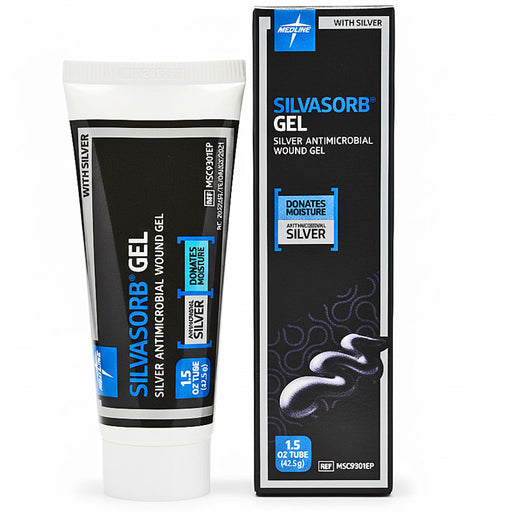
SilvaSorb Antimicrobial Wound Gel 1.5 oz tube
Original price $ 39.95Current price $ 25.501 review🔒 Medical License Required -

 Sale 26%
Hydrophilic Wound Dressing with Zinc, Vitamins A and B6, Calcium and Magnesium
 Original price $ 19.95Current price $ 14.85
 -
 Sale 41%
Puracyn Plus Antimicrobial Hydrogel with Hypochlorous Acid (HOCI)
Original price $ 39.95Current price $ 23.75 -
 Sale 22%
-
 Sale 17%
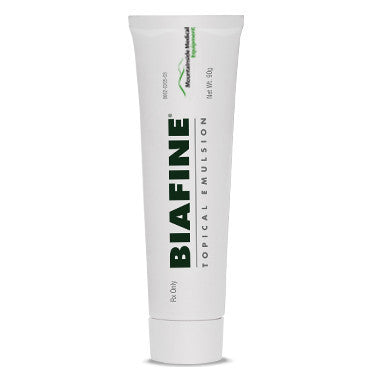
Biafine Burn and Wound Topical Emulsion Cream 45 gram (Rx)
Original price $ 95.95Current price $ 79.953 reviews🔒 Medical License Required -

 Sale 36%
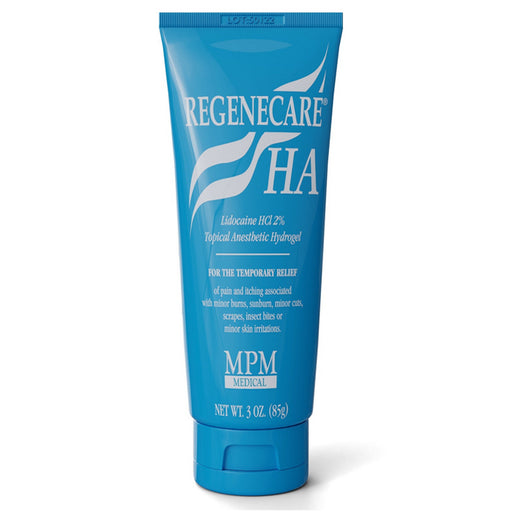
Regenecare HA Hydrogel Wound Dressing with Lidocaine Gel (Amorphous Gel) 3 oz
Original price $ 38.95Current price $ 24.95 -
 Sale 24%
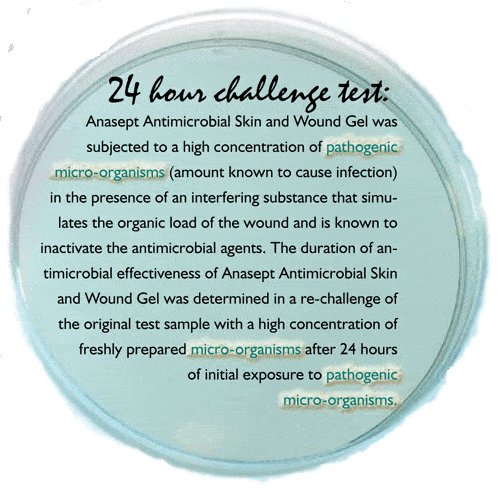
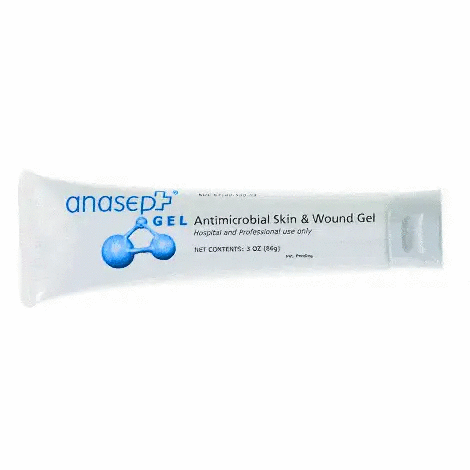
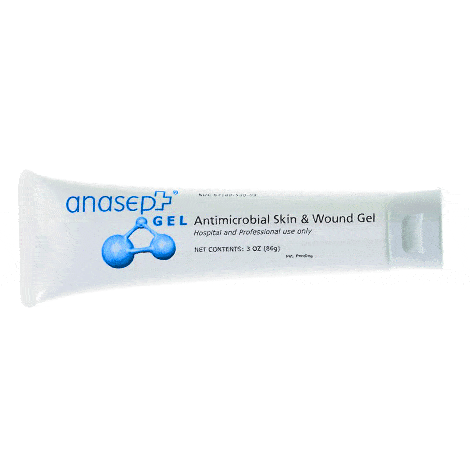
Anasept Antimicrobial Skin and Wound Gel 3 oz tube
Original price $ 59.50Current price $ 45.001 review -
 Sale 35%
Water Jel Burn Stop Burn Dressing Hydrogel 4 x 4 Inch Sheet, Sterile
Original price $ 5.95Current price $ 3.89 -
 Sale 34%
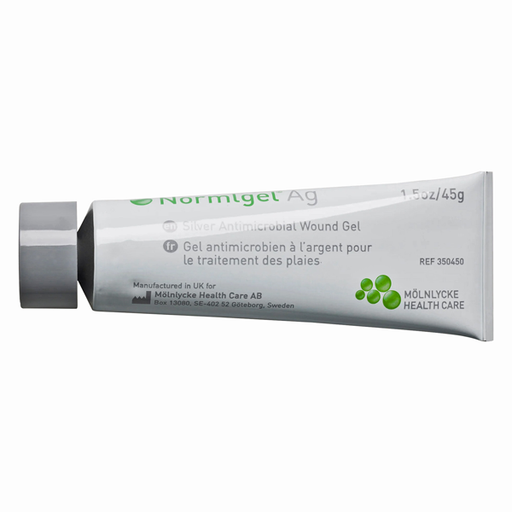
Normlgel Silver Wound Antimicrobial Hydrogel 1.5 oz
Original price $ 49.95Current price $ 33.001 review -
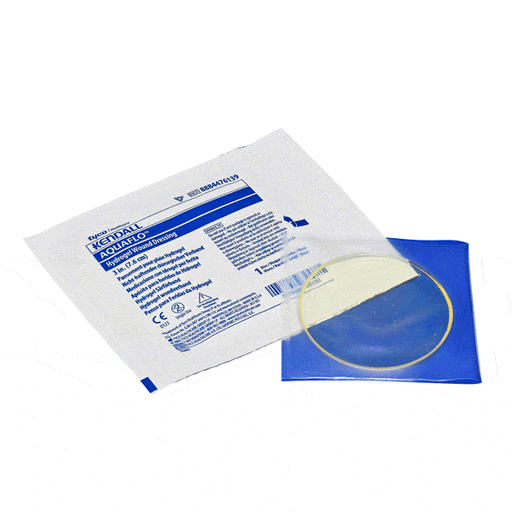 Sale 26%
Dermacea Aquaflo Hydrogel Wound Dressing 3" Diameter Disks
Original price $ 48.95Current price $ 36.00 -
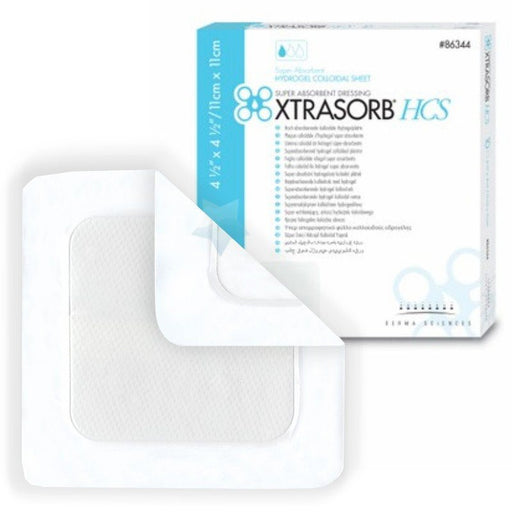 Sale 22%
Xtrasorb Hydrogel Colloidal Sheet Dressing, Non-Adhesive, 4.5 x 4.5, 10/box
Original price $ 149.95Current price $ 117.00 -
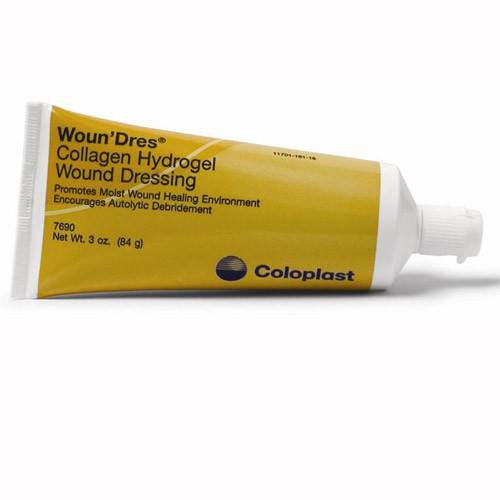 This item is sold out
-

 Sale 35%






People Also Searched For
What is a Hydrogel Dressing?
At its core, a hydrogel is a water-rich, jelly-like material made from polymers. Think of it as a crosslinked network of hydrophilic (water-loving) polymers that can absorb and hold a large amount of water (often up to 90-99% water by weight). Because of this high water content, hydrogels have a soft, flexible, and moist consistency – similar to gelatin or Jell-O. The polymer chains in a hydrogel are linked together in a three-dimensional structure; when you add water, they swell up but don’t dissolve, trapping the water within. This unique structure gives hydrogels a combination of solid and liquid properties: they’re solid enough to hold their shape (like a soft gel), yet mostly composed of liquid.
Examples of polymers used in hydrogels include synthetic ones like polyacrylate, polyvinylpyrrolidone (PVP), polymethacrylate and natural or bio-polymers like gelatin, alginate, or cellulose derivatives. Many hydrogels are clear or translucent, and they can be formed into sheets, beads, or amorphous (free-form) gels. They’ve been around in various forms for decades – for instance, the soft contact lenses that many people wear are a type of hydrogel, engineered to stay moist and let oxygen pass through. In everyday products, you might also find hydrogels in things like infant diapers or plant water-retaining crystals (those use superabsorbent polymer hydrogels to lock in water). Their key characteristic is absorbing water and swelling without dissolving, thanks to the crosslinks in their polymer structure.
Hydrogels in Wound Care
One of the important applications of hydrogels is in wound care – here they are often referred to as hydrogel wound dressings. In this context, a hydrogel dressing is a gel-based wound covering that donates moisture to the wound. These dressings are composed of about 90% water suspended in a gel made of insoluble hydrophilic polymers. The goal of a hydrogel dressing is to maintain a moist healing environment, which research has shown to accelerate wound healing compared to a dry environment. They keep the wound bed hydrated, which is particularly useful for wounds that are dry or have dead tissue (necrosis). By softening and rehydrating dry tissue, hydrogels promote something called autolytic debridement – that’s the body’s natural process of breaking down and removing dead tissue. A moist environment also supports the growth of new blood vessels and skin cells as the wound heals.
A hydrogel is essentially a water-loaded gel composed of crosslinked polymers. In simpler terms, it’s a moist, squishy material that can hold a lot of water without dissolving. This unique property makes hydrogels incredibly useful, especially in the medical field. As a wound dressing, hydrogels provide moisture to dry wounds, help pain by cooling the tissue, and facilitate the body’s natural cleaning and healing processes. They come in several formats (amorphous gels and sheets) and are particularly effective for certain types of wounds like burns, ulcers with dry crusts, and painful sores, although they’re not suited for very wet or infected wounds on their own.
Beyond wound care, hydrogels show up in everything from contact lenses to diaper linings, demonstrating how versatile this material is. What all hydrogel applications have in common is leveraging that high water content – whether it’s to keep something hydrated, to deliver substances in a controlled way, or to create a gentle, compatible interface with the body. So next time you feel a squishy cooling gel on a bandage or pop in a soft contact lens, you’re benefiting from hydrogel technology!