Skip to content
INDEPENDENCE DAY SALE

Added to your cart:

Cart subtotal

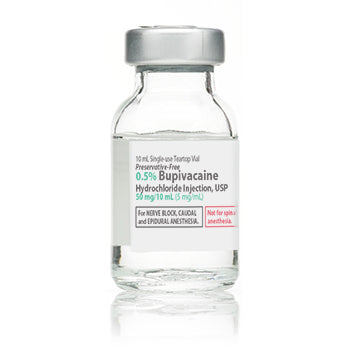
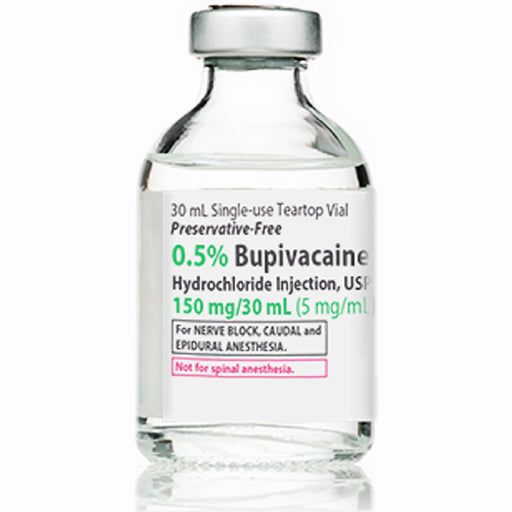
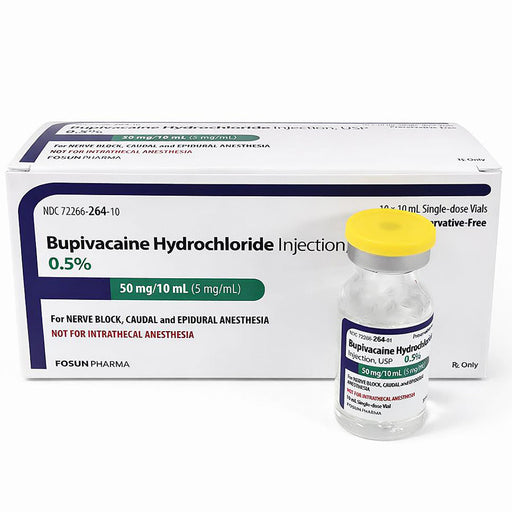
Bupivacaine 0.5% Injection 50 mg Per 10 ml x 25 Vials (RX)

Brand: Eugia US
SKU: 55150-0169-10P
Independence Day SaleExtra 10% off orders $100+
Sale 38%
Original price $ 129.95
Current price $ 79.95
10% off on orders over $100 → $ 71.95Qualifying order extra 10% off → $ 71.95You've reached $100 — 10% off is now active → $ 71.95 SALE
*Mountainside Medical does not fill personal prescriptions Medical Professional License Required to Unlock Account

How to Order:

Send an email request to: sales@mountainside-medical.com

You will receive instructions on how to create an account along with Rx Ordering Details.

(Note: Acceptable licenses must have Prescriptive Authority in the license issuing state.)
Fast Delivery
Fast Delivery
24/7 Support
24/7 Support
No Returns
No Returns
Hospital Grade
Hospital Grade
Free Shipping on orders above $100
Payment Secure transaction
Packaging Ships in product packaging
Service-Disabled Veteran-Owned Small Business
Located in Adirondack Mountains in NY
Family Owned Business 2002
Sale 38%
Original price $ 129.95
Current price $ 79.95
10% off on orders over $100 → $ 71.95Qualifying order extra 10% off → $ 71.95You've reached $100 — 10% off is now active → $ 71.95 SALE
Free Shipping on orders above $100
Payment Secure transaction
Packaging Ships in product packaging
Bupivacaine 0.5% Injection 50 mg Per 10 ml x 25 Vials (RX)
$ 129.95 $ 79.95
🔒 Medical License Required
Description

Bupivacaine 0.5% Injection (50 mg per 10 mL)

Bupivacaine is a potent amide-type local anesthetic used by clinicians for regional anesthesia. Each mL of a 0.5% solution contains 5 mg of bupivacaine (so a 10 mL vial has 50 mg). It blocks nerve impulse conduction by binding to open voltage-gated sodium channels in nerve membranes, stabilizing their inactive state and preventing depolarization. Bupivacaine has a relatively slow onset (often 10–20 minutes for operative anesthesia) but a long duration of action (several hours of sensory and motor block) compared to shorter-acting agents.

Uses

Bupivacaine 0.5% injection (with or without added epinephrine) is used to produce regional anesthesia or analgesia for various procedures. Indications include:

  • Surgical anesthesia: infiltration or field block for surgery (especially when prolonged anesthesia is needed), and peripheral nerve blocks for procedures on limbs or torso.
  • Epidural and caudal blocks: labor/delivery pain relief and postoperative analgesia (e.g. epidural anesthesia during obstetrical or orthopedic procedures). (Only preservative-free drug should be used in epidural/caudal space.)
  • Diagnostic/therapeutic nerve blocks: e.g. sympathetic blocks, neck or ganglion blocks that require long-duration anesthetic effect.
  • Obstetrical anesthesia: Bupivacaine 0.5% (often diluted) is commonly used in epidural labor analgesia. It provides visceral and somatic block for Cesarean delivery or labor.

Not indicated: This formulation should never be given by spinal (intrathecal) injection (Intrathecal bupivacaine is given in special hyperbaric preparations at different concentrations.) It is used only by trained personnel, not for routine outpatient or self-administration.

Dosage and Administration

  • Administration route: Bupivacaine 0.5% is given by injection, typically slowly and in controlled increments. Aspirate before injecting to avoid intravascular administration. Monitor blood pressure and ECG during injection due to systemic effects. Always use the appropriate dose and formulation (e.g. preservative-free for neuraxial use).

  • Typical dosing: The dose depends on patient size, site, and block technique. Each mL contains 5 mg of drug. A single 10 mL vial (50 mg) is often used for minor blocks. For larger blocks or epidurals, volumes of 10–20 mL (50–100 mg) may be given. For example, epidural anesthesia often uses 10–20 mL of 0.5% (50–100 mg) for a moderate-to-complete motor block. Peripheral nerve blocks may use smaller volumes (e.g. 5–10 mL, 25–50 mg) to cover a nerve distribution. In obstetrics, continuous epidural or infusion techniques use more dilute solutions (e.g. 0.125–0.25% with opioids) rather than 0.5%.

  • Maximum dose: Because of systemic toxicity risk, total dose limits must be observed. For an average adult, single-dose bupivacaine generally should not exceed ~150–175 mg (about 30–35 mL of 0.5%). (This is roughly 2–2.5 mg/kg for a 70-kg patient.) If epinephrine is added, slightly higher maximal doses (up to ~3 mg/kg) are sometimes tolerated. Repeated injections (if needed) are usually given no more frequently than every 3–4 hours, with a 24-hour total not exceeding ~400 mg. In all cases, dose must be tailored to patient factors (age, weight, comorbidities) and monitored closely.

  • Special techniques: Before performing labor epidurals or major blocks, clinicians often administer a test dose (e.g. 3 mL of 0.5% solution with epinephrine) to check for inadvertent intrathecal or intravascular placement. (This formulation without epinephrine would not contain epinephrine, but the principle of slow injection and monitoring still applies.)

Side Effects and Safety

Because bupivacaine is a potent anesthetic, side effects stem from both its local action and potential systemic absorption:

  • CNS effects (LAST – Local Anesthetic Systemic Toxicity): Early warning signs of toxicity include central nervous system symptoms: circumoral numbness, tinnitus, blurred vision, dizziness, lightheadedness, tingling, or tremors. If plasma levels get high (e.g. from rapid IV injection or excessive dose), seizures (tonic-clonic convulsions) can occur. Importantly, bupivacaine can cause immediate cardiotoxicity without warning by CNS signs.

  • Cardiovascular effects: Bupivacaine is notably cardiotoxic at higher concentrations. Overdose or intravascular injection may cause severe cardiac arrhythmias. Reported signs include bradycardia, conduction blocks (AV block), ventricular arrhythmias, and even cardiac arrest. In obstetric cases, there are rare reports of cardiovascular collapse during epidural use. Hypotension and reflex tachycardia can occur as a sympathetic block effect, especially with larger volume epidurals. (If epinephrine is present, careful with underlying heart conditions.)

  • Allergic reactions: True IgE-mediated allergy to bupivacaine is extremely rare. Bupivacaine contains no ester groups and has low cross-reactivity; most “allergy” is actually to preservatives/sulfites (in epinephrine vials). Standard contraindications include any history of hypersensitivity to amide local anesthetics or to any formulation component. If a rash, swelling, or anaphylactic reaction occurs after injection, treatment must be stopped and appropriate care given.

  • Neurotoxicity: High spinal or epidural blocks can cause prolonged neurological effects. Care must be taken not to inject intrathecally (spinal) unless using the proper formulation. Post-LP syndrome or nerve injury can occur if technique is improper. Repeated intra-articular infusions of local anesthetics (e.g. pain pumps in shoulder joints) have been linked to cartilage damage (chondrolysis), although a single injection is generally safe.

  • Others: Bupivacaine can induce methemoglobinemia (rarely), so watch for cyanosis/dark blood if given high doses intravenously or to infants. Large epidural blocks can cause respiratory depression if very high neuraxial block occurs (e.g. diaphragmatic weakness). Nausea, vomiting, urinary retention, and fever have been reported with epidural use.

Monitoring: Because of these risks, bupivacaine injections are given only by experienced providers with resuscitation equipment at hand. Vital signs (blood pressure, heart rate, ECG, oxygen saturation) are monitored. If any symptoms of toxicity arise, injection is stopped. Intravenous lipid emulsion (lipid rescue) is a treatment for severe LAST (cardiac arrest) in case it occurs.

Precautions and Contraindications

  • Contraindicated uses: Do not use bupivacaine 0.5% for obstetric paracervical block (this technique can cause fetal bradycardia and death). Bupivacaine is also contraindicated for intravenous regional anesthesia (Bier block). Other absolute contra: known allergy to bupivacaine or related amide anesthetics. Avoid formulations containing preservatives (e.g. multi-dose vials) for epidural or spinal use.

  • Hepatic impairment: Bupivacaine is metabolized in the liver, so patients with severe liver disease clear it more slowly. Dose reduction and careful monitoring are recommended in hepatic impairment. Excessive levels can build up with repeated dosing in such patients.

  • Renal impairment: Bupivacaine and its metabolites are excreted by the kidneys. In renal failure, accumulation can occur over time; use caution and assess dosing for renal insufficiency.

  • Cardiovascular disease: Patients with conduction blocks, bradycardia, or severe cardiac dysfunction should receive bupivacaine only with extreme caution. Concurrent use of other cardiodepressant drugs (beta-blockers, certain calcium channel blockers, antiarrhythmics) may magnify bupivacaine’s effects. Also, because dose administration can cause hypotension, ensure patient volume is adequate before large epidural blocks.

  • Pregnancy/lactation: Bupivacaine crosses the placenta, so maternal administration can affect the fetus (fetal heart rate should be monitored in obstetric use). While widely used for labor analgesia, it should only be used when benefit outweighs risk. Bupivacaine is excreted into breast milk in small amounts; caution is advised if nursing (though a one-time block is unlikely to harm the infant significantly).

  • Other drugs: Avoid mixing with other local anesthetics in the same syringe. Some drug interactions: potent CYP3A4 inhibitors (e.g. cimetidine) can raise plasma bupivacaine levels, whereas inducers (e.g. phenytoin, rifampin) can lower levels. If epinephrine is added, drugs affecting coagulation or the fetus should be considered.

Summary

Bupivacaine 0.5% (5 mg/mL) injection is a prescription local anesthetic given by healthcare professionals for long-duration regional anesthesia. It provides several hours of numbness and muscle relaxation, making it useful for surgeries, labor epidurals, and nerve blocks. The typical adult dose is individually determined (often up to 10–20 mL for epidural blocks), with absolute maximums around 150–175 mg per single dose. Careful administration is crucial: do not inject intravenously or intrathecally. Common side effects include numbness and muscle weakness in the blocked area; serious risk comes from systemic absorption – manifesting as neurological (e.g. seizures) and cardiovascular (arrhythmias, hypotension) toxicity. Strict monitoring of vital signs and readiness to manage complications (e.g. airway, blood pressure support, intralipid) are standard practice.

Important: Bupivacaine injection is not for patient self-use and should be used exactly as directed by an anesthesiologist or physician. Always follow the clinician’s instructions and equipment protocols when this drug is used. If any adverse symptoms (e.g. numbness beyond expected, difficulty breathing or heartbeat changes) occur during or after its use, notify medical staff immediately.

Description

Bupivacaine 0.5% Injection (50 mg per 10 mL)

Bupivacaine is a potent amide-type local anesthetic used by clinicians for regional anesthesia. Each mL of a 0.5% solution contains 5 mg of bupivacaine (so a 10 mL vial has 50 mg). It blocks nerve impulse conduction by binding to open voltage-gated sodium channels in nerve membranes, stabilizing their inactive state and preventing depolarization. Bupivacaine has a relatively slow onset (often 10–20 minutes for operative anesthesia) but a long duration of action (several hours of sensory and motor block) compared to shorter-acting agents.

Uses

Bupivacaine 0.5% injection (with or without added epinephrine) is used to produce regional anesthesia or analgesia for various procedures. Indications include:

  • Surgical anesthesia: infiltration or field block for surgery (especially when prolonged anesthesia is needed), and peripheral nerve blocks for procedures on limbs or torso.
  • Epidural and caudal blocks: labor/delivery pain relief and postoperative analgesia (e.g. epidural anesthesia during obstetrical or orthopedic procedures). (Only preservative-free drug should be used in epidural/caudal space.)
  • Diagnostic/therapeutic nerve blocks: e.g. sympathetic blocks, neck or ganglion blocks that require long-duration anesthetic effect.
  • Obstetrical anesthesia: Bupivacaine 0.5% (often diluted) is commonly used in epidural labor analgesia. It provides visceral and somatic block for Cesarean delivery or labor.

Not indicated: This formulation should never be given by spinal (intrathecal) injection (Intrathecal bupivacaine is given in special hyperbaric preparations at different concentrations.) It is used only by trained personnel, not for routine outpatient or self-administration.

Dosage and Administration

  • Administration route: Bupivacaine 0.5% is given by injection, typically slowly and in controlled increments. Aspirate before injecting to avoid intravascular administration. Monitor blood pressure and ECG during injection due to systemic effects. Always use the appropriate dose and formulation (e.g. preservative-free for neuraxial use).

  • Typical dosing: The dose depends on patient size, site, and block technique. Each mL contains 5 mg of drug. A single 10 mL vial (50 mg) is often used for minor blocks. For larger blocks or epidurals, volumes of 10–20 mL (50–100 mg) may be given. For example, epidural anesthesia often uses 10–20 mL of 0.5% (50–100 mg) for a moderate-to-complete motor block. Peripheral nerve blocks may use smaller volumes (e.g. 5–10 mL, 25–50 mg) to cover a nerve distribution. In obstetrics, continuous epidural or infusion techniques use more dilute solutions (e.g. 0.125–0.25% with opioids) rather than 0.5%.

  • Maximum dose: Because of systemic toxicity risk, total dose limits must be observed. For an average adult, single-dose bupivacaine generally should not exceed ~150–175 mg (about 30–35 mL of 0.5%). (This is roughly 2–2.5 mg/kg for a 70-kg patient.) If epinephrine is added, slightly higher maximal doses (up to ~3 mg/kg) are sometimes tolerated. Repeated injections (if needed) are usually given no more frequently than every 3–4 hours, with a 24-hour total not exceeding ~400 mg. In all cases, dose must be tailored to patient factors (age, weight, comorbidities) and monitored closely.

  • Special techniques: Before performing labor epidurals or major blocks, clinicians often administer a test dose (e.g. 3 mL of 0.5% solution with epinephrine) to check for inadvertent intrathecal or intravascular placement. (This formulation without epinephrine would not contain epinephrine, but the principle of slow injection and monitoring still applies.)

Side Effects and Safety

Because bupivacaine is a potent anesthetic, side effects stem from both its local action and potential systemic absorption:

  • CNS effects (LAST – Local Anesthetic Systemic Toxicity): Early warning signs of toxicity include central nervous system symptoms: circumoral numbness, tinnitus, blurred vision, dizziness, lightheadedness, tingling, or tremors. If plasma levels get high (e.g. from rapid IV injection or excessive dose), seizures (tonic-clonic convulsions) can occur. Importantly, bupivacaine can cause immediate cardiotoxicity without warning by CNS signs.

  • Cardiovascular effects: Bupivacaine is notably cardiotoxic at higher concentrations. Overdose or intravascular injection may cause severe cardiac arrhythmias. Reported signs include bradycardia, conduction blocks (AV block), ventricular arrhythmias, and even cardiac arrest. In obstetric cases, there are rare reports of cardiovascular collapse during epidural use. Hypotension and reflex tachycardia can occur as a sympathetic block effect, especially with larger volume epidurals. (If epinephrine is present, careful with underlying heart conditions.)

  • Allergic reactions: True IgE-mediated allergy to bupivacaine is extremely rare. Bupivacaine contains no ester groups and has low cross-reactivity; most “allergy” is actually to preservatives/sulfites (in epinephrine vials). Standard contraindications include any history of hypersensitivity to amide local anesthetics or to any formulation component. If a rash, swelling, or anaphylactic reaction occurs after injection, treatment must be stopped and appropriate care given.

  • Neurotoxicity: High spinal or epidural blocks can cause prolonged neurological effects. Care must be taken not to inject intrathecally (spinal) unless using the proper formulation. Post-LP syndrome or nerve injury can occur if technique is improper. Repeated intra-articular infusions of local anesthetics (e.g. pain pumps in shoulder joints) have been linked to cartilage damage (chondrolysis), although a single injection is generally safe.

  • Others: Bupivacaine can induce methemoglobinemia (rarely), so watch for cyanosis/dark blood if given high doses intravenously or to infants. Large epidural blocks can cause respiratory depression if very high neuraxial block occurs (e.g. diaphragmatic weakness). Nausea, vomiting, urinary retention, and fever have been reported with epidural use.

Monitoring: Because of these risks, bupivacaine injections are given only by experienced providers with resuscitation equipment at hand. Vital signs (blood pressure, heart rate, ECG, oxygen saturation) are monitored. If any symptoms of toxicity arise, injection is stopped. Intravenous lipid emulsion (lipid rescue) is a treatment for severe LAST (cardiac arrest) in case it occurs.

Precautions and Contraindications

  • Contraindicated uses: Do not use bupivacaine 0.5% for obstetric paracervical block (this technique can cause fetal bradycardia and death). Bupivacaine is also contraindicated for intravenous regional anesthesia (Bier block). Other absolute contra: known allergy to bupivacaine or related amide anesthetics. Avoid formulations containing preservatives (e.g. multi-dose vials) for epidural or spinal use.

  • Hepatic impairment: Bupivacaine is metabolized in the liver, so patients with severe liver disease clear it more slowly. Dose reduction and careful monitoring are recommended in hepatic impairment. Excessive levels can build up with repeated dosing in such patients.

  • Renal impairment: Bupivacaine and its metabolites are excreted by the kidneys. In renal failure, accumulation can occur over time; use caution and assess dosing for renal insufficiency.

  • Cardiovascular disease: Patients with conduction blocks, bradycardia, or severe cardiac dysfunction should receive bupivacaine only with extreme caution. Concurrent use of other cardiodepressant drugs (beta-blockers, certain calcium channel blockers, antiarrhythmics) may magnify bupivacaine’s effects. Also, because dose administration can cause hypotension, ensure patient volume is adequate before large epidural blocks.

  • Pregnancy/lactation: Bupivacaine crosses the placenta, so maternal administration can affect the fetus (fetal heart rate should be monitored in obstetric use). While widely used for labor analgesia, it should only be used when benefit outweighs risk. Bupivacaine is excreted into breast milk in small amounts; caution is advised if nursing (though a one-time block is unlikely to harm the infant significantly).

  • Other drugs: Avoid mixing with other local anesthetics in the same syringe. Some drug interactions: potent CYP3A4 inhibitors (e.g. cimetidine) can raise plasma bupivacaine levels, whereas inducers (e.g. phenytoin, rifampin) can lower levels. If epinephrine is added, drugs affecting coagulation or the fetus should be considered.

Summary

Bupivacaine 0.5% (5 mg/mL) injection is a prescription local anesthetic given by healthcare professionals for long-duration regional anesthesia. It provides several hours of numbness and muscle relaxation, making it useful for surgeries, labor epidurals, and nerve blocks. The typical adult dose is individually determined (often up to 10–20 mL for epidural blocks), with absolute maximums around 150–175 mg per single dose. Careful administration is crucial: do not inject intravenously or intrathecally. Common side effects include numbness and muscle weakness in the blocked area; serious risk comes from systemic absorption – manifesting as neurological (e.g. seizures) and cardiovascular (arrhythmias, hypotension) toxicity. Strict monitoring of vital signs and readiness to manage complications (e.g. airway, blood pressure support, intralipid) are standard practice.

Important: Bupivacaine injection is not for patient self-use and should be used exactly as directed by an anesthesiologist or physician. Always follow the clinician’s instructions and equipment protocols when this drug is used. If any adverse symptoms (e.g. numbness beyond expected, difficulty breathing or heartbeat changes) occur during or after its use, notify medical staff immediately.

Get Notified When Back in Stock