Skip to content

Doxycycline Injection, Tetracycline Antibiotic, Lyophilized Powder 10 mL x 10/Box (RX)

SKU: 70436-0032-82
Sale 29%
Original price $ 259.95
Current price $ 185.00
Free Shipping on orders above $120
Fast Delivery
Fast Delivery
24/7 Support
24/7 Support
No Returns
No Returns
Hospital Grade
Hospital Grade
Payment Secure transaction
Packaging Ships in product packaging
Doxycycline Injection, Tetracycline Antibiotic, Lyophilized Powder 10 mL x 10/Box (RX)
Sale 29%
Original price $ 259.95
Current price $ 185.00
Free Shipping on orders above $120
Fast Delivery
Fast Delivery
24/7 Support
24/7 Support
No Returns
No Returns
Hospital Grade
Hospital Grade
Payment Secure transaction
Packaging Ships in product packaging
Doxycycline Injection, Tetracycline Antibiotic, Lyophilized Powder 10 mL x 10/Box (RX)
$ 259.95 $ 185.00
🔒 Medical License Required
Description

Doxycycline Injection is a broad-spectrum, semi-synthetic antibiotic belonging to the tetracycline class. The product is supplied as a lyophilized powder that is reconstituted for intravenous (IV) infusion. Manufactured by Slate Run Pharmaceuticals, this injectable form is particularly useful when oral therapy is not feasible (e.g., patients unable to swallow or with GI tract absorption issues).

Indications

Doxycycline injection is indicated for:

  • Severe bacterial infections susceptible to doxycycline, especially when oral administration is not appropriate.
  • Respiratory tract infections: Pneumonia, bronchitis caused by susceptible organisms.
  • Intra-abdominal infections
  • Skin and soft tissue infections
  • Urinary tract infections (UTIs)
  • Rickettsial infections: Rocky Mountain spotted fever, typhus
  • Sexually transmitted infections (STIs): Chlamydia trachomatis, syphilis (in penicillin-allergic patients), pelvic inflammatory disease
  • Anthrax (including inhalational post-exposure), plague, tularemia, and brucellosis as part of bioterrorism preparedness or rare exposure

Benefits

  • Broad-spectrum activity: Effective against a wide range of Gram-positive and Gram-negative bacteria, including atypical organisms (Chlamydia, Mycoplasma, Rickettsia).
  • IV formulation: Critical for patients unable to take oral doxycycline (e.g., vomiting, unconsciousness, NPO status).
  • Good tissue penetration: Useful for deep-seated or disseminated infections.
  • Alternative therapy: Beneficial for those allergic to penicillin and cephalosporins.

How to Use

Preparation and Administration:

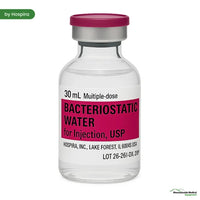
  1. Reconstitution: The lyophilized powder is reconstituted with the provided diluent (usually sterile water or compatible IV fluid) according to manufacturer’s instructions.
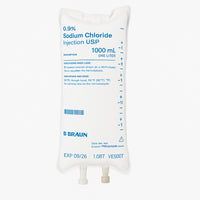
  2. Dilution: The reconstituted solution is further diluted for IV infusion.
  3. Administration: Administer the diluted solution by slow IV infusion (never as a rapid IV bolus), typically over 1-4 hours depending on the total dose.
  4. Dosing: Dosage varies by indication, patient age, and renal/hepatic function. Adults typically receive 100 mg every 12 hours, but always follow specific dosing recommendations by your healthcare provider or local protocols.

Important: Only healthcare professionals should prepare and administer this medication.

Side Effects

Common Side Effects:

  • GI upset (nausea, vomiting, diarrhea)
  • Injection site reactions (pain, phlebitis)
  • Skin photosensitivity
  • Headache

Serious/Uncommon Side Effects:

  • Severe allergic reactions (anaphylaxis, rash)
  • Hepatotoxicity (liver dysfunction)
  • Blood disorders (eosinophilia, anemia, thrombocytopenia)
  • Intracranial hypertension (persistent headache, blurred vision)
  • Superinfection (candida or Clostridioides difficile-associated diarrhea)

Warnings & Precautions

  • Hypersensitivity: Contraindicated in patients with known hypersensitivity to tetracyclines.
  • Pregnancy/Breastfeeding: Use with caution. Tetracyclines can cause permanent tooth discoloration and inhibit bone growth in the fetus/infants.
  • Pediatric use: Not recommended for children under 8 years (except for inhalational anthrax or other life-threatening infections), as it can cause teeth discoloration and enamel hypoplasia.
  • Renal & Hepatic Impairment: Dose modifications may be required; monitor functions.
  • Photosensitivity: Advise patients to avoid excessive sunlight/UV exposure.
  • Superinfection risk: Prolonged use may result in opportunistic fungal/bacterial overgrowth.

Professional Guidance

Always use under the supervision of a healthcare provider. Assess other medications and patient history to avoid significant drug interactions (including anticoagulants, penicillins, and retinoids).

Description

Doxycycline Injection is a broad-spectrum, semi-synthetic antibiotic belonging to the tetracycline class. The product is supplied as a lyophilized powder that is reconstituted for intravenous (IV) infusion. Manufactured by Slate Run Pharmaceuticals, this injectable form is particularly useful when oral therapy is not feasible (e.g., patients unable to swallow or with GI tract absorption issues).

Indications

Doxycycline injection is indicated for:

  • Severe bacterial infections susceptible to doxycycline, especially when oral administration is not appropriate.
  • Respiratory tract infections: Pneumonia, bronchitis caused by susceptible organisms.
  • Intra-abdominal infections
  • Skin and soft tissue infections
  • Urinary tract infections (UTIs)
  • Rickettsial infections: Rocky Mountain spotted fever, typhus
  • Sexually transmitted infections (STIs): Chlamydia trachomatis, syphilis (in penicillin-allergic patients), pelvic inflammatory disease
  • Anthrax (including inhalational post-exposure), plague, tularemia, and brucellosis as part of bioterrorism preparedness or rare exposure

Benefits

  • Broad-spectrum activity: Effective against a wide range of Gram-positive and Gram-negative bacteria, including atypical organisms (Chlamydia, Mycoplasma, Rickettsia).
  • IV formulation: Critical for patients unable to take oral doxycycline (e.g., vomiting, unconsciousness, NPO status).
  • Good tissue penetration: Useful for deep-seated or disseminated infections.
  • Alternative therapy: Beneficial for those allergic to penicillin and cephalosporins.

How to Use

Preparation and Administration:

  1. Reconstitution: The lyophilized powder is reconstituted with the provided diluent (usually sterile water or compatible IV fluid) according to manufacturer’s instructions.
  2. Dilution: The reconstituted solution is further diluted for IV infusion.
  3. Administration: Administer the diluted solution by slow IV infusion (never as a rapid IV bolus), typically over 1-4 hours depending on the total dose.
  4. Dosing: Dosage varies by indication, patient age, and renal/hepatic function. Adults typically receive 100 mg every 12 hours, but always follow specific dosing recommendations by your healthcare provider or local protocols.

Important: Only healthcare professionals should prepare and administer this medication.

Side Effects

Common Side Effects:

  • GI upset (nausea, vomiting, diarrhea)
  • Injection site reactions (pain, phlebitis)
  • Skin photosensitivity
  • Headache

Serious/Uncommon Side Effects:

  • Severe allergic reactions (anaphylaxis, rash)
  • Hepatotoxicity (liver dysfunction)
  • Blood disorders (eosinophilia, anemia, thrombocytopenia)
  • Intracranial hypertension (persistent headache, blurred vision)
  • Superinfection (candida or Clostridioides difficile-associated diarrhea)

Warnings & Precautions

  • Hypersensitivity: Contraindicated in patients with known hypersensitivity to tetracyclines.
  • Pregnancy/Breastfeeding: Use with caution. Tetracyclines can cause permanent tooth discoloration and inhibit bone growth in the fetus/infants.
  • Pediatric use: Not recommended for children under 8 years (except for inhalational anthrax or other life-threatening infections), as it can cause teeth discoloration and enamel hypoplasia.
  • Renal & Hepatic Impairment: Dose modifications may be required; monitor functions.
  • Photosensitivity: Advise patients to avoid excessive sunlight/UV exposure.
  • Superinfection risk: Prolonged use may result in opportunistic fungal/bacterial overgrowth.

Professional Guidance

Always use under the supervision of a healthcare provider. Assess other medications and patient history to avoid significant drug interactions (including anticoagulants, penicillins, and retinoids).
Get Notified When Back in Stock