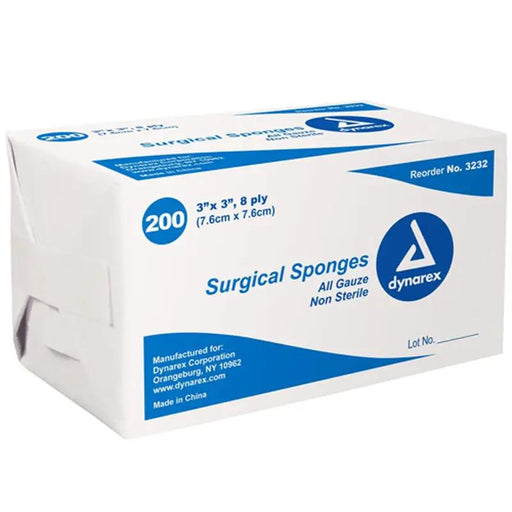
Non-Sterile Gauze Pads (Surgical Gauze Sponges)
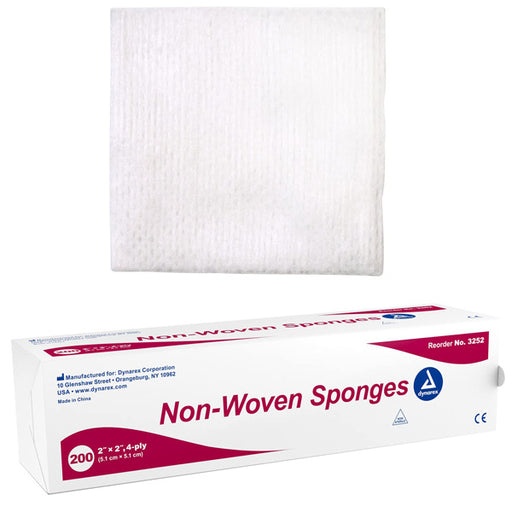
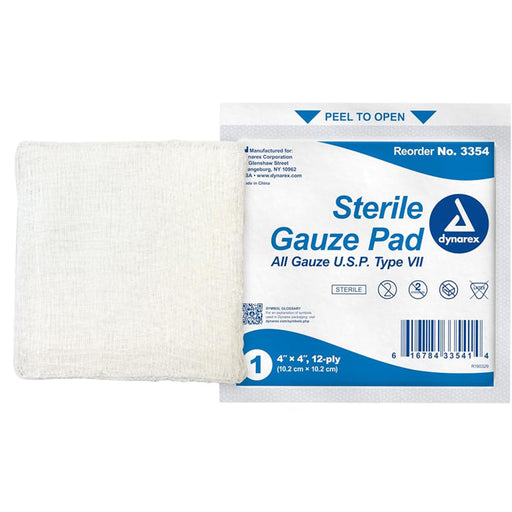
Non-sterile gauze pads are absorbent cotton (or cotton-blend) squares or rectangles used for basic wound care and general medical tasks. They typically come in sizes like 2×2″, 3×3″, 4×4″ (inches) and consist of multiple plies (layers) of woven gauze. Unlike sterile dressings, non-sterile gauze is not guaranteed sterile because it’s sold in bulk packaging, so it’s suitable only for “clean” (non-sterile) applications.
Materials: Usually made of cotton gauze (sometimes blended with rayon or polyester). They are soft, breathable, and highly absorbent. Some have folded edges to reduce lint (threads), though many are simply cut-edge.Sterility: The packs are not sterilized, so these pads should not be used on fresh surgical incisions or invasive procedures that require sterile technique. They are intended for routine cleaning and dressing tasks where full sterility isn’t necessary.
Uses
Non-sterile gauze pads have many everyday uses in healthcare and first aid. They can serve to:
-
Absorb fluids: Blot or soak up small-to-moderate amounts of blood, exudate, saliva, cleansers, etc. (e.g. after a finger-stick or cleaning a wound).
-
Pad/Cushion: Provide a soft cushion or barrier between skin and objects (like medical devices, splints, or rough surfaces)..
-
Cleaning aid: Wipe intact skin or non-critical surfaces. They can be used with antiseptic or soap to cleanse around a wound or injection site (but not inside a deep wound).
-
Secondary dressing: In some dressing setups, gauze pads are placed under tape or wraps to absorb drainage, even if the outer layer is a sterile bandage (following local protocol).
Because they’re inexpensive and widely available, non-sterile gauze pads are also used for general tasks like covering minor cuts or burns after cleaning, drying skin, packing small wounds, or even cleaning up spills in a clinical area. In summary, they are a utility dressing for many routine, non-sterile situations. (They are not a substitute for sterile dressings on surgical or high-risk wounds.
Precautions and Handling
-
Not for sterile wounds: Don’t use non-sterile gauze on open surgical incisions or when a sterile field is mandated. For those cases, only use properly sterilized dressings.
-
Single use: These pads are disposable, single-use items【7†28-L169-L177】. After using one pad on a wound or skin, discard it – do not attempt to wash or reuse it.
-
Storage: Keep the pads in their original clean container or box at room temperature. They should be dry and away from contamination. If packaging is torn or exposed, discard the pads.
-
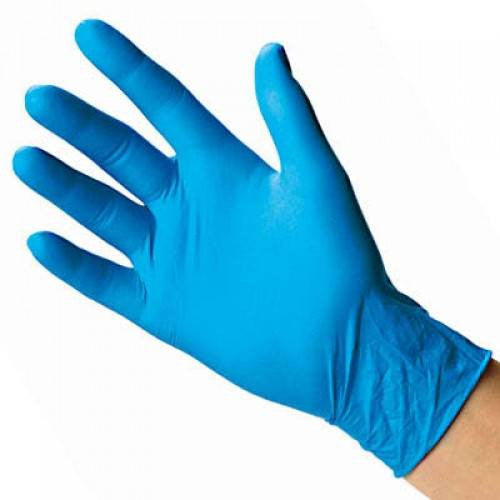
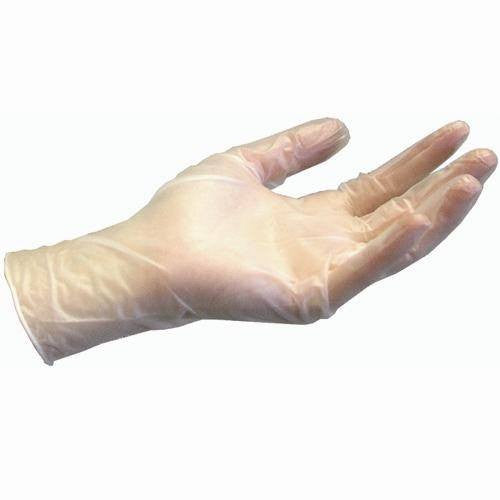
Handling: Use clean hands or gloves when applying to avoid contaminating the pad. Non-sterile does not mean "free of all germs"【7†28-L169-L177】, so good hand hygiene is still important.
-
Lint: Some gauze pads shed fibers. If using on a sensitive area (e.g. eye or a deep wound), use a low-lint product or tape edges down as needed.
-
Allergies: Gauze is made of cotton or fibers; allergic reactions are extremely rare. Ensure the pad is appropriate for any skin sensitivities (some pads may contain tracers or markers).
Instructions for Use
-
Application: Place the dry gauze pad directly on the cleaned area of skin or wound. If the wound is open, you would typically use it after applying any antiseptic or ointment, then secure it with tape or a wrap. Gauze can absorb wound fluids and keep the area protected.
-
Size/Thickness: Choose an appropriate size and ply for the task. (Pads labeled by “ply” simply indicate layers; more plies means thicker and more absorbent.) For minor scrapes, a single 4×4 pad is often enough. For larger wounds, use several or a larger pad.
-
Covering: Gauze alone is loosely woven, so it often needs a secondary dressing (like tape, elastic bandage, or a sterile pad over it) to hold it in place and to create a barrier against contaminants.
-
Removal: Carefully remove and discard once soiled or no longer needed. Clean the skin again if necessary. Then apply a fresh pad if ongoing coverage is required.
Examples of Use Cases
- Applying and spreading antiseptic on intact skin before an injection.
- Covering a small laceration or puncture after cleaning and applying antibiotic ointment (then tape over the gauze).
- Cleaning a wound or contoured area by wiping with saline or soap applied to the pad (on unbroken skin).
- Padding between a cast or splint and the skin to prevent pressure sores.
- Packing a cavity wound lightly (under a protocol where non-sterile packing is allowed).
- First aid: blotting blood from a scraped knee, covering a blister, etc.
Important Tips
- Use sterile gloves or wash hands before touching a pad if the wound must stay as clean as possible (even though the pad itself is non-sterile).
- Do not use these pads on infected or deep puncture wounds unless sterile technique isn’t required, because they are not sanitized.
- Be aware of facility or local guidelines: some settings may restrict even surface cleansing with non-sterile items.
- Always follow a healthcare provider’s instructions if the gauze is part of a prescribed wound care regimen.
Non-sterile gauze pads are basic first-aid/dressing supplies. They help absorb fluids and protect skin, but they are meant for general use, not any specific medical treatment. They are not medications and do not “heal” wounds by themselves – they simply provide a clean, absorbent material for routine care tasks