Skip to content
Free US shipping over $100

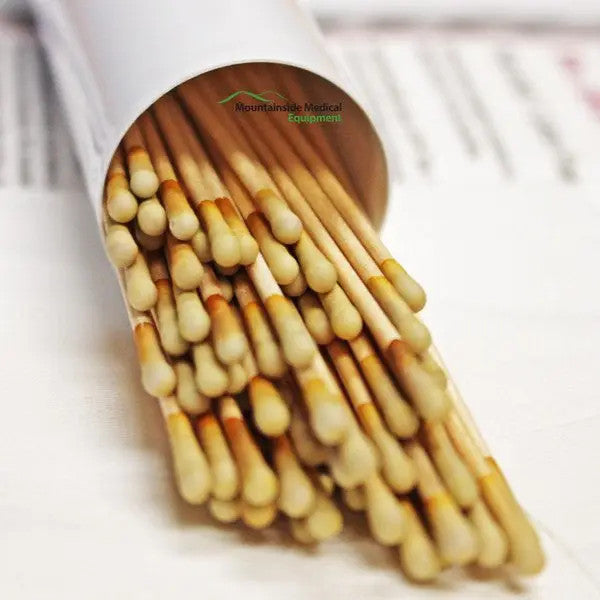
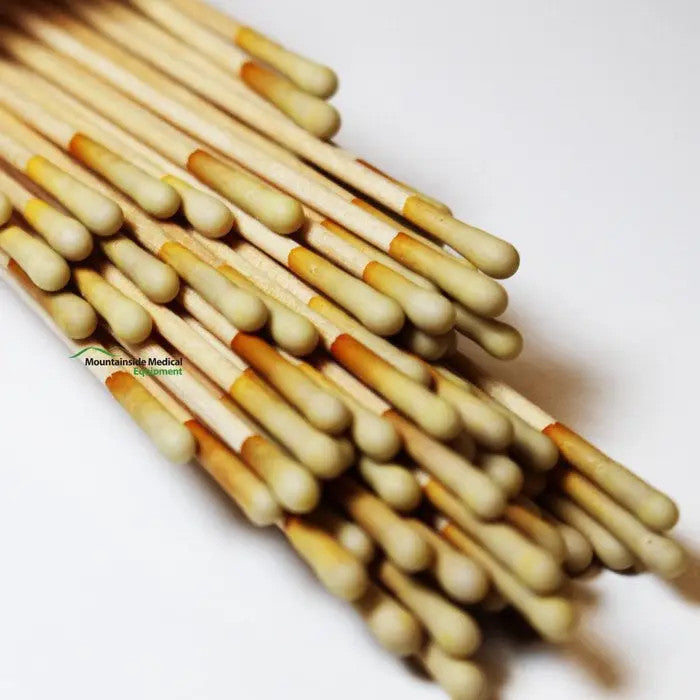
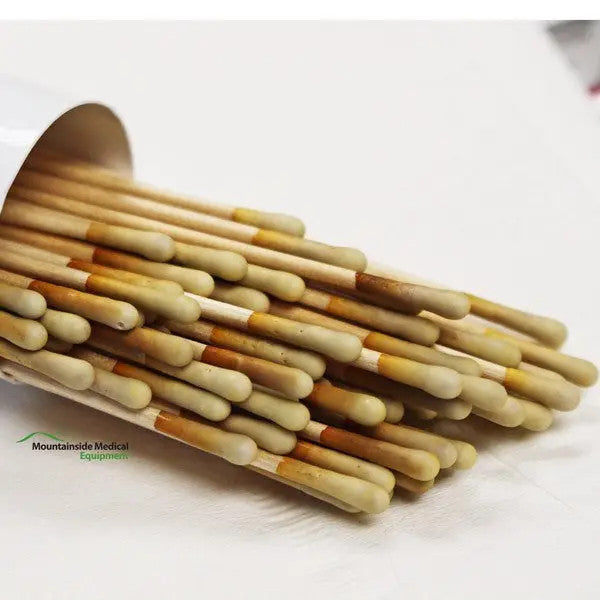
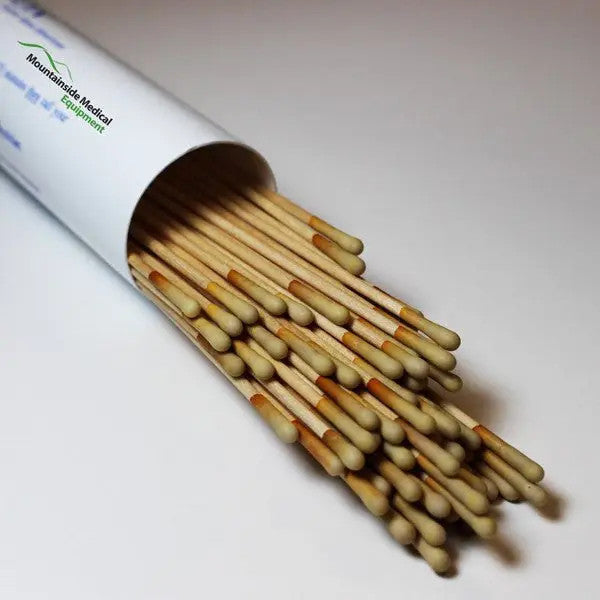
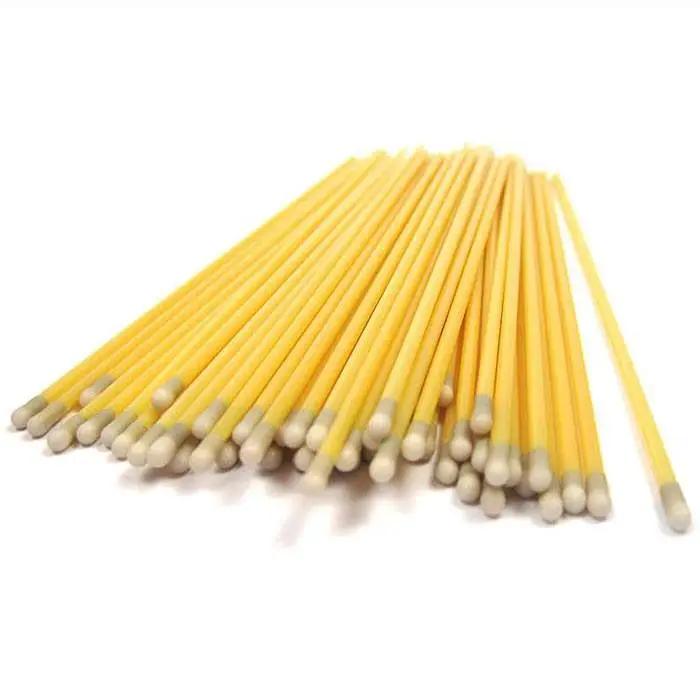
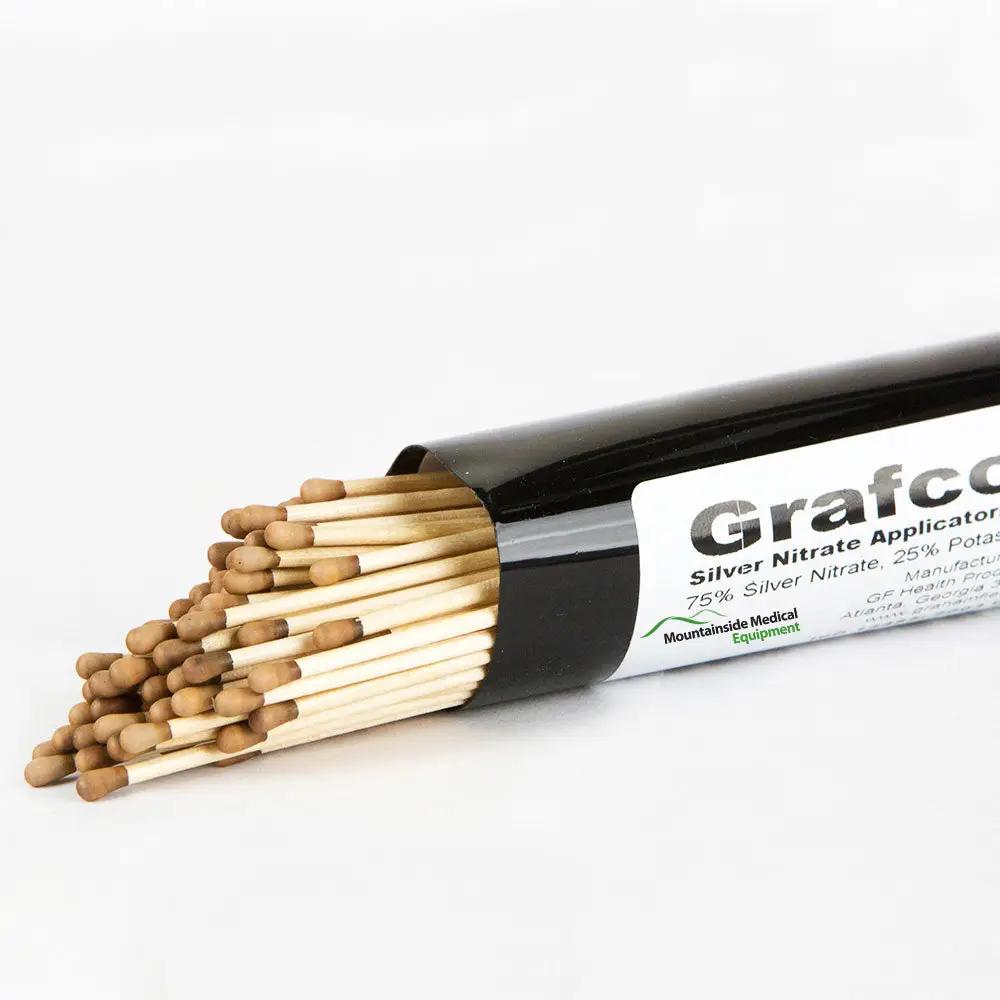
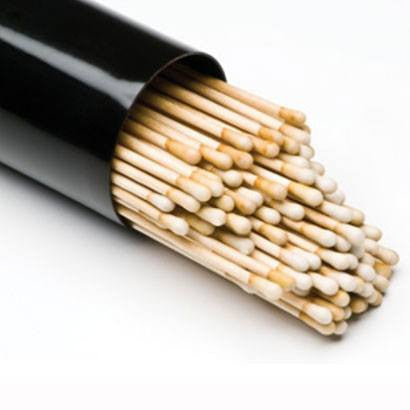
100 Silver Nitrate Sticks (Caustic Pencils) (Rx)

by Grafco
Sale 30%
Original price $ 49.95
Current price $ 35.00
SKU 12165-0100-01
*Mountainside Medical does not fill personal prescriptions Medical Professional License Required to Unlock Account

How to Order:

Send an email request to: sales@mountainside-medical.com

You will receive instructions on how to create an account along with Rx Ordering Details.

(Note: Acceptable licenses must have Prescriptive Authority in the license issuing state.)

Silver nitrate sticks are used for cauterizing or burning away tissue, typically in medical procedures or to stop bleeding in minor wounds.

Silver nitrate sticks can also be used for treating conditions such as skin tags and verrucas. The silver nitrate in the stick causes a caustic reaction on contact with moisture, resulting in coagulation and hardening of the tissue. They should only be used by trained professionals and should be used with caution as they can cause burns if not used properly.

Rx items cannot be returned.

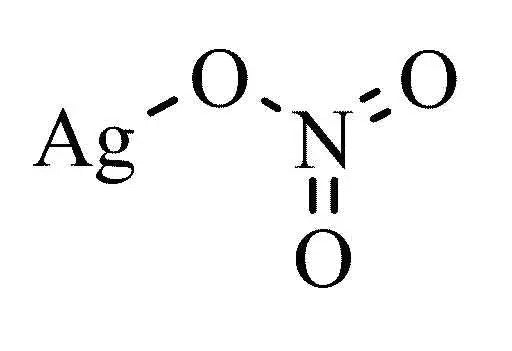
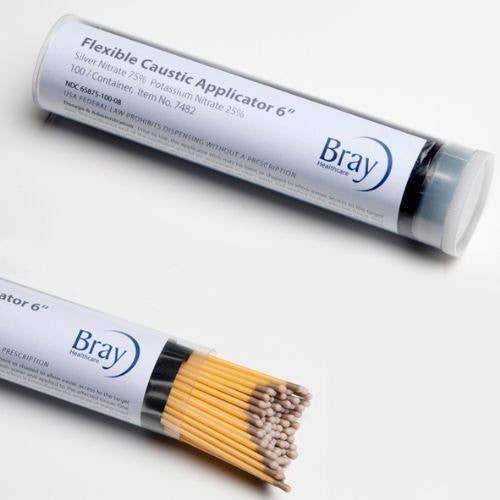
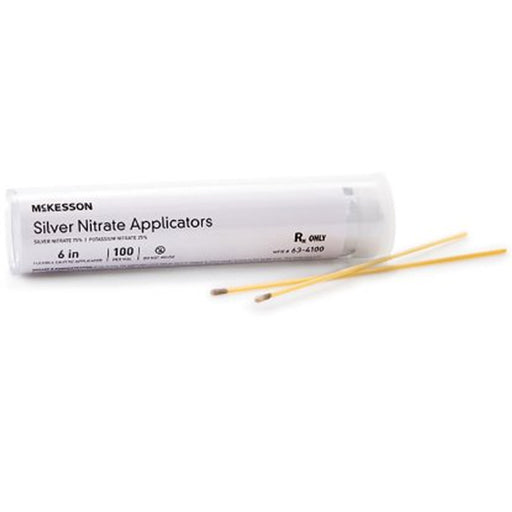
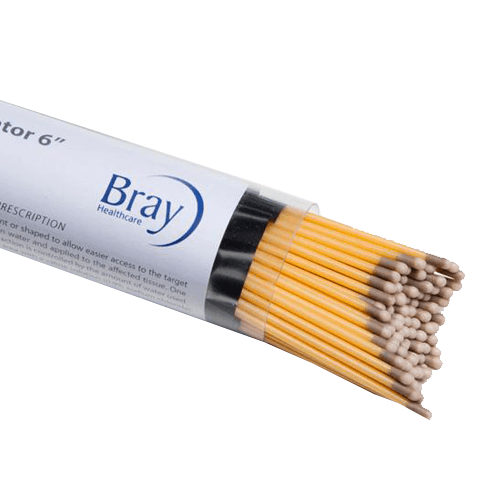
Silver nitrate sticks  are a firm wooden stick that contain 75% silver nitrate and 25% potassium nitrate used to chemically cauterize skin. Silver nitrate sticks activate when these two ingredients are mixed with moisture (drop of water) a chemical reaction happens and when applied the skin, hemostasis or permanently destroying unwanted tissue such as a wart, skin tag, aphthous ulcers, or over-production of granulation tissue. They are not used as a treatment for minor skin cuts, and should not to be confused with a styptic pencil. Uses include nongenital warts and verrucas, granulation tissue, wound healing, stoma maintenance, umbilical stumps, cautery, anterior epistaxis, vasomotor rhinitis, post-bioptic cervical nicks, skin tags and pain relief for aphthous stomatitis.

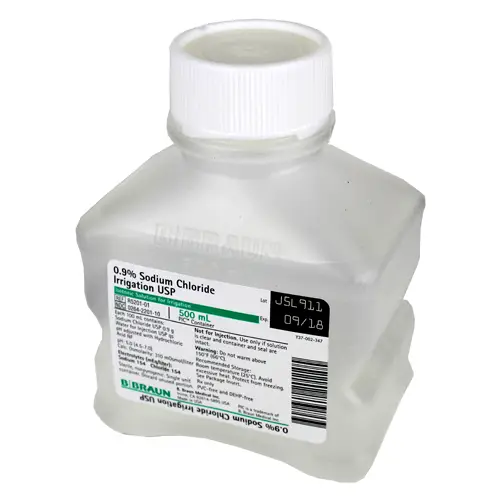
Silver nitrate is commonly employed as a caustic antiseptic and an astringent. Potassium nitrate has been used as a topical antiseptic on mucous membranes. The degree of action depends upon the concentration employed and the period of time during which the compound is allowed to act. The silver nitrate is precipitated by chloride thus washing with a sodium chloride solution can quickly neutralize the action of the silver ions.

The silver nitrate and potassium nitrates in caustic stick is in a dried, solid form at the tip of a wooden or plastic stick. When the material is applied to a wound or lesion, the tissue moisture or blood dissolves the dried nitrate salts, which then chemically burn the tissue. It requires moisture for activation.

How to Use Silver Nitrate Sticks

One drop of water is sufficient to treat two square inches of tissue. Place a single drop of water, or more if required, on a clean non-absorbent surface. Moisten the applicator tip with sterile distilled water and apply the silver nitrate to the affected are by holding, rubbing, or rotating the tip along the affected tissue. Gently stir the tip of a pencil/applicator in the drop of water for about 20 to 30 seconds. The strength of the action is controlled by the dilution with distilled water. One silver nitrate applicator is generally sufficient for each application.

Note: Silver salts stain tissue black due to deposition of reducing silver. The stain gradually disappears within a period of two weeks.

Silver nitrate sticks are often used for minor bleeding where patients are not under general anesthesia, and where electrocautery pens would be painful and inconvenient. One common use of silver nitrate sticks is in Emergency Medicine, to control epistaxis (nosebleed). The stick is rolled on the affected mucous membrane or visible blood vessel in the nares (nostril) where the chemical cauterization stops the minor bleeding.

If the bleeding is too copious, the chemical cautery may not be effective, as the flowing blood can wash away the chemical before it can react with the tissue. It can also be accidentally spread to undesirable locations where it can cause skin staining and tissue burns. This is especially important, as it is often used in the nose where accidental aerosolization can occur, splattering the clinician or other parts of the patient and causing unintentional burns. Accidental application to unintended tissue is treated with copious water irrigation.

Search Any Type of Product, Medication, or Alignment