Heparin Sodium Injection 10,000
Heparin sodium injection is a prescription anticoagulant (blood thinner) given by subcutaneous (SC) or intravenous (IV) injection. Its purpose is to prevent and treat blood clots. Heparin is a natural mucopolysaccharide (from porcine intestinal tissue) that inactivates clotting factors and stops clot formation. Typical indications include: preventing or treating deep vein thrombosis (DVT) and pulmonary embolism (PE); preventing clots in atrial fibrillation; managing disseminated intravascular coagulation (DIC); anticoagulation during heart or arterial bypass surgery; and keeping blood fluid during dialysis or transfusions. It is also used for clot prophylaxis in hospitalized patients after major surgery or trauma. (Importantly, heparin injection is NOT used as a catheter lock flush – it is far stronger than the low-dose flush solutions, and using the wrong strength can cause fatal bleeding.
Heparin Sodium Injection is a leading, fast-acting anticoagulant (blood thinner) used across hospitals and clinics worldwide. Indicated for:
- DVT prevention and treatment
- Pulmonary embolism (PE) management
- Atrial fibrillation-related clot prevention
- Catheter and IV line maintenance (heparin flush)
- Prevention of clotting in extracorporeal circulation (dialysis, open-heart surgery)
- Myocardial infarction (MI) and unstable angina
- Maintenance of blood flow during transfusion and cardiovascular interventions
Its high bioavailability and predictable action make it a gold standard in venous thromboembolism (VTE) prophylaxis, anticoagulation during surgeries, and medical emergencies requiring rapid clot prevention.
Administration and Dosage
Heparin injection requires medical supervision and dosing is individualized (based on weight and lab tests). It is supplied in multi-dose vials (10,000 USP units in 10 mL, i.e. 1,000 units/mL). Healthcare providers draw the required dose (in “units”). Prophylaxis (preventive) doses often start at 5,000 units SC given every 8–12 hours. For full anticoagulation therapy, doctors may use an initial IV bolus of 5,000–10,000 units, followed by either repeated IV injections of 5,000-units each 4–6 hours, or a continuous IV infusion at about 20,000–40,000 units per 24 hours. When given SC, injection is usually into the abdomen or thigh (rotate sites). No intramuscular injections of heparin should be given ( risk of hematoma).
Dosing must be monitored by blood tests (typically the activated partial thromboplastin time (aPTT)). The goal aPTT is about 1.5–2 times normal; if aPTT becomes too high or bleeding occurs, heparin is stopped. Patients (especially the elderly) often require lower or less frequent dosing, and dosing is adjusted to avoid over-anticoagulation.
Note on the multi-dose vial: Some 10,000-unit vials contain a benzyl alcohol preservative (to prevent contamination when the vial is punctured multiple times). This preservative can be toxic to newborns/infants (“gasping syndrome”), so neonates, infants, and pregnant women are typically given preservative-free heparin formulations). Always use the exact form (preserved vs. preservative-free) that your doctor prescribes.
Side Effects and Risks
The most important side effect of heparin is bleeding. Because heparin thins the blood, patients often bruise more easily or bleed more. This can range from mild (bruising, nosebleeds, bleeding gums) to severe (gastrointestinal bleeding, blood in urine or stool, hemorrhagic stroke). Seek immediate medical help if you notice any unusual bleeding (for example, prolonged bleeding from cuts, black tarry stools, coughing or vomiting blood). Heparin can also cause postoperative or internal bleeding weeks after stopping, so report any delayed bleeding events to your doctor.
Injection site reactions (pain, redness, swelling at the injection site) are common but usually mild. Hypersensitivity/allergic reactions (rash, hives, itching, difficulty breathing, swelling of face/lips) can occur, though are rare. If any allergy signs appear, stop heparin and seek help.
A special risk is thrombocytopenia (low platelet count). Heparin can lower platelets in up to ~30% of patients. One form, HIT (Heparin-Induced Thrombocytopenia), is serious: the immune system causes profound platelet drop and paradoxical thrombosis (clots). Signs of HIT include a sudden fall in platelets, skin necrosis at injection sites, or new clots despite heparin. Platelet counts are checked regularly during therapy. If platelet counts drop dangerously low (<100,000/mm³) or HIT is suspected, heparin is stopped and alternative anticoagulation started.
Other less common side effects include mild elevations in liver enzymes and osteoporosis (with very long-term use). Because heparin is potent, it requires routine monitoring of coagulation (aPTT) and complete blood counts (platelets, hematocrit). Always report symptoms like chest pain, severe headache, shortness of breath, calf swelling/pain, or any unexplained bruising, as these could indicate clotting or bleeding complications.
Warnings and Precautions
-
Bleeding risk: Heparin must never be used when there is a known active bleed (e.g. GI ulcer bleed, hemorrhagic stroke) or severe uncontrolled hypertension. Use extreme caution (or avoid) when conditions raise bleeding risk (recent surgery, spinal tap, brain injury, hemophilia, severe liver disease, etc.).
-
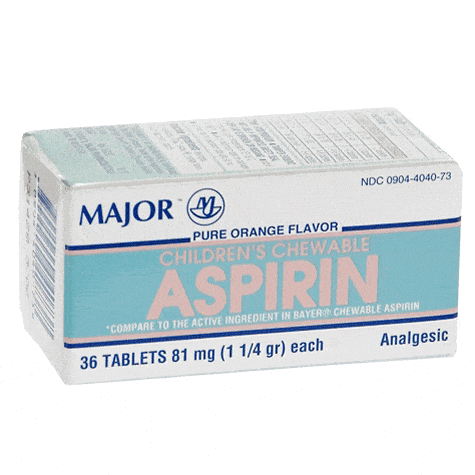
Drug interactions: Many drugs can increase bleeding risk with heparin. Notably, aspirin or other NSAIDs (ibuprofen, naproxen, etc.) and antiplatelet agents (clopidogrel, dipyridamole, etc.) can have additive effects. Also avoid other anticoagulants (warfarin, DOACs) unless specifically coordinated by a doctor. Always tell your providers about all medicines you take.
-
Hypersensitivity: If you had prior heparin allergy or HIT, do not use heparin except in life-threatening situations. Heparin is derived from pork, so inform your doctor of any pork sensitivities.
-
Administration errors: Look at the vial carefully before withdrawal. The 10,000-unit vials are concentrated (1,000 units/mL). They can be confused with lower-strength syringes or flush solutions. Do not use this injection to flush IV lines. A mix-up can overdose the patient. Always double-check the vial concentration before giving a dose.
-
Pregnancy/Breastfeeding: Heparin does not cross the placenta and is commonly used in pregnancy when needed. However, a preservative-free form is preferred for pregnant women. (Heparin is often chosen over warfarin in pregnancy for clot prevention because it’s safer for the fetus.) If you’re or might become pregnant, inform your doctor. Heparin does pass into breast milk at very low levels, and most sources advise caution; some recommend not breastfeeding while on heparin.
-
Elderly: Patients over 60 (especially women) bleed more easily on heparin. Lower doses are often used and more frequent monitoring is required in older adults.
-
Pediatrics: Heparin should be used with caution in children. Neonates and infants must get preservative-free heparin. Pediatric dosing is weight-based and managed by specialists.
In all cases, use exactly the dose and frequency prescribed by your healthcare provider. Heparin is usually given in a hospital or clinic, and the first dose is often administered by a nurse or doctor who provides instructions if home injections are needed. Store unopened vials at room temperature away from light, and do not use the solution if it looks cloudy or contains particles.
Summary
Heparin sodium 10,000 USP (in a 10 mL multi-dose vial) is a powerful injectable anticoagulant used to prevent and treat blood clots in the hospital setting. It is given by IV or SC injection, with doses expressed in units. A common prophylactic regimen is 5,000 units SC every 8–12 hours; therapeutic regimens may start with 5,000–10,000 units IV then infusion of 20,000–40,000 units per day. While effective, heparin carries a high bleeding risk: patients must watch for any unusual bleeding/bruising and undergo regular blood tests. The dangerous complication of heparin-induced thrombocytopenia (HIT/HITT) requires close monitoring of platelets.
In practice: Heparin injections are handled by healthcare professionals. Do not self-administer without training. Carefully follow your hospital’s protocols. Contact a doctor immediately if there is any sign of bleeding or if you experience severe side effects. When used correctly, heparin is a very effective way to prevent life-threatening clots, but it must be managed vigilantly to avoid serious complications.