Tranexamic Acid Injection 1000 mg
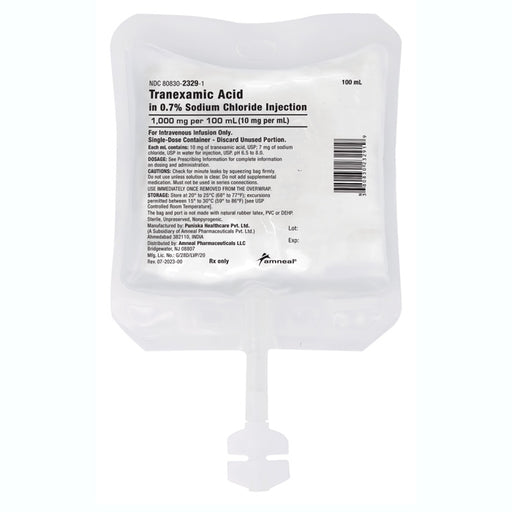
Tranexamic acid injection is a prescription antifibrinolytic drug used to control or prevent severe bleeding. It is a synthetic derivative of the amino acid lysine that works by stabilizing blood clots. Specifically, tranexamic acid binds to plasminogen (the precursor of the clot-dissolving enzyme plasmin), preventing plasmin from breaking down fibrin clots. In effect, it “improves blood clotting” by slowing fibrin degradation, which helps reduce excessive bleeding. The injectable form comes as 1000 mg per 10 mL (100 mg/mL) vials for intravenous use. (Tranexamic acid is also available as tablets and oral formulations, but the 1000 mg/10 mL dose refers to the IV preparation.)
Uses and Administration
-
FDA-approved use: The US prescribing label for the injection directs its use mainly in hemophilia patients undergoing dental procedures. For example, in hemophiliacs (with factor VIII or IX deficiency), a 10 mg/kg IV dose is given before a tooth extraction and continued 3–4 times daily for several days to reduce bleeding and the need for clotting factor infusions. (This indication reflects short-term use of 2–8 days around the procedure.)
-
Other bleeding conditions: Although not labeled for all cases, tranexamic acid is widely used off-label to manage or prevent bleeding in many situations. It is commonly given in hospitals for major surgeries or trauma to reduce blood loss. In obstetrics, early IV tranexamic acid (typically 1 g IV) is recommended in severe postpartum hemorrhage to lower maternal death from bleeding. It is also used in emergency settings with significant trauma (CRASH-2 trial regimen of 1 g IV, repeating as needed) to reduce exsanguination. In women with heavy menstrual bleeding, oral tranexamic acid tablets are frequently used (though tablets, not injection, are common in that indication). Other uses include treating recurrent nosebleeds (epistaxis) and certain bleeding disorders (e.g. hereditary hemorrhagic telangiectasia) or as an adjunct in surgeries. (NHS guidelines note tranexamic acid treats bleeding from heavy periods and nosebleeds.)
-
Dosage and administration: The usual adult IV dose is about 10 mg per kg body weight (so ~1 g for a 100 kg patient), given slowly by IV infusion. The solution (1000 mg/10 mL) must be injected at no more than 1 mL per minute to avoid a rapid drop in blood pressure. Doses may be repeated every 6–8 hours for up to several days if bleeding persists. Children’s dosing is weight-based (also ~10 mg/kg). The concentration is high (100 mg/mL), so it may be diluted in saline for infusion if needed. Important: Only healthcare providers should administer this injection (it is usually given in a hospital or clinic).
Dose adjustments: Because tranexamic acid is cleared almost entirely by the kidneys (about 90% is excreted unchanged in urine within 24 hours), dosage must be reduced in patients with renal impairment. In patients with moderate-to-severe kidney disease, smaller or less frequent doses are used. No dose adjustment is generally needed for mild renal impairment, but kidney function should be monitored.
-
Administration route: This medication is for intravenous use only. It must not be given by spinal or epidural injection (neuraxial use) – doing so can cause serious neurological injury or seizures. (Mistaken intrathecal injection of tranexamic acid is a known cause of severe convulsions and paralysis.) It is a hospital drug, not a self-injection; healthcare settings ensure proper infusion rate and monitoring.
Side Effects and Adverse Reactions
-
Common side effects: The most frequent adverse effects are gastrointestinal and nervous system symptoms. These include nausea, vomiting, and diarrhea, and sometimes headache or dizziness. Minor skin reactions like allergic dermatitis (rash or itching) have been reported. These effects are often dose-related and may resolve if the dose is lowered.
-
Infusion reactions: If the IV is given too rapidly, acute hypotension (low blood pressure) may occur; this is why the infusion rate should not exceed 1 mL/min. Patients may also experience flushing, sweating, or chills during infusion. Proper IV technique and monitoring help prevent these events.
-
Rare but serious effects: Tranexamic acid can increase the risk of blood clots (thromboembolic events). Deep vein thrombosis (DVT), pulmonary embolism, stroke, myocardial infarction, and other clotting episodes have been reported. Therefore, it is used with caution – if at all – in patients at high risk for thrombosis (see Precautions below). Seizures (convulsions) are rare but have been observed, especially after high doses or accidental intrathecal administration. Visual disturbances or eye symptoms (blurred vision, changes in color perception) have been noted in isolated cases, reflecting an effect on retinal blood flow. If any vision changes or neurological symptoms occur during treatment, the drug should be stopped and evaluated.
-
Allergic reactions: Severe hypersensitivity (anaphylaxis) is very rare, but any signs of urticaria, breathing difficulty, or swelling should prompt immediate discontinuation of tranexamic acid and emergency care. Patients with known allergy to tranexamic acid (or to any ingredients in the vial) must not receive this drug.
Precautions and Patient Counseling
Before giving tranexamic acid injection, healthcare providers review the patient’s history for conditions that may make it unsafe:
-
Active clotting or history of thrombosis: Tranexamic acid is contraindicated in patients with active intravascular clotting (for example, disseminated intravascular coagulation, acute thrombosis). Using it when clots are already forming can worsen blockages. It should also not be given to patients with a history of thromboembolic disease unless absolutely necessary. Women on combined estrogen–progestogen contraception (birth control pills) have a small increased risk of clots; combining these with tranexamic acid may further raise clot risk. For this reason, non-hormonal contraceptive methods are advised during treatment if pregnancy is not desired.
-
Neuraxial administration: The injection should never be given by spinal or epidural routes. Inadvertent spinal injection of tranexamic acid has caused seizures and even paralysis. Strict attention to the IV vs. intrathecal route is required.
-
Subarachnoid hemorrhage: In patients with bleeding in the brain (subarachnoid hemorrhage), tranexamic acid can cause cerebral edema or infarction, so it is not used in that situation.
-
Renal impairment: As noted, dose reduction is needed if the patient has impaired kidney function. Blood levels of the drug rise in renal insufficiency, so monitoring and dose adjustment prevent accumulation.
-
Pregnancy: Tranexamic acid crosses the placenta. Available data (mostly from postpartum use) show no clear evidence of birth defects, but the full risk is uncertain. A few cases of fetal harm have been reported when it was used in early pregnancy, though causes were unclear. If a pregnant woman needs treatment (e.g. severe hemorrhage), doctors weigh the benefits against unknown risks. Patients should inform their provider if they are pregnant or planning pregnancy.
-
Breastfeeding: Tranexamic acid passes into breast milk. There is no data on effects in nursing infants, so caution is advised. Mothers should discuss risks and benefits of breastfeeding while on therapy.
-
Hereditary angioedema: Although not a bleeding disorder, tranexamic acid has been used off-label to reduce swelling attacks in hereditary angioedema (HAE). The dosing and form may differ (often oral), but it is another use of this medication. It is not FDA-approved for HAE, however.
-
Drug Interactions: The main concern is additive clotting risk. Avoid use with other procoagulant or fibrinolytic-modifying drugs. For instance, sequencing tranexamic acid with intravenous clotting factor concentrates (such as Factor IX complex or anti-inhibitor coagulant complex) can increase thrombotic risk. Do not mix it with topical fibrin sealants or thrombin solutions without medical oversight. Also, as noted, hormonal therapies and sedative anesthetic drugs should be used with care. There are no major metabolic drug interactions, since tranexamic acid is not extensively metabolized by liver enzymes. However, always inform the care team of all medications (including over-the-counter and supplements).
Key points for patients: Tranexamic acid injection is given under close medical supervision. Patients should report any unusual symptoms (especially signs of clots – such as leg pain/swelling or chest pain) immediately. Allow the infusion to run at the prescribed rate – do not rush the IV. Do not receive other clot-promoting therapies without consulting the doctor.
Side Effects (Summary)
-
Very Common: Nausea, vomiting, diarrhea.
-
Common: Allergic skin reactions (rash), dizziness or lightheadedness, headache. Low blood pressure (if dose given too fast) is also noted.
-
Serious (uncommon): Blood clots (DVT, PE, stroke, heart attack), seizures, vision changes or eye problems, kidney failure (very rare, often due to clotting in the kidneys).
If a patient develops severe headache, chest pain, shortness of breath, blurred vision, weakness, or seizures after receiving tranexamic acid, emergency medical evaluation is needed.
Storage and Handling
Tranexamic acid injection is supplied in sterile, preservative-free vials. Store according to label instructions (usually at controlled room temperature, protected from light). Do not use any vial that is discolored or has particles. Healthcare providers must follow proper aseptic technique when preparing and administering the drug.
Product Details and Features
-
Concentration: 1000 mg per 10 mL vial
-
Packaging: 10 vials per box
-
Indications: Used to reduce or prevent excessive bleeding
-
Formulation: Sterile, preservative-free solution
-
Manufactured by Avet Pharmaceuticals: Adheres to stringent quality standards
Mechanism of Action
Tranexamic Acid is an antifibrinolytic agent that functions by inhibiting the activation of plasminogen to plasmin, an enzyme responsible for fibrin degradation. This mechanism helps stabilize blood clots and reduce hemorrhage, making it effective in treating conditions with abnormal bleeding.
Directions
-
Administration: For intravenous use under the supervision of a healthcare professional.
-
Dosage: Follow the prescribed dosage by the healthcare provider, tailored to the specific condition and patient needs.
-
Preparation: Inspect the solution for particulate matter or discoloration before administration.
Warnings
-
Medical Supervision Required: Use only under the guidance of a qualified healthcare professional.
-
Contraindications: Not recommended for patients with active thrombosis or history of thromboembolic disease.
-
Pregnancy and Nursing: Consult a physician before use if you are pregnant or breastfeeding.
-
Interactions: Ensure all medications being taken are known to the healthcare provider to prevent interactions.
Side Effects
-
Common: Nausea, vomiting, or diarrhea.
-
Serious: Allergic reactions, vision changes, or signs of thrombosis; seek immediate medical attention if these occur.
-
Discontinue Use: If serious side effects develop, stop use and consult with a healthcare provider immediately.
Tranexamic Acid Injection by Avet Pharmaceuticals is a trusted choice for controlling excessive bleeding. Always administer under the supervision of a healthcare professional to ensure safe and effective use tailored to your clinical needs. Trust Avet Pharmaceuticals for reliable and high-quality therapeutic solutions.
 Skip to content