Skip to content

Added to your cart:

Cart subtotal

Iron Sucrose Injection 200 mg Elemental Iron 10 mL Single-Dose Vial (RX)

by Sandoz
SKU 00781-3487-94
Sale 32%
Original price $ 189.95
Current price $ 129.00
In stock
Non-Returnable
*Mountainside Medical does not fill personal prescriptions Medical Professional License Required to Unlock Account

How to Order:

Send an email request to: sales@mountainside-medical.com

You will receive instructions on how to create an account along with Rx Ordering Details.

(Note: Acceptable licenses must have Prescriptive Authority in the license issuing state.)
Fast Delivery
Fast Delivery
24/7 Support
24/7 Support
No Returns
No Returns
Hospital Grade
Hospital Grade
Free Shipping on orders above $100
Payment Secure transaction
Packaging Ships in product packaging
Service-Disabled Veteran-Owned Small Business
Located in Adirondack Mountains in NY
Family Owned Business 2002
Sale 32%
Original price $ 189.95
Current price $ 129.00
Free Shipping on orders above $100
Payment Secure transaction
Packaging Ships in product packaging
Iron Sucrose Injection 200 mg Elemental Iron 10 mL Single-Dose Vial (RX)
$ 189.95 $ 129.00
🔒 Medical License Required
Description
Iron Sucrose Uses
What Is Iron Sucrose?
What Is Anemia?
Popular Brands of Iron Sucrose
Specifications
How to Use Iron Sucrose
Dosage & Administration
Drug Interactions
Side Effects & Warnings

Iron Sucrose (Venofer) – Intravenous iron replacement therapy

Iron sucrose (brand name Venofer among others) is an intravenous iron replacement medication used to treat iron-deficiency anemia. It is most commonly given to patients who cannot absorb or tolerate oral iron or who have chronic kidney disease (CKD) causing anemia. Iron sucrose is supplied as a liquid solution and is given by a healthcare provider into a vein. The infusion is administered slowly (typically over 2–5 minutes or up to a few hours, depending on dose) with careful medical supervision. Because serious allergic or cardiopulmonary reactions are possible (though uncommon), patients are watched closely during and for at least 30 minutes after the infusion.

Mechanism: Iron sucrose works by replenishing the body’s iron stores, allowing the bone marrow to make more hemoglobin and red blood cells. It is a complex of iron and sucrose; once infused, the iron is released and used to build hemoglobin in red cells. (In other words, it restores iron so the blood can carry more oxygen.)

Administration: This is a prescription-only injection administered in a medical setting by a doctor or nurse. It is given by slow intravenous infusion or injection (typically over several minutes). For example, common vial strengths are 50 mg (2.5 mL) or 100 mg (5 mL) of iron per dose (20 mg/mL concentration). A series of infusions (e.g. 100–200 mg each session) is usually given until iron levels are restored.

Precautions/Safety: Iron sucrose infusions must be given under medical supervision. Rapid infusions can cause side effects such as low blood pressure or allergic reactions, so vital signs are monitored during and after the dose. Because of this, patients are observed for at least 30 minutes after each infusion. It should not be used in patients with iron overload (hemochromatosis) or known hypersensitivity to iron sucrose.

Discover the powerful benefits of Iron Sucrose Injection 200 mg Elemental Iron Per 10 mL Single-Dose Vial by Sandoz, a trusted solution for the safe and effective treatment of iron deficiency anemia (IDA). Backed by high efficacy and patient safety, this injectable IV iron supplement delivers vital iron directly to your bloodstream, rapidly improving iron levels, increasing hemoglobin, and combatting fatigue, weakness, and other symptoms related to iron deficiency or chronic kidney disease (CKD).

Experience rapid and reliable anemia treatment with Iron Sucrose Injection 200 mg Elemental Iron per 10 mL Single-Dose Vial by Sandoz. This top-rated, hospital-grade intravenous iron supplement is clinically proven to effectively treat iron deficiency anemia and replenish vital iron stores, providing fast relief from fatigue, weakness, and other anemia symptoms. Designed for highest efficacy, this IV iron therapy delivers 200 mg of elemental iron per single-dose vial, ideal for patients who are unable to tolerate or have an inadequate response to oral iron supplements. Sandoz, a global leader in pharmaceuticals, guarantees superior quality, purity, and safety in every vial.

Uses

Iron Sucrose Injection is primarily used in:

  • Treatment of iron deficiency anemia (IDA), especially in patients with chronic kidney disease (CKD)
  • Patients who have intolerance or unresponsiveness to oral iron supplements
  • Hemodialysis and peritoneal dialysis patients requiring intravenous iron replacement
  • Hospital and clinical settings for fast iron repletion

What Is Iron Sucrose?

Iron Sucrose is an intravenous iron replacement product containing elemental iron complexed with sucrose. It’s designed for rapid and efficient correction of iron deficiency when oral supplements are inadequate or not tolerated. Sandoz is a leading manufacturer, guaranteeing pharmaceutical-grade quality.

What Is Anemia?

Anemia is a medical condition characterized by a deficiency in the number or quality of red blood cells or hemoglobin, resulting in insufficient oxygen transport in the blood. The most common cause is iron deficiency, which leads to symptoms like fatigue, weakness, shortness of breath, dizziness, pale skin, and reduced immune function. Correcting the iron deficit is crucial for restoring health and vitality.

How It Works:

Iron Sucrose Injection delivers elemental iron directly into the bloodstream, allowing quick and efficient utilization by the body for hemoglobin production and oxygen transport. This is especially essential for patients with restricted oral absorption, gastrointestinal upset, or those undergoing chronic hemodialysis.

With Iron Sucrose Injection 200 mg by Sandoz, you receive rapid, reliable, and safe iron repletion—ideal for patients who require swift correction of anemia, superior tolerability, and minimal side effects. Trusted by healthcare professionals worldwide, Sandoz ensures pharmaceutical excellence, patient safety, and compliance with all regulatory standards.

Restore vitality, treat anemia promptly, and promote overall well-being with Sandoz Iron Sucrose today!

Iron Sucrose (Venofer) – Uses

Iron sucrose is an intravenous iron-replacement medication used to treat iron deficiency. Its main indication is to correct iron-deficiency anemia when oral iron is inadequate or cannot be used. In practice, iron sucrose provides a rapid supply of iron for hemoglobin production under medical supervision. Key uses include:

  • Iron deficiency anemia in chronic kidney disease (CKD): Iron sucrose is approved mainly for CKD patients (including those on dialysis) who develop iron-deficiency anemia. It safely and effectively raises hemoglobin by replenishing iron stores in these patients. (By comparison, most simple iron-deficiency anemia cases start with oral iron; IV iron like iron sucrose is used when this fails or is poorly tolerated.)

  • When oral iron fails or is insufficient: Iron sucrose is indicated in any situation where oral iron cannot be taken or absorbed. For example, patients with active inflammatory bowel disease (IBD) or chronic gastrointestinal disorders often cannot absorb oral iron well. In such cases, IV iron (including iron sucrose) is given to circumvent gut absorption. The European product information explicitly lists use in IBD and notes its use “where there is a clinical need for a rapid iron supply” or when oral iron is not tolerated.

  • Rapid iron replenishment: In severe anemia or ongoing blood loss, iron sucrose provides a faster replenishment of iron stores than oral pills. It is often used preoperatively or postpartum (after heavy bleeding) to quickly correct anemia. For example, the EU prescribing guide notes that iron sucrose is indicated when a rapid supply of iron is needed. (Clinically, this includes settings like perioperative blood management or postpartum anemia, where delaying treatment is risky.)

  • Other clinical contexts with iron-deficiency: Intravenous iron is also recommended as first-line therapy in certain chronic conditions. In patients with heart failure and iron deficiency, or with significant chronic bleeding (e.g. heavy menstrual bleeding, cancer), IV iron – often iron sucrose – is commonly used. Likewise, severe anemia of pregnancy is sometimes treated with IV iron when oral therapy is inadequate. In short, any condition causing refractory iron-deficiency anemia (heart failure, chemotherapy-related anemia, pregnancy, menorrhagia, etc.) can be a use-case for iron sucrose, as outlined in practice guidelines.

In all cases, iron sucrose must be administered intravenously by a healthcare provider (typically given as a slow infusion). By delivering iron directly into the bloodstream, it quickly raises serum iron, ferritin and transferrin saturation, permitting faster hemoglobin recovery than oral supplements. Overall, iron sucrose’s uses focus on treating iron-deficiency anemia in patients who need rapid or reliable iron replacement – especially those with chronic kidney disease, gastrointestinal malabsorption, or heavy iron losses

What Is Iron Sucrose?

Iron Sucrose is an intravenous iron replacement product containing elemental iron complexed with sucrose. It’s designed for rapid and efficient correction of iron deficiency when oral supplements are inadequate or not tolerated. Sandoz is a leading manufacturer, guaranteeing pharmaceutical-grade quality.

What Is Anemia?

Anemia is a medical condition characterized by a deficiency in the number or quality of red blood cells or hemoglobin, resulting in insufficient oxygen transport in the blood. The most common cause is iron deficiency, which leads to symptoms like fatigue, weakness, shortness of breath, dizziness, pale skin, and reduced immune function. Correcting the iron deficit is crucial for restoring health and vitality.

Specifications

  • Strength: 20 mg/mL, total 200 mg / 10 mL vial
  • Type: Intravenous (IV) preparation, single-dose vial
  • Active Ingredient: Iron Sucrose, equivalent to elemental iron
  • Inactive Ingredients: Sucrose, water for injection
  • Administration: For IV use only, strictly under medical supervision
  • Sterility: Sterile, pyrogen-free

How to Use Iron Sucrose

  1. Preparation: Inspect the vial for particles or discoloration before use.
  2. Administration: Administer via intravenous injection or infusion, never intramuscular.
  3. Medical Supervision: Should only be given by healthcare professionals familiar with IV iron therapy.
  4. Infusion Rate: Typically, 10 mL over at least 10 minutes (avoid rapid injection to reduce risk of adverse reactions).
  5. Compatibility: Dilute only in 0.9% sodium chloride if required for infusion.

Dosage and Administration

  • Adults: The typical dose is 100-200 mg of elemental iron per injection, up to two times per week, depending on clinical need, hemoglobin level, and total iron deficit.
  • Pediatrics: Dosage individualized by healthcare provider.
  • Maximum: Follow professional guidelines—overdosing increases the risk of adverse effects.
  • Monitoring: Regular laboratory monitoring of ferritin, transferrin saturation, and hemoglobin is required.

Drug Interactions

  • ACE Inhibitors: Increased risk of hypotension and hypersensitivity.
  • Other Parenteral Iron Products: Avoid concomitant use to prevent iron overload.
  • Oral Iron Supplements: May reduce effectiveness if used together; separate administration times.

Side Effects and Warnings

Common Side Effects:

  • Injection site reactions (pain, swelling, redness)
  • Nausea, vomiting, abdominal cramps
  • Hypotension (low blood pressure)
  • Headache, dizziness
  • Metallic taste

Serious Adverse Effects:

  • Anaphylactic Reactions: Rare but can be life-threatening; immediate medical attention required.
  • Hypersensitivity: Monitor for signs of shock, trouble breathing, or rash.
  • Iron Overload: Excess iron can damage organs; lab monitoring is essential.
  • Hypotension: Monitor blood pressure during and after administration.

Warnings:

  • Not for intramuscular or subcutaneous administration
  • Contraindicated in patients with known hypersensitivity to iron sucrose
  • Use with caution in patients with liver disorders, active infection, or chronic inflammatory conditions
  • Pregnancy and lactation: Use only if clearly needed and prescribed by a physician

Common Side Effects

Most side effects of iron sucrose are mild or transient. Common reactions reported include:

  • Injection-site reactions: Pain, burning, or redness at the IV injection site.
  • Gastrointestinal (GI) effects: Changes in bowel habits. Constipation is frequently reported. some patients may experience looser stools or diarrhea. Nausea or vomiting can also occur.
  • Muscle/joint aches: Cramps or pain in the legs, arms or back. Muscle cramps in particular are often noted.
  • General symptoms: A metallic or altered taste in the mouth (sometimes described as “iron taste”). Fatigue or a sense of weakness/low energy can occur after the infusion. Headache or dizziness may also be reported.

Patients are usually advised that these mild side effects often go away on their own as the body adjusts to the iron therapy. If any of these symptoms become severe or bothersome, one should inform their doctor. In practice, providers monitor blood counts and iron levels during an iron sucrose course to ensure the treatment is working and not causing harm.

Serious Side Effects

Although rare, iron sucrose can cause serious adverse reactions. These include acute allergic or hypersensitivity responses and cardiovascular effects. In particular, watch for:

  • Allergic/hypersensitivity reactions: Signs include hives, itching or rash; swelling of the face, lips, tongue or throat; wheezing or difficulty breathing; or tightness in the chest. Any of these symptoms may indicate a severe reaction. If they occur during or immediately after an infusion, the infusion is stopped and emergency treatment may be needed. (Patients are monitored for such reactions because iron sucrose can rarely trigger anaphylaxis.
  • Cardiovascular effects: Iron infusions can uncommonly cause low blood pressure. This may manifest as sudden lightheadedness or fainting, clammy skin, or a rapid weak pulse. Chest pain or rapid/irregular heartbeat is another warning sign. For example, MedlinePlus advises that chest pain during or after the infusion should prompt immediate medical attention.

Other serious effects may include fever or severe joint pain/swelling, although these are very uncommon. Providers are alert for any sign of iron overload as well (iron sucrose can increase iron stores, and repeat high doses might eventually overload iron storage). In addition, as with any IV treatment, there is a very small risk of infection at the injection site or blood clots.

What to do: Patients receiving iron sucrose are told to speak up immediately if they feel unwell during the infusion. After the infusion, any severe symptoms (like chest pain, trouble breathing, or anaphylactic signs) require urgent care. Milder side effects (e.g. mild GI upset or fatigue) are reported at follow-up visits. Providers may adjust the infusion rate or number of doses based on side effect severity. If a severe allergic reaction occurred, future infusions would be avoided or given under special precautions.

Description

Iron Sucrose (Venofer) – Intravenous iron replacement therapy

Iron sucrose (brand name Venofer among others) is an intravenous iron replacement medication used to treat iron-deficiency anemia. It is most commonly given to patients who cannot absorb or tolerate oral iron or who have chronic kidney disease (CKD) causing anemia. Iron sucrose is supplied as a liquid solution and is given by a healthcare provider into a vein. The infusion is administered slowly (typically over 2–5 minutes or up to a few hours, depending on dose) with careful medical supervision. Because serious allergic or cardiopulmonary reactions are possible (though uncommon), patients are watched closely during and for at least 30 minutes after the infusion.

Mechanism: Iron sucrose works by replenishing the body’s iron stores, allowing the bone marrow to make more hemoglobin and red blood cells. It is a complex of iron and sucrose; once infused, the iron is released and used to build hemoglobin in red cells. (In other words, it restores iron so the blood can carry more oxygen.)

Administration: This is a prescription-only injection administered in a medical setting by a doctor or nurse. It is given by slow intravenous infusion or injection (typically over several minutes). For example, common vial strengths are 50 mg (2.5 mL) or 100 mg (5 mL) of iron per dose (20 mg/mL concentration). A series of infusions (e.g. 100–200 mg each session) is usually given until iron levels are restored.

Precautions/Safety: Iron sucrose infusions must be given under medical supervision. Rapid infusions can cause side effects such as low blood pressure or allergic reactions, so vital signs are monitored during and after the dose. Because of this, patients are observed for at least 30 minutes after each infusion. It should not be used in patients with iron overload (hemochromatosis) or known hypersensitivity to iron sucrose.

Discover the powerful benefits of Iron Sucrose Injection 200 mg Elemental Iron Per 10 mL Single-Dose Vial by Sandoz, a trusted solution for the safe and effective treatment of iron deficiency anemia (IDA). Backed by high efficacy and patient safety, this injectable IV iron supplement delivers vital iron directly to your bloodstream, rapidly improving iron levels, increasing hemoglobin, and combatting fatigue, weakness, and other symptoms related to iron deficiency or chronic kidney disease (CKD).

Experience rapid and reliable anemia treatment with Iron Sucrose Injection 200 mg Elemental Iron per 10 mL Single-Dose Vial by Sandoz. This top-rated, hospital-grade intravenous iron supplement is clinically proven to effectively treat iron deficiency anemia and replenish vital iron stores, providing fast relief from fatigue, weakness, and other anemia symptoms. Designed for highest efficacy, this IV iron therapy delivers 200 mg of elemental iron per single-dose vial, ideal for patients who are unable to tolerate or have an inadequate response to oral iron supplements. Sandoz, a global leader in pharmaceuticals, guarantees superior quality, purity, and safety in every vial.

Uses

Iron Sucrose Injection is primarily used in:

  • Treatment of iron deficiency anemia (IDA), especially in patients with chronic kidney disease (CKD)
  • Patients who have intolerance or unresponsiveness to oral iron supplements
  • Hemodialysis and peritoneal dialysis patients requiring intravenous iron replacement
  • Hospital and clinical settings for fast iron repletion

What Is Iron Sucrose?

Iron Sucrose is an intravenous iron replacement product containing elemental iron complexed with sucrose. It’s designed for rapid and efficient correction of iron deficiency when oral supplements are inadequate or not tolerated. Sandoz is a leading manufacturer, guaranteeing pharmaceutical-grade quality.

What Is Anemia?

Anemia is a medical condition characterized by a deficiency in the number or quality of red blood cells or hemoglobin, resulting in insufficient oxygen transport in the blood. The most common cause is iron deficiency, which leads to symptoms like fatigue, weakness, shortness of breath, dizziness, pale skin, and reduced immune function. Correcting the iron deficit is crucial for restoring health and vitality.

How It Works:

Iron Sucrose Injection delivers elemental iron directly into the bloodstream, allowing quick and efficient utilization by the body for hemoglobin production and oxygen transport. This is especially essential for patients with restricted oral absorption, gastrointestinal upset, or those undergoing chronic hemodialysis.

With Iron Sucrose Injection 200 mg by Sandoz, you receive rapid, reliable, and safe iron repletion—ideal for patients who require swift correction of anemia, superior tolerability, and minimal side effects. Trusted by healthcare professionals worldwide, Sandoz ensures pharmaceutical excellence, patient safety, and compliance with all regulatory standards.

Restore vitality, treat anemia promptly, and promote overall well-being with Sandoz Iron Sucrose today!

Iron Sucrose Uses

Iron Sucrose (Venofer) – Uses

Iron sucrose is an intravenous iron-replacement medication used to treat iron deficiency. Its main indication is to correct iron-deficiency anemia when oral iron is inadequate or cannot be used. In practice, iron sucrose provides a rapid supply of iron for hemoglobin production under medical supervision. Key uses include:

  • Iron deficiency anemia in chronic kidney disease (CKD): Iron sucrose is approved mainly for CKD patients (including those on dialysis) who develop iron-deficiency anemia. It safely and effectively raises hemoglobin by replenishing iron stores in these patients. (By comparison, most simple iron-deficiency anemia cases start with oral iron; IV iron like iron sucrose is used when this fails or is poorly tolerated.)

  • When oral iron fails or is insufficient: Iron sucrose is indicated in any situation where oral iron cannot be taken or absorbed. For example, patients with active inflammatory bowel disease (IBD) or chronic gastrointestinal disorders often cannot absorb oral iron well. In such cases, IV iron (including iron sucrose) is given to circumvent gut absorption. The European product information explicitly lists use in IBD and notes its use “where there is a clinical need for a rapid iron supply” or when oral iron is not tolerated.

  • Rapid iron replenishment: In severe anemia or ongoing blood loss, iron sucrose provides a faster replenishment of iron stores than oral pills. It is often used preoperatively or postpartum (after heavy bleeding) to quickly correct anemia. For example, the EU prescribing guide notes that iron sucrose is indicated when a rapid supply of iron is needed. (Clinically, this includes settings like perioperative blood management or postpartum anemia, where delaying treatment is risky.)

  • Other clinical contexts with iron-deficiency: Intravenous iron is also recommended as first-line therapy in certain chronic conditions. In patients with heart failure and iron deficiency, or with significant chronic bleeding (e.g. heavy menstrual bleeding, cancer), IV iron – often iron sucrose – is commonly used. Likewise, severe anemia of pregnancy is sometimes treated with IV iron when oral therapy is inadequate. In short, any condition causing refractory iron-deficiency anemia (heart failure, chemotherapy-related anemia, pregnancy, menorrhagia, etc.) can be a use-case for iron sucrose, as outlined in practice guidelines.

In all cases, iron sucrose must be administered intravenously by a healthcare provider (typically given as a slow infusion). By delivering iron directly into the bloodstream, it quickly raises serum iron, ferritin and transferrin saturation, permitting faster hemoglobin recovery than oral supplements. Overall, iron sucrose’s uses focus on treating iron-deficiency anemia in patients who need rapid or reliable iron replacement – especially those with chronic kidney disease, gastrointestinal malabsorption, or heavy iron losses

What Is Iron Sucrose?

What Is Iron Sucrose?

Iron Sucrose is an intravenous iron replacement product containing elemental iron complexed with sucrose. It’s designed for rapid and efficient correction of iron deficiency when oral supplements are inadequate or not tolerated. Sandoz is a leading manufacturer, guaranteeing pharmaceutical-grade quality.

What Is Anemia?

What Is Anemia?

Anemia is a medical condition characterized by a deficiency in the number or quality of red blood cells or hemoglobin, resulting in insufficient oxygen transport in the blood. The most common cause is iron deficiency, which leads to symptoms like fatigue, weakness, shortness of breath, dizziness, pale skin, and reduced immune function. Correcting the iron deficit is crucial for restoring health and vitality.

Popular Brands of Iron Sucrose

Popular Brands of Iron Sucrose Injections

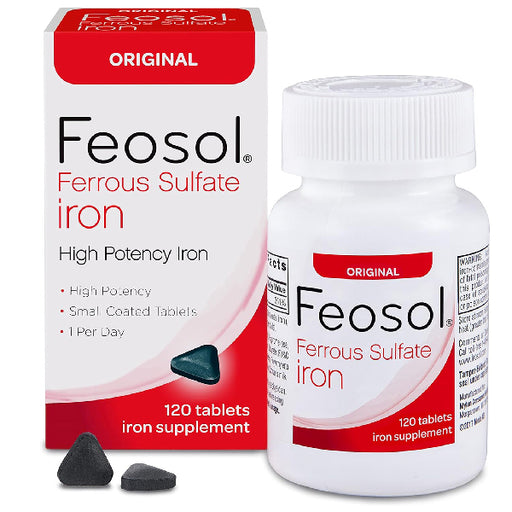
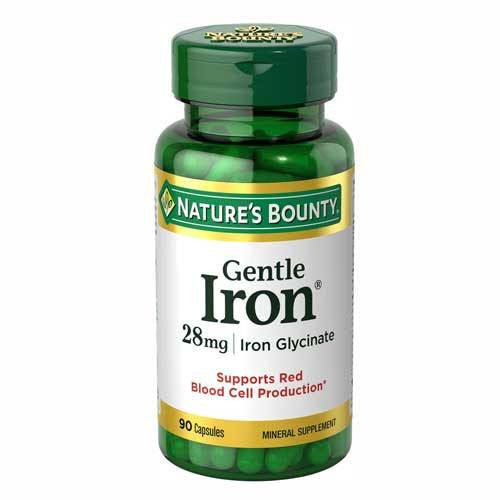
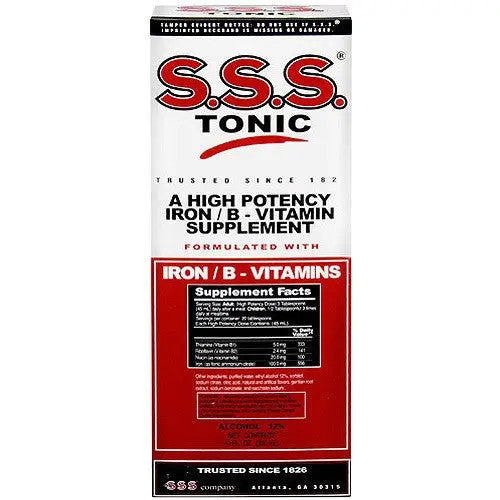
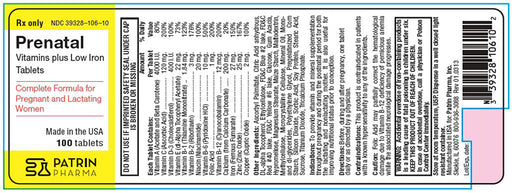
  • Venofer® (American Regent)
  • Sandoz Iron Sucrose (This product)
  • Juno Pharmaceuticals / Pfizer (Generic iron sucrose)
  • Hospira Iron Sucrose
  • Fresenius Kabi Iron Sucrose
Specifications

Specifications

  • Strength: 20 mg/mL, total 200 mg / 10 mL vial
  • Type: Intravenous (IV) preparation, single-dose vial
  • Active Ingredient: Iron Sucrose, equivalent to elemental iron
  • Inactive Ingredients: Sucrose, water for injection
  • Administration: For IV use only, strictly under medical supervision
  • Sterility: Sterile, pyrogen-free
How to Use Iron Sucrose

How to Use Iron Sucrose

  1. Preparation: Inspect the vial for particles or discoloration before use.
  2. Administration: Administer via intravenous injection or infusion, never intramuscular.
  3. Medical Supervision: Should only be given by healthcare professionals familiar with IV iron therapy.
  4. Infusion Rate: Typically, 10 mL over at least 10 minutes (avoid rapid injection to reduce risk of adverse reactions).
  5. Compatibility: Dilute only in 0.9% sodium chloride if required for infusion.
Dosage & Administration

Dosage and Administration

  • Adults: The typical dose is 100-200 mg of elemental iron per injection, up to two times per week, depending on clinical need, hemoglobin level, and total iron deficit.
  • Pediatrics: Dosage individualized by healthcare provider.
  • Maximum: Follow professional guidelines—overdosing increases the risk of adverse effects.
  • Monitoring: Regular laboratory monitoring of ferritin, transferrin saturation, and hemoglobin is required.
Drug Interactions

Drug Interactions

  • ACE Inhibitors: Increased risk of hypotension and hypersensitivity.
  • Other Parenteral Iron Products: Avoid concomitant use to prevent iron overload.
  • Oral Iron Supplements: May reduce effectiveness if used together; separate administration times.
Side Effects & Warnings

Side Effects and Warnings

Common Side Effects:

  • Injection site reactions (pain, swelling, redness)
  • Nausea, vomiting, abdominal cramps
  • Hypotension (low blood pressure)
  • Headache, dizziness
  • Metallic taste

Serious Adverse Effects:

  • Anaphylactic Reactions: Rare but can be life-threatening; immediate medical attention required.
  • Hypersensitivity: Monitor for signs of shock, trouble breathing, or rash.
  • Iron Overload: Excess iron can damage organs; lab monitoring is essential.
  • Hypotension: Monitor blood pressure during and after administration.

Warnings:

  • Not for intramuscular or subcutaneous administration
  • Contraindicated in patients with known hypersensitivity to iron sucrose
  • Use with caution in patients with liver disorders, active infection, or chronic inflammatory conditions
  • Pregnancy and lactation: Use only if clearly needed and prescribed by a physician

Common Side Effects

Most side effects of iron sucrose are mild or transient. Common reactions reported include:

  • Injection-site reactions: Pain, burning, or redness at the IV injection site.
  • Gastrointestinal (GI) effects: Changes in bowel habits. Constipation is frequently reported. some patients may experience looser stools or diarrhea. Nausea or vomiting can also occur.
  • Muscle/joint aches: Cramps or pain in the legs, arms or back. Muscle cramps in particular are often noted.
  • General symptoms: A metallic or altered taste in the mouth (sometimes described as “iron taste”). Fatigue or a sense of weakness/low energy can occur after the infusion. Headache or dizziness may also be reported.

Patients are usually advised that these mild side effects often go away on their own as the body adjusts to the iron therapy. If any of these symptoms become severe or bothersome, one should inform their doctor. In practice, providers monitor blood counts and iron levels during an iron sucrose course to ensure the treatment is working and not causing harm.

Serious Side Effects

Although rare, iron sucrose can cause serious adverse reactions. These include acute allergic or hypersensitivity responses and cardiovascular effects. In particular, watch for:

  • Allergic/hypersensitivity reactions: Signs include hives, itching or rash; swelling of the face, lips, tongue or throat; wheezing or difficulty breathing; or tightness in the chest. Any of these symptoms may indicate a severe reaction. If they occur during or immediately after an infusion, the infusion is stopped and emergency treatment may be needed. (Patients are monitored for such reactions because iron sucrose can rarely trigger anaphylaxis.
  • Cardiovascular effects: Iron infusions can uncommonly cause low blood pressure. This may manifest as sudden lightheadedness or fainting, clammy skin, or a rapid weak pulse. Chest pain or rapid/irregular heartbeat is another warning sign. For example, MedlinePlus advises that chest pain during or after the infusion should prompt immediate medical attention.

Other serious effects may include fever or severe joint pain/swelling, although these are very uncommon. Providers are alert for any sign of iron overload as well (iron sucrose can increase iron stores, and repeat high doses might eventually overload iron storage). In addition, as with any IV treatment, there is a very small risk of infection at the injection site or blood clots.

What to do: Patients receiving iron sucrose are told to speak up immediately if they feel unwell during the infusion. After the infusion, any severe symptoms (like chest pain, trouble breathing, or anaphylactic signs) require urgent care. Milder side effects (e.g. mild GI upset or fatigue) are reported at follow-up visits. Providers may adjust the infusion rate or number of doses based on side effect severity. If a severe allergic reaction occurred, future infusions would be avoided or given under special precautions.

Get Notified When Back in Stock