Skip to content

Iron Sucrose Injection 20 mg/mL SIngle-Dose Vial 10 mL x 5/Pack (RX)

SKU: 76329-9201-01
Sale 26%
Original price $ 850.00
Current price $ 625.00
*Mountainside Medical does not fill personal prescriptions Medical Professional License Required to Unlock Account

How to Order:

Send an email request to: sales@mountainside-medical.com

You will receive instructions on how to create an account along with Rx Ordering Details.

(Note: Acceptable licenses must have Prescriptive Authority in the license issuing state.)
Fast Delivery
Fast Delivery
24/7 Support
24/7 Support
No Returns
No Returns
Hospital Grade
Hospital Grade
Free Shipping on orders above $100
Payment Secure transaction
Packaging Ships in product packaging
Service-Disabled Veteran-Owned Small Business
Located in Adirondack Mountains in NY
Family Owned Business 2002
Sale 26%
Original price $ 850.00
Current price $ 625.00
Free Shipping on orders above $100
Payment Secure transaction
Packaging Ships in product packaging
Iron Sucrose Injection 20 mg/mL SIngle-Dose Vial 10 mL x 5/Pack (RX)
$ 850.00 $ 625.00
🔒 Medical License Required
Description

Iron Sucrose Injection (20 mg/mL, 5 mL single-dose vial)

Iron sucrose injection is an intravenous iron replacement medication. Each single-use vial contains 100 mg elemental iron in 5 mL of solution (20 mg/mL), provided as a sterile, brown aqueous solution of iron(III)-hydroxide in sucrose. The product is preservative-free (“contains no preservatives”) and must be used under medical supervision. The 5 mL vial delivers 100 mg of elemental iron; smaller (2.5 mL, 50 mg) and larger (10 mL, 200 mg) vials are also available. Iron sucrose is a prescription drug (e.g. Venofer® and generics) used primarily when oral iron cannot meet needs.

Indications

Iron sucrose injection is approved for treatment of iron‐deficiency anemia (IDA) in patients with chronic kidney disease (CKD). This includes adults and children (≥2 years) on dialysis (hemodialysis or peritoneal) or not yet on dialysis. In CKD, patients often have ongoing iron losses and need rapid iron repletion, especially when on erythropoiesis‐stimulating agents (ESAs).

Although not on FDA label, iron sucrose is frequently used off‐label for other severe IDA situations. For example, it may be given to patients with GI malabsorption (e.g. inflammatory bowel disease, celiac sprue, bariatric surgery), heavy menstrual bleeding, postpartum anemia, or chemotherapy‐induced anemia – essentially any case where oral iron is ineffective or not tolerated and rapid repletion is needed. In practice, clinical guidelines recommend considering IV iron for IDA if oral supplements fail or when correction is urgent. (Note: IV iron should not replace evaluation of underlying causes of anemia.)

How It Works

The iron in this product is bound in a sucrose complex. When infused IV, the complex dissociates: free iron (Fe³⁺) binds to plasma transferrin and is transported to bone marrow and other tissues. There, iron is incorporated into hemoglobin of developing red cells. Any excess iron is stored (mainly in liver, spleen, marrow) for later use. Because iron sucrose bypasses the gut, it rapidly raises serum iron and allows immediate availability for erythropoiesis. It is especially useful when gastrointestinal absorption is inadequate.

Pharmacokinetics: After infusion, serum iron and transferrin saturation (TSAT) rise quickly. (TSAT values remain elevated for about 24–48 hours, so levels should not be measured sooner than 2 days post-infusion.) Iron is gradually utilized or stored; the half-life is on the order of hours. The sucrose carrier is filtered by the kidneys (approximately 75% in 24 hours) and excreted.

Dosage and Administration

Preparation: Vials are for single use only (no preservatives), and any unused portion must be discarded. Inspect each vial before use; do not use if it is discolored or contains particulates. For infusion, iron sucrose may be used undiluted (IV push) or diluted in 0.9% sodium chloride. If diluting, use only saline and ensure a final concentration of 1–2 mg iron/mL (i.e. dilute 100 mg in ≥50 mL saline). Do not mix with dextrose solutions, other drugs, or blood products in the same IV line.

Administration: Iron sucrose must be given intravenously only – never intramuscularly or orally. It should be administered slowly to reduce adverse reactions. For example, a 100 mg dose can be given by a 2–5 minute IV push or a 15-minute infusion (diluted in ≤100 mL saline). Larger doses (200–400 mg) are typically given as infusions: e.g. 200 mg over ~15 minutes, 300 mg over ~1.5 hours, 400 mg over ~2–2.5 hours. Blood pressure should be monitored, and staff should observe the patient during and for ≥30 minutes after each dose (since iron sucrose can cause hypotension and allergic reactions). Emergency medications (e.g. epinephrine) must be readily available.

Typical Regimens (Adults): The total iron needed depends on the hemoglobin/iron deficit. In CKD, a common target is ~1000 mg total. For example:

  • Hemodialysis (CKD-HD): 100 mg IV per dialysis session (2–3 times/week) until total ~1000 mg. Each 100 mg is given as a slow push or short infusion.
  • Non-dialysis CKD (CKD-ND): 200 mg IV weekly for 5 doses (total 1000 mg) or 500 mg twice (2 weeks apart). A 200 mg dose can be infused over ~15 minutes.
  • Peritoneal dialysis (CKD-PD): 300 mg IV on day 1 and day 5 or 15, then 400 mg on day 29 (total 1000 mg). The 300–400 mg doses are infused over longer times (1.5–2.5 hours).
  • Maintenance: After initial correction, ongoing low-dose iron (e.g. 100 mg monthly or as needed) may be given to maintain stores. Iron sucrose treatment can be repeated if iron deficiency recurs.

Pediatric Patients: Iron sucrose is not studied for initial correction in young children. For pediatric CKD patients on ESAs (≥2 years old), maintenance dosing was 0.5–2 mg/kg IV (max 100 mg) every 2–4 weeks, which maintained hemoglobin in the target range in clinical studies. (In those studies, ~50% of children on 0.5–2 mg/kg maintained hemoglobin 10.5–14 g/dL on EPO.) Iron sucrose has not been studied in infants or children under 2 years. Use in very young children requires extreme caution (cases of intestinal injury have been reported). Children on peritoneal dialysis may follow similar regimens with appropriate dilution and monitoring.

Contraindications

  • Allergy: Do not give to anyone with a known hypersensitivity to iron sucrose or its components. Reactions to other parenteral iron products may also indicate risk.
  • Iron overload: Do not administer if there is evidence of iron overload (e.g. hemochromatosis) or high iron stores (transferrin saturation >50%, ferritin >500–800 ng/mL), as excess iron can deposit in organs. Patients should have documented iron deficiency before treatment.

Warnings and Precautions

  • Hypersensitivity: Severe allergic or anaphylactic reactions can occur (though less frequently than with older iron dextrans). Monitor closely during and for 30+ minutes after infusion. Treat any signs of anaphylaxis immediately. Only administer when staff and resuscitation equipments are available. Patients with asthma or history of allergies may be at higher risk.
  • Hypotension: Rapid infusion can cause significant hypotension. Infuse slowly and monitor blood pressure. If hypotension or syncope occurs, stop infusion and take supportive measures (IV fluids, Trendelenburg position). In pregnancy, severe maternal hypotension could compromise the fetus.
  • Iron overload: Because iron is not easily excreted, repeated large doses can lead to hemosiderosis. Regularly monitor hemoglobin, ferritin, and TSAT. Do not give further iron if ferritin/TSAT indicate overload.
  • Infection: Iron can promote bacterial growth. Use with caution in patients with active infection. Some experts avoid IV iron in sepsis until infection is controlled.
  • Administration issues: Use only the recommended diluents and IV rates. Avoid mixing in the same IV line with incompatible drugs. (IV iron has no significant drug–drug interactions with oral agents since it bypasses the gut, but it should not be co-infused with incompatible IV medications.)
  • Post-injection observation: Patients should report any unusual symptoms (chest pain, difficulty breathing, severe headache, rash) during or shortly after the infusion.

Side Effects (Adverse Reactions)

Common (≥2%): Gastrointestinal upset (nausea, vomiting, diarrhea, constipation), headache, dizziness, muscle cramps, arthralgia, hypotension (usually mild/transient), hypertension, flushing, itching or rash, injection-site pain or discoloration, and fatigue. These symptoms are usually mild.

Serious: Rare cases of severe anaphylaxis or anaphylactoid reactions (shocks, convulsions) have been reported. Other rare events include chest pain, rapid heart rate, respiratory distress, thrombosis (of vascular access in dialysis), and electrolyte disturbances. Case reports exist of seizures or hematologic reactions in severe iron overload, but these are extremely uncommon.

Any severe reaction (e.g. difficulty breathing, swelling, intense rash, severe hypotension) warrants immediate discontinuation and emergency care. All adverse events should be reported to the prescribing physician and FDA MedWatch.

Special Populations

  • Pregnancy: Category B. Studies where iron sucrose was given after the first trimester showed no increased risk of fetal abnormalities. First-trimester use has not been well studied. It is well recognized that untreated maternal IDA can cause poor outcomes (prematurity, low birth weight, postpartum complications), so correcting iron deficiency in pregnancy is important. If IV iron is needed (e.g. severe anemia, oral intolerance), it can be given after the first trimester with caution. Monitor both mother and fetus during infusion for any adverse signs.
  • Lactation: Iron sucrose is excreted in breast milk, but studies of 100–300 mg IV doses have not reported any adverse effects in breastfed infants. No impact on milk production has been observed. Given the benefits of treating maternal anemia and the lack of reported harm to infants, IV iron sucrose is generally considered safe during breastfeeding. However, mothers should discuss risks/benefits with their doctor.
  • Pediatric: As above, use is limited. Not approved for infants <2 years. Use only if clearly indicated and with pediatric expertise; infants and toddlers are more vulnerable to iron toxicity.
  • Geriatric: Clinical studies included many older adults with no unusual toxicity, so dosing does not need adjustment based on age alone. However, older patients may have comorbidities (heart disease, kidney insufficiency) that necessitate slower administration and careful monitoring.

Monitoring

Before and during therapy, monitor hemoglobin/hematocrit, serum ferritin, and transferrin saturation (TSAT) to gauge response. Because IV iron acutely raises TSAT and serum iron, measure these at least 24–48 hours after infusion. Do not re-dose iron if ferritin exceeds ~500–800 ng/mL or TSAT >50%, to avoid overload. Regularly check for signs of anaphylaxis (especially on the first dose). Vital signs should be checked during and after each infusion.

Storage and Handling

Store the vials at controlled room temperature, 20–25 °C (68–77 °F); brief excursions to 15–30 °C are allowed. Protect from freezing and heat. Keep in the original carton to protect from light. After drawing a dose, administer promptly or store the syringe (prepared solution) refrigerated; used vials or syringes must be discarded if not used immediately.

Iron sucrose injection (20 mg/mL, 5 mL vial) is an FDA-approved IV iron therapy for iron-deficiency anemia in CKD patients. It provides elemental iron (100 mg per vial) via a sucrose‐iron complex. When filled, it must be given intravenously under slow infusion with appropriate monitoring. It is typically used in hemodialysis and non-dialysis CKD (often 100–200 mg doses), and is also used off-label for other refractory IDA cases. Its common side effects include gastrointestinal upset and mild hypotension; rare but serious effects include hypersensitivity and iron overload. In pregnancy and lactation it is considered relatively safe, whereas infants require caution. Overall, with proper dosing and monitoring, iron sucrose is a generally well-tolerated and effective method to replenish iron stores when oral therapy is insufficient.

Description

Iron Sucrose Injection (20 mg/mL, 5 mL single-dose vial)

Iron sucrose injection is an intravenous iron replacement medication. Each single-use vial contains 100 mg elemental iron in 5 mL of solution (20 mg/mL), provided as a sterile, brown aqueous solution of iron(III)-hydroxide in sucrose. The product is preservative-free (“contains no preservatives”) and must be used under medical supervision. The 5 mL vial delivers 100 mg of elemental iron; smaller (2.5 mL, 50 mg) and larger (10 mL, 200 mg) vials are also available. Iron sucrose is a prescription drug (e.g. Venofer® and generics) used primarily when oral iron cannot meet needs.

Indications

Iron sucrose injection is approved for treatment of iron‐deficiency anemia (IDA) in patients with chronic kidney disease (CKD). This includes adults and children (≥2 years) on dialysis (hemodialysis or peritoneal) or not yet on dialysis. In CKD, patients often have ongoing iron losses and need rapid iron repletion, especially when on erythropoiesis‐stimulating agents (ESAs).

Although not on FDA label, iron sucrose is frequently used off‐label for other severe IDA situations. For example, it may be given to patients with GI malabsorption (e.g. inflammatory bowel disease, celiac sprue, bariatric surgery), heavy menstrual bleeding, postpartum anemia, or chemotherapy‐induced anemia – essentially any case where oral iron is ineffective or not tolerated and rapid repletion is needed. In practice, clinical guidelines recommend considering IV iron for IDA if oral supplements fail or when correction is urgent. (Note: IV iron should not replace evaluation of underlying causes of anemia.)

How It Works

The iron in this product is bound in a sucrose complex. When infused IV, the complex dissociates: free iron (Fe³⁺) binds to plasma transferrin and is transported to bone marrow and other tissues. There, iron is incorporated into hemoglobin of developing red cells. Any excess iron is stored (mainly in liver, spleen, marrow) for later use. Because iron sucrose bypasses the gut, it rapidly raises serum iron and allows immediate availability for erythropoiesis. It is especially useful when gastrointestinal absorption is inadequate.

Pharmacokinetics: After infusion, serum iron and transferrin saturation (TSAT) rise quickly. (TSAT values remain elevated for about 24–48 hours, so levels should not be measured sooner than 2 days post-infusion.) Iron is gradually utilized or stored; the half-life is on the order of hours. The sucrose carrier is filtered by the kidneys (approximately 75% in 24 hours) and excreted.

Dosage and Administration

Preparation: Vials are for single use only (no preservatives), and any unused portion must be discarded. Inspect each vial before use; do not use if it is discolored or contains particulates. For infusion, iron sucrose may be used undiluted (IV push) or diluted in 0.9% sodium chloride. If diluting, use only saline and ensure a final concentration of 1–2 mg iron/mL (i.e. dilute 100 mg in ≥50 mL saline). Do not mix with dextrose solutions, other drugs, or blood products in the same IV line.

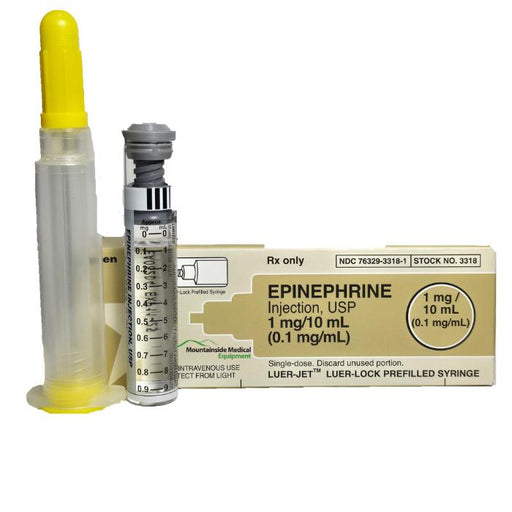
Administration: Iron sucrose must be given intravenously only – never intramuscularly or orally. It should be administered slowly to reduce adverse reactions. For example, a 100 mg dose can be given by a 2–5 minute IV push or a 15-minute infusion (diluted in ≤100 mL saline). Larger doses (200–400 mg) are typically given as infusions: e.g. 200 mg over ~15 minutes, 300 mg over ~1.5 hours, 400 mg over ~2–2.5 hours. Blood pressure should be monitored, and staff should observe the patient during and for ≥30 minutes after each dose (since iron sucrose can cause hypotension and allergic reactions). Emergency medications (e.g. epinephrine) must be readily available.

Typical Regimens (Adults): The total iron needed depends on the hemoglobin/iron deficit. In CKD, a common target is ~1000 mg total. For example:

  • Hemodialysis (CKD-HD): 100 mg IV per dialysis session (2–3 times/week) until total ~1000 mg. Each 100 mg is given as a slow push or short infusion.
  • Non-dialysis CKD (CKD-ND): 200 mg IV weekly for 5 doses (total 1000 mg) or 500 mg twice (2 weeks apart). A 200 mg dose can be infused over ~15 minutes.
  • Peritoneal dialysis (CKD-PD): 300 mg IV on day 1 and day 5 or 15, then 400 mg on day 29 (total 1000 mg). The 300–400 mg doses are infused over longer times (1.5–2.5 hours).
  • Maintenance: After initial correction, ongoing low-dose iron (e.g. 100 mg monthly or as needed) may be given to maintain stores. Iron sucrose treatment can be repeated if iron deficiency recurs.

Pediatric Patients: Iron sucrose is not studied for initial correction in young children. For pediatric CKD patients on ESAs (≥2 years old), maintenance dosing was 0.5–2 mg/kg IV (max 100 mg) every 2–4 weeks, which maintained hemoglobin in the target range in clinical studies. (In those studies, ~50% of children on 0.5–2 mg/kg maintained hemoglobin 10.5–14 g/dL on EPO.) Iron sucrose has not been studied in infants or children under 2 years. Use in very young children requires extreme caution (cases of intestinal injury have been reported). Children on peritoneal dialysis may follow similar regimens with appropriate dilution and monitoring.

Contraindications

  • Allergy: Do not give to anyone with a known hypersensitivity to iron sucrose or its components. Reactions to other parenteral iron products may also indicate risk.
  • Iron overload: Do not administer if there is evidence of iron overload (e.g. hemochromatosis) or high iron stores (transferrin saturation >50%, ferritin >500–800 ng/mL), as excess iron can deposit in organs. Patients should have documented iron deficiency before treatment.

Warnings and Precautions

  • Hypersensitivity: Severe allergic or anaphylactic reactions can occur (though less frequently than with older iron dextrans). Monitor closely during and for 30+ minutes after infusion. Treat any signs of anaphylaxis immediately. Only administer when staff and resuscitation equipments are available. Patients with asthma or history of allergies may be at higher risk.
  • Hypotension: Rapid infusion can cause significant hypotension. Infuse slowly and monitor blood pressure. If hypotension or syncope occurs, stop infusion and take supportive measures (IV fluids, Trendelenburg position). In pregnancy, severe maternal hypotension could compromise the fetus.
  • Iron overload: Because iron is not easily excreted, repeated large doses can lead to hemosiderosis. Regularly monitor hemoglobin, ferritin, and TSAT. Do not give further iron if ferritin/TSAT indicate overload.
  • Infection: Iron can promote bacterial growth. Use with caution in patients with active infection. Some experts avoid IV iron in sepsis until infection is controlled.
  • Administration issues: Use only the recommended diluents and IV rates. Avoid mixing in the same IV line with incompatible drugs. (IV iron has no significant drug–drug interactions with oral agents since it bypasses the gut, but it should not be co-infused with incompatible IV medications.)
  • Post-injection observation: Patients should report any unusual symptoms (chest pain, difficulty breathing, severe headache, rash) during or shortly after the infusion.

Side Effects (Adverse Reactions)

Common (≥2%): Gastrointestinal upset (nausea, vomiting, diarrhea, constipation), headache, dizziness, muscle cramps, arthralgia, hypotension (usually mild/transient), hypertension, flushing, itching or rash, injection-site pain or discoloration, and fatigue. These symptoms are usually mild.

Serious: Rare cases of severe anaphylaxis or anaphylactoid reactions (shocks, convulsions) have been reported. Other rare events include chest pain, rapid heart rate, respiratory distress, thrombosis (of vascular access in dialysis), and electrolyte disturbances. Case reports exist of seizures or hematologic reactions in severe iron overload, but these are extremely uncommon.

Any severe reaction (e.g. difficulty breathing, swelling, intense rash, severe hypotension) warrants immediate discontinuation and emergency care. All adverse events should be reported to the prescribing physician and FDA MedWatch.

Special Populations

  • Pregnancy: Category B. Studies where iron sucrose was given after the first trimester showed no increased risk of fetal abnormalities. First-trimester use has not been well studied. It is well recognized that untreated maternal IDA can cause poor outcomes (prematurity, low birth weight, postpartum complications), so correcting iron deficiency in pregnancy is important. If IV iron is needed (e.g. severe anemia, oral intolerance), it can be given after the first trimester with caution. Monitor both mother and fetus during infusion for any adverse signs.
  • Lactation: Iron sucrose is excreted in breast milk, but studies of 100–300 mg IV doses have not reported any adverse effects in breastfed infants. No impact on milk production has been observed. Given the benefits of treating maternal anemia and the lack of reported harm to infants, IV iron sucrose is generally considered safe during breastfeeding. However, mothers should discuss risks/benefits with their doctor.
  • Pediatric: As above, use is limited. Not approved for infants <2 years. Use only if clearly indicated and with pediatric expertise; infants and toddlers are more vulnerable to iron toxicity.
  • Geriatric: Clinical studies included many older adults with no unusual toxicity, so dosing does not need adjustment based on age alone. However, older patients may have comorbidities (heart disease, kidney insufficiency) that necessitate slower administration and careful monitoring.

Monitoring

Before and during therapy, monitor hemoglobin/hematocrit, serum ferritin, and transferrin saturation (TSAT) to gauge response. Because IV iron acutely raises TSAT and serum iron, measure these at least 24–48 hours after infusion. Do not re-dose iron if ferritin exceeds ~500–800 ng/mL or TSAT >50%, to avoid overload. Regularly check for signs of anaphylaxis (especially on the first dose). Vital signs should be checked during and after each infusion.

Storage and Handling

Store the vials at controlled room temperature, 20–25 °C (68–77 °F); brief excursions to 15–30 °C are allowed. Protect from freezing and heat. Keep in the original carton to protect from light. After drawing a dose, administer promptly or store the syringe (prepared solution) refrigerated; used vials or syringes must be discarded if not used immediately.

Iron sucrose injection (20 mg/mL, 5 mL vial) is an FDA-approved IV iron therapy for iron-deficiency anemia in CKD patients. It provides elemental iron (100 mg per vial) via a sucrose‐iron complex. When filled, it must be given intravenously under slow infusion with appropriate monitoring. It is typically used in hemodialysis and non-dialysis CKD (often 100–200 mg doses), and is also used off-label for other refractory IDA cases. Its common side effects include gastrointestinal upset and mild hypotension; rare but serious effects include hypersensitivity and iron overload. In pregnancy and lactation it is considered relatively safe, whereas infants require caution. Overall, with proper dosing and monitoring, iron sucrose is a generally well-tolerated and effective method to replenish iron stores when oral therapy is insufficient.

Get Notified When Back in Stock