Skip to content

Iron Sucrose Injection 100 mg Elemental Iron per 5 mL Single-Dose 5 mL x 10/Pack (RX)

Brand: Sandoz
SKU: 00781-3485-95
Sale 28%
Original price $ 385.00
Current price $ 279.00
*Mountainside Medical does not fill personal prescriptions Medical Professional License Required to Unlock Account

How to Order:

Send an email request to: sales@mountainside-medical.com

You will receive instructions on how to create an account along with Rx Ordering Details.

(Note: Acceptable licenses must have Prescriptive Authority in the license issuing state.)
Fast Delivery
Fast Delivery
24/7 Support
24/7 Support
No Returns
No Returns
Hospital Grade
Hospital Grade
Free Shipping on orders above $100
Payment Secure transaction
Packaging Ships in product packaging
Service-Disabled Veteran-Owned Small Business
Located in Adirondack Mountains in NY
Family Owned Business 2002
Sale 28%
Original price $ 385.00
Current price $ 279.00
Free Shipping on orders above $100
Payment Secure transaction
Packaging Ships in product packaging
Iron Sucrose Injection 100 mg Elemental Iron per 5 mL Single-Dose 5 mL x 10/Pack (RX)
$ 385.00 $ 279.00
🔒 Medical License Required
Description


Iron Sucrose Injection (100 mg/5 mL, Sandoz)

Iron sucrose injection (20 mg/mL, 5 mL vial, i.e. 100 mg elemental iron per vial) is a prescription intravenous iron solution. It is provided by Sandoz (manufactured by Rafarm) in cartons of 10 single-use vials. Each 5 mL vial contains 100 mg of elemental iron as a polynuclear iron(III)–hydroxide complex with sucrose (iron sucrose). The solution is formulated with approximately 30% sucrose and sodium chloride (for tonicity), and is adjusted with sodium hydroxide to pH ~10.5–11. Inactive ingredients are just water and sodium hydroxide. There are no preservatives, so vials are single-use only.

Indications:

By FDA approval, iron sucrose injection is indicated for iron-deficiency anemia in patients with chronic kidney disease (CKD). This includes adults and children (≥2 years old) on hemodialysis, peritoneal dialysis, or non-dialysis CKD who need iron repletion. In these patients, iron is often combined with erythropoiesis-stimulating agents. (Because of its rapid iron delivery, it is much more potent than oral iron in these settings.) In practice, clinicians also use IV iron sucrose off-label for severe IDA from other causes – for example, in pregnancy/post-partum anemia, inflammatory bowel disease, heavy uterine bleeding, or chemotherapy – whenever oral iron fails or is not tolerated. Professional guidelines generally endorse IV iron when oral therapy is inadequate or too slow, since untreated IDA (especially during pregnancy) carries risks like preterm birth, low birthweight, and severe maternal anemia.

How It Works:

After IV administration, the iron–sucrose complex dissociates, releasing iron. Free iron binds to blood transferrin and is carried to target cells (especially erythroid precursors in bone marrow). There, iron is incorporated into hemoglobin as red blood cells form. Excess iron is stored in the liver, spleen, and bone marrow for later use. Because the iron bypasses the gut, serum iron and transferrin saturation rise quickly after infusion; typical assays should be measured ≥2 days post-dose to reflect steady status. The sucrose carrier is primarily cleared renally. In healthy adults, the iron clearance half-life is about 6 hours.

Dosage and Administration:

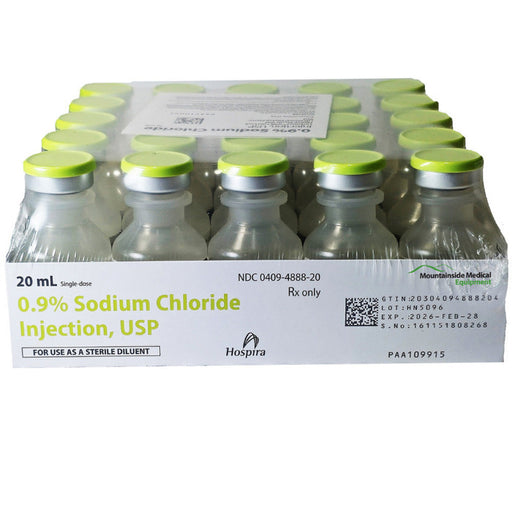
Iron sucrose must be given intravenously (IV) only – never by mouth or IM. It can be administered as a slow IV push (undiluted) or as an infusion (diluted in saline). Use only 0.9% sodium chloride for dilution and do not mix with other medications or dextrose solutions. The final iron concentration should be ≥1 mg/mL if diluted. Prior to infusion, inspect vials for particulates or discoloration and do not use if abnormal.

Dosing varies by patient:

  • Hemodialysis-dependent CKD (HDD-CKD): Often 100 mg IV per dialysis session (2–3 times weekly) until ~1,000 mg total iron is given. (Each 100 mg dose can be a 2–5 minute IV push or a ~15-minute infusion.).
  • Non-dialysis CKD (NDD-CKD): A common regimen is 200 mg IV weekly for 5 weeks (total 1,000 mg). Alternatively, 500 mg infusions twice (two weeks apart) have been used.
  • Peritoneal dialysis CKD (PDD-CKD): Typical course: 300 mg IV, then 300 mg two weeks later, then 400 mg two weeks after that (total 1,000 mg over ~4 weeks).
  • Pediatric (≥2 years): For iron maintenance in dialysis patients on ESAs, studies used 0.5–2 mg/kg IV (max 100 mg) every 2–4 weeks. This dosing maintained target hemoglobin in children. Dosing above 100 mg is rare in children. Iron sucrose has not been studied or approved for initial iron repletion in pediatric patients (<2 years), so use in infants and toddlers is usually avoided.

For all patients, each vial is single-use only. After withdrawing a dose, administer it promptly. Store vials in original carton at controlled room temperature (68–77 °F or 20–25 °C); excursions 59–86 °F (15–30 °C) are allowed. Do not freeze. Discard any unused portion immediately after a single use.

Side Effects:

Common adverse effects (≥2%) in adults include gastrointestinal symptoms (nausea, vomiting, diarrhea), headache, dizziness, hypotension (usually mild/transient), itching or rash (pruritus), injection-site reactions (pain, discoloration), myalgia or muscle cramps, back pain, arthralgia, and chest or extremity pain. These usually occur during or shortly after infusion. In clinical trials, reported adult adverse reactions included diarrhea, headache, dizziness, joint and back pain, cramps, and hypertension or edema.

Serious adverse reactions are rare but important. The most critical is hypersensitivity/anaphylaxis. Severe allergic reactions (rash, pruritus, bronchospasm, angioedema, hypotension, shock) have occurred with IV iron, though incidence is low. Hypotension is also noted as a risk if infusion is too rapid or patient is sensitive. Other serious effects (rare) can include seizures, breathing difficulty, or severe cardiac events. If any sign of anaphylaxis occurs, stop infusion immediately and administer appropriate emergency care (epinephrine, IV fluids, etc.) 

Warnings and Precautions:

Iron sucrose injection carries several key warnings. Hypersensitivity: All doses should be given in a setting where resuscitation equipment and trained personnel are available. Observe the patient during infusion and for ≥30 minutes afterward for any allergic symptoms. Hypotension: Infuse slowly. Monitor blood pressure continuously (especially for large or rapid doses); treat any significant hypotension by slowing or stopping the infusion and providing IV fluids or other support. Iron overload: Because iron is not easily excreted, repeated dosing can cause iron accumulation (hemosiderosis). Periodically monitor hemoglobin, ferritin, and transferrin saturation (TSAT) during therapy. Do not give further iron if ferritin is very high or TSAT >50%. Infections: Use caution in patients with active infection; iron can promote bacterial growth. In sepsis or active infections, IV iron is usually avoided until infection is controlled.

Contraindications: Do not use in patients with known sensitivity to iron sucrose or any component. Also avoid in patients with acute iron overload or conditions like hemochromatosis where iron is already excess.

Pregnancy: Iron sucrose is classified as Pregnancy Category B. Untreated maternal IDA is a serious risk factor for both mother and baby (e.g. anemia, preterm delivery, low birth weight), so treatment of significant IDA in pregnancy is important. Published data show no increased birth defects in women who received IV iron sucrose after the first trimester. First-trimester data are limited, so IV iron is generally reserved for use in the 2nd or 3rd trimester, or in urgent situations. Even so, any maternal hypotension or allergy during infusion could harm the fetus, so monitor mother (and fetus as needed) during administration.

Lactation: Iron sucrose is excreted in breast milk, but case reports (100–300 mg IV doses) have not found any adverse effects in breastfed infants. There were no reported impacts on milk production. Given the benefits of treating maternal anemia, IV iron can be used during breastfeeding if indicated. Mothers should discuss breastfeeding and any concerns with their doctor.

Administering and Monitoring:

Because it is intravenous, use proper IV technique. Do not mix iron sucrose with other IV drugs or solutions. Do not dilute to <1 mg/mL. Continuous monitoring of vital signs during infusion is standard. Follow-up labs (CBC, ferritin, TSAT) should be checked to gauge response and avoid overload. In dialysis patients, hemoglobin goals (e.g. 10–11 g/dL) guide the total iron course; once adequate iron repletion is achieved (often ferritin ~500–800 ng/mL), stop further iron.

Pediatrics: The safety and effectiveness of iron sucrose have not been established in pediatric patients for initial iron repletion (especially under age 2). In children ≥2 years on dialysis with ESA therapy, maintenance dosing (0.5–2 mg/kg IV) was studied and helped maintain target hemoglobin. Iron sucrose should be used in children only under close medical supervision and generally only for dialysis-related anemia or specific indications under pediatric guidance.

Geriatrics: Clinical studies included many older patients (≥65 years) and no age-specific adverse reactions were noted. Dose selection for elderly patients should take into account general organ function and co-morbidities, as with any patient.

Storage:

Store vials in original carton at room temperature (68–77° F, excursions 59–86° F). Do not freeze. Protect from excessive heat. After mixing or withdrawing, use promptly (the manufacturer notes diluted solutions are stable 7 days refrigerated, but common practice is immediate use). Discard any vial or syringe that has been opened and not fully use.

Sandoz Iron Sucrose (100 mg/5 mL) is a sterile IV iron preparation for treating iron-deficiency in CKD-related anemia. By delivering iron directly into blood, it rapidly replenishes iron stores for hemoglobin synthesis. It requires careful administration: slow IV infusion, monitoring for allergic reactions and blood pressure, and lab checks to avoid overload. Side effects are usually mild (GI upset, headache, injection-site discomfort, hypotension), but rare severe hypersensitivity can occur. When used as directed in the right patients, it is an effective option to restore iron in those who cannot use or do not respond to oral iron.

Description


Iron Sucrose Injection (100 mg/5 mL, Sandoz)

Iron sucrose injection (20 mg/mL, 5 mL vial, i.e. 100 mg elemental iron per vial) is a prescription intravenous iron solution. It is provided by Sandoz (manufactured by Rafarm) in cartons of 10 single-use vials. Each 5 mL vial contains 100 mg of elemental iron as a polynuclear iron(III)–hydroxide complex with sucrose (iron sucrose). The solution is formulated with approximately 30% sucrose and sodium chloride (for tonicity), and is adjusted with sodium hydroxide to pH ~10.5–11. Inactive ingredients are just water and sodium hydroxide. There are no preservatives, so vials are single-use only.

Indications:

By FDA approval, iron sucrose injection is indicated for iron-deficiency anemia in patients with chronic kidney disease (CKD). This includes adults and children (≥2 years old) on hemodialysis, peritoneal dialysis, or non-dialysis CKD who need iron repletion. In these patients, iron is often combined with erythropoiesis-stimulating agents. (Because of its rapid iron delivery, it is much more potent than oral iron in these settings.) In practice, clinicians also use IV iron sucrose off-label for severe IDA from other causes – for example, in pregnancy/post-partum anemia, inflammatory bowel disease, heavy uterine bleeding, or chemotherapy – whenever oral iron fails or is not tolerated. Professional guidelines generally endorse IV iron when oral therapy is inadequate or too slow, since untreated IDA (especially during pregnancy) carries risks like preterm birth, low birthweight, and severe maternal anemia.

How It Works:

After IV administration, the iron–sucrose complex dissociates, releasing iron. Free iron binds to blood transferrin and is carried to target cells (especially erythroid precursors in bone marrow). There, iron is incorporated into hemoglobin as red blood cells form. Excess iron is stored in the liver, spleen, and bone marrow for later use. Because the iron bypasses the gut, serum iron and transferrin saturation rise quickly after infusion; typical assays should be measured ≥2 days post-dose to reflect steady status. The sucrose carrier is primarily cleared renally. In healthy adults, the iron clearance half-life is about 6 hours.

Dosage and Administration:

Iron sucrose must be given intravenously (IV) only – never by mouth or IM. It can be administered as a slow IV push (undiluted) or as an infusion (diluted in saline). Use only 0.9% sodium chloride for dilution and do not mix with other medications or dextrose solutions. The final iron concentration should be ≥1 mg/mL if diluted. Prior to infusion, inspect vials for particulates or discoloration and do not use if abnormal.

Dosing varies by patient:

  • Hemodialysis-dependent CKD (HDD-CKD): Often 100 mg IV per dialysis session (2–3 times weekly) until ~1,000 mg total iron is given. (Each 100 mg dose can be a 2–5 minute IV push or a ~15-minute infusion.).
  • Non-dialysis CKD (NDD-CKD): A common regimen is 200 mg IV weekly for 5 weeks (total 1,000 mg). Alternatively, 500 mg infusions twice (two weeks apart) have been used.
  • Peritoneal dialysis CKD (PDD-CKD): Typical course: 300 mg IV, then 300 mg two weeks later, then 400 mg two weeks after that (total 1,000 mg over ~4 weeks).
  • Pediatric (≥2 years): For iron maintenance in dialysis patients on ESAs, studies used 0.5–2 mg/kg IV (max 100 mg) every 2–4 weeks. This dosing maintained target hemoglobin in children. Dosing above 100 mg is rare in children. Iron sucrose has not been studied or approved for initial iron repletion in pediatric patients (<2 years), so use in infants and toddlers is usually avoided.

For all patients, each vial is single-use only. After withdrawing a dose, administer it promptly. Store vials in original carton at controlled room temperature (68–77 °F or 20–25 °C); excursions 59–86 °F (15–30 °C) are allowed. Do not freeze. Discard any unused portion immediately after a single use.

Side Effects:

Common adverse effects (≥2%) in adults include gastrointestinal symptoms (nausea, vomiting, diarrhea), headache, dizziness, hypotension (usually mild/transient), itching or rash (pruritus), injection-site reactions (pain, discoloration), myalgia or muscle cramps, back pain, arthralgia, and chest or extremity pain. These usually occur during or shortly after infusion. In clinical trials, reported adult adverse reactions included diarrhea, headache, dizziness, joint and back pain, cramps, and hypertension or edema.

Serious adverse reactions are rare but important. The most critical is hypersensitivity/anaphylaxis. Severe allergic reactions (rash, pruritus, bronchospasm, angioedema, hypotension, shock) have occurred with IV iron, though incidence is low. Hypotension is also noted as a risk if infusion is too rapid or patient is sensitive. Other serious effects (rare) can include seizures, breathing difficulty, or severe cardiac events. If any sign of anaphylaxis occurs, stop infusion immediately and administer appropriate emergency care (epinephrine, IV fluids, etc.) 

Warnings and Precautions:

Iron sucrose injection carries several key warnings. Hypersensitivity: All doses should be given in a setting where resuscitation equipment and trained personnel are available. Observe the patient during infusion and for ≥30 minutes afterward for any allergic symptoms. Hypotension: Infuse slowly. Monitor blood pressure continuously (especially for large or rapid doses); treat any significant hypotension by slowing or stopping the infusion and providing IV fluids or other support. Iron overload: Because iron is not easily excreted, repeated dosing can cause iron accumulation (hemosiderosis). Periodically monitor hemoglobin, ferritin, and transferrin saturation (TSAT) during therapy. Do not give further iron if ferritin is very high or TSAT >50%. Infections: Use caution in patients with active infection; iron can promote bacterial growth. In sepsis or active infections, IV iron is usually avoided until infection is controlled.

Contraindications: Do not use in patients with known sensitivity to iron sucrose or any component. Also avoid in patients with acute iron overload or conditions like hemochromatosis where iron is already excess.

Pregnancy: Iron sucrose is classified as Pregnancy Category B. Untreated maternal IDA is a serious risk factor for both mother and baby (e.g. anemia, preterm delivery, low birth weight), so treatment of significant IDA in pregnancy is important. Published data show no increased birth defects in women who received IV iron sucrose after the first trimester. First-trimester data are limited, so IV iron is generally reserved for use in the 2nd or 3rd trimester, or in urgent situations. Even so, any maternal hypotension or allergy during infusion could harm the fetus, so monitor mother (and fetus as needed) during administration.

Lactation: Iron sucrose is excreted in breast milk, but case reports (100–300 mg IV doses) have not found any adverse effects in breastfed infants. There were no reported impacts on milk production. Given the benefits of treating maternal anemia, IV iron can be used during breastfeeding if indicated. Mothers should discuss breastfeeding and any concerns with their doctor.

Administering and Monitoring:

Because it is intravenous, use proper IV technique. Do not mix iron sucrose with other IV drugs or solutions. Do not dilute to <1 mg/mL. Continuous monitoring of vital signs during infusion is standard. Follow-up labs (CBC, ferritin, TSAT) should be checked to gauge response and avoid overload. In dialysis patients, hemoglobin goals (e.g. 10–11 g/dL) guide the total iron course; once adequate iron repletion is achieved (often ferritin ~500–800 ng/mL), stop further iron.

Pediatrics: The safety and effectiveness of iron sucrose have not been established in pediatric patients for initial iron repletion (especially under age 2). In children ≥2 years on dialysis with ESA therapy, maintenance dosing (0.5–2 mg/kg IV) was studied and helped maintain target hemoglobin. Iron sucrose should be used in children only under close medical supervision and generally only for dialysis-related anemia or specific indications under pediatric guidance.

Geriatrics: Clinical studies included many older patients (≥65 years) and no age-specific adverse reactions were noted. Dose selection for elderly patients should take into account general organ function and co-morbidities, as with any patient.

Storage:

Store vials in original carton at room temperature (68–77° F, excursions 59–86° F). Do not freeze. Protect from excessive heat. After mixing or withdrawing, use promptly (the manufacturer notes diluted solutions are stable 7 days refrigerated, but common practice is immediate use). Discard any vial or syringe that has been opened and not fully use.

Sandoz Iron Sucrose (100 mg/5 mL) is a sterile IV iron preparation for treating iron-deficiency in CKD-related anemia. By delivering iron directly into blood, it rapidly replenishes iron stores for hemoglobin synthesis. It requires careful administration: slow IV infusion, monitoring for allergic reactions and blood pressure, and lab checks to avoid overload. Side effects are usually mild (GI upset, headache, injection-site discomfort, hypotension), but rare severe hypersensitivity can occur. When used as directed in the right patients, it is an effective option to restore iron in those who cannot use or do not respond to oral iron.

Get Notified When Back in Stock