Iron Sucrose Injection
Iron sucrose injection (20 mg/mL, 2.5 mL single-dose vial) is an intravenous iron replacement product marketed by International Medication Systems, Limited (IMS). Each 2.5 mL vial contains 50 mg elemental iron as iron(III)-hydroxide sucrose complex (20 mg/mL). The vial is preservative-free and intended for single use only – any unused portion must be discarded. This IMS formulation is a generic equivalent of branded iron sucrose products (e.g. Venofer®). It is used only by prescription, under medical supervision. Iron sucrose injection is for intravenous use only (via slow IV injection or infusion), and not given intramuscularly or orally.
Mechanism of Action:
Iron sucrose is a complex of polynuclear iron(III)-hydroxide in a sucrose shell. After IV administration, the complex dissociates: iron is released and binds transferrin in the blood. Transferrin carries iron to the bone marrow and other target tissues. In erythroid precursor cells, the delivered iron is incorporated into hemoglobin and new red blood cells. Excess iron is stored in liver, spleen and bone marrow until needed. The sucrose moiety is largely excreted unchanged by the kidneys. Because it delivers iron directly to the bloodstream, iron sucrose promptly raises serum iron and ferritin levels, improving anemia where oral iron cannot suffice.
Indications:
By label [IMS and FDA], iron sucrose injections are indicated for treatment of iron-deficiency anemia (IDA) in patients with chronic kidney disease (CKD). This includes adult and pediatric CKD patients on hemodialysis, peritoneal dialysis, or those not yet on dialysis. The efficacy in CKD is well established: iron sucrose is given along with erythropoiesis-stimulating agents (ESAs) to help achieve target hemoglobin levels. (In practice, intravenous iron is preferred in CKD because these patients often have ongoing blood losses, inflammation, or poor oral absorption.)
Iron sucrose is also used off-label for other severe iron-deficiency states. For example, it is commonly given for iron-deficiency anemia in pregnancy or postpartum when oral iron fails or is not tolerated, or in cases of heavy uterine bleeding. It is sometimes used for anemia in inflammatory bowel disease, celiac disease, bariatric surgery, or any condition causing malabsorption, and in cancer patients on chemotherapy. Expert guidelines (e.g. American Society of Hematology) advise using intravenous iron when oral therapy is intolerable or too slow – such as moderate-to-severe anemia or when a quick correction is needed. Some clinicians use IV iron to avert blood transfusions. However, outside CKD such use is “off-label” and should follow clinical judgment. (Notably, major pediatric societies and obstetric guidelines emphasize checking for iron deficiency in these contexts and treating it, often recommending IV iron if oral fails, despite official label being CKD-only.)
Dosage and Administration:
Iron sucrose is supplied in single-dose vials of 2.5 mL (50 mg), 5 mL (100 mg), and 10 mL (200 mg), all at 20 mg/mL. Dilution is done only with 0.9% sodium chloride. The final concentration should be 1–2 mg iron/mL (no less than 1 mg/mL) if dilution is needed. Do not mix with other IV drugs or dextrose – use a dedicated line.
Administration:
Iron sucrose must be infused or injected slowly to minimize reactions. For hemodialysis-dependent CKD (HDD-CKD), a common regimen is 100 mg IV at each dialysis (3 times weekly) until ~1000 mg total is given. Each 100 mg dose can be given as a 2–5 minute IV push or a 15-minute infusion (diluted to ≤100 mL saline); it is often administered early in the dialysis session. For non-dialysis CKD (NDD-CKD), typical dosing is 200 mg IV per dose, given five times over 2 weeks (e.g. 200 mg on days 1, 4, 7, 10, 13; total 1000 mg). The 200 mg doses can be given as IV push (2–5 minutes) or 15-minute infusions (diluted in ≤100 mL). In some protocols, a 500 mg infusion over ~4 hours on Day 1 and Day 14 has been used, though this is less common. For peritoneal dialysis (PDD-CKD), the usual course is three doses over ~4 weeks: 300 mg IV (over 1.5 h) on day 1 and day 15, then 400 mg IV (over 2.5 h) on day 29 (total 1000 mg) . Again, dilute each dose in ≤250 mL saline. Iron sucrose therapy may be repeated if anemia recurs after completion of a course.
For pediatric patients (≥2 years old) on dialysis receiving ESAs, iron maintenance dosing studied was 0.5 mg/kg IV (max 100 mg) every 2–4 weeks). (This was shown to maintain hemoglobin in many children.) Iron sucrose is not established for initial anemia correction in children (except in CKD/ESA context). It has been given in some pediatric CKD cases for maintenance. It has not been studied in infants under 2 years, and caution is warranted there. In very low-birthweight neonates (premature <1250 g), there are case reports of necrotizing enterocolitis temporally associated with IV iron; causal relation is unclear, but it underscores caution in infant.
Contraindications:
Iron sucrose injection should not be used in any patient with known hypersensitivity/allergy to iron sucrose or any component (sucrose, etc.). Also avoid use in patients with iron overload (e.g. hemochromatosis or very high ferritin/TSAT) because excess iron can cause tissue damage.
Warnings/Precautions:
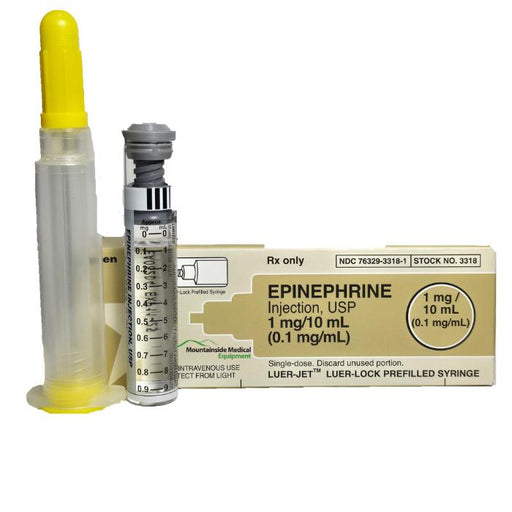
The most serious risks are hypersensitivity reactions and hypotension. Acute allergic/anaphylactic reactions (flushing, wheezing, hypotension, shock, severe rash or swelling) have been reported, though less commonly with iron sucrose than older iron dextrans. Always administer IV iron sucrose in a setting where resuscitation is available. Observe the patient during and for ≥30 minutes after each infusion for signs of allergy. If bronchospasm or anaphylaxis occur, stop the infusion immediately and treat (epinephrine, IV fluids, etc.). Patients with a history of asthma, atopy, or previous reactions to iron are higher risk.
Iron sucrose can cause hypotension if infused too rapidly or in sensitive patients. To minimize this, infuse slowly and monitor blood pressure. If significant hypotension or syncope occurs, stop infusion, put patient supine, and give IV fluids. (Note: severe maternal hypotension in pregnancy could secondarily compromise fetal perfusion, so extra vigilance is needed obstetrically.)
Chronic overuse can lead to iron overload (hemosiderosis). Iron is not easily excreted, so repeated IV dosing can accumulate. Check serum ferritin and transferrin saturation (TSAT) periodically during therapy. Do not give additional iron if ferritin is very high (typically >500–1000 ng/mL) or TSAT exceeds 50%. Maintain target hemoglobin levels and stop iron when stores are adequate.
Side Effects:
Common adverse effects include gastrointestinal symptoms (nausea, vomiting, diarrhea, constipation) and CNS symptoms (headache, dizziness). Other frequent reactions are hypotension (often mild or asymptomatic), musculoskeletal pain (cramps, arthralgia, back pain), flushing/itching or skin rash (pruritus), and injection site reactions. Chest pain or hypertension may also occur These are generally transient. Serious side effects are rare but include severe allergy or shock, and very rarely serious cardiac or renal events if iron is given too rapidly. Patients should report any dyspnea, chest discomfort, or extensive rash during infusion.
Pregnancy:
Iron sucrose is rated Category B (no evidence of harm in animal studies). Studies of IV iron sucrose after the first trimester have not shown increased risk of birth defects. Data in the first trimester are limited, so it is usually reserved for second/third trimester unless anemia is severe and cannot be delayed. Importantly, untreated iron-deficiency anemia in pregnancy carries risks (premature delivery, low birth weight, maternal morbidity), so treating significant IDA is recommended (often after 12 weeks if oral fails). IMS labeling notes that pregnant women have not shown adverse outcomes when treated in later pregnancy. However, if a severe infusion reaction occurs (hypotension, anaphylaxis), maternal hypotension could harm the fetus, so maternal vitals and fetal heart rate should be monitored as needed.
Lactation:
Iron sucrose does pass into breast milk, but published data show no reported adverse effects in breastfed infants (e.g. in women who received 100–300 mg IV iron). There is no clear effect on milk production. Since iron is naturally present in milk, incidental increases seem well tolerated. If needed, IV iron can be used during breastfeeding. Still, consider benefits of breastfeeding and the mother’s anemia.
Pediatrics:
See “Dosage” above. IMS labels note that initial treatment safety/efficacy in children (<2 years) is not established. Only maintenance doses (with ESAs in CKD) have been formally studied in children ≥2 years Premature infants or very young children should generally avoid IV iron unless in exceptional cases (due to possible risk of gut necrosis.
Geriatrics: Trials included many elderly patients, and no age-specific toxicity was noted. Dosing adjustments are usually not needed based on age alone, but monitor for comorbidities (renal, cardiovascular) that could increase sensitivity.
Drug Interactions:
Because iron sucrose is given IV, it bypasses gut absorption. Thus oral drug interactions (e.g. diminished absorption of oral quinolone antibiotics or levodopa) are not relevant. However, do not mix iron sucrose in the same IV line with other drugs (especially those containing sulfhydryl or alkaline reduce valency) because the iron complex can bind or precipitate. There are no major CYP-related interactions. In general, treatment can proceed without altering other medications, but monitor for additive blood pressure effects if the patient is on antihypertensives or anesthesia.
Overdose:
Acute overdose of IV iron (beyond recommended doses) can lead to iron toxicity: severe hypotension, metabolic acidosis, gastrointestinal bleeding, and organ failure. There are no specific antidotes, but deferoxamine (an iron chelator) can be used if severe iron poisoning is suspected. Chronic overdose (from repeated excess dosing) leads to iron overload as above. Always adhere to recommended dosing regimens and lab monitoring to avoid this.
How Supplied and Storage:
IMS iron sucrose injection comes in single-dose vials (2.5 mL, 5 mL, 10 mL), each containing the specified mg of iron at 20 mg/mL. Store at room temperature (68–77°F, protect from freezing). Use sterile technique. After withdrawing a dose, administer promptly or refrigerate if needed (the label notes stability for several days if refrigerated, but practice is to use immediately). Discard any unused portion from the vial.
Patient Counseling:
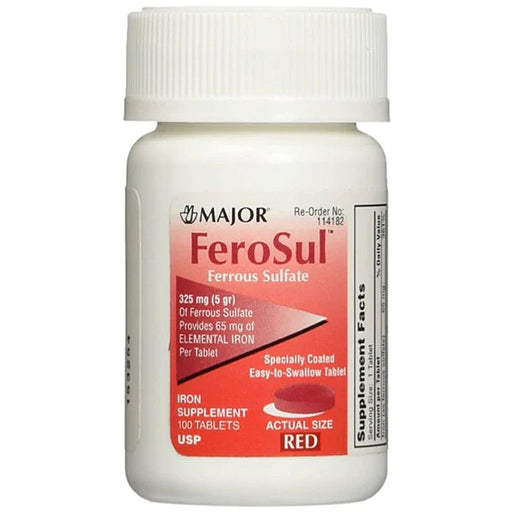
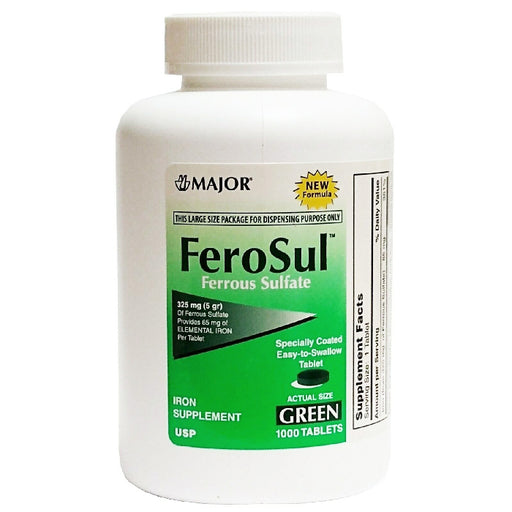
Patients should be told this medication is for IV use only. They should expect the infusion to be given slowly, and to let staff know if they feel itchy, short of breath, dizzy, or have pain during the infusion. Advise them to report fever, muscle or joint pain, or any unusual symptoms afterwards. Emphasize importance of follow-up blood tests (hemoglobin, ferritin) to gauge response. Remind them not to take oral iron supplements (like ferrous sulfate) shortly before or after IV dosing unless instructed, since iron sucrose quickly replenishes stores. For nursing mothers, reassure that occasional IV iron exposure has not been shown to harm infants. Also counsel that stopping iron sucrose and seeking medical care is needed if symptoms worsen or if anemia symptoms (fatigue, pallor, dizziness) do not improve after treatment, since treatment of underlying cause may be needed.
Iron sucrose injection 20 mg/mL (IMS) is an FDA-approved IV iron therapy for iron-deficiency anemia in CKD patients. It provides a reliable way to replenish iron stores when oral iron is insufficient or cannot be used. Proper use requires slow IV administration, monitoring for hypersensitivity, and periodic lab checks to avoid overload. When used as directed, it effectively improves anemia with generally good tolerance.