Magnesium Sulfate Injection
Magnesium sulfate injection is a sterile, liquid medication that delivers magnesium (in the form of magnesium sulfate) directly into the bloodstream. It is an injectable form of the naturally occurring mineral magnesium. The injection is typically given intravenously (IV) or intramuscularly under medical supervision, usually in a hospital or clinical setting. Magnesium is an essential electrolyte important for muscle and nerve function, so this injectable form is used when quick or controlled supplementation is needed.
-
Treating low magnesium (hypomagnesemia). One of the main uses of magnesium sulfate injection is to correct dangerously low blood levels of magnesium. A healthcare provider will give it to patients whose magnesium levels are low enough to cause symptoms (such as muscle cramps, weakness, or irregular heartbeats). Because it is given by injection, it raises magnesium levels faster and more predictably than oral supplements.
-
Preventing seizures in pregnancy. Magnesium sulfate injection is a standard treatment for preventing and treating seizures (eclampsia) in women with severe preeclampsia or eclampsia (dangerously high blood pressure during pregnancy). In these conditions, high blood pressure can trigger seizures; magnesium’s effects on the nervous system help calm overactive nerves and muscles, reducing the risk of convulsions. (Cleveland Clinic notes that magnesium sulfate “may also be used to prevent and treat seizures during pregnancy in people with high blood pressure disorders, such as preeclampsia or eclampsia.”.
-
Other critical uses. In emergency or critical care, magnesium sulfate injections may also be used for certain heart rhythm disturbances (for example, specific types of ventricular tachycardia like torsades de pointes) and in rare cases of poisoning (such as barium poisoning), because magnesium can stabilize the heart and counteract toxins. It is also classified as an electrolyte and antidysrhythmic agent. (These uses are less common but reflect its role as a key mineral in cardiac and neuromuscular function.)
All of these uses require careful medical supervision. Magnesium sulfate injection is prescription-only and is administered by healthcare professionals. Because magnesium acts quickly, dosing must be controlled: too much magnesium given too fast can be dangerous.
Magnesium sulfate injection is a sterile, aqueous solution of magnesium sulfate heptahydrate in water for injection. Magnesium sulfate injection is administered by the intravenous route as a supplement to parenteral nutrition. Magnesium sulfate 50% for injection is also indicated for the treatment of magnesium deficiency. Magnesium sulfate 50% for injection should not be administered by the intramuscular route. Magnesium sulfate 50% for injection is a mineral supplement. It works by providing magnesium, which is important for many functions in the body.
Brand: Hospira/Pfizer
Size: 20 mL x 25 Vials
NDC: 0409-2168-77
Strength: 50%,
Magnesium sulfate injection is a hospital-administered medication form of the mineral magnesium. It is mainly used to rapidly treat low magnesium levels and to prevent or stop seizures in severe preeclampsia/eclampsia during pregnancy. While very effective for these conditions, it must be used under medical supervision because of its potent effects on the heart, muscles, and nerves. Always follow healthcare providers’ instructions when receiving this medication.
Magnesium Sulfate 50% Injection Uses
Magnesium sulfate injection (50% w/v) is a sterile, concentrated solution of magnesium sulfate heptahydrate (500 mg per mL). It is administered only in hospitals by qualified staff, usually diluted into IV fluids for infusion or given by deep intramuscular (IM) injection. (For reference, 1 gram of magnesium sulfate equals 2 mL of the 50% solution. As an electrolyte replacement and anticonvulsant, it has several critical uses:
-
Replenishing magnesium (hypomagnesemia): It treats severe magnesium deficiency. For example, in acute hypomagnesemia with tetany (e.g. due to malnutrition, diuretics, alcoholism or malabsorption), a provider will replace magnesium with this injection. It is also added to total parenteral nutrition (TPN) mixtures to prevent deficiency.
-
Preeclampsia/Eclampsia in pregnancy: A primary obstetric use is seizure prevention. In pregnant women with severe pre-eclampsia or eclampsia (very high blood pressure with proteinuria or seizures), magnesium sulfate is standard therapy to prevent and treat convulsions. (Cleveland Clinic notes it “may … prevent and treat seizures during pregnancy” in toxemia of pregnancy.
-
Fetal neuroprotection (preterm labor): When very preterm birth (<32–34 weeks) is imminent, a short course of magnesium sulfate is often given to the mother for fetal neuroprotection. Clinical guidelines show that antenatal magnesium sulfate can reduce the risk of cerebral palsy at school age in very low‐birth‐weight infants.
-
Other critical indications: In emergency care, IV magnesium sulfate can be used for certain heart rhythm emergencies and poisonings. For example, it is given for specific arrhythmias (like torsades de pointes) and used as an antidote in barium poisoning. It has also been used to control seizures from other causes (glomerulonephritis, epilepsy, etc.) when standard treatments fail.
Magnesium Sulfate Injection Dosage and Administration
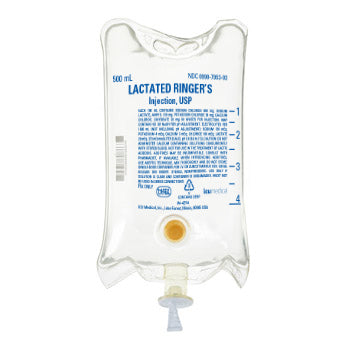
Magnesium sulfate 50% is given only by trained healthcare providers, with continuous monitoring. It can be given intravenously or intramuscularly:
-
Preparation: The 50% solution is very concentrated. IV infusions: it is always diluted (commonly to 10–20% concentration) in fluids like Dextrose 5% or Normal Saline before infusion. Deep IM injections: in adults may be given undiluted (each mL contains 500 mg, so e.g. 4–5 g = 8–10 mL); in children or for large volumes the solution is diluted to ≥20%.
-
Dosing (general): Doses depend on indication. In all cases, dosing is guided by monitoring (e.g. deep-tendon reflexes and breathing). Rough equivalents: 1 gram = 2 mL of 50% solution (8.1 mEq, ≈4 mmol Mg²⁺).
-
Hypomagnesemia (magnesium replacement): For mild deficiency, adults often receive ~1 g (2 mL) IM every 6 hours for four doses. More severe deficiency may require up to ~250 mg/kg (≈2 mmol/kg) over a few hours. As a guideline, 8–12 g total in 24 hours (40–60 mL of 50% solution) is often given to replete stores, then 4–6 g per day for 3–4 days. (For example, one regimen is 8–12 g IV on day one, then 4 g daily thereafter) If given IV, infusion rates typically do not exceed ~2 g/hour to avoid toxicity.
-
Preeclampsia/Eclampsia: A common regimen follows protocols like the Pritchard regimen. An initial loading dose of about 4–5 g IV slowly (diluted appropriately) is given. Simultaneously, many clinicians also give IM doses (e.g. 4–5 g in each buttock, total ~10 g IM). After loading, maintenance is continued until seizures or preeclampsia end: either a continuous IV infusion of 1–2 g per hour, or repeated IM injections of 4–5 g q4h . In practice some use 1–2 g/hr IV infusion alone after the loading dose, or a combination of IV and IM as above. Typical therapy aims for a serum Mg of ~4–7 mEq/L (2.5–5 mg/dL). Total doses are kept below ~30–40 g per day to avoid overdose.
-
Other uses: For acute arrhythmias like torsades, bolus doses of 1–2 g IV are typical (as antiarrhythmic doses). For barium or strychnine poisoning, 1–2 g IV may be given. (In all cases, dosing is individualized and often lower than in obstetric use.)
Importantly, monitoring guide dosing: practitioners frequently assess kidney function, urine output (>100 mL/h), and especially deep tendon reflexes and respiration. A normal patellar reflex and respiratory rate ≥16/min suggest the current dose is safe. If reflexes disappear or breathing slows, the infusion is halted pending improvement.
Magnesium Sulfate Injection Side Effects
All effects of magnesium sulfate are dose-dependent. Common/transient reactions (especially with IV infusion) include:
- Flushing and sensation of warmth: Magnesium causes vasodilation, so patients often feel hot, flushed or sweaty.
- Hypotension: Blood pressure may drop (sometimes markedly) due to vascular relaxation.
- Reflex depression and muscle effects: Diminished deep-tendon reflexes (e.g. knee-jerk) and some muscle weakness are expected with higher magnesium levels.
- CNS effects: Drowsiness, lethargy or confusion can occur. Headache is possible. In therapeutic doses many patients feel only mild sedation.
- Others: Nausea or a warm sensation, and injection site discomfort (for IM doses) can occur.
More serious toxicity (“hypermagnesemia”) resembles an overdose: It includes severe hypotension, bradycardia (heart block), respiratory depression, and muscle paralysis. Absent reflexes and apnea are grave warning signs. In extreme cases, cardiac and respiratory arrest can occur. If overdose is suspected, treatment is supportive (ventilation) and often involves IV calcium gluconate to antagonize magnesium.
In summary, patients on IV magnesium are closely monitored: nurses watch vital signs and reflexes. If side effects like flushing or sleepiness are mild, the infusion continues; if severe (e.g. lost reflexes or very low breathing rate), the drug is stopped or slowed.
Magnesium Sulfate in Pregnancy
In pregnancy, magnesium sulfate’s most important roles are obstetric. It crosses the placenta and acts as a central nervous system depressant. Key points:
-
Seizure prevention (eclampsia): Magnesium sulfate is the obstetric standard to prevent/treat seizures in severe pre-eclampsia and eclampsia.. It is given when maternal blood pressures are extremely high or after a seizure. Clinicians report that when used “as directed in eclampsia or pre-eclampsia,” it “has a depressant effect on the central nervous system (CNS)” without harming fetus/infant. (The fetus does become a bit sleepy, but this is usually temporary.)
-
Neuroprotection: If a very preterm birth (<32 wk) is likely, many guidelines also recommend a short course of magnesium sulfate (typically 4–6 g IV) for fetal neuroprotection. Research shows this timing reduces the risk of cerebral palsy in surviving preemies.
-
Safety category: FDA classifies magnesium sulfate injection as Pregnancy Category C. Animal reproductive studies haven’t been done, but it should be given only when clearly needed. In practice, it has not been associated with birth defects when used appropriately.
-
Duration limits: Crucially, prolonged use is avoided. Continuous infusion beyond ~5–7 days can harm the fetus. The official label warns that >5–7 days infusion “can lead to hypocalcemia and bone abnormalities in the developing fetus”, including osteopenia and neonatal fractures. Thus, magnesium sulfate is not continued for more than a few days. (In fact, when used as a tocolytic in labor, ACOG and FDA warn that long use isn’t proven safe or effective). Standard obstetric practice is to stop magnesium sulfate within 24–48 hours after delivery or the seizure risk has passed.
-
Breastfeeding: Magnesium does enter breast milk, so nursing should be discussed with the doctor.
In summary: Magnesium sulfate 50% injection is a powerful intravenous electrolyte drug. It is used in hospitals to correct very low magnesium and to prevent seizures in severe pregnancy-related hypertension. Doses are carefully titrated, and therapy includes frequent checks of reflexes and breathing. While effective, it can cause flushing, low blood pressure, and CNS depression as side effects. In pregnancy, it is the standard anticonvulsant for preeclampsia/eclampsia, and also given briefly for fetal neuroprotection. However, its use is limited to situations where benefits outweigh risks: prolonged high-dose infusions are avoided due to potential fetal bone and calcium problems.