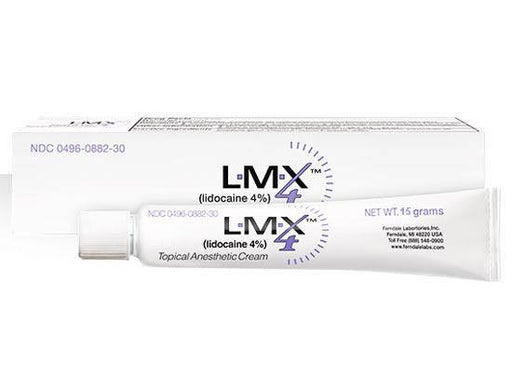
Lidocaine Viscous (Lidocaine Oral Topical Solution)
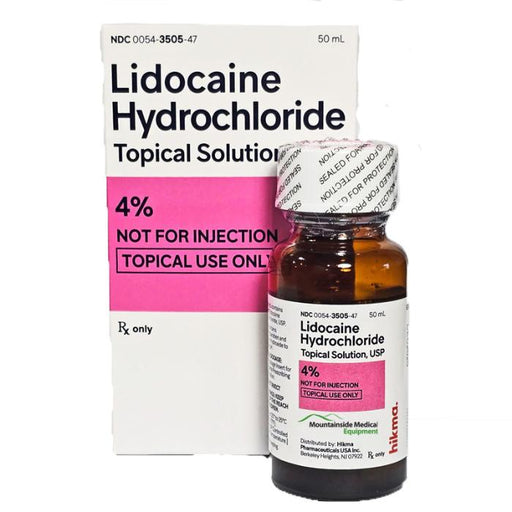
Lidocaine viscous is a thickened topical solution of lidocaine (an amide local anesthetic) designed for use on mucous membranes in the mouth and throat. It is usually a 2% solution (about 20 mg of lidocaine per mL), often flavored and suspended in a viscous base so it coats the oral tissues. Lidocaine works by stabilizing nerve membranes and blocking sodium channels, thereby preventing pain signals from being transmitted. In other words, it numbs the area it touches. It has little systemic effect when used as directed, because most is not absorbed into the bloodstream.
Uses and Indications
Lidocaine viscous is used to produce topical anesthesia (numbing) of irritated or inflamed mucous membranes in the mouth and throat. Common uses include:
-
Relieving oral pain: It soothes pain from mouth sores, ulcers, or gum/cheek irritations. You swish or apply it to the painful spot to alleviate "burning" or aching sensations.
-
Dental procedures: Dentists often apply it to numb the gums or throat before treatments (for example, reducing pain from injections or during impressions. It can also reduce the gag reflex during procedures (like taking dental X-rays or impressions).
-
Throat numbness: Doctors sometimes use it to numb the throat for procedures such as endoscopies or to ease severe sore throat pain. The patient gargles or holds a dose in the throat, which numbs the area before swishing out or swallowing the small amount.
-
Other off-label uses: In some cases, lidocaine viscous is prescribed for other mucosal pain (e.g. after oral surgery or with braces irritation), always under a physician’s guidance.
Administration & Helpful Tips
Follow the label and your doctor’s directions carefully. Use lidocaine viscous exactly as prescribed. It is typically used “as needed,” not on a strict schedule. A common regimen is no more frequently than every 3 hours (and no more than 8 hours’ total use in 24 hours). Do not exceed the recommended dose.
Practical tips for use:
-
Shake well before each use to mix the solution evenly.
-
Measure accurately. For children especially, use a proper measuring device or dropper (do not use household spoons) to get the correct dose. If a bottle has a dropper or syringe, use it as directed.
-
Apply gently to the target area. Use clean fingertips or a cotton applicator/swab and spread a thin layer on the sore spot or throat. For example, for a mouth ulcer, take a measured amount, place it in your mouth, swish it around over the sore for about 1 minute, then spit it out For throat pain, you can take a sip, tilt your head back, gargle for a bit, and then swallow (some prescribed use involves swallowing the small amount after gargling). Always follow your doctor or pharmacist’s instructions on whether to spit or swallow.
-
Use the minimum amount needed to relieve pain. More is not better. Applying a larger volume does not extend the numbness proportionally – it just increases the risk that more lidocaine will be absorbed into your bloodstream.
-
Avoid swallowing large amounts. Keep the medicine in your mouth only long enough to numb the area, then spit it out (unless instructed to swallow a small, specified amount for throat use). Accidental swallowing can increase absorption and risk toxicity.
-
Do not use on non-indicated areas. Lidocaine viscous is for oral or throat use only. Do not apply it in the ear, eye, or on skin surfaces other than the inside of the mouth. Avoid contact with eyes altogether. If it contacts the eyes, rinse thoroughly with water.
-
Avoid eating or drinking until the numbness wears off. Because the medication numbs the oral tissues, do not eat, chew gum, or drink hot beverages for at least 1 hour after use. You might inadvertently bite your lip, tongue, or cheek if you chew food while numb, and hot liquids can scald painless tissues.
-
Frequency caution. Do not use it more often than prescribed. Many guidelines recommend waiting at least 3 hours between doses and no more than 8 hours of use per day. Overuse or too-frequent dosing can lead to overdose.
Precautions and Important Health Information
-
Children: Never use lidocaine viscous for teething pain in infants or very young children. Fatal outcomes (seizures, brain injury, or death) have occurred in babies and toddlers who accidentally swallowed lidocaine from their gums. The product label strongly warns “not to be used for teething pain” in those under 3 years old. Even for older children, use extreme caution: only use it in a young child if a doctor prescribes it (for example, before an endoscopy) and no safer alternative is available. When giving to children, measure the dose carefully and apply it with a cotton swab or applicator to limit swallowing. Always keep the bottle out of reach of children.
-
Allergies: Do not use lidocaine viscous if you have had an allergic reaction to lidocaine or other “amide” anesthetics (like bupivacaine, mepivacaine, etc.). Signs of allergy include hives, itching, swelling of the face/throat, or difficulty breathing. If any allergy symptoms occur, stop use immediately and seek medical care.
-
Precautions for certain conditions: Tell your doctor or pharmacist if you have liver disease, a serious heart condition (for example, certain conduction disorders like “AV block”), or methemoglobinemia (a blood disorder), or if you are taking other heart or central nervous system (CNS) medications. Liver dysfunction can slow lidocaine breakdown, leading to buildup. Heart problems or certain blood disorders (like G6PD deficiency) may increase risk of complications. Also mention any current mouth or gum injuries – applying lidocaine to broken or irritated tissue can lead to faster absorption and higher blood levels. Avoid applying heat (e.g. hot compresses or chewing hot foods) to a site after using lidocaine viscous – heat increases absorption.
-
Pregnancy and breastfeeding: Lidocaine does cross the placenta and into breast milk. While occasional topical use is not known to be harmful, always ask your doctor first if you are pregnant or nursing. Your doctor will weigh the benefits (pain relief) against any potential risks.
-
Interactions: At usual topical doses, lidocaine viscous has few drug interactions. However, because lidocaine is related to certain heart medicines, tell your healthcare providers about all medications, supplements, or herbs you use. Ingestion of large amounts (beyond prescribed use) can interact with heart rhythm drugs or other numbing agents to cause complications.
Side Effects and Overdose Warning
Common side effects: Most people feel a strange or unpleasant taste in the mouth after using lidocaine viscous. You may also feel temporary numbness or tingling beyond the intended area (for example, slightly numbed tongue or cheek if the solution drips). These effects are generally mild and pass as the medication wears off. Rinsing the mouth out with water after the numbness subsides can clear any lingering taste.
Serious side effects (seek medical help): Though rare when used properly, lidocaine can cause serious reactions if it enters the bloodstream in large amounts. Symptoms include allergic reactions (hives, swelling of lips/tongue, breathing difficulty). Signs of systemic (excess) lidocaine include CNS effects (drowsiness, confusion, dizziness, tremors, vision changes, seizures) and cardiovascular effects (slow or irregular heartbeat, low blood pressure, fainting). If you or anyone accidentally swallows more than intended and you notice symptoms like ringing in the ears, slurred speech, severe drowsiness, or difficulty breathing, seek emergency care immediately. Overdose can be life-threatening.
Overdose warning: Even though lidocaine applied to gums usually causes numbing only, excessive use can poison the nervous and heart systems. Symptoms of overdose include uneven heartbeat, convulsions (seizures), slowed breathing, coma, or respiratory failure. If an accidental overdose is suspected (especially ingestion by a child), call emergency services or Poison Control (1-800-222-1222 in the U.S.) right away. Again – use the prescribed dose and avoid swallowing the solution to prevent this risk.
Important Usage Tips
-
Dosage Device: Always use the dropper or syringe provided (or ask your pharmacist for one) to measure lidocaine viscous. This helps avoid dosing errors, especially in children.
-
No Double Dosing: Since it’s taken as needed, you don’t “make up” missed doses. If you forget, wait until the next scheduled time (or whenever pain returns) and do not double-dose.
-
Separate from Eating: After use, wait at least an hour before eating or drinking, and avoid chewing gum. This prevents choking or biting injuries.
-
Storage: Keep the bottle tightly closed and out of reach of children. Store at room temperature, away from heat and moisture. Do not flush unused medication down the toilet; dispose of it safely (ask a pharmacist about take-back programs).
-
No Sharing: Do not share your lidocaine viscous with others, even if their symptoms are similar.
Lidocaine viscous is a powerful local anesthetic that can provide quick relief from painful mouth or throat conditions when used correctly. However, its potency means you must use it exactly as directed. Always read the drug insert and talk with your doctor or pharmacist if anything is unclear. This information is a general overview; always follow your healthcare provider’s instructions and report any concerning symptoms. If in doubt, contact a medical professional before using lidocaine viscous.
Clinical Uses & Health Information
Lidocaine Viscous 2% Oral Solution is widely recommended for:
- Oral mucositis pain relief (common in chemotherapy, radiation therapy, stem cell therapy, cancer care)
- Numbing before dental procedures or after oral surgery (tooth extractions, gum procedures)
- Sore mouth or throat relief (canker sores, oral ulcers, herpes simplex sores, burning mouth syndrome)
- Denture or orthodontic irritation
- Sore throat, tonsillitis, pharyngitis or post-tonsillectomy care
- Prevention of gag reflex in dental or endoscopic procedures
- *Children and adults with difficult oral pain—always consult a healthcare provider for pediatric use
Dosage & Administration
- Adults: 15 mL (one tablespoon) up to 4 times a day; do not exceed maximum dose.
- Children: Use only as prescribed (typically lower dose based on body weight).
- Frequency: Every 3-4 hours, as necessary for pain, but not to exceed prescribed dosing limits.
Important: Overuse or swallowing excessive amounts may cause serious adverse effects.
Drug Interactions
- Other local anesthetics: Increased risk of toxicity—avoid combined use.
- Antiarrhythmics (e.g., mexiletine, tocainide): Increased risk of serious side effects.
- Beta-blockers, cimetidine, CYP3A4 inhibitors: May raise blood levels and increase toxicity.
- Heart, liver, or kidney medications: Use caution; discuss with your doctor or pharmacist.
Always discuss all medications and supplements with your healthcare provider before use.