Lidocaine 1% Injection
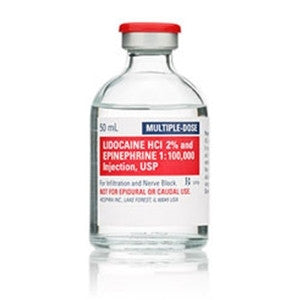
Lidocaine (also called lignocaine) 1% injection is a local anesthetic solution (10 mg of lidocaine per mL) used to numb tissue for minor procedures. It is an amide-type anesthetic that blocks nerve signal conduction by stabilizing neuronal membranes and inhibiting sodium influx. (In other words, it “stops” nerves from sending pain signals.) Clinically, 1% lidocaine solution is given by injection into or around the target area – for example, into the skin or around a nerve – to produce localized numbness. Many preparations are multi-dose vials containing a preservative (methylparaben), so they should not be used for spinal or epidural anesthesia. (For neuraxial blocks, a preservative-free lidocaine should be used.)
Uses/Benefits
Lidocaine 1% is indicated for local or regional anesthesia of many types. Common uses include:
-
Local infiltration: Injected into the skin or subcutaneous tissue before minor procedures (e.g. suturing a laceration, removing a skin lesion) to produce numbness in that area.
-
Peripheral nerve blocks: Injected around a specific nerve or bundle (e.g. digital block for a finger, dental blocks, brachial plexus block for arm surgery, intercostal blocks for rib pain, etc.). This numbs the entire region supplied by that nerve.
-
IV regional (“Bier”) block: Used in intravenous regional anesthesia, where a tourniquet isolates an arm/leg and diluted lidocaine is injected intravenously to anesthetize the limb. (If performing a Bier block, 1% lidocaine is usually further diluted to about 0.5% before injection.)
-
Epidural or caudal blocks: Listed as an indication when done by proper technique. Important: Only preservative-free lidocaine may be used for spinal/epidural injections, so the standard 1% multi-dose vial (which contains preservative) is not for intrathecal use.
-
Others: Occasionally used to suppress cough or as an antiarrhythmic in IV form (e.g. intra-lipid injection for ventricular arrhythmias), but its primary role is local anesthesia.
In summary, 1% lidocaine numbs tissues for short procedures. Its onset is quick (pain relief often in a few minutes), and without epinephrine the effect typically lasts on the order of 30–60 minutes for surgical anesthesia (longer if epinephrine is added). Adding epinephrine (often 1:100,000) to lidocaine (2% or 1% solution) can prolong the duration and reduce bleeding, but pre-mixed 1% vials usually do not contain epinephrine, so an epinephrine ampule must be added separately if needed.
Administration and Dosage
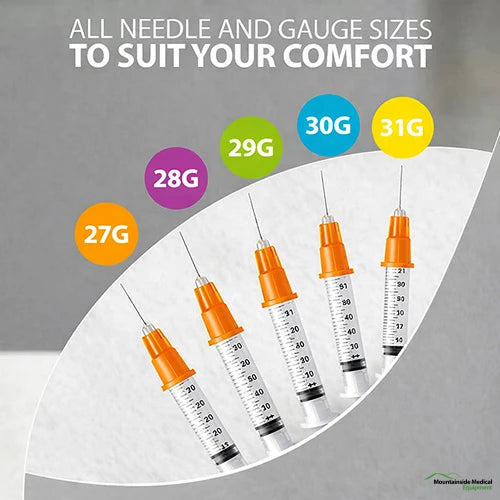
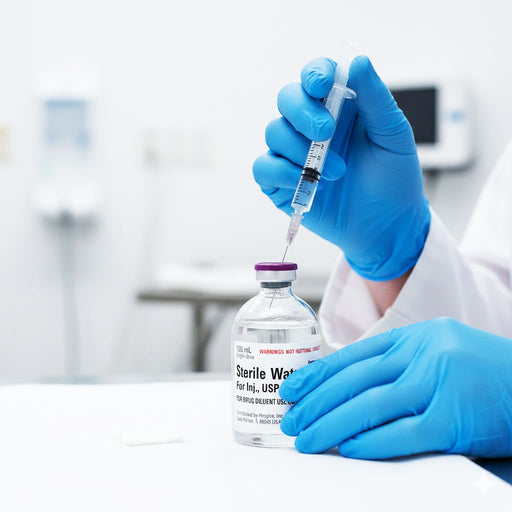
This medication must be administered by a trained clinician (doctor, dentist, anesthetist, etc.) using sterile technique. The vial is prepared (labels checked, dose calculated) and drawn into a syringe, often with a small-gauge needle. Before injecting, the skin is cleaned with antiseptic. The practitioner then inserts the needle (usually bevel up) at the target site. Always aspirate before injecting – pull back on the plunger to check for blood. If blood appears, the needle is in a vessel and must be repositioned. (Aspirating and repositioning is emphasized: “aspiration should be performed before the local anesthetic solution is injected”.) Once in the correct location, lidocaine is injected slowly.
-
Volumes: Only a few to tens of milliliters are usually needed. For example, 1–5 mL might be infiltrated around a wound edge, or 10–20 mL might be used for a larger nerve block. The total dose depends on patient size and procedure.
-
Concentration: 1% means 10 mg/mL. (By comparison, a 2% solution is 20 mg/mL.) So 5 mL of 1% contains 50 mg of lidocaine. If more anesthetic is needed, one may administer multiple injections or use a higher concentration formula.
-
Maximum Dose: To avoid toxicity, providers calculate the total lidocaine dose by weight. A common guideline is not to exceed ~4.5 mg/kg of body weight (about 300 mg total in an average adult) when given without epinephrine. (That corresponds to about 30 mL of 1% solution.) With epinephrine, the limit is higher (often up to ~7 mg/kg) due to slower absorption. Always calculate and stay well under the toxic dose for the patient’s weight.
After injection, the patient is monitored. The injection site is often covered with a sterile dressing. Vials and any unused solution from a multi-dose vial should be stored/re-labeled or discarded per protocol.
Side Effects and Precautions
When used properly, lidocaine infiltration is generally safe. However, care is needed to avoid serious effects:
-
Local site reactions: Mild pain, burning, or bruising at the injection site are common. Excessive dosage or rapid injection can cause transient lightheadedness or tinnitus (ringing in ears) as lidocaine is absorbed. Injecting into or near blood vessels accidentally can lead to rapid systemic absorption. A famous precaution is to test for intravascular placement (aspiration) before injection. If lidocaine is accidentally injected into the bloodstream, it can cause a “biphasic” systemic effect: initially excitement (e.g. minor tremors, restlessness) followed by depression. Serious toxicity may occur if too much lidocaine enters the circulation, especially if the dose exceeds the maximum. Signs include lip/tongue numbness, dizziness, visual disturbances, and progressing to seizures, respiratory depression, and cardiac arrest. Therefore, resuscitation equipment (oxygen, IV fluids, cardiac monitor, seizure abortive) must be immediately available whenever large doses or deep blocks are administered. (The official FDA label warns that only trained clinicians with resuscitation equipment should use these anesthetics.)
-
Cardiovascular: High plasma lidocaine can depress heart muscle and slow conduction, potentially causing bradycardia or low blood pressure. Paradoxically, just after toxicity onset, there may be brief hypertension or fast heart rate, followed by severe hypotension. Extreme overdose can stop the heart.
-
Allergic reactions: True allergies to lidocaine (an amide anesthetic) are very rare. Patients with a history of “amides” sensitivity should not receive lidocaine. Be mindful that multi-dose vials contain preservatives (methylparaben). Some people are sensitive to these; the label notes allergic reactions (rash, even anaphylaxis) can occur due to lidocaine or the preservative. (This is why preservative-free lidocaine is required for spinal use.)
-
Methemoglobinemia: Although unusual with lidocaine at standard doses, toxic doses (or use in small children or sick patients) can oxidize hemoglobin. Watch for sudden cyanosis or low oxygen levels not explained by cardiac issues. Treat with methylene blue if needed.
-
Contraindications: Lidocaine should not be used if the patient has a known allergy to lidocaine or other amide anesthetics. Also avoid in patients with severe heart block or shock (unless a pacemaker is in place). Do not exceed recommended dose or inject into inflamed/infected tissue (may increase systemic absorption).
-
Technique precautions: Do not use a lidocaine solution containing preservatives for neuraxial (epidural/spinal) anesthesia. Always use the lowest effective dose. Aspirate before each injection (as noted) and inject slowly with frequent aspiration if giving multiple doses. If multiple injections are needed (e.g. large area), allow a few minutes between injections and monitor for early toxicity signs.
Key Points
- Lidocaine 1% injection is a local anesthetic containing 10 mg/mL of lidocaine. It numbs tissue by blocking nerve conduction (sodium channels). Indications include skin infiltration and regional nerve blocks (e.g. digital, brachial plexus, intercostal) and epidural/caudal blocks (with preservative-free solution).
- It must be administered by trained healthcare providers. The skin/site is sterilized, and a needle is carefully placed under skin or near the nerve. Providers always aspirate to check for blood before injecting. Typical volumes are small (a few mL) and doses are calculated by weight. Do not exceed about 4.5 mg/kg (≈300 mg) of lidocaine without epinephrine.
-
Major caution: The biggest risk is systemic toxicity (CNS and cardiac effects) if too much drug is absorbed. Symptoms range from circumoral numbness and tinnitus to seizures and arrhythmias. Providers must have emergency equipment ready and monitor the patient closely.
-
Allergy and preservative: Allergic reactions to lidocaine are rare but possible; multi-dose vials contain methylparaben which can also trigger sensitivities.. Lidocaine with preservative must never be used intrathecally (spine).
- After injection, observe the patient and monitor vital signs. Report any adverse effects immediately. Always double-check vial concentration and dose calculations.
Disclaimer: The information is for general knowledge and is not medical advice. Always follow a healthcare provider’s instructions.
Uses & Applications
Lidocaine Injection 1% is indicated for:
- Local and regional anesthesia: For minor and major surgical procedures, dental procedures, laceration repair, skin biopsy, and wound care
- Peripheral nerve blocks and nerve infiltration: Effective for targeted pain and procedural anesthesia
- Epidural Anesthesia: Temporary pain relief during labor, orthopedic, or abdominal surgery
- Intravenous regional anesthesia (Bier Block): For surgical procedures on extremities
- Acute Pain and Trauma: Pain relief from injuries, burns, or other acute conditions
- Cardiac antiarrhythmic therapy (off-label): Emergency management of ventricular arrhythmias
- Procedures in emergency/urgent care: Suturing, abscess drainage, catheter placements
Drug Interactions
- Other local anesthetics: Cumulative toxicity risk—avoid concurrent administration.
- Antiarrhythmic drugs (class I, especially mexiletine, tocainide): Increase risk of cardiac adverse effects.
- Beta-blockers & cimetidine: May slow lidocaine metabolism, raising toxicity risk.
- Phenytoin & protease inhibitors: Potentially hinder metabolism and increase serum levels.
- CNS depressants: Increased risk of neurotoxicity.
Always review all medications with the healthcare provider before administration.
 Skip to content