Sani-Hands® Hand Sanitizing Wipes (PDI)
Sani-Hands® wipes are pre-moistened hand sanitizer cloths made by Professional Disposables International (PDI) for healthcare and personal hygiene use. Each wipe is saturated with 70% ethyl alcohol (formula) – meeting CDC/WHO guidelines for hand sanitizers – and is impregnated with a solution containing moisturizing agents (e.g. aloe and vitamin E). The high alcohol content rapidly kills germs: PDI reports a 99.99% reduction of common bacteria with a 15-second rub. Because Sani-Hands wipes for hands contain no added fragrances or natural rubber latex, they can be used safely by most people without aroma or latex sensitivity. In effect, they offer the convenience of instant hand hygiene in wipe form, allowing users (including bedridden patients) to clean and disinfect hands at the point of care.
Formulation and Features
Each Sani-Hands wipe is a textured, soft cloth soaked in an alcohol-based sanitizing solution. The active ingredient is ethyl alcohol 70% v/v (the remaining 30% is water and skin-conditioning additives). The formula also includes emollients – specifically soothing aloe and vitamin E – to counteract dryness. PDI notes that the wipe format “physically removes dirt and soil better than alcohol-based gels or foams”. In other words, rubbing with a wipe both sanitizes (kills microbes) and helps wipe away visible grime. The wipes are unscented (no added fragrance) and are manufactured without natural rubber latex (latex-free), making them suitable for diverse healthcare settings. The canisters and packets are produced in the USA.
Packaging and Availability
Sani-Hands wipes are supplied in several convenient formats:
-
Bedside soft packs (20-count): Resealable packs of 20 wipes are designed for patient rooms. These “22ct/20’s” bedside packs are portable, with easy-open lids and printed icons reminding users to sanitize before meals, after bathroom use, etc..
-
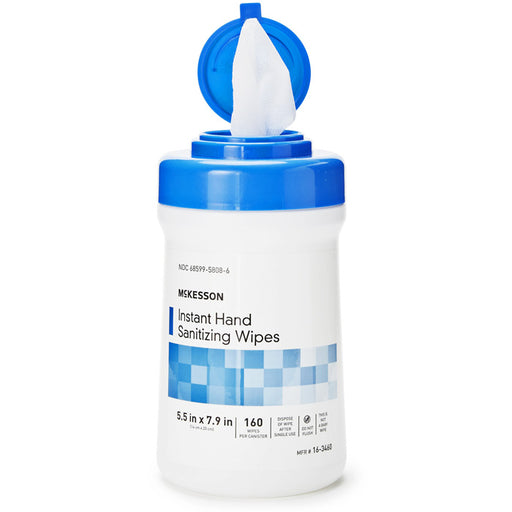
Multi-count canisters: Larger pop-top containers holding many wipes (e.g. 135 wipes or 220 wipes) are available for high-traffic areas. A 135-count canister (PDI code P13472) or 220-count canister (P15984) can be placed in nursing stations, waiting rooms or hallways for quick access.
-
Individual sachets or travel packs: Boxes of 100 individually wrapped wipes (e.g. PDI D43600) are also sold. These single-use packets allow staff or visitors to carry sanitizing wipes on-the-go, providing point-of-care hand hygiene when leaving a patient’s bedside or after visiting restroom, etc..
Each wipe is ready-to-use and dispensed wet. (There is no mixing or activation step.) The wipes’ shelf life is 24 months from manufacture, after which they should be replaced.
Use and Efficacy
Sani-Hands wipes are intended for hand hygiene and disinfection. To use, tear open a wipe and rub thoroughly over both hands. Coverage of all hand surfaces and rubbing for at least 15 seconds is recommended; PDI’s testing shows >99.99% microbial kill with ~15 seconds of contact. The formulation evaporates quickly, leaving hands dry without a sticky residue. Unlike gel or foam sanitizers, wipes also provide friction and remove visible dirt, which can improve cleaning efficacy on soiled hands.
These wipes kill a broad range of bacteria (and some enveloped viruses) by denaturing proteins and disrupting membranes, consistent with ethanol’s known antimicrobial action. They align with healthcare guidelines: for example, each wipe is formulated at CDC/WHO-recommended alcohol strength. According to PDI, Sani-Hands wipes achieve fast hemostasis (sic – actually hand sanitizing) at the point of care and “are compliant with SHEA/IDSA hand hygiene” protocols and The Joint Commission’s patient safety goals. In practical terms, they make hand sanitizing convenient for caregivers and patients alike – especially for in-room use when sinks are distant.
Sani-Hands wipes have also been shown to outperform gel sanitizers in removing soil and a panel of microbes (per PDI’s internal data). The company cites a comparative test (“Laboratory generated Glo-Germ”) where the wipe format picked up more “Glo-Germ” particles than a gel or foam sanitizer. (This suggests the wipe’s physical action helps clear debris.)
Indications
These wipes are approved as an OTC antiseptic product for use on hands. The U.S. FDA regulates Sani-Hands wipes as an OTC drug under the hand-sanitizer monograph. They are labeled for topical hand use only – meaning the wipes are not a general surface disinfectant, and are not to be applied to wounds, mucous membranes, or injected. The main indication is hand disinfection in healthcare settings (hospitals, clinics, long-term care etc.), and anywhere hand hygiene is needed quickly. In particular, Sani-Hands is marketed for patient-care environments: it “supports infection prevention and improves compliance at the point of care”. For example, nurses often offer a wipe to patients before meals or after bathroom use, especially if the patient is immobile. Patient education materials (“Bedside Pack icons”) even remind patients when to clean their hands.
Use of Sani-Hands wipes is not limited to healthcare – any situation where soap/water is unavailable or inconvenient. They are popular in hospitals, clinics, eldercare facilities, and even schools or offices for quick hand sanitization.
Safety and Precautions
Because Sani-Hands contains 70% ethanol, it is highly flammable. Wipes should be used well away from open flames or heat sources, and hands should be allowed to dry completely before touching ignition. Do not ingest the wipe or intentionally put it on mucous membranes. If contact with eyes occurs, rinse well with water. Like all alcohol sanitizers, excessive use may dry or irritate skin; the added aloe helps mitigate this, but users should stop if irritation or a rash develops.
Since these wipes are regulated as an OTC drug antiseptic, they carry typical antiseptic warnings. People with hypersensitivity to any component (e.g. ethanol allergy, very rarely) should avoid use. The wipes are for external use only on intact skin. Keep wipes out of reach of children (young kids might chew or put them in mouth).
Regulatory/Additional Notes
-
FDA status: Sani-Hands Alcohol Wipes are considered an OTC “healthcare antiseptic” by the FDA (marketed under FDA’s OTC drug monograph). This means they have been tested and approved for stated efficacy and safety in hand hygiene.
-
Expiration: PDI labels the product with a 24-month shelf-life from manufacture. After expiration, the alcohol may evaporate or efficacy could decrease.
-
Manufacturing: These wipes are made in the U.S.A. by PDI (Professional Disposables International), also known for Sani-Cloth® disinfecting wipes. PDI states the earth-friendly design: all components (pack, wipes, lids) are latex-free and non-toxic.
Summary: Sani-Hands wipes are alcohol-based hand sanitizer wipes (70% ethanol) in disposable cloth form. They provide rapid antiseptic action (killing “99.99% of common bacteria” plus dirt removal, making them useful for quick hand cleansing in medical and public settings. In practice they supplement handwashing and sanitizer gel pumps, especially for bedridden patients or mobile care. Proper use is to rub hands thoroughly for ~15 seconds until dry. They come in various counts (20 packs, 135- or 220-count canisters, 100-count single packets). As with all alcohol sanitizers, one should use them on unbroken skin, avoid flames, and allow the alcohol to evaporate before touching food or open fire.
 Skip to content