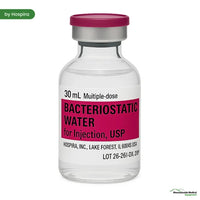
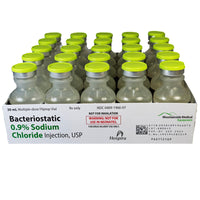
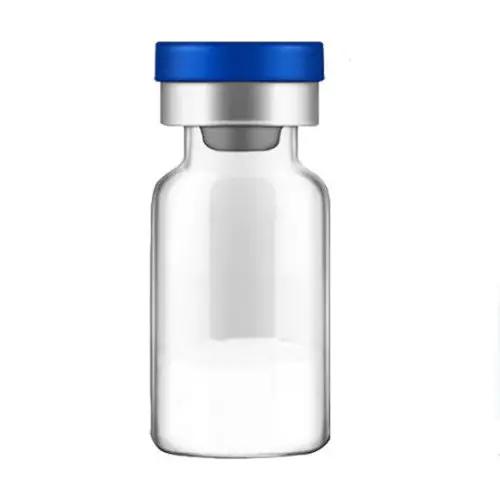
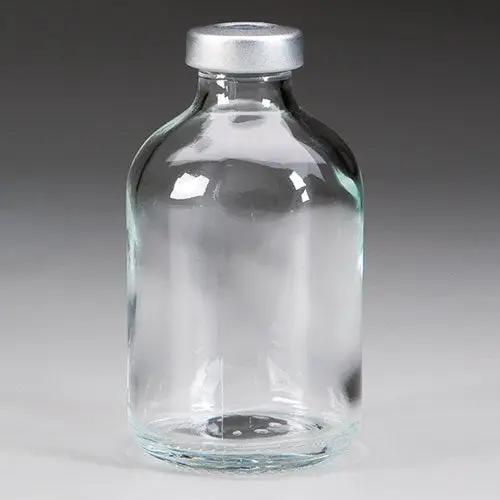
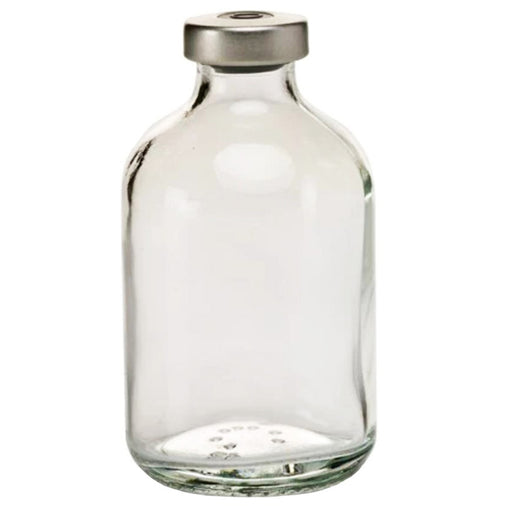
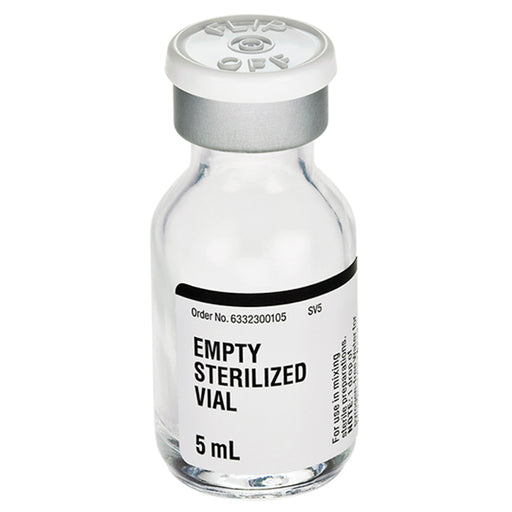
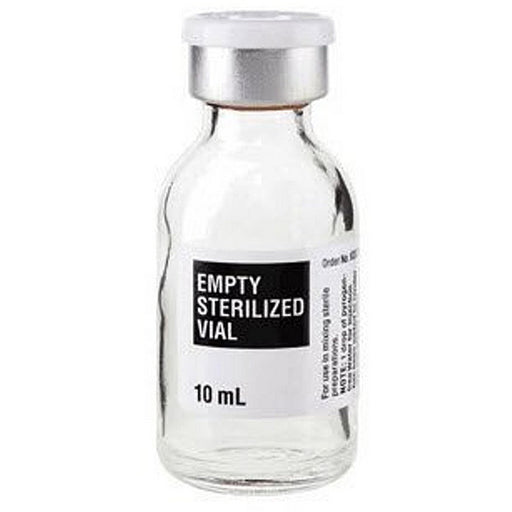
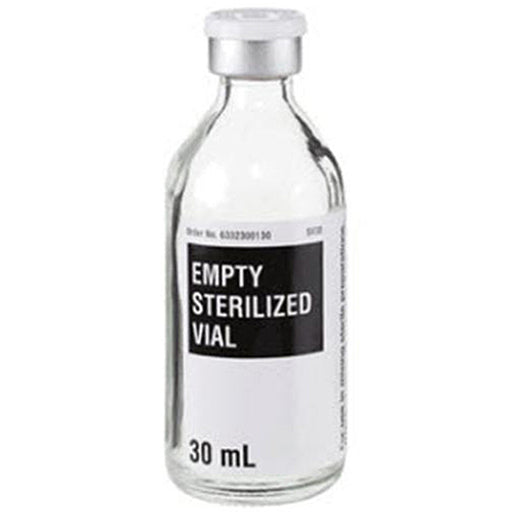
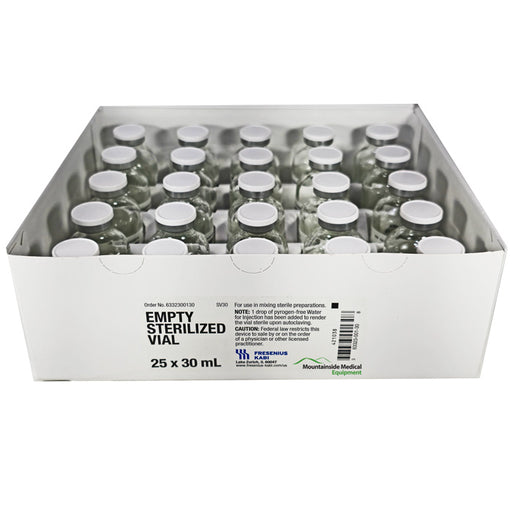
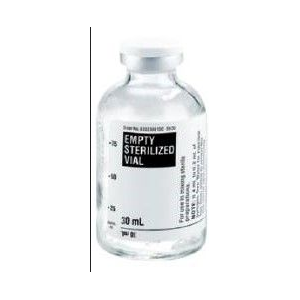
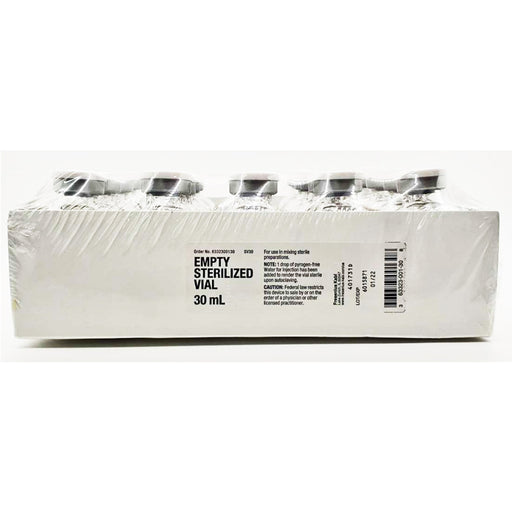
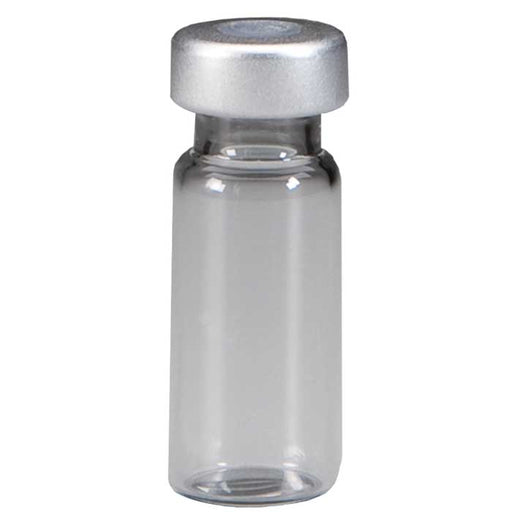
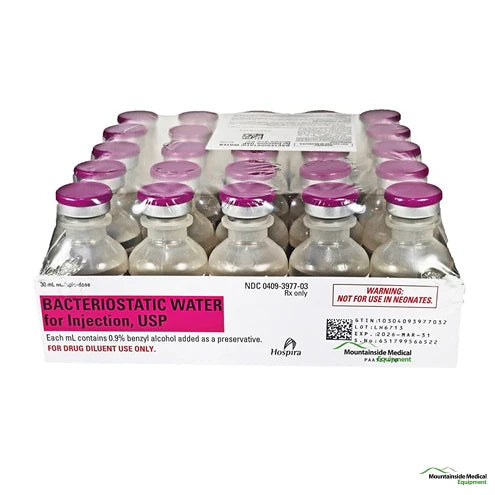
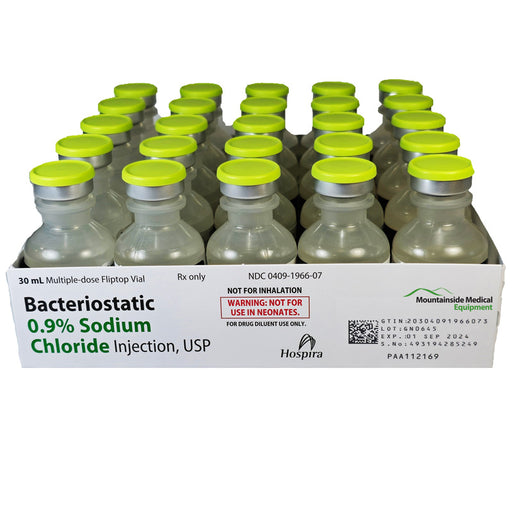
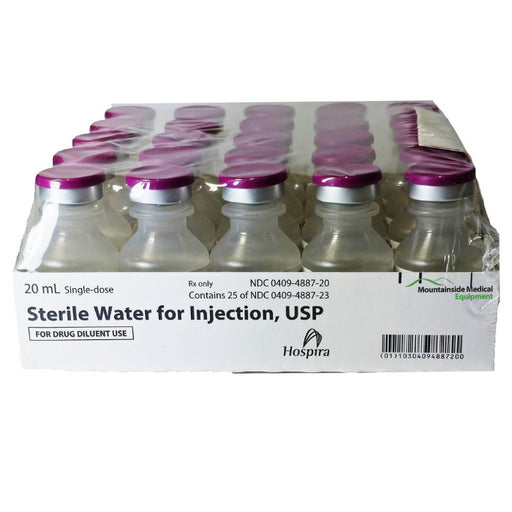
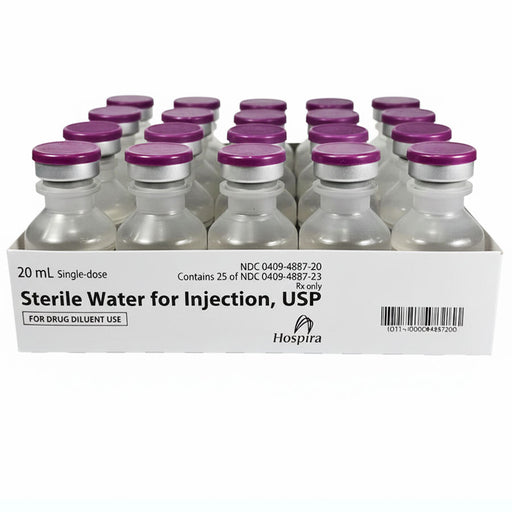
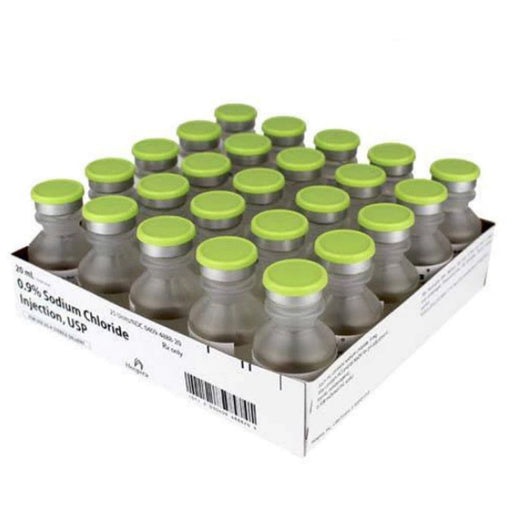
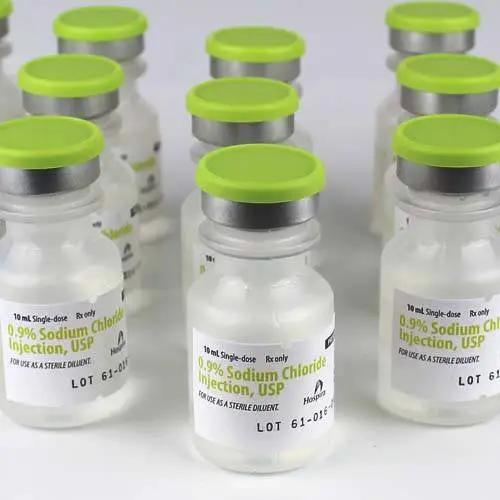
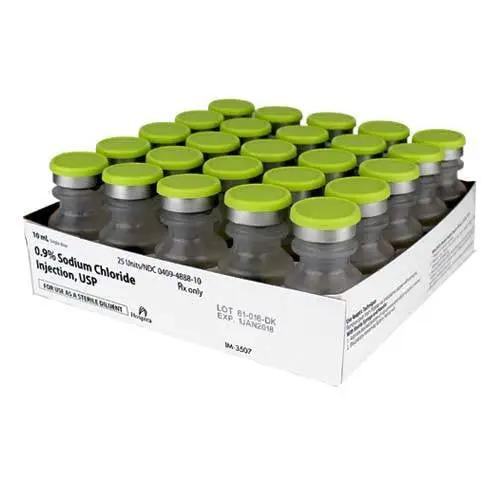
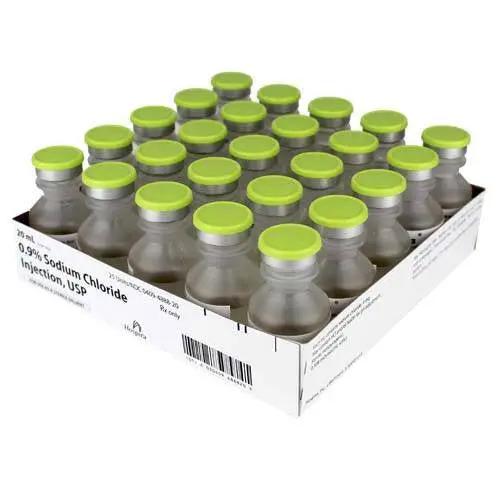
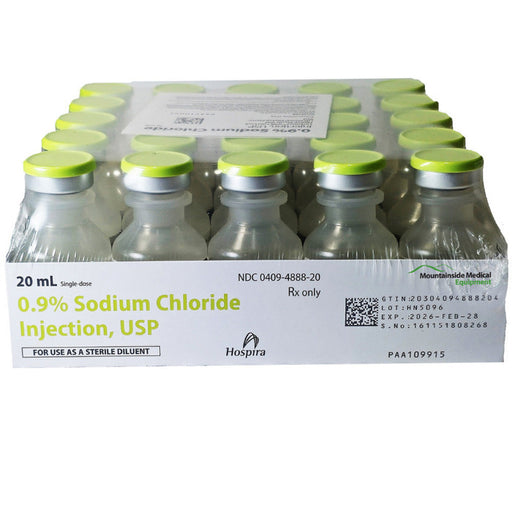
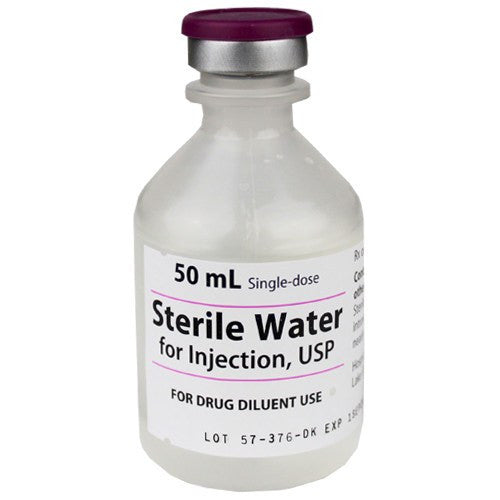
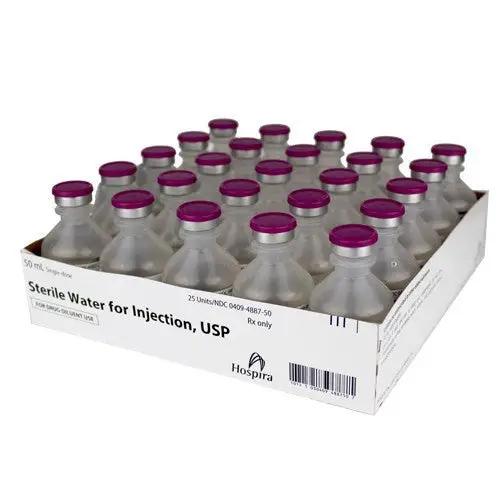
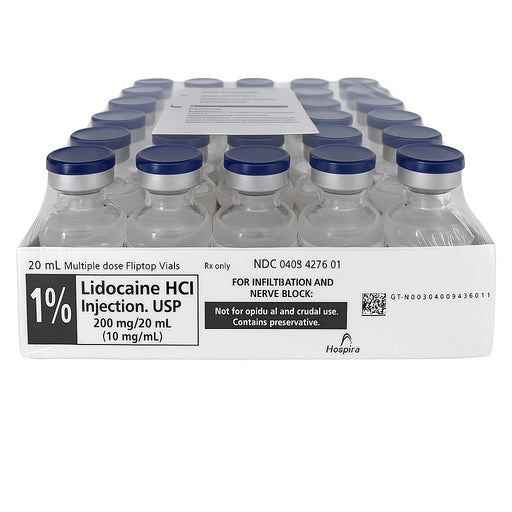
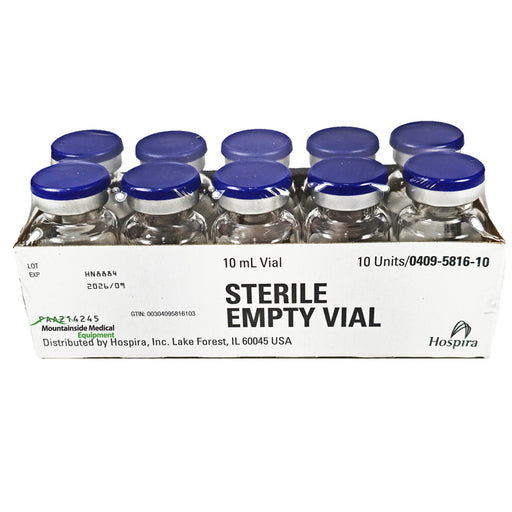
Hospira/Pfizer Sterile Empty Glass Vials provide a 30 mL container option for healthcare professionals who require an empty sterile vial for an application permitted by the manufacturer’s labeling. Supplied 25 vials per box, they support convenient stocking in pharmacies, hospitals, and other professional healthcare settings.
The glass container allows visual inspection of its contents. Before use, confirm that the vial, closure, and any medication or solution are compatible with the intended application. Sterility depends on an intact sterile barrier and appropriate aseptic handling; a vial should not be used if its packaging or closure is compromised.
These vials are empty containers—not prefilled medications. Their sterile status does not make a transferred substance sterile, establish compatibility with every formulation, or automatically make the finished preparation suitable for injection.
Product Specifications
| Feature |
Description |
| Product |
Sterile empty glass vial |
| Brand |
Hospira/Pfizer |
| Nominal capacity |
30 mL |
| Container material |
Glass |
| Package quantity |
25 vials per box |
| Contents |
Empty; no medication or solution included |
Intended Use and Compatibility
A sterile empty vial may be used as a receiving container for an appropriately prepared medication or solution only when the application is consistent with its labeling and applicable professional standards.
Before selecting the vial, a pharmacist or other qualified professional should assess:
-
Container compatibility: Whether the formulation is compatible with the glass and closure.
-
Required volume: Whether the intended fill volume leaves suitable headspace.
-
Storage conditions: Whether refrigeration, freezing, or light protection is required and supported.
-
Preparation requirements: Whether the intended use requires sterile compounding, endotoxin control, or other validated procedures.
-
Closure performance: Whether the closure is suitable for the planned access method and number of entries.
A 30 mL nominal capacity is not a dosing guide or a guarantee of the recommended working fill volume.
How to Use
Use should be limited to trained healthcare personnel following the manufacturer’s instructions and applicable facility procedures. Preparing an injectable product requires an appropriate sterile-compounding environment; simply transferring a liquid into a sterile vial is not sufficient.
-
Verify the product. Confirm the vial’s identity, capacity, expiration date, and suitability for the intended preparation.
-
Inspect before use. Check for cracks, chips, damaged packaging, or a compromised closure. Do not use a questionable vial.
-
Prepare the appropriate work area. Perform hand hygiene and use the protective equipment, environmental controls, and aseptic technique required for the task.
-
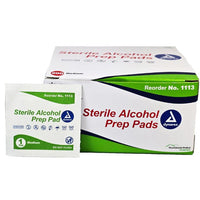
Prepare the access surface. If the supplied vial has a pierceable stopper, disinfect it according to the manufacturer’s instructions and facility protocol—commonly with sterile 70% isopropyl alcohol—and allow it to dry before access. Do not touch the disinfected surface.
-
Transfer using an approved method. Use sterile, compatible equipment and follow the validated preparation procedure. Do not improvise venting, pressurize the vial, or remove its closure unless the approved procedure specifically requires it.
-
Inspect and label the preparation. Check for visible particles, discoloration, leakage, or other unexpected changes. Apply a label identifying the contents, concentration where applicable, preparation date, required storage conditions, and assigned beyond-use date.
-
Store and dispose of appropriately. Follow the finished preparation’s storage requirements and the vial manufacturer’s guidance. Dispose of sharps, residual medication, and glass according to facility policy.
Important Handling Information
An empty vial is not automatically a multidose vial
Do not assume that repeated access is permitted. Multidose suitability depends on the container, formulation, preservative system, manufacturer’s labeling, and applicable clinical guidance—not simply on the vial having a stopper.
The vial’s expiration date is not the preparation’s beyond-use date
The expiration date applies to the unused product under its labeled conditions. Once filled or accessed, the preparation requires a separately determined beyond-use date based on stability, sterility considerations, and applicable standards.
Clear glass may not provide adequate light protection
If the contents are light-sensitive, use a validated light-protection method or a suitable alternative container. Do not assume that the glass provides UV protection.
Do not reuse without explicit authorization
Do not wash, resterilize, or reuse the vial unless the manufacturer specifically permits it and provides a validated process. Cleaning alone does not establish sterility or remove endotoxins.
Inspecting contents has limits
Visible clarity does not prove sterility, potency, or freedom from endotoxins. Inspection is one part of quality control, not a substitute for validated preparation practices.
 Skip to content