Filters
Active Pharmaceutical Ingredients (APIs) to Compounding
Active Pharmaceutical Ingredients (APIs)
Active pharmaceutical ingredients (APIs) are the biologically active substances in drug products – the molecules that actually produce the therapeutic effect. FDA regulations define an API (also called a drug substance) as “any substance that is intended for incorporation into a finished drug product and is intended to furnish pharmacological activity or other direct effect… or to affect the structure or any function of the body”. In plain terms, the API is the component of a medicine that speaks to the disease. Everything else in the pill or liquid (binders, fillers, flavorings, solvents, coatings, etc.) are inactive ingredients or excipients. For example, in an acetaminophen tablet, “acetaminophen” is the API; the tablet’s starch, coloring, and binders are inactive. (FDA’s inactive-ingredient database explicitly defines an inactive ingredient as “any component of a drug product other than the active ingredient.”
APIs are usually identified by their chemical or generic name (not brand name), and pharmaceutical compendia (USP, Ph. Eur., etc.) provide official monographs for many common APIs. Active ingredients can be small organic molecules, peptides/proteins (like insulin), vaccines (antigen components), or other compounds. Each API is manufactured to strict purity and potency standards (cGMP). The FDA and WHO maintain lists of recognized APIs (and prequalified suppliers) for quality assurance.
Active Pharmaceutical Ingredients (APIs) are the essential, regulated chemical substances responsible for the therapeutic effects in medicines. APIs are the foundation of every prescription, over-the-counter, and generic drug, enabling pharmaceutical manufacturers, research organizations, compounding pharmacies, contract development and manufacturing organizations (CDMOs/CROs), and healthcare companies to deliver safe, effective, and cutting-edge therapies for a broad spectrum of health conditions.
Purpose of Active Pharmaceutical Ingredients
- Drug Formulation: APIs are combined with excipients to manufacture finished pharmaceutical products (FDF) including tablets, capsules, injectables, and topical medications.
- Therapeutic Action: The API is the component that provides the intended medicinal effect in the body—fighting infection, relieving pain, reducing inflammation, treating chronic diseases, and more.
- Biosimilar & Generic Drug Development: Essential for creating generic and biosimilar medications post-patent expiry.
- Global Drug Supply Chain: APIs drive international pharma supply, ensuring access to quality medicines worldwide.
Uses & Applications
- Prescription Drug Manufacturing: APIs for antibiotics, antivirals, antihypertensives, statins, diabetes medications, cancer therapies, mental health, hormone therapy, analgesics, cardiovascular, respiratory, and more.
- Over-the-Counter (OTC) Medicine Production: APIs in pain relievers, allergy medicines, antacids, cold and flu treatments.
- Compounding: Custom pharmacy compounding
- Vaccine Development and Biologics
- Research and Clinical Trials: Critical for development of new drug entities and therapies
- Veterinary Medications
Examples of major API categories and common APIs include:
- Analgesics/Antipyretics (Pain relievers and fever reducers): e.g. acetaminophen (paracetamol) and ibuprofen. Acetaminophen is “a non-opioid analgesic and antipyretic agent utilized for treating pain and fever”; it is widely used as the active ingredient in over-the-counter pain medicines. Ibuprofen is a nonsteroidal anti-inflammatory drug (NSAID) similarly used for mild-to-moderate pain and fever. (Both are APIs in formulations like Tylenol® or Advil®.)
- Antibiotics (Antibacterial agents): e.g. amoxicillin. Amoxicillin is a broad-spectrum aminopenicillin antibiotic “approved by the FDA for use in the primary care setting” to treat bacterial infections of the ear, throat, lungs, urinary tract, etc.. In any Amoxil® capsule or generic amoxicillin suspension, amoxicillin itself is the API.
- Cardiovascular agents: e.g. atorvastatin. Atorvastatin is an HMG-CoA reductase inhibitor (a “statin”) used to treat high cholesterol (dyslipidemia) and prevent heart disease. In its tablet form, atorvastatin (with a specific calcium salt) is the API that lowers lipid levels. Other classes like ACE inhibitors (e.g. lisinopril) or beta-blockers (e.g. metoprolol) are taken similarly.
- Hormones / Biologicals: e.g. insulin. Insulin is an essential peptide hormone used as an injectable drug to treat type 1 (and some type 2) diabetes. StatPearls notes “Insulin is a medication used in the treatment and management of diabetes mellitus”. Thus, in any U-100 insulin vial or pen, insulin (or an insulin analog) is the API. Likewise, synthetic thyroid hormones (levothyroxine), contraceptive hormones (ethinyl estradiol/progestins), or other biologic proteins (e.g. monoclonal antibodies) serve as APIs in their products.
(Note: The above is a sampling – there are thousands of APIs overall, one for each approved drug. Combinations of APIs exist too (for example, combination cold/allergy tablets may contain two or more APIs). Regulatory databases (FDA, WHO) list APIs by their International Nonproprietary Name (INN) or chemical name.)
Each API is subject to regulatory quality standards (purity, potency, stability, GMP manufacturing) because it is the active part of the medicine. In practice, whenever you read a drug label or package insert, the API(s) will be explicitly named in the “Active Ingredients” section (for example, “Acetaminophen 500 mg” on Tylenol packaging). In summary, the “Active Pharmaceutical Ingredients” of a medicine are simply the drug’s actual active compounds – for example, acetaminophen in a pain reliever, or amoxicillin in an antibiotic – and any exhaustive list would include all those known drug compounds defined by pharmacopeias and regulatory filings.
Top 10 API Categories
- Antibiotics (Amoxicillin, Ciprofloxacin, Azithromycin, Ceftriaxone)
- Antivirals (Oseltamivir, Acyclovir, Zidovudine)
- Analgesics & NSAIDs (Ibuprofen, Paracetamol/Acetaminophen, Diclofenac)
- Cardiovascular Drugs (Atorvastatin, Amlodipine, Lisinopril, Metoprolol)
- Antidiabetics (Metformin, Glibenclamide, Sitagliptin)
- Anticancer APIs (Imatinib, Paclitaxel, Doxorubicin)
- Antihistamines & Allergy (Cetirizine, Loratadine, Diphenhydramine)
- Corticosteroids (Prednisone, Dexamethasone, Hydrocortisone)
- Hormones (Estradiol, Progesterone, Testosterone, Levothyroxine)
- Antifungals (Fluconazole, Ketoconazole, Itraconazole)
- Antipsychotics & Antidepressants (Sertraline, Fluoxetine, Olanzapine)
Top 10 Active Pharmaceutical Ingredients
Common APIs (the active “drug” components) include medications used for pain, infection, chronic disease, etc. “Top” APIs by usage include both OTC and prescription agents that appear on essential-medication lists worldwide. For example:
- 1. Acetaminophen (Paracetamol): A widely used non-opioid analgesic and antipyretic for pain and fever. Acetaminophen is “a non-opioid analgesic and antipyretic agent utilized for treating pain and fever”. It is the active ingredient in many OTC pain relievers (e.g. Tylenol®).
- 2. Ibuprofen: A common NSAID used for inflammation, pain, fever. StatPearls notes ibuprofen “is a nonsteroidal anti-inflammatory drug (NSAID) used to manage…mild to moderate pain, fever, dysmenorrhea, and osteoarthritis,” and adds it “has become one of the most commonly used medications in the world”.
- 3. Naproxen: Another NSAID (like ibuprofen) for pain and arthritis. For example, one analysis calls naproxen “a non-steroidal anti-inflammatory drug (NSAID) used to treat pain, menstrual cramps, inflammatory diseases such as rheumatoid arthritis, and fever”. (Drugs like naproxen and ibuprofen often rank among top analgesics globally.)
- 4. Amoxicillin: A broad‐spectrum penicillin antibiotic used in community infections. StatPearls describes amoxicillin as “a widely utilized beta-lactam antimicrobial drug… indicated for the treatment of infections” such as ear, throat, respiratory, skin and urinary infections. It’s a first-line antibiotic in many guidelines.
- 5. Ciprofloxacin: A fluoroquinolone antibiotic used in hospitals and clinics. Industry analysis calls it “a potent second-generation fluoroquinolone antibiotic used to treat a broad spectrum of bacterial infections”. It’s commonly used for urinary, gastrointestinal, and respiratory infections.
- 6. Metformin: The standard oral diabetes medication. Metformin is “the undisputed first-line therapy for Type 2 Diabetes” due to its efficacy and safety. It is “often combined with other antidiabetic agents” and is on many countries’ essential medicine lists.
- 7. Statins (e.g. Atorvastatin, Rosuvastatin): Cholesterol‐lowering agents widely used to prevent heart disease. For example, atorvastatin “is a medication primarily used to manage and treat dyslipidemias and prevent cardiovascular disease”, and rosuvastatin similarly “reduces circulating LDL cholesterol… lowering the risk of atherosclerotic cardiovascular disease”. These are among the top-selling lipid regulators globally.
- 8. Amlodipine: A long-acting calcium-channel blocker for hypertension. Industry data notes “Amlodipine Besylate is a globally prescribed API for chronic hypertension”. In practice, it’s one of the most commonly prescribed blood-pressure medications worldwide.
- 9. Omeprazole: A proton-pump inhibitor for acid reflux and ulcers. StatPearls states “Omeprazole is a proton-pump inhibitor used to manage and treat” conditions like GERD (heartburn) and peptic ulcer disease. It and related PPIs are among the most-used gastroenterology drugs.
- 10. Albuterol (Salbutamol): A short-acting bronchodilator for asthma/COPD. StatPearls describes albuterol (salbutamol) as “a commonly prescribed bronchodilator used for managing diverse respiratory conditions, including asthma and exercise-induced bronchospasm”. It is essentially the standard “rescue inhaler” medication.
Each of the above APIs is highly significant in global therapy for its indication. (Note: Many other APIs – such as insulin (for diabetes), levothyroxine (hypothyroidism), or others – are also widely used, but the list above highlights some of the highest-volume, most essential drug substances in current use.) These examples illustrate the kinds of molecules whose names (acetaminophen, amoxicillin, etc.) you’ll find listed as the “active ingredients” on medication labels, as opposed to inert fillers or excipients.
API Forms & Strengths
- Powder, Granules, Pellets, Micronized, Crystalline
- Sterile injectable-grade APIs
- High-potency APIs (HPAPIs)
- Bulk strengths and custom concentrations (standard and customer-specified)
- Micronized and non-micronized options
Precautions & Regulatory Compliance
- Strict Regulatory Standards: All APIs must meet FDA, EMA, ICH, WHO-GMP, and country-specific regulations for quality, purity, traceability, and safety.
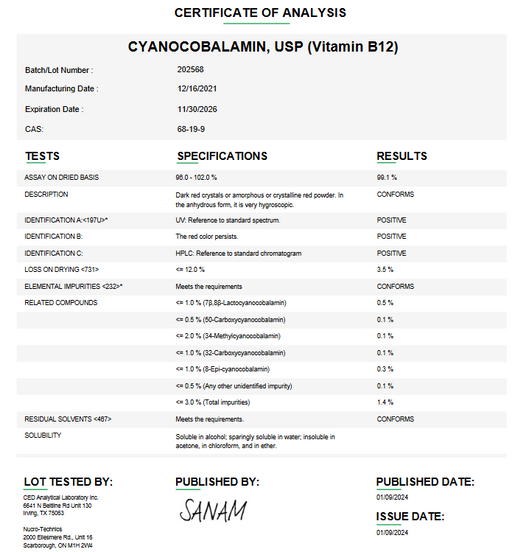
- Certificate of Analysis (CoA): Ensure every lot is accompanied by detailed documentation for identity, assay, impurities, and compliance.
- Storage & Handling: APIs require temperature, humidity, and contamination control; store as specified by the manufacturer or pharmacopeia.
- Potential Hazards: Handle high-potency APIs (HPAPIs), cytotoxics, and allergenic substances with specialized containment and PPE.
- Qualified Sourcing: Work with audited, reputable API suppliers for guaranteed batch consistency, supply chain security, and product quality.
- Cross-contamination: Prevent by using designated equipment/areas and validated cleaning protocols.
Key points about APIs:
- Active agent: The API is the core therapeutic substance in the drug. It is “the core component responsible for a drug’s therapeutic effect”. All other ingredients in the product are excipients, which serve as fillers, binders, coatings, etc., and have no direct medicinal action In a finished tablet or capsule, only the API provides the pharmacological effect – the excipients merely help form and deliver the dose.
- Forms and origins: APIs may be small-molecule chemicals or larger biological molecules (such as proteins, peptides, or antibodies). They can appear as powders, crystals, liquids, or extracts, depending on the drug form. APIs are typically produced by chemical synthesis, fermentation/microbial processes, plant extraction, or other biotech methods. Each API is manufactured under strict quality controls (GMP) to meet purity standards in pharmacopeias.
- Examples: Common APIs include acetylsalicylic acid (aspirin’s active ingredient, paracetamol (acetaminophen), antibiotics (e.g. amoxicillin), and biologic drugs (like insulin or monoclonal antibodies). For example, aspirin tablets contain mostly excipients by weight, but the small amount of acetylsalicylic acid in each tablet is what actually provides the pain-relieving and anti-inflammatory effect.
Because APIs determine a drug’s therapeutic action, they are tightly regulated by national and international standards. In summary, the Active Pharmaceutical Ingredient is the essential substance in a medicine that makes it work without it, a drug would have no pharmacological effect.
-
Sale
$ 99.00Naltrexone Hydrochloride API Powder Bulk For Custom Compounding (Rx)
Naltrexone Hydrochloride (API Powder) Naltrexone hydrochloride is a pure opioid receptor antagonist used in addiction treatment. It is a synthetic ...
View full details🔒 Medical License Required -
Sale
$ 69.00Vitamin B12 Cyanocobalamin Liquid API USP For Custom Compounding (API)
1 review.Vitamin B12 Cyanocobalamin Liquid API Cyanocobalamin is a synthetic form of vitamin B₁₂ (also called cobalamin), an essential water-soluble vitami...
View full details🔒 Medical License Required -
Sale
$ 24.00Lidocaine API Powder USP, Custom Lidocaine Raw Material
Lidocaine Hydrochloride API Powder is the active pharmaceutical ingredient (API) form of lidocaine hydrochloride, a potent local anesthetic commonl...
View full details🔒 Medical License Required -
Sale
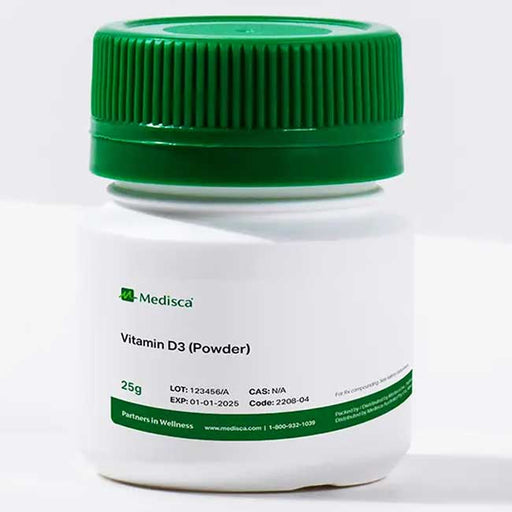
$ 145.00Tetracaine Hydrochloride USP (API) For Customer Compounding
Tetracaine Hydrochloride USP (API) is the high-purity, pharmaceutical-grade active ingredient form of tetracaine hydrochloride that meets the quali...
View full details🔒 Medical License Required -
Sale
$ 199.00NADH (Nicotinamide Adenine Dinucleotide) API Powder (Dietary Supplement Grade) *Refrigerated* (Rx)
NADH (Nicotinamide Adenine Dinucleotide - reduced form) API Powder refers to the pure, active substance used as the main ingredient in the manufact...
View full details🔒 Medical License Required -
Sale
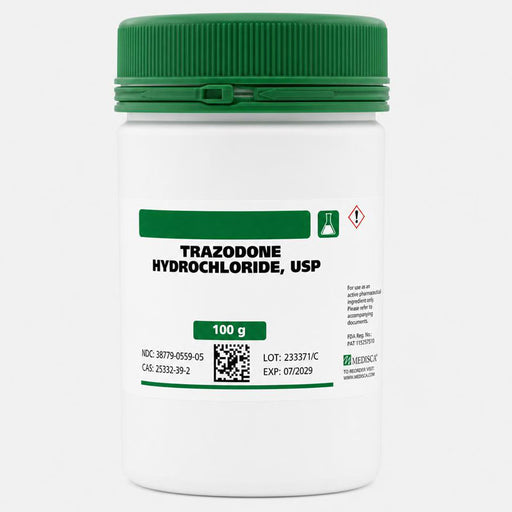
$ 105.00Trazodone Hydrochloride API Powder USP For Custom Compounding (Rx)
Trazodone hydrochloride is the active pharmaceutical ingredient (API) used in certain antidepressant medications. It is a triazolopyridine derivati...
View full details🔒 Medical License Required -
Sale
$ 139.00Tranexamic Acid API Powder USP For Customer Compounding (Rx)
Tranexamic Acid USP (API Powder) Tranexamic acid (TXA) is a synthetic analog of the amino acid lysine used as an antifibrinolytic agent. In its raw...
View full details🔒 Medical License Required -
Sale
$ 99.99Tetracaine USP API Powder for Custom Compounding Medications (Rx) *Refrigerated Item
1 reviewTetracaine USP API Powder is a pharmaceutical-grade, active pharmaceutical ingredient (API) used primarily as a local anesthetic. Tetracaine USP fo...
View full details🔒 Medical License Required -
Sale
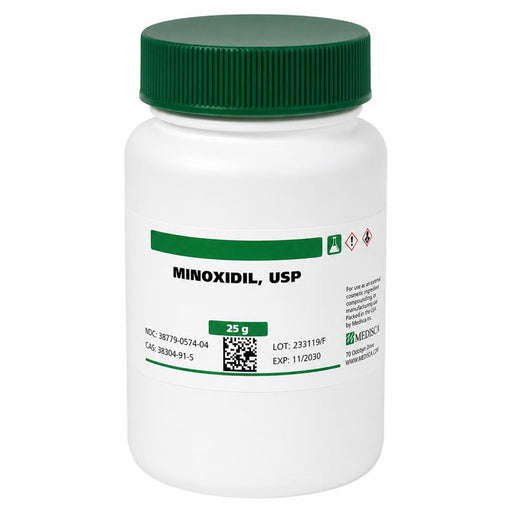
$ 119.00Minoxidil API Powder USP For Compounding, Custom Minoxidil Powder in Bulk
Minoxidil API Powder is the raw, pharmaceutical-grade active pharmaceutical ingredient (API) form of minoxidil. It is the pure, unformulated compou...
View full details🔒 Medical License Required -
Sale
$ 135.00Melatonin API Powder USP For Custom Compounding (Rx)
1 reviewMelatonin API Powder USP is the high-purity, pharmaceutical-grade form of melatonin (N-acetyl-5-methoxytryptamine) that complies with the quality a...
View full details🔒 Medical License Required -
Sale
$ 135.00Apomorphine Hydrochloride USP For Compounding (API) (Rx)
Apomorphine hydrochloride USP is an active pharmaceutical ingredient (API) used in the formulation of medications and drugs for the treatment of Pa...
View full details🔒 Medical License Required -
Sale
$ 140.00Gabapentin USP Powder API For Customer Compounding
Premium Gabapentin USP Powder API – Pharmaceutical Grade For Compounding Pharmacies, Hospitals, and Veterinary Clinics Medisca’s Gabapentin USP Pow...
View full details🔒 Medical License Required -
Sale
$ 115.00Ergoloid Mesylates API Powder USP For Custom Compounding (Rx)
Ergoloid Mesylates API Powder Ergoloid mesylates (also known as dihydroergotoxine mesilate) is a mixture of hydrogenated ergot alkaloids. Specific...
View full details🔒 Medical License Required -
Sale
$ 26.00Diphenhydramine Hydrochloride API Powder USP For Compounding (Rx)
Diphenhydramine Hydrochloride API Powder USP is the pharmaceutical-grade, high-purity form of diphenhydramine hydrochloride (the active ingredient ...
View full details🔒 Medical License Required -
Sale
$ 72.00Ascorbic Acid API Powder USP for Customer Compounding (Rx)
Ascorbic Acid API Powder USP for Customer Compounding refers to the raw, pharmaceutical-grade vitamin C (ascorbic acid) powder that meets the stand...
View full details🔒 Medical License Required -
Sale
$ 255.00Mupirocin USP For Compounding (API) (Rx) **Refrigerated**
1 reviewMupirocin USP For Compounding (API) is a topical antibiotic primarily used for the treatment of bacterial skin infections, such as impetigo and oth...
View full details🔒 Medical License Required -
Sale
$ 45.00Miconazole Nitrate API Powder USP For Custom Compounding (Rx)
Miconazole Nitrate API Powder is the pharmaceutical-grade raw material used to manufacture antifungal medications. It is not intended for direct us...
View full details🔒 Medical License Required -
Sale
$ 75.00Betahistine Hydrochloride USP For Compounding (API) (Rx)
Betahistine Hydrochloride USP is an active pharmaceutical ingredient (API) used in the treatment of vertigo and Meniere’s disease. It is a histamin...
View full details🔒 Medical License Required -
Sale
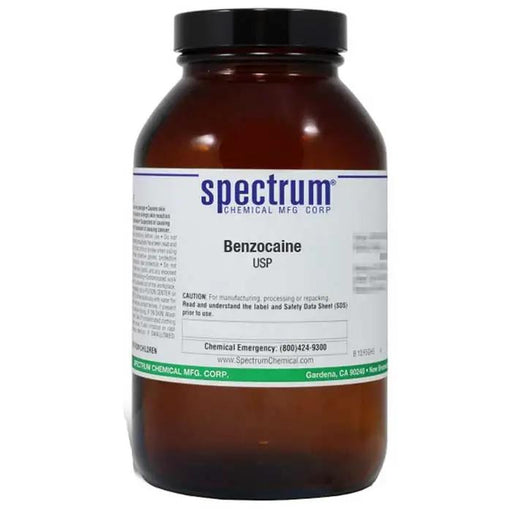
$ 79.00Benzocaine API Liquid USP for Compounding by Spectrum
1 reviewPharmaceutical-Grade Topical Anesthetic for Custom Pain Relief, Oral Gels, Dermatology, Dental, and Compounding Formulas Experience advanced patien...
View full details -
Sale
$ 195.00Vitamin D3 Powder API For Custom Compounding
Maximum Potency & Purity – Pharmaceutical Grade Vitamin D3 for Precision Compounding Unlock superior patient outcomes with Vitamin D3 Powder AP...
View full details🔒 Medical License Required -
Sale
$ 77.00Tadalafil API Powder USP For Compounding
Tadalafil API Powder USP is the pure, pharmaceutical-grade active pharmaceutical ingredient (API) form of tadalafil—the main compound used in makin...
View full details🔒 Medical License Required -
Sale
$ 95.00Sildenafil Citrate USP Powder API For Custom Compounding (Rx)
Pharmaceutical-Grade Sildenafil Citrate USP Powder API – Premium Quality for Custom Compounding Pharmacies, Hospitals, and Clinics Sildenafil Citra...
View full details🔒 Medical License Required -
Sold out
$ 64.00Metronidazole API Powder USP For Compounding
Premium Pharmaceutical-Grade Metronidazole for Custom Antimicrobial, Dermatology, Dental & Vaginal Health Therapies Unlock precision antimicrob...
View full details -
Sale
$ 97.00Ketoconazole (Micronized) API Pure Powder For Custom Compounding
1 reviewKetoconazole (Micronized) API Powder is the pharmaceutical-grade, finely ground form of the antifungal drug ketoconazole, ready for use as a raw ma...
View full details🔒 Medical License Required -
Sale
$ 77.00Hydroquinone API Powder USP For Compounding
Hydroquinone API Powder USP is the pharmaceutical-grade, pure form of hydroquinone that meets the strict quality and purity requirements set by the...
View full details🔒 Medical License Required -
Sale
$ 215.00Finasteride USP For Compounding (API)
Finasteride USP For Compounding (API) is a high-quality active pharmaceutical ingredient used primarily for the treatment of androgenic alopecia (m...
View full details🔒 Medical License Required -
Sale
$ 49.95Bupivacaine Hydrochloride Monohydrate API Powder For Compounding (Rx)
Premium Pharmaceutical-Grade Local Anesthetic for Advanced Compounding – Pain Management, Surgical, Dental & Topical Use Achieve powerful, long...
View full details🔒 Medical License Required -
Sale
$ 245.00Micronized Progesterone API Powder (Rx)
Micronized progesterone is the natural female hormone progesterone formulated into very fine (“micronized”) particles so it can be absorbed better ...
View full details🔒 Medical License Required -
Sale
$ 79.00Mometasone Furoate USP For Compounding (API)
Mometasone Furoate USP For Compounding (API) is a high-potency corticosteroid used primarily in dermatological and respiratory treatments to allevi...
View full details🔒 Medical License Required -
Sale
$ 99.00L-Carnitine API Powder USP For Compounding
Boost Energy, Support Weight Management & Optimize Athletic Performance with Pure L-Carnitine USP-Grade Powder Experience pharmaceutical-grade ...
View full details🔒 Medical License Required -
Sale
$ 59.00Calamine API Powder USP For Custom Compounding
Ultimate Relief for Itchy, Irritated Skin: Pure Calamine USP-Grade Powder for Custom Pharmacy Compounding Unlock the power of pharmaceutical-grade ...
View full details🔒 Medical License Required -
Sale
$ 215.00Amphotericin B (AmpB) USP (Oral Grade) For Compounding (API) (Rx)
Amphotericin B (AmphB) USP (Oral Grade) active pharmaceutical ingredient (API) is a broad-spectrum antifungal agent derived from Streptomyces nodos...
View full details🔒 Medical License Required -
Sale
$ 75.00Acetyl-L-carnitine Hydrochloride USP For Compounding (API) (Rx)
Acetyl-L-carnitine Hydrochloride USP is an active pharmaceutical ingredient (API) that is used in the production of medications and dietary supplem...
View full details🔒 Medical License Required -
Sale
$ 115.00Fluorouracil (5) USP For Compounding (API)
Fluorouracil (5-FU) is an active pharmaceutical ingredient (API) used in the compounding of various medications. It is an antimetabolite chemothera...
View full details🔒 Medical License Required -
Sale
$ 99.00Estradiol Hemihydrate USP (Micronized) For Compounding (API)
Estradiol Hemihydrate USP (Micronized) For Compounding (API) is a pharmaceutical-grade hormone replacement therapy ingredient used to address estro...
View full details🔒 Medical License Required -
Sale
$ 370.00Dutasteride USP For Compounding (API)
Dutasteride USP for Compounding (API) is an active pharmaceutical ingredient used in creating tailored medications in compounding pharmacies. It is...
View full details🔒 Medical License Required -
Sale
$ 95.00Chlorhexidine Gluconate Solution 20% API Liquid USP (Rx)
Chlorhexidine API This product is a USP-grade 20% (w/v) aqueous solution of chlorhexidine gluconate, used as an active pharmaceutical ingredient (A...
View full details🔒 Medical License Required -
Sale
$ 75.00Ciprofloxacin Hydrochloride USP For Compounding (API)
Ciprofloxacin Hydrochloride, USP is a prescription medication that is used to treat various bacterial infections such as urinary tract infections, ...
View full details🔒 Medical License Required -
Sale
$ 18.50Salicylic Acid USP Powder For Compounding (API)
Salicylic Acid USP Powder for Compounding (API) is a high-quality active pharmaceutical ingredient used in the formulation of customized dermatolog...
View full details🔒 Medical License Required -
Sale
$ 129.95Benzethonium Chloride USP Powder for Compounding (API) (Rx)
Benzethonium Chloride USP Powder for Compounding (API) is used to formulate antimicrobial and antiseptic products, including topical creams, hand s...
View full details🔒 Medical License Required -
Sale
$ 76.00Panthenol (Vitamin B5) USP Powder for Compounding (API) (Rx)
Panthenol (Vitamin B5) USP Powder for Compounding (API) is used to formulate personalized skincare and haircare products aimed at hydrating, soothi...
View full details -
Sale
$ 99.95Clindamycin Phosphate API Powder USP For Custom Compounding (RX)
Clindamycin Phosphate API Powder refers to the active pharmaceutical ingredient (API) form of clindamycin phosphate in its raw, powdered state. Shi...
View full details🔒 Medical License Required -
Sale 17%
Original price $ 275.00Current price $ 229.00Ceramides Xblend Powder for Compounding (API) 50 grams (Rx)
Ceramides Xblend Powder for Compounding is utilized in creating customized skin care formulations aimed at enhancing skin barrier function and hydr...
View full details -
Sale 17%
Original price $ 325.00Current price $ 269.00First Progesterone VGS 100 mg Vaginal Suppository USP Compounding Kit (RX)
The First Progesterone VGS 100 mg Vaginal Suppository USP Compounding Kit is designed for use in hormone replacement therapy, primarily to support ...
View full details🔒 Medical License Required -
Sale
$ 195.00Vitamin E Acetate (DL) USP Liquid For Compounding (API) (Rx)
Vitamin E Acetate (DL) USP Liquid for Compounding (API) is used to create tailored formulations for skin and nutritional health. Known for its anti...
View full details🔒 Medical License Required -
Sale
$ 65.00Verapamil Hydrochloride USP For Compounding (API)
Verapamil Hydrochloride USP for Compounding (API) is an active pharmaceutical ingredient used to formulate medications for managing cardiovascular ...
View full details🔒 Medical License Required -
Sale
$ 95.00Triamcinolone Acetonide (Micronized) API Powder USP For Custom Compounding
Triamcinolone Acetonide (Micronized) API Powder Triamcinolone acetonide is a potent synthetic corticosteroid (glucocorticoid) used to reduce inflam...
View full details🔒 Medical License Required -
Sale
$ 60.00Tobramycin Sulfate USP For Compounding (API)
Timolol Maleate USP for Compounding (API) is an active pharmaceutical ingredient used to formulate ophthalmic solutions and other medications for t...
View full details🔒 Medical License Required
People Also Searched For
Active Pharmaceutical Ingredients (APIs)
Active pharmaceutical ingredients (APIs) are the biologically active substances in drug products – the molecules that actually produce the therapeutic effect. FDA regulations define an API (also called a drug substance) as “any substance that is intended for incorporation into a finished drug product and is intended to furnish pharmacological activity or other direct effect… or to affect the structure or any function of the body”. In plain terms, the API is the component of a medicine that speaks to the disease. Everything else in the pill or liquid (binders, fillers, flavorings, solvents, coatings, etc.) are inactive ingredients or excipients. For example, in an acetaminophen tablet, “acetaminophen” is the API; the tablet’s starch, coloring, and binders are inactive. (FDA’s inactive-ingredient database explicitly defines an inactive ingredient as “any component of a drug product other than the active ingredient.”
APIs are usually identified by their chemical or generic name (not brand name), and pharmaceutical compendia (USP, Ph. Eur., etc.) provide official monographs for many common APIs. Active ingredients can be small organic molecules, peptides/proteins (like insulin), vaccines (antigen components), or other compounds. Each API is manufactured to strict purity and potency standards (cGMP). The FDA and WHO maintain lists of recognized APIs (and prequalified suppliers) for quality assurance.
Active Pharmaceutical Ingredients (APIs) are the essential, regulated chemical substances responsible for the therapeutic effects in medicines. APIs are the foundation of every prescription, over-the-counter, and generic drug, enabling pharmaceutical manufacturers, research organizations, compounding pharmacies, contract development and manufacturing organizations (CDMOs/CROs), and healthcare companies to deliver safe, effective, and cutting-edge therapies for a broad spectrum of health conditions.
Purpose of Active Pharmaceutical Ingredients
- Drug Formulation: APIs are combined with excipients to manufacture finished pharmaceutical products (FDF) including tablets, capsules, injectables, and topical medications.
- Therapeutic Action: The API is the component that provides the intended medicinal effect in the body—fighting infection, relieving pain, reducing inflammation, treating chronic diseases, and more.
- Biosimilar & Generic Drug Development: Essential for creating generic and biosimilar medications post-patent expiry.
- Global Drug Supply Chain: APIs drive international pharma supply, ensuring access to quality medicines worldwide.
Uses & Applications
- Prescription Drug Manufacturing: APIs for antibiotics, antivirals, antihypertensives, statins, diabetes medications, cancer therapies, mental health, hormone therapy, analgesics, cardiovascular, respiratory, and more.
- Over-the-Counter (OTC) Medicine Production: APIs in pain relievers, allergy medicines, antacids, cold and flu treatments.
- Compounding: Custom pharmacy compounding
- Vaccine Development and Biologics
- Research and Clinical Trials: Critical for development of new drug entities and therapies
- Veterinary Medications
Examples of major API categories and common APIs include:
- Analgesics/Antipyretics (Pain relievers and fever reducers): e.g. acetaminophen (paracetamol) and ibuprofen. Acetaminophen is “a non-opioid analgesic and antipyretic agent utilized for treating pain and fever”; it is widely used as the active ingredient in over-the-counter pain medicines. Ibuprofen is a nonsteroidal anti-inflammatory drug (NSAID) similarly used for mild-to-moderate pain and fever. (Both are APIs in formulations like Tylenol® or Advil®.)
- Antibiotics (Antibacterial agents): e.g. amoxicillin. Amoxicillin is a broad-spectrum aminopenicillin antibiotic “approved by the FDA for use in the primary care setting” to treat bacterial infections of the ear, throat, lungs, urinary tract, etc.. In any Amoxil® capsule or generic amoxicillin suspension, amoxicillin itself is the API.
- Cardiovascular agents: e.g. atorvastatin. Atorvastatin is an HMG-CoA reductase inhibitor (a “statin”) used to treat high cholesterol (dyslipidemia) and prevent heart disease. In its tablet form, atorvastatin (with a specific calcium salt) is the API that lowers lipid levels. Other classes like ACE inhibitors (e.g. lisinopril) or beta-blockers (e.g. metoprolol) are taken similarly.
- Hormones / Biologicals: e.g. insulin. Insulin is an essential peptide hormone used as an injectable drug to treat type 1 (and some type 2) diabetes. StatPearls notes “Insulin is a medication used in the treatment and management of diabetes mellitus”. Thus, in any U-100 insulin vial or pen, insulin (or an insulin analog) is the API. Likewise, synthetic thyroid hormones (levothyroxine), contraceptive hormones (ethinyl estradiol/progestins), or other biologic proteins (e.g. monoclonal antibodies) serve as APIs in their products.
(Note: The above is a sampling – there are thousands of APIs overall, one for each approved drug. Combinations of APIs exist too (for example, combination cold/allergy tablets may contain two or more APIs). Regulatory databases (FDA, WHO) list APIs by their International Nonproprietary Name (INN) or chemical name.)
Each API is subject to regulatory quality standards (purity, potency, stability, GMP manufacturing) because it is the active part of the medicine. In practice, whenever you read a drug label or package insert, the API(s) will be explicitly named in the “Active Ingredients” section (for example, “Acetaminophen 500 mg” on Tylenol packaging). In summary, the “Active Pharmaceutical Ingredients” of a medicine are simply the drug’s actual active compounds – for example, acetaminophen in a pain reliever, or amoxicillin in an antibiotic – and any exhaustive list would include all those known drug compounds defined by pharmacopeias and regulatory filings.
Top 10 API Categories
- Antibiotics (Amoxicillin, Ciprofloxacin, Azithromycin, Ceftriaxone)
- Antivirals (Oseltamivir, Acyclovir, Zidovudine)
- Analgesics & NSAIDs (Ibuprofen, Paracetamol/Acetaminophen, Diclofenac)
- Cardiovascular Drugs (Atorvastatin, Amlodipine, Lisinopril, Metoprolol)
- Antidiabetics (Metformin, Glibenclamide, Sitagliptin)
- Anticancer APIs (Imatinib, Paclitaxel, Doxorubicin)
- Antihistamines & Allergy (Cetirizine, Loratadine, Diphenhydramine)
- Corticosteroids (Prednisone, Dexamethasone, Hydrocortisone)
- Hormones (Estradiol, Progesterone, Testosterone, Levothyroxine)
- Antifungals (Fluconazole, Ketoconazole, Itraconazole)
- Antipsychotics & Antidepressants (Sertraline, Fluoxetine, Olanzapine)
Top 10 Active Pharmaceutical Ingredients
Common APIs (the active “drug” components) include medications used for pain, infection, chronic disease, etc. “Top” APIs by usage include both OTC and prescription agents that appear on essential-medication lists worldwide. For example:
- 1. Acetaminophen (Paracetamol): A widely used non-opioid analgesic and antipyretic for pain and fever. Acetaminophen is “a non-opioid analgesic and antipyretic agent utilized for treating pain and fever”. It is the active ingredient in many OTC pain relievers (e.g. Tylenol®).
- 2. Ibuprofen: A common NSAID used for inflammation, pain, fever. StatPearls notes ibuprofen “is a nonsteroidal anti-inflammatory drug (NSAID) used to manage…mild to moderate pain, fever, dysmenorrhea, and osteoarthritis,” and adds it “has become one of the most commonly used medications in the world”.
- 3. Naproxen: Another NSAID (like ibuprofen) for pain and arthritis. For example, one analysis calls naproxen “a non-steroidal anti-inflammatory drug (NSAID) used to treat pain, menstrual cramps, inflammatory diseases such as rheumatoid arthritis, and fever”. (Drugs like naproxen and ibuprofen often rank among top analgesics globally.)
- 4. Amoxicillin: A broad‐spectrum penicillin antibiotic used in community infections. StatPearls describes amoxicillin as “a widely utilized beta-lactam antimicrobial drug… indicated for the treatment of infections” such as ear, throat, respiratory, skin and urinary infections. It’s a first-line antibiotic in many guidelines.
- 5. Ciprofloxacin: A fluoroquinolone antibiotic used in hospitals and clinics. Industry analysis calls it “a potent second-generation fluoroquinolone antibiotic used to treat a broad spectrum of bacterial infections”. It’s commonly used for urinary, gastrointestinal, and respiratory infections.
- 6. Metformin: The standard oral diabetes medication. Metformin is “the undisputed first-line therapy for Type 2 Diabetes” due to its efficacy and safety. It is “often combined with other antidiabetic agents” and is on many countries’ essential medicine lists.
- 7. Statins (e.g. Atorvastatin, Rosuvastatin): Cholesterol‐lowering agents widely used to prevent heart disease. For example, atorvastatin “is a medication primarily used to manage and treat dyslipidemias and prevent cardiovascular disease”, and rosuvastatin similarly “reduces circulating LDL cholesterol… lowering the risk of atherosclerotic cardiovascular disease”. These are among the top-selling lipid regulators globally.
- 8. Amlodipine: A long-acting calcium-channel blocker for hypertension. Industry data notes “Amlodipine Besylate is a globally prescribed API for chronic hypertension”. In practice, it’s one of the most commonly prescribed blood-pressure medications worldwide.
- 9. Omeprazole: A proton-pump inhibitor for acid reflux and ulcers. StatPearls states “Omeprazole is a proton-pump inhibitor used to manage and treat” conditions like GERD (heartburn) and peptic ulcer disease. It and related PPIs are among the most-used gastroenterology drugs.
- 10. Albuterol (Salbutamol): A short-acting bronchodilator for asthma/COPD. StatPearls describes albuterol (salbutamol) as “a commonly prescribed bronchodilator used for managing diverse respiratory conditions, including asthma and exercise-induced bronchospasm”. It is essentially the standard “rescue inhaler” medication.
Each of the above APIs is highly significant in global therapy for its indication. (Note: Many other APIs – such as insulin (for diabetes), levothyroxine (hypothyroidism), or others – are also widely used, but the list above highlights some of the highest-volume, most essential drug substances in current use.) These examples illustrate the kinds of molecules whose names (acetaminophen, amoxicillin, etc.) you’ll find listed as the “active ingredients” on medication labels, as opposed to inert fillers or excipients.
API Forms & Strengths
- Powder, Granules, Pellets, Micronized, Crystalline
- Sterile injectable-grade APIs
- High-potency APIs (HPAPIs)
- Bulk strengths and custom concentrations (standard and customer-specified)
- Micronized and non-micronized options
Precautions & Regulatory Compliance
- Strict Regulatory Standards: All APIs must meet FDA, EMA, ICH, WHO-GMP, and country-specific regulations for quality, purity, traceability, and safety.
- Certificate of Analysis (CoA): Ensure every lot is accompanied by detailed documentation for identity, assay, impurities, and compliance.
- Storage & Handling: APIs require temperature, humidity, and contamination control; store as specified by the manufacturer or pharmacopeia.
- Potential Hazards: Handle high-potency APIs (HPAPIs), cytotoxics, and allergenic substances with specialized containment and PPE.
- Qualified Sourcing: Work with audited, reputable API suppliers for guaranteed batch consistency, supply chain security, and product quality.
- Cross-contamination: Prevent by using designated equipment/areas and validated cleaning protocols.
Key points about APIs:
- Active agent: The API is the core therapeutic substance in the drug. It is “the core component responsible for a drug’s therapeutic effect”. All other ingredients in the product are excipients, which serve as fillers, binders, coatings, etc., and have no direct medicinal action In a finished tablet or capsule, only the API provides the pharmacological effect – the excipients merely help form and deliver the dose.
- Forms and origins: APIs may be small-molecule chemicals or larger biological molecules (such as proteins, peptides, or antibodies). They can appear as powders, crystals, liquids, or extracts, depending on the drug form. APIs are typically produced by chemical synthesis, fermentation/microbial processes, plant extraction, or other biotech methods. Each API is manufactured under strict quality controls (GMP) to meet purity standards in pharmacopeias.
- Examples: Common APIs include acetylsalicylic acid (aspirin’s active ingredient, paracetamol (acetaminophen), antibiotics (e.g. amoxicillin), and biologic drugs (like insulin or monoclonal antibodies). For example, aspirin tablets contain mostly excipients by weight, but the small amount of acetylsalicylic acid in each tablet is what actually provides the pain-relieving and anti-inflammatory effect.
Because APIs determine a drug’s therapeutic action, they are tightly regulated by national and international standards. In summary, the Active Pharmaceutical Ingredient is the essential substance in a medicine that makes it work without it, a drug would have no pharmacological effect.