
Filters
- Bag (3)
- Bags (1)
- braun bags (1)
- Dextrose (3)
- doctor-only (26)
- Intravenous (5)
- intravenous injection (1)
- IV (9)
- IV Bag (12)
- iv fluid (2)
- Iv Solution (7)
- Lactated Ringers (3)
- Nacl (1)
- Saline (3)
- Saline Bag (1)
- Saline Bags (1)
- Sod (2)
- Sodium (2)
- Sodium Chloride (11)
- sodium chloride for injection (3)
- sterile water (1)
- Electrolyte Replacement (3)
- fluid resuscitation (2)
- hydration solution (1)
- Intravenous Solution (4)
- IV fluids (2)
- IV infusion (1)
- nacl (1)
- normal saline (7)
- Normal Saline IV Bags (1)
- pediatric IV fluids (1)
- Sodium Chloride 0.9 (8)
- Sodium Chloride Injection (1)
- sodium chloride IV (1)
- Sodium Chloride IV Bags (1)
- Aesthetic Supplies MedSpa Supplies & Cosmetic Surgery Supplies (6)
- Chloride Ions (1)
- Electrolytes (3)
- Isotonic Solution (1)
- IV Electrolytes (2)
- Sodium Chloride 0.9% (1)
- Sodium Chloride 0.9% IV Bag (1)
- 0.9% Sodium Chloride (1)
- 250 mL (1)
- IV Bag Solution (1)
- Replenishing Fluid (1)
- Saline Solution (2)
- Dehydration (1)
- Hydration (1)
- IV Sterile Water (1)
- IV Water (1)
- Rehydration (2)
- Severe Dehydration (1)
- Water IV (1)
- acidosis correction (1)
- balanced crystalloid (1)
- burn treatment (1)
- emergency IV fluid (1)
- fluid therapy (1)
- hospital IV bags (1)
- hospital supplies (2)
- Infusion Therapy (3)
- Lactated Ringer’s (1)
- Lactated Ringer’s solution (1)
- pediatric IV solution (1)
- perioperative care (1)
- rehydration solution (1)
- sterile IV bag (1)
- surgical recovery (1)
- trauma resuscitation (1)
- 5 Dextrose (1)
- Dextrose 5% (1)
- Dextrose 5% and 0.9% Sodium Chloride (1)
- dextrose with sodium chloride (1)
- Sugar Water (2)
- Infusion Sets (2)
- IV Administration Set (7)
- IV Connectors (1)
- IV Set (5)
- Iv Sets (11)
- IV Supplies (3)
- IV Therapy (3)
- IV Tubing (3)
- Micro drip (1)
- Roller Clamp (1)
- Y-Injection Ports (1)
- 10 Drop (1)
- 10 Drop IV Set (1)
- 72 Inch Tubing (1)
- AMSafe (1)
- Injection Y-Port (1)
- IV set (5)
- IV Set with 1 Port (1)
- Luer Lock (4)
- Rotating Male Luer Lock Connector (1)
- Without Flow Regulator (1)
- AE3108 (1)
- Amsafe (1)
- DEHP Free (3)
- Extension Set (2)
- IV Extension Set Standard Bore 8 Inch Tubing (1)
- Luer Lok (1)
- Robert Clamp (1)
- Roberts Clamp (1)
- Rotary Adapter (1)
- IV Kit (2)
- IV Kits (1)
- Iv Start Kit (1)
- IV Supply (1)
- PVP (1)
- Start IV (2)
- Tegaderm (1)
- Transparent Dressing (1)
- 15 Drop (2)
- AA3101 (1)
- Amsino IV Administration Set (1)
- Amsino IV Set (1)
- 29085 (1)
- 60 Drop (1)
- 60 drop iv set (1)
- 60 Drop Microdrip (1)
- Exel iv sets (1)
- IV Set 60 drop (1)
- 5% Dextrose (1)
- Diabetes (1)
- Diabetes medications (1)
- Diabetes Medicine (1)
- Diabetes Supplies (1)
- Fluids (1)
- Hypoglycemia (1)
- Hypoglycemia Treatment (1)
- Severe Hypoglycemia (1)
- Sugar Intake (1)
- 15 drop (2)
- 15 drop IV set (1)
- intravenous set 15 drops (1)
- iv admin set (1)
- iv bag set (1)
- IV drip set (1)
- IV Fluids (1)
- IV infusion set 15 drop (1)
- IV set 15 drop (1)
- IV set price (1)
- IV set uses (1)
- iv spike (1)
- luer lock (3)
- roller clamp (1)
- IV Solution (3)
- NACL (2)
- 2 needless ports (1)
- Amsure Iv Administration Set (1)
- Amsure Iv Set (1)
- AS3101 (1)
- IV Set 2 Ports (1)
- Needless (1)
- 5ml flush (1)
- flush catheter (1)
- flush syringe (1)
- flush syringes (2)
- monoject (1)
- prefilled syringes (5)
- blue (1)
- draw blood (1)
- iv arm (1)
- latex free (1)
- medical tourniquets (1)
- stop blood flow (1)
- synthetic nitrile (1)
- Iv Catheter (9)
- 15 drip (1)
- Y Injection Sites (1)
- C1000 (1)
- clave (1)
- connect iv administration sets (1)
- connector (1)
- IV Clave (1)
- Needleless (1)
- Needless connector (1)
- iv extension (1)
- microbore (1)
- Microbore IV Extenion Set (1)
- 10ml flush (1)
- 10ml syringe (2)
- BD flush (1)
- BD PosiFlush (1)
- Flush Line (1)
- IV Flush Syringe (1)
- Normal Saline Flush (1)
- Normal Saline Syringe (1)
- IV Dressing (1)
- 18 gauge (1)
- 18g needle for blood draw (1)
- 21 gauge (1)
- 21g needle (1)
- 22 Gauge (1)
- 22g needle for injection (1)
- 25 Gauge (1)
- 26 gauge (1)
- 27 Gauge (1)
- BD hypodermic needles (1)
- BD Needles (3)
- Blood draws (1)
- Hypodermic Needle (1)
- IM injection (1)
- IV infusions (1)
- Medical injection (1)
- Medication delivery (1)
- Needle only (1)
- pediatric use (1)
- PrecisionGlide (1)
- Sterile needles (1)
- Butterfly Needle (1)
- Butterfly Needles (1)
- IV Needles (1)
- Scalp Vein Set (2)
- Vein IV Needles (2)
- 306546 (1)
- Flush Catheter (1)
- IV Flush Solution (1)
- IV Syringes (2)
- nacl flush (1)
- PosiFlush IV Flush Solution (1)
- sodium chloride syringe (1)
- 20 Drop (1)
- AS3500 (1)
- Hanger (1)
- Male Connector (1)
- Butterfly Infusion Set (1)
- Excel Infusion Sets (1)
- Excel SecureTouch (1)
- Antibiotic (1)
- Antibiotic IV Solution (1)
- Gentamicin Sulfate (1)
- BAGS (1)
- Hospira (1)
- Intravenous infusion (1)
- bd catheter (1)
- bd insyte (1)
- bd insyte autoguard (1)
- BD Insyte IV catheter (1)
- bd iv catheter (2)
- bd shielded iv catheter (1)
- Intravenous catheter (3)
- iv cannula (2)
- IV Catheter Needle (7)
- Controlled Pressure (1)
- Disposable Infusion Bag (1)
- Infuser Bag (1)
- Rapid Infusion (1)
- 383511 (1)
- 383532 (1)
- 383536 (1)
- 383539 (1)
- bd iv cannula (1)
- bd medical (1)
- BD Nexiva (1)
- Closed IV Catheter (1)
- Closed IV Catheter Needle (1)
- Vialon Biomaterial (1)
- White Single Port (1)
- ProtectIV (1)
- ProtectIV IV Catheter (1)
- ProtectIV Peripheral Safety IV Catheter with Straight Hub (1)
- Smiths Medical (1)
- Catheter Needles (1)
- Insyte Autoguard (1)
- Retracting Safety Needle (2)
- Winged Hub (1)
- 24 gauge (1)
- 4252500-02 (1)
- Bloodborne pathogen protection (1)
- Bloodstream infection risk reduction (1)
- Hospital medical supplies (1)
- Infection prevention in hospitals (1)
- Intravenous access (1)
- IV cannula safety (1)
- Needle stick injury prevention (1)
- Safe injection technique (1)
- Sterile vascular access device (1)
- 22g IV Catheter (1)
- Introcan (1)
- Introcan IV (1)
- Introcan Safety (1)
- safety IV catheter 22g (1)
- sterile IV catheter (1)
- BD Connector (1)
- IV Therapy Administration (1)
- Negative Displacement (1)
- SmartSite (1)
- Replenish Electrolytes (1)
- Bag Connector (1)
- IV Bag Spike (1)
- Needle Free Connector (1)
- Spike Set (1)
- Empty Bag (1)
- Caloric Agent (1)
- Dextrose 10% in Water (1)
- Treat a Diabetic Insulin Reaction (1)
- Extension Tubing (1)
- Needle Free Port (1)
- Rotating Luer Connector (1)
- Small Bore (1)
- Small Bore IV Set (1)
IV Bags, IV Sets, IV Start Kits

IV bags are sterile, water-based solutions administered directly into a patient’s vein through an IV catheter. They are used to restore or maintain fluid balance, electrolytes, and nutrients, and to deliver medications rapidly into the bloodstream. Common hospital indications include correcting dehydration (e.g. from vomiting or diarrhea), replacing blood volume (e.g. in shock or bleeding), balancing electrolytes (sodium, potassium, chloride), maintaining blood pressure, and providing parenteral nutrition when oral intake is insufficient. IV therapy acts quickly since it bypasses the gut, making it indispensable in emergent and perioperative care. Because IV solutions are essentially medications, they must be prescribed, labeled, and administered with the same vigilance as any drug.
Most modern IV bags are flexible plastic containers made from PVC or non-PVC materials such as polyolefin or EVA. Some products still come in glass bottles or semi-rigid containers. The bag material matters because certain medications adsorb to PVC, require light protection, or require special tubing.
Types of IV Fluids
IV fluids fall into two broad categories: crystalloids and colloids. Crystalloids contain small solutes (electrolytes, sugars) that easily cross cell membranes; they distribute into both the vascular and interstitial spaces. Colloids contain larger molecules (proteins or polysaccharides) that largely remain in the bloodstream, increasing oncotic pressure and drawing fluid intravascularly.
-
Crystalloids (electrolyte solutions): These are the workhorses of IV therapy and are classified by tonicity-relative-to-plasma. Typical examples include:
- 0.9% Sodium Chloride (Normal Saline, NS): A non-buffered, isotonic solution of sodium and chloride (154 mEq/L each). It expands extracellular fluid volume and is widely used for resuscitation (e.g. in hypovolemic shock, dehydration). (Large volumes of NS can cause hyperchloremic metabolic acidosis.)
- Balanced Isotonic Solutions: e.g., Lactated Ringer’s (LR) and Plasma-Lyte (Normosol). These contain multiple electrolytes more closely matching plasma. For instance, LR has Na ~130 mEq/L, K 4, Ca 1.4–1.5, Cl 109, and lactate 28 mmol/L. Plasma-Lyte A has Na 140, K 5, Mg 1.5, Cl 98, acetate 27, gluconate 23 (no calcium). The lactate or acetate in LR/Plasma-Lyte acts as a bicarbonate precursor, so balanced solutions tend to better maintain acid–base balance than normal saline. These fluids are used similarly to NS (e.g. surgical resuscitation, maintenance), with the caveat that LR (containing calcium) is usually not run simultaneously with blood products.
- Dextrose 5% in Water (D5W): Initially isotonic (252 mOsm/L) but effectively hypotonic once the glucose is metabolized. D5W delivers free water and about 170 kcal/L. It is used for maintenance fluid and to provide calories, but it does not expand intravascular volume (it distributes into total body water). Importantly, dextrose solutions should not be mixed with blood products (they can cause red-cell hemolysis)..
- Hypotonic Saline: e.g., 0.45% NaCl (half-normal saline) and 0.33% NaCl (one-third NS). These solutions have lower osmolarity than plasma and drive fluid into cells. They are used to treat intracellular dehydration (e.g. hypernatremic dehydration), but must be used carefully to avoid causing hyponatremia and cerebral edema. (Because D5W becomes hypotonic after the sugar is used, it also falls in this category.)
- Combination Fluids: e.g., D5NS (5% dextrose in 0.9% NaCl) and D5½NS (5% dextrose in 0.45% NaCl). These provide both sodium and glucose. For example, normal saline with 5% dextrose is preferred over plain NS for daily maintenance fluids as it supplies some calories to prevent starvation ketosis.
- Hypertonic Solutions: e.g., 3% or 5% NaCl for severe hyponatremia or cerebral edema (these aggressively pull water out of cells), and high-concentration dextrose solutions. 10% Dextrose (D10W) provides 380 kcal/L and free water; it is hypertonic and typically given via a central line (and never with blood products) to treat starvation ketosis. 20% Dextrose (D20W) is an osmotic diuretic causing fluid shifts and diuresis. 50% Dextrose (D50W) is a very hypertonic solution used as an IV bolus to treat severe hypoglycemia. These high-dextrose fluids must be administered slowly (D20+) and usually through a central venous catheter if given continuously.
-
Colloids (plasma expanders): These contain large molecules that remain in the vascular compartment, increasing oncotic pressure and drawing fluid into blood vessels. They expand plasma volume more effectively per unit infused than crystalloids, but are more expensive and carry allergic risks. Common colloid solutions include:
- Human Albumin: Available as 5% or 25% solutions. Albumin 5% is approximately isotonic and replaces volume in hypoalbuminemic states (e.g. burns, cirrhosis); 25% albumin is hyperoncotic and draws fluid into vessels (used in shock or hypoalbuminemia to raise oncotic pressure).
- Dextrans: Polysaccharide colloids (Dextran 40 and Dextran 70). Dextran 40 (molecular weight ~40,000) improves microcirculation and is used in hypovolemic shock (e.g. trauma, burn). Dextran 70 (MW ~70,000–75,000) is a potent volume expander for hypotensive shock. Dextrans contain no electrolytes and must be given carefully (they can interfere with blood cross-matching and cause allergic reactions).
- Hydroxyethyl Starch (HES): Synthetic colloids (e.g. hetastarch, Voluven) derived from modified starch. They effectively expand intravascular volume but can impair coagulation. (Due to risk of coagulopathy and renal injury, HES use is limited.)
- Gelatin Solutions: Modified bovine gelatin colloids (e.g. Gelofusine) of lower molecular weight than starches; they expand volume but remain intravascular for a shorter time.
- Plasma Protein Fraction/Other: Rarely used now, these are pooled plasma proteins. (Fresh frozen plasma is a related blood product containing clotting factors, used for coagulation support rather than routine volume expansion.)
IV Bag Volumes and Equipment
IV fluids come in pre-packaged sterile bags made of plastic or glass. Standard adult bag volumes are 50 mL, 100 mL, 250 mL, 500 mL, and 1000 mL. The 1000 mL bag is most common for continuous infusions in adults. Smaller bags (100–250 mL) are used for pediatric patients or intermittent infusions (e.g. bolus of medication). In special cases like total parenteral nutrition (TPN or “hyperalimentation”), very large bags (1500–3000 mL) with multiple compartments may be used. Each bag has a sterile access port (for hooking up to the IV tubing spike) and may have injection ports for additives.
Primary IV tubing connects the fluid bag to the patient’s catheter. It can be a macrodrip set (20, 15, or 10 drops/mL) or a microdrip set (60 drops/mL). Macrodrip sets are standard for routine adult maintenance fluids, allowing faster rates; microdrip sets are used for precise low-rate infusions or pediatrics. The plastic drip chamber in the tubing should be kept about half-full of fluid so that air can collect above it (allowing safe infusions and enabling counting of drops when gravity-fed). IV pumps are often used to deliver fluids at a preset volume/time (mL/hr). If pumps are unavailable, fluids can be given by gravity drip, requiring calculation of drops/minute using the tubing’s drop factor.
Administration and Nursing Considerations
-
Orders and Preparation: Always verify the physician’s order (fluid type, concentration, total volume, rate, and any additives). Check the IV bag label carefully: confirm solution type, concentration, expiration date, and that the bag is intact and clear (no particulate matter). Common strengths to know include 0.9% NS, 0.45% NS, 5% Dextrose, 3%/5% NaCl, etc. Adhere to aseptic technique when spiking the bag and priming tubing (filling the line with fluid) to eliminate air bubbles. Label each hung bag/tubing per hospital policy (time mixture prepared, initials).
-
Hanging and Infusing: Hang the IV bag on a pump or drip pole above the patient’s heart. Use an IV pump when precise rate control is needed (e.g. pediatrics or critical fluids). For gravity infusions, set the roller clamp to achieve the prescribed rate in drops/minute. Macrodrip tubing might be 15 or 20 drops/mL (noted on the packaging). For example, if using a 20 gtt/mL set, 1000 mL over 8 hours = (1000 mL × 20 drops/mL)/(480 min) ≈ 42 drops/min. (Calculations are routine for nurses when pumps are unavailable.)
-
Monitoring: Nurses must closely monitor the patient and the IV site. Before starting an IV fluid, document baseline vital signs, heart/lung sounds, and the condition of the IV site. Then, periodically assess:
- IV Site Checks: Look for patency, absence of swelling or redness. Watch for infiltration (fluid leaking into tissue) or extravasation if the fluid/med is irritating. Infiltration causes coolness/swelling at the site; if noted, stop the infusion and restart IV in another site. Also check for phlebitis (pain, redness along vein) and signs of infection. If any complication occurs, discontinue that IV catheter and notify the provider. (For example, extravasation of a vesicant drug requires specific antidotes.)
- Patient Monitoring: Measure intake and output (I&O) closely. Monitor vital signs (pulse, blood pressure, respiratory rate), and watch for signs of fluid overload (e.g. edema, crackles, hypertension). Obtain relevant labs – e.g. electrolytes, hematocrit, blood glucose – to gauge effect of the fluids. For example, large volumes of NS can raise serum chloride and risk metabolic acidosis; dextrose infusions will raise blood sugar. If infusing high-sodium fluids (like 3% saline) or rapid infusions, the patient may need ICU-level monitoring (frequent neuro checks, blood chemistries).
- Electrolytes: If the order includes additives (e.g. potassium chloride in IV fluids), double-check calculations. Remember that common IV additive KCl is often given in 10–20 mEq increments per 1000 mL. Never give potassium as an IV push (it can stop the heart). Monitor ECG/telemetry when infusing KCL. Likewise, be aware that bicarb or acetate in fluids can affect acid–base balance.
-
Specific Safety Notes:
- Compatibility: Some fluids should not mix. For example, do not infuse Lactated Ringer’s with blood products if possible (calcium in LR can bind citrate in blood). Similarly, avoid attaching tubing with dextrose solutions to ongoing blood transfusions (risk of hemolysis). Check compatibility for any IV medications added (e.g. phenytoin incompatibilities, or whether an IV antibiotic can be piggybacked).
- Central vs Peripheral: Use of central venous access (central line) is recommended for hypertonic or long-term infusions (like D10W, TPN, or irritant drugs). Peripheral veins should not be used for high-Ca or high-osmolality solutions (they can cause severe vein irritation or thrombosis).
- Allergy History: Take care with colloids and certain fluids: ask if the patient has allergies to albumin, gelatin, or previous IV reactions. Colloids in particular can cause anaphylaxis (rare, but possible). Always have resuscitation equipment at hand when giving new colloids.
-
Documentation and Follow-Up: Document type and amount of fluid infused, rate, time started/stopped, and patient response. Reassess patient and lab values regularly, adjusting the IV order as needed (e.g. MD may change rate or solution). When infusions are interrupted or completed, note the stop time. When discontinuing an IV line, note the reason (infusion complete, complication, patient request, etc.).
Key Points: Nurses play a crucial role in IV therapy management. Responsibilities include inspecting the IV site, preparing and hanging the IV bag, setting up secondary “piggyback” infusions if needed, calculating and monitoring the drip rate, and observing for efficacy and complications. Because IV fluids act quickly—once in the vein their effect cannot be easily reversed—careful attention to orders, aseptic technique, and monitoring is vital. By understanding the properties (tonicity, electrolytes, calories) of each solution and following best practices (hand hygiene, equipment checks, careful monitoring), nurses and clinicians can safely use IV bags to support patient care.
Sodium Chloride IV Bags Lactated Ringer IV Bags Dextrose IV Bags Sterile Water IV Bags Acetaminophen IV Bags DOPamine Hydrochloride Lidocaine IV Bags Potassium Chloride Amino Acid Tranexamic Acid Famotidine Gentamicin Sulfate IV Sets IV Start Kits IV poles IV Ports & Connectors IV Extension Sets IV Flush Syringes Tourniquets
-
 Sale
$ 8.10
Sale
$ 8.10IV Bags, IV Fluid Solution for Intravenous & Infusion IV Therapy (Rx)
614 reviewsIV Bags (Intravenous) IV Fluid Solutions Intravenous (IV) fluids are sterile solutions given directly into a vein to replace water, electrolytes, a...
View full details🔒 Medical License Required -
 Sale
$ 10.95
Sale
$ 10.95IV Bags Sodium Chloride 0.9% Saline Solution by B Braun (Rx)
38 reviewsSodium Chloride 0.9% IV Solution, also known as Normal Saline, is an isotonic, sterile solution used for intravenous fluid therapy, rehydration, el...
View full details🔒 Medical License Required -
 Sale 30%
Original price $ 9.95Current price $ 6.95
Sale 30%
Original price $ 9.95Current price $ 6.95IV Bags, Sodium Chloride 0.9% Intravenous Saline Solution 100 mL Baxter (Rx)
No reviewsSodium Chloride 0.9% IV Bag Solution by Baxter IV Systems, a vital resource for healthcare professionals. Designed for various intravenous needs, t...
View full details🔒 Medical License Required -
 Sale 28%
Original price $ 299.95Current price $ 215.00
Sale 28%
Original price $ 299.95Current price $ 215.00IV Bags, Sodium Chloride 0.9% Intravenous Solution 250 mL (28/Case) (RX)
No reviewsElevate patient care with Sodium Chloride 0.9% IV Bag Solution by Nextgen Pharmaceuticals. This premium saline solution, packaged in a 250 mL bag, ...
View full details🔒 Medical License Required -
 Sale 35%
Original price $ 199.99Current price $ 129.00
Sale 35%
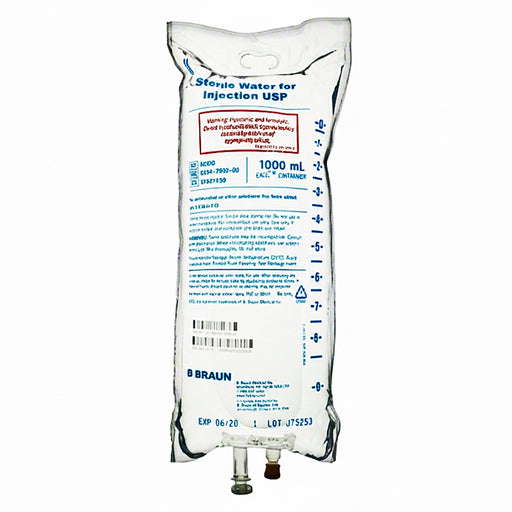
Original price $ 199.99Current price $ 129.00IV Bags, Sterile Water for Injection 1000 mL by B Braun (12/Case) (Rx)
2 reviewsSterile Water for Injection IV Bags 1000 mL by B. Braun is a pharmaceutical-grade, nonpyrogenic water meant for intravenous use, primarily as a sol...
View full details🔒 Medical License Required -
 Sale
$ 9.90
Sale
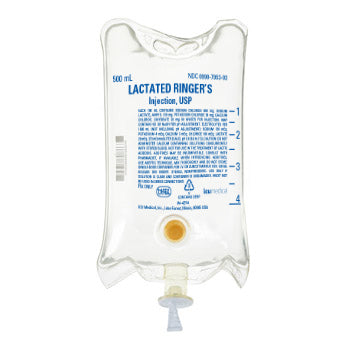
$ 9.90IV Bag, Lactated Ringer's IV Bag Solution (Rx)
225 reviewsEssential Electrolyte & Fluid Replacement – Trusted IV Therapy for Hospitals, ERs, and Clinics Experience rapid, balanced hydration and effecti...
View full details🔒 Medical License Required -
 Sold out
Original price $ 18.90Current price $ 12.40
Sold out
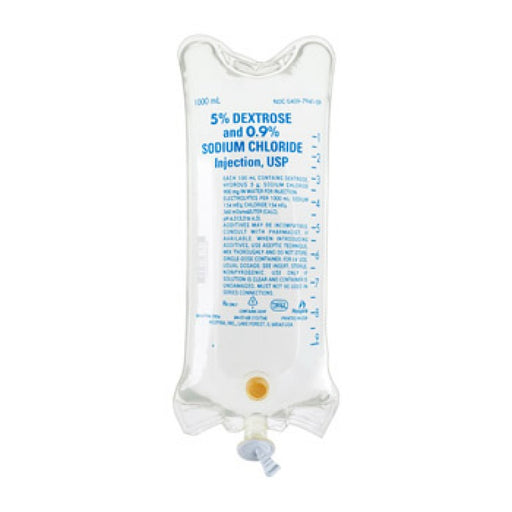
Original price $ 18.90Current price $ 12.40IV Bag Dextrose 5% and 0.9% Sodium Chloride IV Solution, 1000 mL Bag (Rx)
31 reviewsICU Medical 5% Dextrose and 0.9% Sodium Chloride injection, USP solutions are sterile and nonpyrogenic. They are large volume parenteral solutions ...
View full details -
 Sale
$ 2.09
Sale
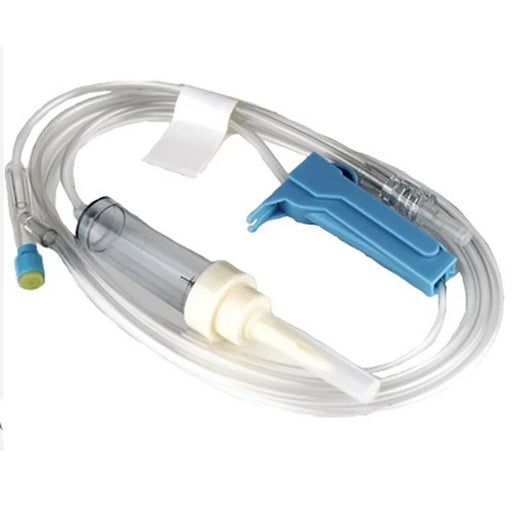
$ 2.09Exel IV Administration Set, Y-Injection Site, 78" Tube, Roller Clamp
293 reviewsExel IV Administration Set Upgrade your medical supplies with the industry’s most advanced IV Administration Set, engineered for secure, accurate, ...
View full details -
 Sale 47%
Original price $ 4.29Current price $ 2.29
Sale 47%
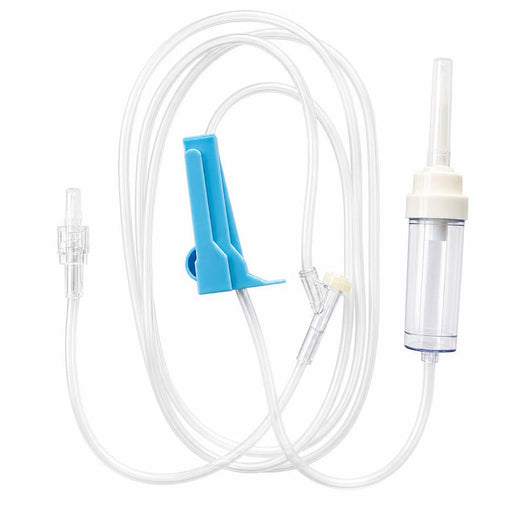
Original price $ 4.29Current price $ 2.29IV Administration Set 10 Drop with Injection Site, Rotary Luer Lock Adaptor 72" Long
93 reviewsIV Administration Set – 10-Drop/Macrodrip An IV Administration Set (10-drop) is a sterile, single-use tubing system for delivering fluids and medic...
View full details -
 Sale 27%
Original price $ 4.98Current price $ 3.65
Sale 27%
Original price $ 4.98Current price $ 3.65IV Extension Set with Needless Injection Site, Luer Lock
56 reviewsThe Amsino Amsure 8" IV Extension Set is a premium medical device designed to aid in the delivery and management of intravenous fluids and medicati...
View full details -
 Sale 46%
Original price $ 3.95Current price $ 2.15
Sale 46%
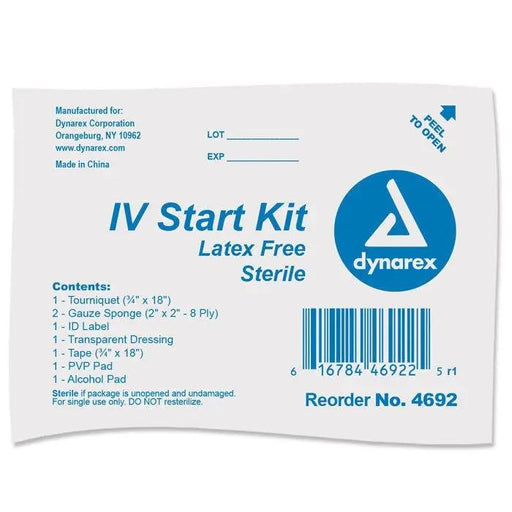
Original price $ 3.95Current price $ 2.15IV Start Kit with Transparent Dressing, Tourniquet, Tape & Prep Pads
57 reviewsA IV Start Kit with Transparent Dressing, Tourniquet, Tape & Prep Pads is a package containing all the necessary items needed to start an intra...
View full details -
 Sale 16%
Original price $ 3.89Current price $ 3.25
Sale 16%
Original price $ 3.89Current price $ 3.25Amsino IV Administration Set 15 Drop, 78" Length, Slide Clamp, Roller Clamp, Y Site, Rotating Male Luer Lock
81 reviewsAmsino IV Admin Set, 15 Drops Per mL, 78" Length, 16 mL Priming Volume, Vented/Non-Vented, 1 Slide Clamp, Roller Clamp, 1 Y Site, Rotating Male Lue...
View full details -
 Sale 10%
Original price $ 2.20Current price $ 1.98
Sale 10%
Original price $ 2.20Current price $ 1.98IV Sets, IV Administration Set 60 Drop Microdrip, Luer Lock Connector, 78' length
28 reviewsIV Set 60-Drop (Microdrip) A 60-drop microdrip IV set is a sterile infusion tubing kit used to deliver fluids or medications intravenously with ver...
View full details -
 Sale
$ 8.10
Sale
$ 8.10IV Bag Dextrose 5% for Injection by B Braun (Rx)
9 reviewsDextrose 5% for Injection, also known as D5W, is a sterile, nonpyrogenic, aqueous solution of dextrose in water for injection. Dextrose 5% for Inje...
View full details🔒 Medical License Required -
 Sale 37%
Original price $ 3.25Current price $ 2.05
Sale 37%
Original price $ 3.25Current price $ 2.05IV Set 15 Drop Luer Lock with 78" Tubing, Roller Clamp, and Y-Injection Site Ports
30 reviewsIV Set 15 Drop An IV administration set (or “infusion set”) is a sterile tubing assembly used to deliver fluids, medications or blood products dire...
View full details -
 Sale
$ 185.00
Sale
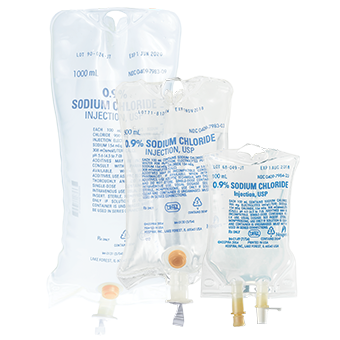
$ 185.00IV Bag Sodium Chloride 0.9% IV Bags by ICU Medical (Rx)
44 reviewsSodium Chloride 0.9% IV Solution is a sterile, nonpyrogenic, isotonic solution for intravenous administration. Each milliliter (mL) of solution con...
View full details🔒 Medical License Required -
 Sale 21%
Original price $ 5.29Current price $ 4.20
Sale 21%
Original price $ 5.29Current price $ 4.20IV Administration Set 15 Drop with Slide Clamp, (2) Needle-Free Y-Sites, Roller Clamp, Rotating Male Luer Lock, 78 inch
23 reviewsAmsino Amsure Iv Administration Set is a 15 Drop/mL that has 78" long tubing, two needless injection sites. A Amsino IV Administration Set 15 Drop ...
View full details -
 Sale 43%
Original price $ 39.95Current price $ 22.59
Sale 43%
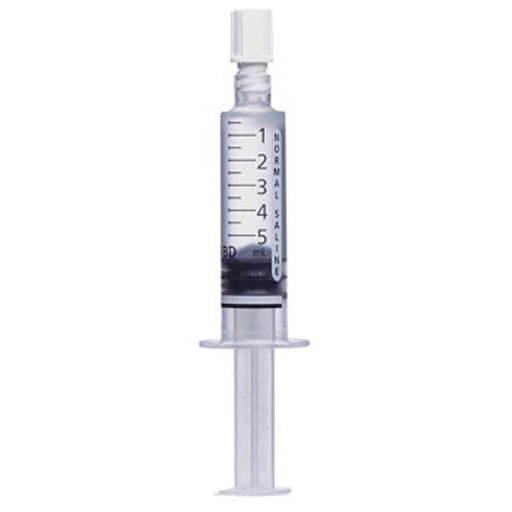
Original price $ 39.95Current price $ 22.59BD 5 mL PosiFlush Flush Syringe Sodium Chloride 0.9%, 30/box
36 reviewsBD PosiFlush Syringes are medical devices used to flush or clear out medical tubing or catheters. They are usually filled with heparin or saline so...
View full details -
 Sale 23%
Original price $ 2.59Current price $ 1.99
Sale 23%
Original price $ 2.59Current price $ 1.99Medical Tourniquets Latex Free 10/Bag
18 reviewsMedical Tourniquets are a blue, latex free elastic tourniquet used to restrict the blood flow to an extremity for a short time. Made with a synthet...
View full details -
 Sale 40%
Original price $ 5.95Current price $ 3.59
Sale 40%
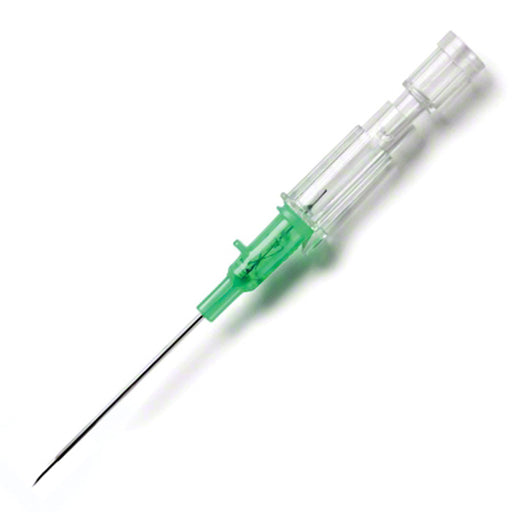
Original price $ 5.95Current price $ 3.59IV Catheter 18g x 1.25" Needle B Braun Introcan (Color Coded Green)
No reviewsThe B. Braun Introcan Safety® IV Catheter, 18G x 1.25" is engineered for secure, efficient, and safe vascular access in clinical, emergency, and ho...
View full details🔒 Medical License Required -
Sale 12%
Original price $ 2.59Current price $ 2.29
Exel I.V Administration Set, 2 Y-Injection Sites, Roller Clamp 105"
27 reviewsIV Administration Set, 15 Drops, Combination Vented/ Non-vented, (2)Y Injection Sites, Option Lock, Roller Clamp, 2 Occlusion Clamps, 105" Tube. E...
View full details -
 Sale 19%
Original price $ 1.79Current price $ 1.45
Sale 19%
Original price $ 1.79Current price $ 1.45Clave Connector with Needleless Adaptor Ports
11 reviewsA Clave Connector with Needleless Adaptor Ports is a medical device that allows access to a patient's vascular system for the purpose of administe...
View full details -
 Sale 24%
Original price $ 235.00Current price $ 179.00
Sale 24%
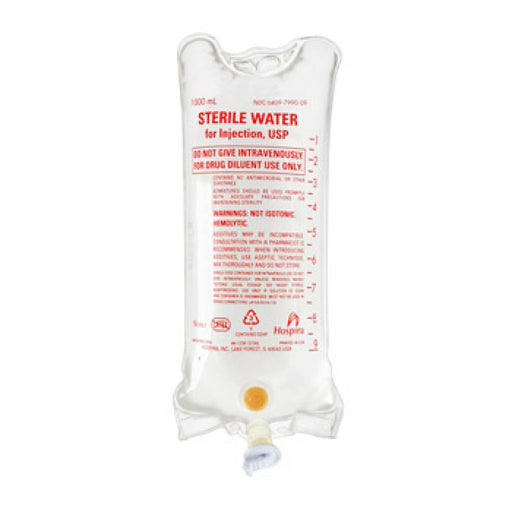
Original price $ 235.00Current price $ 179.00IV Bag Sterile Water for Injection Solution 1000ml, 12/Case (Rx)
11 reviewsSterile Water 1000mg IV bag used for intravenous use. Sterile water iv solution is a sterile, nonpyrogenie solution. Single-use container. Note: Th...
View full details🔒 Medical License Required -
 Sale 9%
Original price $ 3.95Current price $ 3.59
Sale 9%
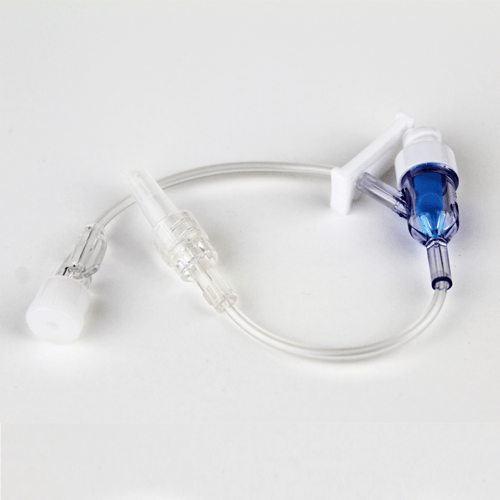
Original price $ 3.95Current price $ 3.59Microbore IV Extension Set Needleless Y-Site Luer Lock Slide Clamp
11 reviewsThe Microbore IV Extension Set Needleless Y-Site Luer Lock Slide Clamp is a medical device that is used in intravenous (IV) therapy to administer m...
View full details -
 Sale 26%
Original price $ 39.95Current price $ 29.50
Sale 26%
Original price $ 39.95Current price $ 29.50BD PosiFlush IV Flush Solution Sodium Chloride 0.9% Injection Prefilled Syringe 10 mL, 30/box
10 reviewsBD PosiFlush IV Flush Sodium Chloride 0.9% Syringe is a sterile, nonpyrogenic, isotonic solution for flushing and cleaning intravenous systems. It ...
View full details🔒 Medical License Required -
 Sale 31%
Original price $ 2.59Current price $ 1.80
Sale 31%
Original price $ 2.59Current price $ 1.80IV Start Kit, Sterile with Tegaderm Dressing, Prevantics Antiseptic Swab Pad
11 reviewsAn IV start kit is a collection of medical supplies and devices used to initiate an intravenous (IV) line for the administration of fluids, medicat...
View full details -
 Sale
$ 9.85
Sale
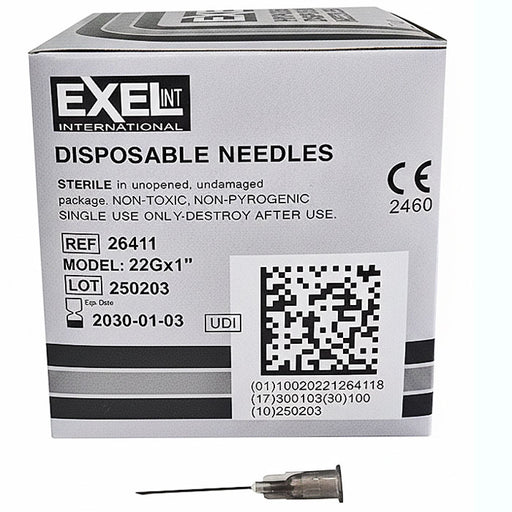
$ 9.85Hypodermic Needles w/o Syringe, All Gauge Sizes, Sterile 100/Box
11 reviewsHypodermic Needles– 18G, 21G, 22G, 25G, 26G, 27G Hypodermic Needles set the global standard for quality, performance, and safety in medication deli...
View full details -
 Sale
$ 0.60
Sale
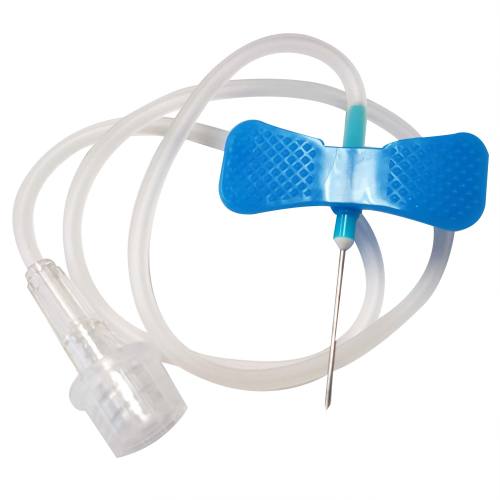
$ 0.60Butterfly Needle IV Infusion Scalp Vein Needle Set, Color Coded Sizes, Sterile (Each)
5 reviewsA butterfly needle IV infusion scalp set—also known as a winged infusion set, butterfly needle, or scalp vein set—is a special device designed for ...
View full details🔒 Medical License Required -
 Sale 40%
Original price $ 43.95Current price $ 26.20
Sale 40%
Original price $ 43.95Current price $ 26.20BD Saline Flush Syringe (Sodium Chloride 0.9%) PosiFlush 10 mL, 30/box
3 reviewsBD 306546 Sodium Chloride 0.9% PosiFlush IV Flush Solution is designed for use in maintaining catheter patency by flushing IV catheters to prevent ...
View full details -
 Sale 32%
Original price $ 2.50Current price $ 1.70
Sale 32%
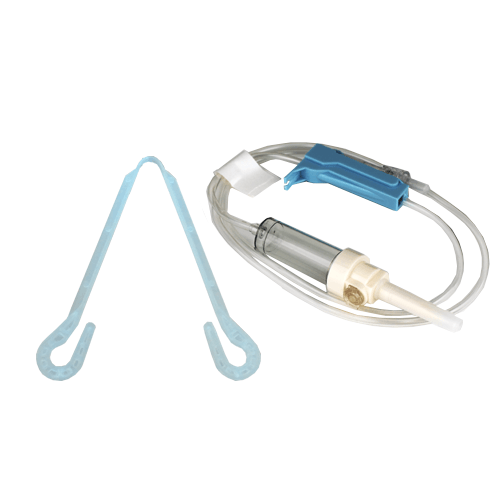
Original price $ 2.50Current price $ 1.70IV Administration Set, 20 Drop, Male Luer Lock Adapter, 40"
5 reviewsAmsino IV Administration Set 20 Drop 40 inch, One Medication Hanger is a sterile, non-pyrogenic IV set with a 20 drop per ml function and priming v...
View full details -
 Sale 17%
Original price $ 59.95Current price $ 49.95
Sale 17%
Original price $ 59.95Current price $ 49.95Exel Butterfly Infusion Set 25 G x ¾" with 12" Tube 50/box
No reviewsThe Excel SecureTouch Safety Butterfly Infusion Set is a great product that helps to keep you safe while you are infusing. The set comes with a 25 ...
View full details🔒 Medical License Required -
 Sale 17%
Original price $ 289.95Current price $ 240.00
Sale 17%
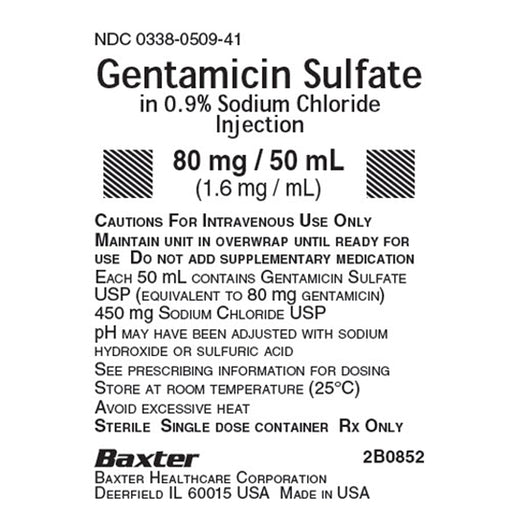
Original price $ 289.95Current price $ 240.00IV Bags, Gentamicin Sulfate in 0.9% Sodium Chloride IV Solution Bags Injection 80 mg in 50 mL VIAFLEX Plus Bags, 24/Case
No reviewsDiscover the exceptional efficacy of Gentamicin Sulfate in 0.9% Sodium Chloride IV Solution, housed in convenient VIAFLEX Plus Bags by Baxter IV Sy...
View full details🔒 Medical License Required -
 Sale 10%
Original price $ 14.95Current price $ 13.50
Sale 10%
Original price $ 14.95Current price $ 13.50IV Bag Sodium Chloride 0.9% IV Solution Saline 1000 mL Bag (EACH) (Rx)
173 reviewsSodium Chloride for Injection is a iv bags used as a iv solution. It is also made with clearly labeled graduation marks and has a rigid saddle with...
View full details🔒 Medical License Required -
 Sale
$ 4.15
Sale
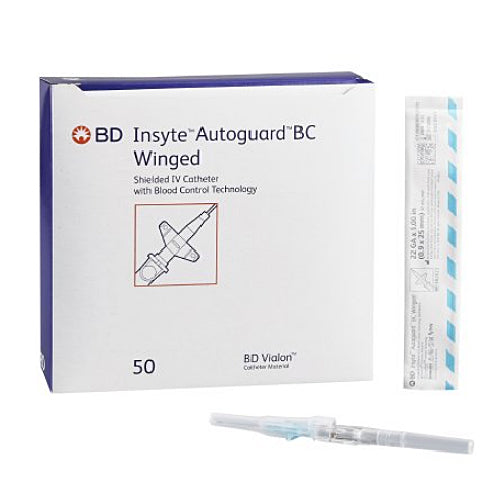
$ 4.15BD Insyte Autoguard IV Catheter BC Shielded with Button Retracting Safety Needle
3 reviewsBD Insyte Autoguard™ BC Shielded IV Catheter The BD Insyte Autoguard™ BC is a shielded safety peripheral IV catheter with built-in “Blood Control” ...
View full details -
 Sale 31%
Original price $ 39.95Current price $ 27.75
Sale 31%
Original price $ 39.95Current price $ 27.75Pressure Infuser Bag with Stopcock Valve and Piston Gauge 1000mL
3 reviewsA Pressure Infuser Bag with a Stopcock Valve and Piston Gauge is a medical device used to administer fluids or blood products quickly and efficient...
View full details🔒 Medical License Required -
 Sale
$ 8.95
Sale
$ 8.95BD Nexiva Closed IV Catheter System with Sliding Safety Shield
1 reviewBD Nexiva Closed IV Catheter System The BD Nexiva is a closed intravenous (IV) catheter system – essentially an all-in-one peripheral IV catheter (...
View full details🔒 Medical License Required -
 Sale 38%
Original price $ 5.95Current price $ 3.70
Sale 38%
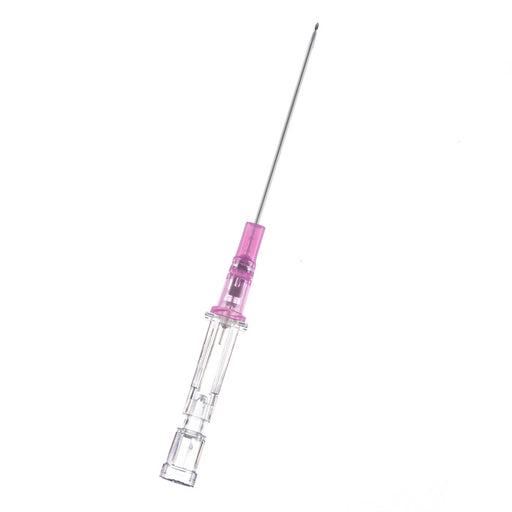
Original price $ 5.95Current price $ 3.70IV Catheter Needle Introcan Safety 20 g x 1 Inch Straight - B Braun
No reviewsB Braun IV Catheter Needle Introcan Safety 20 g x 1 Inch is an advanced medical device designed to ensure safe and efficient therapy delivery throu...
View full details🔒 Medical License Required -
 Sale 46%
Original price $ 5.99Current price $ 3.25
Sale 46%
Original price $ 5.99Current price $ 3.25ProtectIV Peripheral Safety IV Catheter with Straight Hub
No reviewsProtectIV Safety IV Catheter The ProtectIV (by ICU Medical) is a peripheral IV catheter with a built-in safety needle shield. It is a straight-hub ...
View full details🔒 Medical License Required -
 Sale 39%
Original price $ 129.95Current price $ 78.95
Sale 39%
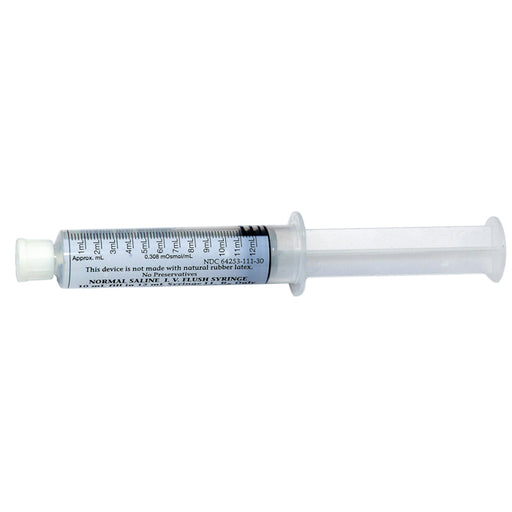
Original price $ 129.95Current price $ 78.95IV Flush Sodium Chloride 0.9% Prefilled Syringes 10 mL fill in 12 mL x 60/Box
2 reviewsPrefilled Sodium Chloride 0.9% IV Flush Syringes 10 mL are used for flushing intravenous (IV) catheters or access ports to maintain patency and pre...
View full details -
 Sale 25%
Original price $ 109.99Current price $ 82.95
Sale 25%
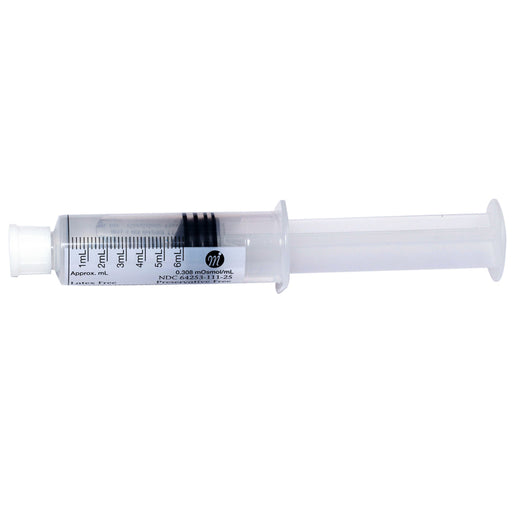
Original price $ 109.99Current price $ 82.95Sodium Chloride 0.9% IV Flush Prefilled Syringes 5 mL fill in 6 mL x 60/Box (Rx)
No reviewsMedefil MIS-1125 Prefilled Sodium Chloride 0.9% IV Flush Syringes 5 mL x 60/Box. IV Flush Syringes use IV flushes to clear out intravenous lines ...
View full details🔒 Medical License Required -
 Sale 38%
Original price $ 5.99Current price $ 3.70
Sale 38%
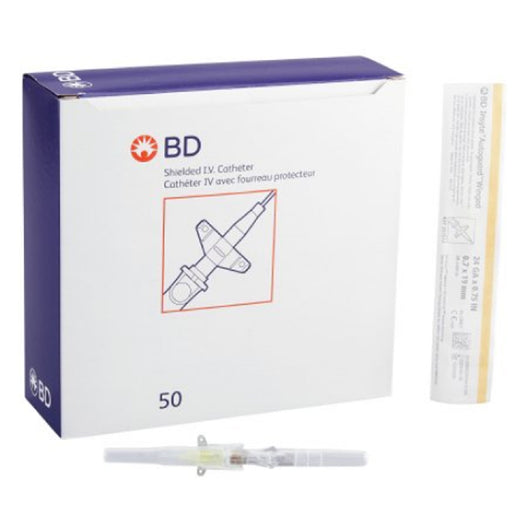
Original price $ 5.99Current price $ 3.70BD Insyte Autoguard Peripheral IV Catheter with Button Retracting Safety Needle
1 reviewThe Insyte Autoguard Peripheral IV Catheter with Button Retracting Safety Needle is a revolutionary medical device that has been specifically desig...
View full details -
 Sale
$ 172.00
Sale
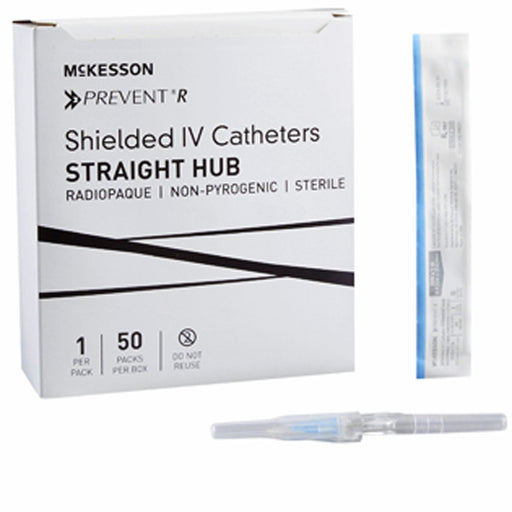
$ 172.00IV Catheters 22 gauge x 1" Prevent R Shielded with Button Retracting Safety Needle, 50/Box
1 reviewPrevent Shielded IV Catheter Needles with Button Retracting Safety Needle 22 gauge x 1" are uniquely designed needles that are designed to reduce t...
View full details🔒 Medical License Required -
 Sale 34%
Original price $ 5.95Current price $ 3.95
Sale 34%
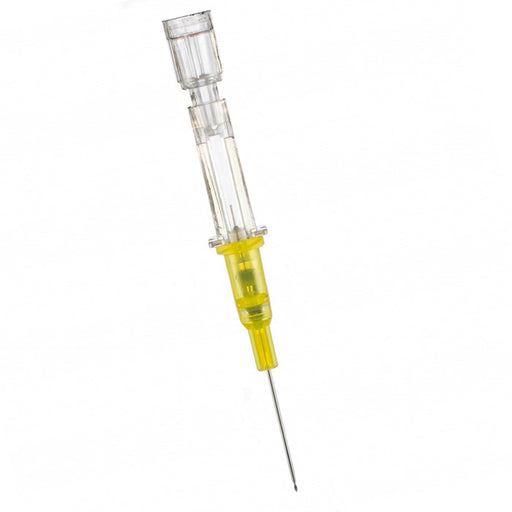
Original price $ 5.95Current price $ 3.95IV Catheter Needle 24 g x 0.75 Inch Introcan Safety Straight by B Braun
No reviewsThe Gold Standard for Patient Safety, Reliable Vascular Access, and Infection Prevention The IV Catheter Needle Introcan Safety 24g x 0.75 Inch Str...
View full details🔒 Medical License Required -
 Sale
$ 165.00
Sale
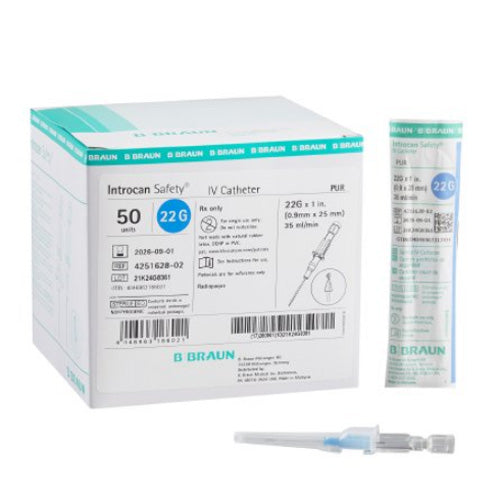
$ 165.00Introcan Safety IV Catheter Needles 22 gauge x 1 inch, Sterile 50/Box by B Braun
No reviewsBest IV Catheter for Hospitals, Clinics & EMS Elevate vascular access safety and patient comfort with the #1 clinician-trusted Introcan Safety ...
View full details🔒 Medical License Required -
 Sale 43%
Original price $ 4.99Current price $ 2.85
Sale 43%
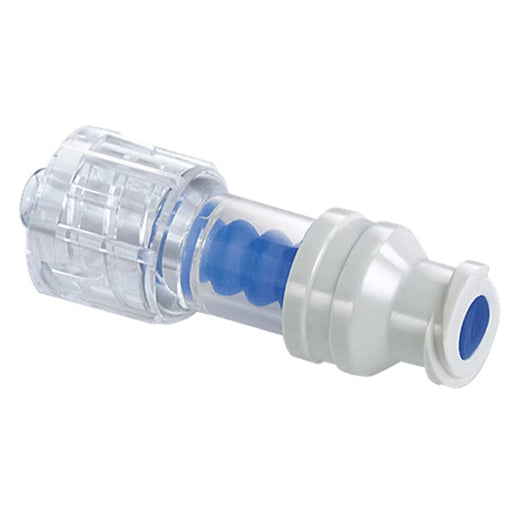
Original price $ 4.99Current price $ 2.85BD SmartSite Needle-Free Connector 2000E
No reviewsThe BD 2000E SmartSite connector pairs with the Texium™ closed male luer to form a leak-free closed system drug transfer device (CSTD) to deliver h...
View full details -
 Sale
$ 8.90
Sale
$ 8.90IV Bag Lactated Ringer Solution (Rx)
225 reviewsLactated Ringer's IV Solution is used to replace lost fluids and electrolytes in patients who are dehydrated or experiencing fluid and/or electroly...
View full details🔒 Medical License Required -
 Sale 32%
Original price $ 9.95Current price $ 6.80
Sale 32%
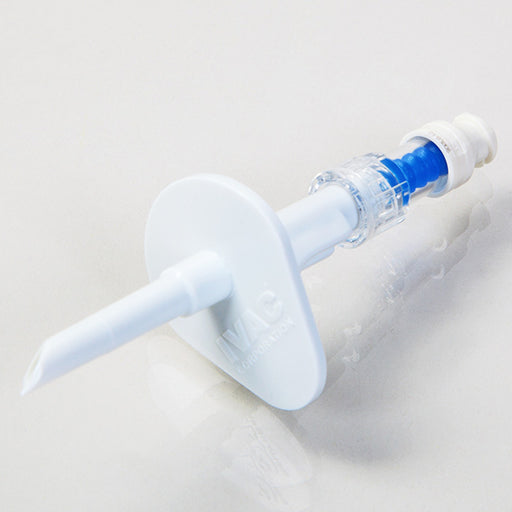
Original price $ 9.95Current price $ 6.80IV Bag Spike with SmartSite Port for Needle-Free Withdraws Sterile
No reviewsThe IV Bag Spike with SmartSite offers clinicians a cutting-edge solution to their intravenous administration needs. This innovative device ensures...
View full details -
 Sale 52%
Original price $ 9.25Current price $ 4.45
Sale 52%
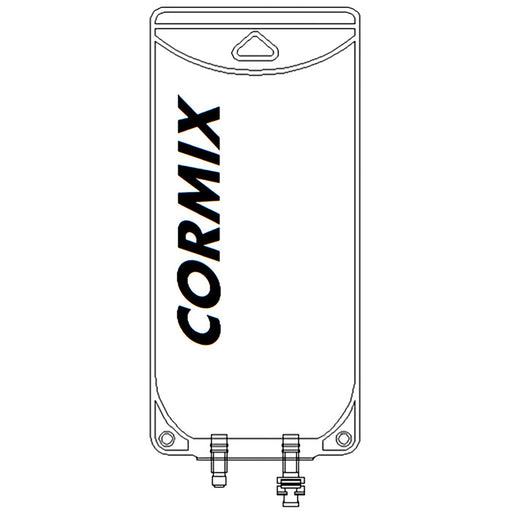
Original price $ 9.25Current price $ 4.45EVA Empty IV Bag, 2 Port 250 mL
11 reviewsEVA Empty IV Bag 250 mL is a vital medical tool used for administering intravenous fluids and medications. These bags are made from Ethyl Vinyl Ace...
View full details


People Also Searched For
IV bags are sterile, water-based solutions administered directly into a patient’s vein through an IV catheter. They are used to restore or maintain fluid balance, electrolytes, and nutrients, and to deliver medications rapidly into the bloodstream. Common hospital indications include correcting dehydration (e.g. from vomiting or diarrhea), replacing blood volume (e.g. in shock or bleeding), balancing electrolytes (sodium, potassium, chloride), maintaining blood pressure, and providing parenteral nutrition when oral intake is insufficient. IV therapy acts quickly since it bypasses the gut, making it indispensable in emergent and perioperative care. Because IV solutions are essentially medications, they must be prescribed, labeled, and administered with the same vigilance as any drug.
Most modern IV bags are flexible plastic containers made from PVC or non-PVC materials such as polyolefin or EVA. Some products still come in glass bottles or semi-rigid containers. The bag material matters because certain medications adsorb to PVC, require light protection, or require special tubing.
Types of IV Fluids
IV fluids fall into two broad categories: crystalloids and colloids. Crystalloids contain small solutes (electrolytes, sugars) that easily cross cell membranes; they distribute into both the vascular and interstitial spaces. Colloids contain larger molecules (proteins or polysaccharides) that largely remain in the bloodstream, increasing oncotic pressure and drawing fluid intravascularly.
-
Crystalloids (electrolyte solutions): These are the workhorses of IV therapy and are classified by tonicity-relative-to-plasma. Typical examples include:
- 0.9% Sodium Chloride (Normal Saline, NS): A non-buffered, isotonic solution of sodium and chloride (154 mEq/L each). It expands extracellular fluid volume and is widely used for resuscitation (e.g. in hypovolemic shock, dehydration). (Large volumes of NS can cause hyperchloremic metabolic acidosis.)
- Balanced Isotonic Solutions: e.g., Lactated Ringer’s (LR) and Plasma-Lyte (Normosol). These contain multiple electrolytes more closely matching plasma. For instance, LR has Na ~130 mEq/L, K 4, Ca 1.4–1.5, Cl 109, and lactate 28 mmol/L. Plasma-Lyte A has Na 140, K 5, Mg 1.5, Cl 98, acetate 27, gluconate 23 (no calcium). The lactate or acetate in LR/Plasma-Lyte acts as a bicarbonate precursor, so balanced solutions tend to better maintain acid–base balance than normal saline. These fluids are used similarly to NS (e.g. surgical resuscitation, maintenance), with the caveat that LR (containing calcium) is usually not run simultaneously with blood products.
- Dextrose 5% in Water (D5W): Initially isotonic (252 mOsm/L) but effectively hypotonic once the glucose is metabolized. D5W delivers free water and about 170 kcal/L. It is used for maintenance fluid and to provide calories, but it does not expand intravascular volume (it distributes into total body water). Importantly, dextrose solutions should not be mixed with blood products (they can cause red-cell hemolysis)..
- Hypotonic Saline: e.g., 0.45% NaCl (half-normal saline) and 0.33% NaCl (one-third NS). These solutions have lower osmolarity than plasma and drive fluid into cells. They are used to treat intracellular dehydration (e.g. hypernatremic dehydration), but must be used carefully to avoid causing hyponatremia and cerebral edema. (Because D5W becomes hypotonic after the sugar is used, it also falls in this category.)
- Combination Fluids: e.g., D5NS (5% dextrose in 0.9% NaCl) and D5½NS (5% dextrose in 0.45% NaCl). These provide both sodium and glucose. For example, normal saline with 5% dextrose is preferred over plain NS for daily maintenance fluids as it supplies some calories to prevent starvation ketosis.
- Hypertonic Solutions: e.g., 3% or 5% NaCl for severe hyponatremia or cerebral edema (these aggressively pull water out of cells), and high-concentration dextrose solutions. 10% Dextrose (D10W) provides 380 kcal/L and free water; it is hypertonic and typically given via a central line (and never with blood products) to treat starvation ketosis. 20% Dextrose (D20W) is an osmotic diuretic causing fluid shifts and diuresis. 50% Dextrose (D50W) is a very hypertonic solution used as an IV bolus to treat severe hypoglycemia. These high-dextrose fluids must be administered slowly (D20+) and usually through a central venous catheter if given continuously.
-
Colloids (plasma expanders): These contain large molecules that remain in the vascular compartment, increasing oncotic pressure and drawing fluid into blood vessels. They expand plasma volume more effectively per unit infused than crystalloids, but are more expensive and carry allergic risks. Common colloid solutions include:
- Human Albumin: Available as 5% or 25% solutions. Albumin 5% is approximately isotonic and replaces volume in hypoalbuminemic states (e.g. burns, cirrhosis); 25% albumin is hyperoncotic and draws fluid into vessels (used in shock or hypoalbuminemia to raise oncotic pressure).
- Dextrans: Polysaccharide colloids (Dextran 40 and Dextran 70). Dextran 40 (molecular weight ~40,000) improves microcirculation and is used in hypovolemic shock (e.g. trauma, burn). Dextran 70 (MW ~70,000–75,000) is a potent volume expander for hypotensive shock. Dextrans contain no electrolytes and must be given carefully (they can interfere with blood cross-matching and cause allergic reactions).
- Hydroxyethyl Starch (HES): Synthetic colloids (e.g. hetastarch, Voluven) derived from modified starch. They effectively expand intravascular volume but can impair coagulation. (Due to risk of coagulopathy and renal injury, HES use is limited.)
- Gelatin Solutions: Modified bovine gelatin colloids (e.g. Gelofusine) of lower molecular weight than starches; they expand volume but remain intravascular for a shorter time.
- Plasma Protein Fraction/Other: Rarely used now, these are pooled plasma proteins. (Fresh frozen plasma is a related blood product containing clotting factors, used for coagulation support rather than routine volume expansion.)
IV Bag Volumes and Equipment
IV fluids come in pre-packaged sterile bags made of plastic or glass. Standard adult bag volumes are 50 mL, 100 mL, 250 mL, 500 mL, and 1000 mL. The 1000 mL bag is most common for continuous infusions in adults. Smaller bags (100–250 mL) are used for pediatric patients or intermittent infusions (e.g. bolus of medication). In special cases like total parenteral nutrition (TPN or “hyperalimentation”), very large bags (1500–3000 mL) with multiple compartments may be used. Each bag has a sterile access port (for hooking up to the IV tubing spike) and may have injection ports for additives.
Primary IV tubing connects the fluid bag to the patient’s catheter. It can be a macrodrip set (20, 15, or 10 drops/mL) or a microdrip set (60 drops/mL). Macrodrip sets are standard for routine adult maintenance fluids, allowing faster rates; microdrip sets are used for precise low-rate infusions or pediatrics. The plastic drip chamber in the tubing should be kept about half-full of fluid so that air can collect above it (allowing safe infusions and enabling counting of drops when gravity-fed). IV pumps are often used to deliver fluids at a preset volume/time (mL/hr). If pumps are unavailable, fluids can be given by gravity drip, requiring calculation of drops/minute using the tubing’s drop factor.
Administration and Nursing Considerations
-
Orders and Preparation: Always verify the physician’s order (fluid type, concentration, total volume, rate, and any additives). Check the IV bag label carefully: confirm solution type, concentration, expiration date, and that the bag is intact and clear (no particulate matter). Common strengths to know include 0.9% NS, 0.45% NS, 5% Dextrose, 3%/5% NaCl, etc. Adhere to aseptic technique when spiking the bag and priming tubing (filling the line with fluid) to eliminate air bubbles. Label each hung bag/tubing per hospital policy (time mixture prepared, initials).
-
Hanging and Infusing: Hang the IV bag on a pump or drip pole above the patient’s heart. Use an IV pump when precise rate control is needed (e.g. pediatrics or critical fluids). For gravity infusions, set the roller clamp to achieve the prescribed rate in drops/minute. Macrodrip tubing might be 15 or 20 drops/mL (noted on the packaging). For example, if using a 20 gtt/mL set, 1000 mL over 8 hours = (1000 mL × 20 drops/mL)/(480 min) ≈ 42 drops/min. (Calculations are routine for nurses when pumps are unavailable.)
-
Monitoring: Nurses must closely monitor the patient and the IV site. Before starting an IV fluid, document baseline vital signs, heart/lung sounds, and the condition of the IV site. Then, periodically assess:
- IV Site Checks: Look for patency, absence of swelling or redness. Watch for infiltration (fluid leaking into tissue) or extravasation if the fluid/med is irritating. Infiltration causes coolness/swelling at the site; if noted, stop the infusion and restart IV in another site. Also check for phlebitis (pain, redness along vein) and signs of infection. If any complication occurs, discontinue that IV catheter and notify the provider. (For example, extravasation of a vesicant drug requires specific antidotes.)
- Patient Monitoring: Measure intake and output (I&O) closely. Monitor vital signs (pulse, blood pressure, respiratory rate), and watch for signs of fluid overload (e.g. edema, crackles, hypertension). Obtain relevant labs – e.g. electrolytes, hematocrit, blood glucose – to gauge effect of the fluids. For example, large volumes of NS can raise serum chloride and risk metabolic acidosis; dextrose infusions will raise blood sugar. If infusing high-sodium fluids (like 3% saline) or rapid infusions, the patient may need ICU-level monitoring (frequent neuro checks, blood chemistries).
- Electrolytes: If the order includes additives (e.g. potassium chloride in IV fluids), double-check calculations. Remember that common IV additive KCl is often given in 10–20 mEq increments per 1000 mL. Never give potassium as an IV push (it can stop the heart). Monitor ECG/telemetry when infusing KCL. Likewise, be aware that bicarb or acetate in fluids can affect acid–base balance.
-
Specific Safety Notes:
- Compatibility: Some fluids should not mix. For example, do not infuse Lactated Ringer’s with blood products if possible (calcium in LR can bind citrate in blood). Similarly, avoid attaching tubing with dextrose solutions to ongoing blood transfusions (risk of hemolysis). Check compatibility for any IV medications added (e.g. phenytoin incompatibilities, or whether an IV antibiotic can be piggybacked).
- Central vs Peripheral: Use of central venous access (central line) is recommended for hypertonic or long-term infusions (like D10W, TPN, or irritant drugs). Peripheral veins should not be used for high-Ca or high-osmolality solutions (they can cause severe vein irritation or thrombosis).
- Allergy History: Take care with colloids and certain fluids: ask if the patient has allergies to albumin, gelatin, or previous IV reactions. Colloids in particular can cause anaphylaxis (rare, but possible). Always have resuscitation equipment at hand when giving new colloids.
-
Documentation and Follow-Up: Document type and amount of fluid infused, rate, time started/stopped, and patient response. Reassess patient and lab values regularly, adjusting the IV order as needed (e.g. MD may change rate or solution). When infusions are interrupted or completed, note the stop time. When discontinuing an IV line, note the reason (infusion complete, complication, patient request, etc.).
Key Points: Nurses play a crucial role in IV therapy management. Responsibilities include inspecting the IV site, preparing and hanging the IV bag, setting up secondary “piggyback” infusions if needed, calculating and monitoring the drip rate, and observing for efficacy and complications. Because IV fluids act quickly—once in the vein their effect cannot be easily reversed—careful attention to orders, aseptic technique, and monitoring is vital. By understanding the properties (tonicity, electrolytes, calories) of each solution and following best practices (hand hygiene, equipment checks, careful monitoring), nurses and clinicians can safely use IV bags to support patient care.
Sodium Chloride IV Bags Lactated Ringer IV Bags Dextrose IV Bags Sterile Water IV Bags Acetaminophen IV Bags DOPamine Hydrochloride Lidocaine IV Bags Potassium Chloride Amino Acid Tranexamic Acid Famotidine Gentamicin Sulfate IV Sets IV Start Kits IV poles IV Ports & Connectors IV Extension Sets IV Flush Syringes Tourniquets
FAQs About IV Bags, IV Sets, IV Start Kits
-
What is an IV Bag?
IV Bags, also known as intravenous bags, deliver sterile saline solutions or electrolyte fluids directly into the bloodstream for rapid hydration, electrolyte balance, and essential nutrient replenishment. Trusted in hospitals, urgent care, and at-home therapy, IV fluids are clinically proven to treat dehydration, support recovery from illness or surgery, and improve overall wellness.
-
What IV Fluid is Best for Dehydration?
Normal saline (0.9% sodium chloride) is the most recommended IV fluid for dehydration. It quickly restores fluid balance, corrects electrolyte deficiencies, and supports vital organ function. In cases where nutrient loss is significant, additional fluids like Lactated Ringer’s solution or dextrose may be used under medical guidance.
-
Signs and Symptoms of Dehydration
Recognizing dehydration is crucial for timely intervention. Common symptoms include: Excessive thirst and dry mouth Fatigue and dizziness Dark or reduced urine output Low blood pressure Rapid heartbeat Confusion and irritability
-
How long does an IV bag take to drain?
Most standard 1-liter IV bags take about 30–60 minutes to infuse, depending on your medical needs and drip rate. Always follow healthcare provider instructions.
-
Potential Risks of Saline IV
While generally safe, risks of saline IV include infection, phlebitis, fluid overload, and allergic reactions. Only trained medical professionals should administer IVs.Many insurance plans cover medically necessary IV fluids administered in hospitals or clinics. At-home IV therapy coverage varies, so always check with your provider. We accept HSA/FSA payments where eligible.
-
What not to do after an IV drip:
Avoid strenuous activity for 24 hours, keep your IV site clean and dry, and monitor for redness or swelling.
-
How much water equals an IV bag?
One 1L IV bag is equivalent to drinking about 2–3 glasses of water, but hydration via IV is much faster and more effective for severe dehydration.
-
How long do IV fluids stay in your system?
Most IV fluids are metabolized and excreted within 24–48 hours.
-
How soon after IV fluids do you feel better?
Many people report improved energy, alertness, and well-being within minutes to an hour after receiving an IV.
-
How much weight can you gain from IV fluids?
You may retain up to 2–3 pounds temporarily after large-volume IV infusions, but this resolves as your body processes the extra fluid.
-
Is it okay to let an IV bag run dry?
No; letting an IV run dry can allow air into the line, risking air embolism. IV bags should be managed and monitored by professionals.
-
Who should avoid IV therapy?
People with heart failure Kidney disease patients Those with severe electrolyte abnormalities or allergies
-
Why do hospitals always give IVs?
IVs allow for rapid treatment, instant medication delivery, and controlled hydration—vital in emergencies.
-
What infection requires an IV?
Serious infections like sepsis, pneumonia, and meningitis often require antibiotics via IV for effective and fast treatment.
-
Is one IV bag enough to rehydrate?
In most mild to moderate dehydration cases, one IV bag restores normal hydration, but severe cases may require more under supervision.
-
Why Choose Our IV Bags?
FDA-approved medical-grade products Sterile, individually-packaged saline & electrolyte solutions Suitable for clinics, hospitals, home health, or travel emergencies Trusted by healthcare professionals nationwide