
Filters
- antifibrinolytic (1)
- Antifibrinolytic Agent (7)
- bleeding control (1)
- Blood Loss (3)
- doctor-only (11)
- Emergency Medical Supplies (6)
- Emergency Responders (6)
- EMS (6)
- Heavy Blood Loss (7)
- Hemophilia (4)
- hemorrhage (1)
- Hemorrhaging Blood (1)
- Loss of Blood (6)
- Prevent Hemorrhage (1)
- Stop bleeding (5)
- Tranexamic Acid (11)
- Tranexamic Acid Injection (3)
- trauma hemorrhage (1)
- Bleeding Control (1)
- Bleeding disorders (4)
- Caplin Steriles (1)
- Dental Procedures (2)
- Emergency Bleeding (1)
- Gynecological Bleeding (1)
- Major Surgery Bleeding Contro (1)
- Menorrhagia Bleeding (1)
- Postpartum Hemorrhage (1)
- Tranexamic Injection (1)
- Ampule (1)
- Ampules (1)
- Cyklokapron (3)
- Provepharm (1)
- blood clots (2)
- Clotting (1)
- Excessive Bleeding (4)
- Hemostasis (2)
- Menstrual Bleeding (3)
- Prevent Blood Clots (1)
- Surgeries (1)
- Bleeding Disorders (1)
- Buy Tranexamic (1)
- Compounding (1)
- Hereditary Angioedema (1)
- Medisca (1)
- Pharmacy Compounding (1)
- Pure Tranexamic (1)
- Stop hemorrhage (1)
- Surgical Bleeding (1)
- Tranexamic for Compounding (1)
- Tranexamic Near Me (1)
- Tranexamic Powder (1)
- Perioperative Care (2)
- Surgical procedures (2)
- Trauma Cases (1)
- 372888178301 (1)
- 72888-0178-30 (1)
- blood clot prevention (1)
- fibrin stabilization (1)
- heavy menstrual bleeding (1)
- hemostasis control (1)
- menorrhagia treatment (1)
- Menstrual Health (1)
- surgical bleeding (1)
- Tranexamic 650mg (1)
- IV Bag (1)
- Iv Bags (2)
- Blood clotting (1)
- Break up Blood Clots (1)
- Hemostatic (1)
- Surgery Recovery (1)
- Vials (1)
Tranexamic Acid Injections, Tablets & IV Solutions
Tranexamic Acid
Tranexamic acid injection is a prescription antifibrinolytic agent (a “clot-stabilizing” drug). Its active ingredient, tranexamic acid, is an amino acid that helps slow down bleeding by blocking the breakdown of blood clots. Normally, when the body is bleeding, it forms clots made of fibrin to stop the bleeding. The fibrin clots are gradually dissolved by a natural process called fibrinolysis, which involves an enzyme called plasmin. Tranexamic acid inhibits plasminogen (the precursor to plasmin), preventing fibrin clots from being broken down too quickly. In effect, it allows clots to stay in place longer and reduces ongoing bleeding without causing new clots to form on its own.
Tranexamic Acid Injection & IV Solution (TXA) are advanced, prescription hospital medications designed for rapid, effective control of acute bleeding and life-threatening hemorrhage. Widely used in trauma centers, surgery rooms, emergency departments, and obstetric units, Tranexamic Acid IV halts excessive blood loss by stabilizing blood clots. TXA is the gold standard for trauma bleeding, postpartum hemorrhage, dental procedures, heavy menstrual bleeding, and major surgical operations. Choose Tranexamic Acid Injection for safe, fast-acting blood loss management, improved surgical outcomes, and superior patient recovery.
Uses (Indications)
Tranexamic acid injection is given intravenously to treat or prevent excessive bleeding in various medical situations:
- Menorrhagia (heavy menstrual bleeding): Can be used intraoperatively during gynecologic surgeries or in severe cases of menstrual bleeding (though oral forms are more common for routine periods).
- Surgical bleeding: Used prophylactically or as needed during/after major surgeries (cardiac, orthopedic, liver, obstetric, dental, etc.) to reduce blood loss. For example, it is often given during cardiac bypass, orthopaedic joint replacement, or cesarean delivery (postpartum hemorrhage) to lessen bleeding.
- Trauma and acute bleeding: (Off-label) It may be used in trauma protocols (Massive Transfusion, e.g. CRASH-2 trial in trauma) to reduce bleeding. It’s also given when bleeding is due to dissolution of clots (e.g. after tPA treatment).
- Other hemorrhagic conditions: Such as bleeding from the nose/mouth, gastrointestinal bleeding, or bleeding following prostate/urinary tract surgery, where stabilizing clots can help. It is also an adjunct in hemophilia patients undergoing dental extractions [6†L39-L47].
- Consumptive coagulopathies: In some cases of disseminated intravascular coagulation (DIC) with hyperfibrinolysis, tranexamic acid can be used, but only under strict specialist guidance (because DIC involves complex clotting issues).
In summary, tranexamic acid injection is used whenever an experienced physician judges that preventing fibrin clot breakdown will safely control undesirable bleeding.
Purpose
Tranexamic Acid Injection & IV Solution are formulated to rapidly prevent and control severe, acute bleeding in trauma, surgical, obstetric, and dental emergencies. TXA works by blocking the breakdown of blood clots, stabilizing hemostasis, and reducing the risk of death or complications from hemorrhage.
Uses
- Trauma Care: Life-saving first-line therapy for acute traumatic hemorrhage in accident victims and emergency scenarios.
- Surgical Procedures: Reduces intraoperative and postoperative blood loss in major surgeries (cardiac, orthopedic, ENT).
- Postpartum Hemorrhage: Critical management of heavy bleeding after childbirth; recommended by WHO for maternal safety.
- Heavy Menstrual Bleeding: Rapid treatment for acute menorrhagia when oral therapy is insufficient.
- Dental Surgery: Controls bleeding during and after dental extractions, especially in patients with bleeding disorders.
- Liver Cirrhosis and Coagulopathy: Supportive management in selected coagulation disorders as directed by specialists.
Types & Formulations
- Tranexamic Acid Injection (IV/IM): Sterile solution for intravenous or intramuscular use.
- Ready-to-Use IV Bags: Pre-mixed solutions for fast infusion in emergency and operative settings.
- High-Concentration Vials: For dilution and dose customization in critical care.
Popular Brands
- Cyklokapron® (Pfizer)
- Transamin® (Daiichi Sankyo)
- Hemtran®
- Lysteda® (oral, for reference)
- Generic TXA Injection (Fresenius Kabi, Hikma, Amneal, Teva)
- Sandoz Tranexamic Acid Injection
Strengths
- 100 mg/mL (most common hospital and surgical strength)
- 500 mg/5 mL ampules or vials
- 1 g/10 mL vials
- Pre-mixed 1 g/100 mL IV bags
- Adjustable by body weight/clinical need
Sizes
- 5 mL, 10 mL single-dose ampules or vials
- 100 mL, 250 mL ready-to-infuse IV bags
- Bulk packs for trauma, surgery, and emergency rooms
- Convenient, single-use formats for field and ambulance use
Administration and Dosage
Tranexamic acid is administered by slow intravenous injection (IV) or IV infusion. It should only be given by or under supervision of healthcare providers. The solution commonly comes as 100 mg/mL (for example, 500 mg in 5 mL, as noted on the UK product label). Before injection, the skin and vein access are prepared using standard aseptic technique.
Dosage: The exact dose depends on the clinical situation and patient’s size:
- A typical adult dose is 1,000 mg (10 mL of 100 mg/mL) IV every 6–8 hours while bleeding continues. This corresponds to about 15 mg per kg of body weight per dose (up to ~4–5 doses per day).
- In surgical or acute settings, 10–15 mg/kg IV over 10–20 minutes is often used. For example, a heart surgery protocol might use 10–15 mg/kg IV before incision, sometimes followed by additional doses or infusion.
- For severe bleeding or trauma, an initial bolus (e.g. 1–2 g IV) may be given, followed by continuous infusion as per trauma protocols (some guidelines recommend a total of ~3 g over 24 hours). (Recent studies have shown benefit in trauma when given early.)
- Children: Doses are weight-based. For example, a child bleeding severely might receive about 10–15 mg/kg IV every 6–8 hours. Oral dosing is an option for less acute situations (liquid or tablets), but the question specifically addresses injection.
- Renal impairment: Dosage should be reduced in moderate-to-severe kidney failure (since tranexamic acid is excreted by the kidneys). Elderly patients and those with kidney issues typically require dose adjustment.
- Administration: Tranexamic acid must be given slowly. A rapid IV push can cause hypotension. The patient information leaflet states: “Tranexamic Acid Solution for Injection should only be administered slowly into a vein.”. Never inject it into a muscle or skin. Use infusion pumps or slow push over 10–20 minutes if needed.
All doses and frequency are determined by the treating physician based on bleeding severity and patient factors. The medication is usually given in a hospital or clinical setting with vital sign monitoring.
Side Effects and Precautions
Because tranexamic acid affects clot stability, certain side effects and cautions apply:
-
Clotting risk: Theoretically, anything that stabilizes clots could increase clot risk. In practice, serious clotting events (thrombosis) are rare with tranexamic acid, but the drug is contraindicated in patients who have active intravascular clots or a history of conditions that predispose to clots (deep vein thrombosis, pulmonary embolism, cerebral thrombosis, etc.). It should be used with caution in patients with risk factors for thrombosis (e.g. smoking, pregnancy, estrogen use) and not at all if they have DIC (systemic clotting) or a history of arterial clots. Reportedly, rare cases of stroke or blood clots have occurred, so it is crucial that bleeding is due to high fibrinolysis (breakdown) and not normal clotting. If any clot-related symptoms (limb pain/swelling, chest pain, neurological deficit) occur, treatment must stop and medical evaluation is needed.
-
Allergic reactions: Some people can be allergic to tranexamic acid. Symptoms of allergy include rash, itching, hives, difficulty breathing, or swelling of face/lips.. True anaphylaxis is very rare but has been reported. If any sign of allergy appears during the injection, it should be stopped immediately.
-
Hypotension: Rapid injection of tranexamic acid can cause a sudden drop in blood pressure. Always inject slowly with the patient lying down or closely monitored to avoid this. If hypotension occurs, support blood pressure as needed.
-
Neurological: High doses or very rapid infusion may cause seizures (convulsions). Therefore, the lowest effective dose should be used. The UK leaflet specifically warns: “Tranexamic acid solution should not be administered [IV] if you have a history of convulsions…Your doctor must use the minimal dose possible to avoid convulsions.”. Rarely, visual disturbances have been reported (blurry vision or color changes), especially with long-term use. If vision problems occur, the drug should be discontinued and an ophthalmologist consulted.
-
Other side effects: Common side effects may include nausea, vomiting, diarrhea, or abdominal discomfort. These are usually mild. Less common effects include headache or dizziness. Very rarely, patients may develop muscle spasms (related to altered amino acid levels). The patient leaflet also lists rare effects like joint or muscle pain. In research trials, serious side effects beyond those noted above were uncommon.
-
Renal caution: Since tranexamic acid is excreted by the kidneys, those with impaired renal function need dose adjustments (as above). In kidney failure, accumulation may increase seizure risk.
-
Other precautions: Tell your doctor if you have any problems with blood clotting, if you have a history of eye disease, or neurological conditions. Tranexamic acid can interact with other drugs, particularly clotting factors or thrombolytics: it is contraindicated with prothrombin complex concentrate or factor IX products (risk of clot). Also, if you take hormonal birth control or estrogen, mention it because both can modestly increase clot risk, although the combination is not absolutely contraindicated (but caution is advised).
In case of overdose, symptoms would mainly be hypotension or clotting issues. There is no specific antidote, so treatment is symptomatic and supportive (manage blood pressure, watch kidney function, etc.).
Key Points and Safe Use
- Tranexamic acid injection (often known by the brand Cyklokapron) is used to prevent or reduce bleeding by blocking the breakdown of clots. It’s given intravenously by trained professionals only (e.g. during surgery or heavy bleeding events).
- It is commonly dosed at 1 gram IV slowly every 6–8 hours (or 15 mg/kg per dose) for adults, depending on the situation. Pediatric doses are weight-based (about 10–15 mg/kg). Always double-check dosing, especially in children or kidney-impaired patients.
- Watch for clots: The main risk is unwanted thrombosis. Avoid using it in patients who have active clots, DIC, or serious risk of clots. Monitor for any sign of clot (leg pain/swelling, breathing trouble, chest pain).
- Allergy: Rare severe allergic reactions can occur. Be ready to treat anaphylaxis if needed (oxygen, epinephrine, etc.) when giving any IV medication.
- Administration: Inject slowly (generally over 10 minutes or via infusion pump). Rapid injection can cause dangerous hypotension. Do not inject into muscle or elsewhere besides a vein. Always use aseptic technique and properly dispose of needles.
- Later effects: Inform your doctor of any change in vision or severe headache during therapy. Long-term use (if ever needed) requires eye exams and watching for visual changes.
Disclaimer: I am not a doctor. The information below is for general knowledge and not medical advice. Always follow a healthcare provider’s directions.
-
 Sale 30%
Original price $ 99.95Current price $ 69.85
Sale 30%
Original price $ 99.95Current price $ 69.85Tranexamic Acid Injection For Bleeding Control 1000 mg/10 mL Vial 10 mL x 10/Box (Rx)
No reviewsTake command of acute bleeding fast with Tranexamic Acid Injection 1000 mg/10 mL Vial (10 mL) from Armas Pharmaceuticals—the trusted, hospital-grad...
View full details🔒 Medical License Required -
 Sale 27%
Original price $ 65.95Current price $ 48.00
Sale 27%
Original price $ 65.95Current price $ 48.00Tranexamic Acid Injection 1000 mg Per 10 mL Single-Dose Vials 10 mL x 10/Box (RX)
No reviewsPowerful Hemostatic Solution for Bleeding Control Tranexamic Acid Injection 1000 mg per 10 mL by Caplin Steriles USA is a high-strength, hospital-g...
View full details🔒 Medical License Required -
 Sale 23%
Original price $ 65.00Current price $ 49.99
Sale 23%
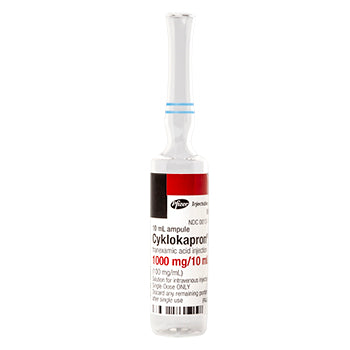
Original price $ 65.00Current price $ 49.99Cyklokapron Tranexamic Acid (TXA) Ampule Injection 1,000 mg/10 mL Vial 10 mL by Pfizer (Rx)
No reviewsPfizer Cyklokapron Tranexamic Acid (TXA) Ampules for Injection. An injectable form of tranexamic acid is available which is used to improve the sur...
View full details🔒 Medical License Required -
 Sale 17%
Original price $ 149.95Current price $ 125.00
Sale 17%
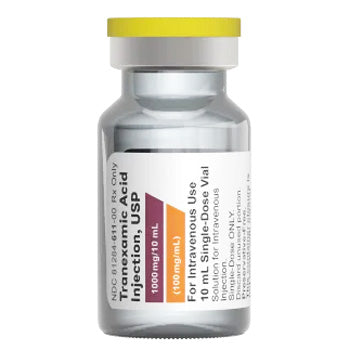
Original price $ 149.95Current price $ 125.00Provepharm Tranexamic Acid (TXA) for Injection Single-Dose Vial 10 mL x 10/Box (Rx)
1 reviewProvepharm Tranexamic Acid for Injection 100 mg/10 mL Injection Single-Dose Vial 10 mL. An injectable form of tranexamic acid is available which is...
View full details🔒 Medical License Required -
 Sale 37%
Original price $ 119.95Current price $ 75.00
Sale 37%
Original price $ 119.95Current price $ 75.00Tranexamic Acid Injection 1000 mg Per 10 mL x 10 Vials (RX)
No reviewsTranexamic Acid Injection 1000 mg is used to control or prevent excessive bleeding in medical conditions or surgical procedures. It works as an ant...
View full details🔒 Medical License Required -
 Sale
$ 139.00
Sale
$ 139.00Tranexamic Acid API Pure Powder USP For Customer Compounding (Rx)
No reviewsTranexamic Acid API Pure Powder USP refers to the pure, active pharmaceutical ingredient (API) form of tranexamic acid that meets the quality and p...
View full details🔒 Medical License Required -
 Sale 50%
Original price $ 259.95Current price $ 129.95
Sale 50%
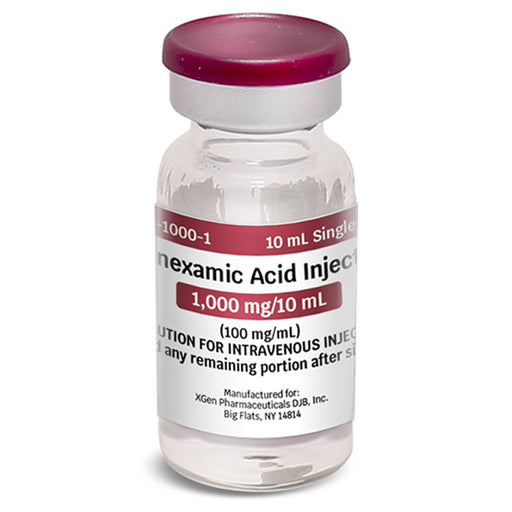
Original price $ 259.95Current price $ 129.95Tranexamic Acid (TXA) for Injection 100 mg Injection Single-Dose Vial 10 mL x 10/Box (Rx)
No reviewsTranexamic Acid (TXA) for injection is used to prevent or reduce bleeding in various medical situations. It works by inhibiting the breakdown of bl...
View full details🔒 Medical License Required -
 Sale 25%
Original price $ 76.95Current price $ 58.00
Sale 25%
Original price $ 76.95Current price $ 58.00Tranexamic Acid 650mg Tablets USP by Advagen Pharma 30 Count (RX)
No reviewsTake control of your health with Tranexamic Acid 650mg Tablets by Advagen Pharma, expertly formulated to support those experiencing excessive bleed...
View full details🔒 Medical License Required -
 Sale 6%
Original price $ 315.00Current price $ 295.00
Sale 6%
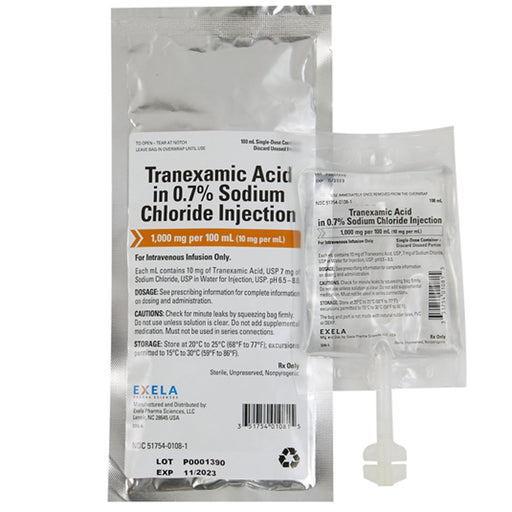
Original price $ 315.00Current price $ 295.00IV Bags, Tranexamic Acid (TXA) in Sodium Chloride 0.7% Solution 1,000 mg/100 mL 10/Case
No reviewsTranexamic acid (TXA) is a synthetic lysine analogue that competitively inhibits the lysine-binding sites of plasminogen, thereby blocking the conv...
View full details🔒 Medical License Required -
 Sale 18%
Original price $ 299.95Current price $ 245.00
Sale 18%
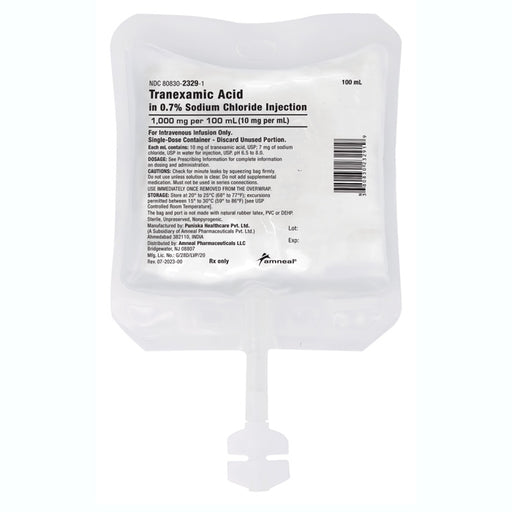
Original price $ 299.95Current price $ 245.00IV Bags Tranexamic Acid in 0.7% Sodium Chloride 1000 mg per 100 mL x 10/Case
No reviewsTranexamic Acid in 0.7% Sodium Chloride IV Bags is used to reduce or prevent excessive bleeding in various medical situations, such as during surge...
View full details🔒 Medical License Required -
 Sale 25%
Original price $ 359.95Current price $ 269.00
Sale 25%
Original price $ 359.95Current price $ 269.00Cyklokapron Tranexamic Acid for Injection 1000 mg/10 mL Single-dose Vial 10 mL x 10/Box by Pfizer (RX)
No reviewsCyklokapron Tranexamic Acid for Injection. An injectable form of tranexamic acid is available which is used to improve the surgical outcome in pati...
View full details🔒 Medical License Required


People Also Searched For
Tranexamic Acid
Tranexamic acid injection is a prescription antifibrinolytic agent (a “clot-stabilizing” drug). Its active ingredient, tranexamic acid, is an amino acid that helps slow down bleeding by blocking the breakdown of blood clots. Normally, when the body is bleeding, it forms clots made of fibrin to stop the bleeding. The fibrin clots are gradually dissolved by a natural process called fibrinolysis, which involves an enzyme called plasmin. Tranexamic acid inhibits plasminogen (the precursor to plasmin), preventing fibrin clots from being broken down too quickly. In effect, it allows clots to stay in place longer and reduces ongoing bleeding without causing new clots to form on its own.
Tranexamic Acid Injection & IV Solution (TXA) are advanced, prescription hospital medications designed for rapid, effective control of acute bleeding and life-threatening hemorrhage. Widely used in trauma centers, surgery rooms, emergency departments, and obstetric units, Tranexamic Acid IV halts excessive blood loss by stabilizing blood clots. TXA is the gold standard for trauma bleeding, postpartum hemorrhage, dental procedures, heavy menstrual bleeding, and major surgical operations. Choose Tranexamic Acid Injection for safe, fast-acting blood loss management, improved surgical outcomes, and superior patient recovery.
Uses (Indications)
Tranexamic acid injection is given intravenously to treat or prevent excessive bleeding in various medical situations:
- Menorrhagia (heavy menstrual bleeding): Can be used intraoperatively during gynecologic surgeries or in severe cases of menstrual bleeding (though oral forms are more common for routine periods).
- Surgical bleeding: Used prophylactically or as needed during/after major surgeries (cardiac, orthopedic, liver, obstetric, dental, etc.) to reduce blood loss. For example, it is often given during cardiac bypass, orthopaedic joint replacement, or cesarean delivery (postpartum hemorrhage) to lessen bleeding.
- Trauma and acute bleeding: (Off-label) It may be used in trauma protocols (Massive Transfusion, e.g. CRASH-2 trial in trauma) to reduce bleeding. It’s also given when bleeding is due to dissolution of clots (e.g. after tPA treatment).
- Other hemorrhagic conditions: Such as bleeding from the nose/mouth, gastrointestinal bleeding, or bleeding following prostate/urinary tract surgery, where stabilizing clots can help. It is also an adjunct in hemophilia patients undergoing dental extractions [6†L39-L47].
- Consumptive coagulopathies: In some cases of disseminated intravascular coagulation (DIC) with hyperfibrinolysis, tranexamic acid can be used, but only under strict specialist guidance (because DIC involves complex clotting issues).
In summary, tranexamic acid injection is used whenever an experienced physician judges that preventing fibrin clot breakdown will safely control undesirable bleeding.
Purpose
Tranexamic Acid Injection & IV Solution are formulated to rapidly prevent and control severe, acute bleeding in trauma, surgical, obstetric, and dental emergencies. TXA works by blocking the breakdown of blood clots, stabilizing hemostasis, and reducing the risk of death or complications from hemorrhage.
Uses
- Trauma Care: Life-saving first-line therapy for acute traumatic hemorrhage in accident victims and emergency scenarios.
- Surgical Procedures: Reduces intraoperative and postoperative blood loss in major surgeries (cardiac, orthopedic, ENT).
- Postpartum Hemorrhage: Critical management of heavy bleeding after childbirth; recommended by WHO for maternal safety.
- Heavy Menstrual Bleeding: Rapid treatment for acute menorrhagia when oral therapy is insufficient.
- Dental Surgery: Controls bleeding during and after dental extractions, especially in patients with bleeding disorders.
- Liver Cirrhosis and Coagulopathy: Supportive management in selected coagulation disorders as directed by specialists.
Types & Formulations
- Tranexamic Acid Injection (IV/IM): Sterile solution for intravenous or intramuscular use.
- Ready-to-Use IV Bags: Pre-mixed solutions for fast infusion in emergency and operative settings.
- High-Concentration Vials: For dilution and dose customization in critical care.
Popular Brands
- Cyklokapron® (Pfizer)
- Transamin® (Daiichi Sankyo)
- Hemtran®
- Lysteda® (oral, for reference)
- Generic TXA Injection (Fresenius Kabi, Hikma, Amneal, Teva)
- Sandoz Tranexamic Acid Injection
Strengths
- 100 mg/mL (most common hospital and surgical strength)
- 500 mg/5 mL ampules or vials
- 1 g/10 mL vials
- Pre-mixed 1 g/100 mL IV bags
- Adjustable by body weight/clinical need
Sizes
- 5 mL, 10 mL single-dose ampules or vials
- 100 mL, 250 mL ready-to-infuse IV bags
- Bulk packs for trauma, surgery, and emergency rooms
- Convenient, single-use formats for field and ambulance use
Administration and Dosage
Tranexamic acid is administered by slow intravenous injection (IV) or IV infusion. It should only be given by or under supervision of healthcare providers. The solution commonly comes as 100 mg/mL (for example, 500 mg in 5 mL, as noted on the UK product label). Before injection, the skin and vein access are prepared using standard aseptic technique.
Dosage: The exact dose depends on the clinical situation and patient’s size:
- A typical adult dose is 1,000 mg (10 mL of 100 mg/mL) IV every 6–8 hours while bleeding continues. This corresponds to about 15 mg per kg of body weight per dose (up to ~4–5 doses per day).
- In surgical or acute settings, 10–15 mg/kg IV over 10–20 minutes is often used. For example, a heart surgery protocol might use 10–15 mg/kg IV before incision, sometimes followed by additional doses or infusion.
- For severe bleeding or trauma, an initial bolus (e.g. 1–2 g IV) may be given, followed by continuous infusion as per trauma protocols (some guidelines recommend a total of ~3 g over 24 hours). (Recent studies have shown benefit in trauma when given early.)
- Children: Doses are weight-based. For example, a child bleeding severely might receive about 10–15 mg/kg IV every 6–8 hours. Oral dosing is an option for less acute situations (liquid or tablets), but the question specifically addresses injection.
- Renal impairment: Dosage should be reduced in moderate-to-severe kidney failure (since tranexamic acid is excreted by the kidneys). Elderly patients and those with kidney issues typically require dose adjustment.
- Administration: Tranexamic acid must be given slowly. A rapid IV push can cause hypotension. The patient information leaflet states: “Tranexamic Acid Solution for Injection should only be administered slowly into a vein.”. Never inject it into a muscle or skin. Use infusion pumps or slow push over 10–20 minutes if needed.
All doses and frequency are determined by the treating physician based on bleeding severity and patient factors. The medication is usually given in a hospital or clinical setting with vital sign monitoring.
Side Effects and Precautions
Because tranexamic acid affects clot stability, certain side effects and cautions apply:
-
Clotting risk: Theoretically, anything that stabilizes clots could increase clot risk. In practice, serious clotting events (thrombosis) are rare with tranexamic acid, but the drug is contraindicated in patients who have active intravascular clots or a history of conditions that predispose to clots (deep vein thrombosis, pulmonary embolism, cerebral thrombosis, etc.). It should be used with caution in patients with risk factors for thrombosis (e.g. smoking, pregnancy, estrogen use) and not at all if they have DIC (systemic clotting) or a history of arterial clots. Reportedly, rare cases of stroke or blood clots have occurred, so it is crucial that bleeding is due to high fibrinolysis (breakdown) and not normal clotting. If any clot-related symptoms (limb pain/swelling, chest pain, neurological deficit) occur, treatment must stop and medical evaluation is needed.
-
Allergic reactions: Some people can be allergic to tranexamic acid. Symptoms of allergy include rash, itching, hives, difficulty breathing, or swelling of face/lips.. True anaphylaxis is very rare but has been reported. If any sign of allergy appears during the injection, it should be stopped immediately.
-
Hypotension: Rapid injection of tranexamic acid can cause a sudden drop in blood pressure. Always inject slowly with the patient lying down or closely monitored to avoid this. If hypotension occurs, support blood pressure as needed.
-
Neurological: High doses or very rapid infusion may cause seizures (convulsions). Therefore, the lowest effective dose should be used. The UK leaflet specifically warns: “Tranexamic acid solution should not be administered [IV] if you have a history of convulsions…Your doctor must use the minimal dose possible to avoid convulsions.”. Rarely, visual disturbances have been reported (blurry vision or color changes), especially with long-term use. If vision problems occur, the drug should be discontinued and an ophthalmologist consulted.
-
Other side effects: Common side effects may include nausea, vomiting, diarrhea, or abdominal discomfort. These are usually mild. Less common effects include headache or dizziness. Very rarely, patients may develop muscle spasms (related to altered amino acid levels). The patient leaflet also lists rare effects like joint or muscle pain. In research trials, serious side effects beyond those noted above were uncommon.
-
Renal caution: Since tranexamic acid is excreted by the kidneys, those with impaired renal function need dose adjustments (as above). In kidney failure, accumulation may increase seizure risk.
-
Other precautions: Tell your doctor if you have any problems with blood clotting, if you have a history of eye disease, or neurological conditions. Tranexamic acid can interact with other drugs, particularly clotting factors or thrombolytics: it is contraindicated with prothrombin complex concentrate or factor IX products (risk of clot). Also, if you take hormonal birth control or estrogen, mention it because both can modestly increase clot risk, although the combination is not absolutely contraindicated (but caution is advised).
In case of overdose, symptoms would mainly be hypotension or clotting issues. There is no specific antidote, so treatment is symptomatic and supportive (manage blood pressure, watch kidney function, etc.).
Key Points and Safe Use
- Tranexamic acid injection (often known by the brand Cyklokapron) is used to prevent or reduce bleeding by blocking the breakdown of clots. It’s given intravenously by trained professionals only (e.g. during surgery or heavy bleeding events).
- It is commonly dosed at 1 gram IV slowly every 6–8 hours (or 15 mg/kg per dose) for adults, depending on the situation. Pediatric doses are weight-based (about 10–15 mg/kg). Always double-check dosing, especially in children or kidney-impaired patients.
- Watch for clots: The main risk is unwanted thrombosis. Avoid using it in patients who have active clots, DIC, or serious risk of clots. Monitor for any sign of clot (leg pain/swelling, breathing trouble, chest pain).
- Allergy: Rare severe allergic reactions can occur. Be ready to treat anaphylaxis if needed (oxygen, epinephrine, etc.) when giving any IV medication.
- Administration: Inject slowly (generally over 10 minutes or via infusion pump). Rapid injection can cause dangerous hypotension. Do not inject into muscle or elsewhere besides a vein. Always use aseptic technique and properly dispose of needles.
- Later effects: Inform your doctor of any change in vision or severe headache during therapy. Long-term use (if ever needed) requires eye exams and watching for visual changes.
Disclaimer: I am not a doctor. The information below is for general knowledge and not medical advice. Always follow a healthcare provider’s directions.