Skip to content
Free US shipping over $100

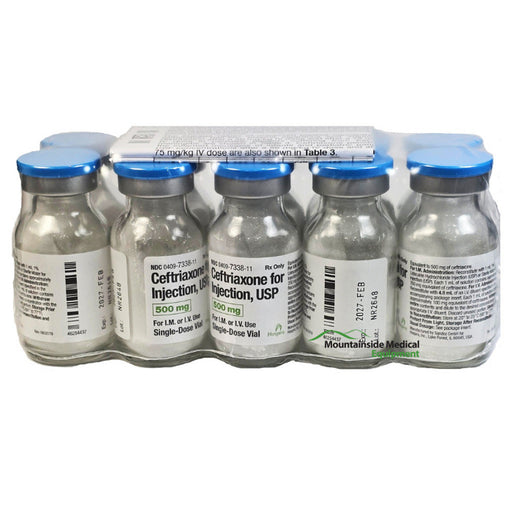
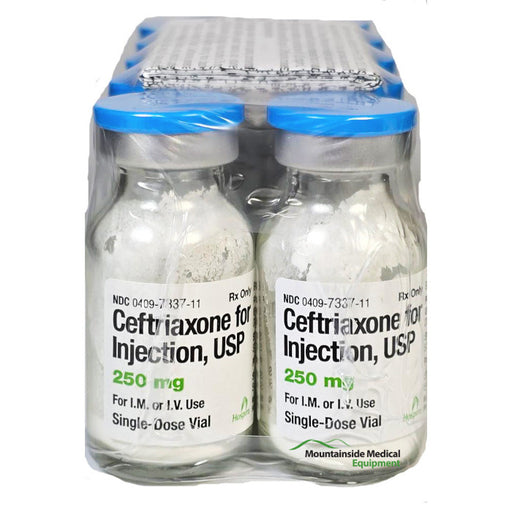
Ceftriaxone Sodium Injection 250 mg Powder Vials, 25/Pack

Sale 26%
Original price $ 69.95
Current price $ 52.00
SKU 00143-9859-25
*Mountainside Medical does not fill personal prescriptions Medical Professional License Required to Unlock Account

How to Order:

Send an email request to: sales@mountainside-medical.com

You will receive instructions on how to create an account along with Rx Ordering Details.

(Note: Acceptable licenses must have Prescriptive Authority in the license issuing state.)

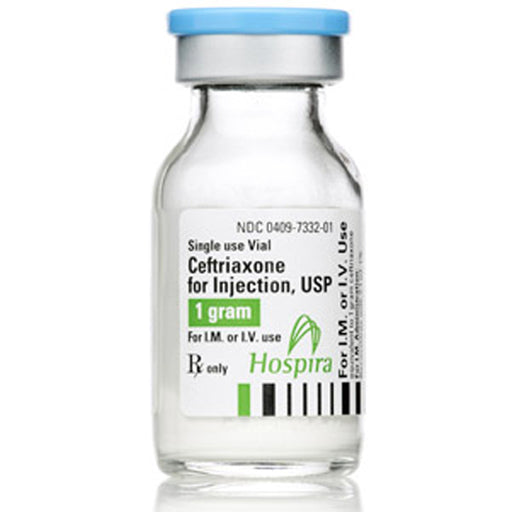
Ceftriaxone Sodium for Injection by Hikma Injectables is a broad-spectrum cephalosporin antibiotic designed for the treatment of various bacterial infections. Supplied in convenient 250 mg powder vials, it offers reliable efficacy for both inpatient and outpatient settings.

Usage: Ceftriaxone is used to treat a wide range of bacterial infections, including respiratory tract infections, skin infections, urinary tract infections, gonorrhea, and meningitis. It is effective against both Gram-positive and Gram-negative bacteria.

Dosage:

  • Adults: Typically, 1 to 2 grams once daily, or in divided doses, depending on the severity and type of infection.
  • Pediatric: Dosage varies based on body weight and infection type, typically 50-75 mg/kg once daily.
  • Always follow the healthcare provider’s specific dosage recommendations.

CDC Guidelines: The CDC emphasizes the importance of antibiotic stewardship to prevent resistance. Use Ceftriaxone according to susceptibility patterns, and complete the full course of therapy as prescribed. Proper aseptic preparation and administration are critical.

Details and Features:

  • Strength: 250 mg per vial
  • Packaging: 25 vials per pack
  • Broad-Spectrum: Effective against a range of pathogens
  • Once-Daily Dosing: Simplifies treatment regimens and enhances compliance
  • IV/IM Use: Versatile administration based on patient needs

Mechanism of Action: Ceftriaxone works by inhibiting bacterial cell wall synthesis, leading to cell lysis and death. It remains effective due to its resistance to many beta-lactamases.

Directions for Use:

  • Reconstitute the powder with sterile water or appropriate diluent following aseptic technique.
  • Administer intravenously or intramuscularly as directed by a healthcare professional.
  • Store vials and reconstituted solution as specified to maintain efficacy.

Warnings:

  • Contraindicated in patients with known hypersensitivity to cephalosporins or penicillins.
  • Use caution in patients with a history of gastrointestinal disease, particularly colitis.
  • Monitor for signs of anaphylaxis during administration.

Side Effects: Possible side effects include:

  • Injection site reactions
  • Diarrhea
  • Rash
  • Elevated liver enzymes
  • Hematological changes (e.g., eosinophilia) In case of severe adverse reactions, seek medical intervention promptly.

Ceftriaxone Sodium for Injection by Hikma Injectables delivers trusted, broad-spectrum antibacterial efficacy, tailored to meet the demands of diverse clinical settings with confidence and precision.

Ceftriaxone Sodium Injection 250 mg – Frequently Asked Questions (FAQs)
  • What is Ceftriaxone Sodium Injection 250 mg used for?

    Ceftriaxone is a broad-spectrum cephalosporin antibiotic used to treat a variety of bacterial infections, including pneumonia, urinary tract infections, skin infections, bone/joint infections, meningitis, sepsis, and certain sexually transmitted infections like gonorrhea.

  • How is Ceftriaxone administered?

    It is usually given by intravenous (IV) infusion or intramuscular (IM) injection by a healthcare professional in a clinic or hospital setting.

  • How often is Ceftriaxone dosed?

    The typical dosing is once daily, but it may be given more frequently or with dosage adjustments based on the type and severity of infection, age, weight, and kidney/liver function.

  • What are the most common side effects?

    Common side effects include pain or swelling at the injection site, rash, diarrhea, nausea, vomiting, or changes in liver function tests. Severe allergic reactions are rare but possible.

  • Who should NOT receive Ceftriaxone?

    People who are allergic to ceftriaxone, cephalosporins, or severe penicillin allergies should not receive it. Newborns (particularly those with hyperbilirubinemia) or those with certain calcium-containing IV solutions may also not be eligible.

  • Can children receive Ceftriaxone?

    Yes. Ceftriaxone is commonly used for children and infants, but dosing is adjusted according to age and weight. It should be used cautiously in newborns.

  • Are there important drug interactions with Ceftriaxone?

    Significant interactions can occur with calcium-containing IV solutions and some other antibiotics. Always provide a complete list of your medications to your healthcare provider.

  • Can Ceftriaxone be used during pregnancy or breastfeeding?

    Ceftriaxone is generally considered safe in pregnancy when prescribed by a healthcare provider. It can be used with caution during breastfeeding; small amounts may pass into breast milk.

  • What should I do if I miss a dose?

    Contact your healthcare provider. It’s important not to miss doses for effective treatment, but they will advise you on how to proceed.

  • Can I take Ceftriaxone if I am allergic to penicillin?

    Some people allergic to penicillin may also react to cephalosporins like ceftriaxone. Notify your provider of any allergies before starting therapy.

  • How is Ceftriaxone stored before use?

    Powder vials should be stored at room temperature, away from light. Once mixed, the solution should be used promptly or stored as directed.

  • Can Ceftriaxone be used to treat viral infections?

    No. Ceftriaxone is strictly for bacterial infections and will not work for viral illnesses like the common cold or flu.

  • What happens if I have a reaction to Ceftriaxone?

    Signs of an allergic reaction (rash, itching, swelling, difficulty breathing) require immediate medical attention. Notify your provider of any side effects.

  • How long will I need to take Ceftriaxone?

    The length of treatment depends on the infection type and severity. Your provider will determine the appropriate course.
  • Can I drive or work after getting Ceftriaxone?

    Generally, yes. However, if you experience dizziness, fatigue, or other side effects that affect alertness, avoid driving or operating machinery.

Search Any Type of Product, Medication, or Alignment