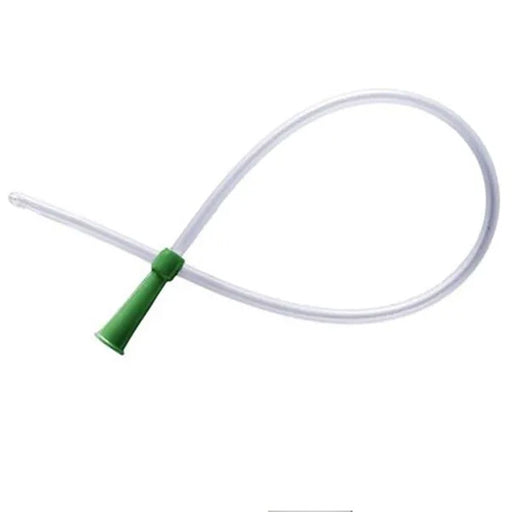
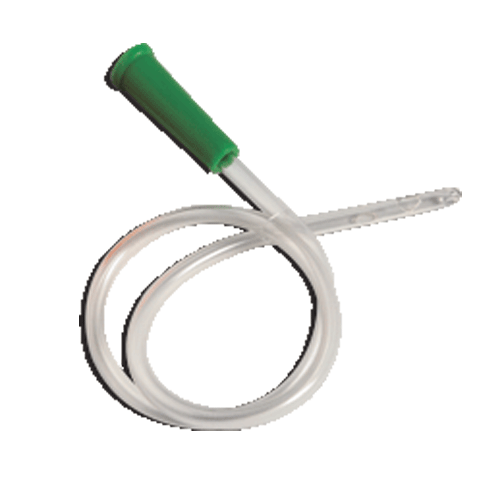
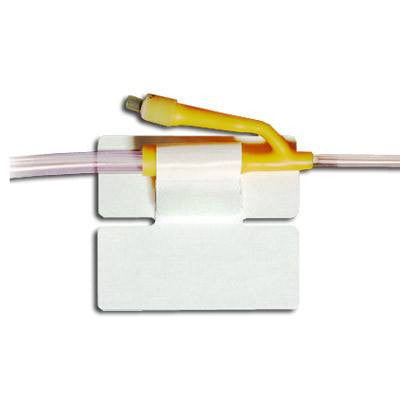
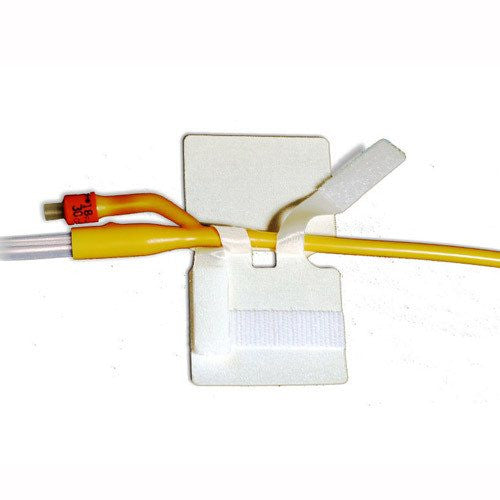
Rusch Silkomed All Silicone Foley Catheter
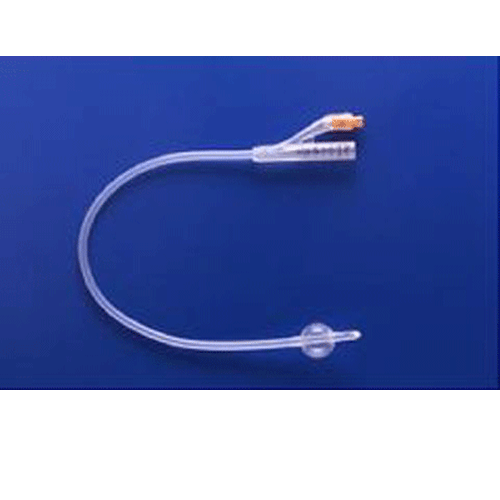
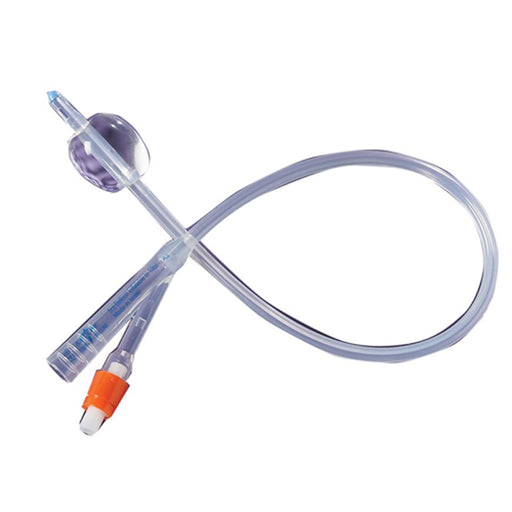
The Rusch Silkomed All Silicone Foley Catheter is an indwelling (retention) urinary drainage catheter made entirely of medical-grade silicone (Teleflex/Rusch brand). It is a sterile, single-use (disposable) device designed for continuous bladder drainage in patients who cannot void normally. Being 100% silicone means it is completely latex-free, making it suitable for patients with latex allergies. It has a 2-way (dual-lumen) design: one lumen drains urine and the other inflates a retention balloon. The two lateral drainage eyes near the tip allow urine to flow into the catheter.
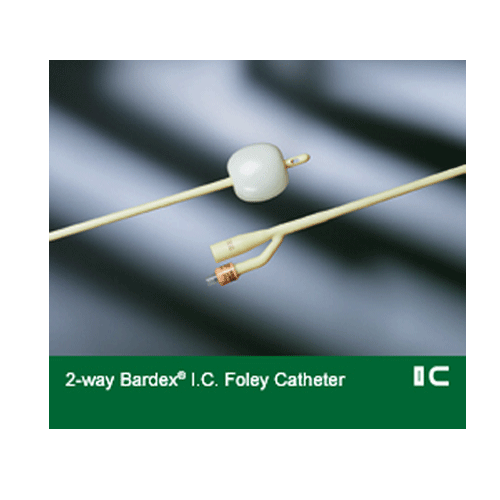
Rusch Silkomed All Silicone Foley Catheter is a non-latex disposable catheter. This catheter is patient-friendly, easy to insert, and disposable. This sterile, Silkomed catheter features a 2-way Foley balloon (either 5cc or 30cc in size), 2 opposed eyes, and is color coated for quick and easy identification.
Features
-
Construction: 100% medical-grade silicone (latex-free), color-coded for quick size identification. The catheter is sterile and intended for single-patient use.
-
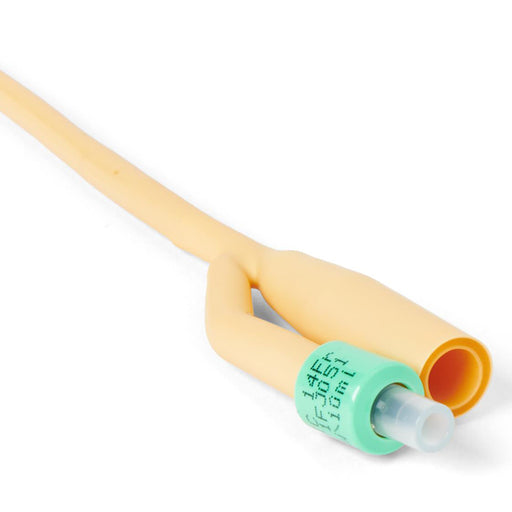
Configuration: Two lumens (2-way Foley). One channel drains urine; the other inflates a retention balloon. The balloon holds the catheter in the bladder after insertion.
-
Balloon: Available in common inflation volumes (typically 5 cc or 30 cc). (For example, one listing notes options of 5cc or 30cc balloon sizes.)
-
Eyes: Two opposed lateral eyes near the tip provide effective drainage.
-
Length & Size: The adult length is about 40 cm (16 inches). Silkomed catheters come in a range of French sizes (e.g. 12–24 Fr) and color-coded inflation ports to match balloon capacity.
-
Labeling: Sold as a prescription-only (“Rx‐only”) device. A prescription or healthcare license is required to purchase
Design & Material Advantages
As an all-silicone catheter, the Silkomed Foley has several clinical advantages. Silicone is highly biocompatible (“medical-grade”) and non-porous. Its smooth surface resists encrustation and bacterial adhesion, which helps maintain drain patency during longer-term use. For example, one supplier notes that silicone Foley catheters have “better biocompatibility characteristics and lower encrustation and blockage rates” compared to latex catheters. In practice, this means the Silkomed catheter is well-suited for extended indwelling times (days to weeks) when necessary. The 100% silicone construction also eliminates latex allergy risk. (By contrast, even “silicone-coated” latex catheters still contain latex, whereas Silkomed is entirely silicone.)
One trade-off is that pure silicone catheters tend to be less elastic (stiffer) than latex ones. This rigidity can make insertion slightly firmer, though modern silicone catheters are usually well-lubricated. Overall, hospitals often choose silicone (like Silkomed) for patients with latex sensitivity or when a longer dwell time is expected.
Uses:
The Silkomed Foley is used whenever continuous urinary drainage is required. Common indications include:
- Relief of acute urinary retention (e.g. due to urinary obstruction or prostate enlargement).
- Perioperative catheterization (during/after surgery under anesthesia).
- Precise urine output monitoring in critically ill patients.
- Palliative or end-of-life care when bedrest or incontinence care is needed.
Insertion is performed by trained medical staff using strict aseptic technique. The catheter is lubricated and passed through the urethra into the bladder. Once urine flows, the clinician inflates the balloon (via the inflation port) with sterile water to the prescribed volume (e.g. 5 mL or 30 mL). This anchors the catheter inside the bladder. The distal end of the catheter is then attached to a sterile closed drainage bag. Because it is color-coded (usually by balloon size), the catheter’s “Fr” size and balloon volume can be easily recognized.
Advantages in use: Silicone’s stability means the catheter can remain in place for longer periods (when needed) with fewer blockage issues. The smooth silicone surface tends to be gentler on the urethral and bladder mucosa (less irritation) than uncoated latex. Also, since it is extremely biocompatible, silicone induces minimal tissue reaction.
Precautions and Contraindications
Although silicone reduces allergy risk, all Foley catheters carry similar precautions. Indwelling catheters should only be used when medically necessary, and removed as soon as they are no longer needed. Catheterization is a known risk factor for complications – especially catheter-associated urinary tract infection (CAUTI). To minimize this risk, healthcare providers use strict sterile technique for insertion, secure the drain line (to maintain a closed system), and practice good hygiene.
Other considerations: only sterile, preservative-free fluid (usually water) should be used to inflate the balloon. Do not over-inflate (always use the volume marked on the package). Patients with lower urethral trauma or anatomical abnormalities require extra care. The catheter should be checked regularly for patency and leaks.
Regulatory: The Silkomed Foley is labeled “Rx only,” meaning it is available only by prescription or medical order. Hospitals and clinics stock it as a sterile, hospital-grade catheter. It should be handled and disposed of according to medical waste guidelines.
In summary, the Rusch Silkomed All Silicone Foley Catheter is a 100% silicone, latex-free indwelling urinary catheter with a two-way balloon design. Its key features (balloon retention, dual lumens, color coding, etc.) are typical of Foley catheters, but the all-silicone construction provides enhanced biocompatibility and suitability for longer-term catheterization. Like all Foley catheters, it must be used under medical supervision with appropriate sterile technique to manage infection risk.
Rusch Silkomed All Silicone Foley Catheter Features:
- 2-way Foley Balloon
- 16" Long
- 2 Opposed Eyes
- Latex- Free
- Disposable
- Color coded
- Comes in 2 sized balloons – 5cc or 30cc
Rusch Silkomed All Silicone Foley Catheter is an excellent option for urologists. This easy-to-use Foley catheter is simple to insert and offers two different sized balloons to better suit your patient's needs. Sterile and Latex-Free, the Rusch Silkomed All silicone Foley Catheter is safe to use for most patients.
Brand: Rusch
Item Number: 17060512
 Skip to content