Skip to content

TB500 Peptide 10mg

SKU: TB500
Sale 50%
Original price $ 149.95
Current price $ 75.00
Free Shipping on orders above $100
Fast Delivery
Fast Delivery
24/7 Support
24/7 Support
Easy Returns
Easy Returns
Hospital Grade
Hospital Grade
Returns 30-day return / replacement
Payment Secure transaction
Packaging Ships in product packaging
Service-Disabled Veteran-Owned Small Business
Located in Adirondack Mountains in NY
Family Owned Business 2002
Sale 50%
Original price $ 149.95
Current price $ 75.00
Free Shipping on orders above $100
Fast Delivery
Fast Delivery
24/7 Support
24/7 Support
Easy Returns
Easy Returns
Hospital Grade
Hospital Grade
Returns 30-day return / replacement
Payment Secure transaction
Packaging Ships in product packaging
TB500 Peptide 10mg
TB500 Peptide 10mg
$ 149.95 $ 75.00
Description

TB500 is a synthetic peptide version of a segment of Thymosin Beta-4 (Tβ4), a protein naturally occurring in both animal and human tissues. Tβ4 is a highly conserved peptide, meaning it is very similar across many species, and is involved in processes critical to tissue repair and regeneration.

Uses & Benefits

1. Enhanced Wound Healing

  • Speed up recovery from soft tissue injuries (muscles, tendons, ligaments).
  • Popular among athletes and bodybuilders.

2. Reduced Inflammation

  • May help with conditions marked by chronic inflammation (e.g., tendonitis, arthritis).

3. Reduced Scar Tissue

  • Anecdotal evidence suggests it may limit scar/adhesion formation after injuries.

4. Cardiac & Neurological Repair

  • Animal studies suggest possible heart muscle regeneration after infarction and neuroprotective effects, but human evidence is lacking.

5. Animal and Veterinary Use

  • Used legally in the equine industry (racehorses) to speed up physical rehabilitation post-injury.

Background & Origin

  • Thymosin Beta-4 (Tβ4): Discovered in the thymus gland, plays roles in immune response, wound healing, and inflammation.
  • TB500: Chemically designed fragment (typically the first 43 amino acids of the Tβ4 protein) optimized for stability and bioavailability for research purposes. Not identical to full-length natural Thymosin Beta-4.

Mechanism of Action

TB500 works by:

  1. Upregulating Actin:

    • Actin is a vital protein for muscle contraction, cell movement, and structure.
    • TB500 promotes actin polymerization, enabling cells to move, replicate, and repair tissues.
  2. Promoting Angiogenesis:

    • Stimulates the formation of new blood vessels, aiding delivery of oxygen and nutrients to damaged tissues.
  3. Reducing Inflammation:

    • TB500 modulates cytokines and other inflammation markers, helping to minimize the inflammatory response post-injury.
  4. Increasing Cell Migration and Differentiation:

    • Supports movement of stem/progenitor cells to sites of injury, enhancing tissue repair capacity.

Administration

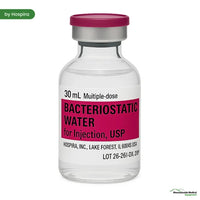
  • Form: Lyophilized (freeze-dried) powder, reconstituted with sterile water for injection.
  • Route: Subcutaneous or intramuscular injection, frequency and dosage vary widely in research and anecdotal use (normally 2-5mg/week).
  • Cycle Length: Reports of 4-6 weeks followed by a maintenance period, but no official guidelines exist.

Possible Side Effects

  • Mild: Redness, irritation, or pain at injection site, headache, lethargy, nausea.
  • Severe (Rare): Allergic reactions, rapid cell growth (theoretical cancer risk—not proven), potential for improper wound healing if used incorrectly.
  • Unknown Long-term Risks: Theoretical concern is that by stimulating cell growth, TB500 could exacerbate cancer, though there is no conclusive evidence.

TB500 is mainly used in research and by some athletes or veterinarians to potentially speed up injury recovery, reduce inflammation, and promote tissue repair. However, it is not legally approved for human use due to insufficient data on safety and efficacy.

Description

TB500 is a synthetic peptide version of a segment of Thymosin Beta-4 (Tβ4), a protein naturally occurring in both animal and human tissues. Tβ4 is a highly conserved peptide, meaning it is very similar across many species, and is involved in processes critical to tissue repair and regeneration.

Uses & Benefits

1. Enhanced Wound Healing

  • Speed up recovery from soft tissue injuries (muscles, tendons, ligaments).
  • Popular among athletes and bodybuilders.

2. Reduced Inflammation

  • May help with conditions marked by chronic inflammation (e.g., tendonitis, arthritis).

3. Reduced Scar Tissue

  • Anecdotal evidence suggests it may limit scar/adhesion formation after injuries.

4. Cardiac & Neurological Repair

  • Animal studies suggest possible heart muscle regeneration after infarction and neuroprotective effects, but human evidence is lacking.

5. Animal and Veterinary Use

  • Used legally in the equine industry (racehorses) to speed up physical rehabilitation post-injury.

Background & Origin

  • Thymosin Beta-4 (Tβ4): Discovered in the thymus gland, plays roles in immune response, wound healing, and inflammation.
  • TB500: Chemically designed fragment (typically the first 43 amino acids of the Tβ4 protein) optimized for stability and bioavailability for research purposes. Not identical to full-length natural Thymosin Beta-4.
Mechanism of Action

TB500 works by:

  1. Upregulating Actin:

    • Actin is a vital protein for muscle contraction, cell movement, and structure.
    • TB500 promotes actin polymerization, enabling cells to move, replicate, and repair tissues.
  2. Promoting Angiogenesis:

    • Stimulates the formation of new blood vessels, aiding delivery of oxygen and nutrients to damaged tissues.
  3. Reducing Inflammation:

    • TB500 modulates cytokines and other inflammation markers, helping to minimize the inflammatory response post-injury.
  4. Increasing Cell Migration and Differentiation:

    • Supports movement of stem/progenitor cells to sites of injury, enhancing tissue repair capacity.

Administration

  • Form: Lyophilized (freeze-dried) powder, reconstituted with sterile water for injection.
  • Route: Subcutaneous or intramuscular injection, frequency and dosage vary widely in research and anecdotal use (normally 2-5mg/week).
  • Cycle Length: Reports of 4-6 weeks followed by a maintenance period, but no official guidelines exist.

Possible Side Effects

  • Mild: Redness, irritation, or pain at injection site, headache, lethargy, nausea.
  • Severe (Rare): Allergic reactions, rapid cell growth (theoretical cancer risk—not proven), potential for improper wound healing if used incorrectly.
  • Unknown Long-term Risks: Theoretical concern is that by stimulating cell growth, TB500 could exacerbate cancer, though there is no conclusive evidence.

TB500 is mainly used in research and by some athletes or veterinarians to potentially speed up injury recovery, reduce inflammation, and promote tissue repair. However, it is not legally approved for human use due to insufficient data on safety and efficacy.

Get Notified When Back in Stock