Yankauer Suction
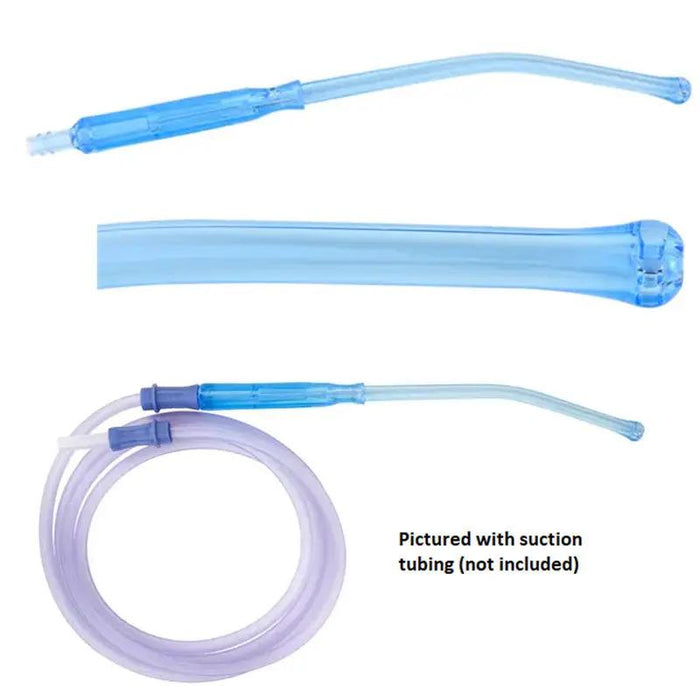
A Yankauer is a rigid, curved suction tip (often called a “tonsil tip”) connected to a suction machine. It’s designed for oropharyngeal suctioning – removing saliva, mucus or other secretions from the mouth and throat to maintain a clear airway. It’s commonly used in hospitals and home care (e.g. for patients with weak cough reflex) and can be used on conscious or unconscious patients. Yankauer suction is done by healthcare providers or trained caregivers as needed to relieve choking or to keep the mouth clear.
When Yankauer Suction Is Used
-
Excessive oral secretions: If a person (due to illness, anesthesia, sedation, neurological disease, or during/after surgery) cannot swallow or expectorate normally, secretions may pool in the mouth or back of throat. Yankauer suction can remove these secretions and help the patient breathe or speak (e.g. mucus from a weak cough or drooling).
-
Respiratory distress or risk of aspiration: Secretions that cannot be cleared by coughing alone can obstruct airflow. If the patient shows signs of distress (gurgling sounds, collapses cough, low oxygen), or is at risk of choking/vomiting, suction can quickly clear the airway.
-
Procedure preparation: Yankauer suction is also used during dental procedures or facial surgery to keep the field clear, or during CPR and anesthesia (anesthesiologists often use Yankauer to keep the airway clear).
Yankauer suction should not be used when mouth/throat is severely bleeding (suction could remove clots or worsen bleeding) or if there’s a blockage that needs medical treatment. If the patient is actively vomiting or has a corrosive ingestion, other precautions apply (suctioning may not be enough or may be dangerous). Always follow facility protocols and doctor’s orders.
Equipment and Setup
-
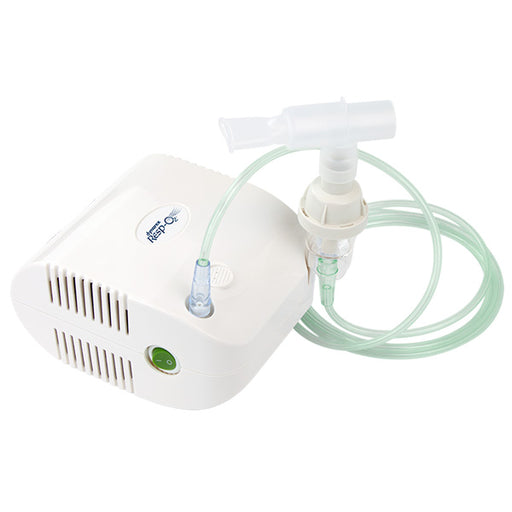
Suction machine: Check that the suction unit is working properly. Turn it on and test the suction pressure (for example, block the open end of the suction tubing with your thumb – you should feel pressure). Useful ranges are roughly 100–150 mm Hg for adults (60–80 mm Hg for infants). Adjust as needed using the machine’s control knob. Ensure the collection canister is empty and ready. (If on a portable unit, ensure it’s charged and functioning.)
-
Yankauer tip and tubing: Use a sterile, single-use Yankauer suction tip (these come in sealed packages). Remove the cap and attach the Yankauer to the distal end of the flexible suction tubing. The Yankauer typically has a thumb port (vent) on its handle to control suction: when the port is uncovered, suction is off; covering it with a finger applies suction at the tip. Some designs may not have a port (in which case suction is continuous).
-
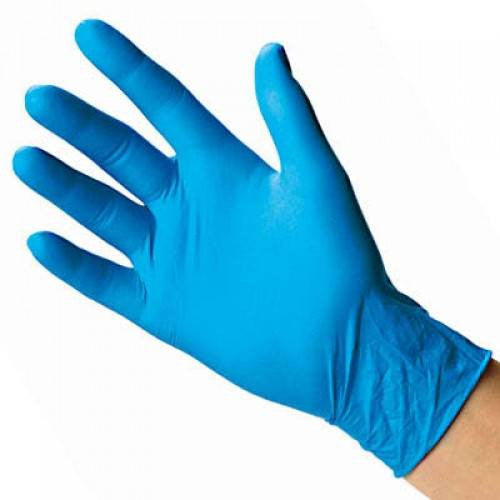
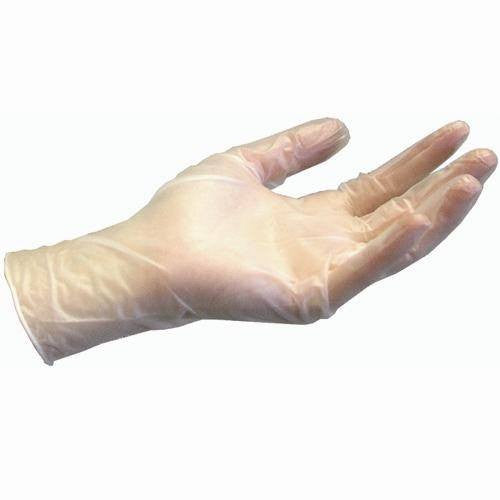
Personal protective equipment (PPE): Wear clean (preferably sterile) gloves and eye protection/face shield because splashes may occur. The patient can wear a cloth or bib to protect the chest. Ensure the patient is positioned upright (if conscious) or on their side (if unconscious) for easier drainage and to prevent aspiration. Pre-oxygenate or give supplemental oxygen if the patient is hypoxic.
Suction Technique (Step-by-Step)
-
Explain and prepare: Explain to the patient (if conscious) what you will do. Wash your hands and apply gloves. Connect the Yankauer tip firmly to the suction tubing. Switch on the suction unit and adjust to the prescribed pressure (e.g. ~100–150 mm Hg for adults).
-
Insert Yankauer carefully: Gently open the patient’s mouth. Insert the Yankauer tip into the mouth, sliding it along the side of the tongue toward the back (toward the cheek pouch or oropharynx) – not in the very center of the tongue to avoid triggering gagging. Insert no deeper than necessary to reach visible secretions or the back of the mouth. Do not insert beyond the visible area or into the throat to avoid trauma or swallowing.
-
Apply suction: Once in position, apply suction by covering the thumb port (vent) with your finger (if the Yankauer has one). This opens suction flow at the tip. Suction only while withdrawing the tip – that is, place Yankauer into place first, then activate suction as you slowly pull it back. Sweep the tip smoothly along the roof of the mouth and under the tongue to gather secretions. If thick plugs are present, suction gently at spots until cleared. Avoid keeping suction on continuously in one spot: use short bursts of suction (typically <10 seconds at a time) to prevent mucosal injury and hypoxia. If the patient coughs, continue suction to clear the secretions.
-
Withdraw Yankauer: Slowly withdraw the Yankauer tip from the mouth, continuing to cover the port to suction as you pull back a bit. Then remove suction before pulling fully out. Dispose of the Yankauer tip (it is single-use) by releasing it into a waste container or wrapping it in the outer glove while still in mouth, then pulling out. Some protocols flush the Yankauer with sterile water after use to clear residual secretions. Wash your hands after. Document the procedure (time, amount/type of secretions, patient response).
-
Repeat if needed: If the patient still has secretions, reinsert and suction again after a short rest. Always allow the patient to breathe normally between suction passes (30–60 seconds) to regain oxygen. Continue only as long as needed and tolerated. Typically, check oxygen saturation or patient comfort as indicators.
Safety and Precautions
-
Positioning: Keep the patient’s head turned to the side or upright (whenever possible) to let secretions drain out of the mouth. This also prevents accidental aspiration of fluid. Support the jaw if needed.
-
Device vent: Remember to cover and uncover the Yankauer’s thumb port. If your Yankauer has a thumb vent (a small hole on the handle), covering it allows suction at the tip and uncovering it stops suction. If you leave it covered continuously, you may inadvertently suction more fluid too quickly. If there’s no vent, suction flows whenever the tube is open.
-
Pressure and duration: Do not use excessive suction pressure. Very high suction or prolonged suctioning can damage delicate tissues and cause oxygen levels to drop. Clinical guidelines recommend short suction intervals (e.g. <10–15 sec) and no more than a few passes to prevent trauma and hypoxemia. For adult oral suction, a common pressure is 100–150 mm Hg; newborns would use much lower (50–80 mm Hg).
-
Frequency and monitoring: Yankauer suctioning is performed only as needed, not continuously. Observe the patient’s vital signs (Oxymeter, heart rate) during suctioning. Stop if heart rate drops, breathing becomes irregular, or oxygen drops significantly. Give the patient a chance to recover. Reassess often – if inadequate results or patient is very unstable, stop and get help.
-
Avoid injury: Use a gentle touch. Do not insert the Yankauer forcefully or very deep. Watch for signs of gagging or pain – withdraw slightly. The lining of the mouth and throat is sensitive; rough technique can cause bleeding or discomfort. Also be cautious with loose teeth (gently suction to avoid dislodging).
-
Maintain sterility: Always use a clean or sterile Yankauer tip. Keep the end from touching bed linens or other surfaces before insertion. After use, clean reusable parts per protocol: flush the tubing and Yankauer with water or disinfectant, or dispose of single-use equipment.
-
Practitioner readiness: Only trained personnel should perform suction. Have emergency equipment available if needed (oxygen, ambu-bag, resuscitation). Because suctioning can provoke coughing or laryngospasm, be prepared to support breathing. Suction machines often have dials (as CUH advises at 80–200 mm Hg), and some may include a vacuum regulator or pressure gauge.
In summary: To use a Yankauer suction properly, set up the suction machine (power on, correct pressure), attach the Yankauer tip, position the patient, then gently insert the tip into the mouth and apply suction by covering the vent. Withdraw the tip slowly while suctioning to clear secretions, and rinse the equipment after use. Always suction in brief bursts, with constant patient monitoring. This ensures the airway is cleared safely and effectively.