
Filters
Availability
Price
$
-
$
$0
$239
Vendor
- Sandoz (1)
- Sandoz-Fougera (1)
- Padagis (1)
- Padagis US (4)
- Dynarex (1)
- Coloplast Corporation (4)
- Perrigo (1)
- Glenmark Pharmaceuticals (3)
- Torrent Pharmaceuticals (1)
- Taro Pharmaceuticals (3)
- Blaine Labs (1)
- Trifecta Pharmaceuticals (1)
- Rugby Laboratories (1)
- Ohm Laboratories (2)
- Smith & Nephew (1)
- Teva Pharmaceuticals (2)
- Glaxo Smith Kline (1)
- Emerson Healthcare (1)
- Major Rugby Labs (2)
- Bayer Healthcare (3)
- MedTech (1)
- Encube Ethicals (1)
Collection
Tags
- Antifungal (19)
- antifungal cream (20)
- Antifungal Medication (17)
- Antifungal Treatment (17)
- Buy at Mountainside Medical (1)
- Cream (1)
- Fungal (4)
- Fungal Infections (10)
- Keto (3)
- Ketoconazole (3)
- Near Me (1)
- Nizoral Cream (2)
- Topical Cream (2)
- treat fungal infections (9)
- Fungal Infections Treatment (8)
- antibiotic ointment (2)
- Ciclopirox (4)
- Ciclopirox Olamine Cream (2)
- doctor-only (14)
- Treat Fungal Infections (1)
- athlete's foot (9)
- Generic Mycostatin (2)
- Nystatin (3)
- Nystatin Cream (2)
- Nystatin Units (2)
- ringworm (16)
- Treat Athlete's foot (4)
- Yeast infections (4)
- Athletes foot (4)
- Clotrimazole (9)
- Clotrimazole Cream (7)
- jock itch (2)
- Topical antiseptic (2)
- 1607 (1)
- Coloplast (3)
- miconazole nitrate 2 (3)
- Moisture barrier (1)
- Wick Away Moisture (1)
- Antifungal Cream (5)
- Corticosteroid (2)
- Corticosteroid Medication (1)
- Corticosteroid Skin Treatment (2)
- Nystatin Ointment (1)
- Topical Corticosteroid (2)
- Topical Corticosteroids (1)
- Glenmark (1)
- Jock itch (11)
- Jock Itch Treatment (12)
- Tinea Pedis (6)
- af (1)
- barrer cream (1)
- coloplast (1)
- critic aid (1)
- dimethicone (1)
- Miconazole Nitrate (5)
- moisture barrier (1)
- moisture barrier cream (1)
- petrolatum (1)
- Antibiotic Medicine (1)
- Ciclopirox Gel (1)
- Fungal Skin Infections (4)
- gel (1)
- Loprox (2)
- seborrheic dermatitis (1)
- Serious Fungal Infections (2)
- Tinea corporis (5)
- Topical Gel (1)
- treat seborrheic dermatitis (1)
- Nystatin Cream 100000 Units (1)
- Athlete’s foot (4)
- Lotrimin (3)
- Lotrimin AF (3)
- Antifungal cream (1)
- Vaginal Infections (1)
- Vaginal Irritation (3)
- Foot Cream (3)
- Lavender Oil (1)
- Nail Fungas (1)
- Ring Worm (1)
- Tea Tree Oil (1)
- Tineacide (1)
- Urea (1)
- ring worm (2)
- skin fungus (2)
- tolnaftate (3)
- Tolnaftate 1% (2)
- Barrier Cream (1)
- Critic-Aid (1)
- incontinence (1)
- Incontinence on Skin (1)
- Skin Barrier (1)
- Skin Breakdown (1)
- SKin Paste (1)
- Athlete’s foot treatment (4)
- Foot Fungas (1)
- foot fungus cream (2)
- itchy skin (2)
- jock itch relief (2)
- tinea cruris (1)
- Treat skin infections (4)
- 51672-2002-02 (1)
- antifungal cream for kids (1)
- antifungal ointment (1)
- Clotrimazole 1 percent (1)
- Fungal infection cream (1)
- kids antifungal (1)
- over the counter antifungal (1)
- ringworm cure (1)
- skin infection remedy (1)
- tinea corporis treatment (1)
- tinea pedis relief (1)
- topical antifungal (1)
- Treat Athlete's Foot (1)
- yeast infection skin cream (1)
- Chafing (2)
- Chafing Relief (1)
- Itching (3)
- Secura (1)
- Clotrimazole Vaginal (2)
- Vaginal Antifungal Cream (2)
- Vaginal Cream (2)
- vaginal itch (2)
- Yeast Infection (2)
- Lamisil (1)
- Terbinafin Hydrochloride (1)
- Terbinafine Hydrochloride (1)
- 2% Miconazole Nitrate (3)
- Miconazole Nitrate 2 (1)
- Repels Moisture (1)
- Treat Skin Fungas (1)
- Triple Paste (1)
- best cream for ringworm (1)
- ketoconazole cream 2% (1)
- Ketoconazole Topical (1)
- prescription antifungal (1)
- Ringworm Treatment (2)
- tinea versicolor (1)
- topical antifungal cream (1)
- Treat Jock Itch (1)
- Treat Ring Worm (1)
- Antifungal cream for skin (1)
- Best antifungal cream (1)
- Fungal infection treatment (1)
- Jock itch cream (1)
- Over-the-counter antifungal (1)
- Relieve itching (3)
- Ringworm cream (1)
- Skin fungus cure (1)
- Tinactin (1)
- Tolnaftate Cream (1)
- Anti-itching lotion (2)
- Antifungal Medicated (5)
- Foot fungus (2)
- Fungal Rash (2)
- Fungus Infections (2)
- Miconazole Nitrate Cream (2)
- Rash Cream (2)
- Skin Fungus (2)
- stop itching (2)
- Tinea Cruris (2)
- Baza Antifungal (1)
- Butenafine (1)
- Butenafine Hydrochloride (1)
- Fungal Cream (1)
- Lotrimin Ultra (1)
- Lotrimin AF Cream (1)
- 4% Miconazole Nitrate Cream (1)
- Monistat (1)
- Monistat 3 (1)
- Suppositories (1)
- Vaginal Antifungal Relief (1)
- Vaginal Cream Treatment (1)
- vaginal yeast infections (1)
- Nystatin and Triamcinolone Acetonide (1)
- Triamcinolone Acetonide 0.1 (1)
- Triamcinolone Acetonide Ointment (1)
- antibiotic for skin (1)
- Bacterial skin infection (2)
- Bacterial skin infection cream (1)
- Best cream for boils (1)
- Encube Mupirocin cream 15g (1)
- First aid antibiotic cream (1)
- Impetigo treatment (1)
- kills MRSA (1)
- mrsa (1)
- MRSA skin infection remedy (1)
- Mupirocin 2% (1)
- Mupirocin Calcium Cream (1)
- Mupirocin calcium topical (1)
- Mupirocin Cream (1)
- Mupirocin cream 2% (1)
- Mupirocin for folliculitis (1)
- Prescription antibiotic for skin (1)
- Skin infection cream (1)
- Staph infection ointment (1)
- Topical Antibiotic (1)
- Topical Antibiotic Cream (1)
- Treat MRSA (1)
- Econazole Nitrate (1)
- Econazole Nitrate Cream (1)
- Ciclopirox Cream (1)
- Ciclopirox Topical (1)
- RX antifungal (1)
- Skin bacteria (1)
- Skin rash (1)
- superficial fungal infections (1)
- Topical bacteria (1)
- Treat Skin Rashes (1)
- Topical Suspension (1)
Antifungal Cream OTC & Prescription
Antifungal creams are topical medications used to treat infections caused by fungi on the skin or mucous membranes. They are commonly applied to areas affected by fungal infections like athlete’s foot, ringworm, jock itch, or various yeast infections (such as vaginal yeast infections). These creams work by either killing the fungus or stopping its growth, thereby eliminating the infection. As the fungus is eradicated, symptoms like itching, redness, scaling, and irritation start to improve. Many antifungal creams are available over the counter (without a prescription) for treating mild to moderate fungal skin problems, making them an accessible first-line solution for common infections.
Common Fungal Infections Treated
Antifungal creams are effective against a range of fungal skin infections. Some of the most common conditions treated with these creams include:
- Athlete’s Foot (Tinea Pedis): A fungal infection of the feet (especially between the toes) that causes itching, burning, cracking, and peeling of the skin. Antifungal creams help clear the fungus and relieve these symptoms.
- Jock Itch (Tinea Cruris): A fungal infection of the groin area, inner thighs, or buttocks. It leads to a red, ring-shaped rash and persistent itching or burning. Topical antifungal creams can cure jock itch and soothe the irritation.
- Ringworm (Tinea Corporis): A fungal infection on the body or limbs (despite the name, ringworm is caused by a fungus, not a worm). It appears as ring-shaped, red patches with clearer skin in the center. Antifungal creams are the standard treatment to eliminate the fungus and rash.
- Yeast Infections (Candidiasis): Overgrowth of yeast (usually Candida species) on the skin or mucous membranes. This includes conditions like vaginal yeast infections, fungal diaper rash, or yeast infections in skin folds. Antifungal creams (or vaginal antifungal creams/suppositories for vaginal candida) kill or inhibit the yeast, relieving symptoms such as itching, discharge, or redness.
- Fungal Nail Infections (Onychomycosis): Fungal infection of the toenails or fingernails, causing nails to become thick, discolored, and brittle. Topical antifungal preparations (creams, gels, or medicated nail lacquers) can be used for mild nail fungus, but nail infections often require longer treatment or oral antifungal medication for full cure. (Nails are harder to treat because the fungus can hide under the nail — so while creams may help early or mild cases, more stubborn nail infections need a doctor’s intervention.)
Antifungal creams are an important and commonly used remedy for treating fungal infections of the skin. By delivering antifungal medication directly to the site of infection, they can effectively cure conditions like athlete’s foot, jock itch, ringworm, and yeast infections with relatively few side effects. Most are easy to use and available without a prescription, making them a convenient first choice when facing a mild fungal rash. The keys to success with antifungal creams are using them properly (as directed, for the full length of time) and maintaining good hygiene to support healing. When used correctly, these creams will relieve uncomfortable symptoms – such as itching and redness – and eradicate the fungal invaders causing the problem. For more severe or persistent infections, medical advice should be sought, but for everyday fungal skin issues, antifungal creams are a safe, effective, and targeted solution to “wipe out” fungal growth and restore healthy skin.
-
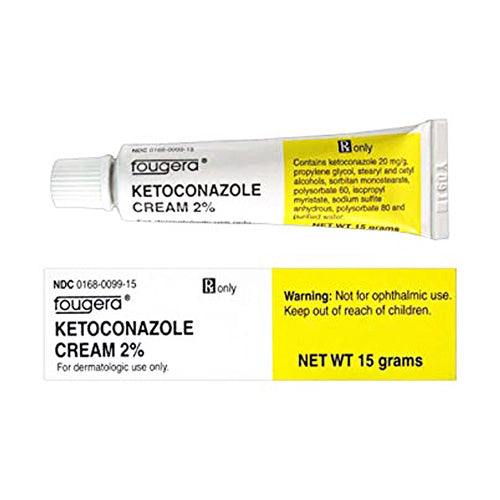 Sale 48%
Original price $ 26.95Current price $ 13.99
Sale 48%
Original price $ 26.95Current price $ 13.99Ketoconazole Topical Antifungal Cream 2% 15 gram Tube
Sandoz36 reviewsKetoconazole Topical Antifungal Cream 2% 15 gram is used to treat fungal skin infections such as athlete's foot, jock itch, and ringworm. It works ...
View full details -
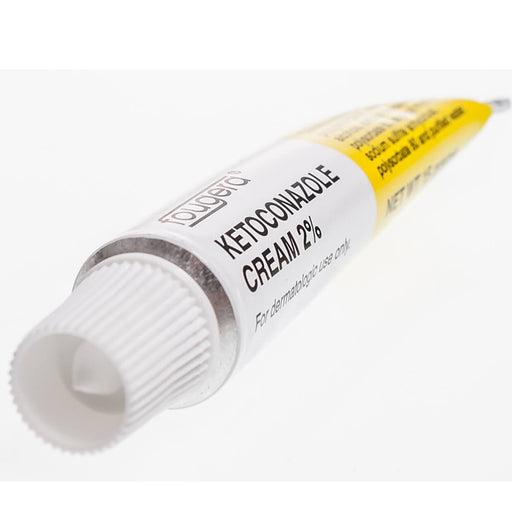 Sale 21%
Original price $ 37.95Current price $ 29.95
Sale 21%
Original price $ 37.95Current price $ 29.95Ketoconazole Topical Cream 2% 30 Gram Tube
Sandoz-Fougera23 reviewsKetoconazole topical antifungal cream 2% is a medication used to treat fungal infections of the skin, including ringworm, athlete's foot, jock itch...
View full details -
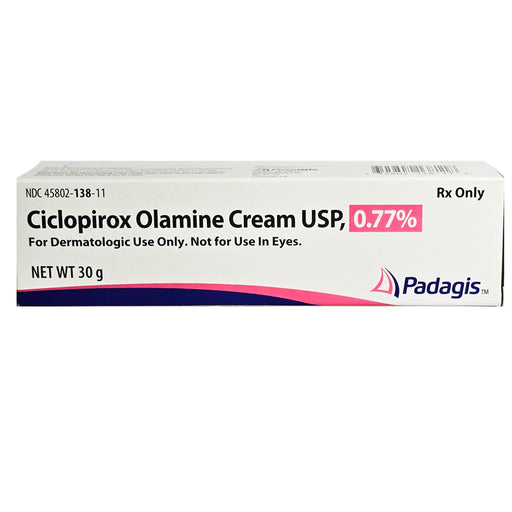 Sale 15%
Original price $ 19.95Current price $ 16.90
Sale 15%
Original price $ 19.95Current price $ 16.90Ciclopirox Olamine Cream 0.77% USP 30 gram by Padagis (Rx)
Padagis18 reviewsCiclopirox Olamine Cream 0.77% USP by Padagis is an effective antifungal treatment designed to combat a variety of fungal skin infections. Ideal fo...
View full details🔒 Medical License Required -
 Sale
from $ 19.95
Sale
from $ 19.95Nystatin Cream 100,000 Units USP (Rx)
Padagis US12 reviewsNystatin Cream 100,000 Units is a highly effective antifungal treatment designed to alleviate and manage fungal skin infections. This topical medic...
View full details🔒 Medical License Required -
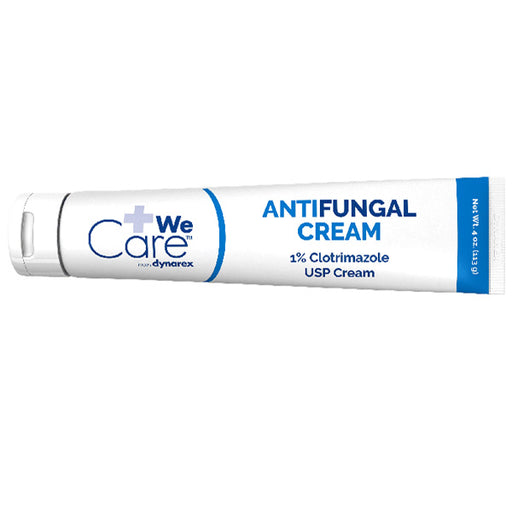 Sale 25%
Original price $ 5.95Current price $ 4.49
Sale 25%
Original price $ 5.95Current price $ 4.49Antifungal Cream Clotrimazole 1% Tube
Dynarex11 reviewsClotrimazole Cream 1% is a medication used to treat fungal infections of the skin, such as athlete's foot, jock itch, and ringworm. It works by kil...
View full details -
 Sale 30%
Original price $ 29.80Current price $ 20.90
Sale 30%
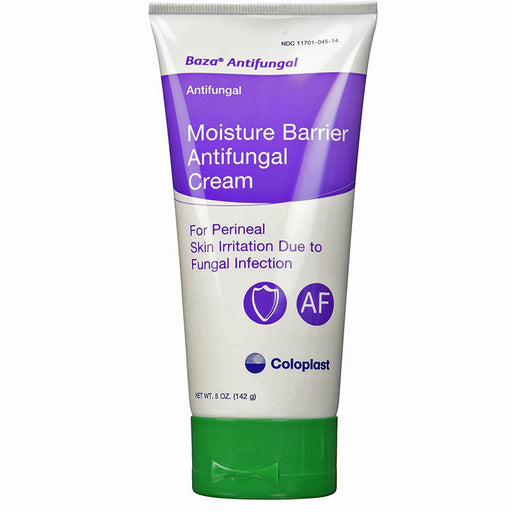
Original price $ 29.80Current price $ 20.90Baza Antifungal Cream by Coloplast 5 oz
Coloplast Corporation5 reviewsBaza Antifungal Cream by Coloplast is a medicated cream designed to treat and prevent fungal infections, such as athlete’s foot, jock itch, and rin...
View full details -
 Sale 20%
Original price $ 22.95Current price $ 18.30
Sale 20%
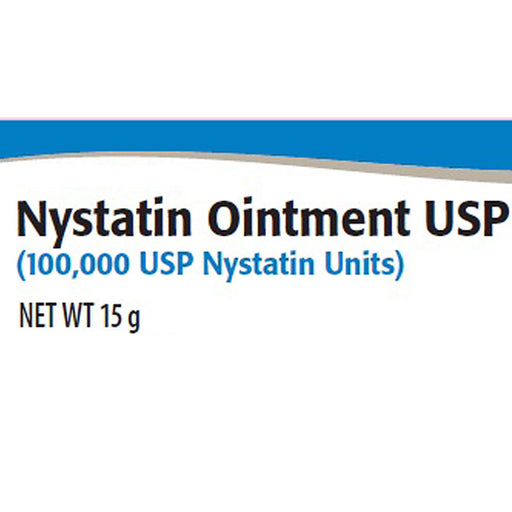
Original price $ 22.95Current price $ 18.30Nystatin Antifungal Ointment 100,000 USP (Rx)
Perrigo4 reviewsNystatin Antifungal Ointment is a topical cream or ointment used to treat fungal infections of the skin. Nystatin is a polyene antifungal agent tha...
View full details🔒 Medical License Required -
 Sale 36%
Original price $ 47.00Current price $ 29.95
Sale 36%
Original price $ 47.00Current price $ 29.95Ciclopirox Cream 0.77% by Glenmark Pharmaceuticals 15 Gram (RX)
Glenmark Pharmaceuticals12 reviewsCiclopirox Cream 0.77% by Glenmark Pharmaceuticals is a topical antifungal medication used to treat various fungal skin infections. The active ingr...
View full details🔒 Medical License Required -
 Sale
$ 16.95
Sale
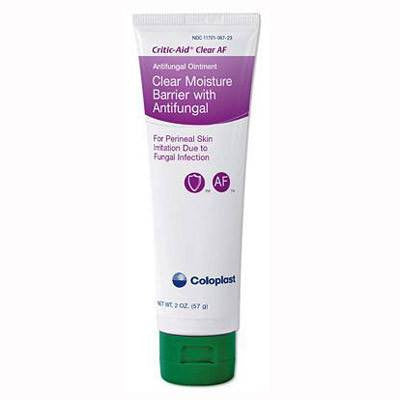
$ 16.95Critic-Aid Clear AF Moisture Barrier 5oz Tube
Coloplast Corporation1 reviewCritic Aid Clear AF is a topical moisture barrier cream fortified with skin fungus, along with petrolatum and dimethicone. This cream is easy to ap...
View full details -
 Sale 31%
Original price $ 159.95Current price $ 110.00
Sale 31%
Original price $ 159.95Current price $ 110.00Ciclopirox Gel 0.77% Topical Antifungal Medication 30 grams (Rx)
Glenmark Pharmaceuticals2 reviewsCiclopirox Gel 0.77% is a high-efficacy, prescription-strength topical antifungal treatment formulated by Glenmark Pharmaceuticals. Designed for de...
View full details🔒 Medical License Required -
 Sale 31%
Original price $ 22.95Current price $ 15.95
Sale 31%
Original price $ 22.95Current price $ 15.95Nystatin Cream 100,000 Units by Torrent Pharmaceuticals, 30 grams (Rx)
Torrent Pharmaceuticals1 reviewNystatin Cream 100,000 Units by Torrent Pharmaceuticals is a powerful antifungal medication used to treat a range of fungal infections of the skin,...
View full details🔒 Medical License Required -
 Sale 12%
Original price $ 8.95Current price $ 7.85
Sale 12%
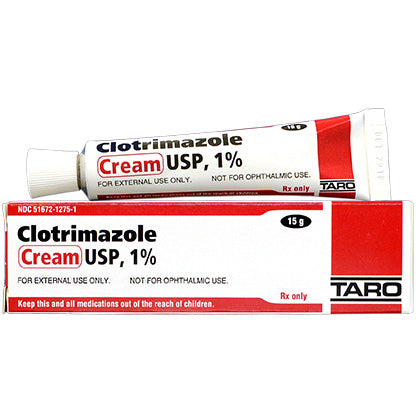
Original price $ 8.95Current price $ 7.85Clotrimazole Cream 1% Antifungal Relief 30 Gram Tube (Rx)
Taro Pharmaceuticals5 reviewsClotrimazole Cream 1% by Taro is an effective antifungal treatment designed to relieve itching, burning, cracking, and discomfort associated with f...
View full details🔒 Medical License Required -
 Sale 29%
Original price $ 9.79Current price $ 6.95
Sale 29%
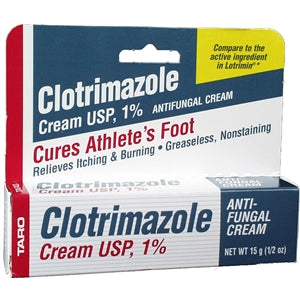
Original price $ 9.79Current price $ 6.95Clotrimazole Antifungal Cream 1% by Taro, 15 grams (Rx)
Taro Pharmaceuticals2 reviewsTaro Clotrimazole Cream 1% is an antifungal medication used to treat various fungal and certain yeast infections. It works by stopping the growth o...
View full details🔒 Medical License Required -
 Sale 15%
Original price $ 19.95Current price $ 16.95
Sale 15%
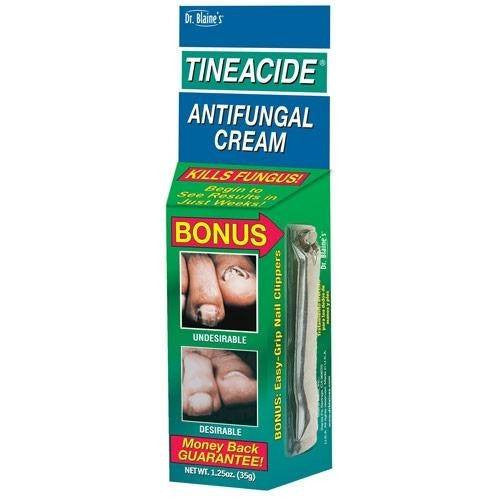
Original price $ 19.95Current price $ 16.95Tineacide Antifungal Foot & Nail Cream 1.25 oz
Blaine Labs1 reviewTineacide Antifungal Cream is designed to kill skin fungus, prevent the spread of fungal, yeast, and bacterial infections, and effectively cure ath...
View full details -
 Sale 32%
Original price $ 6.95Current price $ 4.75
Sale 32%
Original price $ 6.95Current price $ 4.75Tolnaftate 1% Antifungal Cream 1 oz by Trifecta Pharmaceuticals
Trifecta Pharmaceuticals1 reviewTolnaftate 1% Antifungal Cream by Trifecta Pharmaceuticals is an effective topical treatment designed to relieve and heal common fungal infections....
View full details -
 Sale
from $ 16.95
Sale
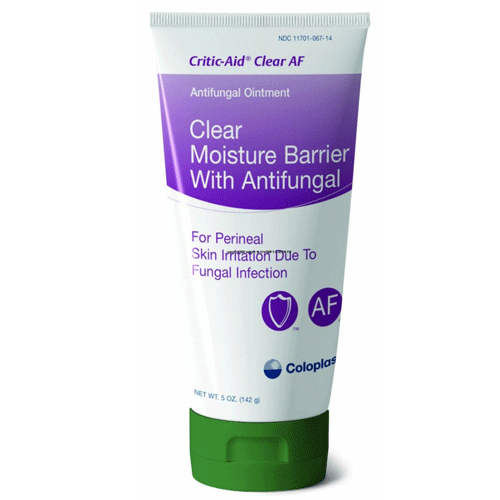
from $ 16.95Critic-Aid Skin Moisture Barrier Skin Protectant
Coloplast Corporation1 reviewColoplast 1947 Critic-Aid Skin Paste Thick Moisture Barrier Skin Protectant is an advanced skin care line specially designed to protect the skin f...
View full details -
 Sale 36%
Original price $ 5.99Current price $ 3.85
Sale 36%
Original price $ 5.99Current price $ 3.85Clotrimazole 1% Antifungal Treatment Cream For Itching & Burning Relief 1 oz
Rugby Laboratories3 reviewsFight fungal infections fast with Clotrimazole 1% Antifungal Cream by Rugby Laboratories – the #1 choice for effective, doctor-recommended relief f...
View full details -
 Sale 47%
Original price $ 9.95Current price $ 5.29
Sale 47%
Original price $ 9.95Current price $ 5.29Clotrimazole Cream 1% Topical Athlete's Foot Antifungal and Itching Relief Remedy 30 gram
Ohm Laboratories1 reviewFast-Acting Fungal Infection Relief | Topical Antifungal Treatment | Maximum Strength | Doctor-Recommended Take control of stubborn fungal infectio...
View full details -
 Sale 31%
Original price $ 12.98Current price $ 8.97
Sale 31%
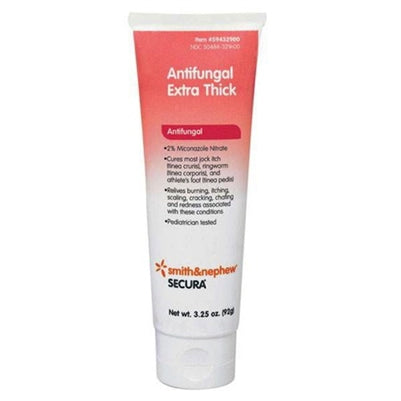
Original price $ 12.98Current price $ 8.97Secura Antifungal Extra-Thick Cream (2% Miconazole Nitrate)
Smith & NephewNo reviewsSecura Antifungal Extra-Thick Cream used to treat superficial fungal infections including tinea cruris (jock itch), tinea corporis (ringworm), (ath...
View full details -
 Sale 36%
Original price $ 14.95Current price $ 9.50
Sale 36%
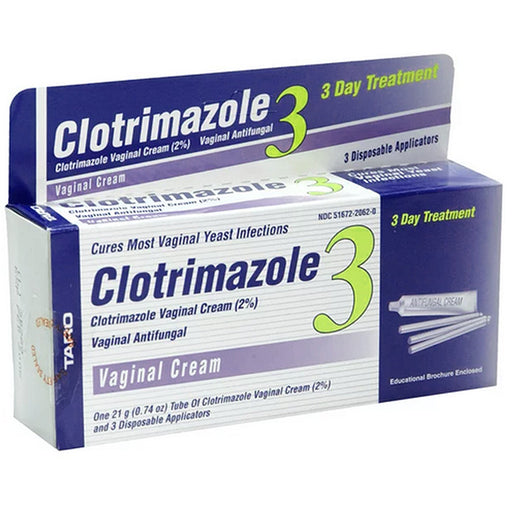
Original price $ 14.95Current price $ 9.50Clotrimazole 3-Day Vaginal Antifungal Cream 2% by Taro
Teva Pharmaceuticals1 reviewClotrimazole 3-Day Vaginal Antifungal Cream 2% is a highly effective treatment for yeast infections. It works by killing the fungus that causes the...
View full details -
 Sale 23%
Original price $ 25.95Current price $ 19.95
Sale 23%
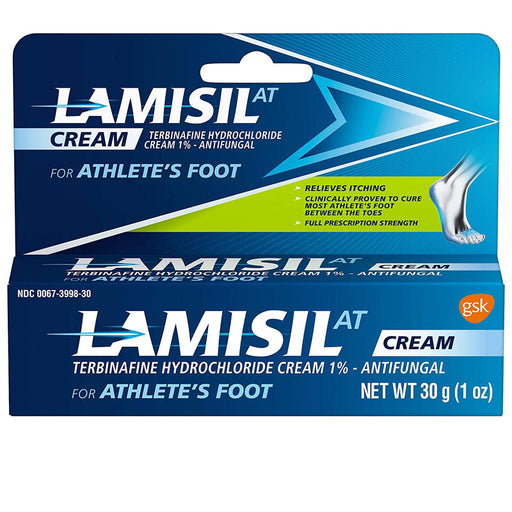
Original price $ 25.95Current price $ 19.95Lamisil AT Antifungal Athlete’s Foot Cream 1.05 oz (Terbinafine Hydrochloride)
Glaxo Smith KlineNo reviewsLamisilAT Prescription Strength Athletes Foot Antifungal Cream for athletes foot treatment relieves symptoms and kills the fungus that causes athle...
View full details -
 Sale 27%
Original price $ 36.95Current price $ 27.00
Sale 27%
Original price $ 36.95Current price $ 27.00Triple Paste AF Antifungal Ointment (2% Miconazole Nitrate)
Emerson Healthcare2 reviewsDiscover the healing power of Triple Paste AF Antifungal Ointment, meticulously crafted to combat stubborn fungal infections with precision and car...
View full details -
 Sale 31%
Original price $ 28.95Current price $ 19.95
Sale 31%
Original price $ 28.95Current price $ 19.95Ketoconazole Topical Antifungal Cream 2% Teva 30 gram tube (Rx)
Teva PharmaceuticalsNo reviewsPrescription-Strength, Fast-Acting Relief for Fungal Skin Infections Trusted By Dermatologists. Clinically Proven. Unbeatable Fungal Infection Defe...
View full details🔒 Medical License Required -
 Sale 32%
Original price $ 6.99Current price $ 4.75
Sale 32%
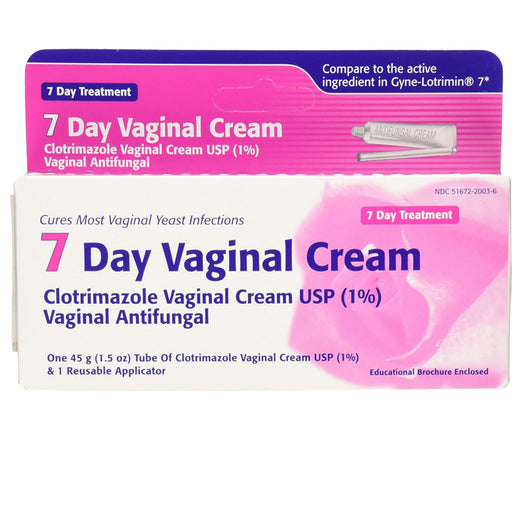
Original price $ 6.99Current price $ 4.75Taro Clotrimazole 7-Day Vaginal Cream 1% with Reusable Applicator 45 gram
Taro PharmaceuticalsNo reviewsTaro Clotrimazole 7-Day Vaginal Cream 1% with Reusable Applicator 45 gram is a highly effective treatment for women suffering from vaginal yeast in...
View full details -
 Sale 40%
Original price $ 4.95Current price $ 2.95
Sale 40%
Original price $ 4.95Current price $ 2.95Tolnaftate 1% Antifungal Cream 0.5 oz by Rugby
Major Rugby Labs1 reviewPowerful Athlete’s Foot, Jock Itch, and Ringworm Treatment Experience Fast, Proven Relief from Fungal Skin Infections. Eliminate irritating fungal ...
View full details -
 Sale 42%
Original price $ 11.95Current price $ 6.89
Sale 42%
Original price $ 11.95Current price $ 6.89Miconazole Nitrate Cream 2% Antifungal Topical Cream 1 oz Tube
Major Rugby LabsNo reviews#1 Choice for Fast Athlete’s Foot, Ringworm, and Jock Itch Relief! Experience fast-acting, clinically proven antifungal protection with Miconazole ...
View full details -
 Sold out
Original price $ 259.00Current price $ 239.00
Sold out
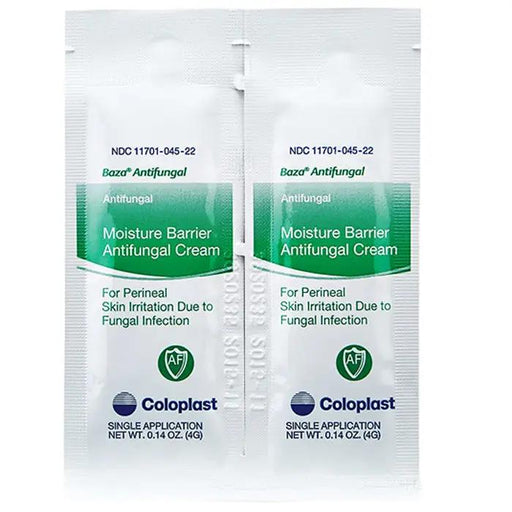
Original price $ 259.00Current price $ 239.00Baza Antifungal Moisture Barrier 4 gram Packets, 300/box
Coloplast Corporation1 reviewBaza Antifungal Moisture Barrier Cream is a topical cream used for the prevention and treatment of fungal skin infections. The cream forms a protec...
View full details -
 Sale 29%
Original price $ 22.95Current price $ 16.25
Sale 29%
Original price $ 22.95Current price $ 16.25Lotrimin Ultra Jock Itch Cream with Butenafine Hydrochloride 1%, 12 Grams
Bayer HealthcareNo reviewsLotrimin Ultra Jock Itch Cream provides powerful relief from the discomfort of jock itch by effectively targeting the fungal infection. With a clin...
View full details -
 Sale 32%
Original price $ 18.95Current price $ 12.95
Sale 32%
Original price $ 18.95Current price $ 12.95Lotrimin AF Antifungal Cream (1% Clotrimazole) 12 gram
Bayer HealthcareNo reviewsLotrimin AF Cream Lotrimin AF Antifungal Cream is a topical medication primarily used to treat fungal skin infections, such as athlete's foot, jock...
View full details -
 Sale 32%
Original price $ 16.95Current price $ 11.45
Sale 32%
Original price $ 16.95Current price $ 11.45Tinactin Athletes Foot Cream with Tolnaftate 1%
Bayer HealthcareNo reviewsTinactin Athlete's Foot Cream with Tolnaftate 1% is an antifungal medication used to treat athlete's foot, jock itch, and ringworm. Tolnaftate work...
View full details -
 Sale 19%
Original price $ 24.50Current price $ 19.95
Sale 19%
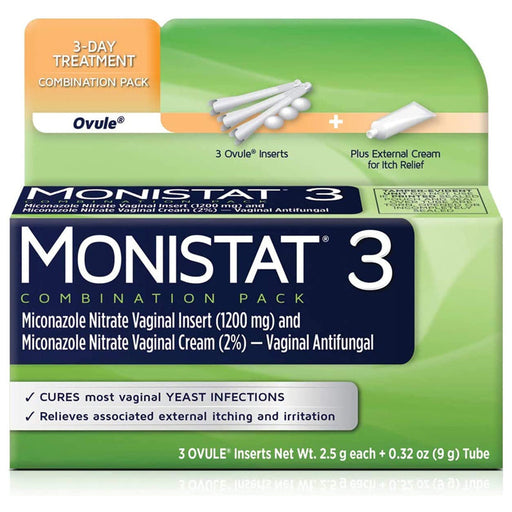
Original price $ 24.50Current price $ 19.95Monistat 3 Vaginal Antifungal Miconazole Nitrate Prefilled Cream 3-Day Treatment
MedTechNo reviewsMONISTAT 3-Dose Yeast Infection Treatment is a great regular strength nighttime option for women who want a less concentrated treatment at moderat...
View full details -
 Sale 30%
Original price $ 49.95Current price $ 35.00
Sale 30%
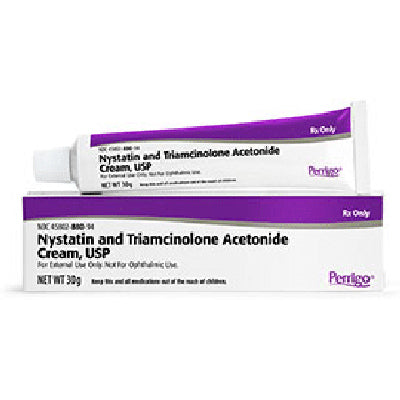
Original price $ 49.95Current price $ 35.00Nystatin and Triamcinolone Acetonide Cream 0.1% 15 gram Tube (Rx)
Padagis USNo reviewsNystatin and Triamcinolone Acetonide Cream 0.1% is a powerful combination medication often prescribed for the treatment of various skin conditions....
View full details🔒 Medical License Required -
 Sale 37%
Original price $ 85.95Current price $ 54.00
Sale 37%
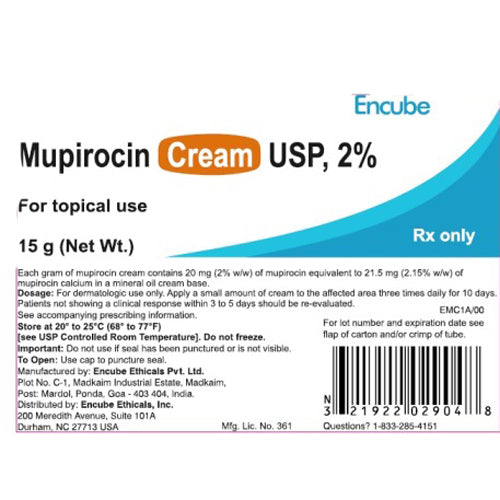
Original price $ 85.95Current price $ 54.00Mupirocin Cream 2% by Encube 15 gram (RX)
Encube EthicalsNo reviewsMupirocin Cream 2% (Brand Names: Bactroban Cream, Centany) is a doctor-recommended, prescription-strength topical antibiotic designed for fast and ...
View full details🔒 Medical License Required -
 Sale
from $ 6.95
Sale
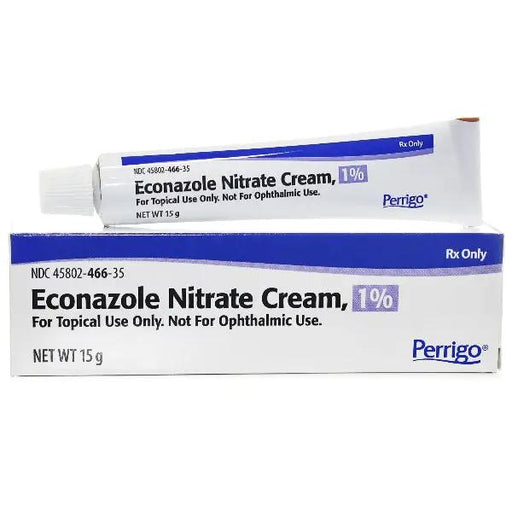
from $ 6.95Econazole Nitrate Fungal Relief Cream 1% by Padagis (RX)
Padagis USNo reviewsEconazole Nitrate Cream is used to treat a variety of fungal skin infections such as athlete's foot, jock itch, and ringworm. This medication cream...
View full details🔒 Medical License Required -
 Sale 42%
Original price $ 9.95Current price $ 5.75
Sale 42%
Original price $ 9.95Current price $ 5.75Miconazole Nitrate Cream 2% Antifungal Topical Cream 15 grams
Ohm LaboratoriesNo reviews#1 Doctor-Recommended Treatment for Athlete’s Foot, Jock Itch & Ringworm Eliminate stubborn fungus fast with Miconazole Nitrate Cream 2%, the c...
View full details -
 Sale 43%
Original price $ 14.95Current price $ 8.50
Sale 43%
Original price $ 14.95Current price $ 8.50Ciclopirox Cream 0.77% (Olamine) Antifungal Cream, 30 gram (Rx)
Glenmark PharmaceuticalsNo reviewsCiclopirox Cream – Topical Antifungal (Skin) Ciclopirox is an antifungal medication often formulated as a cream (also as gel, lotion, shampoo, or n...
View full details🔒 Medical License Required -
 Sale 29%
Original price $ 54.75Current price $ 38.95
Sale 29%
Original price $ 54.75Current price $ 38.95Ciclopirox Olamine Lotion Topical Suspension 0.77% (RX)
Padagis USNo reviewsCiclopirox Olamine lotion is an antifungal medication used to treat various fungal skin infections, such as athlete's foot, ringworm, jock itch, an...
View full details🔒 Medical License Required


People Also Searched For
Antifungal Cream OTC & Prescription to antifungal cream
Antifungal Cream OTC & Prescription to Antifungal
Antifungal Cream OTC & Prescription to Antifungal Medication
Antifungal Cream OTC & Prescription to Antifungal Treatment
Antifungal Cream OTC & Prescription to ringworm
Antifungal Cream OTC & Prescription to doctor-only
Antifungal Cream OTC & Prescription to jock itch
Antifungal Cream OTC & Prescription to athlete's foot
Antifungal Cream OTC & Prescription to Jock Itch Treatment
Antifungal Cream OTC & Prescription to Antifungal Medications
Antifungal creams are topical medications used to treat infections caused by fungi on the skin or mucous membranes. They are commonly applied to areas affected by fungal infections like athlete’s foot, ringworm, jock itch, or various yeast infections (such as vaginal yeast infections). These creams work by either killing the fungus or stopping its growth, thereby eliminating the infection. As the fungus is eradicated, symptoms like itching, redness, scaling, and irritation start to improve. Many antifungal creams are available over the counter (without a prescription) for treating mild to moderate fungal skin problems, making them an accessible first-line solution for common infections.
Common Fungal Infections Treated
Antifungal creams are effective against a range of fungal skin infections. Some of the most common conditions treated with these creams include:
- Athlete’s Foot (Tinea Pedis): A fungal infection of the feet (especially between the toes) that causes itching, burning, cracking, and peeling of the skin. Antifungal creams help clear the fungus and relieve these symptoms.
- Jock Itch (Tinea Cruris): A fungal infection of the groin area, inner thighs, or buttocks. It leads to a red, ring-shaped rash and persistent itching or burning. Topical antifungal creams can cure jock itch and soothe the irritation.
- Ringworm (Tinea Corporis): A fungal infection on the body or limbs (despite the name, ringworm is caused by a fungus, not a worm). It appears as ring-shaped, red patches with clearer skin in the center. Antifungal creams are the standard treatment to eliminate the fungus and rash.
- Yeast Infections (Candidiasis): Overgrowth of yeast (usually Candida species) on the skin or mucous membranes. This includes conditions like vaginal yeast infections, fungal diaper rash, or yeast infections in skin folds. Antifungal creams (or vaginal antifungal creams/suppositories for vaginal candida) kill or inhibit the yeast, relieving symptoms such as itching, discharge, or redness.
- Fungal Nail Infections (Onychomycosis): Fungal infection of the toenails or fingernails, causing nails to become thick, discolored, and brittle. Topical antifungal preparations (creams, gels, or medicated nail lacquers) can be used for mild nail fungus, but nail infections often require longer treatment or oral antifungal medication for full cure. (Nails are harder to treat because the fungus can hide under the nail — so while creams may help early or mild cases, more stubborn nail infections need a doctor’s intervention.)
Antifungal creams are an important and commonly used remedy for treating fungal infections of the skin. By delivering antifungal medication directly to the site of infection, they can effectively cure conditions like athlete’s foot, jock itch, ringworm, and yeast infections with relatively few side effects. Most are easy to use and available without a prescription, making them a convenient first choice when facing a mild fungal rash. The keys to success with antifungal creams are using them properly (as directed, for the full length of time) and maintaining good hygiene to support healing. When used correctly, these creams will relieve uncomfortable symptoms – such as itching and redness – and eradicate the fungal invaders causing the problem. For more severe or persistent infections, medical advice should be sought, but for everyday fungal skin issues, antifungal creams are a safe, effective, and targeted solution to “wipe out” fungal growth and restore healthy skin.