
Filters
Availability
Price
$
-
$
$0
$117
Vendor
- Smith & Nephew (2)
- Medline Industries (1)
- McKesson (3)
- Convatec (1)
- Bausch Health US (1)
- MPM Medical (1)
- Anacapa Technologies (2)
- Cardinal (1)
- Covidien /Kendall (1)
- Safeguard US Operating (2)
- Mölnlycke Health Care (1)
- Kendall Healthcare (1)
- Derma Sciences (1)
- Coloplast Corporation (1)
- Amerx Healthcare (1)
Collection
Tags
- 449600 (1)
- Acute Wounds (1)
- Chronic Wounds (1)
- Full Thickness (1)
- Hydate Wound Bed (1)
- Hydrogel (13)
- Moist Wound Healing (2)
- Partial Thickness (1)
- Pressure Ulcers (3)
- Prevent Bacteria Growth (1)
- Solosite (1)
- Venous Stasis Ulcers (1)
- Wound Gel (5)
- amorphous hydrogel (6)
- Antimicrobial (2)
- antimicrobial agent (1)
- Antimicrobial Hydrogel (3)
- Antimicrobial Wound Gel (2)
- doctor-only (2)
- Hydrogel Wound Dressing (7)
- Silvasorb (1)
- Silversorb (1)
- Calcium Dressing (1)
- Hydrophilic (1)
- Hydrophilic Dressing (1)
- Hydrophilic Gel (1)
- Magnesium (1)
- Magnesium Dressing (1)
- Vitamins A (1)
- Zinc Dressing (1)
- Zinc oxide (1)
- autolytic debridement (2)
- Dermal Lesions (1)
- Hypochlorous (1)
- Hypochlorous acid (1)
- Hypochlorous Gel (1)
- Puracyn (1)
- Puracyn Hydrogel (1)
- Puracyn Plus (1)
- Duoderm (1)
- Duoderm Dressings (1)
- Duoderm Gel (1)
- Hydroactive Wound Gel (1)
- Hydroxyethyl (1)
- Biafine (1)
- Biafine Topical Emulsion (1)
- burn (1)
- Burn Cream (1)
- Burn Dressing (3)
- Burn management (1)
- burn relief (1)
- Burn Relief Gel (1)
- Burns (2)
- minor burns (1)
- ou-exclude (1)
- Skin Burn (2)
- sunburns (1)
- Treat Burns (2)
- Treat superficial wounds (1)
- Amorphous Gel (2)
- Amorphous NonSterile (1)
- HA (1)
- leg ulcers (2)
- Lidocaine (1)
- Regenecare (1)
- Regenecare Gel (1)
- Wound dressing (3)
- Anasept (1)
- Fungicidal (1)
- MRSA (1)
- Topical antiseptic (1)
- Curafil (1)
- Wet Wound Dressing (1)
- 6116 (1)
- impregnated (1)
- Incisions (1)
- Lacerations (1)
- Oil Emulsion (1)
- Skin grafts (1)
- skin tears (1)
- Hydrogel Amorphous Gel (1)
- Hydrogel Amorphous Wound Dressing (1)
- Moist Heeling (1)
- Moist Wound Healing Environment (1)
- Burn Dressing 4 x 4 (1)
- Burn Dressings (1)
- first aid (1)
- First aid treatment (1)
- Hydrogel Dressing (1)
- Safeguard US (1)
- Water Jel Burn Dressing (1)
- Hydrogel Burn Dressing (1)
- 66027308 (1)
- Intrasite Gel (1)
- Antimicrobial Dressings (1)
- Normlgel Silver (1)
- Silver Gel (1)
- Silver Hydrogel (1)
- Hydrogel Sheet Dressings (1)
- Xtrasorb dressing (1)
- 7690 (1)
- Collagen Hydrogel (1)
- Coloplast (1)
- Draining Wound (1)
- Granulation Tissue (1)
- Hydrate Wound (1)
- Serosanguineous Drainage (1)
- Tunneling Wound (1)
- Wound Cavity (1)
- Amerigel (1)
- prevent ulcers (1)
- Treat ulcerative colitis (1)
Hydrogel Dressings
What is a Hydrogel Dressing?
At its core, a hydrogel is a water-rich, jelly-like material made from polymers. Think of it as a crosslinked network of hydrophilic (water-loving) polymers that can absorb and hold a large amount of water (often up to 90-99% water by weight). Because of this high water content, hydrogels have a soft, flexible, and moist consistency – similar to gelatin or Jell-O. The polymer chains in a hydrogel are linked together in a three-dimensional structure; when you add water, they swell up but don’t dissolve, trapping the water within. This unique structure gives hydrogels a combination of solid and liquid properties: they’re solid enough to hold their shape (like a soft gel), yet mostly composed of liquid.
Examples of polymers used in hydrogels include synthetic ones like polyacrylate, polyvinylpyrrolidone (PVP), polymethacrylate and natural or bio-polymers like gelatin, alginate, or cellulose derivatives. Many hydrogels are clear or translucent, and they can be formed into sheets, beads, or amorphous (free-form) gels. They’ve been around in various forms for decades – for instance, the soft contact lenses that many people wear are a type of hydrogel, engineered to stay moist and let oxygen pass through. In everyday products, you might also find hydrogels in things like infant diapers or plant water-retaining crystals (those use superabsorbent polymer hydrogels to lock in water). Their key characteristic is absorbing water and swelling without dissolving, thanks to the crosslinks in their polymer structure.
Hydrogels in Wound Care
One of the important applications of hydrogels is in wound care – here they are often referred to as hydrogel wound dressings. In this context, a hydrogel dressing is a gel-based wound covering that donates moisture to the wound. These dressings are composed of about 90% water suspended in a gel made of insoluble hydrophilic polymers. The goal of a hydrogel dressing is to maintain a moist healing environment, which research has shown to accelerate wound healing compared to a dry environment. They keep the wound bed hydrated, which is particularly useful for wounds that are dry or have dead tissue (necrosis). By softening and rehydrating dry tissue, hydrogels promote something called autolytic debridement – that’s the body’s natural process of breaking down and removing dead tissue. A moist environment also supports the growth of new blood vessels and skin cells as the wound heals.
A hydrogel is essentially a water-loaded gel composed of crosslinked polymers. In simpler terms, it’s a moist, squishy material that can hold a lot of water without dissolving. This unique property makes hydrogels incredibly useful, especially in the medical field. As a wound dressing, hydrogels provide moisture to dry wounds, help pain by cooling the tissue, and facilitate the body’s natural cleaning and healing processes. They come in several formats (amorphous gels and sheets) and are particularly effective for certain types of wounds like burns, ulcers with dry crusts, and painful sores, although they’re not suited for very wet or infected wounds on their own.
Beyond wound care, hydrogels show up in everything from contact lenses to diaper linings, demonstrating how versatile this material is. What all hydrogel applications have in common is leveraging that high water content – whether it’s to keep something hydrated, to deliver substances in a controlled way, or to create a gentle, compatible interface with the body. So next time you feel a squishy cooling gel on a bandage or pop in a soft contact lens, you’re benefiting from hydrogel technology!
-
 Sale 23%
Original price $ 19.50Current price $ 14.98
Sale 23%
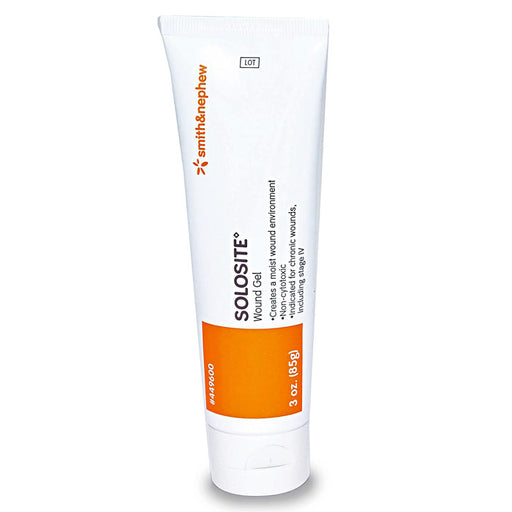
Original price $ 19.50Current price $ 14.98Solosite Gel Hydrogel Wound Dressing 3 oz
Smith & Nephew3 reviewsSolosite Gel is a topical wound dressing that is used to provide a moist environment for healing and to help promote tissue and cell regeneration. ...
View full details -
 Sale 36%
Original price $ 39.95Current price $ 25.50
Sale 36%
Original price $ 39.95Current price $ 25.50SilvaSorb Antimicrobial Wound Gel 1.5 oz tube
Medline Industries1 reviewSilvaSorb Antimicrobial Wound Gel (1.5 oz tube) by Medline Industries is a silver-impregnated hydrogel wound dressing designed to provide moist wou...
View full details🔒 Medical License Required -
 Sale 26%
Original price $ 19.95Current price $ 14.85
Sale 26%
Original price $ 19.95Current price $ 14.85Hydrophilic Wound Dressing with Zinc, Vitamins A and B6, Calcium and Magnesium
McKessonNo reviewsHydrophilic wound dressing with zinc, vitamins A and B6, calcium and magnesium is a type of dressing used for managing and promoting the healing of...
View full details -
 Sale 41%
Original price $ 39.95Current price $ 23.75
Sale 41%
Original price $ 39.95Current price $ 23.75Puracyn Plus Antimicrobial Hydrogel with Hypochlorous Acid (HOCI)
McKessonNo reviewsPuracyn Plus Antimicrobial Hydrogel with Hypochlorous Acid (HOCI) is a topical wound care product that is used to clean and debride wounds, while a...
View full details -
 Sale 22%
Original price $ 16.99Current price $ 13.20
Sale 22%
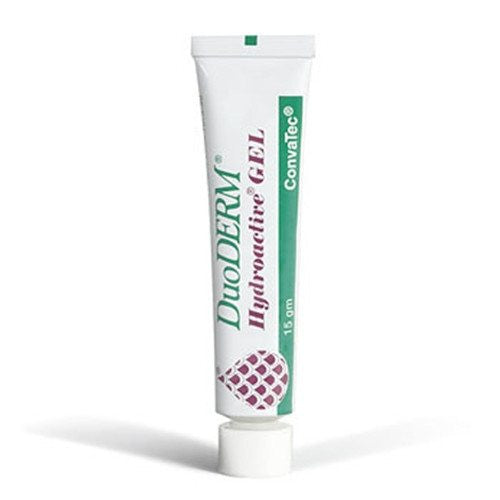
Original price $ 16.99Current price $ 13.20DuoDERM Hydroactive Wound Gel, 30 gram
Convatec1 reviewDuoDERM Hydroactive Wound Gel is a topical gel used to treat and manage wounds. The gel is made with a rich content of hydroxyethyl starch, which h...
View full details -
 Sale 17%
Original price $ 95.95Current price $ 79.95
Sale 17%
Original price $ 95.95Current price $ 79.95Biafine Burn and Wound Topical Emulsion Cream 45 gram (Rx)
Bausch Health US3 reviewsBiafine Topical Emulsion Cream is primarily used to treat minor burns, cuts, abrasions, and radiation dermatitis by promoting healing and soothing ...
View full details🔒 Medical License Required -
 Sale 36%
Original price $ 38.95Current price $ 24.95
Sale 36%
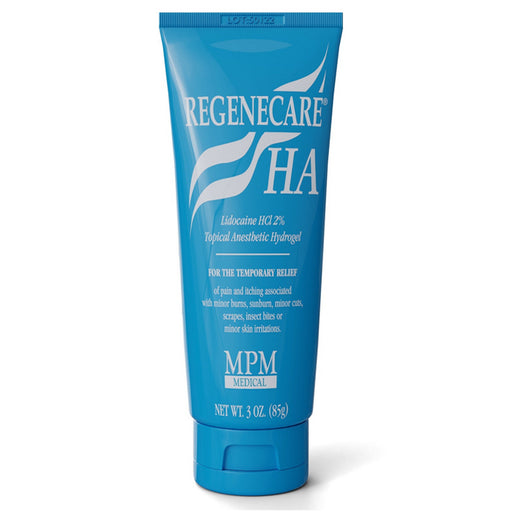
Original price $ 38.95Current price $ 24.95Regenecare HA Hydrogel Wound Dressing with Lidocaine Gel (Amorphous Gel) 3 oz
MPM MedicalNo reviewsRegenecare HA Hydrogel Wound Dressing with Lidocaine Gel (Amorphous Gel) is used for the management of non-infected, partial- to full-thickness wou...
View full details -
 Sale 24%
Original price $ 59.50Current price $ 45.00
Sale 24%
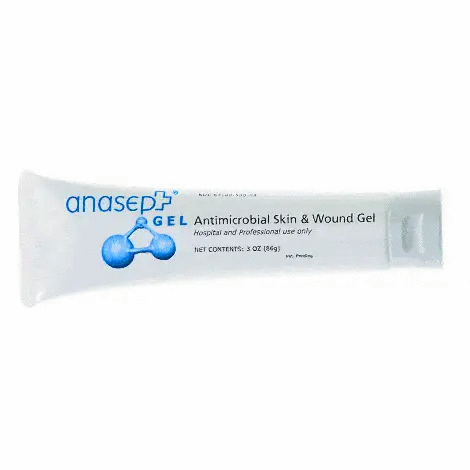
Original price $ 59.50Current price $ 45.00Anasept Antimicrobial Skin and Wound Gel 3 oz tube
Anacapa Technologies1 reviewAnasept Antimicrobial Skin and Wound Gel is a topical hydrogel that is designed for antiseptic wound care management. Made to kill a broad spectrum...
View full details -
 Sale
from $ 8.89
Sale
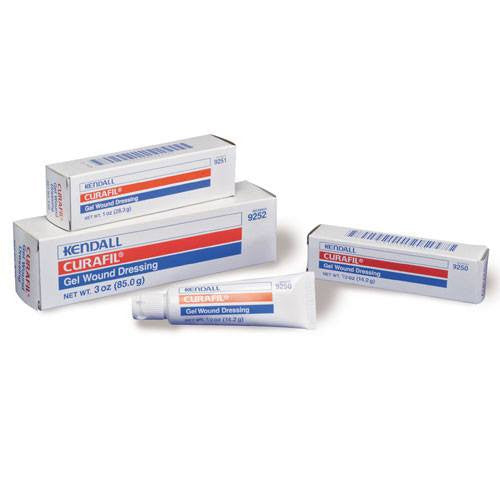
from $ 8.89Curafil Hydrogel Wound Dressing
CardinalNo reviewsCurafil Hydrogel Wound Dressing is used for the management of various types of wounds, including superficial wounds, burns, and pressure ulcers. It...
View full details -
 Sale
$ 45.00
Sale
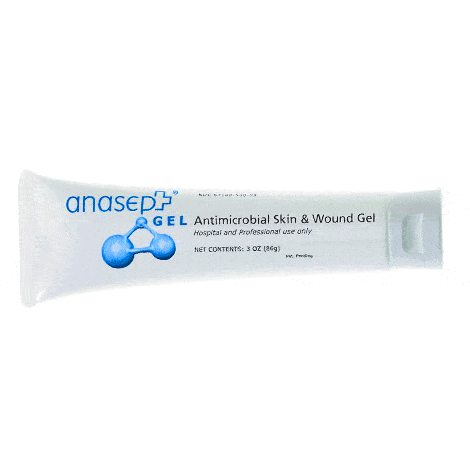
$ 45.00Anasept Antimicrobial Skin and Wound Gel 3 oz tube
Anacapa Technologies1 reviewAnasept Antimicrobial Wound Gel is a topical antimicrobial gel that helps to prevent and treat infection in wounds. The gel contains a rich content...
View full details -
 Sale
$ 31.99
Sale
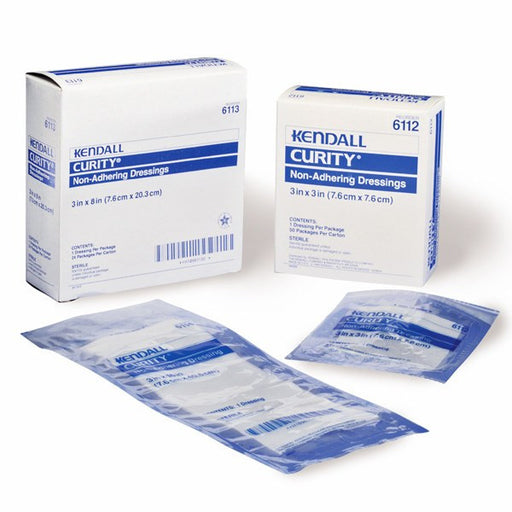
$ 31.99Curity Oil Emulsion Non-Adhering Dressings 5" x 9", 12/Box
Covidien /Kendall1 reviewKendall Curity Non-adhering dressing 5 x 9 is a impregnated oil emulsion wound dressing used to heal burns, lacerations, incisions and heavy exudat...
View full details -
 Sale 35%
Original price $ 4.99Current price $ 3.25
Sale 35%
Original price $ 4.99Current price $ 3.25Hydrogel Amorphous Wound Gel 1 oz
McKessonNo reviewsHydrogel wound dressing, amorphous gel is a type of wound care product made of a water-based gel that contains a polymer matrix. It is used to mana...
View full details -
 Sale 35%
Original price $ 5.95Current price $ 3.89
Sale 35%
Original price $ 5.95Current price $ 3.89Water Jel Burn Stop Burn Dressing Hydrogel 4 x 4 Inch Sheet, Sterile
Safeguard US OperatingNo reviewsWater Jel Burn Stop burn dressing hydrogel is a type of first aid burn dressing that contains a special water-based gel. It is designed to provide ...
View full details -
 Sale
from $ 5.89
Sale
from $ 5.89Hydrogel Burn Dressing, Sterile Gel-Soaked First Aid Burn Relief Dressing by Water Jel
Safeguard US OperatingNo reviewsA Water Jel Hydrogel Burn Dressing is used for treating minor burns, specifically first and second degree burns. It is a gel-filled dressing that i...
View full details -
 Sale 30%
Original price $ 9.97Current price $ 6.98
Sale 30%
Original price $ 9.97Current price $ 6.98Intrasite Wound Gel 0.28oz
Smith & NephewNo reviewsSmith and Nephew IntraSite Gel is a sterile, clear amorphous hydrogel that gently rehydrates necrotic tissue, facilitating autolytic debridement, w...
View full details -
 Sale 34%
Original price $ 49.95Current price $ 33.00
Sale 34%
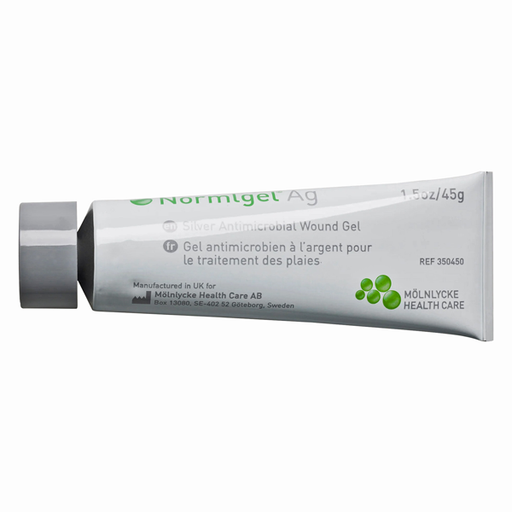
Original price $ 49.95Current price $ 33.00Normlgel Silver Wound Antimicrobial Hydrogel 1.5 oz
Mölnlycke Health Care1 reviewNormlgel Silver Wound Antimicrobial Hydrogel is a topical gel used for the management of minor cuts, scrapes, and wounds. It provides a moist envir...
View full details -
 Sale 26%
Original price $ 48.95Current price $ 36.00
Sale 26%
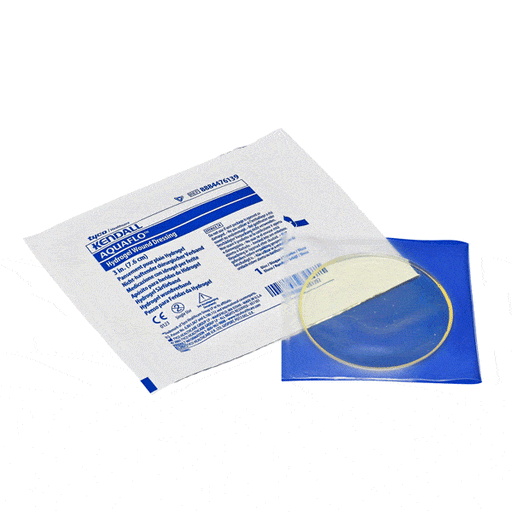
Original price $ 48.95Current price $ 36.00Dermacea Aquaflo Hydrogel Wound Dressing 3" Diameter Disks
Kendall HealthcareNo reviewsThe Kendall Dermacea Aquaflo Hydrogel dressing is a unique disc shape maximizes wound coverage and helps fill shallow cavities. Protects wounds as ...
View full details -
 Sale 22%
Original price $ 149.95Current price $ 117.00
Sale 22%
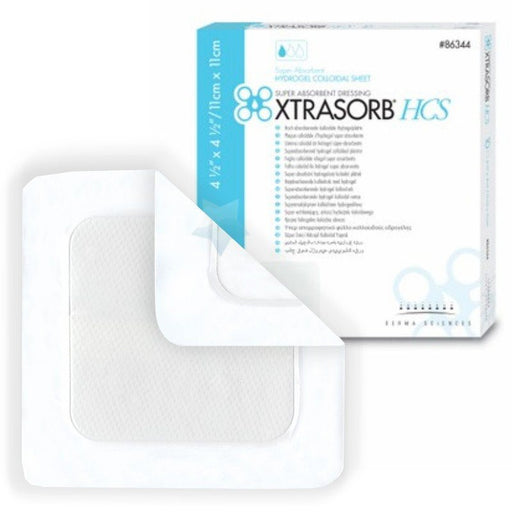
Original price $ 149.95Current price $ 117.00Xtrasorb Hydrogel Colloidal Sheet Dressing, Non-Adhesive, 4.5 x 4.5, 10/box
Derma SciencesNo reviewsDerma Sciences Xtrasorb® Hydrogel Colloidal Sheet is a super-absorbent polymer-based hybrid of a hydrogel and hydrocolloid. The addition of Sodium ...
View full details -
 Sold out
Original price $ 29.95Current price $ 22.50
Sold out
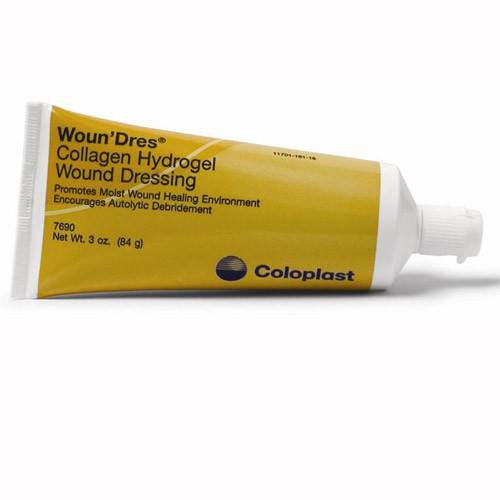
Original price $ 29.95Current price $ 22.50Woun'dres Collagen Hydrogel Dressing
Coloplast Corporation5 reviewsColoplast Woun'dres Collagen Hydrogel fills wounds and maintains a moist healing environment in the wound cavity, while protecting new tissue growt...
View full details -
 Sale 26%
Original price $ 38.95Current price $ 28.95
Sale 26%
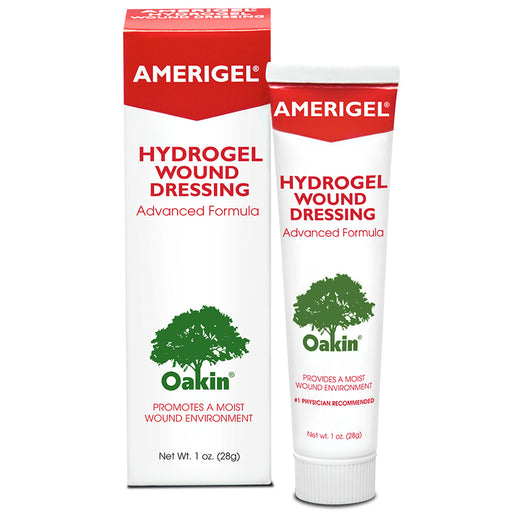
Original price $ 38.95Current price $ 28.95Amerigel Hydrogel Wound Dressing 1 oz
Amerx HealthcareNo reviewsAmerigel Hydrogel Wound Dressing is a water-based gel that is used to treat and protect wounds. The gel forms a protective barrier over the wound t...
View full details


People Also Searched For
What is a Hydrogel Dressing?
At its core, a hydrogel is a water-rich, jelly-like material made from polymers. Think of it as a crosslinked network of hydrophilic (water-loving) polymers that can absorb and hold a large amount of water (often up to 90-99% water by weight). Because of this high water content, hydrogels have a soft, flexible, and moist consistency – similar to gelatin or Jell-O. The polymer chains in a hydrogel are linked together in a three-dimensional structure; when you add water, they swell up but don’t dissolve, trapping the water within. This unique structure gives hydrogels a combination of solid and liquid properties: they’re solid enough to hold their shape (like a soft gel), yet mostly composed of liquid.
Examples of polymers used in hydrogels include synthetic ones like polyacrylate, polyvinylpyrrolidone (PVP), polymethacrylate and natural or bio-polymers like gelatin, alginate, or cellulose derivatives. Many hydrogels are clear or translucent, and they can be formed into sheets, beads, or amorphous (free-form) gels. They’ve been around in various forms for decades – for instance, the soft contact lenses that many people wear are a type of hydrogel, engineered to stay moist and let oxygen pass through. In everyday products, you might also find hydrogels in things like infant diapers or plant water-retaining crystals (those use superabsorbent polymer hydrogels to lock in water). Their key characteristic is absorbing water and swelling without dissolving, thanks to the crosslinks in their polymer structure.
Hydrogels in Wound Care
One of the important applications of hydrogels is in wound care – here they are often referred to as hydrogel wound dressings. In this context, a hydrogel dressing is a gel-based wound covering that donates moisture to the wound. These dressings are composed of about 90% water suspended in a gel made of insoluble hydrophilic polymers. The goal of a hydrogel dressing is to maintain a moist healing environment, which research has shown to accelerate wound healing compared to a dry environment. They keep the wound bed hydrated, which is particularly useful for wounds that are dry or have dead tissue (necrosis). By softening and rehydrating dry tissue, hydrogels promote something called autolytic debridement – that’s the body’s natural process of breaking down and removing dead tissue. A moist environment also supports the growth of new blood vessels and skin cells as the wound heals.
A hydrogel is essentially a water-loaded gel composed of crosslinked polymers. In simpler terms, it’s a moist, squishy material that can hold a lot of water without dissolving. This unique property makes hydrogels incredibly useful, especially in the medical field. As a wound dressing, hydrogels provide moisture to dry wounds, help pain by cooling the tissue, and facilitate the body’s natural cleaning and healing processes. They come in several formats (amorphous gels and sheets) and are particularly effective for certain types of wounds like burns, ulcers with dry crusts, and painful sores, although they’re not suited for very wet or infected wounds on their own.
Beyond wound care, hydrogels show up in everything from contact lenses to diaper linings, demonstrating how versatile this material is. What all hydrogel applications have in common is leveraging that high water content – whether it’s to keep something hydrated, to deliver substances in a controlled way, or to create a gentle, compatible interface with the body. So next time you feel a squishy cooling gel on a bandage or pop in a soft contact lens, you’re benefiting from hydrogel technology!
How Hydrogel Dressings Work
When are Hydrogels Used?
Benefits of Hydrogels
Other Uses of Hydrogels
How Hydrogel Dressings Work
When placed on a wound, a hydrogel dressing releases water to the wound surface (essentially “hydrating” the tissue). This not only helps clean out the wound (as fluid from the hydrogel can mix with and dilute thick dried exudate), but also provides a gentle cooling sensation. Hydrogel dressings are known for their soothing, cooling effect, which can significantly help with pain relief in burns or painful ulcers. Imagine the relief of cool water on a burn – a hydrogel provides a similar feeling and can actually lower the temperature of the wound bed slightly, which eases pain. Furthermore, because hydrogels are moist and usually don’t stick aggressively to tissues, removing or changing a hydrogel dressing tends to be less painful than some other dressings; it doesn’t rip away new tissue when you take it off. This gentleness makes hydrogels a good choice for delicate wounds.
Hydrogel dressings come in a couple of forms:
- Amorphous hydrogel – a free-form gel (often supplied in a tube or packet) that can be squeezed or spread onto a wound. It’s basically a thick, clear jelly. This is great for filling in uneven wound surfaces or cavities. You would then usually cover it with a secondary dressing (like a piece of film or gauze) to keep it in place.
- Hydrogel sheets – a thin, flexible sheet or pad of hydrogel, sometimes with a mesh reinforcing it or a thin backing. These sheets can be cut to size and laid over a wound. They often have to be secured with tape or wrapped because only a few have adhesive borders. Hydrogel sheets are commonly used on burns or shallow ulcers – they lie flat and provide moisture and cooling.
- Impregnated gauze – some gauze dressings are pre-saturated with hydrogel. They look like moist pieces of gauze that won’t dry out a wound. You apply them to the wound and then cover with a wrap to hold them.
When are Hydrogels Used?
They are particularly useful for dry, sloughy, or necrotic wounds that need moisture. Examples include burns (especially superficial partial-thickness burns), pressure ulcers that have formed dry scabs (eschar) or yellow slough, and painful wounds (the cooling effect can provide relief). They’re also used on granulating wounds (where new tissue is forming) if those wounds are a bit dry – the hydrogel will keep the new cells hydrated and happy. In surgical wound care, if a patient has a dry surgical wound or a skin graft donor site, a hydrogel can sometimes be applied to encourage epithelialization (new skin growth). Another example: if you have a deep cavity wound with some hard necrotic tissue at the base, you might fill it with amorphous hydrogel and then cover with an occlusive dressing to soften that dead tissue over a couple of days. Hydrogels are effective at rehydrating dry crusts or scabs, making them easier to remove without damaging the surrounding healthy skin.
What hydrogels are not suited for is highly exudative (very wet) wounds or heavily bleeding wounds. Because hydrogels already contain a lot of water, they don’t have a lot of capacity to absorb excess fluid. If you put a hydrogel on a very oozing wound, the dressing can become waterlogged – the fluid can accumulate, potentially leading to maceration (over-saturation) of the surrounding skin. In such cases, an absorbent dressing like a foam or alginate would be better. Also, hydrogels are usually not the first choice for infected wounds that have heavy drainage; while the moisture can aid in cleaning, an infected wound often benefits from an antimicrobial dressing or at least something that can be changed frequently. That said, some hydrogels are combined with silver or other antimicrobial agents, adding infection-fighting capability to their profile.
Benefits of Hydrogels
Hydrogels have several notable properties that make them valuable in medicine and other fields:
-
High Water Content & Moisture Donation: As mentioned, hydrogels are mostly water. This means they can give moisture to a dry environment. In wound healing, this helps dissolve dried blood or dead tissue. In other applications, this high water content can provide hydration (for instance, hydrogel eye drops or contact lenses keep the eye moist). Some specialized hydrogels can also absorb a bit of fluid (there are “hydrogel-absorbent” dressings that take up some exudate), but their primary trait is holding water. They maintain a moist environment which is known to accelerate healing and reduce scarring, as wounds heal better when they aren’t dried out. Moist wound healing keeps growth factors and cells in an optimal state, and patients often report less pain compared to a dry wound that might crack or get stuck to dressings.
-
Cooling & Soothing Effect: The high water content and gel consistency give hydrogels a naturally cool temperature upon application, which can calm inflamed or burned tissue. If you’ve ever used aloe vera gel on a sunburn, you have an idea of the soothing effect – hydrogels provide a similar relief for wounds and burns by dissipating heat and calming nerve endings. This property is also exploited in products like hydrogel burn pads or cooling fever patches (those stick-on gel pads you can put on a child’s forehead to help with fever – they’re essentially hydrogels that feel cool for hours).
-
Non-Adherent and Gentle: Hydrogels are typically non-adherent, meaning they won’t stick firmly to a wound bed. Instead of gluing themselves to tissue (as dry gauze might), they kind of “sit” in the wound, and because of their moisture, they keep the wound surface slick. When it’s time to remove or change a hydrogel dressing, it usually comes off without tearing away new tissue or causing trauma. This is a huge benefit for painful wounds – dressing changes are less agonizing – and it also protects fragile healing tissue.
-
Conformability: Hydrogels, especially the sheet and amorphous types, are very flexible and conforming. They can mold to uneven wound surfaces, nooks and crannies, or awkward anatomical locations. For instance, a hydrogel sheet can drape over a curved surface like the top of a foot or the side of the face easily. An amorphous gel can fill a cavity wound’s shape perfectly. This is important to avoid dead space where bacteria could gather; hydrogels fill in the wound geometry, which helps the wound heal from the bottom up and sides inward evenly.
-
Transparency: Many hydrogel dressings are somewhat transparent or translucent, especially the sheet type. This can allow healthcare providers to monitor the wound without completely removing the dressing. Being able to see through the dressing means you can check on wound progress (e.g., is it getting more red? Is the amount of slough reducing?) without disturbing the wound environment as frequently. Not all hydrogels are see-through (amorphous gels get covered by another dressing anyway), but the clear sheet hydrogels do offer this benefit.
-
Versatility in Combining with Other Components: Hydrogels can be combined with other wound care elements. For example, there are hydrogel dressings that also contain alginate (to give a bit more absorbency), or ones that contain an antimicrobial (like silver or honey). Some advanced hydrogels include ingredients that stimulate healing (like growth factors or collagen) or even sensors for smart wound monitoring in experimental products. But even in simple terms, you can use a plain hydrogel in conjunction with other dressings—like applying hydrogel to a wound and then putting a foam dressing on top to get benefits of both hydration and absorption.
Other Uses of Hydrogels
Beyond wound care, hydrogels have a broad array of uses in medicine and technology due to their biocompatibility and high water content. In medicine:
- Contact Lenses: Early soft contact lenses were made from hydrogel materials (like poly-HEMA). The hydrogel lets oxygen diffuse through to the cornea and holds water to keep the lens soft and comfortable on the eye. Today, many contacts are silicone hydrogels, combining the water-containing network with silicone to increase oxygen permeability even more.
- Tissue Engineering and Implants: Hydrogels can simulate the natural environment of cells (which is mostly water). They’re being used to create scaffolds for tissue engineering – for instance, in regenerative medicine, a hydrogel might serve as a matrix to support cell growth for cartilage or wound tissue. They’re also researched for making synthetic organs or injectable tissue fillers.
- Drug Delivery: Hydrogels can be designed to release drugs in a controlled way. Because they can respond to stimuli (like temperature, pH, or enzymes), scientists create hydrogel-based delivery systems that can, say, release an antibiotic slowly over time in a wound, or an insulin hydrogel that releases insulin in response to rising glucose.
- Hygiene Products: As mentioned earlier, the absorbent cores of disposable diapers and sanitary products often use hydrogel technology (superabsorbent polymer powders that turn into gels when wet) to lock away fluid.
- Agriculture: “Water retention crystals” mixed into soil for potted plants or gardens are usually superabsorbent hydrogel particles. They hold onto water and release it slowly for plant roots, helping soil stay moist longer.
In each of these cases, the fundamental traits of hydrogels – holding water, being biocompatible, and having tunable mechanical strength – are harnessed for practical benefit.
How Hydrogel Dressings Work
How Hydrogel Dressings Work
When placed on a wound, a hydrogel dressing releases water to the wound surface (essentially “hydrating” the tissue). This not only helps clean out the wound (as fluid from the hydrogel can mix with and dilute thick dried exudate), but also provides a gentle cooling sensation. Hydrogel dressings are known for their soothing, cooling effect, which can significantly help with pain relief in burns or painful ulcers. Imagine the relief of cool water on a burn – a hydrogel provides a similar feeling and can actually lower the temperature of the wound bed slightly, which eases pain. Furthermore, because hydrogels are moist and usually don’t stick aggressively to tissues, removing or changing a hydrogel dressing tends to be less painful than some other dressings; it doesn’t rip away new tissue when you take it off. This gentleness makes hydrogels a good choice for delicate wounds.
Hydrogel dressings come in a couple of forms:
- Amorphous hydrogel – a free-form gel (often supplied in a tube or packet) that can be squeezed or spread onto a wound. It’s basically a thick, clear jelly. This is great for filling in uneven wound surfaces or cavities. You would then usually cover it with a secondary dressing (like a piece of film or gauze) to keep it in place.
- Hydrogel sheets – a thin, flexible sheet or pad of hydrogel, sometimes with a mesh reinforcing it or a thin backing. These sheets can be cut to size and laid over a wound. They often have to be secured with tape or wrapped because only a few have adhesive borders. Hydrogel sheets are commonly used on burns or shallow ulcers – they lie flat and provide moisture and cooling.
- Impregnated gauze – some gauze dressings are pre-saturated with hydrogel. They look like moist pieces of gauze that won’t dry out a wound. You apply them to the wound and then cover with a wrap to hold them.
When are Hydrogels Used?
When are Hydrogels Used?
They are particularly useful for dry, sloughy, or necrotic wounds that need moisture. Examples include burns (especially superficial partial-thickness burns), pressure ulcers that have formed dry scabs (eschar) or yellow slough, and painful wounds (the cooling effect can provide relief). They’re also used on granulating wounds (where new tissue is forming) if those wounds are a bit dry – the hydrogel will keep the new cells hydrated and happy. In surgical wound care, if a patient has a dry surgical wound or a skin graft donor site, a hydrogel can sometimes be applied to encourage epithelialization (new skin growth). Another example: if you have a deep cavity wound with some hard necrotic tissue at the base, you might fill it with amorphous hydrogel and then cover with an occlusive dressing to soften that dead tissue over a couple of days. Hydrogels are effective at rehydrating dry crusts or scabs, making them easier to remove without damaging the surrounding healthy skin.
What hydrogels are not suited for is highly exudative (very wet) wounds or heavily bleeding wounds. Because hydrogels already contain a lot of water, they don’t have a lot of capacity to absorb excess fluid. If you put a hydrogel on a very oozing wound, the dressing can become waterlogged – the fluid can accumulate, potentially leading to maceration (over-saturation) of the surrounding skin. In such cases, an absorbent dressing like a foam or alginate would be better. Also, hydrogels are usually not the first choice for infected wounds that have heavy drainage; while the moisture can aid in cleaning, an infected wound often benefits from an antimicrobial dressing or at least something that can be changed frequently. That said, some hydrogels are combined with silver or other antimicrobial agents, adding infection-fighting capability to their profile.
Benefits of Hydrogels
Benefits of Hydrogels
Hydrogels have several notable properties that make them valuable in medicine and other fields:
-
High Water Content & Moisture Donation: As mentioned, hydrogels are mostly water. This means they can give moisture to a dry environment. In wound healing, this helps dissolve dried blood or dead tissue. In other applications, this high water content can provide hydration (for instance, hydrogel eye drops or contact lenses keep the eye moist). Some specialized hydrogels can also absorb a bit of fluid (there are “hydrogel-absorbent” dressings that take up some exudate), but their primary trait is holding water. They maintain a moist environment which is known to accelerate healing and reduce scarring, as wounds heal better when they aren’t dried out. Moist wound healing keeps growth factors and cells in an optimal state, and patients often report less pain compared to a dry wound that might crack or get stuck to dressings.
-
Cooling & Soothing Effect: The high water content and gel consistency give hydrogels a naturally cool temperature upon application, which can calm inflamed or burned tissue. If you’ve ever used aloe vera gel on a sunburn, you have an idea of the soothing effect – hydrogels provide a similar relief for wounds and burns by dissipating heat and calming nerve endings. This property is also exploited in products like hydrogel burn pads or cooling fever patches (those stick-on gel pads you can put on a child’s forehead to help with fever – they’re essentially hydrogels that feel cool for hours).
-
Non-Adherent and Gentle: Hydrogels are typically non-adherent, meaning they won’t stick firmly to a wound bed. Instead of gluing themselves to tissue (as dry gauze might), they kind of “sit” in the wound, and because of their moisture, they keep the wound surface slick. When it’s time to remove or change a hydrogel dressing, it usually comes off without tearing away new tissue or causing trauma. This is a huge benefit for painful wounds – dressing changes are less agonizing – and it also protects fragile healing tissue.
-
Conformability: Hydrogels, especially the sheet and amorphous types, are very flexible and conforming. They can mold to uneven wound surfaces, nooks and crannies, or awkward anatomical locations. For instance, a hydrogel sheet can drape over a curved surface like the top of a foot or the side of the face easily. An amorphous gel can fill a cavity wound’s shape perfectly. This is important to avoid dead space where bacteria could gather; hydrogels fill in the wound geometry, which helps the wound heal from the bottom up and sides inward evenly.
-
Transparency: Many hydrogel dressings are somewhat transparent or translucent, especially the sheet type. This can allow healthcare providers to monitor the wound without completely removing the dressing. Being able to see through the dressing means you can check on wound progress (e.g., is it getting more red? Is the amount of slough reducing?) without disturbing the wound environment as frequently. Not all hydrogels are see-through (amorphous gels get covered by another dressing anyway), but the clear sheet hydrogels do offer this benefit.
-
Versatility in Combining with Other Components: Hydrogels can be combined with other wound care elements. For example, there are hydrogel dressings that also contain alginate (to give a bit more absorbency), or ones that contain an antimicrobial (like silver or honey). Some advanced hydrogels include ingredients that stimulate healing (like growth factors or collagen) or even sensors for smart wound monitoring in experimental products. But even in simple terms, you can use a plain hydrogel in conjunction with other dressings—like applying hydrogel to a wound and then putting a foam dressing on top to get benefits of both hydration and absorption.
Other Uses of Hydrogels
Other Uses of Hydrogels
Beyond wound care, hydrogels have a broad array of uses in medicine and technology due to their biocompatibility and high water content. In medicine:
- Contact Lenses: Early soft contact lenses were made from hydrogel materials (like poly-HEMA). The hydrogel lets oxygen diffuse through to the cornea and holds water to keep the lens soft and comfortable on the eye. Today, many contacts are silicone hydrogels, combining the water-containing network with silicone to increase oxygen permeability even more.
- Tissue Engineering and Implants: Hydrogels can simulate the natural environment of cells (which is mostly water). They’re being used to create scaffolds for tissue engineering – for instance, in regenerative medicine, a hydrogel might serve as a matrix to support cell growth for cartilage or wound tissue. They’re also researched for making synthetic organs or injectable tissue fillers.
- Drug Delivery: Hydrogels can be designed to release drugs in a controlled way. Because they can respond to stimuli (like temperature, pH, or enzymes), scientists create hydrogel-based delivery systems that can, say, release an antibiotic slowly over time in a wound, or an insulin hydrogel that releases insulin in response to rising glucose.
- Hygiene Products: As mentioned earlier, the absorbent cores of disposable diapers and sanitary products often use hydrogel technology (superabsorbent polymer powders that turn into gels when wet) to lock away fluid.
- Agriculture: “Water retention crystals” mixed into soil for potted plants or gardens are usually superabsorbent hydrogel particles. They hold onto water and release it slowly for plant roots, helping soil stay moist longer.
In each of these cases, the fundamental traits of hydrogels – holding water, being biocompatible, and having tunable mechanical strength – are harnessed for practical benefit.