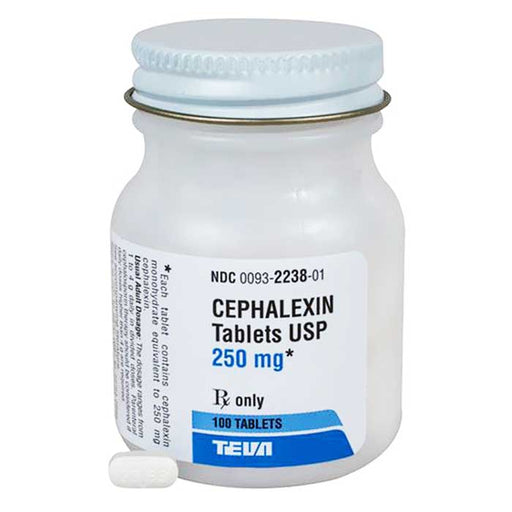
Cephalexin 500 mg
Cephalexin is an oral antibiotic in the first-generation cephalosporin class. It kills bacteria by disrupting their cell walls and does not affect viruses. (For example, drugs.com notes that “Keflex [cephalexin] is a cephalosporin antibiotic” that “works by fighting bacteria”.) In practice, Cephalexin is sold in capsule form (commonly 250 mg, 500 mg, or 750 mg). The 500 mg strength is a standard adult dose. Cephalexin is available under brand names like Keflex as well as generic formulations.
Because it is a β-lactam antibiotic, people with a penicillin (β-lactam) allergy may also react to cephalexin. In general use, Cephalexin treats a broad range of bacterial infections in adults and children (age ≥1 year).
Cephalexin 500 mg is a medication commonly prescribed by doctors to treat a variety of bacterial infections. It belongs to the class of antibiotics known as cephalosporins, which work by inhibiting the growth of bacteria. These capsules contain 500 mg of cephalexin per pill and are typically taken orally every 6-12 hours for a specified period of time, depending on the type and severity of the infection. They come in a sealed bottle containing 100 capsules and are available by prescription only. It is important to follow the instructions of a healthcare provider when taking this medication to ensure it is used correctly and effectively.
Cephalexin belongs to a class of antibiotics known as cephalosporins. The mechanism of action for cephalexin is similar to other cephalosporins and involves inhibiting bacterial cell wall synthesis.
Bacterial cell walls are essential for the survival of bacteria, as they provide structural support and protect the bacteria from their environment. The cell wall is made up of a mesh-like structure of peptidoglycan, which is continuously being remodeled and strengthened by enzymes called penicillin-binding proteins (PBPs).
Cephalexin works by binding to and inhibiting the activity of PBPs, preventing them from crosslinking the peptidoglycan chains and weakening the cell wall. This ultimately makes the bacteria more susceptible to osmotic pressure and leads to cell lysis and death.
Furthermore, cephalexin also disrupts the synthesis of a key bacterial cell wall component, mucopeptides, which further weakens the cell wall and contributes to the destruction of the bacteria.
Uses
Cephalexin is used to treat infections caused by susceptible bacteria in various parts of the body. Common indications include:
-
Respiratory tract infections – e.g. bronchitis or pneumonia.
-
Skin and soft-tissue infections – e.g. cellulitis, impetigo.
-
Ear infections – otitis media (middle-ear) in children.
-
Bone infections – osteomyelitis.
-
Urinary tract infections (UTIs) – bladder or kidney infections.
-
Prostate infections – (genitourinary infections of the prostate).
(This list is not exhaustive – cephalexin may be used for other bacterial infections as directed by a physician.) These uses align with cephalexin’s spectrum (it targets many Gram-positive bacteria, including Streptococcus and Staphylococcus species). (For example, Drugs.com notes it treats upper respiratory, ear, skin, urinary tract and bone infections.)
Important: Cephalexin will not treat viral illnesses (e.g. colds or flu). Antibiotics should be used only for confirmed or strongly suspected bacterial infections.
Dosage
Cephalexin is taken by mouth as directed, usually for 7–14 days. Typical dosage guidelines include:
-
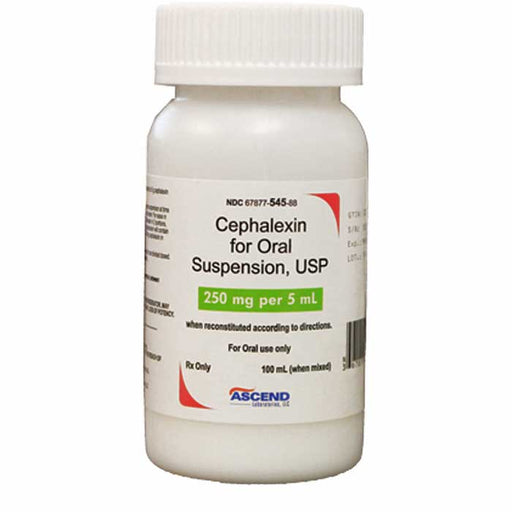
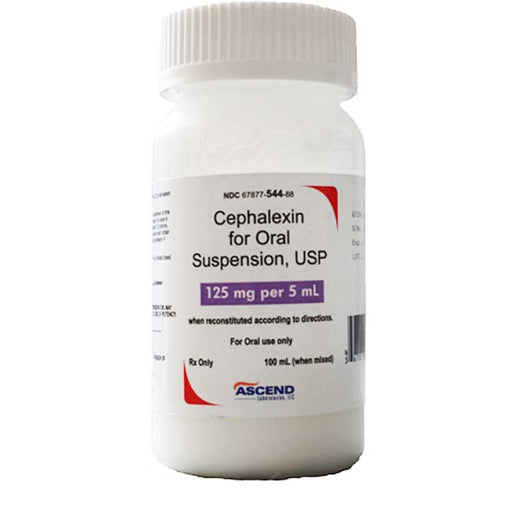
Formulations: Oral capsule or tablet (common strengths 250 mg, 500 mg, 750 mg). There is also a liquid (suspension) form (e.g. 125 mg/5 mL, 250 mg/5 mL) for children.
-
Adults: A common adult dose is 250 mg every 6 hours or 500 mg every 12 hours. In severe infections, the total daily dose may be increased (up to about 4 grams per day, divided).
-
Children: For children ≥1 year old, dosing is weight-based. A typical regimen is about 25–50 mg per kg of body weight per day, divided into doses every 6–12 hours. (Pediatric cephalexin is approved for children 1 year and older.)
-
Administration: Cephalexin can be taken with or without food. If using the liquid form, shake well before measuring. Try to take each dose at evenly spaced times (e.g. every 6 hours or every 12 hours).
-
Course length: Treatment usually lasts 7–14 days for most infections. It is crucial to complete the full prescribed course even if symptoms improve sooner. Stopping early can lead to incomplete cure and promote antibiotic resistance.
Always follow the prescribing doctor’s or pharmacist’s instructions. Dosing may be adjusted for kidney function, infection severity, or other factors.
Side Effects
Like all antibiotics, cephalexin can cause side effects. Common (mild) side effects include:
-
Gastrointestinal upset: nausea, vomiting, diarrhea (especially loose stools), abdominal pain or indigestion. Diarrhea is the most common reaction.
-
Other common effects: headache, dizziness, heartburn, fatigue, or mild skin rash. Vaginal yeast infections (thrush) can occur due to disruption of normal bacteria.
Most mild side effects resolve as the body adjusts. If any severe or persistent symptoms occur, contact a healthcare provider.
Serious side effects (uncommon): Stop the medication and seek medical help if you notice:
-
Allergic reactions: hives, itching, facial or throat swelling, difficulty breathing, or anaphylaxis. Cephalexin can cause severe allergic reactions in sensitive individuals. Patients with penicillin allergy should use caution (up to ~10% cross-reactivity with penicillin allergy has been reported).
-
Clostridioides difficile colitis: severe, persistent watery or bloody diarrhea with stomach cramps and fever may indicate C. difficile overgrowth in the colon. Report this immediately to a doctor.
-
Other rare reactions: Unusual bleeding or bruising (blood disorders), severe skin rash, or neurologic symptoms (e.g. seizures, confusion). These are rare but warrant urgent care.
This is not a complete list of side effects. Always discuss any worrying symptoms with a medical professional.
Note: This summary is for informational purposes only and does not replace professional medical advice. Always follow the guidance of your prescribing physician or pharmacist and read the official prescribing information. If you have questions about taking Cephalexin, consult a qualified healthcare provider.
Cephalexin
Application: Cephalosporin
Brand: Teva Pharmaceuticals
Type: Antibiotic
Strength: 500 mg
NDC: 00093-3147-01
UPC: 300933-147019