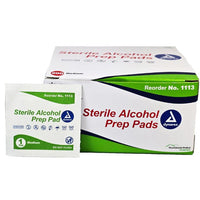
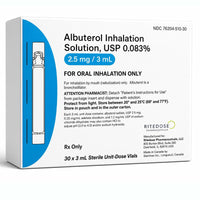
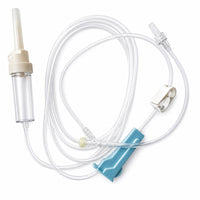
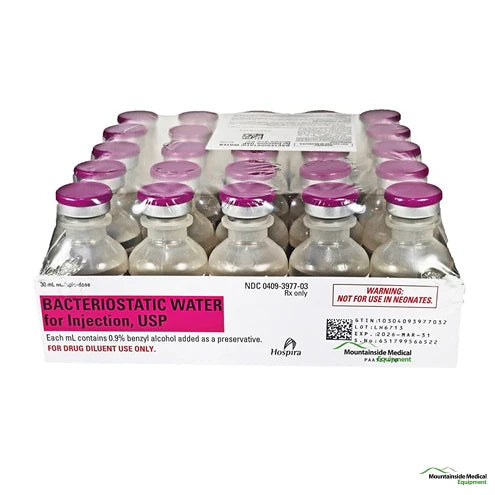
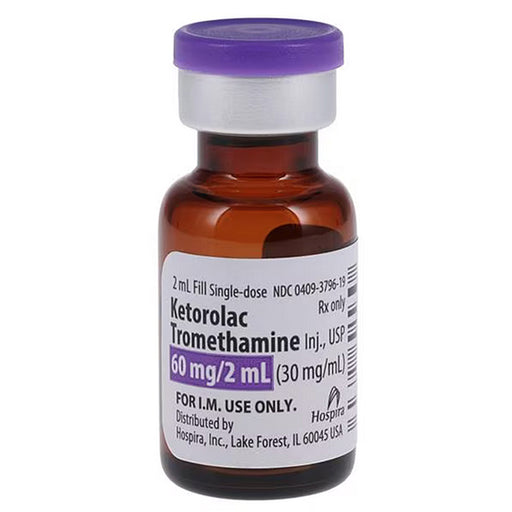
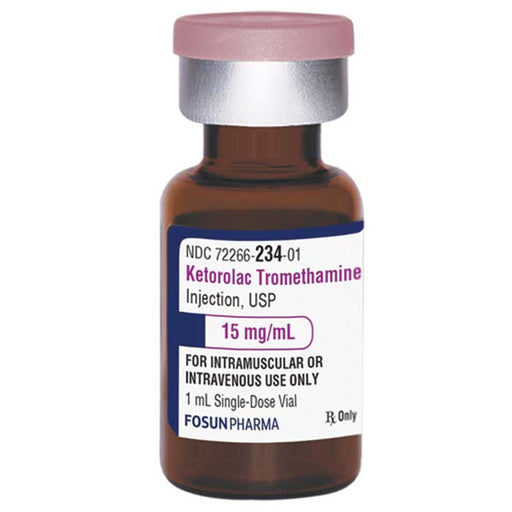
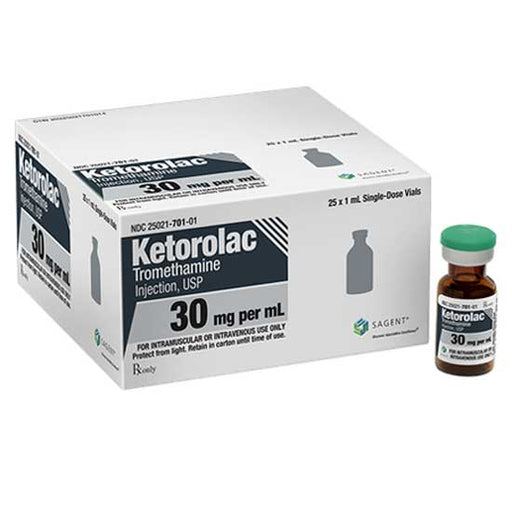
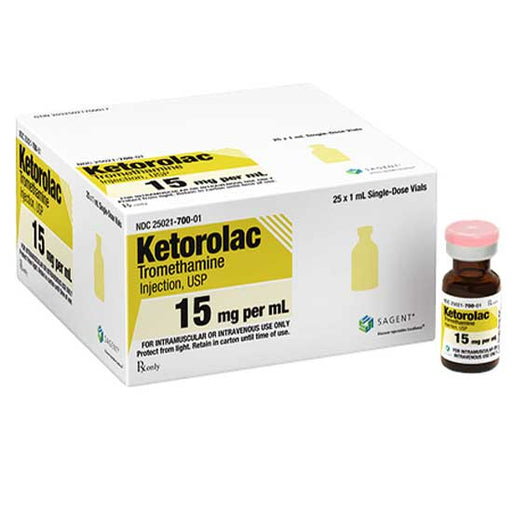
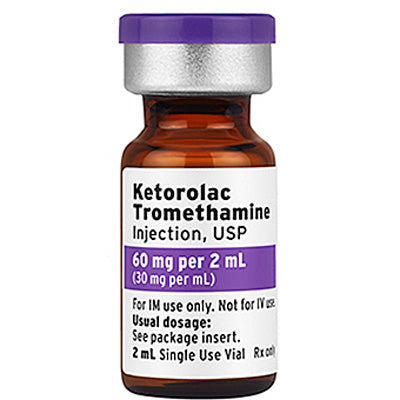
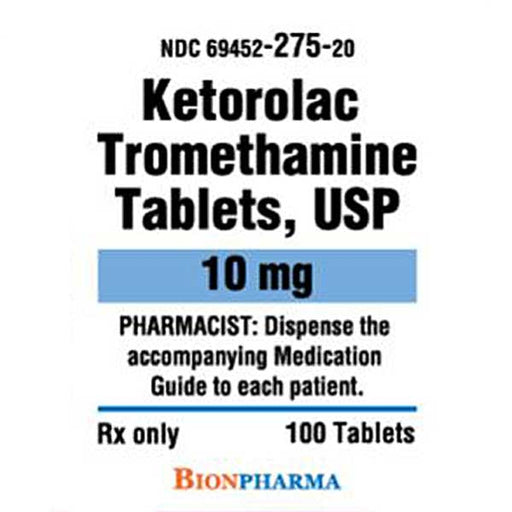
Ketorolac Tromethamine Injection 30 mg is a non-steroidal anti-inflammatory drug (NSAID) used primarily for the short-term management of moderate to severe pain.
Uses:
1. Short-Term Pain Management
-
Acute pain: Especially after surgery or medical procedures, when pain is moderate to severe and opioid use is to be minimized or avoided.
-
Musculoskeletal pain, trauma, or injury: Effective in emergency or post-injury settings.
-
Renal colic: Sometimes used for kidney stone pain (intramuscular or intravenous).
2. Administration
- Can be given intravenously (IV) or intramuscularly (IM)
- Typical dosing: 30 mg every 6 hours as needed
-
Maximum duration: Should not exceed 5 days, due to risk of serious side effects
How Does It Work?
- Ketorolac inhibits prostaglandin synthesis by blocking the enzyme cyclooxygenase (COX), reducing inflammation, pain, and fever.
Dosing Details
-
Adults: Standard dose is 30 mg IV or IM every 6 hours as needed (max 120 mg/day).
-
Elderly, kidney-impaired, or under 50 kg: Dose reduced to 15 mg every 6 hours (max 60 mg/day).
-
Total treatment duration: Not to exceed 5 days (IV/IM plus oral combined).
Combination with Other Painkillers
-
Can be used with paracetamol (acetaminophen) or low-dose opioids for synergistic pain relief.
-
Should NOT be used with other NSAIDs (ibuprofen, aspirin, meloxicam, etc.) due to increased risk of side effects.
Important Warnings/Precautions
- Not for chronic pain
-
Not for mild pain or for use before or during major surgery (risk of bleeding)
-
Risk of GI bleeding, ulcers, perforation (especially in elderly or with longer use)
- Can cause kidney (renal) impairment
-
Can increase the risk of cardiovascular events (heart attack, stroke)
- Not recommended in patients with NSAID allergy, peptic ulcer disease, or advanced kidney disease
Side Effects
-
Most common: Nausea, vomiting, headache, dizziness, drowsiness, abdominal pain.
-
Serious risks: Gastrointestinal bleeding/ulceration, renal impairment/failure, increased risk of bleeding (especially post-surgery), allergic reactions, and, in rare cases, cardiovascular events (heart attack, stroke).
Precautions
-
Elderly are at increased risk for GI or kidney complications—dose reduction is advised.
-
Monitor kidney function and signs of GI bleeding (dark stools, vomiting blood, abdominal pain).
- Use with caution in patients with cardiovascular risk factors.
Pregnancy and Lactation
-
Category C/D: Not recommended in late pregnancy (third trimester) due to risk of premature closure of the fetal ductus arteriosus and bleeding.
Ketorolac Tromethamine Injection 30 mg is a powerful, rapid-acting pain reliever for acute, moderate-to-severe pain. It's used strictly short-term (up to 5 days) under professional care due to the risk of severe GI, kidney, and bleeding complications. It is NOT suitable for chronic, mild, or self-managed pain, and should never be combined with other NSAIDs. Elderly and those with kidney or GI risks need special caution.
 Skip to content