Powerful, Rapid-Acting Local Anesthetic for Emergency, Procedural, and Pain Management Needs
Industry-Leading Lidocaine Prefilled Syringe — Fast, Reliable Local and Regional Anesthesia and Cardiac Arrhythmia Solution
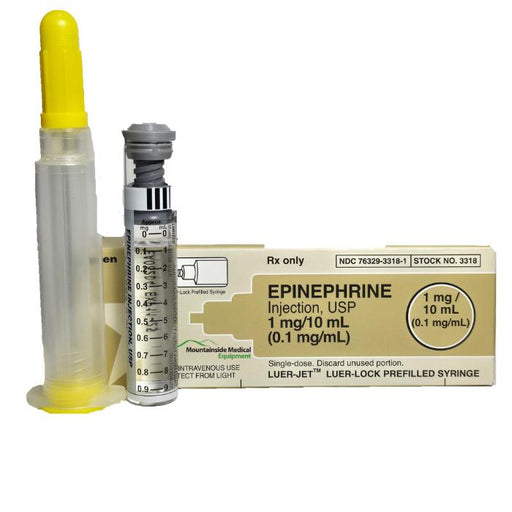
Get maximum convenience and clinical precision with the Lidocaine 2% (100 mg/5 mL) Prefilled Syringe Luer-Jet Luer-Lock by International Medication Systems. This hospital-grade, ready-to-administer lidocaine syringe is the gold standard for rapid local anesthesia, nerve block, infiltration, IV line anesthetic flush, and cardiac emergencies such as ventricular arrhythmias. Designed for sterile, single-use delivery in both emergency and planned procedures, this product belongs on every crash cart, ER, dental clinic, and hospital unit.
Lidocaine HCI Injection 2% Prefilled Syringes are used as a local anesthetic to provide temporary numbness or loss of sensation in a specific area before surgical, dental, or medical procedures. It works by blocking nerve signals in the body, thus minimizing pain during procedures such as suturing or minor surgeries. Additionally, it can be used to treat certain types of irregular heart rhythms (arrhythmias), making it a valuable tool in emergency medicine. Its quick action and efficiency make it essential for immediate anesthetic needs.
Lidocaine HCl Injection 2% by International Medication Systems is a sterile, prefilled syringe solution designed for rapid, effective local anesthesia and acute arrhythmia management. Each 5 mL syringe contains 100 mg of lidocaine hydrochloride, prepared for prompt use in a range of clinical settings. The Luer-Jet Luer-Lock system ensures precise administration and reduces contamination risks, offering healthcare professionals a reliable tool for achieving both peripheral nerve blocks and systemic antiarrhythmic effects.
Order Lidocaine 2% Prefilled Syringe Luer-Jet 100 mg/5 mL Luer-Lock by International Medication Systems Today!
Ensure clinical readiness—stock your crash carts, procedure kits, dental trays, and ER with the pharmacy-grade solution trusted by emergency departments and operating rooms everywhere.
NDC: 76329-3390-01 | UPC: 376329339016 For use by licensed medical professionals only.
Uses and Applications
Lidocaine 2% Prefilled Syringe is indicated for:
- Local anesthesia: Infiltration, nerve block, dental procedures, minor surgical procedures
- Regional anesthesia: Peripheral nerve block, field block anesthesia, topical application to mucous membranes (with medical guidance)
- Procedural pain control: IV cannulation, arterial line insertion, intraosseous (IO) line flush, suturing, wound care
- Emergency use: Cardiac arrest from ventricular arrhythmias (as alternative to amiodarone in ACLS protocols), rapid sequence intubation adjunct
- Acute/Chronic pain management: Short-term use in procedures, wound bed anesthesia for debridement, lacerations
- Medical, surgical, dental, and emergency care settings
- Essential for crash carts, operating rooms, urgent care, ambulances, and first responder units
How to Use
- Verify correct dose and patient allergies before use.
- Inspect the solution; ensure it's clear, colorless, and particle-free.
- Remove syringe cap and attach a sterile needle (for infiltration/nerve block) or appropriate IV connection (for IV/IO use) with a secure Luer-Lock.
- For local infiltration or nerve block, inject slowly into the target tissue using aseptic technique.
- For cardiac use, administer IV or IO push according to ACLS protocols.
- Discard syringe after use; never reuse.
FOR HEALTHCARE PROFESSIONAL USE ONLY.
Dosage and Administration
-
Local infiltration anesthesia:
- Adults: Dose varies by site and size; typical maximum is 4.5 mg/kg/dose (max 300 mg per dose for most adults)
- Infiltrate slowly and aspirate to avoid intravascular injection
-
Peripheral nerve block:
- Generally 1-5 mL of 1-2% solution per nerve; do not exceed max dose
-
IV/IO cardiac use (adults):
- Initial: 1-1.5 mg/kg IV bolus; may repeat 0.5-0.75 mg/kg every 5-10 min (max 3 mg/kg cumulative dose)
- For IO flush: 40 mg (2 mL) rapidly for pain management before large-volume IO infusions
-
Pediatric dosing:
- Weight-based; always use lowest effective dose and consult pediatric protocols
-
Topical/mucosal anesthesia:
- Use only as directed for specific procedures, with defined volume limits
Total dose must be adjusted for age, weight, clinical context, and presence of hepatic impairment.
Drug Interactions
- Other local anesthetics: Additive toxicity—cumulative max dose must be accounted for
- Class I antiarrhythmic drugs (e.g., mexiletine, procainamide): Increased cardiac effects/arrhythmia risk
- Beta blockers & cimetidine: May elevate lidocaine blood levels by reducing hepatic metabolism
- Phenytoin & other hepatic enzyme inhibitors: May increase lidocaine effects/toxicity
- General CNS depressants: Additive sedative effects
- Epilepsy or seizure medications: Monitor for additive CNS toxicity
Always review patient medication lists for potential interactions before use.
Side Effects
Common Side Effects
- Mild burning or stinging at injection site
- Redness, swelling, or bruising at administration site
- Numbness for duration of anesthesia
Rare/Severe Side Effects
- Allergic reactions: Rash, itching, swelling, anaphylaxis (extremely rare)
- CNS toxicity: Drowsiness, tinnitus, confusion, tremors, seizures (dose-related)
- Cardiovascular: Bradycardia, hypotension, arrhythmias, cardiac arrest (usually due to overdose or rapid IV)
- Methemoglobinemia (rare, more with high doses or at-risk populations)
- Respiratory depression
Discontinue and seek immediate help for signs of systemic toxicity or allergic reaction. Monitor vital signs if administering IV or for large doses.