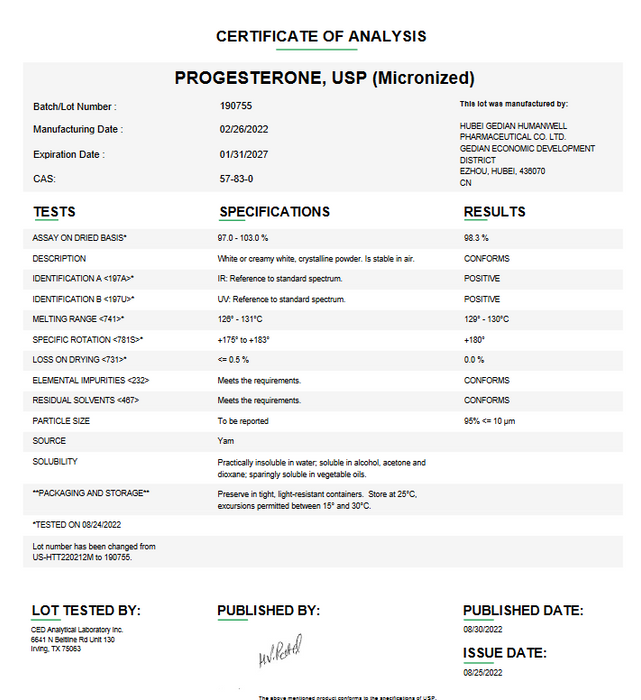
Micronized progesterone is the natural female hormone progesterone formulated into very fine (“micronized”) particles so it can be absorbed better when taken. As an API (Active Pharmaceutical Ingredient), micronized progesterone is chemically identical to the progesterone made by a woman’s ovaries.
Medically, micronized progesterone is used in various hormone therapies. For example, in postmenopausal hormone replacement, it is given along with estrogen to prevent overgrowth of the uterine lining (endometrial hyperplasia) in women who still have a uterus. It is also prescribed to treat certain menstrual disorders; for instance, secondary amenorrhea (absence of menstrual periods) and other abnormal bleeding patterns. In fertility care, micronized progesterone is commonly used (often vaginally) to support the luteal phase and early pregnancy, though this use is beyond the basic label instructions.
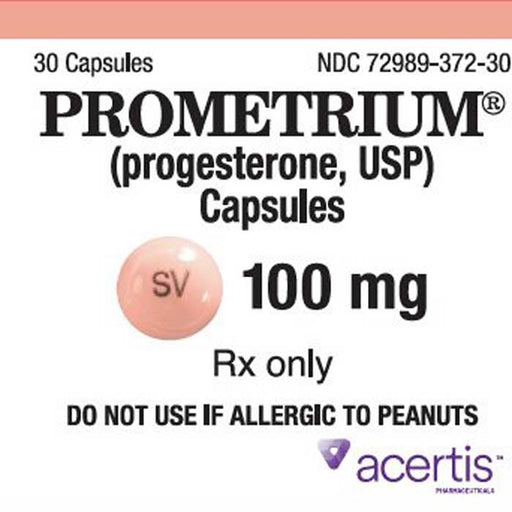
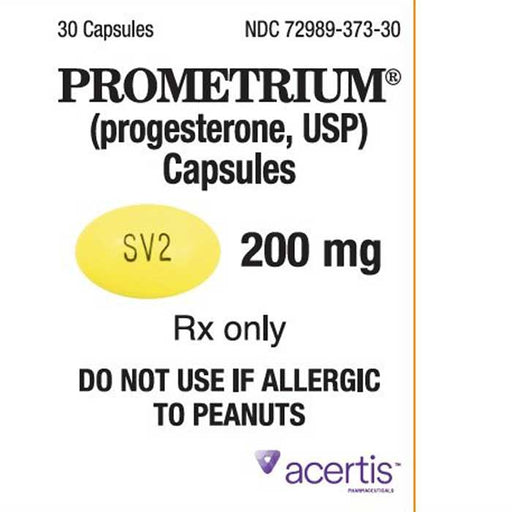
Micronized progesterone is a prescription-only hormone medication. (In drugs.com terms, it’s essentially progesterone USP in a finely divided form, e.g. Prometrium® capsules contain 100–200 mg micronized progesterone. Because it is identical to natural progesterone, it generally has a side-effect profile similar to the body’s own hormone (e.g. it can cause drowsiness or breast tenderness, unlike some synthetic progestins).
Key Features & Top Health Benefits
-
Ultra-Pure, Micronized API: Precision-milled micronized progesterone with superior solubility and bioavailability for optimal absorption, efficacy, and patient outcomes.
-
Pharmaceutical Grade for Compounding: Meets USP (United States Pharmacopeia) standards for purity and potency—perfect for use in capsules, creams, suppositories, troches, and topical/dermal formulations.
-
Supports Women’s Hormone Balance: Essential for menopausal hormone replacement therapy (HRT), perimenopause, and PMS symptom relief.
-
Fertility and Reproductive Health: Widely used in fertility clinics and IVF protocols to support luteal phase, embryo implantation, and address luteal insufficiency.
-
Compounding Pharmacy Essential: Preferred API for preparing custom hormone formulations (personalized dosing strengths and delivery forms) to optimize patient care and adherence.
-
Bioidentical & Naturally Sourced: Matches the body’s own progesterone structure for fewer side effects and better tolerability than synthetic progestins or conventional HRT.
-
Backed by Medisca Quality: Industry-leading standards—rigorously tested, batch-certified, and trusted by top healthcare and wellness providers worldwide.
Top Clinical & Wellness Applications
- Hormone Replacement Therapy (HRT) for Menopause / Perimenopause
- Fertility treatments and IVF cycles
- PCOS and menstrual cycle regulation
- PMS, PMDD, and symptom relief
- Endometrial support, premenstrual spotting
- Prevention of estrogen dominance
- Custom compounding: oral capsules, creams, gels, vaginal suppositories, troches, lozenges, rapid dissolve tablets
Why Choose Progesterone Micronized Powder by Medisca?
- High potency, purity, and reliability for safe patient outcomes
- Consistent particle size ensures even mixing in all dosage forms
- Versatile for every compounding application—pharmacy, clinic, wellness
- Batch-tested, cGMP and USP compliant for regulatory peace of mind
- Preferred by pharmacists, integrative MDs, OB/GYNs, and endocrinologists
Top Searched Terms For Progesterone API
- micronized progesterone usp powder for compounding
- bioidentical hormone replacement therapy (HRT)
- custom progesterone compound pharmacy
- progesterone for menopause symptoms
- fertility progesterone supplementation IVF
- USP progesterone powder for capsules & cream
- compounding pharmacy API for hormones
- natural progesterone for hormone balance
- perimenopause & pms progesterone support
- compounded progesterone suppositories/capsules
- Medisca progesterone compounding ingredients
- progesterone hormone therapy natural vs synthetic
- estrogen dominance natural treatment
- progesterone for endometrial protection
- pharmaceutical grade bioidentical progesterone
How to Use / Compounding Instructions
-
For Licensed Compounding Professionals Only: Education, equipment, and facility must meet all regulatory and safety standards.
-
Typical Applications: Capsule filling, cream and gel bases, vaginal or rectal suppositories, sublingual troches—all formulations to physician Rx specifications.
-
Dosing: Recipe and strength per individualized prescription and clinical protocol.
-
Storage: Store tightly sealed in a cool, dry place away from light and moisture; follow all USP and pharmacy grade handling protocols.
Possible Side Effects (Inform Patients)
Common:
- Mild drowsiness or dizziness
- Breast tenderness
- Bloating
- Spotting or change in menstrual pattern
Rare/Serious:
- Rash, abnormal vaginal bleeding, persistent headaches (seek provider guidance)
Compounded hormones should always be dispensed under medical supervision with ongoing professional monitoring; suitability and safety depend on patient’s health status, lab history, and prescribed regimen.
Precautions
- For Professional Compounding Use Only—Not for direct consumer use
- Prescription and handling must follow federal, state, and USP guidelines
- Consult prescriber for potential drug interactions, contraindications, and monitoring
Transform your custom hormone therapy offerings with Micronized Progesterone Powder For Compounding (API) —the global gold standard for bioidentical HRT, fertility, and personalized women’s health solutions. Trusted by pharmacists, specialists, and wellness providers everywhere.
Micronized Progesterone Dosage
Micronized progesterone (API powder) is dosed in the hundreds of milligrams. In adults the typical oral dose is about 100–400 mg per day, depending on the indication. For example, to induce a menstrual bleed in amenorrhea, about 400 mg once daily for ~10 days is often used. To protect the uterus in hormone therapy, a common regimen is 200 mg daily for ~12 days each month. In menopausal women, doses of 200–300 mg nightly (at bedtime) have been used to relieve hot flashes. Some sources even use 100 mg daily continuously as an alternative regimen. (Because progesterone’s half-life is short, it is sometimes split into two smaller doses 12 hours apart for better effect.
These are typical prescription ranges – exact dosing must follow a doctor’s orders. The powder’s weight in milligrams corresponds directly to the dose (e.g. 200 mg powder = 200 mg dose). Always use a precise scale or measuring device and follow the recommended dose for the specific condition.
Progesterone Chemical Structure
Micronized progesterone is simply the natural steroid hormone progesterone in a finely ground form. Chemically, progesterone is a C₂₁ steroid (pregnane) with the formula C₂₁H₃₀O₂. Its IUPAC name is pregn-4-ene-3,20-dione, meaning it has the steroid four‐ring backbone (three cyclohexane rings and one cyclopentane) with oxo (ketone) groups at carbon-3 and carbon-20 and a double bond between C4 and C5. In other words, progesterone has the typical cyclopentanoperhydrophenanthrene core of steroids, unsaturated at Δ⁴,3,20-diketone. (Micronization does not change the chemical structure – it only produces very small particles of the same progesterone molecule.)
Micronized Progesterone Side Effects
Micronized progesterone (the active hormone in brands like Prometrium) has side effects typical of progestins. Its common side effects are mostly mild and often related to its sedative and fluid-retaining properties. The most frequently reported reactions include drowsiness or fatigue and dizziness. Headache is also common. Many women experience breast tenderness or pain, bloating or weight gain (from fluid retention), and gastrointestinal upset (nausea, stomach cramps, heartburn, constipation or diarrhea). Minor mood changes (irritability, mild depression or anxiety) can occur, as can vaginal symptoms (spotting, discharge). In short, you may feel sleepy or ‘out of it,’ along with the kind of aches or bloating often seen on progesterone therapy.
Other side effects are less common. Progesterone can cause rash or itching at the skin or injection site, acne, or changes in hair (loss or excess). It sometimes disrupts sleep (vivid dreams or insomnia) because of its mild hypnotic effect. Women may notice changes in menstrual bleeding (heavier or irregular periods) when on progesterone. These effects are generally reversible upon stopping the drug.
Serious side effects (rare): While most women tolerate micronized progesterone well, serious adverse effects require prompt attention. These include any unusual vaginal bleeding or painful urination which could signal endometrial or urinary issues. Progesterone carries a small risk of blood clots: watch for signs of deep vein thrombosis (leg pain/swelling) or pulmonary embolism (sudden chest pain, shortness of breath). Sudden severe headache, slurred speech, or weakness on one side could indicate a stroke – these are emergency signs. Severe allergic reactions (hives, facial swelling, difficulty breathing) are very rare but require immediate care. Other red-flag symptoms include jaundice (yellowing of eyes/skin) or dark urine (liver dysfunction) , and psychological effects (a new or worsening depression, suicidal thoughts, or extreme mood swings). Any chest pressure or vision changes should also prompt a doctor’s visit.
In summary, micronized progesterone’s side effects are generally mild and similar to other progestins. Drowsiness, dizziness, headache, breast tenderness and GI upset are most common. More serious effects (clotting, liver issues, mood disturbances) are rare but important to recognize. If severe or troubling symptoms occur, stop the medication and seek medical advice promptly.