Premium Non-Depolarizing Muscle Relaxant for Rapid Sequence Intubation, Anesthesia, and Critical Care Emergencies
The Professional Standard in Non-Depolarizing Neuromuscular Blockade
Rocuronium Bromide Injection 10 mg per 5 mL Vial by Be Pharmaceuticals is a hospital-grade, fast-acting, non-depolarizing neuromuscular blocking agent. Rocuronium is widely used for rapid sequence intubation (RSI), facilitating endotracheal intubation, mechanical ventilation, and skeletal muscle relaxation during surgical procedures. Trusted by anesthesiologists, ER teams, and critical care specialists worldwide, Rocuronium delivers rapid onset, titratable duration, and reliable paralysis when it matters most.
Uses
Rocuronium Bromide Injection is indicated for:
- Rapid sequence induction/intubation (RSI): Facilitates endotracheal intubation, including emergent airway management in the operating room, ICU, or emergency department.
- Skeletal muscle relaxation during surgery: As part of general anesthesia in adults and pediatric patients.
- Facilitation of mechanical ventilation: Especially in critically ill or ventilator-dependent patients.
- Adjunct in electroconvulsive therapy (if paralysis required)
- Short procedures requiring muscle paralysis (by expert clinicians)
Order Rocuronium Bromide Injection 10 mg/5 mL Vial 10/Box by Be Pharmaceuticals
Ensure your airway, anesthesia, and emergency teams are ready for any scenario with FDA-approved, high-purity rocuronium—essential for surgery, critical care, and emergency intubation.
NDC: 71839-0141-10 | UPC: 371839141104 Prescription required. For use by licensed medical professionals only.
Uses and Applications
Rocuronium Bromide Injection is indicated for:
- Rapid sequence induction/intubation (RSI): Facilitates endotracheal intubation, including emergent airway management in the operating room, ICU, or emergency department.
- Skeletal muscle relaxation during surgery: As part of general anesthesia in adults and pediatric patients.
- Facilitation of mechanical ventilation: Especially in critically ill or ventilator-dependent patients.
- Adjunct in electroconvulsive therapy (if paralysis required)
- Short procedures requiring muscle paralysis (by expert clinicians)
Suitable for adult and pediatric (infant to adolescent) hospital and anesthesia practice.
Product Specifications
- Active Ingredient: Rocuronium Bromide 10 mg per 5 mL (2 mg/mL)
- Dosage Form: Clear, colorless, sterile, preservative-free solution for intravenous injection
- Packaging: 5 mL single-use vials in a box of 10 vials (total: 100 mg)
- Route: IV push or IV infusion
- Manufacturer: Be Pharmaceuticals
- NDC: 71839-0141-10
- UPC: 371839141104
- Latex-free and suitable for all hospital settings
- Storage: Refrigerate (2°–8°C/36°–46°F); may be stored at room temp for up to 60 days
How to Use
- Review patient allergies, medical status, and monitoring readiness prior to administration.
- Visually inspect vial for clarity and particulate matter prior to use. Do not use if discolored or cloudy.
- Aspirate entire vial contents using a sterile syringe.
- Administer IV push or infusion as directed by dosing protocols. Always ensure airway management equipment and skilled providers are present.
- Continuous neuromuscular monitoring is recommended (e.g., train-of-four monitoring during prolonged use).
- Do NOT mix with other drugs in same syringe. Use dedicated IV line where possible.
ONLY to be administered by qualified medical professionals in controlled, monitored settings.
Dosage and Administration
-
Adults (Intubation, RSI):
- Initial RSI dose: 0.6–1.2 mg/kg IV push. Typical 70 kg adult: 42–84 mg or 21–42 mL (multiple vials per patient dose).
- Onset: 1–2 minutes; duration: 30–70 minutes.
-
Maintenance of paralysis:
- 0.1–0.2 mg/kg as needed, or continuous infusion at 0.01–0.012 mg/kg/min.
-
Pediatric dosing:
- Similar doses per actual body weight; consult pediatric guidelines.
-
Renal/hepatic impairment:
- Use lowest effective dose and monitor for prolonged paralysis.
Dosage individualized by weight, desired duration, and patient factors. Monitor neuromuscular function and vital signs throughout.
Drug Interactions
- Other neuromuscular blockers: Additive/paralytic effect (e.g., vecuronium, pancuronium)
- Aminoglycoside antibiotics, tetracyclines, polymyxins: Enhanced or prolonged blockade
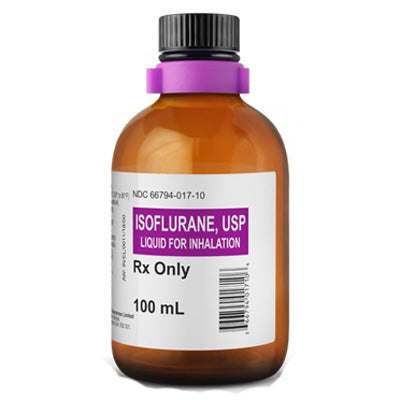
- Volatile/inhaled anesthetics (isoflurane, enflurane, sevoflurane, desflurane): Potentiation of rocuronium effect
- Magnesium, lithium, calcium channel blockers: Increased neuromuscular blockade
- Cholinesterase inhibitors (neostigmine, pyridostigmine): Reversal of effect
- Phenytoin, carbamazepine: May reduce duration of action
Always inform anesthesia team of all co-administered medications.
Side Effects
Common Side Effects
- Transient hypotension or hypertension
- Transient tachycardia
- Injection site discomfort or irritation
- Mild skin flushing
Serious/Rare Side Effects
- Prolonged paralysis or residual muscle weakness
- Bronchospasm, laryngospasm, or anaphylaxis (rare)
- Arrhythmias or asystole (rare, mostly with overdose)
- Injection site extravasation and tissue necrosis
- Hypersensitivity reactions
Monitor ventilatory and cardiovascular function continuously. Full recovery of muscle strength is required before extubation.
Warnings and Precautions
- For hospital/professional use only—NOT for home or self-administration.
- Airway equipment and skilled providers must be available (intubation and ventilatory support required).
- Respiratory paralysis is predictable and must be managed with mechanical ventilation.
- Use with caution in myasthenia gravis, neuromuscular disease, electrolyte imbalance, or renal/hepatic dysfunction.
- Complete reversal with appropriate agents (sugammadex, neostigmine/atropine) required prior to emergence.
- NOT for use without close monitoring of tachyphylaxis, cumulative dose, and neuromuscular recovery.
- Pregnancy and pediatric use: Only as directed by experienced clinicians.
Premium Non-Depolarizing Muscle Relaxant for Rapid Sequence Intubation, Anesthesia, and Critical Care Emergencies
The Professional Standard in Non-Depolarizing Neuromuscular Blockade
Rocuronium Bromide Injection 10 mg per 5 mL Vial by Be Pharmaceuticals is a hospital-grade, fast-acting, non-depolarizing neuromuscular blocking agent. Rocuronium is widely used for rapid sequence intubation (RSI), facilitating endotracheal intubation, mechanical ventilation, and skeletal muscle relaxation during surgical procedures. Trusted by anesthesiologists, ER teams, and critical care specialists worldwide, Rocuronium delivers rapid onset, titratable duration, and reliable paralysis when it matters most.
Uses
Rocuronium Bromide Injection is indicated for:
- Rapid sequence induction/intubation (RSI): Facilitates endotracheal intubation, including emergent airway management in the operating room, ICU, or emergency department.
- Skeletal muscle relaxation during surgery: As part of general anesthesia in adults and pediatric patients.
- Facilitation of mechanical ventilation: Especially in critically ill or ventilator-dependent patients.
- Adjunct in electroconvulsive therapy (if paralysis required)
- Short procedures requiring muscle paralysis (by expert clinicians)
Order Rocuronium Bromide Injection 10 mg/5 mL Vial 10/Box by Be Pharmaceuticals
Ensure your airway, anesthesia, and emergency teams are ready for any scenario with FDA-approved, high-purity rocuronium—essential for surgery, critical care, and emergency intubation.
NDC: 71839-0141-10 | UPC: 371839141104 Prescription required. For use by licensed medical professionals only.
Uses and Applications
Rocuronium Bromide Injection is indicated for:
- Rapid sequence induction/intubation (RSI): Facilitates endotracheal intubation, including emergent airway management in the operating room, ICU, or emergency department.
- Skeletal muscle relaxation during surgery: As part of general anesthesia in adults and pediatric patients.
- Facilitation of mechanical ventilation: Especially in critically ill or ventilator-dependent patients.
- Adjunct in electroconvulsive therapy (if paralysis required)
- Short procedures requiring muscle paralysis (by expert clinicians)
Suitable for adult and pediatric (infant to adolescent) hospital and anesthesia practice.
Product Specifications
- Active Ingredient: Rocuronium Bromide 10 mg per 5 mL (2 mg/mL)
- Dosage Form: Clear, colorless, sterile, preservative-free solution for intravenous injection
- Packaging: 5 mL single-use vials in a box of 10 vials (total: 100 mg)
- Route: IV push or IV infusion
- Manufacturer: Be Pharmaceuticals
- NDC: 71839-0141-10
- UPC: 371839141104
- Latex-free and suitable for all hospital settings
- Storage: Refrigerate (2°–8°C/36°–46°F); may be stored at room temp for up to 60 days
How to Use
- Review patient allergies, medical status, and monitoring readiness prior to administration.
- Visually inspect vial for clarity and particulate matter prior to use. Do not use if discolored or cloudy.
- Aspirate entire vial contents using a sterile syringe.
- Administer IV push or infusion as directed by dosing protocols. Always ensure airway management equipment and skilled providers are present.
- Continuous neuromuscular monitoring is recommended (e.g., train-of-four monitoring during prolonged use).
- Do NOT mix with other drugs in same syringe. Use dedicated IV line where possible.
ONLY to be administered by qualified medical professionals in controlled, monitored settings.
Dosage and Administration
-
Adults (Intubation, RSI):
- Initial RSI dose: 0.6–1.2 mg/kg IV push. Typical 70 kg adult: 42–84 mg or 21–42 mL (multiple vials per patient dose).
- Onset: 1–2 minutes; duration: 30–70 minutes.
-
Maintenance of paralysis:
- 0.1–0.2 mg/kg as needed, or continuous infusion at 0.01–0.012 mg/kg/min.
-
Pediatric dosing:
- Similar doses per actual body weight; consult pediatric guidelines.
-
Renal/hepatic impairment:
- Use lowest effective dose and monitor for prolonged paralysis.
Dosage individualized by weight, desired duration, and patient factors. Monitor neuromuscular function and vital signs throughout.
Drug Interactions
- Other neuromuscular blockers: Additive/paralytic effect (e.g., vecuronium, pancuronium)
- Aminoglycoside antibiotics, tetracyclines, polymyxins: Enhanced or prolonged blockade
- Volatile/inhaled anesthetics (isoflurane, enflurane, sevoflurane, desflurane): Potentiation of rocuronium effect
- Magnesium, lithium, calcium channel blockers: Increased neuromuscular blockade
- Cholinesterase inhibitors (neostigmine, pyridostigmine): Reversal of effect
- Phenytoin, carbamazepine: May reduce duration of action
Always inform anesthesia team of all co-administered medications.
Side Effects
Common Side Effects
- Transient hypotension or hypertension
- Transient tachycardia
- Injection site discomfort or irritation
- Mild skin flushing
Serious/Rare Side Effects
- Prolonged paralysis or residual muscle weakness
- Bronchospasm, laryngospasm, or anaphylaxis (rare)
- Arrhythmias or asystole (rare, mostly with overdose)
- Injection site extravasation and tissue necrosis
- Hypersensitivity reactions
Monitor ventilatory and cardiovascular function continuously. Full recovery of muscle strength is required before extubation.
Warnings and Precautions
- For hospital/professional use only—NOT for home or self-administration.
- Airway equipment and skilled providers must be available (intubation and ventilatory support required).
- Respiratory paralysis is predictable and must be managed with mechanical ventilation.
- Use with caution in myasthenia gravis, neuromuscular disease, electrolyte imbalance, or renal/hepatic dysfunction.
- Complete reversal with appropriate agents (sugammadex, neostigmine/atropine) required prior to emergence.
- NOT for use without close monitoring of tachyphylaxis, cumulative dose, and neuromuscular recovery.
- Pregnancy and pediatric use: Only as directed by experienced clinicians.
Rocuronium Bromide Injection – Frequently Asked Questions (FAQs)
What is Rocuronium Bromide Injection used for?
Rocuronium Bromide is a muscle relaxant (neuromuscular blocking agent) used during surgery or mechanical ventilation. It is commonly administered to help relax muscles for intubation (placing a breathing tube) and during general anesthesia.
How is Rocuronium Bromide administered?
It is given as an intravenous (IV) injection or infusion by an anesthesiologist or trained healthcare provider in a hospital or surgical setting.
How does Rocuronium work?
Rocuronium blocks the signals from nerves to muscles, causing temporary paralysis of the skeletal muscles. This allows for easier intubation and surgery by preventing involuntary movement.
How long do the effects of Rocuronium last?
The muscle relaxation typically lasts 30–60 minutes, depending on the dose, with effects wearing off gradually. Recovery time can be influenced by the patient's health, the dose given, and whether reversal agents are used.
Can the effects of Rocuronium be reversed?
Yes. A medication called sugammadex or, less commonly, neostigmine can be used to quickly reverse the effects of rocuronium and restore normal muscle function after surgery.
What are the common side effects of Rocuronium?
Most people do not experience side effects when under anesthesia, but possible reactions can include low blood pressure, increased or decreased heart rate, flushing, or prolonged paralysis. Allergic reactions are rare but possible.
Who should NOT receive Rocuronium?
Patients with known hypersensitivity to rocuronium or other neuromuscular blocking agents should not receive it. Those with certain neuromuscular diseases or allergies should inform their healthcare provider before surgery.
Does Rocuronium interact with other drugs?
Yes, rocuronium can interact with other medications such as certain antibiotics, magnesium, lithium, and some seizure medications. Always provide a complete medication list to your healthcare team before surgery.
Is Rocuronium safe for children and older adults?
Rocuronium can be used in both children and adults. Dosing may be adjusted based on age, size, and health status. Caution is taken in the elderly and individuals with liver or kidney impairment.
Will I be awake or aware after receiving Rocuronium?
No. Rocuronium only causes muscle paralysis and is always used with adequate anesthesia. It is never used alone without sedation or anesthesia, as it provides no pain relief or loss of consciousness.
How is my breathing managed while I am paralyzed by Rocuronium?
Your breathing will be assisted with a ventilator while under the effects of rocuronium, as you will not be able to breathe on your own until the drug wears off or is reversed.
Can Rocuronium cause allergic reactions?
Yes, though rare, severe allergic (anaphylactic) reactions can occur, especially in individuals with a history of allergies to muscle relaxants. Emergency treatment is available in the operating room.
How is Rocuronium stored and prepared?
It is stored as a refrigerated solution in hospitals and prepared by trained pharmacy or clinical staff prior to use.
What should I tell my doctor before receiving Rocuronium?
Inform your doctor of all current medications, past reactions to anesthesia, neuromuscular diseases, allergies, and any history of kidney, liver, or heart problems.
Is there any residual muscle weakness after Rocuronium wears off?
Most patients regain normal muscle function rapidly with proper monitoring and care. Rarely, some individuals may experience temporary weakness or residual paralysis, especially with underlying neuromuscular disorders.