Adrenaline (Epinephrine) Injection
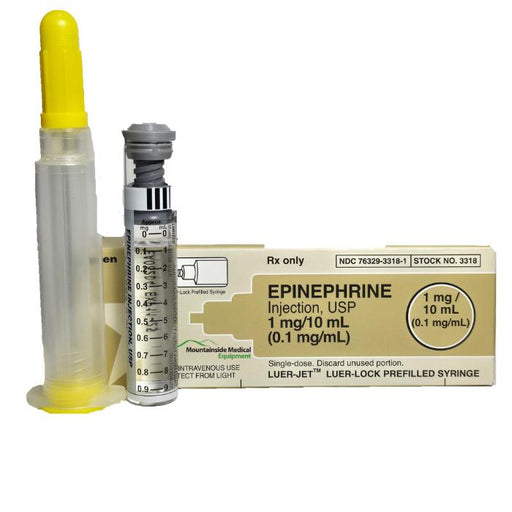
Adrenaline (called epinephrine in the US) is a naturally occurring catecholamine hormone used as a critical emergency medication. It acts on α- and β-adrenergic receptors in the body, producing potent vasoconstriction, increased heart rate/contractility, and bronchodilation. Medically, epinephrine injection is the first-line treatment for life-threatening allergic reactions (anaphylaxis). It is also used in emergency care to raise blood pressure in severe shock (e.g. septic shock), during cardiopulmonary resuscitation (cardiac arrest), and in some acute asthma or bronchospasm cases when other treatments fail. In ophthalmology, diluted epinephrine may be used to reduce bleeding or maintain pupil dilation during eye surgery.
Mechanism of Action: Epinephrine is a nonselective sympathomimetic agonist of adrenergic receptors. At high doses it strongly stimulates α₁-receptors, causing vasoconstriction (raising blood pressure and reducing mucosal bleeding). It also activates β₁-receptors, increasing heart rate, myocardial contractility and cardiac output. Simultaneously, β₂-receptor activation causes bronchodilation (relaxing airway smooth muscle) and vasodilation in skeletal muscle. Because of these combined effects, epinephrine rapidly reverses the life-threatening airway swelling, hypotension and shock seen in anaphylaxis.
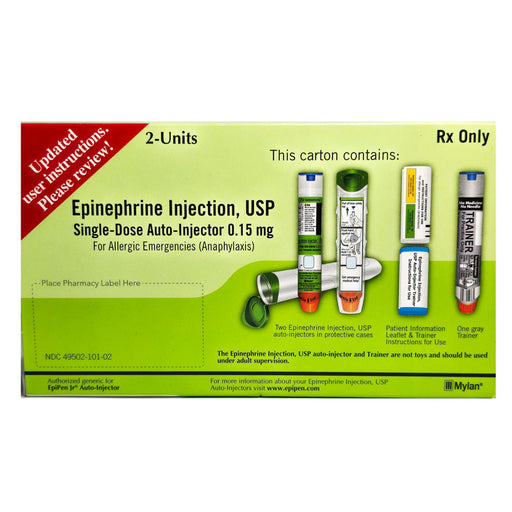
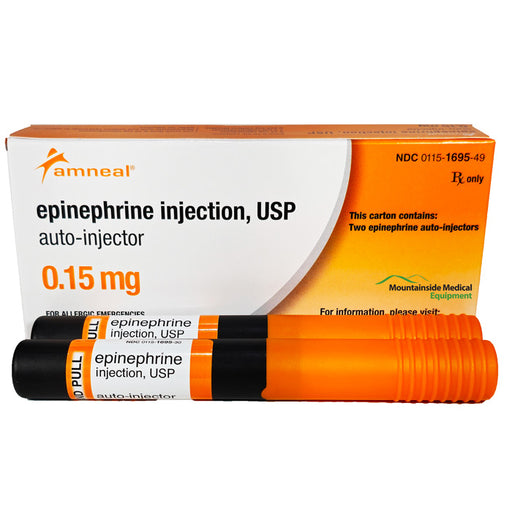
Administration and Dosing: Epinephrine injection is given in a hospital by intravenous (IV) infusion or injection when treating shock or cardiac arrest, but for allergic emergencies it is usually given by intramuscular (IM) injection into the antero-lateral thigh. IM injection allows rapid absorption without the risk of overdosing that IV bolus can cause. Typical dosing is 0.01 mg/kg IM (0.3–0.5 mg in adults) every 5–10 minutes as needed for anaphylaxis. (For example, standard epinephrine auto-injectors deliver 0.3 mg per dose for adults or 0.15 mg for children.) In cardiac arrest or profound shock, epinephrine is given IV (often 1 mg of a 1:10,000 solution every 3–5 minutes during CPR). An intraosseous or endotracheal route can also be used if IV access is not available.
Onset and Pharmacokinetics: The onset of action by IM injection is within minutes, and very rapid by IV (seconds). Epinephrine is quickly metabolized (half-life only 2–3 minutes in plasma) by hepatic and tissue enzymes (MAO and COMT). Because its effects are brief, repeated or continuous dosing may be needed in a prolonged emergency. Epinephrine is water-soluble (often supplied as the tartrate salt) and widely distributed in the body, but only a small fraction remains protein-bound.
Side Effects: The powerful adrenergic effects of epinephrine can cause many acute side effects. Common immediate reactions include palpitations, tachycardia, hypertension, headache, anxiety, nervousness, tremors, nausea and vomiting. More serious risks include cardiac arrhythmias (especially ventricular arrhythmias), angina or myocardial ischemia in heart disease patients, and cerebrovascular hemorrhage from the sudden blood pressure spike. Epinephrine may also cause pallor, sweating, weakness, and respiratory distress in some patients. If injected into or around small blood vessels (for example, into a finger or hand), local ischemia and necrosis can occur – therefore it should never be injected into digits or extremities. In general, emergency treatment with epinephrine is life-saving, and severe side effects are uncommon if doses are carefully controlled.
Precautions and Interactions: There are no absolute contraindications in anaphylaxis (delay is far more dangerous than giving epinephrine), but use caution in patients with coronary artery disease, hypertension, hyperthyroidism, or pheochromocytoma. Epinephrine’s effects are antagonized by beta-blockers (which may worsen hypertension via unopposed α stimulation) and can be potentiated by MAO inhibitors or tricyclic antidepressants. Additive cardiovascular stress can occur with other sympathomimetics. When using an auto-injector device, one should avoid accidental IV injection or injection into the buttock or digits. Because some formulations contain bisulfites, warn patients with sulfite sensitivity. Pregnant or lactating patients should use epinephrine only if clearly needed (its safety in pregnancy is not fully established, though untreated anaphylaxis is far more dangerous).
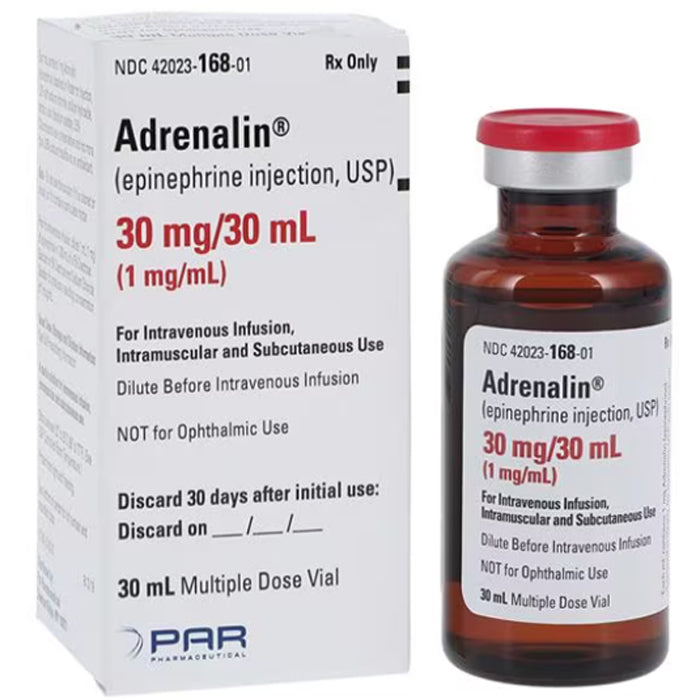
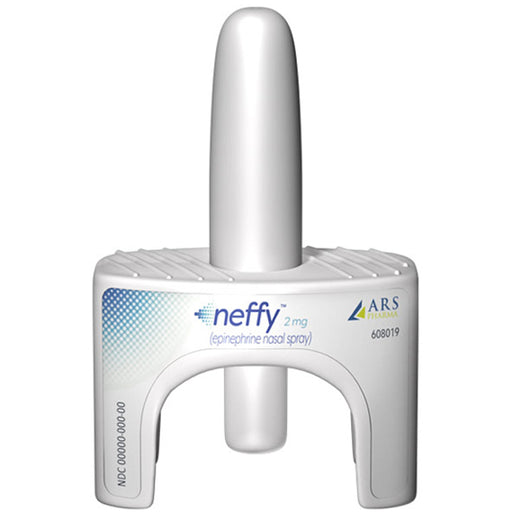
Formulations: Adrenaline is available as injectable solutions (typically 1:1000 or 1:10,000 concentrations). For IM use, a 1 mg/mL solution (1:1000) is used (0.3 mL delivers 0.3 mg epinephrine). IV preparations often use a 0.1 mg/mL solution (1:10,000). Prefilled auto-injector pens (e.g. EpiPen®, Auvi-Q®, Adrenaclick®) simplify IM dosing in emergencies.
Key Points: Adrenaline injection is a life-saving emergency drug for anaphylaxis, shock, and cardiac arrest. It works by stimulating adrenergic receptors to raise blood pressure and open airways. It must be given promptly at the first signs of severe allergic reaction. Dosing and administration should follow established guidelines to minimize risk. While side effects can be significant, they are generally preferable to the consequences of untreated anaphylaxis or cardiac arrest.
This information is a general overview of epinephrine (Adrenalin) injection and is not a substitute for professional medical advice. Always follow local clinical protocols and consult a healthcare professional for patient-specific recommendations.