Skip to content

Added to your cart:

Cart subtotal

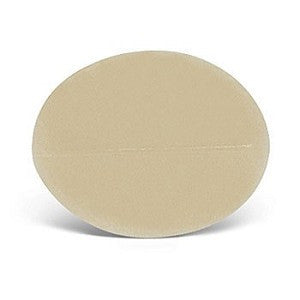
Duoderm Dressings CGF Hydrocolloid Dressings 4" x 4" by Convatec 5/Box

SKU 187660
Sale 45%
Original price $ 39.95
Current price $ 22.00
In stock
Fast Delivery
Fast Delivery
24/7 Support
24/7 Support
Easy Returns
Easy Returns
Hospital Grade
Hospital Grade
Free Shipping on orders above $100
Returns 30-day return / replacement
Payment Secure transaction
Packaging Ships in product packaging
Service-Disabled Veteran-Owned Small Business
Located in Adirondack Mountains in NY
Family Owned Business 2002
Sale 45%
Original price $ 39.95
Current price $ 22.00
Free Shipping on orders above $100
Returns 30-day return / replacement
Payment Secure transaction
Packaging Ships in product packaging
Duoderm Dressings CGF Hydrocolloid Dressings 4" x 4" by Convatec 5/Box
$ 39.95 $ 22.00
Description

Duoderm Dressing 4 x 4

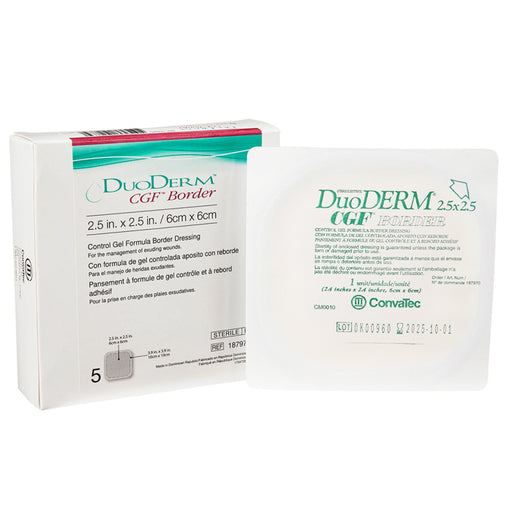
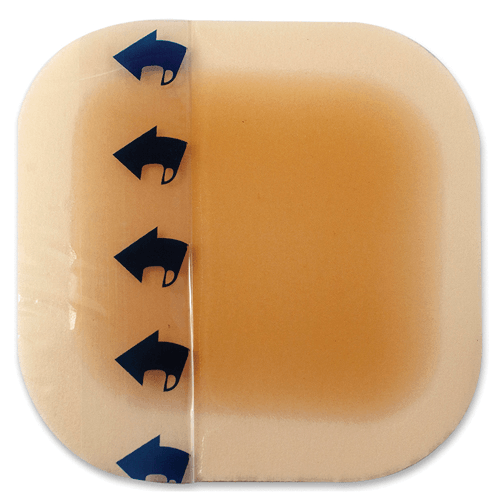
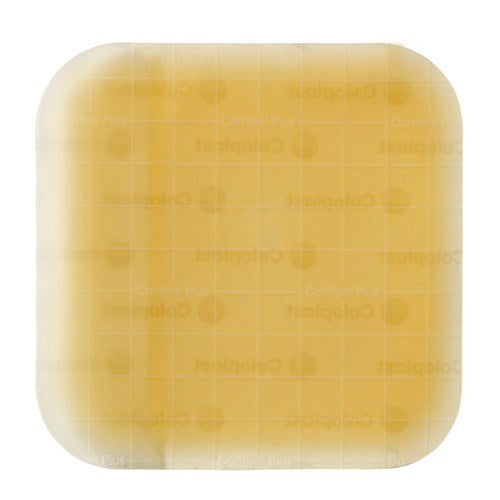
DuoDERM® CGF (Control Gel Formula) Hydrocolloid Dressings are an advanced wound care product designed to create an optimal healing environment for various types of wounds. These dressings consist of hydrocolloid materials (such as gelatin, pectin, and carboxymethylcellulose) laminated onto a flexible, moisture-impermeable backing. The unique CGF layer allows for controlled absorption and gel formation.

Uses

DuoDERM® CGF Dressings are indicated for:

  • Pressure ulcers (stages I–IV)
  • Superficial and partial-thickness burns
  • Leg ulcers (venous, arterial, diabetic)
  • Donor and graft sites
  • Minor abrasions and surgical wounds

Not suitable for:

  • Infected wounds (unless under healthcare supervision)
  • Deep cavity wounds without proper secondary dressings

How Do DuoDERM® CGF Dressings Work?

1. Moist Wound Healing: When applied, the hydrocolloid interacts with wound exudate (fluid), forming a soft gel that keeps the wound moist. This environment promotes:

  • Cellular migration
  • Autolytic debridement (body’s own removal of dead tissue)
  • Reduced pain and scabbing

2. Protective Barrier: The outer layer is waterproof and bacteria-resistant, helping protect the wound from external contaminants.

3. Absorption: The CGF layer precisely controls the absorption of excess exudate, reducing the risk of maceration (over-hydration of surrounding skin).

Types of DuoDERM® CGF Dressings

  • Standard CGF Dressings: Thicker, for moderately to heavily exuding wounds.
  • Thin CGF Dressings: Flexible, suitable for dry-to-lightly exuding wounds or as a secondary dressing.
  • Pre-cut Shapes (e.g., CGF Square, CGF Border): For ease of application on areas like heels, elbows, or sacrum.

Application Techniques

1. Wound Preparation:

  • Gently clean the wound using saline or as directed by your healthcare provider.
  • Dry the surrounding skin for better adherence.

2. Dressing Application:

  • Select a dressing that overlaps 1–2 inches beyond the wound edge.
  • Remove the backing paper.
  • Gently place the dressing over the wound (do not stretch).
  • Smooth the edges to ensure a secure seal.

3. Dressing Removal:

  • Loosen an edge gently, stretch the dressing horizontally to break the adhesive seal, and peel back carefully.
  • Clean wound as needed before reapplying a new dressing

Helpful Tips & Important Wound Care Information

Helpful Tips

  • Monitor fluid accumulation: A bulging dressing is a sign of exudate build-up. Change when swelling is observed.
  • Dressing wear time: DuoDERM® CGF can stay in place for several days (up to 7 days), unless leakage or odor occurs.
  • Avoid using with skin adhesives: This may interfere with the hydrocolloid’s performance.
  • Warm between hands: Before application, warming the dressing can improve flexibility and adhesion, especially in cold environments.
  • Secure edges: If needed, use hypoallergenic tape to help the dressing stay in place.

Important Wound Care Information

  • Infection signs: If you notice increased redness, swelling, pus, or odor, consult a healthcare provider.
  • Not for heavy bleeding wounds: These dressings are not designed to control bleeding.
  • Safe removal: Pulling too hard can damage new tissue. Remove slowly and gently.
  • Contraindications: Not suitable for full-thickness burns or dry wounds.
  • Skin integrity: Frequently assess surrounding skin for maceration or allergic reactions.

Summary Table

Property DuoDERM® CGF Hydrocolloid Dressing
Primary Use Moist wound healing for chronic/acute wounds
Absorption Moderate-heavy (standard), Light (thin)
Wear Time Up to 7 days
Backings Waterproof, bacteria-resistant
Application Overlaps wound edge, no stretching
Special Precautions Not for infected, heavily bleeding, or dry wounds

Product Details

  • Brand: ConvaTec
  • SKU: CGF-4104 (Check for packaging integrator)
  • Size: 4 inch x 4 inch (10cm x 10cm)
  • Quantity: 5 dressings per box
  • Type: Hydrocolloid, Moisture-retentive wound dressing
  • Indications: Pressure ulcers (Stage I-IV), diabetic foot ulcers, bed sores, burns, surgical wounds, abrasions, chronic wounds, and cuts.
  • Topical Barrier: Shields against bacteria and external contaminants for risk-free healing.
  • Sterile: Individually wrapped, ready for immediate use.
  • Clinical Use: Hospital, clinic, long-term care, and home wound care settings
  • Latex-Free: Safe for use with patients with latex allergies.

Ideal For

  • Pressure Ulcers & Bed Sores: Speeds healing of Stage I-IV pressure injuries.
  • Diabetic Foot Ulcers: Supports wound closure and prevents complications for at-risk feet.
  • Surgical and Traumatic Wounds: Shields fresh incisions or injuries for optimal recovery.
  • Chronic, Slow-Healing Wounds: Promotes healing in hard-to-treat wounds and prevents infection.
  • Sensitive Skin Areas: Gentle adhesion and easy removal prevent further skin damage.

Key Benefits at a Glance

  • Accelerates natural wound healing
  • Improves patient comfort and safety
  • Reduces frequency of dressing changes
  • Prevents bacterial infection
  • Protects delicate and vulnerable skin
  • Designed for easy application and removal
Description

Duoderm Dressing 4 x 4

DuoDERM® CGF (Control Gel Formula) Hydrocolloid Dressings are an advanced wound care product designed to create an optimal healing environment for various types of wounds. These dressings consist of hydrocolloid materials (such as gelatin, pectin, and carboxymethylcellulose) laminated onto a flexible, moisture-impermeable backing. The unique CGF layer allows for controlled absorption and gel formation.

Uses

DuoDERM® CGF Dressings are indicated for:

  • Pressure ulcers (stages I–IV)
  • Superficial and partial-thickness burns
  • Leg ulcers (venous, arterial, diabetic)
  • Donor and graft sites
  • Minor abrasions and surgical wounds

Not suitable for:

  • Infected wounds (unless under healthcare supervision)
  • Deep cavity wounds without proper secondary dressings

How Do DuoDERM® CGF Dressings Work?

1. Moist Wound Healing: When applied, the hydrocolloid interacts with wound exudate (fluid), forming a soft gel that keeps the wound moist. This environment promotes:

  • Cellular migration
  • Autolytic debridement (body’s own removal of dead tissue)
  • Reduced pain and scabbing

2. Protective Barrier: The outer layer is waterproof and bacteria-resistant, helping protect the wound from external contaminants.

3. Absorption: The CGF layer precisely controls the absorption of excess exudate, reducing the risk of maceration (over-hydration of surrounding skin).

Types of DuoDERM® CGF Dressings

  • Standard CGF Dressings: Thicker, for moderately to heavily exuding wounds.
  • Thin CGF Dressings: Flexible, suitable for dry-to-lightly exuding wounds or as a secondary dressing.
  • Pre-cut Shapes (e.g., CGF Square, CGF Border): For ease of application on areas like heels, elbows, or sacrum.

Application Techniques

1. Wound Preparation:

  • Gently clean the wound using saline or as directed by your healthcare provider.
  • Dry the surrounding skin for better adherence.

2. Dressing Application:

  • Select a dressing that overlaps 1–2 inches beyond the wound edge.
  • Remove the backing paper.
  • Gently place the dressing over the wound (do not stretch).
  • Smooth the edges to ensure a secure seal.

3. Dressing Removal:

  • Loosen an edge gently, stretch the dressing horizontally to break the adhesive seal, and peel back carefully.
  • Clean wound as needed before reapplying a new dressing

Helpful Tips & Important Wound Care Information

Helpful Tips

  • Monitor fluid accumulation: A bulging dressing is a sign of exudate build-up. Change when swelling is observed.
  • Dressing wear time: DuoDERM® CGF can stay in place for several days (up to 7 days), unless leakage or odor occurs.
  • Avoid using with skin adhesives: This may interfere with the hydrocolloid’s performance.
  • Warm between hands: Before application, warming the dressing can improve flexibility and adhesion, especially in cold environments.
  • Secure edges: If needed, use hypoallergenic tape to help the dressing stay in place.

Important Wound Care Information

  • Infection signs: If you notice increased redness, swelling, pus, or odor, consult a healthcare provider.
  • Not for heavy bleeding wounds: These dressings are not designed to control bleeding.
  • Safe removal: Pulling too hard can damage new tissue. Remove slowly and gently.
  • Contraindications: Not suitable for full-thickness burns or dry wounds.
  • Skin integrity: Frequently assess surrounding skin for maceration or allergic reactions.

Summary Table

Property DuoDERM® CGF Hydrocolloid Dressing
Primary Use Moist wound healing for chronic/acute wounds
Absorption Moderate-heavy (standard), Light (thin)
Wear Time Up to 7 days
Backings Waterproof, bacteria-resistant
Application Overlaps wound edge, no stretching
Special Precautions Not for infected, heavily bleeding, or dry wounds

Product Details

  • Brand: ConvaTec
  • SKU: CGF-4104 (Check for packaging integrator)
  • Size: 4 inch x 4 inch (10cm x 10cm)
  • Quantity: 5 dressings per box
  • Type: Hydrocolloid, Moisture-retentive wound dressing
  • Indications: Pressure ulcers (Stage I-IV), diabetic foot ulcers, bed sores, burns, surgical wounds, abrasions, chronic wounds, and cuts.
  • Topical Barrier: Shields against bacteria and external contaminants for risk-free healing.
  • Sterile: Individually wrapped, ready for immediate use.
  • Clinical Use: Hospital, clinic, long-term care, and home wound care settings
  • Latex-Free: Safe for use with patients with latex allergies.

Ideal For

  • Pressure Ulcers & Bed Sores: Speeds healing of Stage I-IV pressure injuries.
  • Diabetic Foot Ulcers: Supports wound closure and prevents complications for at-risk feet.
  • Surgical and Traumatic Wounds: Shields fresh incisions or injuries for optimal recovery.
  • Chronic, Slow-Healing Wounds: Promotes healing in hard-to-treat wounds and prevents infection.
  • Sensitive Skin Areas: Gentle adhesion and easy removal prevent further skin damage.

Key Benefits at a Glance

  • Accelerates natural wound healing
  • Improves patient comfort and safety
  • Reduces frequency of dressing changes
  • Prevents bacterial infection
  • Protects delicate and vulnerable skin
  • Designed for easy application and removal

FAQs about Hydrocolloid Dressings

  • What Is Hydrocolloid Dressing Used For?

    Protecting & healing wounds: Ideal for pressure ulcers, minor burns, shallow open wounds, blisters, abrasions, post-op incisions, donor sites, and acne. Keeping wounds moist: Promotes faster healing and less pain by creating an optimal healing environment.

  • Can You Put Hydrocolloid on an Open Wound?

    Yes, hydrocolloid dressings are designed for shallow open wounds with low-to-moderate exudate (fluid). They’re not for deep, bleeding, or heavily draining wounds.

  • Can Kids Use Hydrocolloid Bandages?

    Yes! Hydrocolloid dressings are safe and gentle for kids—perfect for blisters, scrapes, or small wounds. Always select a child-appropriate size and check skin for allergies/sensitivity.

  • How Long Can I Leave a Hydrocolloid Dressing On?

    Most hydrocolloid dressings can be left in place for 3–7 days, or until they naturally loosen or show excessive fluid. Change earlier for leakage, infection signs, or if directed by your nurse/doctor.

  • Why Does Hydrocolloid Turn White?

    The dressing turns white and puffy as it absorbs fluid from the wound. This is a sign it’s maintaining a moist healing environment and working properly.

  • Do Hydrocolloids Increase Healing?

    Yes, studies show hydrocolloid dressings speed up wound healing and reduce scarring compared to traditional gauze by maintaining moisture and supporting new tissue growth.

  • Does Hydrocolloid Help Raw Skin?

    Absolutely. Hydrocolloid dressings are soothing on raw or grazed skin, helping protect nerve endings, reduce pain, and prevent infection.

  • Can I Shower With a Hydrocolloid Bandage?

    Yes—hydrocolloid dressings are waterproof and shower-proof when properly applied with full edge seal. Gently pat dry after the shower. Replace if edges peel or dressing leaks.

  • How to Tell if a Wound Is Infected?

    Look for redness, warmth, swelling, severe pain, pus, foul odor, or fever. If these signs appear, remove the dressing and contact your healthcare provider.

  • When Not to Use a Hydrocolloid Dressing?

    Avoid on infected wounds, deep or heavily draining wounds, ulcers with exposed bone/tendon, burns needing debridement, or in cases of allergy to ingredients. Don’t use on actively bleeding wounds.

  • What Is the Disadvantage of Hydrocolloids?

    Not for heavy exudate (fluid) wounds—may lead to leakage or maceration. Should not be used on clinically infected wounds. May stick firmly—care needed during removal from fragile skin. Rarely, can cause contact dermatitis or allergic reactions.

  • What Are the Side Effects of Hydrocolloid Dressing?

    Skin irritation, redness, itching, mild allergic reaction Maceration (skin softening) if left on too long or with too much fluid Rare: Odor, blistering if sensitivity is present

  • How to Remove Hydrocolloid Dressing?

    Gently peel from the edges, pulling parallel to your skin—never straight up. Remove slowly after soaking in warm water if needed for extra comfort.

  • What Happens if You Leave Hydrocolloid Patches on Too Long?

    May cause maceration (white, soggy skin), mild odor, or an increased risk of infection if wound fluid builds up. Always follow recommended change intervals.

  • How Fast Do Hydrocolloid Patches Work?

    Most people notice pain relief and fluid absorption within hours. Minor wounds, blisters, or pimples may show visible healing in 1–3 days; deeper wounds may take 1–2 weeks.

  • What Wounds Are Best for Hydrocolloid?

    Pressure ulcers, minor burns, shallow open wounds, chronically slow-healing wounds, blisters, and non-infected surgical sites show best results. Great for acne wounds—hydrocolloid acne patches are widely recommended.

  • What Is the Best Bandage for Wound Healing?

    Hydrocolloid dressings are among the best for moist wound healing, especially for shallow open wounds. Consult your provider for infected or complex wounds.

  • Key Features & Benefits

    Moisture-retentive, waterproof, and shower-safe Can remain in place for up to 7 days Minimizes scarring and speeds healing Pain-free removal, gentle on sensitive and pediatric skin Flexible and self-adhering for comfort and protection

Get Notified When Back in Stock