
Filters
Availability
Price
$
-
$
$0
$294
Vendor
Collection
Tags
- advanced wound care (8)
- bed sore supplies (1)
- chronic wound dressing (1)
- Control Gel Formula (1)
- ConvaTec wound dressing (1)
- Derm (2)
- diabetic ulcer treatment (1)
- Duoderm (7)
- Duoderm Cgf (2)
- DuoDERM CGF dressing (1)
- hydrocolloid bandage (1)
- hydrocolloid wound dressing (1)
- Hyrdocolloid (1)
- infection barrier (1)
- Moist Wound Healing (5)
- moisture retentive dressing (1)
- pressure ulcer bandage (1)
- unique gelling action (1)
- 187955 (1)
- bed sore treatment (1)
- chronic wound care (1)
- Donor Sites (1)
- Duoderm Extra Thin (1)
- DuoDERM Extra Thin dressing (1)
- Hydrocolloid Wound Dressing (1)
- hypoallergenic wound supplies (1)
- Low Profile Dressing (1)
- Padded (1)
- pressure ulcer dressing (1)
- Pressure Ulcers (10)
- surgical wound dressing (1)
- X-Thin (1)
- Allevyn Adhesive (2)
- Allevyn Dressings (1)
- Burns (2)
- Chronic wounds (5)
- Control Exudate Drainage (1)
- Diabetic Ulcers (2)
- Exudative wounds (2)
- Foam Adhesive Dressing (1)
- Foot Ulcers (1)
- Infected wounds (2)
- superficial burns (2)
- Treat Burns (2)
- Wound Care (14)
- Allevy n Gel Border (3)
- Allevyn Gentle (2)
- Allevyn Gentle Border (4)
- Diabetic Foot ulcers (3)
- leg ulcers (4)
- Surgical wounds (2)
- 66007630 (1)
- Absorbent Foam Pad (1)
- allevyn heel (1)
- Allevyn Heel Wound Dressings (1)
- cone shaped (1)
- cup shape (1)
- exudate (5)
- foam dressing (1)
- foam pad (1)
- Foot Wound Care (1)
- Heel Pressure (1)
- non adhesive (1)
- pressure ulcers (3)
- wound on heel (1)
- Sacrum Dressing (1)
- Absorb Fluid (1)
- Dynaderm (1)
- 3110 (1)
- Coloplast (2)
- Comfeel Plus (1)
- donor sites (3)
- superficial partial thickness burns (1)
- Duoderm Dressings (5)
- Duoderm Gel (1)
- Hydroactive Wound Gel (1)
- Hydroxyethyl (1)
- 3420 (1)
- Biatain (2)
- coloplast (1)
- Second degree burn (1)
- skin abrasions (1)
- wound drainage (1)
- absorb wound fluid (1)
- algisite m (1)
- calcium alginate dressing (2)
- fibers (1)
- lacerations (1)
- skin tears (3)
- wound cavity (1)
- Mepilex (1)
- Mepilex Wound dressing (1)
- Woudn Dressings (1)
- Spot Dressings (1)
- Spots (1)
- Foam Dressing (2)
- Diabetic Foot Ulcers (2)
- Leg ulcers (2)
- Border Dressing (1)
- Dermal ulcers (1)
- Foam Border (1)
- Partial thickness burns (1)
- superficial wounds (1)
- Non Adhesive Dressing (1)
- Duoderm thin (1)
- Extra Thin Hydrocolloid Dressings (1)
- 20141 (1)
- Acticoat 7 Day (1)
- Antimicrobial Wound Care Dressing (5)
- ionic silver (4)
- Siver (1)
- Absorb exudate (5)
- Absorb Wound Exudate (4)
- Allevyn Ag (1)
- Allevyn Silver (1)
- Antimicrobial Dressings (4)
- Antimicrobial Foam Dressing (1)
- Healing Environment (3)
- Silver Dressing (5)
- Acute Wounds (3)
- Antimicrobial Wound care (3)
- Aquacel (5)
- AquaCel Ag (3)
- Hydrofiber (3)
- Silver Hydrofiber Dressing (3)
- Treat chronic musculoskeletal pain (3)
- Cover Wound (1)
- Coversite Dressings (1)
- Secondary Dressing (1)
- Absorbs (1)
- Faster Healing (1)
- Manage wound fluid (1)
- Calcium Alginate Dressings (2)
- Covidien (1)
- Curasorb Dressings (1)
- Antibacterial (1)
- Antibacterial Medication (1)
- Antibacterial wound dressing (1)
- BPCO (1)
- Burn Dressing (1)
- burn relief (1)
- Chronic Skin Conditions (1)
- Diabetic wound care (1)
- doctor-only (1)
- First Aid Ointment (1)
- helps prevent infections (1)
- Infection prevention (1)
- minor burns (1)
- Moisturizing wound care (1)
- Pressure ulcer (1)
- Prevent Infection (1)
- Prevent infections (1)
- Skin graft (1)
- Skin Infection (1)
- Skin Infections (1)
- Topical wound dressing (1)
- Treat skin infections (1)
- Wound care ointment (1)
- wound healing ointment (1)
- Wound Ointment (1)
- Exuding Wounds (2)
- Fluid Absorption (2)
- Heel Dressings (2)
- Pain Reduction (2)
- Carboxyl (1)
- Carboxyl Methylcellulose (1)
- Collagen (1)
- Collagen Dressing (1)
- DermaCol (1)
- Ethylenediamine-tetraacetic Acid (1)
- Full-Thickness Wounds (1)
- Matrix Dressings (1)
- Partial Thickness (1)
- Sodium Alginate (1)
- Tissue Regeneration (1)
- Antimicrobial Silver (1)
- Calcium Alginate Dressing with Antimicrobial Silver (1)
- Silver Calcium Alginate Dressing (1)
Pressure Ulcer Dressings
Pressure ulcer dressings are specialized wound dressings used to treat bedsores (pressure ulcers) by protecting the sore, maintaining a healing environment, and absorbing fluids. Pressure ulcers develop on skin that's under constant pressure (like the tailbone, heels, or hips in bedridden patients), and these wounds require dressings that can address their unique challenges: keeping the wound moist but not too wet, cushioning the area from further pressure, and preventing infection.
Types of Pressure Ulcer Dressings:
-
Foam Dressings: Thick, soft foam pads that absorb a lot of fluid and cushion the wound. Foams are often the first choice for open pressure ulcers (especially Stage 2, 3, or 4 sores that are draining). They maintain moisture and protect the ulcer from further trauma. Example: A sacral (lower back) pressure ulcer might be covered with a sacral-shaped foam dressing, which soaks up drainage and pads the area.
-
Hydrocolloid Dressings: Flexible, gel-forming pads that seal the wound and keep it moist. Best for shallower or Stage 2 ulcers with light drainage. They can stay on for several days, promoting healing by insulating the wound and keeping it just moist enough. Note: They aren’t used if the ulcer is very wet or infected (occlusive nature can trap too much moisture or bacteria).
-
Alginate/Hydrofiber Dressings: Made from seaweed or special fibers, these dressings absorb heavy exudate and turn into a gel. They’re useful for deep or Stage 3-4 ulcers that ooze a lot. Alginates and hydrofibers often come as ropes or sheets to fill wound cavities, then are covered with a second dressing (like a foam or gauze). They keep the wound moist while preventing pooling of fluid. They’re changed once they’re saturated with fluid (often daily or every couple of days).
-
Hydrogel Dressings: Water-based gels or sheets that add moisture to a dry wound. Ideal for pressure ulcers that are dry or have hard, dead tissue (eschar). Hydrogels rehydrate and soften necrotic tissue, aiding in autolytic debridement (the body’s natural cleanup). They also have a soothing, cooling effect for pain. Because hydrogels don’t absorb much, they’re usually used on drier wounds and covered with an absorbent secondary dressing.
-
Transparent Films: Thin, see-through dressings (like Tegaderm) that protect the skin from friction and contamination. They don’t absorb fluid, so they’re mainly used on Stage 1 ulcers (intact red skin) or as a cover over another dressing. For a patient at risk of a pressure ulcer, a film can be placed on a trouble spot (e.g., a red heel) to reduce friction from bed sheets while the underlying tissue recovers. Films are also sometimes used as a secondary dressing to hold a gel or alginate in place.
-
Antimicrobial Dressings: These are dressings (often foams, alginates, or gauzes) impregnated with agents like silver, iodine, or honey. They’re used when a pressure ulcer is infected or heavily colonized with bacteria. For example, a silver foam dressing can help fight infection in a deep sacral ulcer by continuously releasing silver ions. Cadexomer iodine or medical honey dressings may be applied to reduce bacterial load and also assist with debriding slough (dead tissue). Once the infection is controlled, care may switch back to a standard non-medicated dressing.
Pressure ulcer dressings are a toolkit of foam pads, hydrocolloids, alginates, hydrogels, and other advanced dressings designed to meet the needs of pressure sores. They keep the wound environment just right – moist, protected, and clean – so the body can repair the damage. By choosing the appropriate dressing for the ulcer’s stage and characteristics (and changing it at proper intervals), healthcare providers can significantly speed up healing, reduce pain, and prevent complications in patients suffering from pressure ulcers. These dressings, combined with diligent nursing care to off-load pressure, form the frontline defense in both treating and preventing these challenging wounds.
-
 Sale 43%
Original price $ 34.95Current price $ 19.97
Sale 43%
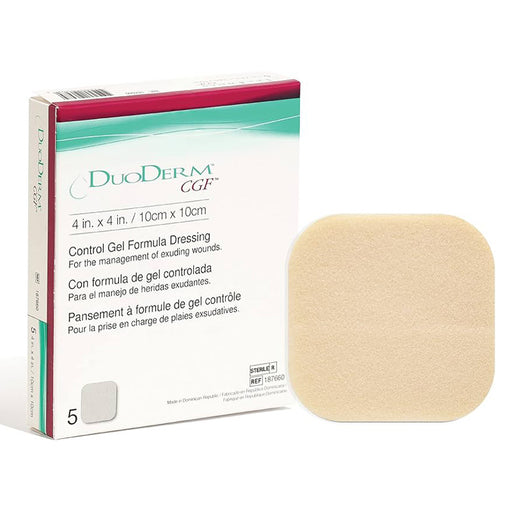
Original price $ 34.95Current price $ 19.97Duoderm Dressings CGF Hydrocolloid Dressings 4 x 4, by Convatec 5/Box
Convatec3 reviewsAdvanced Wound Healing for Pressure Ulcers, Bed Sores, and Chronic Wounds Transform your wound care routine with the #1 hospital-recommended hydroc...
View full details -
 Sale 29%
Original price $ 48.95Current price $ 34.95
Sale 29%
Original price $ 48.95Current price $ 34.95Duoderm Extra Thin Dressing 4 x4 Hydrocolloid Dressings 10/box by Convatec
Convatec12 reviewsThe #1 Choice for Advanced Wound Healing & Skin Protection Experience the industry-leading power of advanced wound care with DuoDERM Extra Thin...
View full details -
 Sale
from $ 115.00
Sale
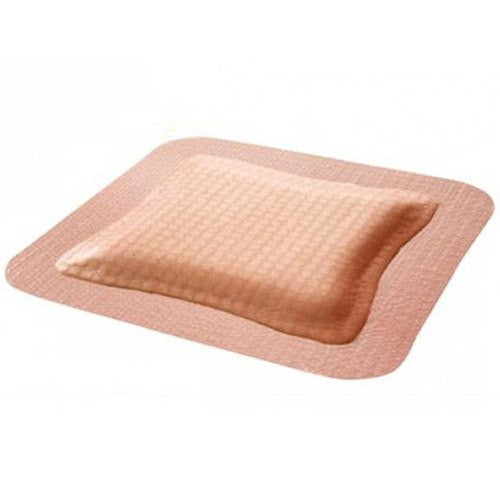
from $ 115.00Allevyn Adhesive Foam Wound Healing Dressings, Smith & Nephew
Smith & Nephew4 reviewsAllevyn adhesive foam wound healing dressings are an effective way to help promote the healing of wounds. The dressings are made of a soft foam tha...
View full details -
 Sale 21%
Original price $ 99.80Current price $ 79.00
Sale 21%
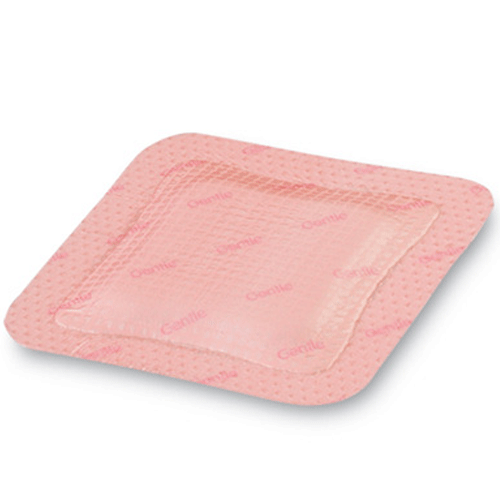
Original price $ 99.80Current price $ 79.00Allevyn Gentle Border Gel Adhesive Foam Dressing 5" x 5" (10 Pack)
Smith & Nephew4 reviewsALLEVYN Gentle Border range has been designed for people with particularly sensitive or fragile skin.These dressings have a soft silicone gel adhes...
View full details -
 Sale 20%
Low Stock
Original price $ 55.95Current price $ 45.00
Sale 20%
Low Stock
Original price $ 55.95Current price $ 45.00Allevyn Heel Wound Dressings 5 per box
Smith & Nephew1 reviewAllevyn heel wound dressing is designed to provide a moist wound environment, which is beneficial for wound healing. The dressings consist of a foa...
View full details -
 Sale
$ 119.00
Sale
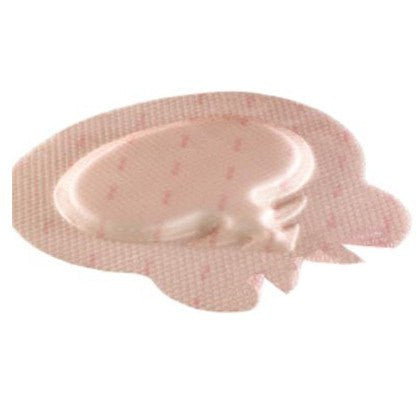
$ 119.00Allevyn™ Life Silicone Gel Adhesive Foam Border Dressings, 10/bx
Smith & Nephew6 reviewsAllevyn Sacrum Gentle Border is a hydrocellular adhesive dressing. Made with a soft silicone gel adhesive that gently attached to fragile, sensitiv...
View full details -
 Sale 30%
Original price $ 19.95Current price $ 14.00
Sale 30%
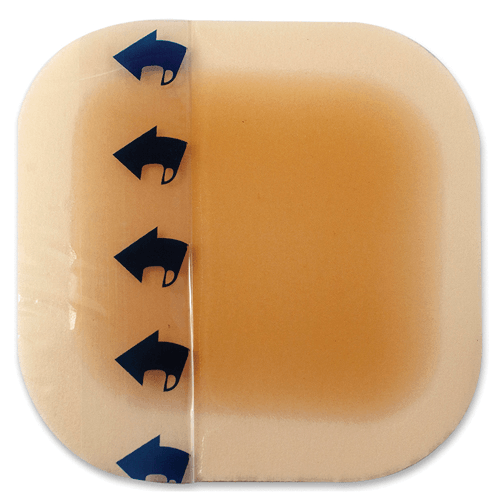
Original price $ 19.95Current price $ 14.00Hydrocolloid Foam Dressing 2" x 2", 10/box
Dynarex4 reviewsDynaDerm Hydrocolloid Dressing 4” x 4” works to maintain moisture on the site of your wound for a faster healing time. A single dressing can last ...
View full details -
 Sale
$ 59.00
Sale
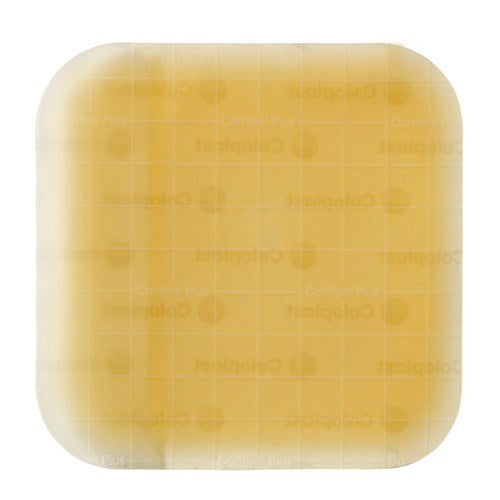
$ 59.00Comfeel Plus Ulcer Dressing 4" x 4", 10/Box - Coloplast
Coloplast Corporation1 reviewColoplast Comfeel Plus is a hydrocolloid dressing that can be used in the management of low to moderate exuding venous leg ulcers, pressure ulcers,...
View full details -
 Sale 35%
Original price $ 48.95Current price $ 31.90
Sale 35%
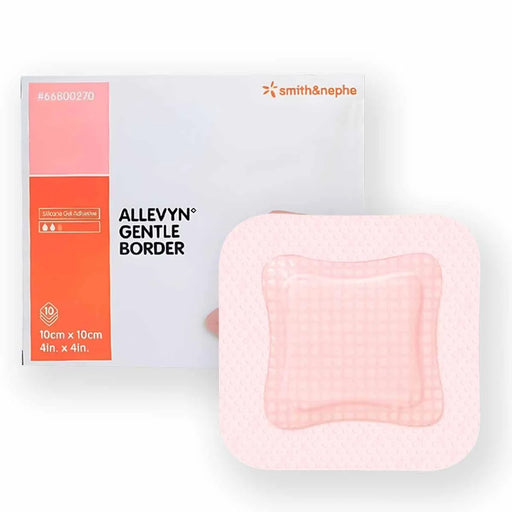
Original price $ 48.95Current price $ 31.90Allevyn Gentle Border 4 inch x 4 inch Square Silicone Gel Adhesive with Border Sterile
Smith & Nephew4 reviewsSmith & Nephew Allevyn Gentle Wound Care Dressing is gentle solution that decreases pain of removal, increases comfort and promotes a moist env...
View full details -
 Sale 22%
Original price $ 16.99Current price $ 13.20
Sale 22%
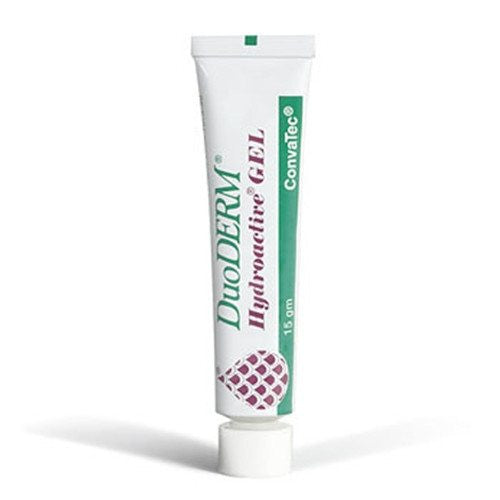
Original price $ 16.99Current price $ 13.20DuoDERM Hydroactive Wound Gel, 30 gram
Convatec1 reviewDuoDERM Hydroactive Wound Gel is a topical gel used to treat and manage wounds. The gel is made with a rich content of hydroxyethyl starch, which h...
View full details -
 Sale 20%
Original price $ 98.95Current price $ 79.50
Sale 20%
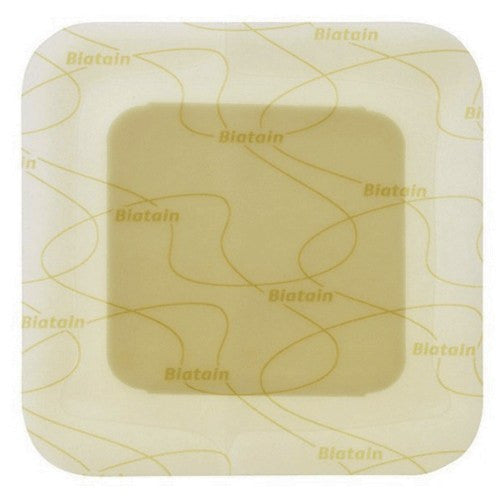
Original price $ 98.95Current price $ 79.50Biatain Adhesive Foam Dressings 5" x 5", 10/bx - Coloplast
Coloplast CorporationNo reviewsBiatain adhesive foam dressing is an adherent foam that absorbs large amounts of wound exudate. Made to treat chronic, acute wounds while creating ...
View full details -
 Sale
from $ 29.00
Sale
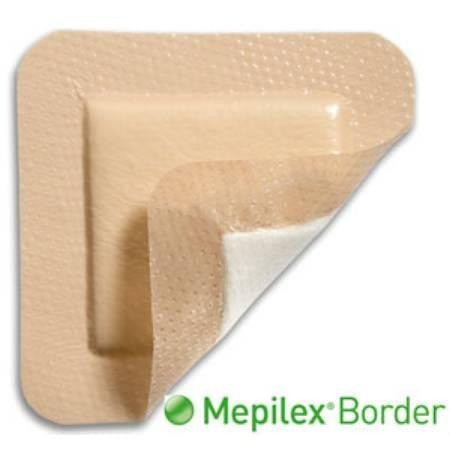
from $ 29.00Mepilex Border Self Adherent Dressing
Mölnlycke Health CareNo reviewsMepilex Border Self-adherent Soft Silicone foam dressing that absorbs exudate effectively, minimizes the risk of periwound skin maceration, and hel...
View full details -
 Sale
from $ 40.50
Sale
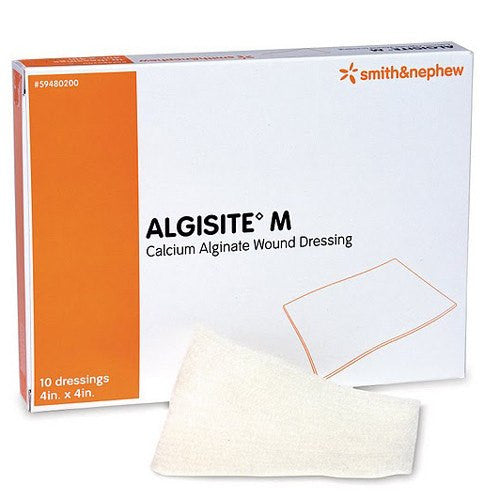
from $ 40.50Algisite M Calcium Alginate Dressings, 10/Box
Smith & Nephew1 reviewAlgiSite M Calcium Alginate Dressing creates and maintains a moist healing environment, enabling epithelial cells to migrate freely across the woun...
View full details -
 Sale
from $ 39.00
Sale
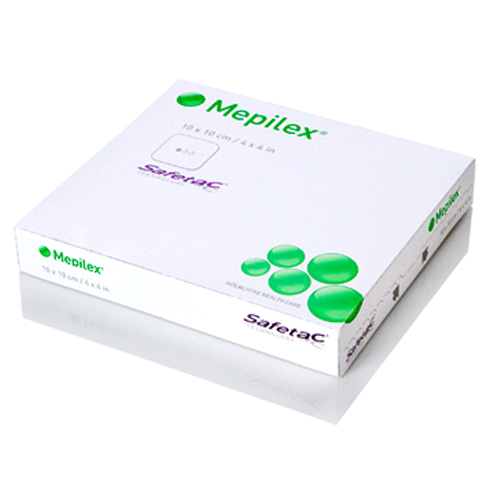
from $ 39.00Mepilex Absorbent Foam Dressing
Mölnlycke Health Care1 reviewMepilex Absorbent Foam Dressing is a soft silicone featuring Safetac technology. Mepilex is non-adherent to moist wound beds, yet it adheres gently...
View full details -
 Sale
from $ 19.00
Sale
from $ 19.00Allevyn Gentle Border Lite Dressing 10 per box
Smith & NephewNo reviewsAllevyn Gentle Border Lite Dressing is a gentle, adhesive dressing that is designed to protect and cushion fragile skin around the wound site. It i...
View full details -
 Sale
$ 33.00
Sale
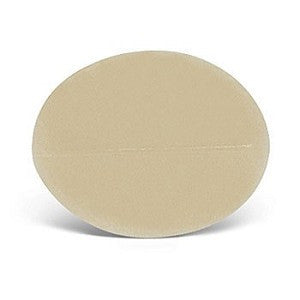
$ 33.00Duoderm Spots Dressings Extra Thin CGF 20-Pack
Convatec1 reviewDuoderm Extra Thin Spots are a highly flexible, control gel formula dressing designed for use on dry to lightly exudating wounds. Duoderm Extra Thi...
View full details -
 Sale
$ 12.75
Sale
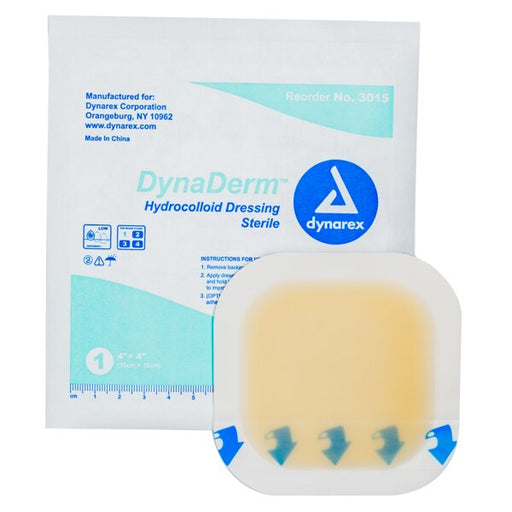
$ 12.75Hydrocolloid Thin 4" x 4" Foam Dressing DynaDerm 10/bx
DynarexNo reviewsHydrocolloid Dressings provide a sterile, moist, insulated healing environment. They are used on uninfected, partial or full thickness wounds with ...
View full details -
 Sale
$ 83.95
Sale
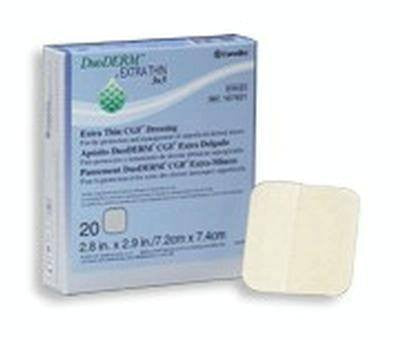
$ 83.95DuoDERM® CGF® 6"x6" Hydrocolloid Dressings, 5/bx Convatec®
ConvatecNo reviewsDuoDerm CGF Dressing 6 x 6 is a sterile, hydrocolloid wound contact dressing. Adheres to wounds gently, yet securely. Made with a gel formula that ...
View full details -
 Sale 32%
Original price $ 38.99Current price $ 26.70
Sale 32%
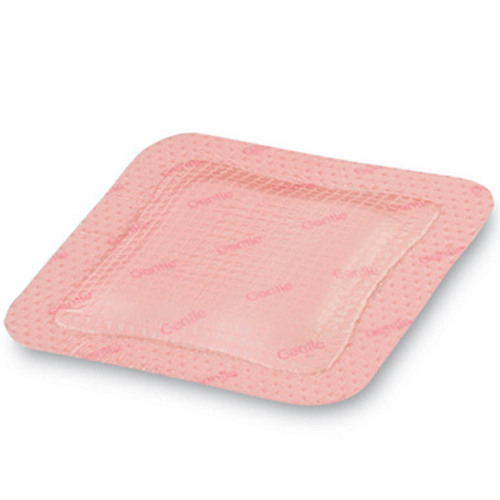
Original price $ 38.99Current price $ 26.70Allevyn Gentle Border Gel Adhesive Foam Dressing 3" x 3" (10 Pack)
Smith & Nephew1 reviewSmith and Nephew Allevyn Gentle Adhesive Border is a range of versatile foam dressings to suit multiple wound types, providing an optimal moist env...
View full details -
 Sale 32%
Original price $ 65.95Current price $ 45.00
Sale 32%
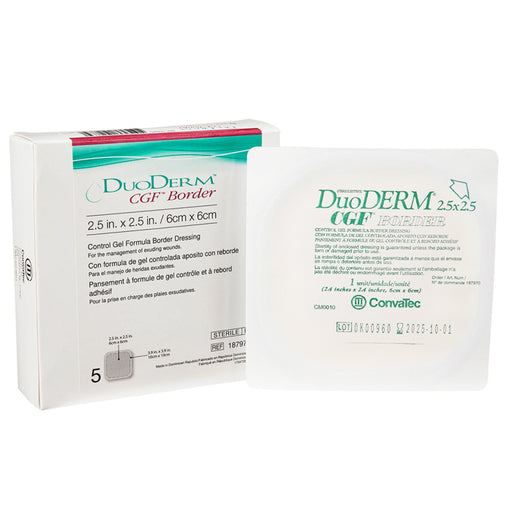
Original price $ 65.95Current price $ 45.00Duoderm Hydrocolloid Dressing with Adhesive CGF Border 2.5" x 2.5" Sterile, 5/Box
Convatec1 reviewDuoDERM® CGF® Border Sterile Dressing by ConvaTec is a superior hydrocolloid wound care solution specifically engineered for hard-to-dress areas. W...
View full details -
 Sale
from $ 57.75
Sale
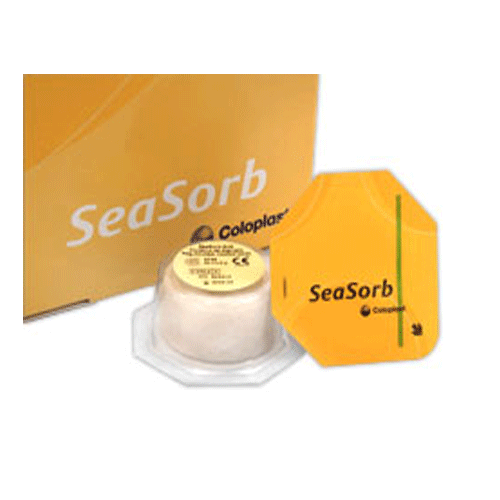
from $ 57.75Biatain Soft Alginate Dressings - Coloplast
Coloplast CorporationNo reviewsSeasorb Features: 33% Better absorbency rate than market-leading hydrofiber Sterile Fiber Free Highly Absorbent Soft Calcium alginate Forms a mois...
View full details -
 Sale 18%
Original price $ 71.50Current price $ 58.70
Sale 18%
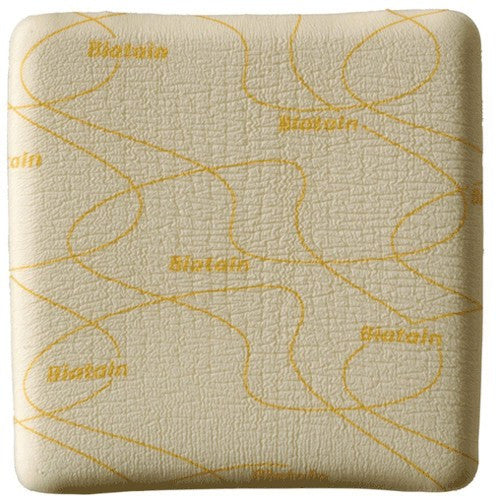
Original price $ 71.50Current price $ 58.70Biatain Non Adhesive Foam Dressing 4" x 4", 10/Box
Coloplast CorporationNo reviewsColoplast 3410 Biatain Foam Dressings have a unique 3-D polymer structure that absorbs and locks away light to heavy levels of exudate (wound fluid...
View full details -
 Sale 17%
Original price $ 149.95Current price $ 125.00
Sale 17%
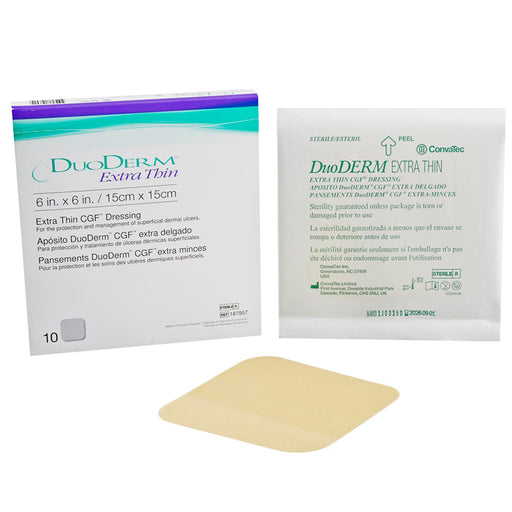
Original price $ 149.95Current price $ 125.00DuoDERM Extra Thin Hydrocolloid Dressings 6 x 6 inch Square, Sterile 10/Box
ConvatecNo reviewsDuoDERM Extra Thin Hydrocolloid Dressings are a type of wound dressing that is designed to promote healing and protect a wound from infection. They...
View full details -
 Sale 25%
Original price $ 225.95Current price $ 169.00
Sale 25%
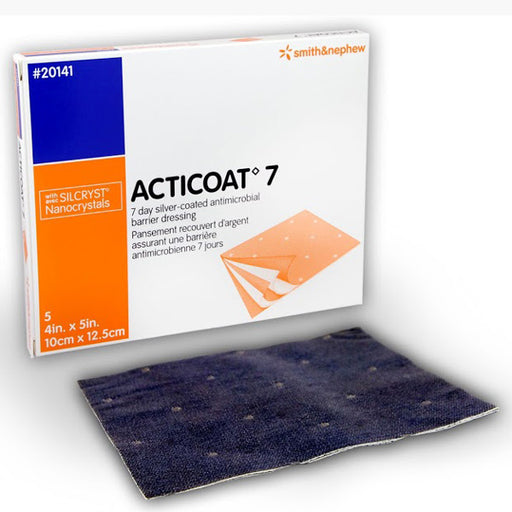
Original price $ 225.95Current price $ 169.00Acticoat 7 Day Antimicrobial Silver Wound Dressings 4 x 5" by Smith & Nephew 5/Box
Smith & NephewNo reviewsIntroducing the Acticoat 7 Day Antimicrobial Silver Wound Dressings by Smith & Nephew - your advanced solution for optimal wound care and manag...
View full details -
 Sale
from $ 129.95
Sale
from $ 129.95Allevyn Ag Silver Foam Adhesive Hydrocellular Dressings 10/Box
Smith & Nephew1 reviewAllevyn Ag Silver Foam Adhesive Hydrocellular Dressings are used for managing exuding wounds and preventing infection. These dressings contain silv...
View full details -
 Sale
from $ 14.50
Sale
from $ 14.50Aquacel Ag Advantage Silver Hydrofiber Dressings Square 2 x 2 inches
ConvatecNo reviewsExperience the pinnacle of wound care innovation with the AQUACEL® Ag Advantage Silver Hydrofiber Dressing by ConvaTec, now available in a convenie...
View full details -
 Sale
from $ 13.95
Sale
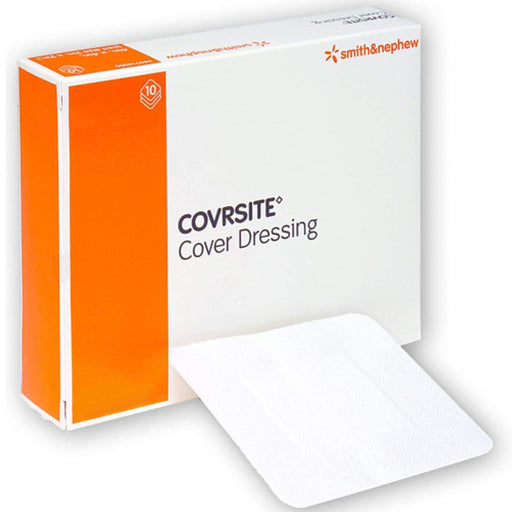
from $ 13.95Coversite Wound Dressings, 10/Box
Smith & NephewNo reviewsSmith & Nephew Coversite wound dressing is designed as a secondary cover dressing for gels like Solosite gel sheets, alginates, wound filler...
View full details -
 Sale
$ 36.00
Sale
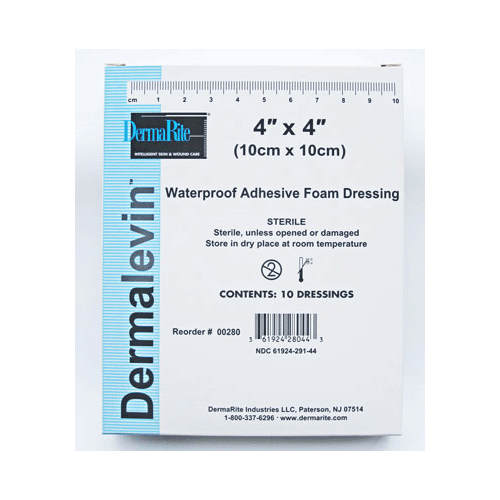
$ 36.00Dermalevin Adhesive 6 x 6 Foam Dressings 10/Box
DermariteNo reviewsDermarite Dermalevin Adhesive Foam Dressing is a semipermable, waterproof foam dressing that absorbs four times more exudate (wound fluid) than a h...
View full details -
 Sale 25%
Original price $ 175.95from $ 132.00
Sale 25%
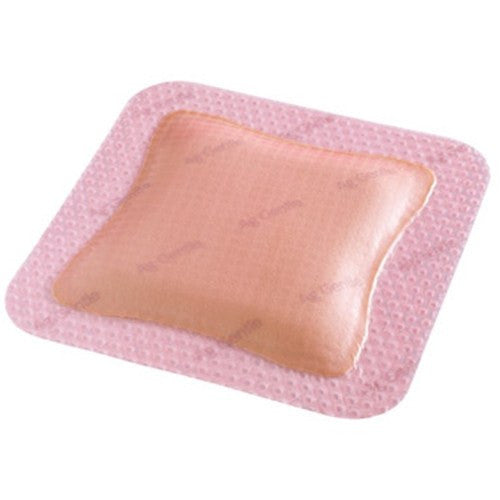
Original price $ 175.95from $ 132.00Allevyn Ag Gentle Wound Dressing with Silver 10/Box
Smith & NephewNo reviewsAllevyn Ag Gentle Dressing with Silver provide specialized antimicrobial wound care that is gentle on tissues. Made to promote faster healing, thes...
View full details -
 Sale
from $ 37.65
Sale
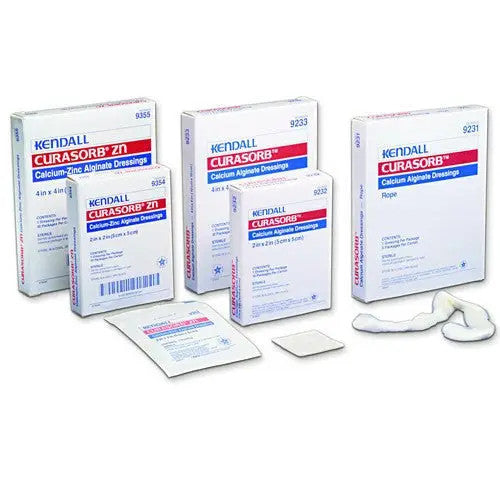
from $ 37.65Curasorb Calcium Alginate Dressings
Covidien /KendallNo reviewsCurasorb Calcium Alginate Dressings for advanced wound care have a high calcium content that is released into the wound bed while removing sodium. ...
View full details -
 Sale 28%
Original price $ 54.00Current price $ 39.00
Sale 28%
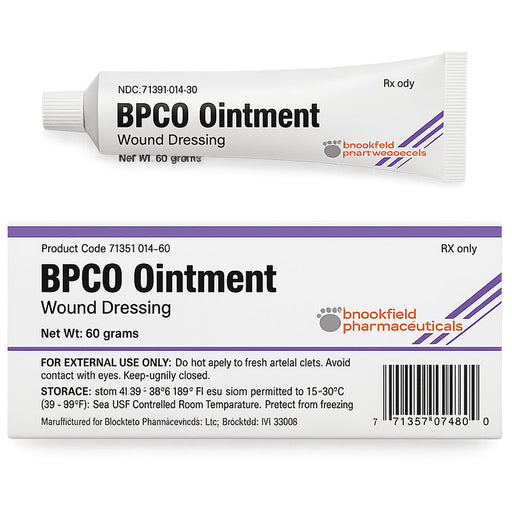
Original price $ 54.00Current price $ 39.00BPCO Ointment Wound Care Dressing 60 gram Tube
Brookfield PharmaNo reviews#1 Doctor-Recommended Wound Care Ointment for Fast Healing, Infection Prevention & Skin Protection Experience superior wound healing and skin r...
View full details🔒 Medical License Required -
 Sale 30%
Original price $ 139.00Current price $ 97.00
Sale 30%
Original price $ 139.00Current price $ 97.00Aquacel Silicone Foam Sacral Dressing with Border Waterproof Film Backing 7" x 8" (5/Box)
ConvatecNo reviewsDiscover advanced wound care with the AQUACEL® Silicone Foam Sacral Dressing with Border by ConvaTec. Specifically designed to address the unique n...
View full details -
 Sale 18%
Original price $ 159.00Current price $ 129.95
Sale 18%
Original price $ 159.00Current price $ 129.95Aquacel Silicone Foam Heel Dressing with Border Waterproof Film Backing 8 x 5.5" (5/Box)
ConvatecNo reviewsIntroducing the AQUACEL® Silicone Foam Heel Dressing with Border by ConvaTec — a premium solution engineered to meet the unique challenges of heel ...
View full details -
 Sale
from $ 59.95
Sale
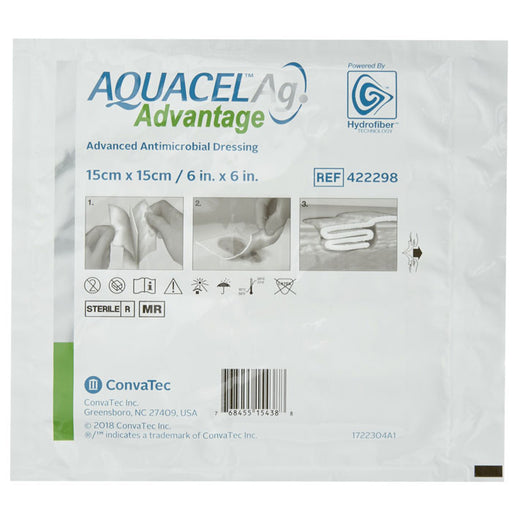
from $ 59.95Aquacel Ag Advantage Silver Hydrofiber Dressings Square 6 x 6 inches
ConvatecNo reviewsAquaCel Ag Advantage Silver Hydrofiber Wound Dressings are advanced dressings designed for managing exuding wounds. They incorporate Hydrofiber tec...
View full details -
 Sale
from $ 28.00
Sale
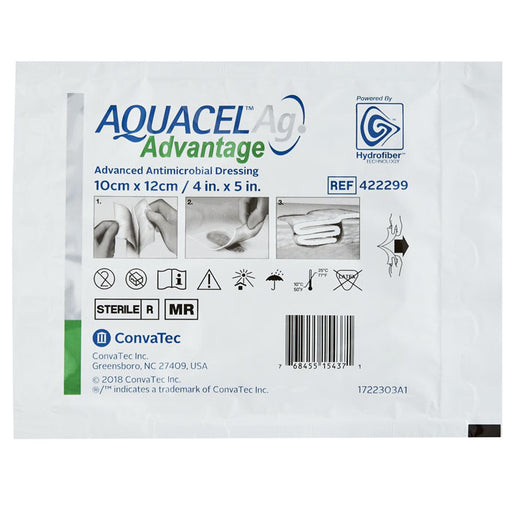
from $ 28.00Aquacel Ag Advantage Silver Hydrofiber Dressings Square 4 x 5 inches
ConvatecNo reviewsExperience the pinnacle of wound care innovation with the AQUACEL® Ag Advantage Silver Hydrofiber Dressing by ConvaTec, now available in a convenie...
View full details -
 Sale
from $ 65.00
Sale
from $ 65.00DermaCol Collagen Matrix Dressings, Sterile 10/Box
DermaRite IndustriesNo reviewsDermaCol Collagen Matrix Dressings are designed to support the healing of partial and full-thickness wounds, including pressure ulcers, diabetic ul...
View full details -
Sold out
$ 39.00
Allevyn Gentle Border Gel Adhesive Foam Dressing 7" x 7" (10 Pack)
Smith & NephewNo reviewsSmith and Nephew Allevyn Gentle Adhesive Border is a range of versatile foam dressings to suit multiple wound types, providing an optimal moist env...
View full details -
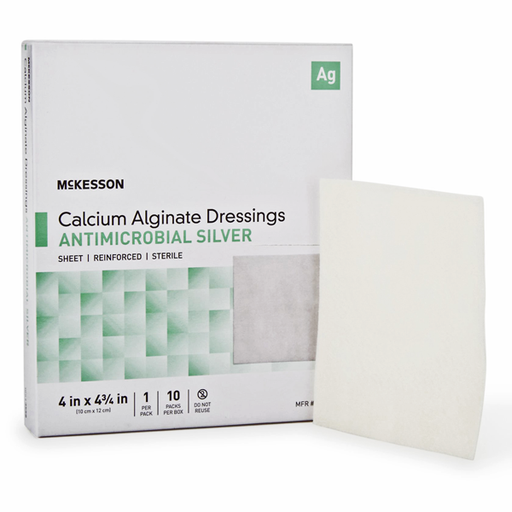 Sale 31%
Original price $ 159.95Current price $ 110.00
Sale 31%
Original price $ 159.95Current price $ 110.00Silver Calcium Alginate Dressing 4 x 4 3/4" with Antimicrobial Silver, Sterile 10/Box
McKessonNo reviewsSilver Calcium Alginate Dressing with Antimicrobial Silver is a type of wound dressing that combines the properties of traditional calcium alginate...
View full details


People Also Searched For
Pressure Ulcer Dressings by Smith & Nephew
Pressure Ulcer Dressings to Pressure Ulcers
Pressure Ulcer Dressings to advanced wound care
Pressure Ulcer Dressings to Duoderm
Pressure Ulcer Dressings to hydrocolloid dressing
Pressure Ulcer Dressings to leg ulcers
Pressure Ulcer Dressings to Moist Wound Healing
Pressure Ulcer Dressings to Chronic wounds
Pressure Ulcer Dressings to Diabetic Foot ulcers
Pressure Ulcer Dressings to Duoderm Dressings
Pressure ulcer dressings are specialized wound dressings used to treat bedsores (pressure ulcers) by protecting the sore, maintaining a healing environment, and absorbing fluids. Pressure ulcers develop on skin that's under constant pressure (like the tailbone, heels, or hips in bedridden patients), and these wounds require dressings that can address their unique challenges: keeping the wound moist but not too wet, cushioning the area from further pressure, and preventing infection.
Types of Pressure Ulcer Dressings:
-
Foam Dressings: Thick, soft foam pads that absorb a lot of fluid and cushion the wound. Foams are often the first choice for open pressure ulcers (especially Stage 2, 3, or 4 sores that are draining). They maintain moisture and protect the ulcer from further trauma. Example: A sacral (lower back) pressure ulcer might be covered with a sacral-shaped foam dressing, which soaks up drainage and pads the area.
-
Hydrocolloid Dressings: Flexible, gel-forming pads that seal the wound and keep it moist. Best for shallower or Stage 2 ulcers with light drainage. They can stay on for several days, promoting healing by insulating the wound and keeping it just moist enough. Note: They aren’t used if the ulcer is very wet or infected (occlusive nature can trap too much moisture or bacteria).
-
Alginate/Hydrofiber Dressings: Made from seaweed or special fibers, these dressings absorb heavy exudate and turn into a gel. They’re useful for deep or Stage 3-4 ulcers that ooze a lot. Alginates and hydrofibers often come as ropes or sheets to fill wound cavities, then are covered with a second dressing (like a foam or gauze). They keep the wound moist while preventing pooling of fluid. They’re changed once they’re saturated with fluid (often daily or every couple of days).
-
Hydrogel Dressings: Water-based gels or sheets that add moisture to a dry wound. Ideal for pressure ulcers that are dry or have hard, dead tissue (eschar). Hydrogels rehydrate and soften necrotic tissue, aiding in autolytic debridement (the body’s natural cleanup). They also have a soothing, cooling effect for pain. Because hydrogels don’t absorb much, they’re usually used on drier wounds and covered with an absorbent secondary dressing.
-
Transparent Films: Thin, see-through dressings (like Tegaderm) that protect the skin from friction and contamination. They don’t absorb fluid, so they’re mainly used on Stage 1 ulcers (intact red skin) or as a cover over another dressing. For a patient at risk of a pressure ulcer, a film can be placed on a trouble spot (e.g., a red heel) to reduce friction from bed sheets while the underlying tissue recovers. Films are also sometimes used as a secondary dressing to hold a gel or alginate in place.
-
Antimicrobial Dressings: These are dressings (often foams, alginates, or gauzes) impregnated with agents like silver, iodine, or honey. They’re used when a pressure ulcer is infected or heavily colonized with bacteria. For example, a silver foam dressing can help fight infection in a deep sacral ulcer by continuously releasing silver ions. Cadexomer iodine or medical honey dressings may be applied to reduce bacterial load and also assist with debriding slough (dead tissue). Once the infection is controlled, care may switch back to a standard non-medicated dressing.
Pressure ulcer dressings are a toolkit of foam pads, hydrocolloids, alginates, hydrogels, and other advanced dressings designed to meet the needs of pressure sores. They keep the wound environment just right – moist, protected, and clean – so the body can repair the damage. By choosing the appropriate dressing for the ulcer’s stage and characteristics (and changing it at proper intervals), healthcare providers can significantly speed up healing, reduce pain, and prevent complications in patients suffering from pressure ulcers. These dressings, combined with diligent nursing care to off-load pressure, form the frontline defense in both treating and preventing these challenging wounds.
How Pressure Ulcer Dressings Help
Using Dressings by Pressure Ulcer Stage
Popular Pressure Ulcer Dressing Brands, Types & Sizes
How Pressure Ulcer Dressings Help
They maintain a moist healing environment which is proven to speed wound healing and reduce pain. They also absorb excess wound drainage (pressure sores can be very leaky) to keep the surrounding skin dry and intact. Many pressure ulcer dressings are designed to be gentle on fragile skin – for example, modern foam dressings often have a soft silicone layer that doesn’t stick aggressively, so when you change the dressing it won’t tear the new tissue or skin. Additionally, these dressings insulate the wound (promoting a stable temperature for healing) and protect it from outside contaminants and further friction or pressure.
Using Dressings by Pressure Ulcer Stage
-
Stage 1 (red, unbroken skin): No open wound yet – primary treatment is pressure relief. A thin film or preventive foam dressing can be applied to protect the area from rubbing and moisture (like urine) which could worsen it.
-
Stage 2 (shallow open ulcer or blister): The skin is broken but ulcer is not deep. A hydrocolloid or foam can be used to keep it cushioned and moist. Hydrocolloids work well if there’s minimal fluid; a small foam might be better if there’s more drainage. These dressings also shield the wound from urine/stool if the ulcer is in the sacral area.
-
Stage 3 (deeper ulcer, through skin into fat) and Stage 4 (deepest, can see muscle/bone): Likely to have significant drainage and possibly dead tissue. Foam dressings are frequently used for their high absorbency and padding. Alginate or hydrofiber fillings may be packed into deep wounds to absorb fluid, covered by a foam or other top layer. If the wound is dry with necrosis, hydrogels might be used to soften the dead tissue (often in combination with other methods of debridement). And if infection is present, an antimicrobial dressing might be chosen (e.g., a silver foam or iodine dressing) until the infection clears. Stage 3-4 ulcers often require more frequent dressing changes initially (daily or every 2 days) and then less often as healing progresses and drainage lessens.
Important: Regardless of dressing type, relieving pressure on the ulcer is essential. Even the best dressing won’t heal a pressure ulcer if that area isn’t getting pressure relief. So, these dressings are used along with strategies like repositioning the patient frequently, using special mattresses or cushions, and improving nutrition and hydration to promote healing.
Popular Pressure Ulcer Dressing Brands, Types, and Available Sizes
When it comes to managing pressure ulcers (bedsores), several key brands produce specialized dressings designed for these wounds. These dressings often come in various types (like foam, hydrocolloid, alginate, etc.) and a range of sizes (including special shapes for areas like the sacrum or heel). Below is an overview of some major brands and their popular pressure ulcer dressings:
Mölnlycke Health Care – Mepilex® Dressings
Type & Use: Mölnlycke’s Mepilex line is famous for foam dressings with Safetac® soft silicone adhesive, which are gentle on skin and ideal for pressure ulcers. They absorb exudate and cushion the wound. Popular Products:
- Mepilex Border – A multi-layer foam dressing with a built-in adhesive silicone border. Often used for Stage II-IV pressure ulcers with moderate exudate. Common square sizes include 7.5 x 7.5 cm, 10 x 10 cm, 15 x 15 cm, and 20 x 20 cm (and equivalent 3″x3″, 4″x4″, 6″x6″, 8″x8″). There are also rectangle sizes like 10 x 20 cm (4″x8″) for larger wounds.
- Mepilex Border Sacrum – A sacral-shaped foam dressing specifically contoured for the lower back/buttocks area (a high-risk spot for bedsores). It has a “tail” or butterfly shape to fit over the sacrum and between the buttocks. Sizes: Typically around 22 x 22 cm or 23 x 20 cm (roughly 9″x9″) at the widest points, covering the sacral region.. This dressing is five-layered for extra absorption and is used both to prevent pressure ulcers in at-risk patients and to treat existing sacral sores.
- Mepilex Border Heel – A pre-shaped foam dressing that wraps around the heel. It looks like a butterfly or boot shape to cap the heel and Achilles area. Size: Generally one size designed to fit most adult heels (e.g., roughly (cm) values that correspond to about heel diameter 13-14 cm). It provides padding and absorption for heel ulcers.
- Mepilex Ag – The silver-infused version of Mepilex foam (available in similar sizes to standard Mepilex Border) for infected pressure ulcers. For example, Mepilex Border Ag 10 x 10 cm or 15 x 15 cm sizes are common.
- Mepilex Transfer – A thin foam dressing that “wicks” fluid to a secondary absorbent pad. Comes in larger sheets (e.g., 10 x 12.5 cm, 20 x 50 cm) that can be cut to shape, useful for covering awkward or large skin areas (like multiple Stage I areas or a wide shallow ulcer).
Mölnlycke’s Mepilex dressings are known for their gentle adhesion and are frequently chosen for pressure ulcers to minimize pain and skin damage during dressing changes. The bordered versions simplify application (no separate tape needed), and the special sacral and heel shapes ensure better coverage and pressure-offloading in those regions.
Smith & Nephew – Allevyn® Dressings
Type & Use: Smith & Nephew’s Allevyn line includes foam dressings widely used in pressure ulcer care. They offer standard foams and those with gentle silicone adhesives, plus specialty shapes. Popular Products:
- Allevyn Life / Allevyn Gentle Border – These are adhesive foam dressings with a soft silicone border (Gentle Border) or a hybrid foam with a cushioning “tail” design (Life). Sizes: Squares in 10 x 10 cm (4″x4″), 12.5 x 12.5 cm (5″x5″), 17.5 x 17.5 cm (7″x7″), etc. Rectangles like 10 x 20 cm are also available. Allevyn Life has a distinctive layered design with a central absorbent pad and a wide border, often in oval or trapezoid shapes (commonly size 16.9 x 17.1 cm sacral shape).
- Allevyn Sacrum – A foam dressing specifically shaped for sacral area. Size: Typically around 17 cm x 17 cm or larger (approx 6.5″x6.5″) with a notch to accommodate the cleft of the buttocks. Newer versions like Allevyn Life Sacrum are a teardrop shape (~23 cm long) to cover a broad sacral region.
- Allevyn Heel – A foam dressing cut to fit the heel curve. Size: One size that folds over the heel (rough dimensions when flat might be around X cm by Y cm, often listed as suitable for most adult heels). It usually has two “wings” that wrap the sides of the heel.
- Iodosorb® and Inadine® – While not “Allevyn,” Smith & Nephew also provides these antimicrobial dressings relevant to pressure ulcers. Iodosorb is a cadexomer iodine paste/dressing used for infected or sloughy ulcers (available in ointment tubes and 5g or 10g dressing pots). Inadine is an iodine-infused low-adherent gauze, supplied as small pads (5 cm x 5 cm or 9.5 cm x 9.5 cm), often used as a contact layer under a secondary dressing for infected pressure sores. These help manage bioburden in wounds with infection risk.
Smith & Nephew’s dressings are known for high quality and innovation. The Allevyn range, especially with Gentle Border and Life, is popular for its absorbency and comfort. The sacral and heel variants of Allevyn give clinicians ready-made options for those challenging anatomical sites, ensuring good coverage and adhesion.
3M Health Care – Tegaderm™ and Cavilon™ Range
Type & Use: 3M’s wound care products for pressure ulcers include both foam dressings and protective products. The Tegaderm brand covers various dressings, while Cavilon is known for barrier films/creams (used to protect skin around ulcers or for Stage 1). Popular Products:
- 3M Tegaderm Foam Adhesive – A foam dressing with a thin Tegaderm film backing and adhesive border. Sizes: Commonly 10 cm x 11 cm (4″x4.3″) oval, 10 cm x 20 cm (4″x8″) rectangle, and oval sacral shape ~ 13 cm x 16 cm. There’s also a heel shape in the Tegaderm foam line which is roughly a 10 cm x 13 cm cutout designed for heel contours. These dressings are waterproof and can handle moderate exudate, used for Stage II–IV pressure sores.
- 3M Tegaderm Hydrocolloid – A line of hydrocolloid dressings under the Tegaderm name. They come as thin occlusive pads, useful for Stage II ulcers or shallow wounds. Sizes: Small squares ( approx 5 cm x 5 cm (2″x2″) ), medium ( 10 cm x 12 cm (4″x4.75″) ), and oval large ( 15 cm x 15 cm and oval 14 cm x 17 cm for sacral areas). These provide a long-wear option (up to 7 days) for low-exudate wounds.
- 3M Cavilon No Sting Barrier Film – Not a dressing per se, but worth mentioning: it’s a liquid barrier film (applied as a swab or spray) that forms a protective coating on skin. It’s used around pressure ulcers to protect healthy skin from moisture or adhesive stripping. Comes in wipes, 1 mL and 3 mL applicators, or spray bottles. For Stage I pressure areas or to protect periwound skin, applying Cavilon and then using a foam dressing on top is a common combo.
- Medipore™ & Tegaderm Film – 3M’s Tegaderm Transparent Film dressings (like 6 cm x 7 cm, 10 cm x 12 cm, 15 cm x 20 cm sizes) can be used on early stage sores or as secondary covers. Medipore adhesive fabric tape (available in rolls of 5 cm, 10 cm widths, etc.) is often used to secure dressings in tricky spots without harsh adhesives.
3M’s Tegaderm brand is well-trusted; their foam dressings stand out for a good balance of absorbency and secure-yet-gentle adhesive. They also emphasize protecting skin integrity (as seen with Cavilon), which is crucial in pressure ulcer care.
ConvaTec – DuoDERM® & AQUACEL® Dressings
Type & Use: ConvaTec’s portfolio includes hydrocolloids and advanced absorbers frequently used for pressure ulcers. Popular Products:
- DuoDERM CGF Hydrocolloid – A classic hydrocolloid dressing for Stage II or shallow Stage III ulcers. CGF stands for “Control Gel Formula,” which gels on contact with fluid. Sizes: Square pads in 10 x 10 cm (4″x4″), 15 x 15 cm (6″x6″); oval and rectangle options like 10 x 13 cm and 20 x 20 cm for sacral/hip coverage. Extra Thin DuoDERM comes in smaller sizes (e.g., 5×10 cm, 7.5×7.5 cm) for minimal-exudate or nearly healed areas. These dressings can stay in place up to a week, reducing change frequency.
- AQUACEL Hydrofiber Dressings – Aquacel is a sodium carboxymethylcellulose (CMC) fiber dressing that absorbs fluid and converts to a gel. It’s excellent for deep, wet pressure ulcers. Formats & Sizes: Flat sheets in 5 x 5 cm, 10 x 10 cm, 15 x 15 cm; and ribbon (2 cm x 45 cm) to pack tunneling wounds. Aquacel Extra is a more robust version for very high exudate. AQUACEL Ag (with silver) is often used for infected pressure ulcers, available in the same sizes (common choice: 10×10 cm Ag for a moderate-sized ulcer).
- AQUACEL Foam – A newer addition, combining a top foam layer with a contact layer of Aquacel. Sizes: Square adhesive foams 10×10 cm, 15×15 cm, etc., rectangles like 10×20 cm, plus sacral foam (approximately 17 cm x 17 cm with a tail) and heel foam shapes. These dressings provide the ease-of-use of foam with the extra gelling action of Aquacel to lock in fluid – great for moderate/heavily exuding pressure sores.
- Kaltostat® Alginate – A calcium alginate dressing (absorbs and helps clot minor bleeding). Used for deep cavity pressure ulcers. Sizes: Pads around 5 x 5 cm, 10 x 20 cm, and rope (~2g, 30 cm length). Typically, Kaltostat is cut or packed into a draining ulcer and covered with a secondary dressing.
- CarboFlex® – A 5-layer dressing with an activated charcoal core to manage odor in malodorous wounds (sometimes an issue in long-standing Stage IV ulcers). Size: ~10 x 10 cm pads. Often used in combination with other dressings (e.g., put CarboFlex on top of an alginate in a smelly, draining ulcer, then secure with a wrap).
ConvaTec’s DuoDERM was one of the first wound dressings specifically marketed for pressure sores, and it’s still widely used for appropriate cases. Aquacel has become a go-to for managing wetter wounds; many clinicians use Aquacel in deep ulcers to ensure fluid is controlled.
Coloplast – Biatain® and Comfeel® Dressings
Type & Use: Coloplast offers foam dressings (Biatain) for absorption and hydrocolloids (Comfeel) for moisture balance, both relevant to pressure ulcer care. Popular Products:
- Biatain Silicone Foam – A soft foam with a gentle silicone adhesive border. It’s comparable to other foam dressings for moderate/heavy exudate pressure ulcers. Sizes: 7.5 x 7.5 cm, 10 x 10 cm, 12.5 x 12.5 cm, 15 x 15 cm; Large 20 x 20 cm; plus special shapes: Biatain Sacral (~19 x 19 cm butterfly shape) and Biatain Heel (cup-shaped to fold over the heel). There’s also Biatain Silicone Lite (thinner foam) for lower-exudate or Stage II ulcers, in similar dimensions.
- Biatain Super – A super-absorbent dressing (thin absorbent polymer pad with a semi-permeable backing). Good for very high-drainage wounds. Sizes: e.g., 10 x 10 cm, 15 x 15 cm. This is non-adhesive, so it needs a secondary fixing (tape or wrap).
- Comfeel Plus Hydrocolloid – Coloplast’s hydrocolloid for shallow pressure ulcers. Sizes: Square/oval patches ~ 4×6 cm, 10×10 cm, 15×15 cm, and large thin sheets up to 20×20 cm. Also available in contoured shapes for difficult areas (e.g., a sacral design around 16×20 cm). Comfeel provides a moist, insulating cover for Stage II or clean Stage III ulcers with minimal exudate. It’s quite sticky and forms a good seal (waterproof), often used where a dressing needs to stay on through bathing.
- SeaSorb® Alginate (now Biatain Alginate) – Coloplast’s alginate dressing for deep or wet sores. Comes in pad sizes (10×10 cm) and a rope (~2.5×30 cm) similar to other alginates. It turns to gel with fluid and is removed (usually rinsed out) at each change.
- Purilon® Gel – A clear hydrogel (in 15g or 25g tubes) used to hydrate dry necrotic pressure ulcers. A thin layer is applied into the wound (for example, on a dry heel ulcer with black eschar) and then covered with a dressing like Biatain or Comfeel. The gel helps dissolve dead tissue.
Coloplast’s Biatain foams are known for comfort and high absorbency. Comfeel hydrocolloids have been around for decades in pressure ulcer care, recognized for strong adhesion and durability (they’re a bit thicker and more robust than some other hydrocolloids, which is useful on areas like the sacrum where adhesion is challenged).
Medline & Other Brands (Additional Notables)
Several other companies produce quality pressure ulcer dressings; here are a few notable ones and their offerings:
- Medline (Optifoam®) – Medline’s Optifoam Gentle dressings are silicone-bordered foams similar to Mepilex/Allevyn. Sizes: 10 x 10 cm, 15 x 15 cm, etc., plus a sacral version (~23 x 23 cm) and heel option. Medline also has Exuderm® Hydrocolloid dressings (in 10×10 cm, 15×15 cm, etc.) for stage II, and Maxorb® Extra Alginate (5×5 cm pads, 2g ropes) for high exudate. These provide cost-effective alternatives and are widely used in hospitals.
- Hartmann (Zetuvit® and HydroTac®) – Paul Hartmann AG makes Zetuvit Plus, a thick superabsorbent pad (good for covering very draining ulcers; comes in sizes like 10×20 cm, 20×25 cm). Their HydroTac is a foam with a hydrating gel layer, available in sizes like 10×10, 10×20 cm, offering both moisture donation and absorption – useful for mixed-characteristic wounds. Sorbalgon® is Hartmann’s alginate (available in similar sizes to other alginates).
- Derma Sciences (Medihoney®) – Known for Medihoney dressings which contain medical-grade Manuka honey. They produce calcium alginate with honey (sheets 2″x2″, 4″x5″) and honey hydrocolloid dressings (shapes like 4.5″x4.5″ square or 2″x2″). These are used on pressure ulcers to help debride and control bioburden while maintaining moisture.
- Systagenix/Acelity (KCI) – Offers PROMOGRAN Prisma™, a collagen/ORC + silver matrix dressing (comes as 5 cm x 5 cm pads) used for stalled pressure ulcers to jump-start healing, and TIELLE® foam dressings in various sizes. (Acelity, now part of 3M, is also known for the VAC® Negative Pressure Wound Therapy systems often used on large Stage IV pressure ulcers, but NPWT is a specialized therapy beyond simple dressings.)
Size Considerations: Pressure ulcer dressings typically range from small (5×5 cm or 2″x2″) up to extra-large (20×20 cm or 8″x8″ and beyond). Many foam dressings and hydrocolloids come in 4″x4″ and 6″x6″ as standard middle sizes, since they can be cut to fit or overlapped for larger coverage. For sacral ulcers, sizes around 6″x7″ up to 9″x10″ in a butterfly shape are common to ensure the dressing extends beyond the wound edges and adheres to intact skin. Heel dressings are often one-size but can be supplemented with gauze or wraps if needed. Always choose a dressing slightly larger than the wound (ideally the pad extends at least 2-3 cm beyond the wound margins) to ensure proper coverage.
Popular Brand Summary: In pressure ulcer management, some brand-name products have become almost synonymous with their category due to popularity: Mepilex Border (Molnlycke) and Allevyn (Smith & Nephew) for foam dressings, DuoDERM (ConvaTec) for hydrocolloids, Aquacel (ConvaTec) for gelling fiber, Biatain (Coloplast) for foam, and Mepilex/Allevyn Sacrum for sacral-specific dressings, etc. Each brand offers a portfolio covering most needs (from shallow to deep ulcers, from low to high exudate). Ultimately, the choice might come down to clinical preference, patient comfort, and wound requirements. All the mentioned dressings come sterile and in various unit packaging (usually sold in box quantities, e.g., 5 or 10 per box, depending on size).
When selecting a dressing, clinicians consider both the stage of the pressure ulcer and its exudate level, then pick the appropriate type and size from one of these trusted brands. Many times, facilities standardize on a few brands for consistency. Regardless of brand, ensuring the correct type (e.g., foam vs hydrocolloid) and size/shape (adequate coverage, sacral vs flat, etc.) is crucial for effective pressure ulcer treatment.
How Pressure Ulcer Dressings Help
How Pressure Ulcer Dressings Help
They maintain a moist healing environment which is proven to speed wound healing and reduce pain. They also absorb excess wound drainage (pressure sores can be very leaky) to keep the surrounding skin dry and intact. Many pressure ulcer dressings are designed to be gentle on fragile skin – for example, modern foam dressings often have a soft silicone layer that doesn’t stick aggressively, so when you change the dressing it won’t tear the new tissue or skin. Additionally, these dressings insulate the wound (promoting a stable temperature for healing) and protect it from outside contaminants and further friction or pressure.
Using Dressings by Pressure Ulcer Stage
Using Dressings by Pressure Ulcer Stage
-
Stage 1 (red, unbroken skin): No open wound yet – primary treatment is pressure relief. A thin film or preventive foam dressing can be applied to protect the area from rubbing and moisture (like urine) which could worsen it.
-
Stage 2 (shallow open ulcer or blister): The skin is broken but ulcer is not deep. A hydrocolloid or foam can be used to keep it cushioned and moist. Hydrocolloids work well if there’s minimal fluid; a small foam might be better if there’s more drainage. These dressings also shield the wound from urine/stool if the ulcer is in the sacral area.
-
Stage 3 (deeper ulcer, through skin into fat) and Stage 4 (deepest, can see muscle/bone): Likely to have significant drainage and possibly dead tissue. Foam dressings are frequently used for their high absorbency and padding. Alginate or hydrofiber fillings may be packed into deep wounds to absorb fluid, covered by a foam or other top layer. If the wound is dry with necrosis, hydrogels might be used to soften the dead tissue (often in combination with other methods of debridement). And if infection is present, an antimicrobial dressing might be chosen (e.g., a silver foam or iodine dressing) until the infection clears. Stage 3-4 ulcers often require more frequent dressing changes initially (daily or every 2 days) and then less often as healing progresses and drainage lessens.
Important: Regardless of dressing type, relieving pressure on the ulcer is essential. Even the best dressing won’t heal a pressure ulcer if that area isn’t getting pressure relief. So, these dressings are used along with strategies like repositioning the patient frequently, using special mattresses or cushions, and improving nutrition and hydration to promote healing.
Popular Pressure Ulcer Dressing Brands, Types & Sizes
Popular Pressure Ulcer Dressing Brands, Types, and Available Sizes
When it comes to managing pressure ulcers (bedsores), several key brands produce specialized dressings designed for these wounds. These dressings often come in various types (like foam, hydrocolloid, alginate, etc.) and a range of sizes (including special shapes for areas like the sacrum or heel). Below is an overview of some major brands and their popular pressure ulcer dressings:
Mölnlycke Health Care – Mepilex® Dressings
Type & Use: Mölnlycke’s Mepilex line is famous for foam dressings with Safetac® soft silicone adhesive, which are gentle on skin and ideal for pressure ulcers. They absorb exudate and cushion the wound. Popular Products:
- Mepilex Border – A multi-layer foam dressing with a built-in adhesive silicone border. Often used for Stage II-IV pressure ulcers with moderate exudate. Common square sizes include 7.5 x 7.5 cm, 10 x 10 cm, 15 x 15 cm, and 20 x 20 cm (and equivalent 3″x3″, 4″x4″, 6″x6″, 8″x8″). There are also rectangle sizes like 10 x 20 cm (4″x8″) for larger wounds.
- Mepilex Border Sacrum – A sacral-shaped foam dressing specifically contoured for the lower back/buttocks area (a high-risk spot for bedsores). It has a “tail” or butterfly shape to fit over the sacrum and between the buttocks. Sizes: Typically around 22 x 22 cm or 23 x 20 cm (roughly 9″x9″) at the widest points, covering the sacral region.. This dressing is five-layered for extra absorption and is used both to prevent pressure ulcers in at-risk patients and to treat existing sacral sores.
- Mepilex Border Heel – A pre-shaped foam dressing that wraps around the heel. It looks like a butterfly or boot shape to cap the heel and Achilles area. Size: Generally one size designed to fit most adult heels (e.g., roughly (cm) values that correspond to about heel diameter 13-14 cm). It provides padding and absorption for heel ulcers.
- Mepilex Ag – The silver-infused version of Mepilex foam (available in similar sizes to standard Mepilex Border) for infected pressure ulcers. For example, Mepilex Border Ag 10 x 10 cm or 15 x 15 cm sizes are common.
- Mepilex Transfer – A thin foam dressing that “wicks” fluid to a secondary absorbent pad. Comes in larger sheets (e.g., 10 x 12.5 cm, 20 x 50 cm) that can be cut to shape, useful for covering awkward or large skin areas (like multiple Stage I areas or a wide shallow ulcer).
Mölnlycke’s Mepilex dressings are known for their gentle adhesion and are frequently chosen for pressure ulcers to minimize pain and skin damage during dressing changes. The bordered versions simplify application (no separate tape needed), and the special sacral and heel shapes ensure better coverage and pressure-offloading in those regions.
Smith & Nephew – Allevyn® Dressings
Type & Use: Smith & Nephew’s Allevyn line includes foam dressings widely used in pressure ulcer care. They offer standard foams and those with gentle silicone adhesives, plus specialty shapes. Popular Products:
- Allevyn Life / Allevyn Gentle Border – These are adhesive foam dressings with a soft silicone border (Gentle Border) or a hybrid foam with a cushioning “tail” design (Life). Sizes: Squares in 10 x 10 cm (4″x4″), 12.5 x 12.5 cm (5″x5″), 17.5 x 17.5 cm (7″x7″), etc. Rectangles like 10 x 20 cm are also available. Allevyn Life has a distinctive layered design with a central absorbent pad and a wide border, often in oval or trapezoid shapes (commonly size 16.9 x 17.1 cm sacral shape).
- Allevyn Sacrum – A foam dressing specifically shaped for sacral area. Size: Typically around 17 cm x 17 cm or larger (approx 6.5″x6.5″) with a notch to accommodate the cleft of the buttocks. Newer versions like Allevyn Life Sacrum are a teardrop shape (~23 cm long) to cover a broad sacral region.
- Allevyn Heel – A foam dressing cut to fit the heel curve. Size: One size that folds over the heel (rough dimensions when flat might be around X cm by Y cm, often listed as suitable for most adult heels). It usually has two “wings” that wrap the sides of the heel.
- Iodosorb® and Inadine® – While not “Allevyn,” Smith & Nephew also provides these antimicrobial dressings relevant to pressure ulcers. Iodosorb is a cadexomer iodine paste/dressing used for infected or sloughy ulcers (available in ointment tubes and 5g or 10g dressing pots). Inadine is an iodine-infused low-adherent gauze, supplied as small pads (5 cm x 5 cm or 9.5 cm x 9.5 cm), often used as a contact layer under a secondary dressing for infected pressure sores. These help manage bioburden in wounds with infection risk.
Smith & Nephew’s dressings are known for high quality and innovation. The Allevyn range, especially with Gentle Border and Life, is popular for its absorbency and comfort. The sacral and heel variants of Allevyn give clinicians ready-made options for those challenging anatomical sites, ensuring good coverage and adhesion.
3M Health Care – Tegaderm™ and Cavilon™ Range
Type & Use: 3M’s wound care products for pressure ulcers include both foam dressings and protective products. The Tegaderm brand covers various dressings, while Cavilon is known for barrier films/creams (used to protect skin around ulcers or for Stage 1). Popular Products:
- 3M Tegaderm Foam Adhesive – A foam dressing with a thin Tegaderm film backing and adhesive border. Sizes: Commonly 10 cm x 11 cm (4″x4.3″) oval, 10 cm x 20 cm (4″x8″) rectangle, and oval sacral shape ~ 13 cm x 16 cm. There’s also a heel shape in the Tegaderm foam line which is roughly a 10 cm x 13 cm cutout designed for heel contours. These dressings are waterproof and can handle moderate exudate, used for Stage II–IV pressure sores.
- 3M Tegaderm Hydrocolloid – A line of hydrocolloid dressings under the Tegaderm name. They come as thin occlusive pads, useful for Stage II ulcers or shallow wounds. Sizes: Small squares ( approx 5 cm x 5 cm (2″x2″) ), medium ( 10 cm x 12 cm (4″x4.75″) ), and oval large ( 15 cm x 15 cm and oval 14 cm x 17 cm for sacral areas). These provide a long-wear option (up to 7 days) for low-exudate wounds.
- 3M Cavilon No Sting Barrier Film – Not a dressing per se, but worth mentioning: it’s a liquid barrier film (applied as a swab or spray) that forms a protective coating on skin. It’s used around pressure ulcers to protect healthy skin from moisture or adhesive stripping. Comes in wipes, 1 mL and 3 mL applicators, or spray bottles. For Stage I pressure areas or to protect periwound skin, applying Cavilon and then using a foam dressing on top is a common combo.
- Medipore™ & Tegaderm Film – 3M’s Tegaderm Transparent Film dressings (like 6 cm x 7 cm, 10 cm x 12 cm, 15 cm x 20 cm sizes) can be used on early stage sores or as secondary covers. Medipore adhesive fabric tape (available in rolls of 5 cm, 10 cm widths, etc.) is often used to secure dressings in tricky spots without harsh adhesives.
3M’s Tegaderm brand is well-trusted; their foam dressings stand out for a good balance of absorbency and secure-yet-gentle adhesive. They also emphasize protecting skin integrity (as seen with Cavilon), which is crucial in pressure ulcer care.
ConvaTec – DuoDERM® & AQUACEL® Dressings
Type & Use: ConvaTec’s portfolio includes hydrocolloids and advanced absorbers frequently used for pressure ulcers. Popular Products:
- DuoDERM CGF Hydrocolloid – A classic hydrocolloid dressing for Stage II or shallow Stage III ulcers. CGF stands for “Control Gel Formula,” which gels on contact with fluid. Sizes: Square pads in 10 x 10 cm (4″x4″), 15 x 15 cm (6″x6″); oval and rectangle options like 10 x 13 cm and 20 x 20 cm for sacral/hip coverage. Extra Thin DuoDERM comes in smaller sizes (e.g., 5×10 cm, 7.5×7.5 cm) for minimal-exudate or nearly healed areas. These dressings can stay in place up to a week, reducing change frequency.
- AQUACEL Hydrofiber Dressings – Aquacel is a sodium carboxymethylcellulose (CMC) fiber dressing that absorbs fluid and converts to a gel. It’s excellent for deep, wet pressure ulcers. Formats & Sizes: Flat sheets in 5 x 5 cm, 10 x 10 cm, 15 x 15 cm; and ribbon (2 cm x 45 cm) to pack tunneling wounds. Aquacel Extra is a more robust version for very high exudate. AQUACEL Ag (with silver) is often used for infected pressure ulcers, available in the same sizes (common choice: 10×10 cm Ag for a moderate-sized ulcer).
- AQUACEL Foam – A newer addition, combining a top foam layer with a contact layer of Aquacel. Sizes: Square adhesive foams 10×10 cm, 15×15 cm, etc., rectangles like 10×20 cm, plus sacral foam (approximately 17 cm x 17 cm with a tail) and heel foam shapes. These dressings provide the ease-of-use of foam with the extra gelling action of Aquacel to lock in fluid – great for moderate/heavily exuding pressure sores.
- Kaltostat® Alginate – A calcium alginate dressing (absorbs and helps clot minor bleeding). Used for deep cavity pressure ulcers. Sizes: Pads around 5 x 5 cm, 10 x 20 cm, and rope (~2g, 30 cm length). Typically, Kaltostat is cut or packed into a draining ulcer and covered with a secondary dressing.
- CarboFlex® – A 5-layer dressing with an activated charcoal core to manage odor in malodorous wounds (sometimes an issue in long-standing Stage IV ulcers). Size: ~10 x 10 cm pads. Often used in combination with other dressings (e.g., put CarboFlex on top of an alginate in a smelly, draining ulcer, then secure with a wrap).
ConvaTec’s DuoDERM was one of the first wound dressings specifically marketed for pressure sores, and it’s still widely used for appropriate cases. Aquacel has become a go-to for managing wetter wounds; many clinicians use Aquacel in deep ulcers to ensure fluid is controlled.
Coloplast – Biatain® and Comfeel® Dressings
Type & Use: Coloplast offers foam dressings (Biatain) for absorption and hydrocolloids (Comfeel) for moisture balance, both relevant to pressure ulcer care. Popular Products:
- Biatain Silicone Foam – A soft foam with a gentle silicone adhesive border. It’s comparable to other foam dressings for moderate/heavy exudate pressure ulcers. Sizes: 7.5 x 7.5 cm, 10 x 10 cm, 12.5 x 12.5 cm, 15 x 15 cm; Large 20 x 20 cm; plus special shapes: Biatain Sacral (~19 x 19 cm butterfly shape) and Biatain Heel (cup-shaped to fold over the heel). There’s also Biatain Silicone Lite (thinner foam) for lower-exudate or Stage II ulcers, in similar dimensions.
- Biatain Super – A super-absorbent dressing (thin absorbent polymer pad with a semi-permeable backing). Good for very high-drainage wounds. Sizes: e.g., 10 x 10 cm, 15 x 15 cm. This is non-adhesive, so it needs a secondary fixing (tape or wrap).
- Comfeel Plus Hydrocolloid – Coloplast’s hydrocolloid for shallow pressure ulcers. Sizes: Square/oval patches ~ 4×6 cm, 10×10 cm, 15×15 cm, and large thin sheets up to 20×20 cm. Also available in contoured shapes for difficult areas (e.g., a sacral design around 16×20 cm). Comfeel provides a moist, insulating cover for Stage II or clean Stage III ulcers with minimal exudate. It’s quite sticky and forms a good seal (waterproof), often used where a dressing needs to stay on through bathing.
- SeaSorb® Alginate (now Biatain Alginate) – Coloplast’s alginate dressing for deep or wet sores. Comes in pad sizes (10×10 cm) and a rope (~2.5×30 cm) similar to other alginates. It turns to gel with fluid and is removed (usually rinsed out) at each change.
- Purilon® Gel – A clear hydrogel (in 15g or 25g tubes) used to hydrate dry necrotic pressure ulcers. A thin layer is applied into the wound (for example, on a dry heel ulcer with black eschar) and then covered with a dressing like Biatain or Comfeel. The gel helps dissolve dead tissue.
Coloplast’s Biatain foams are known for comfort and high absorbency. Comfeel hydrocolloids have been around for decades in pressure ulcer care, recognized for strong adhesion and durability (they’re a bit thicker and more robust than some other hydrocolloids, which is useful on areas like the sacrum where adhesion is challenged).
Medline & Other Brands (Additional Notables)
Several other companies produce quality pressure ulcer dressings; here are a few notable ones and their offerings:
- Medline (Optifoam®) – Medline’s Optifoam Gentle dressings are silicone-bordered foams similar to Mepilex/Allevyn. Sizes: 10 x 10 cm, 15 x 15 cm, etc., plus a sacral version (~23 x 23 cm) and heel option. Medline also has Exuderm® Hydrocolloid dressings (in 10×10 cm, 15×15 cm, etc.) for stage II, and Maxorb® Extra Alginate (5×5 cm pads, 2g ropes) for high exudate. These provide cost-effective alternatives and are widely used in hospitals.
- Hartmann (Zetuvit® and HydroTac®) – Paul Hartmann AG makes Zetuvit Plus, a thick superabsorbent pad (good for covering very draining ulcers; comes in sizes like 10×20 cm, 20×25 cm). Their HydroTac is a foam with a hydrating gel layer, available in sizes like 10×10, 10×20 cm, offering both moisture donation and absorption – useful for mixed-characteristic wounds. Sorbalgon® is Hartmann’s alginate (available in similar sizes to other alginates).
- Derma Sciences (Medihoney®) – Known for Medihoney dressings which contain medical-grade Manuka honey. They produce calcium alginate with honey (sheets 2″x2″, 4″x5″) and honey hydrocolloid dressings (shapes like 4.5″x4.5″ square or 2″x2″). These are used on pressure ulcers to help debride and control bioburden while maintaining moisture.
- Systagenix/Acelity (KCI) – Offers PROMOGRAN Prisma™, a collagen/ORC + silver matrix dressing (comes as 5 cm x 5 cm pads) used for stalled pressure ulcers to jump-start healing, and TIELLE® foam dressings in various sizes. (Acelity, now part of 3M, is also known for the VAC® Negative Pressure Wound Therapy systems often used on large Stage IV pressure ulcers, but NPWT is a specialized therapy beyond simple dressings.)
Size Considerations: Pressure ulcer dressings typically range from small (5×5 cm or 2″x2″) up to extra-large (20×20 cm or 8″x8″ and beyond). Many foam dressings and hydrocolloids come in 4″x4″ and 6″x6″ as standard middle sizes, since they can be cut to fit or overlapped for larger coverage. For sacral ulcers, sizes around 6″x7″ up to 9″x10″ in a butterfly shape are common to ensure the dressing extends beyond the wound edges and adheres to intact skin. Heel dressings are often one-size but can be supplemented with gauze or wraps if needed. Always choose a dressing slightly larger than the wound (ideally the pad extends at least 2-3 cm beyond the wound margins) to ensure proper coverage.
Popular Brand Summary: In pressure ulcer management, some brand-name products have become almost synonymous with their category due to popularity: Mepilex Border (Molnlycke) and Allevyn (Smith & Nephew) for foam dressings, DuoDERM (ConvaTec) for hydrocolloids, Aquacel (ConvaTec) for gelling fiber, Biatain (Coloplast) for foam, and Mepilex/Allevyn Sacrum for sacral-specific dressings, etc. Each brand offers a portfolio covering most needs (from shallow to deep ulcers, from low to high exudate). Ultimately, the choice might come down to clinical preference, patient comfort, and wound requirements. All the mentioned dressings come sterile and in various unit packaging (usually sold in box quantities, e.g., 5 or 10 per box, depending on size).
When selecting a dressing, clinicians consider both the stage of the pressure ulcer and its exudate level, then pick the appropriate type and size from one of these trusted brands. Many times, facilities standardize on a few brands for consistency. Regardless of brand, ensuring the correct type (e.g., foam vs hydrocolloid) and size/shape (adequate coverage, sacral vs flat, etc.) is crucial for effective pressure ulcer treatment.