 Skip to content











Filters
- burn pads (4)
- gauze (4)
- gauze sponge (2)
- gauze sponges (3)
- Lint free gauze (1)
- non adherent (5)
- Non Linting (1)
- non sterile (1)
- non stick (3)
- non woven (3)
- senstive (1)
- surgical sponges (1)
- Wound Care (8)
- Wound Sites (1)
- Aesthetic Supplies MedSpa Supplies & Cosmetic Surgery Supplies (2)
- fluff gauze (1)
- gauze bandage (1)
- gauze roll (2)
- kerlix (1)
- Krinkle Gauze (1)
- krinkle gauze roll (1)
- Krinkle Roll (1)
- roll gauze (1)
- 1624W (1)
- Autolytic debridement (1)
- Cover Dressing (2)
- Film Dressings (1)
- Hypoallergenic (1)
- Infection prevention (1)
- IV catheter sites (1)
- Medical dressing (1)
- Moisture vapor (1)
- Skin Barrier Film (1)
- Skin Wounds (1)
- Tegaderm (2)
- Transparent Dressings (1)
- IV 3000 (1)
- Transparent Film (1)
- absorbent (1)
- absorbent dressing (1)
- Absorbent Gauze Pads (3)
- absorbent pads (1)
- Dressing changes (1)
- gauze pads (4)
- Non Stick Gauze (1)
- Non Stick Pads (1)
- sterile gauze (2)
- Sterile Gauze Pads (3)
- Super Absorbent (1)
- Surgical incisions (1)
- wound (1)
- Wound care management (1)
- 3M Tegaderm (1)
- Clear Dressing (1)
- See wound (1)
- Waterproof (1)
- advanced wound care (4)
- bed sore supplies (1)
- chronic wound dressing (1)
- Control Gel Formula (1)
- ConvaTec wound dressing (1)
- Derm (2)
- diabetic ulcer treatment (1)
- Duoderm (3)
- Duoderm Cgf (2)
- DuoDERM CGF dressing (1)
- hydrocolloid bandage (1)
- hydrocolloid wound dressing (1)
- Hyrdocolloid (1)
- infection barrier (1)
- Moist Wound Healing (5)
- moisture retentive dressing (1)
- pressure ulcer bandage (1)
- unique gelling action (1)
- Ag (1)
- bacteria fungus (1)
- Chaffing (1)
- Coloplast (4)
- Friction (1)
- Interdry (1)
- Interdry Ag (1)
- Intertrigo (1)
- Reduces Friction (1)
- Silver Antimicobal Dressing (1)
- Silver Dressing (1)
- Silver Moisture Wicking (1)
- Skin Fold Management (1)
- Skin Folds (1)
- Skin Friction (1)
- Wicks Moisture (1)
- adhesive dressing (1)
- Contamination Prevention (1)
- cover dressing (1)
- Island Dressing (2)
- Island Dressings (1)
- iv sites (1)
- Non-Adherent (1)
- Post Operative (1)
- pressure ulcers (5)
- Surgical Wounds (1)
- telfa (3)
- Wound dressing (4)
- burn gauze (2)
- Non-Woven Sponges (1)
- Surgical gauze (1)
- Emergency Gauze (1)
- first aid (2)
- First aid Dressing (1)
- First Aid Kit (1)
- first aid supplies (1)
- first responder (2)
- Multi-Purpose Gauze (1)
- trauma (3)
- trauma bandage (1)
- Trauma Gauze (1)
- Active Shooter (1)
- Blood Stopper (1)
- Bullet Wound (1)
- dyna stopper (1)
- external bleeding (1)
- Stop bleeding (1)
- wound stopper (1)
- axilla (1)
- custom bandage (1)
- Elastic bandages (1)
- elastic dressing (1)
- Elastic Net Bandage (1)
- Head Bandage (1)
- knit (1)
- knitting (1)
- mesh dressing (1)
- Net Gauze (1)
- Shoulder bandage (1)
- surgilast (1)
- Surgilast Size (1)
- tubular dressing (1)
- Antimicrobial (3)
- antimicrobial agent (2)
- Antimicrobial Wound Care Dressing (1)
- Ascend (1)
- broad-spectrum antimicrobial (1)
- doctor-only (3)
- Silver Cream (1)
- Topical antimicrobial cream (1)
- 449600 (1)
- Acute Wounds (1)
- Chronic Wounds (1)
- Full Thickness (1)
- Hydate Wound Bed (1)
- Hydrogel (4)
- Partial Thickness (1)
- Pressure Ulcers (6)
- Prevent Bacteria Growth (1)
- Solosite (1)
- Venous Stasis Ulcers (1)
- Wound Gel (6)
- 7690 (1)
- Collagen Hydrogel (1)
- Draining Wound (1)
- Granulation Tissue (1)
- Hydrate Wound (1)
- Serosanguineous Drainage (1)
- Tunneling Wound (1)
- Wound Cavity (1)
- 187955 (1)
- bed sore treatment (1)
- chronic wound care (1)
- Donor Sites (1)
- Duoderm Extra Thin (1)
- DuoDERM Extra Thin dressing (1)
- Hydrocolloid Wound Dressing (1)
- hypoallergenic wound supplies (1)
- Low Profile Dressing (1)
- Padded (1)
- pressure ulcer dressing (1)
- surgical wound dressing (1)
- X-Thin (1)
- Cloth Tape (1)
- Latex Free (1)
- Medipore Soft Cloth Tape (1)
- Mepore (1)
- Skin Tape (1)
- Allevyn Adhesive (1)
- Allevyn Dressings (1)
- Burns (4)
- Chronic wounds (1)
- Control Exudate Drainage (1)
- Diabetic Ulcers (1)
- Exudative wounds (2)
- Foam Adhesive Dressing (1)
- Foot Ulcers (1)
- Infected wounds (2)
- superficial burns (2)
- Treat Burns (3)
- Hydrophilic (1)
- Liquid Wound Dressing (1)
- superficial wounds (1)
- Triad (1)
- venous stasis ulcers (1)
- Allevy n Gel Border (1)
- Allevyn Gentle (2)
- Allevyn Gentle Border (1)
- Diabetic Foot ulcers (1)
- leg ulcers (3)
- Surgical wounds (1)
- Antimicrobial Wound Cleanser (1)
- Hypochlorite (1)
- Hypochlorous acid (1)
- irrigation solution (1)
- pH-balanced (1)
- Puracyn (1)
- Puracyn Plus (1)
- puracyn wound (1)
- Sodium Salt (1)
- wound cleaner (1)
- Wound Irrigation Solution (1)
- Wound Spray (1)
- Antimicrobial Wound Gel (3)
- Honey (1)
- Hydrocolloid Gel (1)
- Leptospermum Honey (1)
- Medihoney (1)
- Medihoney Gel (1)
- Medihoney Hydrocolloid (1)
- Wound Filler Paste (1)
- Curity (1)
- Curity Gauze Sponges (1)
- Non Sterile Gauze (1)
- Non Sterile Gauze Pads (1)
- Type VII Gauze (1)
- USP Gauze (1)
- 66007630 (1)
- Absorbent Foam Pad (1)
- allevyn heel (1)
- Allevyn Heel Wound Dressings (1)
- cone shaped (1)
- cup shape (1)
- exudate (1)
- foam dressing (1)
- foam pad (1)
- Foot Wound Care (1)
- Heel Pressure (1)
- non adhesive (1)
- wound on heel (1)
- Oil Emulsion (2)
- Oil Emulsion Dressing (2)
- Petrolatum Gauze (2)
- Xeroform (2)
- adhesive pads (1)
- cover wounds (1)
- Island Wound Dressing (1)
- kendall (1)
- Telfa Dressing (2)
- telfa pads (1)
- Burn Blanket (1)
- Burn Dressings (1)
- burn sheet (1)
- Cover Burn (1)
- cover burn victim (1)
- EMS (1)
- Sterile burn Gauze (1)
- Biafine (1)
- Biafine Topical Emulsion (1)
- Burn Cream (1)
- Burn management (1)
- burn relief (1)
- Burn Relief Gel (1)
- minor burns (2)
- ou-exclude (1)
- Skin Burn (1)
- sunburns (1)
- Treat superficial wounds (1)
- Absorb Fluid (1)
- Dynaderm (1)
- 3110 (1)
- Comfeel Plus (1)
- donor sites (2)
- superficial partial thickness burns (1)
- Petrolatum emulsion (4)
- No Sting Prep Pads (1)
- Skin Prep (1)
- Skin Preps (1)
- Skin Wipes (1)
- Surgical Skin Prep (1)
- Detachol adhesive remover (1)
- Gum Mastic (1)
- Liquid Adhesive (1)
- Mastisol Liquid Adhesive (1)
- methyl salicylate (1)
- Skin Adhesive (1)
- Skin Adhesive Glue (1)
- Tape Adhesive (1)
- Adhesive Bandage (1)
- Adhesive Bandaids (1)
- Band-Aids (1)
- Sheer Adhesive Bandaids (1)
- Sheer Band=Aids (1)
- Sheer bandaids (1)
- Antimicrobial Gel (1)
- Cadexomer Iodine (1)
- Fights off infection (1)
- Iodine Gel (1)
- Iodosorb (1)
- iodosorb gel (1)
- time-released antimicrobial (1)
- Catheter Securement Dressing (1)
- Iv Catheter (1)
- IV Catheter Dressing (1)
- Duoderm Dressings (1)
- Duoderm Gel (1)
- Hydroactive Wound Gel (1)
- Hydroxyethyl (1)
- amorphous hydrogel (1)
- Antimicrobial Hydrogel (1)
- Hydrogel Wound Dressing (3)
- Silvasorb (1)
- Silversorb (1)
- Impregnated Dressing (2)
- petrolatum (1)
- Petroleum Gauze (1)
- Vaseline (1)
- 3420 (1)
- Biatain (1)
- coloplast (1)
- Second degree burn (1)
- skin abrasions (1)
- wound drainage (1)
- Bismuth Tribromophenate 3% (1)
- Integrity Medical (1)
- Non Adherent Dressing (1)
- White petrolatum (1)
- Amorphous Gel (1)
- Amorphous NonSterile (1)
- HA (1)
- Lidocaine (1)
- Regenecare (1)
- Regenecare Gel (1)
- Adhesive Remover (1)
- Adhesive Remover Wipes (1)
- Remove Adhesive (1)
- Remover adhesive (1)
- Tape Remover from Skin (1)
- Uni-Solve (1)
- Abrasions (1)
- Minor Wounds (1)
- Moist Environment (1)
- Protective Barrier (1)
- Telfa Pads (1)
- Treat skin abrasions (1)
- Adaptic Dressings (1)
- Heavy drainaing wounds (1)
- Medisca (1)
Filters
- burn pads (4)
- gauze (4)
- gauze sponge (2)
- gauze sponges (3)
- Lint free gauze (1)
- non adherent (5)
- Non Linting (1)
- non sterile (1)
- non stick (3)
- non woven (3)
- senstive (1)
- surgical sponges (1)
- Wound Care (8)
- Wound Sites (1)
- Aesthetic Supplies MedSpa Supplies & Cosmetic Surgery Supplies (2)
- fluff gauze (1)
- gauze bandage (1)
- gauze roll (2)
- kerlix (1)
- Krinkle Gauze (1)
- krinkle gauze roll (1)
- Krinkle Roll (1)
- roll gauze (1)
- 1624W (1)
- Autolytic debridement (1)
- Cover Dressing (2)
- Film Dressings (1)
- Hypoallergenic (1)
- Infection prevention (1)
- IV catheter sites (1)
- Medical dressing (1)
- Moisture vapor (1)
- Skin Barrier Film (1)
- Skin Wounds (1)
- Tegaderm (2)
- Transparent Dressings (1)
- IV 3000 (1)
- Transparent Film (1)
- absorbent (1)
- absorbent dressing (1)
- Absorbent Gauze Pads (3)
- absorbent pads (1)
- Dressing changes (1)
- gauze pads (4)
- Non Stick Gauze (1)
- Non Stick Pads (1)
- sterile gauze (2)
- Sterile Gauze Pads (3)
- Super Absorbent (1)
- Surgical incisions (1)
- wound (1)
- Wound care management (1)
- 3M Tegaderm (1)
- Clear Dressing (1)
- See wound (1)
- Waterproof (1)
- advanced wound care (4)
- bed sore supplies (1)
- chronic wound dressing (1)
- Control Gel Formula (1)
- ConvaTec wound dressing (1)
- Derm (2)
- diabetic ulcer treatment (1)
- Duoderm (3)
- Duoderm Cgf (2)
- DuoDERM CGF dressing (1)
- hydrocolloid bandage (1)
- hydrocolloid wound dressing (1)
- Hyrdocolloid (1)
- infection barrier (1)
- Moist Wound Healing (5)
- moisture retentive dressing (1)
- pressure ulcer bandage (1)
- unique gelling action (1)
- Ag (1)
- bacteria fungus (1)
- Chaffing (1)
- Coloplast (4)
- Friction (1)
- Interdry (1)
- Interdry Ag (1)
- Intertrigo (1)
- Reduces Friction (1)
- Silver Antimicobal Dressing (1)
- Silver Dressing (1)
- Silver Moisture Wicking (1)
- Skin Fold Management (1)
- Skin Folds (1)
- Skin Friction (1)
- Wicks Moisture (1)
- adhesive dressing (1)
- Contamination Prevention (1)
- cover dressing (1)
- Island Dressing (2)
- Island Dressings (1)
- iv sites (1)
- Non-Adherent (1)
- Post Operative (1)
- pressure ulcers (5)
- Surgical Wounds (1)
- telfa (3)
- Wound dressing (4)
- burn gauze (2)
- Non-Woven Sponges (1)
- Surgical gauze (1)
- Emergency Gauze (1)
- first aid (2)
- First aid Dressing (1)
- First Aid Kit (1)
- first aid supplies (1)
- first responder (2)
- Multi-Purpose Gauze (1)
- trauma (3)
- trauma bandage (1)
- Trauma Gauze (1)
- Active Shooter (1)
- Blood Stopper (1)
- Bullet Wound (1)
- dyna stopper (1)
- external bleeding (1)
- Stop bleeding (1)
- wound stopper (1)
- axilla (1)
- custom bandage (1)
- Elastic bandages (1)
- elastic dressing (1)
- Elastic Net Bandage (1)
- Head Bandage (1)
- knit (1)
- knitting (1)
- mesh dressing (1)
- Net Gauze (1)
- Shoulder bandage (1)
- surgilast (1)
- Surgilast Size (1)
- tubular dressing (1)
- Antimicrobial (3)
- antimicrobial agent (2)
- Antimicrobial Wound Care Dressing (1)
- Ascend (1)
- broad-spectrum antimicrobial (1)
- doctor-only (3)
- Silver Cream (1)
- Topical antimicrobial cream (1)
- 449600 (1)
- Acute Wounds (1)
- Chronic Wounds (1)
- Full Thickness (1)
- Hydate Wound Bed (1)
- Hydrogel (4)
- Partial Thickness (1)
- Pressure Ulcers (6)
- Prevent Bacteria Growth (1)
- Solosite (1)
- Venous Stasis Ulcers (1)
- Wound Gel (6)
- 7690 (1)
- Collagen Hydrogel (1)
- Draining Wound (1)
- Granulation Tissue (1)
- Hydrate Wound (1)
- Serosanguineous Drainage (1)
- Tunneling Wound (1)
- Wound Cavity (1)
- 187955 (1)
- bed sore treatment (1)
- chronic wound care (1)
- Donor Sites (1)
- Duoderm Extra Thin (1)
- DuoDERM Extra Thin dressing (1)
- Hydrocolloid Wound Dressing (1)
- hypoallergenic wound supplies (1)
- Low Profile Dressing (1)
- Padded (1)
- pressure ulcer dressing (1)
- surgical wound dressing (1)
- X-Thin (1)
- Cloth Tape (1)
- Latex Free (1)
- Medipore Soft Cloth Tape (1)
- Mepore (1)
- Skin Tape (1)
- Allevyn Adhesive (1)
- Allevyn Dressings (1)
- Burns (4)
- Chronic wounds (1)
- Control Exudate Drainage (1)
- Diabetic Ulcers (1)
- Exudative wounds (2)
- Foam Adhesive Dressing (1)
- Foot Ulcers (1)
- Infected wounds (2)
- superficial burns (2)
- Treat Burns (3)
- Hydrophilic (1)
- Liquid Wound Dressing (1)
- superficial wounds (1)
- Triad (1)
- venous stasis ulcers (1)
- Allevy n Gel Border (1)
- Allevyn Gentle (2)
- Allevyn Gentle Border (1)
- Diabetic Foot ulcers (1)
- leg ulcers (3)
- Surgical wounds (1)
- Antimicrobial Wound Cleanser (1)
- Hypochlorite (1)
- Hypochlorous acid (1)
- irrigation solution (1)
- pH-balanced (1)
- Puracyn (1)
- Puracyn Plus (1)
- puracyn wound (1)
- Sodium Salt (1)
- wound cleaner (1)
- Wound Irrigation Solution (1)
- Wound Spray (1)
- Antimicrobial Wound Gel (3)
- Honey (1)
- Hydrocolloid Gel (1)
- Leptospermum Honey (1)
- Medihoney (1)
- Medihoney Gel (1)
- Medihoney Hydrocolloid (1)
- Wound Filler Paste (1)
- Curity (1)
- Curity Gauze Sponges (1)
- Non Sterile Gauze (1)
- Non Sterile Gauze Pads (1)
- Type VII Gauze (1)
- USP Gauze (1)
- 66007630 (1)
- Absorbent Foam Pad (1)
- allevyn heel (1)
- Allevyn Heel Wound Dressings (1)
- cone shaped (1)
- cup shape (1)
- exudate (1)
- foam dressing (1)
- foam pad (1)
- Foot Wound Care (1)
- Heel Pressure (1)
- non adhesive (1)
- wound on heel (1)
- Oil Emulsion (2)
- Oil Emulsion Dressing (2)
- Petrolatum Gauze (2)
- Xeroform (2)
- adhesive pads (1)
- cover wounds (1)
- Island Wound Dressing (1)
- kendall (1)
- Telfa Dressing (2)
- telfa pads (1)
- Burn Blanket (1)
- Burn Dressings (1)
- burn sheet (1)
- Cover Burn (1)
- cover burn victim (1)
- EMS (1)
- Sterile burn Gauze (1)
- Biafine (1)
- Biafine Topical Emulsion (1)
- Burn Cream (1)
- Burn management (1)
- burn relief (1)
- Burn Relief Gel (1)
- minor burns (2)
- ou-exclude (1)
- Skin Burn (1)
- sunburns (1)
- Treat superficial wounds (1)
- Absorb Fluid (1)
- Dynaderm (1)
- 3110 (1)
- Comfeel Plus (1)
- donor sites (2)
- superficial partial thickness burns (1)
- Petrolatum emulsion (4)
- No Sting Prep Pads (1)
- Skin Prep (1)
- Skin Preps (1)
- Skin Wipes (1)
- Surgical Skin Prep (1)
- Detachol adhesive remover (1)
- Gum Mastic (1)
- Liquid Adhesive (1)
- Mastisol Liquid Adhesive (1)
- methyl salicylate (1)
- Skin Adhesive (1)
- Skin Adhesive Glue (1)
- Tape Adhesive (1)
- Adhesive Bandage (1)
- Adhesive Bandaids (1)
- Band-Aids (1)
- Sheer Adhesive Bandaids (1)
- Sheer Band=Aids (1)
- Sheer bandaids (1)
- Antimicrobial Gel (1)
- Cadexomer Iodine (1)
- Fights off infection (1)
- Iodine Gel (1)
- Iodosorb (1)
- iodosorb gel (1)
- time-released antimicrobial (1)
- Catheter Securement Dressing (1)
- Iv Catheter (1)
- IV Catheter Dressing (1)
- Duoderm Dressings (1)
- Duoderm Gel (1)
- Hydroactive Wound Gel (1)
- Hydroxyethyl (1)
- amorphous hydrogel (1)
- Antimicrobial Hydrogel (1)
- Hydrogel Wound Dressing (3)
- Silvasorb (1)
- Silversorb (1)
- Impregnated Dressing (2)
- petrolatum (1)
- Petroleum Gauze (1)
- Vaseline (1)
- 3420 (1)
- Biatain (1)
- coloplast (1)
- Second degree burn (1)
- skin abrasions (1)
- wound drainage (1)
- Bismuth Tribromophenate 3% (1)
- Integrity Medical (1)
- Non Adherent Dressing (1)
- White petrolatum (1)
- Amorphous Gel (1)
- Amorphous NonSterile (1)
- HA (1)
- Lidocaine (1)
- Regenecare (1)
- Regenecare Gel (1)
- Adhesive Remover (1)
- Adhesive Remover Wipes (1)
- Remove Adhesive (1)
- Remover adhesive (1)
- Tape Remover from Skin (1)
- Uni-Solve (1)
- Abrasions (1)
- Minor Wounds (1)
- Moist Environment (1)
- Protective Barrier (1)
- Telfa Pads (1)
- Treat skin abrasions (1)
- Adaptic Dressings (1)
- Heavy drainaing wounds (1)
- Medisca (1)
Wound Care Dressings & Wound Dressings
-

 Sale
Sale

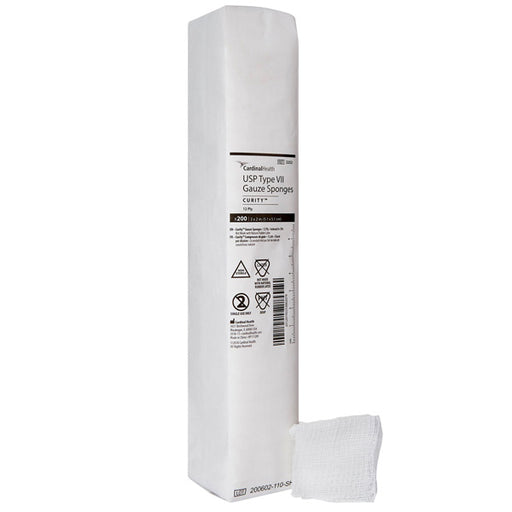
Non-Woven Gauze Sponges, Non-Linting 4 Ply, Non-Sterile, 200 Per Pack
4.4 (13) 4.4 out of 5 stars, 13 reviews$ 1.35 -
 Sale 30%
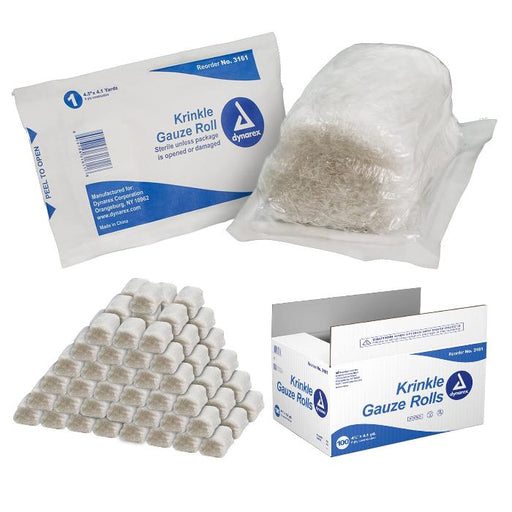
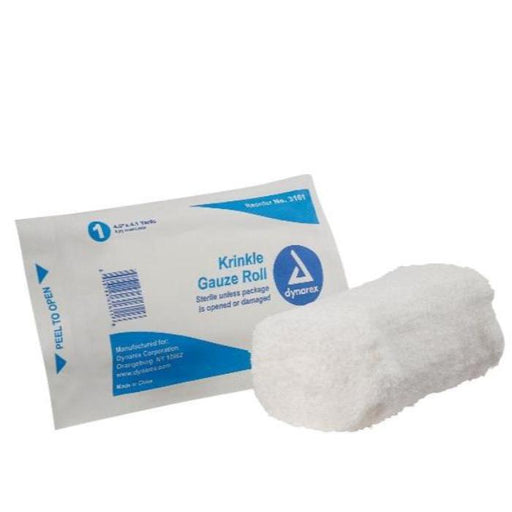
Krinkle Gauze Roll Bandage, Sterile, (Kerlix)
5.0 (18) 5.0 out of 5 stars, 18 reviews30% OFFOriginal price $ 1.49Current price $ 1.05 -

 Sale 33%
Tegaderm Dressings, 3M Transparent Film Dressings 2.37 inch x 2.75 inch, 100/box #1624W
4.8 (16) 4.8 out of 5 stars, 16 reviews33% OFFOriginal price $ 59.95Current price $ 39.95 -

 Sale 19%
Opsite IV3000 IV Site Cover Dressing, 4 inch x 5.5 inch, Waterproof EACH
5.0 (11) 5.0 out of 5 stars, 11 reviews19% OFFOriginal price $ 2.89Current price $ 2.35 -
 Sale 24%
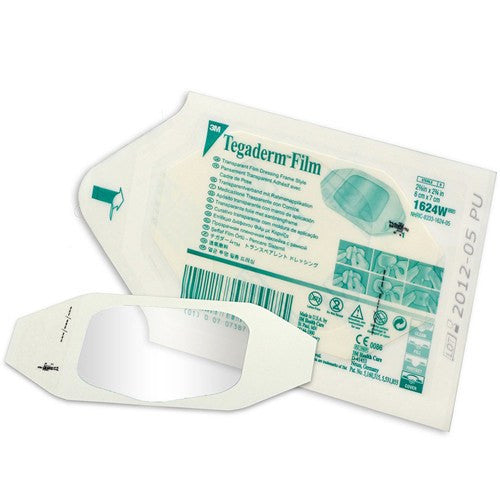
Tegaderm Dressing Transparent Film 4 inch x 4 inch, 50/box
5.0 (5) 5.0 out of 5 stars, 5 reviews24% OFFOriginal price $ 65.95Current price $ 49.95 -

 Sale 42%
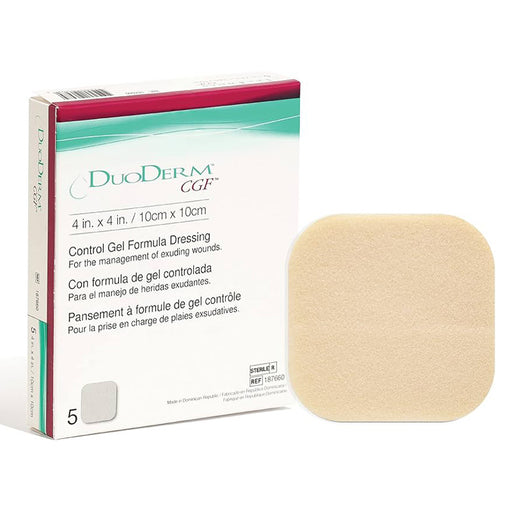
Duoderm Dressings CGF Hydrocolloid Dressings 4" x 4" by Convatec 5/Box
5.0 (3) 5.0 out of 5 stars, 3 reviews42% OFFOriginal price $ 39.95Current price $ 23.00 -

 Sale 13%
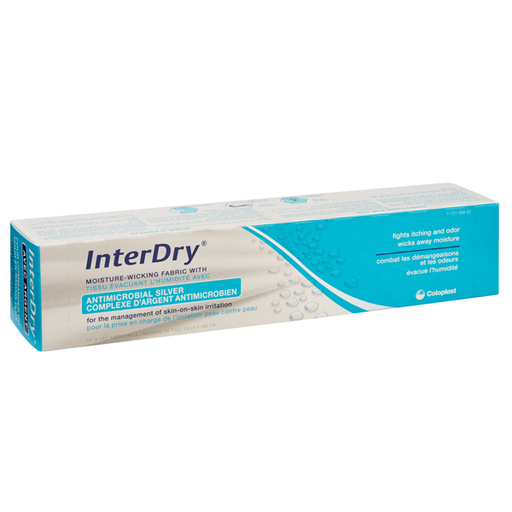
Interdry Skinfold Intertrigo Relief Silver Antimicobal Dressing 10 x 144 inches
4.9 (7) 4.9 out of 5 stars, 7 reviews13% OFFOriginal price $ 159.95Current price $ 139.95 -

 Sale
Sale
Telfa Adhesive Island Dressing 2 x 3.75 inches, Sterile
5.0 (4) 5.0 out of 5 stars, 4 reviews$ 0.31 -

 Sale 48%
Multi-Trauma Gauze Dressing, Sterile 10" x 30"
5.0 (4) 5.0 out of 5 stars, 4 reviews48% OFFOriginal price $ 2.85Current price $ 1.49 -

 Sale 29%
Blood Stopper Multi-Purpose Wound & Trauma Dressing, Sterile
29% OFFOriginal price $ 2.79Current price $ 1.98 -

 Sale
Sale
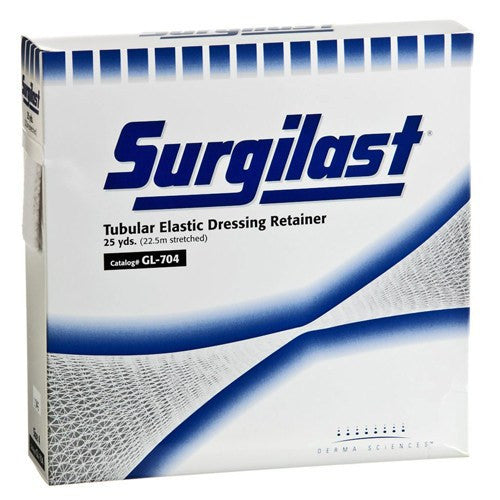
Surgilast Tubular Bandage, Elastic Net Bandage by Derma Sciences
5.0 (9) 5.0 out of 5 stars, 9 reviews$ 6.75 -
 Sale 32%
🔒 Medical License Required
Sale 32%
🔒 Medical License Required
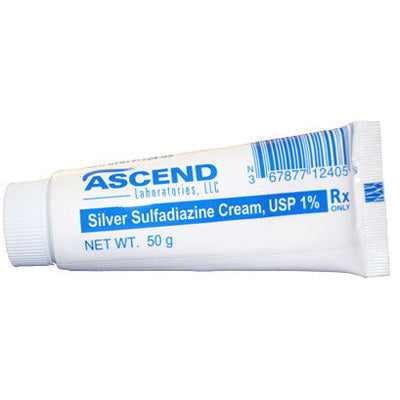
Silver Sulfadiazine 1% Cream, 50 Gram Tube (Rx)
4.7 (12) 4.7 out of 5 stars, 12 reviews32% OFFOriginal price $ 21.95Current price $ 14.95 -

 Sale 23%
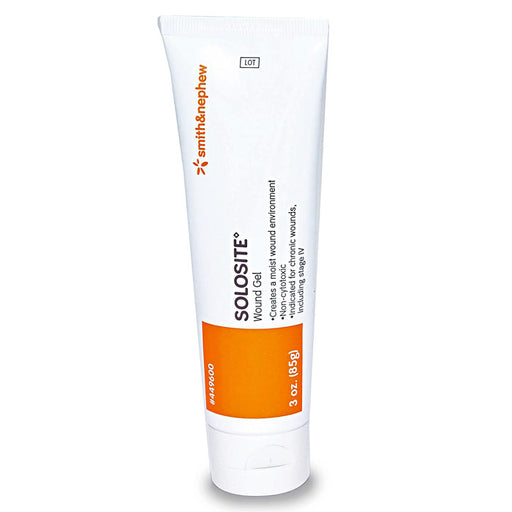
Solosite Gel Hydrogel Wound Dressing 3 oz
4.7 (3) 4.7 out of 5 stars, 3 reviews23% OFFOriginal price $ 19.50Current price $ 14.98 -
 This item is sold out
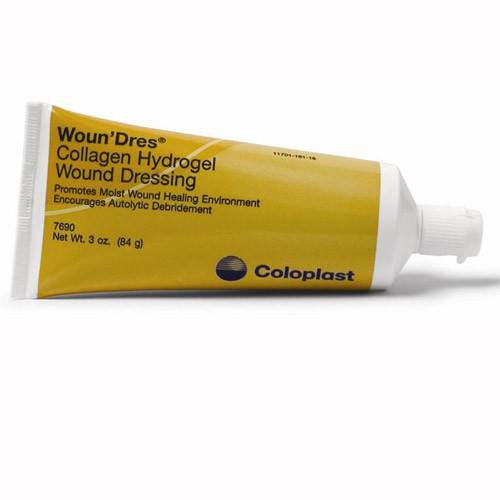
Woun'dres Collagen Hydrogel Dressing
5.0 (5) 5.0 out of 5 stars, 5 reviews25% OFFOriginal price $ 29.95Current price $ 22.50 -
 Sale 19%
DuoDerm Extra Thin Dressing 4 x4 Hydrocolloid Dressings 10/box by Convatec
4.6 (12) 4.6 out of 5 stars, 12 reviews19% OFFOriginal price $ 48.95Current price $ 39.85 -
 Sale
Low Stock
Sale
Low Stock
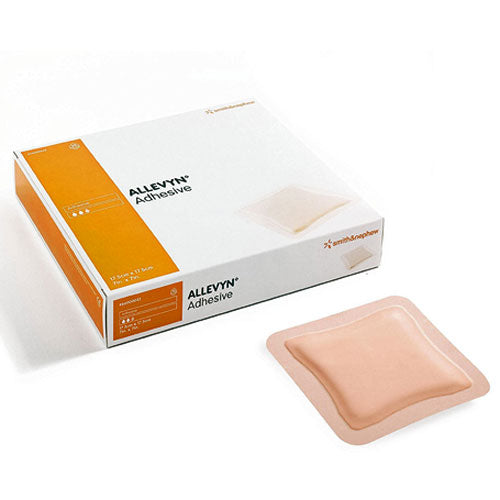
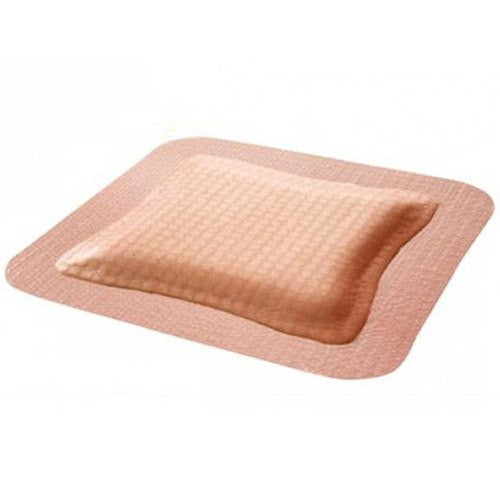
Allevyn Adhesive Foam Wound Healing Dressings, Smith & Nephew
5.0 (4) 5.0 out of 5 stars, 4 reviews Only 1 left$ 119.00 -
 Sale 31%
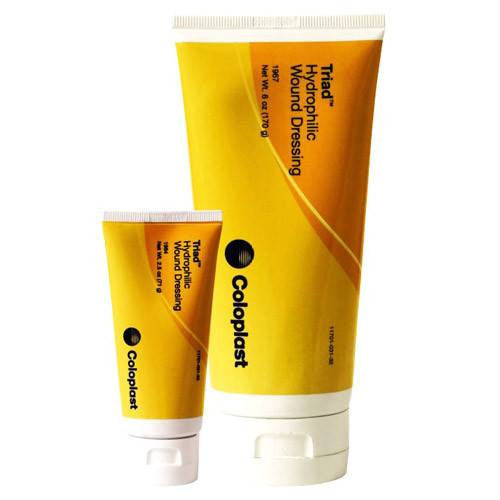
Triad Hydrophilic Wound Dressing 2.5 oz
5.0 (1) 5.0 out of 5 stars, 1 review31% OFFOriginal price $ 39.95Current price $ 27.50 -
 Sale 21%
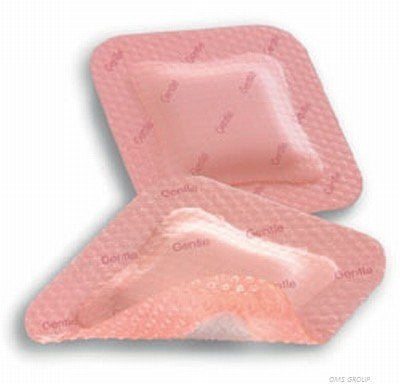
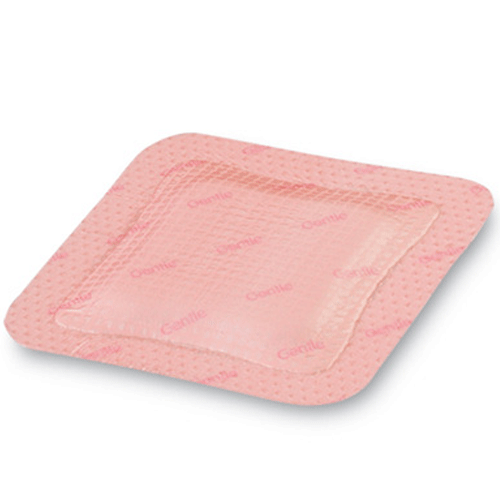
Allevyn Gentle Border Gel Adhesive Foam Dressing 5" x 5" (10 Pack)
5.0 (4) 5.0 out of 5 stars, 4 reviews21% OFFOriginal price $ 99.80Current price $ 79.00 -
 Sale 32%

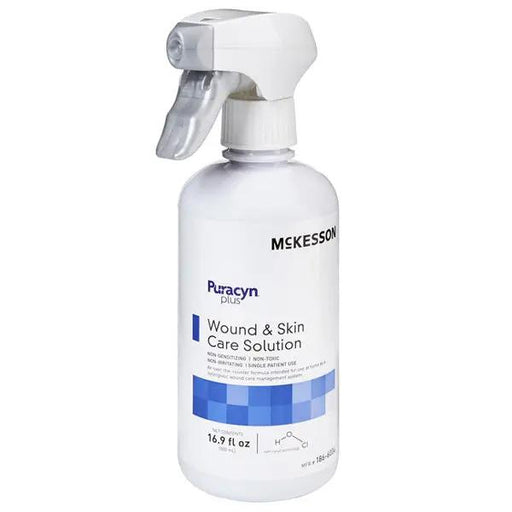
Puracyn Plus Wound Cleanser Irrigation Solution 16.9 oz. Spray Bottle
32% OFFOriginal price $ 47.95Current price $ 32.50









People Also Searched For
Wound Care Dressings
Wound dressings cover and protect injured skin while promoting appropriate healing conditions. Dressings range from traditional (gauze, bandages, cotton) to modern/advanced types (films, foams, hydrogels, hydrocolloids, alginates, etc.). The key aims are to keep a sterile, moist wound environment, allow gas exchange, control drainage, protect against infection, and permit easy inspection and painless changes. Choice of dressing depends on wound type, depth, exudate level, and healing stage.
-
Traditional dressings: Examples include gauze pads or rolls (woven or non-woven cotton or rayon) and tulle/impregnated gauze (e.g. petrolatum-impregnated Xeroform or paraffin-based Jelonet). These are generally dry coverings that absorb exudate and protect from contamination. Gauze must be changed frequently – if it becomes wet it can macerate surrounding skin and adhere to the wound, making removal painful. Bandages and compression wraps (cotton or elastic) secure dressings in place and provide pressure (useful for venous ulcers). Overall, traditional gauze/tape dressings are mainly used for clean, low-exudate wounds or as a secondary backing wrap. They do not maintain a moist environment, so chronic or deep wounds heal more slowly under gauze.
-
Modern (interactive) dressings: These advanced products are designed to facilitate healing by keeping the wound moist, aiding debridement, and controlling bacteria. Major categories include:
- Transparent films: Thin polyurethane films (like Tegaderm™) that stick to intact skin, are waterproof and impermeable to bacteria yet transmit water vapor and oxygen. They allow continuous wound observation without removal and provide autolytic debridement of dead skin. Films are highly elastic and conformable. They are best for superficial, low-exudate wounds (e.g. epidermal abrasions, donor sites) because they have little absorptive capacity.
- Foam dressings: Soft polyurethane foams (with or without adhesive borders) that absorb moderate to heavy exudate. Foams “contour to wound shape” and trap fluid in their hydrophilic core while allowing vapor to escape. They cushion and insulate, making them good for pressure ulcers, leg ulcers or large healing wounds. Foam dressings handle moderate-to-high drainage and can be used on granulating wounds or as a secondary layer. (They should not be used on dry wounds, as they need some moisture to work.)
- Hydrocolloids: Adhesive gel-forming films or wafers (e.g. Duoderm™, Comfeel™, Tegasorb™). They contain carboxymethylcellulose or gelatin that absorbs fluid and swells into a moist gel over the wound. Hydrocolloids are waterproof and only semi-permeable to vapor; they remain in place for days. They provide “moist environment” dressings ideal for light-to-moderate exudate wounds (e.g. pressure ulcers, burns, traumatic wounds). On contact with exudate they protect granulation tissue and debride slough autolytically. (They are typically avoided on very wet or infected wounds, and because they gel they can sometimes have a distinctive odor or be mistaken for pus.)
- Hydrogels: Water-rich gel sheets or amorphous gels that donate moisture. Made of >70% water or glycerin, they soothe and cool burn or ulcer wounds, help liquefy necrotic tissue, and hydrate dry scabs. Hydrogels are non-adhesive and easily removable, making them good for dry or necrotic wounds, pressure sores and shallow burns. They promote a moist, cooling environment and enable autolytic debridement. Drawbacks: on highly exuding wounds they can accumulate fluid and risk maceration if not changed frequently.
- Alginate dressings: Made from seaweed-derived calcium/sodium alginate fibers. When applied to a wound, they form a gel by exchanging ions with wound fluid. These are highly absorbent dressings (much more than gauze) and are used on moderately to heavily draining wounds. They also have mild hemostatic properties (calcium alginate can promote clotting). Because they dehydrate the wound bed, alginates should always be covered by a secondary dressing (like gauze or film) to keep the wound moist. Alginate sheets (e.g. Kaltostat™, Sorbsan™) are unsuitable for dry wounds or wounds over bone.
- Hydrofibers and Collagens: (e.g. synthetic carboxymethylcellulose fibers like AQUACEL™, or collagen/collagen-containing gels). These behave similarly to alginates/hydrogels by gelling on contact with fluid, providing high absorption or structural support. They maintain moisture and promote granulation (collagen dressings supply matrix for tissue regrowth). These advanced fibers often have silver or honey additives for infection control.
- Medicated dressings: Many dressings now contain antimicrobials. For example, silver-impregnated films/foams (e.g. silver sulfadiazine, Silverlon®) or iodine-impregnated substrates release antiseptics to reduce bacterial load. Honey-impregnated dressings (Manuka honey) also promote healing and inhibit microbes. (These specialized dressings are used when infection is a concern.)
- Composite and Free-form: Some products combine layers (e.g. non-adherent contact layer + absorbent pad + adhesive border) for use on irregular or highly exuding wounds. Newer concepts include bioengineered skin substitutes (cultured epithelial sheets) – but those are beyond basic care.
-
Choosing a dressing: Selection is based on wound exudate, depth, and location. In general, moist (wet) wounds need absorbent dressings, and dry wounds need moisture-donating dressings. For example, heavy exudate wounds call for foams or alginates, whereas dry wounds may benefit from hydrogels or hydrocolloids to provide moisture. Shallow epidermal abrasions can often be managed with transparent films alone while deeper or necrotic wounds might need gels and frequent changes. Dressings should be chosen to create a moist healing environment without pooling fluid, and to allow oxygen exchange. The “ideal dressing” is sterile, moist but not soggy, non-adherent, protective and comfortable. Clinicians typically assess the wound (amount of drainage, infection status, pain, location) and patient factors (age, mobility, allergies) to pick or combine appropriate dressings.
-
Precautions and side effects: While dressings themselves are not drugs, they can have adverse effects. Wet maceration: Occlusive dressings (films, hydrocolloids) can overhydrate skin if left too long, leading to white, softened tissue around the wound. Adherence: Dry gauze or fibrous dressings can stick to a wound, tearing healing tissue and causing pain on removal. Allergic contact: Some patients react to adhesives, antiseptic agents, or materials (latex, adhesives, propylene glycol in gels) with contact dermatitis. Infection: Improperly changed or non-sterile dressings can introduce bacteria. Occlusive dressings should not be used if an infection is untreated, as they could trap bacteria. Chemical effects: Dressings with iodine or silver rarely can cause systemic effects (thyroid dysfunction with iodine, argyria with silver) if used extensively, especially on large burns.
In summary, wound care dressings span a spectrum from simple gauze to high-tech polymers. Modern dressings (films, foams, hydrogels, hydrocolloids, alginates, etc.) are designed to maintain optimal moisture and protect the wound while allowing gas exchange and debridement. Proper selection and technique are critical: the wrong dressing can impede healing (e.g. dry a wound out or over-saturate it). By contrast, well-chosen dressings can significantly accelerate healing by providing a stable, moist environment for tissue repair. All dressing changes and selections should follow clinical guidelines and the supervising healthcare provider’s instructions.