Skip to content

Added to your cart:

Cart subtotal

Calcium Chloride Prefilled Syringe 10%, 1 gram/10mL (100mg/mL) (Rx)

SKU 76329-3304-01ea
Sale 34%
Original price $ 29.95
Current price $ 19.85
Non-Returnable
*Mountainside Medical does not fill personal prescriptions Medical Professional License Required to Unlock Account

How to Order:

Send an email request to: sales@mountainside-medical.com

You will receive instructions on how to create an account along with Rx Ordering Details.

(Note: Acceptable licenses must have Prescriptive Authority in the license issuing state.)
Fast Delivery
Fast Delivery
24/7 Support
24/7 Support
No Returns
No Returns
Hospital Grade
Hospital Grade
Save 34% ($ 10.10)
Free Shipping on orders above $100
Payment Secure transaction
Packaging Ships in product packaging
Service-Disabled Veteran-Owned Small Business
Located in Adirondack Mountains in NY
Family Owned Business 2002
Sale 34%
Original price $ 29.95
Current price $ 19.85
Free Shipping on orders above $100
Payment Secure transaction
Packaging Ships in product packaging
Calcium Chloride Prefilled Syringe 10%, 1 gram/10mL (100mg/mL) (Rx)
$ 29.95 $ 19.85
🔒 Medical License Required
Description
Uses & Applications
Specifications
How to Use
Dosage & Administration
Drug Interactions
Side Effects
Warnings & Precautions

Calcium Chloride 10% Injection Prefilled Syringes 1 gram/10mL International Medication Systems is a high-quality product that works by providing calcium to the body. This product is used to help the body maintain electrolyte levels and prevent or treat low calcium levels. It is also used to help treat or prevent high blood potassium levels.

Calcium chloride 10% injection prefilled syringes 1 gram/10mL Luer Jet Syringe (International Medication Systems) is a drug that is used to replenish calcium levels in the blood and to treat and prevent cardiac arrest. The drug works by binding to calcium receptors in cardiac and smooth muscle cells, which causes the cells to relax and allows the heart to beat more regularly. The drug also helps to maintain blood pressure by preventing calcium-dependent spasms in the smooth muscle cells in the walls of blood vessels.

Uses and Applications

Calcium Chloride Injection (10%, 1g/10mL) is indicated for:

  • Acute symptomatic hypocalcemia: Tetany, seizures, cardiac arrhythmias
  • Cardiac resuscitation/cardiac arrest: When hypocalcemia, hyperkalemia, or calcium channel blocker toxicity is suspected or confirmed
  • Management of hypermagnesemia: With respiratory depression or conduction defects
  • Severe hyperkalemia: To protect myocardium during emergency management (STEMI/ECG changes)
  • Adjunct therapy in calcium channel blocker overdose
  • Acute magnesium toxicity: From pre-eclampsia or iatrogenic overdose
  • Hypocalcemia following parathyroidectomy or in patients with severe renal insufficiency under emergency conditions
  • Supplemental IV calcium in select advanced life support protocols
  • Crash cart, emergency, ICU, and prehospital/EMS use (under physician or ACLS direction)

Not for routine calcium supplementation in ambulatory or non-critical patients.

Product Specifications

  • Active Ingredient: Calcium chloride, USP, 10% (1g/10mL, 100mg/mL)
  • Formulation: Clear, colorless sterile injection
  • Concentration: 10% w/v (100 mg/mL)
  • Volume: 10 mL per prefilled syringe (contains 1 gram elemental calcium chloride)
  • Delivery: Single-use, prefilled, ready-to-inject polypropylene syringe
  • Route of Administration: Intravenous (IV) injection ONLY (central line preferred for adults)
  • Packaging: Box of individually packaged 10 mL prefilled syringes
  • Manufacturer: International Medication Systems
  • NDC: 76329-3304-01
  • UPC: 376329330419
  • Stable at room temperature; do not freeze

How to Use

  1. Inspect: Confirm solution is clear and free of particles; check packaging for damage.
  2. Preparation: Use aseptic technique. Remove syringe cap and attach to appropriate IV access—preferably a central line for higher concentrations due to risk of tissue necrosis with extravasation.
  3. Administration: Push IV slowly as directed. Rapid injection may cause dangerous arrhythmias; always infuse over a period specified by your clinical protocol (typically over 2–5 minutes).
  4. Continuous cardiac monitoring is required during administration, especially in patients with cardiac complications.

FOR HEALTHCARE PROFESSIONAL USE ONLY.

Dosage and Administration

  • Adult Cardiac Arrest (Hypocalcemia/Hyperkalemia):
    • IV Push: 500–1000 mg (5–10 mL of 10% solution); may repeat as needed.
  • Hyperkalemia (myocardial stabilization):
    • IV: 500–1000 mg (5–10 mL) over 2–5 minutes, monitoring ECG.
  • Calcium Channel Blocker Overdose:
    • IV: 500–1000 mg (5–10 mL) over 5–10 minutes; may repeat every 10–20 minutes as necessary.
  • Severe Hypocalcemia, Magnesium Toxicity:
    • IV: 500 mg to 1g (5–10 mL); dose based on clinical response.
  • Pediatric Dosing:
    • Dose should be individualized, often 20 mg/kg IV (up to 1 g/dose), administered very slowly. Always refer to pediatric dosing guidelines.
  • Maximum total dose and repeat frequency are determined per clinical scenario and provider discretion.
  • NEVER inject intramuscularly, subcutaneously, or into small peripheral veins.

Drug Interactions

  • Digitalis glycosides: Increased risk of arrhythmias—use with extreme caution or contraindicated unless in cardiac arrest.
  • Ceftriaxone: Do not co-administer in neonates—risk of fatal lung/kidney precipitate.
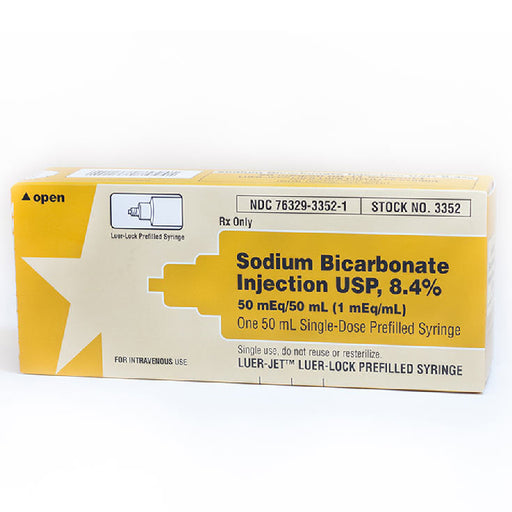
  • Other electrolytes: Avoid mixing with phosphate, bicarb, or sulfate solutions.
  • IV sites: Never infuse with sodium bicarbonate or phosphate in the same IV line.
  • Calcium channel blockers: Can antagonize effects; intentional use only in overdoses.
  • Other cardiac meds and diuretics: Monitor ECG and serum electrolytes closely.

Side Effects

Common Side Effects

  • Local injection site irritation, pain, redness
  • Warm sensation along vein
  • Tingling

Serious/Severe Side Effects

  • Arrhythmias, bradycardia, or cardiac arrest (especially with rapid injection or digitalis toxicity)
  • Hypotension or vasodilation
  • Extravasation tissue necrosis or sloughing
  • Hypercalcemia (nausea, vomiting, confusion, muscle weakness, kidney stones)
  • Hypomagnesemia or hyperphosphatemia (monitor in multi-electrolyte imbalances)
  • Flush, fainting, hypotension

If infiltration occurs: Stop immediately and consider antidote management for extravasation (consult protocol).

Warnings and Precautions

  • Central IV preferred: Strongly caustic; severe tissue necrosis and sloughing possible if extravasation.
  • Do NOT use with digitalis toxicity unless in cardiac arrest—heightened risk of fatal arrhythmias.
  • Continuous cardiac and serum electrolyte monitoring is mandatory.
  • Avoid with hypercalcemia, ventricular fibrillation, or sarcoidosis (may worsen).
  • Use with caution in elderly, pregnancy, and neonates (special dosing applies).
  • Never administer IM or SC—severe tissue damage risk.
  • Not to be confused with calcium gluconate—dosing/concentration is much stronger.

Get Notified When Back in Stock