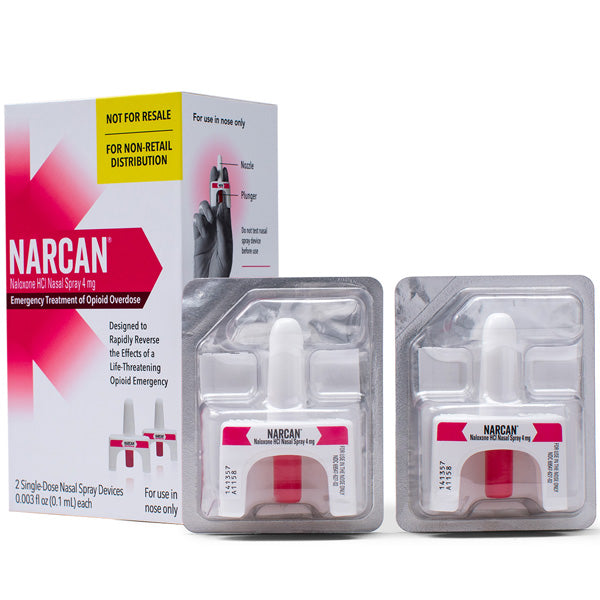
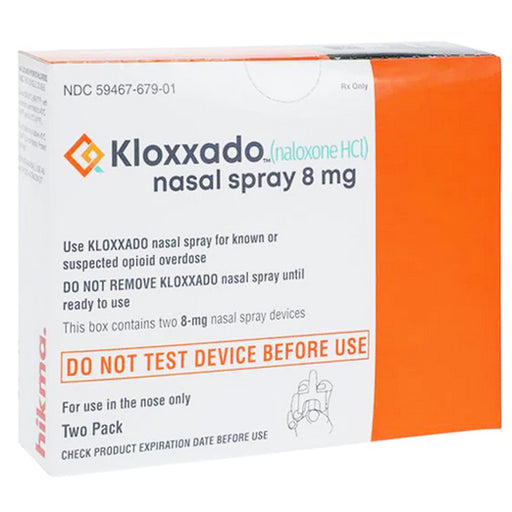
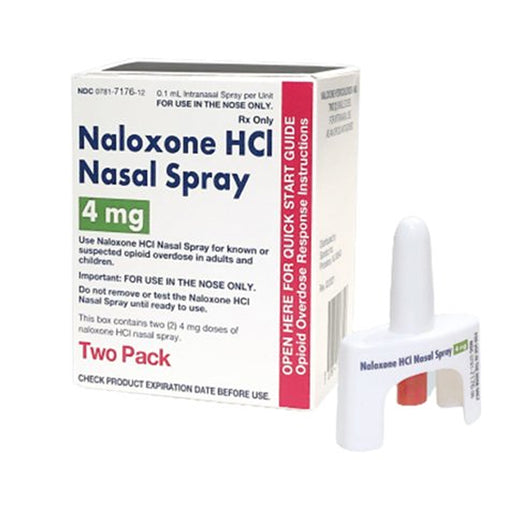
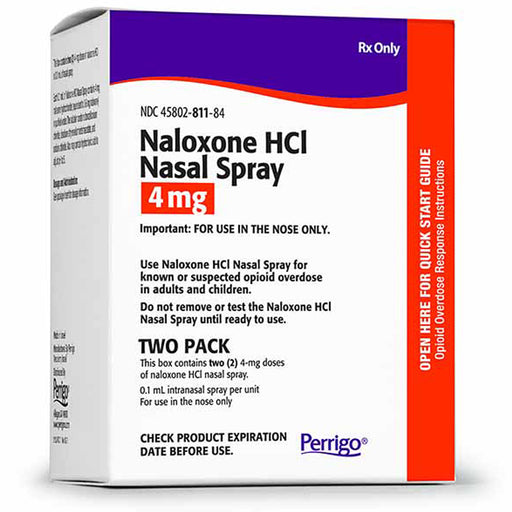
Narcan is the brand name for naloxone, a life-saving medication used to rapidly reverse opioid overdoses. Narcan is most commonly available as a nasal spray or as an injectable solution. It is an opioid antagonist, which means it quickly blocks the effects of opioids—including heroin, fentanyl, oxycodone, morphine, and hydrocodone—on the brain and restores normal breathing in a person who has overdosed.
How to Use Narcan Nasal Spray
-
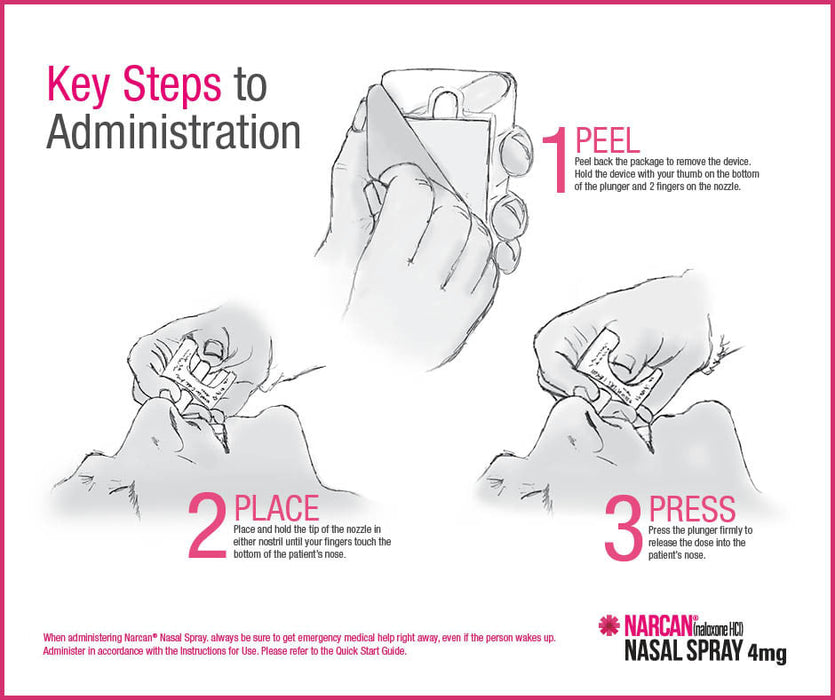
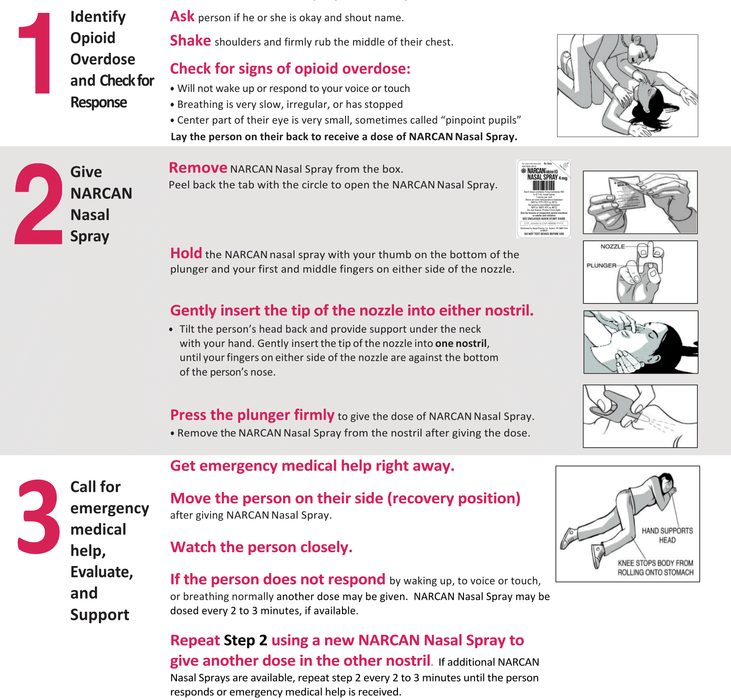
Peel: Remove the Narcan nasal spray device from the packaging.
-
Place: Tilt the person's head back and insert the nozzle into one nostril.
-
Press: Firmly press the plunger to release the dose.
-
Call emergency services (911) immediately after administration.
-
Repeat if needed: If the person does not respond in 2–3 minutes, another dose may be given.
How Narcan Works
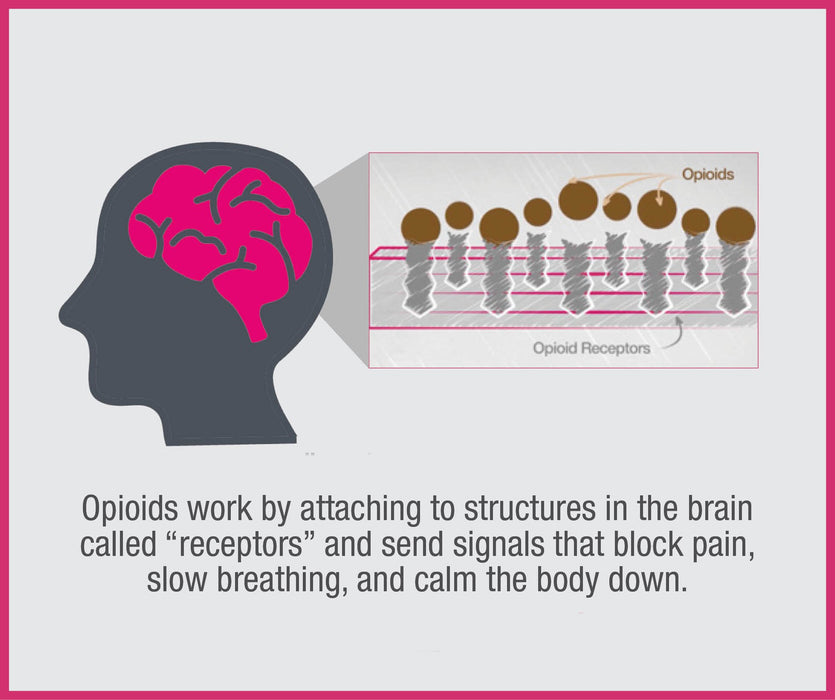
Narcan (naloxone) rapidly displaces opioids from their receptors in the brain. This immediately reverses the life-threatening depression of the central nervous system and respiratory system caused by opioids, allowing a person to breathe normally again.
Narcan’s effects begin to work within 2-3 minutes after administration in most cases. However, Narcan’s duration is short (typically 30 to 90 minutes), and it may wear off before the opioids in the person’s system have fully cleared. This means that overdose symptoms can return after Narcan wears off if no further medical intervention is given. That’s why Narcan is seen as an immediate, temporary fix – it buys time until emergency medical help can take over. It’s crucial to call 911 even after giving Narcan, because additional medical care or additional doses of Narcan may be needed.
One important note is that Narcan only works on opioid drugs. It has no effect on someone who has not taken opioids, so using it on a person who turned out to faint for another reason won’t cause harm (some experts say, “if in doubt, give Narcan – it won’t hurt if it’s not an opioid overdose”). It also won’t reverse non-opioid overdoses like those from alcohol, benzodiazepines (e.g., Xanax or Valium), or stimulants. However, if those substances are mixed with opioids, Narcan will address the opioid part of the overdose.
When is Narcan Used?
Narcan is used:
- In suspected or confirmed opioid overdose
- When someone shows signs of overdose such as:
- Slow or no breathing
- Extreme drowsiness or unresponsiveness
- Blue or pale skin, lips, or nails
- Pinpoint pupils
Narcan is the brand name for naloxone, a medication that rapidly reverses opioid overdose by blocking opioid effects.. It is a safe, easy-to-use antidote – often given as a simple nasal spray – that can restore breathing and consciousness within minutes when someone has overdosed on opioids. By displacing opioids from their receptors, Narcan revives the individual and buys time until emergency medical care can take over. It has become a cornerstone of emergency response in the opioid epidemic, carried by first responders and community members alike. If administered promptly, Narcan can literally bring someone back from the brink of death, which is why expanding access to this drug has been a major public health effort. Remember: after using Narcan, it’s vital to call 911 and get further medical help, because Narcan’s effect can wear off and professional evaluation is needed. But without a doubt, Narcan is a critical, life-saving tool in preventing opioid overdose fatalities – a medicine that truly can mean the difference between life and death in an overdose situation.
Forms of Narcan and How to Use It
Narcan is formulated for easy use, even by people without medical training:
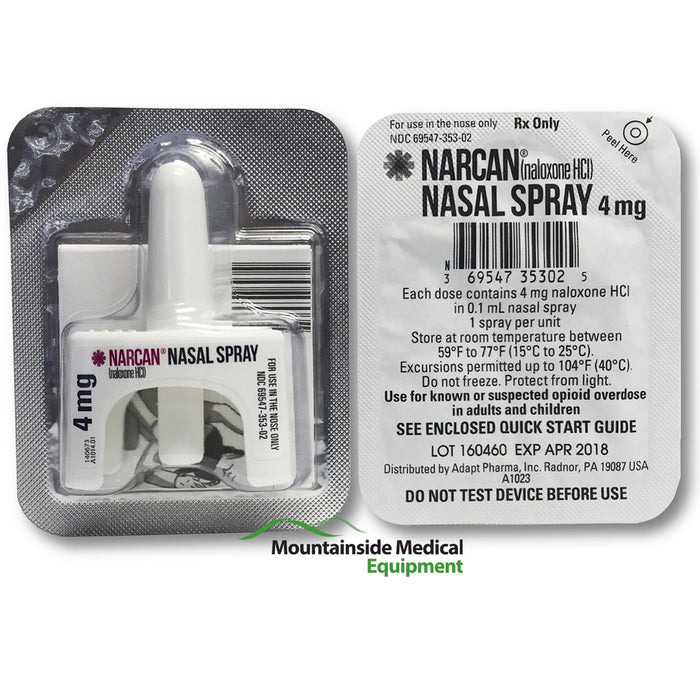
- Nasal Spray: The most common form is a pre-packaged nasal spray. Each Narcan nasal spray device contains a single fixed dose (4 mg of naloxone) that is sprayed into one nostril. It’s fully assembled and needle-free – you simply insert the tip into the nostril and press the plunger. Even someone without medical experience can use it by following the instructions on the package (or what they’ve learned in brief training). If the person doesn’t wake up or start breathing adequately within 2-3 minutes, additional doses can be given (with a new spray device, into the other nostril). In the era of potent synthetic opioids like fentanyl, it often takes more than one dose of Narcan to fully revive someone, so multiple spray units might be needed in some cases.
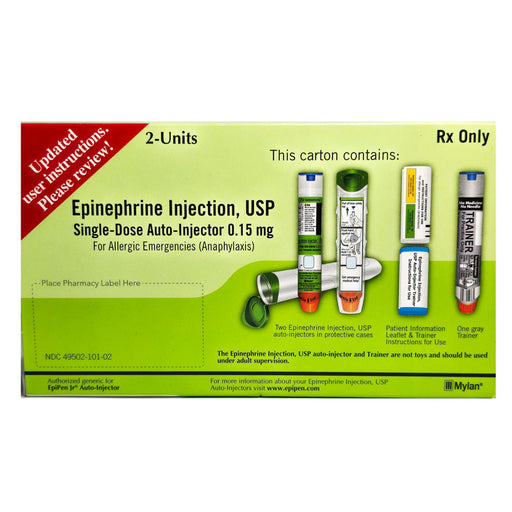
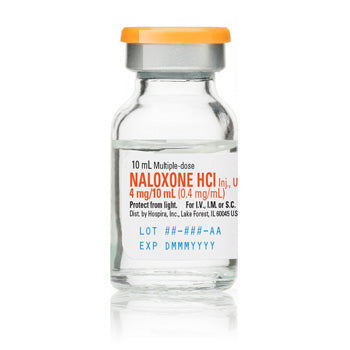
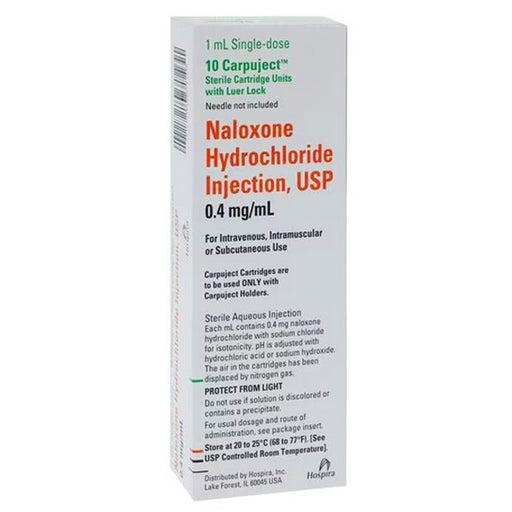
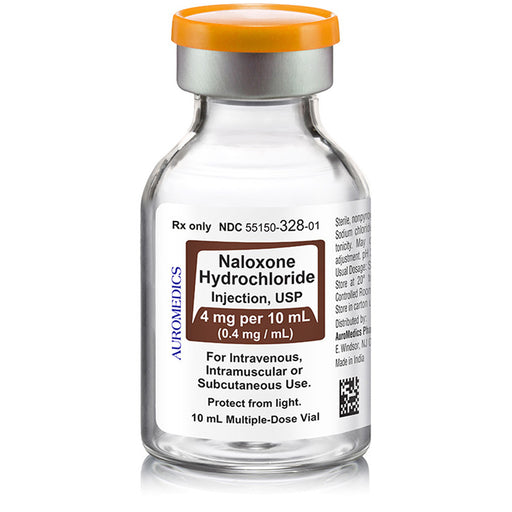
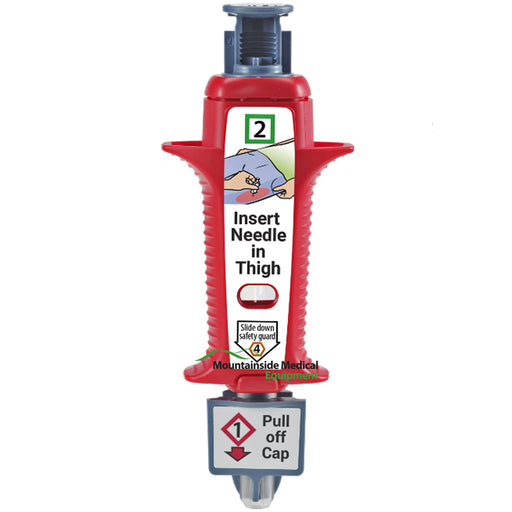
- Injection: Naloxone (the drug in Narcan) can also be given by injection – traditionally, medical professionals have used injectable forms for decades. There are injectable Narcan kits and auto-injectors (like a naloxone EpiPen) that deliver a dose into the outer thigh muscle. Auto-injector devices (previously sold under the brand Evzio) give voice or visual instructions, making them straightforward for laypersons as well. However, the Narcan brand we commonly refer to today is the nasal spray, since it’s so simple to administer and widely distributed for community use.
Using Narcan is generally safe and straightforward: if you suspect someone is overdosing on opioids (signs include unconsciousness, very slow or no breathing, pinpoint pupils, blue lips or skin), you call emergency services (911), then give Narcan – spray in the nose or inject as directed – and then monitor and support the person’s breathing until help arrives. If they aren’t responding in 2-3 minutes, you give another dose. Place the person on their side (recovery position) if possible, especially once they start breathing again, to prevent choking in case they vomit (vomiting can be a side effect as breathing returns).
Narcan Effects and What to Expect After Administration
When Narcan is given to a person who has opioids in their system, it can result in a rapid and dramatic reversal of symptoms. Someone who was not breathing and non-responsive may wake up suddenly – often confused, upset, or disoriented because they’ve been pulled from deep unconsciousness into acute opioid withdrawal. The signs of opioid withdrawal triggered by Narcan can include: vomiting, sweating, rapid heart rate, shaking, irritability or agitation, and aching. These withdrawal symptoms, while unpleasant, are not life-threatening (especially compared to an overdose, which is life-threatening), and they generally subside as the opioids wear off or if the person uses opioids again (which is strongly discouraged – they need medical attention, not more drugs, at that point). It’s important that anyone revived with Narcan be evaluated by medical professionals – not only because of the risk of re-overdose after Narcan wears off, but also to address withdrawal and connect them to further care.
If Narcan is given to someone who did not actually take opioids, it typically does nothing notable. It does not have psychoactive effects or significant side effects on its own. At most, a non-opioid user might experience a bit of nasal irritation from the spray or slight dizziness, but generally there’s no harm done by giving Narcan in a suspected overdose if it turns out opioids weren’t involved. This safety profile is one reason Narcan distribution is encouraged – bystanders shouldn’t hesitate for fear of hurting someone; if it’s an opioid overdose, you may save a life, and if it’s not, you won’t cause serious damage.
Narcan Availability and Importance
Narcan has gained recognition as a critical tool in combating the opioid overdose epidemic. Initially, naloxone (Narcan) was available by prescription only, but many states in the U.S. have implemented standing orders or laws that allow pharmacists to dispense Narcan to anyone who asks, without an individual prescription. Community organizations, harm reduction programs, and public health departments often provide Narcan kits for free or at low cost to people at risk of overdose and their loved ones. As of March 2023, the FDA approved Narcan nasal spray for over-the-counter (OTC) sale meaning it will be available on drugstore shelves for purchase without a prescription (this OTC product is expected to be the 4 mg nasal spray, available in late 2023). This change is expected to greatly increase access – similar to how one can buy first aid supplies, one will be able to buy Narcan and have it on hand in case of emergencies.
Having Narcan accessible can truly save lives. Public health agencies often promote the message that friends and family of opioid users – or even businesses, schools, and other public venues – keep Narcan in their first aid kits. Some police and firefighters carry Narcan routinely, and EMTs (paramedics) almost always have it available. Training to use Narcan is relatively quick; in fact, the nasal spray is so user-friendly that formal training isn’t strictly required (though it’s still offered and recommended).
The stigma around drug use has been a barrier in the past, but Narcan is part of an approach focusing on harm reduction: recognizing that regardless of one’s stance on drug use, no one should die from an overdose if it can be prevented. Narcan has no potential for abuse – it doesn’t make people “high” – its only purpose is to reverse overdoses.