


Skip to content
New users? Get 5% off on your first purchase.
Free US shipping over $100
New users? Get 5% off on your first purchase.
Free US shipping over $100

Added to your cart:

Cart subtotal

Filters

Price
$
-
$
$0 $619
Collection
Tags

First Aid Supplies

First aid supplies are essential items and medical tools kept available for providing immediate assistance in case of injuries, accidents, or sudden illnesses before professional medical help can be obtained. These supplies can be found in first aid kits at homes, workplaces, schools, vehicles, and during travel or outdoor activities.

Comprehensive List of Essential First Aid Supplies

Basic First Aid Supplies

  • Adhesive Bandages (Band-Aids): For minor cuts, scrapes, & blisters.
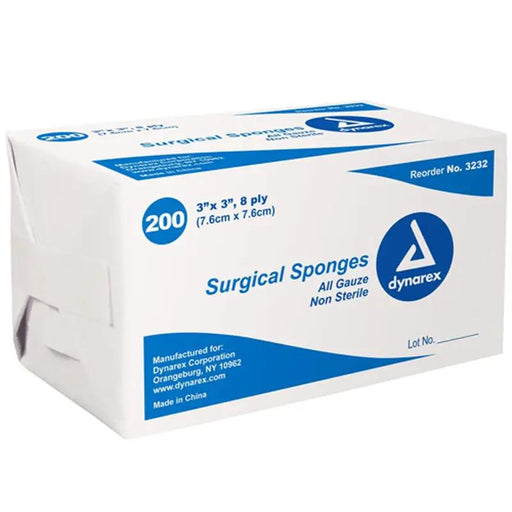
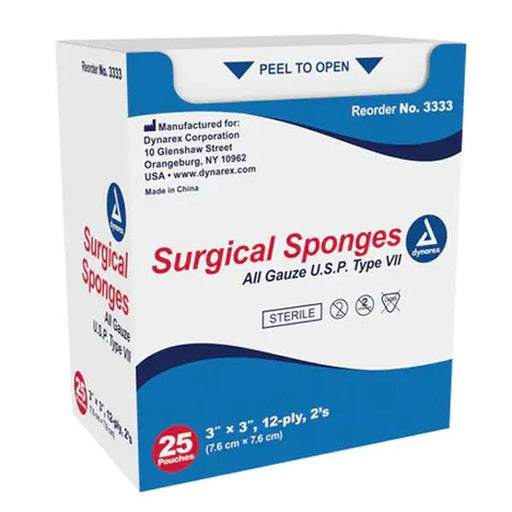
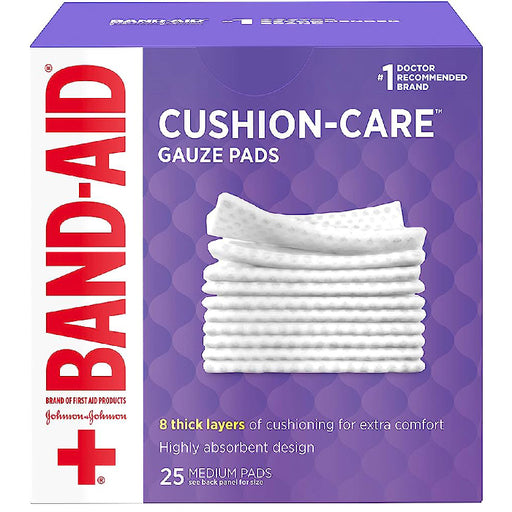
  • Sterile Gauze Pads & Rolls: For dressing wounds and absorbing blood.
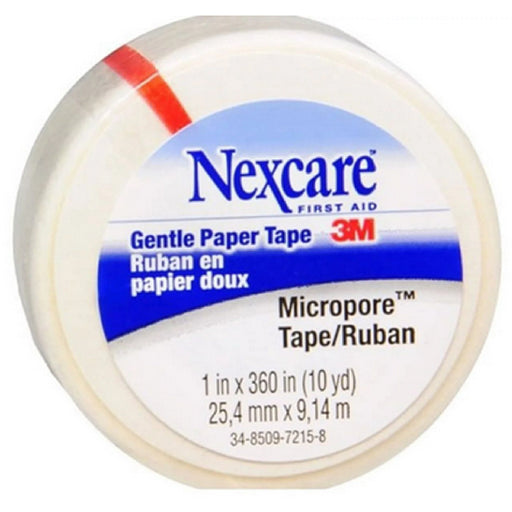
  • Adhesive Tape: To secure gauze and dressings.
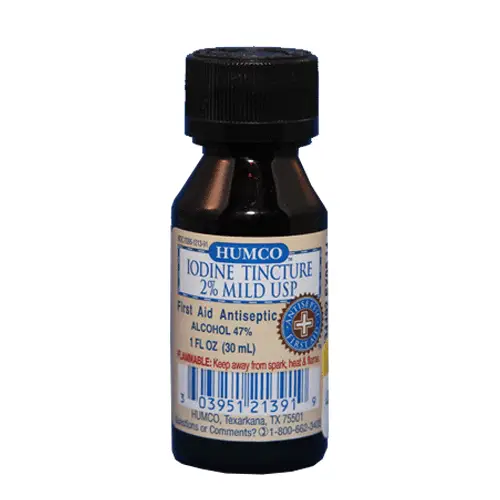
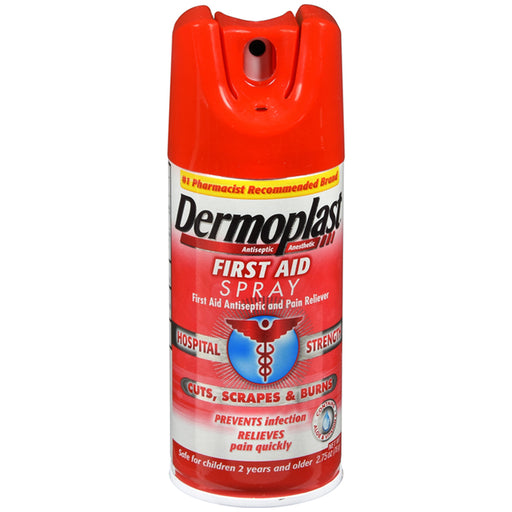
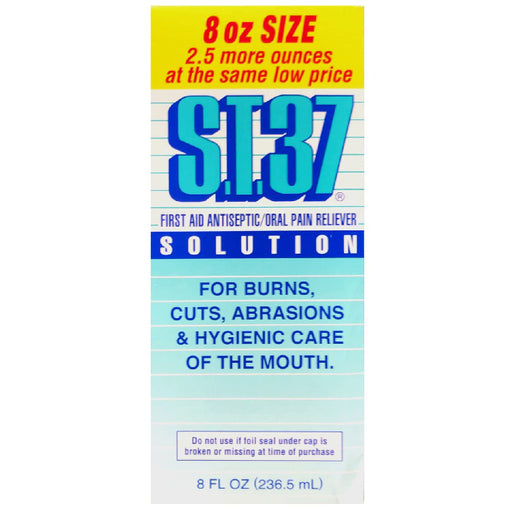
  • Antiseptic Wipes and Solutions: To clean wounds and prevent infection (alcohol pads, povidone-iodine swabs).
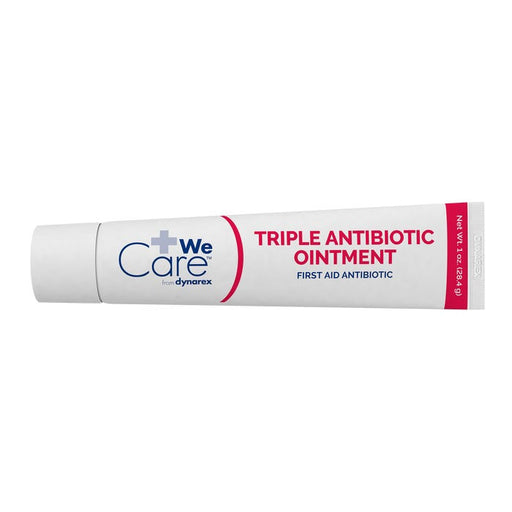
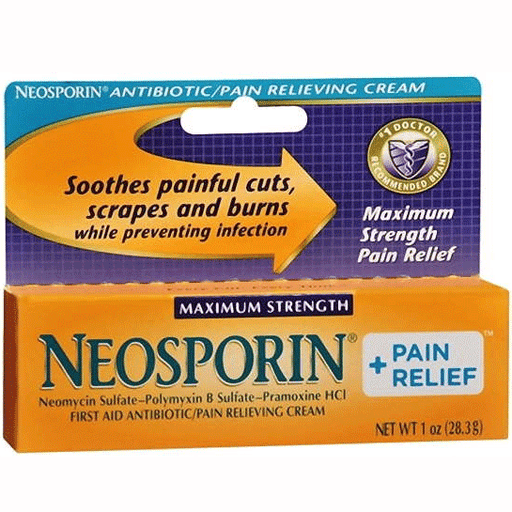
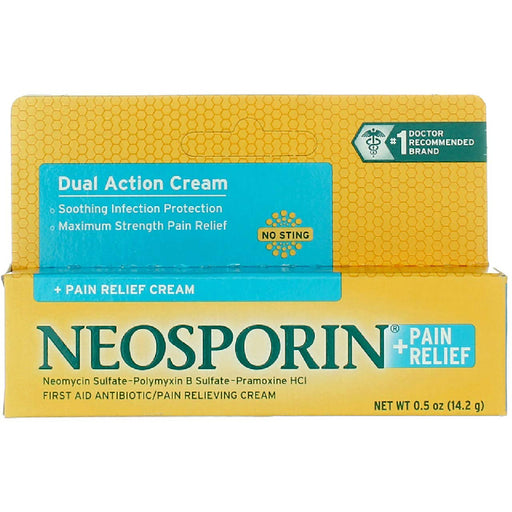
  • Antibiotic Ointment: For wound infection prevention (e.g., Neosporin).
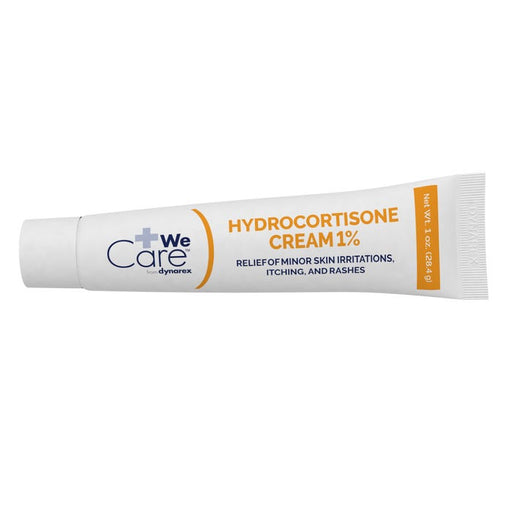
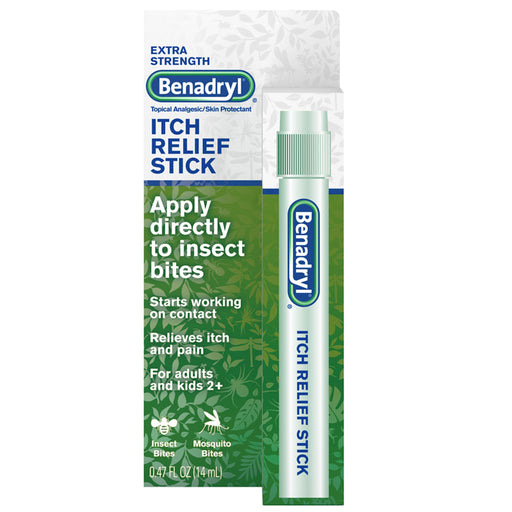
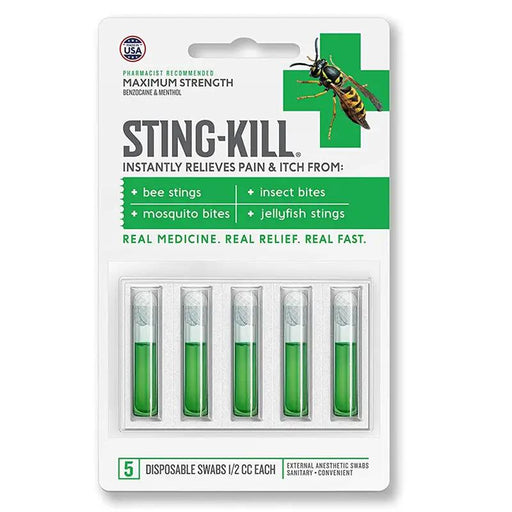
  • Hydrocortisone Cream: For itching, inflammation, rashes, and insect bites.
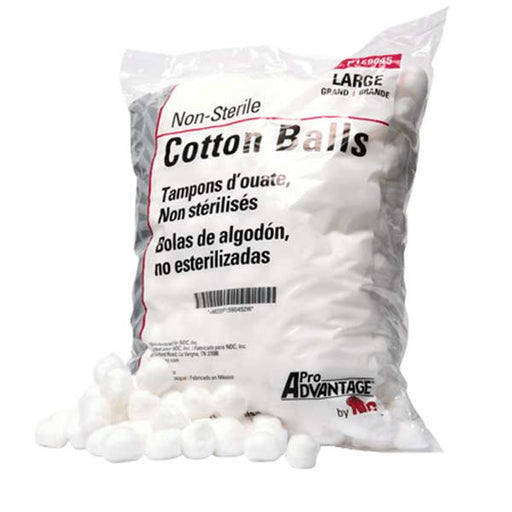
  • Cotton Balls and Cotton Swabs: For cleaning and applying medication.
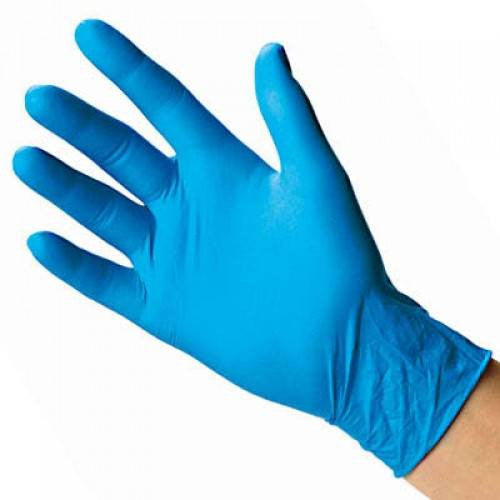
  • Medical/Exam Gloves: To protect both the rescuer and the patient from contamination.

Wound Care and Burn Care

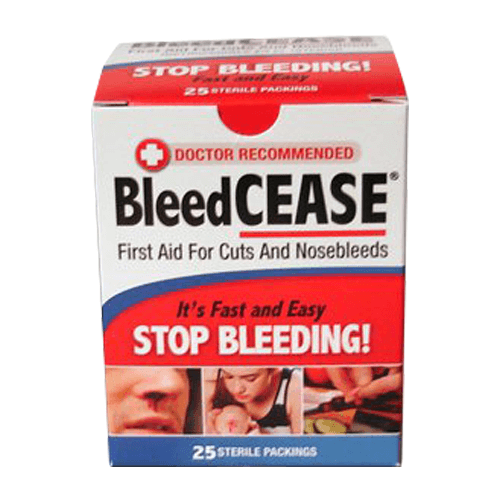
  • Trauma/Pressure Dressing: For heavily bleeding wounds.
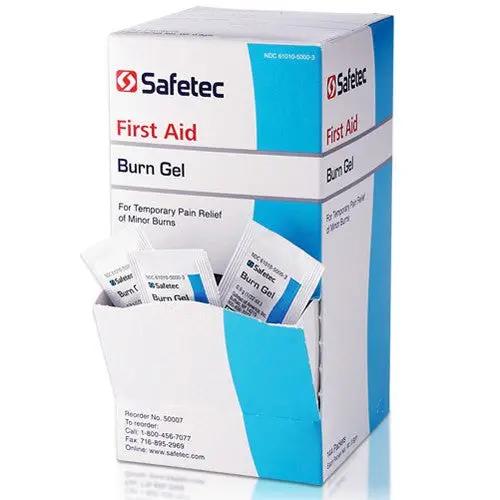
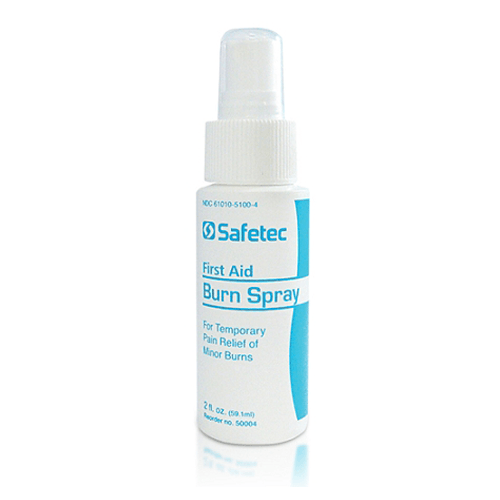
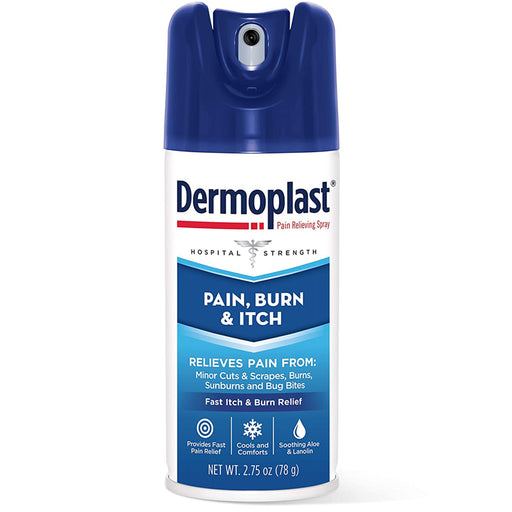
  • Burn Cream or Gel: For minor burns and scalds.
  • Non-stick Sterile Pads: For burns and wounds that shouldn’t stick to the dressing.

Instruments and Tools

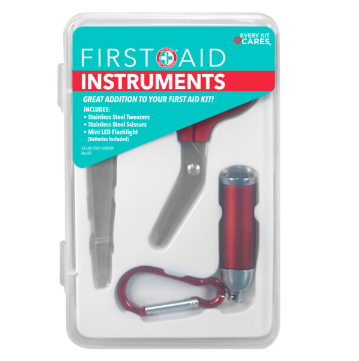
  • Scissors: For cutting tape, clothing, or gauze.
  • Tweezers: For removing splinters, ticks, or debris.
  • Digital Thermometer: For checking temperature.
  • CPR Face Shield or Mask: For delivering rescue breaths during CPR safely.
  • Instant Cold Packs: For swelling, sprains, and strains.
  • Elastic (ACE) Bandages: For wrapping sprains and controlling swelling.
  • Safety Pins: For securing bandages or unused slings.

Medications

  • Pain Relievers: Acetaminophen, ibuprofen, or aspirin (not suitable for all ages).
  • Antihistamines: For allergic reactions (e.g., diphenhydramine, loratadine).
  • Anti-diarrheal Medication: For travel emergencies.
  • Oral Rehydration Salts: To manage dehydration.

Other Emergency Items

  • Eye Wash or Eye Drops: For chemical or dust exposure to eyes.
  • Emergency Blanket (Thermal/Mylar): To prevent shock or hypothermia.
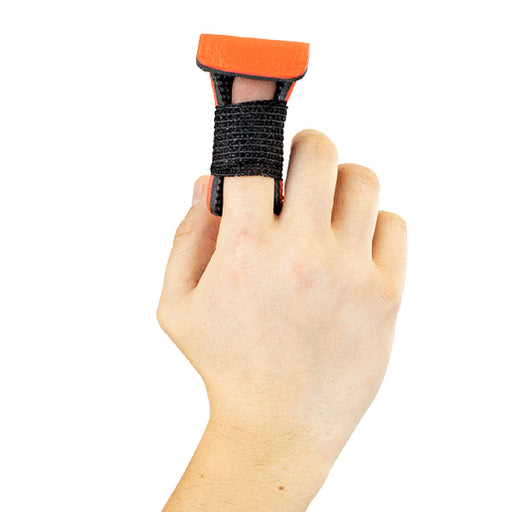
  • Splints or Finger Splints: For immobilizing fractures or sprains.
  • First Aid Manual or Instruction Booklet: For quick reference during emergencies.
  • Flashlight and Extra Batteries: For visibility in low light.
  • Alcohol Pads: For disinfecting instruments or skin.

Specialty Items (Situational)

  • Epinephrine Auto-Injector (EpiPen): For severe allergic reactions (if prescribed).
  • Burn Dressing: For more serious burns.
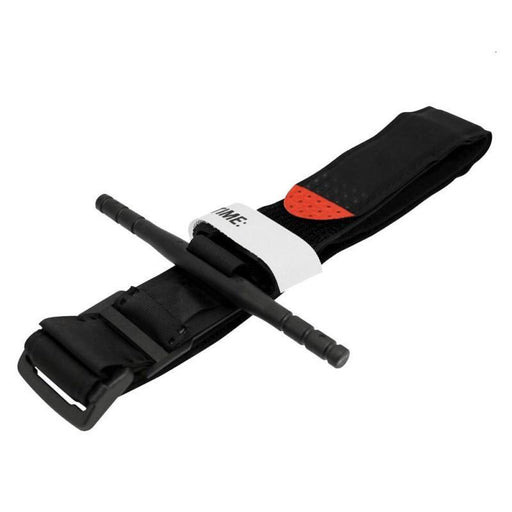
  • Tourniquet: For severe hemorrhage (only trained personnel).
  • Water Purification Tablets: For outdoor or survival kits.

Why are First Aid Supplies Important?

Having the right first aid supplies available can:

  • Minimize injury severity
  • Prevent infection and complications
  • Provide crucial care before emergency responders arrive
  • Promote faster recovery
  • Save lives in critical situations

First aid supplies are a vital component of health and safety preparedness everywhere—from home and school to the workplace, vehicle, or adventure. Regularly update and personalize your first aid kit to ensure you’re always ready to manage common injuries and emergencies effectively.

First aid supplies are essential items and medical tools kept available for providing immediate assistance in case of injuries, accidents, or sudden illnesses before professional medical help can be obtained. These supplies can be found in first aid kits at homes, workplaces, schools, vehicles, and during travel or outdoor activities.

Comprehensive List of Essential First Aid Supplies

Basic First Aid Supplies

  • Adhesive Bandages (Band-Aids): For minor cuts, scrapes, & blisters.
  • Sterile Gauze Pads & Rolls: For dressing wounds and absorbing blood.
  • Adhesive Tape: To secure gauze and dressings.
  • Antiseptic Wipes and Solutions: To clean wounds and prevent infection (alcohol pads, povidone-iodine swabs).
  • Antibiotic Ointment: For wound infection prevention (e.g., Neosporin).
  • Hydrocortisone Cream: For itching, inflammation, rashes, and insect bites.
  • Cotton Balls and Cotton Swabs: For cleaning and applying medication.
  • Medical/Exam Gloves: To protect both the rescuer and the patient from contamination.

Wound Care and Burn Care

  • Trauma/Pressure Dressing: For heavily bleeding wounds.
  • Burn Cream or Gel: For minor burns and scalds.
  • Non-stick Sterile Pads: For burns and wounds that shouldn’t stick to the dressing.

Instruments and Tools

  • Scissors: For cutting tape, clothing, or gauze.
  • Tweezers: For removing splinters, ticks, or debris.
  • Digital Thermometer: For checking temperature.
  • CPR Face Shield or Mask: For delivering rescue breaths during CPR safely.
  • Instant Cold Packs: For swelling, sprains, and strains.
  • Elastic (ACE) Bandages: For wrapping sprains and controlling swelling.
  • Safety Pins: For securing bandages or unused slings.

Medications

  • Pain Relievers: Acetaminophen, ibuprofen, or aspirin (not suitable for all ages).
  • Antihistamines: For allergic reactions (e.g., diphenhydramine, loratadine).
  • Anti-diarrheal Medication: For travel emergencies.
  • Oral Rehydration Salts: To manage dehydration.

Other Emergency Items

  • Eye Wash or Eye Drops: For chemical or dust exposure to eyes.
  • Emergency Blanket (Thermal/Mylar): To prevent shock or hypothermia.
  • Splints or Finger Splints: For immobilizing fractures or sprains.
  • First Aid Manual or Instruction Booklet: For quick reference during emergencies.
  • Flashlight and Extra Batteries: For visibility in low light.
  • Alcohol Pads: For disinfecting instruments or skin.

Specialty Items (Situational)

  • Epinephrine Auto-Injector (EpiPen): For severe allergic reactions (if prescribed).
  • Burn Dressing: For more serious burns.
  • Tourniquet: For severe hemorrhage (only trained personnel).
  • Water Purification Tablets: For outdoor or survival kits.

Why are First Aid Supplies Important?

Having the right first aid supplies available can:

  • Minimize injury severity
  • Prevent infection and complications
  • Provide crucial care before emergency responders arrive
  • Promote faster recovery
  • Save lives in critical situations

First aid supplies are a vital component of health and safety preparedness everywhere—from home and school to the workplace, vehicle, or adventure. Regularly update and personalize your first aid kit to ensure you’re always ready to manage common injuries and emergencies effectively.

First Aid Supplies Kits

Stay Safe, Stay Prepared – The Best First Aid Supplies for Home, Work, and Travel!

Looking for a comprehensive first aid kit that keeps you and your loved ones protected in any emergency? Discover our Ultimate First Aid Supplies Kit, ranked #1 for top health, medical, and emergency care keywords! Packed with high-trafficked health information and designed by safety experts, this first aid box is your all-in-one solution for everyday accidents, injuries, and unexpected situations.

Our kits are assembled to exceed all standard first aid kit lists and designed for emergency medical response. Every item undergoes strict quality testing and is packed for fast, easy access in stressful situations.

Be prepared for anything—add the Ultimate First Aid Supplies Kit to your cart and protect your family, your workplace, and yourself today!

FAQs about First Aid Supplies

  • Why Choose Our First Aid Kit?

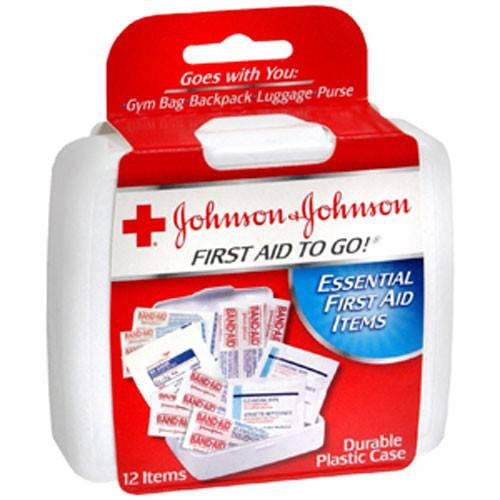
    First Aid Supplies for wound care, CPR, burns, cuts, scrapes, and more Meets HSE (Health and Safety Executive) and OSHA standards for workplace safety and compliance Essential for emergency preparedness, disaster response, outdoor activities, camping, hiking, travel, vehicles, schools, and offices Includes all items from the standard first aid kit checklist Trusted by professionals for first aid treatment, injury care, and first responder needs Compact, organized, and portable – never be caught unprepared!

  • What is in a First Aid Kit?

    10 Essential Items in a First Aid Kit: Adhesive Bandages (various sizes) Sterile Gauze Pads and Rolls Adhesive Tape Antiseptic Wipes or Alcohol Swabs Scissors Tweezers Instant Cold Pack Disposable Gloves (Nitrile) Emergency Blanket CPR Face Shield or Mask

  • What are Some Basic First Aid Items?

    Bandages, gauze, antiseptics, tweezers, gloves, burn cream, antibiotic ointment, first-aid manual, and a thermometer.

  • First Aid Kit Checklist:

    Sterile dressings and bandages Adhesive tape and plasters Cleansing wipes & antiseptic solution Scissors and tweezers Safety pins Disposable gloves Thermometer Burn relief gel/cream Eye wash and pads First aid manual

  • What to Buy for First Aid?

    Start with the essentials (bandages, antiseptics, gloves) and include specialized items like instant cold packs, burn gel, CPR masks, and splints if needed for your environment (home, workplace, school, car, outdoors).

  • Is there a Standard List of Items in a First Aid Box?

    Yes! Leading health organizations (like the Red Cross and HSE) recommend a core set of items, all included in our kit.

  • What are the ABCs of First Aid?

    A – Airway B – Breathing C – Circulation

  • What 7 Items Should be in a First Aid Kit?

    Adhesive bandages Gauze pads Medical tape Scissors Tweezers Antiseptic wipes Gloves

  • What are the Three C's in Emergency?

    Check Call Care

  • What is the Most Important Item in a Kit?

    Disposable gloves: Protects both you and the injured person from infections.

  • What Doesn't Go in a First Aid Kit?

    Expired medicines, sharp objects not intended for first aid, foods, or personal prescription medications unless prescribed for an emergency.

  • Most Overlooked First Aid Items:

    Emergency blanket, burn dressings, CPR mask, manual, whistle, and extra gloves.

  • What Does HSE Stand For in First Aid?

    Health and Safety Executive – The UK regulatory body ensuring workplace health and safety compliance.

  • How Many Compressions Per Minute?

    100-120 chest compressions per minute during CPR.

  • What Does CLAP Stand for in First Aid?

    Control, Look, Assess, Prioritize – principles for scene management.

  • What to Do When Someone Is Unresponsive but Breathing?

    Place them in the recovery position and monitor until help arrives.

  • First Point in an Emergency to Remember:

    Stay calm and ensure your own safety before helping others.

  • Why Trust Our First Aid Supplies Kit?

    Our kits are assembled to exceed all standard first aid kit lists and designed for emergency medical response. Every item undergoes strict quality testing and is packed for fast, easy access in stressful situations. Be prepared for anything—add the Ultimate First Aid Supplies Kit to your cart and protect your family, your workplace, and yourself today!

Get Notified When Back in Stock