
Filters
Availability
Price
$
-
$
$0
$270
Vendor
Collection
Tags
- burn pads (3)
- gauze (4)
- gauze sponge (2)
- gauze sponges (3)
- Lint free gauze (1)
- non adherent (4)
- Non Linting (1)
- non sterile (1)
- non stick (3)
- non woven (3)
- senstive (1)
- surgical sponges (1)
- Wound Care (8)
- Wound Sites (1)
- Aesthetic Supplies MedSpa Supplies & Cosmetic Surgery Supplies (3)
- fluff gauze (1)
- gauze bandage (1)
- gauze roll (2)
- kerlix (1)
- Krinkle Gauze (1)
- krinkle gauze roll (1)
- Krinkle Roll (1)
- roll gauze (1)
- 1624W (1)
- Autolytic debridement (1)
- Cover Dressing (2)
- Film Dressings (1)
- Hypoallergenic (1)
- Infection prevention (1)
- IV catheter sites (1)
- Medical dressing (1)
- Moisture vapor (1)
- Skin Barrier Film (1)
- Skin Wounds (1)
- Tegaderm (2)
- Transparent Dressings (1)
- IV 3000 (1)
- Transparent Film (1)
- absorbent (1)
- absorbent dressing (1)
- Absorbent Gauze Pads (2)
- absorbent pads (1)
- Dressing changes (1)
- gauze pads (3)
- Non Stick Gauze (1)
- Non Stick Pads (1)
- sterile gauze (2)
- Sterile Gauze Pads (2)
- Super Absorbent (1)
- Surgical incisions (1)
- wound (1)
- Wound care management (1)
- 3M Tegaderm (1)
- Clear Dressing (1)
- See wound (1)
- Waterproof (1)
- advanced wound care (4)
- bed sore supplies (1)
- chronic wound dressing (1)
- Control Gel Formula (1)
- ConvaTec wound dressing (1)
- Derm (2)
- diabetic ulcer treatment (1)
- Duoderm (3)
- Duoderm Cgf (2)
- DuoDERM CGF dressing (1)
- hydrocolloid bandage (1)
- hydrocolloid wound dressing (1)
- Hyrdocolloid (1)
- infection barrier (1)
- Moist Wound Healing (5)
- moisture retentive dressing (1)
- pressure ulcer bandage (1)
- unique gelling action (1)
- Ag (1)
- bacteria fungus (1)
- Chaffing (1)
- Coloplast (4)
- Friction (1)
- Interdry (1)
- Interdry Ag (1)
- Intertrigo (1)
- Reduces Friction (1)
- Silver Antimicobal Dressing (1)
- Silver Dressing (1)
- Silver Moisture Wicking (1)
- Skin Fold Management (1)
- Skin Folds (1)
- Skin Friction (1)
- Wicks Moisture (1)
- adhesive dressing (1)
- Contamination Prevention (1)
- cover dressing (1)
- Island Dressing (1)
- Island Dressings (1)
- iv sites (1)
- Non-Adherent (1)
- Post Operative (1)
- pressure ulcers (5)
- Surgical Wounds (1)
- telfa (2)
- Wound dressing (3)
- burn gauze (2)
- Non-Woven Sponges (1)
- Surgical gauze (1)
- axilla (1)
- custom bandage (1)
- Elastic bandages (1)
- elastic dressing (1)
- Elastic Net Bandage (1)
- Head Bandage (1)
- knit (1)
- knitting (1)
- mesh dressing (1)
- Net Gauze (1)
- Shoulder bandage (1)
- surgilast (1)
- Surgilast Size (1)
- tubular dressing (1)
- Emergency Gauze (1)
- first aid (2)
- First aid Dressing (1)
- First Aid Kit (1)
- first aid supplies (1)
- first responder (2)
- Multi-Purpose Gauze (1)
- trauma (3)
- trauma bandage (1)
- Trauma Gauze (1)
- Antimicrobial (3)
- antimicrobial agent (2)
- Antimicrobial Wound Care Dressing (1)
- Ascend (1)
- broad-spectrum antimicrobial (1)
- doctor-only (3)
- Silver Cream (1)
- Topical antimicrobial cream (1)
- Active Shooter (1)
- Blood Stopper (1)
- Bullet Wound (1)
- dyna stopper (1)
- external bleeding (1)
- Stop bleeding (1)
- wound stopper (1)
- 449600 (1)
- Acute Wounds (1)
- Chronic Wounds (1)
- Full Thickness (1)
- Hydate Wound Bed (1)
- Hydrogel (4)
- Partial Thickness (1)
- Pressure Ulcers (6)
- Prevent Bacteria Growth (1)
- Solosite (1)
- Venous Stasis Ulcers (1)
- Wound Gel (6)
- 7690 (1)
- Collagen Hydrogel (1)
- Draining Wound (1)
- Granulation Tissue (1)
- Hydrate Wound (1)
- Serosanguineous Drainage (1)
- Tunneling Wound (1)
- Wound Cavity (1)
- 187955 (1)
- bed sore treatment (1)
- chronic wound care (1)
- Donor Sites (1)
- Duoderm Extra Thin (1)
- DuoDERM Extra Thin dressing (1)
- Hydrocolloid Wound Dressing (1)
- hypoallergenic wound supplies (1)
- Low Profile Dressing (1)
- Padded (1)
- pressure ulcer dressing (1)
- surgical wound dressing (1)
- X-Thin (1)
- Cloth Tape (1)
- Latex Free (1)
- Medipore Soft Cloth Tape (1)
- Mepore (1)
- Skin Tape (1)
- Allevyn Adhesive (1)
- Allevyn Dressings (1)
- Burns (3)
- Chronic wounds (1)
- Control Exudate Drainage (1)
- Diabetic Ulcers (1)
- Exudative wounds (2)
- Foam Adhesive Dressing (1)
- Foot Ulcers (1)
- Infected wounds (2)
- superficial burns (2)
- Treat Burns (2)
- Hydrophilic (1)
- Liquid Wound Dressing (1)
- superficial wounds (1)
- Triad (1)
- venous stasis ulcers (1)
- Allevy n Gel Border (1)
- Allevyn Gentle (2)
- Allevyn Gentle Border (1)
- Diabetic Foot ulcers (1)
- leg ulcers (3)
- Surgical wounds (1)
- Antimicrobial Wound Gel (3)
- Honey (1)
- Hydrocolloid Gel (1)
- Leptospermum Honey (1)
- Medihoney (1)
- Medihoney Gel (1)
- Medihoney Hydrocolloid (1)
- Wound Filler Paste (1)
- 66007630 (1)
- Absorbent Foam Pad (1)
- allevyn heel (1)
- Allevyn Heel Wound Dressings (1)
- cone shaped (1)
- cup shape (1)
- exudate (1)
- foam dressing (1)
- foam pad (1)
- Foot Wound Care (1)
- Heel Pressure (1)
- non adhesive (1)
- wound on heel (1)
- Curity (1)
- Curity Gauze Sponges (1)
- Non Sterile Gauze (1)
- Non Sterile Gauze Pads (1)
- Type VII Gauze (1)
- USP Gauze (1)
- adhesive pads (1)
- cover wounds (1)
- Island Wound Dressing (1)
- kendall (1)
- Telfa Dressing (1)
- telfa pads (1)
- Oil Emulsion (2)
- Oil Emulsion Dressing (2)
- Petrolatum Gauze (2)
- Xeroform (2)
- Hypochlorite (1)
- Hypochlorous acid (1)
- irrigation solution (1)
- pH-balanced (1)
- Puracyn (1)
- Puracyn Plus (1)
- Sodium Salt (1)
- Wound Cleanser (1)
- Wound Irrigation Solution (1)
- Burn Blanket (1)
- Burn Dressings (1)
- burn sheet (1)
- Cover Burn (1)
- cover burn victim (1)
- EMS (1)
- Biafine (1)
- Biafine Topical Emulsion (1)
- Burn Cream (1)
- Burn management (1)
- burn relief (1)
- Burn Relief Gel (1)
- minor burns (1)
- ou-exclude (1)
- Skin Burn (1)
- sunburns (1)
- Treat superficial wounds (1)
- Absorb Fluid (1)
- Dynaderm (1)
- 3110 (1)
- Comfeel Plus (1)
- donor sites (2)
- superficial partial thickness burns (1)
- Petrolatum emulsion (4)
- No Sting Prep Pads (1)
- Skin Prep (1)
- Skin Preps (1)
- Skin Wipes (1)
- Surgical Skin Prep (1)
- Detachol adhesive remover (1)
- Gum Mastic (1)
- Liquid Adhesive (1)
- Mastisol Liquid Adhesive (1)
- methyl salicylate (1)
- Skin Adhesive (1)
- Skin Adhesive Glue (1)
- Tape Adhesive (1)
- Catheter Securement Dressing (1)
- Iv Catheter (1)
- IV Catheter Dressing (1)
- Antimicrobial Gel (1)
- Cadexomer Iodine (1)
- Fights off infection (1)
- Iodine Gel (1)
- Iodosorb (1)
- iodosorb gel (1)
- time-released antimicrobial (1)
- Adhesive Bandage (1)
- Adhesive Bandaids (1)
- Band-Aids (1)
- Sheer Adhesive Bandaids (1)
- Sheer Band=Aids (1)
- Sheer bandaids (1)
- Duoderm Dressings (1)
- Duoderm Gel (1)
- Hydroactive Wound Gel (1)
- Hydroxyethyl (1)
- amorphous hydrogel (1)
- Antimicrobial Hydrogel (1)
- Hydrogel Wound Dressing (3)
- Silvasorb (1)
- Silversorb (1)
- 3420 (1)
- Biatain (1)
- coloplast (1)
- Second degree burn (1)
- skin abrasions (1)
- wound drainage (1)
- Impregnated Dressing (2)
- petrolatum (1)
- Petroleum Gauze (1)
- Vaseline (1)
- Bismuth Tribromophenate 3% (1)
- Integrity Medical (1)
- Non Adherent Dressing (1)
- White petrolatum (1)
- Amorphous Gel (1)
- Amorphous NonSterile (1)
- HA (1)
- Lidocaine (1)
- Regenecare (1)
- Regenecare Gel (1)
- Adaptic Dressings (1)
- Heavy drainaing wounds (1)
- Medisca (1)
- Adhesive Remover (1)
- Adhesive Remover Wipes (1)
- Remove Adhesive (1)
- Remover adhesive (1)
- Tape Remover from Skin (1)
- Uni-Solve (1)
Wound Care Dressings & Wound Dressings
Wound Care Dressings
Wound dressings cover and protect injured skin while promoting appropriate healing conditions. Dressings range from traditional (gauze, bandages, cotton) to modern/advanced types (films, foams, hydrogels, hydrocolloids, alginates, etc.). The key aims are to keep a sterile, moist wound environment, allow gas exchange, control drainage, protect against infection, and permit easy inspection and painless changes. Choice of dressing depends on wound type, depth, exudate level, and healing stage.
-
Traditional dressings: Examples include gauze pads or rolls (woven or non-woven cotton or rayon) and tulle/impregnated gauze (e.g. petrolatum-impregnated Xeroform or paraffin-based Jelonet). These are generally dry coverings that absorb exudate and protect from contamination. Gauze must be changed frequently – if it becomes wet it can macerate surrounding skin and adhere to the wound, making removal painful. Bandages and compression wraps (cotton or elastic) secure dressings in place and provide pressure (useful for venous ulcers). Overall, traditional gauze/tape dressings are mainly used for clean, low-exudate wounds or as a secondary backing wrap. They do not maintain a moist environment, so chronic or deep wounds heal more slowly under gauze.
-
Modern (interactive) dressings: These advanced products are designed to facilitate healing by keeping the wound moist, aiding debridement, and controlling bacteria. Major categories include:
- Transparent films: Thin polyurethane films (like Tegaderm™) that stick to intact skin, are waterproof and impermeable to bacteria yet transmit water vapor and oxygen. They allow continuous wound observation without removal and provide autolytic debridement of dead skin. Films are highly elastic and conformable. They are best for superficial, low-exudate wounds (e.g. epidermal abrasions, donor sites) because they have little absorptive capacity.
- Foam dressings: Soft polyurethane foams (with or without adhesive borders) that absorb moderate to heavy exudate. Foams “contour to wound shape” and trap fluid in their hydrophilic core while allowing vapor to escape. They cushion and insulate, making them good for pressure ulcers, leg ulcers or large healing wounds. Foam dressings handle moderate-to-high drainage and can be used on granulating wounds or as a secondary layer. (They should not be used on dry wounds, as they need some moisture to work.)
- Hydrocolloids: Adhesive gel-forming films or wafers (e.g. Duoderm™, Comfeel™, Tegasorb™). They contain carboxymethylcellulose or gelatin that absorbs fluid and swells into a moist gel over the wound. Hydrocolloids are waterproof and only semi-permeable to vapor; they remain in place for days. They provide “moist environment” dressings ideal for light-to-moderate exudate wounds (e.g. pressure ulcers, burns, traumatic wounds). On contact with exudate they protect granulation tissue and debride slough autolytically. (They are typically avoided on very wet or infected wounds, and because they gel they can sometimes have a distinctive odor or be mistaken for pus.)
- Hydrogels: Water-rich gel sheets or amorphous gels that donate moisture. Made of >70% water or glycerin, they soothe and cool burn or ulcer wounds, help liquefy necrotic tissue, and hydrate dry scabs. Hydrogels are non-adhesive and easily removable, making them good for dry or necrotic wounds, pressure sores and shallow burns. They promote a moist, cooling environment and enable autolytic debridement. Drawbacks: on highly exuding wounds they can accumulate fluid and risk maceration if not changed frequently.
- Alginate dressings: Made from seaweed-derived calcium/sodium alginate fibers. When applied to a wound, they form a gel by exchanging ions with wound fluid. These are highly absorbent dressings (much more than gauze) and are used on moderately to heavily draining wounds. They also have mild hemostatic properties (calcium alginate can promote clotting). Because they dehydrate the wound bed, alginates should always be covered by a secondary dressing (like gauze or film) to keep the wound moist. Alginate sheets (e.g. Kaltostat™, Sorbsan™) are unsuitable for dry wounds or wounds over bone.
- Hydrofibers and Collagens: (e.g. synthetic carboxymethylcellulose fibers like AQUACEL™, or collagen/collagen-containing gels). These behave similarly to alginates/hydrogels by gelling on contact with fluid, providing high absorption or structural support. They maintain moisture and promote granulation (collagen dressings supply matrix for tissue regrowth). These advanced fibers often have silver or honey additives for infection control.
- Medicated dressings: Many dressings now contain antimicrobials. For example, silver-impregnated films/foams (e.g. silver sulfadiazine, Silverlon®) or iodine-impregnated substrates release antiseptics to reduce bacterial load. Honey-impregnated dressings (Manuka honey) also promote healing and inhibit microbes. (These specialized dressings are used when infection is a concern.)
- Composite and Free-form: Some products combine layers (e.g. non-adherent contact layer + absorbent pad + adhesive border) for use on irregular or highly exuding wounds. Newer concepts include bioengineered skin substitutes (cultured epithelial sheets) – but those are beyond basic care.
-
Choosing a dressing: Selection is based on wound exudate, depth, and location. In general, moist (wet) wounds need absorbent dressings, and dry wounds need moisture-donating dressings. For example, heavy exudate wounds call for foams or alginates, whereas dry wounds may benefit from hydrogels or hydrocolloids to provide moisture. Shallow epidermal abrasions can often be managed with transparent films alone while deeper or necrotic wounds might need gels and frequent changes. Dressings should be chosen to create a moist healing environment without pooling fluid, and to allow oxygen exchange. The “ideal dressing” is sterile, moist but not soggy, non-adherent, protective and comfortable. Clinicians typically assess the wound (amount of drainage, infection status, pain, location) and patient factors (age, mobility, allergies) to pick or combine appropriate dressings.
-
Precautions and side effects: While dressings themselves are not drugs, they can have adverse effects. Wet maceration: Occlusive dressings (films, hydrocolloids) can overhydrate skin if left too long, leading to white, softened tissue around the wound. Adherence: Dry gauze or fibrous dressings can stick to a wound, tearing healing tissue and causing pain on removal. Allergic contact: Some patients react to adhesives, antiseptic agents, or materials (latex, adhesives, propylene glycol in gels) with contact dermatitis. Infection: Improperly changed or non-sterile dressings can introduce bacteria. Occlusive dressings should not be used if an infection is untreated, as they could trap bacteria. Chemical effects: Dressings with iodine or silver rarely can cause systemic effects (thyroid dysfunction with iodine, argyria with silver) if used extensively, especially on large burns.
In summary, wound care dressings span a spectrum from simple gauze to high-tech polymers. Modern dressings (films, foams, hydrogels, hydrocolloids, alginates, etc.) are designed to maintain optimal moisture and protect the wound while allowing gas exchange and debridement. Proper selection and technique are critical: the wrong dressing can impede healing (e.g. dry a wound out or over-saturate it). By contrast, well-chosen dressings can significantly accelerate healing by providing a stable, moist environment for tissue repair. All dressing changes and selections should follow clinical guidelines and the supervising healthcare provider’s instructions.
-
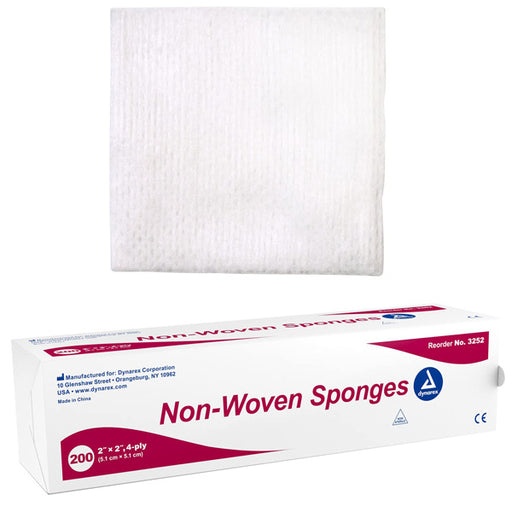 Sale
from $ 1.29
Sale
from $ 1.29Non-Woven Gauze Sponges, Non-Linting 4 Ply, Non-Sterile, 200 Per Pack
Dynarex13 reviewsNon-Woven Gauze Sponges, Non-Linting 4 Ply are used for wound care, cleaning, and dressing applications. These sponges are designed to minimize lin...
View full details -
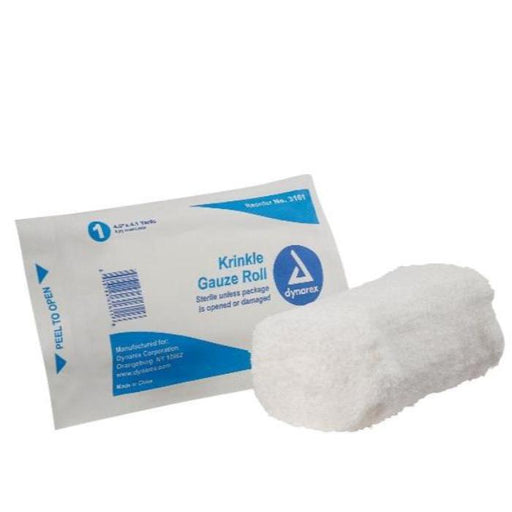 Sale 23%
Original price $ 1.49Current price $ 1.15
Sale 23%
Original price $ 1.49Current price $ 1.15Krinkle Gauze Roll Bandage, Sterile, (Kerlix)
Dynarex18 reviewsKrinkle Gauze Roll Bandages are a sterile, absorbent gauze that is used to control bleeding and to absorb drainage. Kerlix gauze is a non-woven, cr...
View full details -
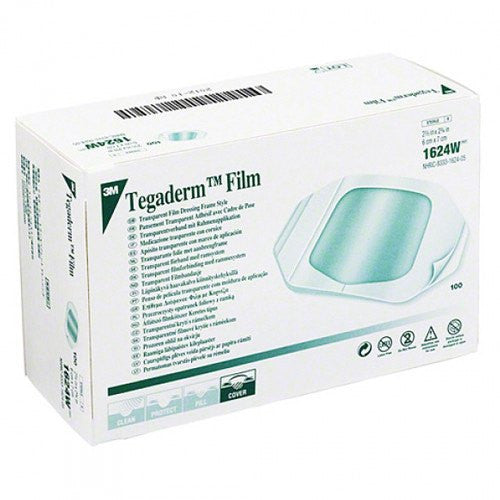 Sale 35%
Original price $ 57.95Current price $ 37.70
Sale 35%
Original price $ 57.95Current price $ 37.70Tegaderm Dressings, 3M Transparent Film Dressings, Waterproof Wound Protection 2.37 inch x 2.75 inch, 100/box #1624W
3M Healthcare15 reviewsAdvanced Waterproof Wound Protection for Medical & Home Use Trust your wound care to the #1 doctor-recommended transparent film dressing – 3M T...
View full details -
 Sale 19%
Original price $ 2.89Current price $ 2.35
Sale 19%
Original price $ 2.89Current price $ 2.35Opsite IV3000 IV Site Cover Dressing, 4 inch x 5.5 inch, Waterproof EACH
Smith & Nephew11 reviewsOpsite IV3000 IV Cover dressing is a sterile, waterproof injection site dressing secures and allows for flexibility. Repels moisture, and helps kee...
View full details -
 Sale
from $ 5.89
Sale
from $ 5.89Non-Adherent Absorbent Gauze Pads (No Stick), Sterile (Box)
Dynarex8 reviewsNon-Adherent Absorbent Gauze Pads, Sterile are medical supplies used to cover and protect wounds without sticking to them. Ideal for minor cuts, bu...
View full details -
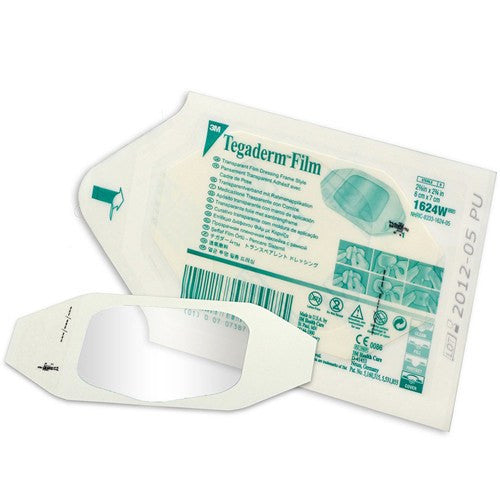 Sale 38%
Original price $ 65.95Current price $ 40.90
Sale 38%
Original price $ 65.95Current price $ 40.90Tegaderm Dressing Transparent Film 4 inch x 4 inch, 50/box
3M Healthcare5 reviewsTegaderm Dressing Transparent Film 4" x 4" is designed to provide a sterile, breathable environment for wound healing. Tegaderm dressing covers and...
View full details -
 Sale 43%
Original price $ 34.95Current price $ 19.97
Sale 43%
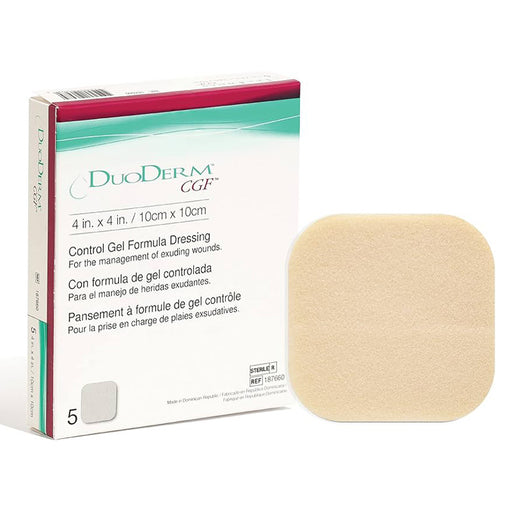
Original price $ 34.95Current price $ 19.97Duoderm Dressings CGF Hydrocolloid Dressings 4 x 4, by Convatec 5/Box
Convatec3 reviewsAdvanced Wound Healing for Pressure Ulcers, Bed Sores, and Chronic Wounds Transform your wound care routine with the #1 hospital-recommended hydroc...
View full details -
 Sale 13%
Original price $ 159.95Current price $ 139.95
Sale 13%
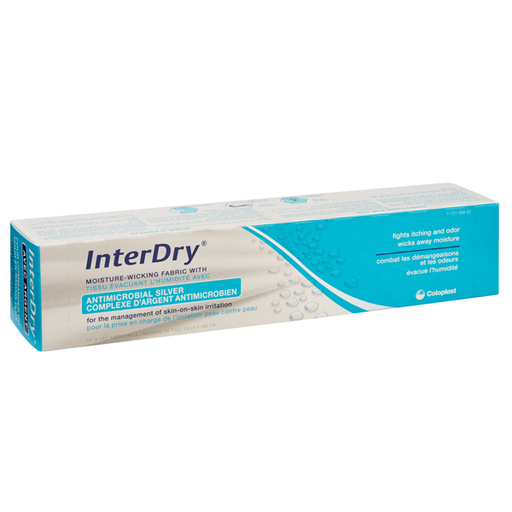
Original price $ 159.95Current price $ 139.95Interdry Skinfold Intertrigo Relief Silver Antimicobal Dressing 10 x 144 inches
Coloplast Corporation7 reviewsSilver Moisture Wicking Interdry Silver Antimicrobial Dressing Skin Fold Management is a medical product designed to manage excess moisture and pre...
View full details -
 Sale
from $ 0.31
Sale
from $ 0.31Telfa Adhesive Island Dressing 2 x 3.75 inches, Sterile
Covidien4 reviewsTelfa Adhesive Island Dressing is designed to cover and protect surgical wounds, cuts, and abrasions securely. The dressing features a non-adherent...
View full details -
 Sale
from $ 1.59
Sale
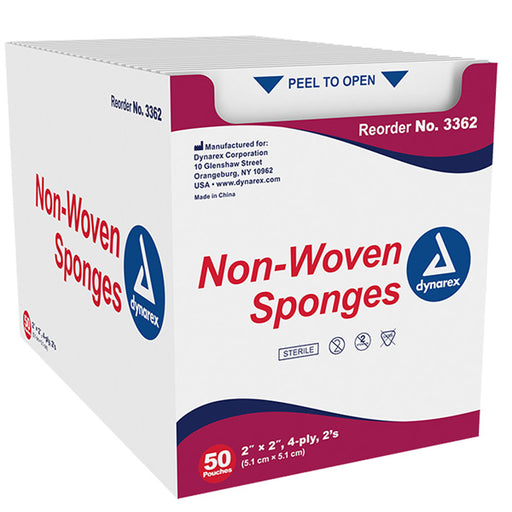
from $ 1.59Non-Woven Gauze Sponges, Sterile 4-Ply
Dynarex3 reviewsDynarex Non-Woven Gauze Sponges 4-Ply, Sterile are medical gauze sponges made of non-woven material, which means they are not woven together like t...
View full details -
 Sale
from $ 5.99
Sale
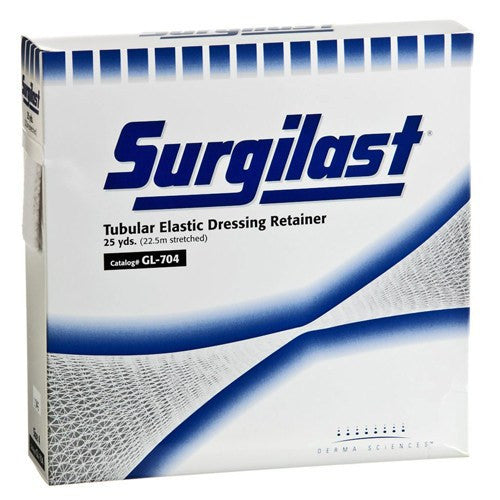
from $ 5.99Surgilast Tubular Bandage, Elastic Net Bandage by Derma Sciences
Derma Sciences9 reviewsThe #1 Wound Dressing Retainer for Secure, Gentle, and Versatile Care Experience the industry-leading standard in wound care with the Surgilast Tub...
View full details -
 Sale 48%
Original price $ 2.85Current price $ 1.49
Sale 48%
Original price $ 2.85Current price $ 1.49Multi-Trauma Gauze Dressing, Sterile 10" x 30"
Dynarex4 reviewsA Multi-Trauma Gauze Dressing, Sterile 10" x 30" is typically used to cover and protect large or multiple wounds on a patient. It is made of steril...
View full details -
 Sale 32%
Original price $ 21.95Current price $ 14.95
Sale 32%
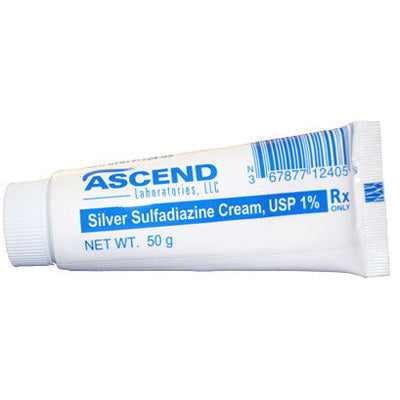
Original price $ 21.95Current price $ 14.95Silver Sulfadiazine 1% Cream, 50 Gram Tube (Rx)
Ascend Laboratories12 reviewsSilver Sulfadiazine 1% Cream is a topical, antimicrobial cream that resists gram-negative and gram-positive bacteria. It quickly and efficiently tr...
View full details🔒 Medical License Required -
 Sale 34%
Original price $ 2.79Current price $ 1.85
Sale 34%
Original price $ 2.79Current price $ 1.85Blood Stopper Multi-Purpose Wound & Trauma Dressing, Sterile
DynarexNo reviewsThe Dyna-Stopper Trauma Wound Dressing is a sterile, absorbent Multi-purpose dressing that stops heavy external bleeding and helps heal abrasions, ...
View full details -
 Sale 23%
Original price $ 19.50Current price $ 14.98
Sale 23%
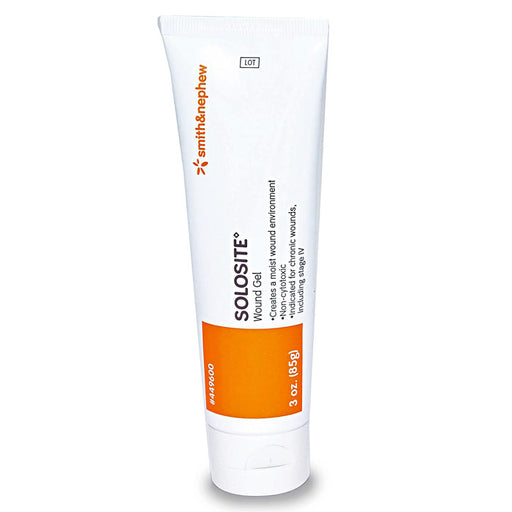
Original price $ 19.50Current price $ 14.98Solosite Gel Hydrogel Wound Dressing 3 oz
Smith & Nephew3 reviewsSolosite Gel is a topical wound dressing that is used to provide a moist environment for healing and to help promote tissue and cell regeneration. ...
View full details -
 Sold out
Original price $ 29.95Current price $ 22.50
Sold out
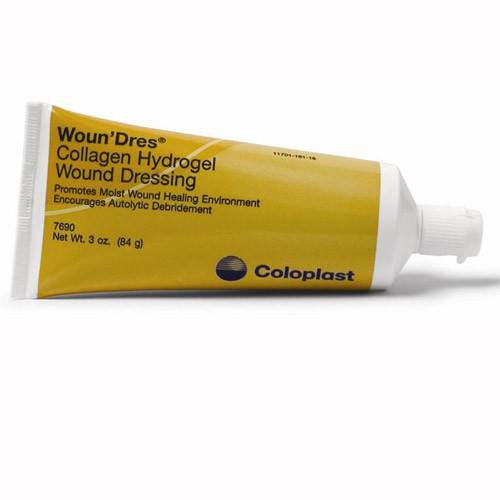
Original price $ 29.95Current price $ 22.50Woun'dres Collagen Hydrogel Dressing
Coloplast Corporation5 reviewsColoplast Woun'dres Collagen Hydrogel fills wounds and maintains a moist healing environment in the wound cavity, while protecting new tissue growt...
View full details -
 Sale 29%
Original price $ 48.95Current price $ 34.95
Sale 29%
Original price $ 48.95Current price $ 34.95Duoderm Extra Thin Dressing 4 x4 Hydrocolloid Dressings 10/box by Convatec
Convatec12 reviewsThe #1 Choice for Advanced Wound Healing & Skin Protection Experience the industry-leading power of advanced wound care with DuoDERM Extra Thin...
View full details -
 Sale
from $ 8.98
Sale
from $ 8.98Medipore H Soft Cloth Tape
3M Healthcare7 reviewsMedipore H Soft Cloth Tape is specially designed for strong adhesion to delicate skin. Safe for use on high risk skin, this latex-free soft cloth t...
View full details -
 Sale
from $ 115.00
Sale
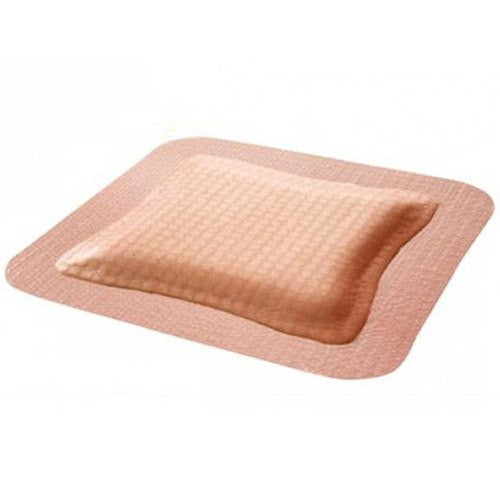
from $ 115.00Allevyn Adhesive Foam Wound Healing Dressings, Smith & Nephew
Smith & Nephew4 reviewsAllevyn adhesive foam wound healing dressings are an effective way to help promote the healing of wounds. The dressings are made of a soft foam tha...
View full details -
 Sale 31%
Original price $ 39.95Current price $ 27.50
Sale 31%
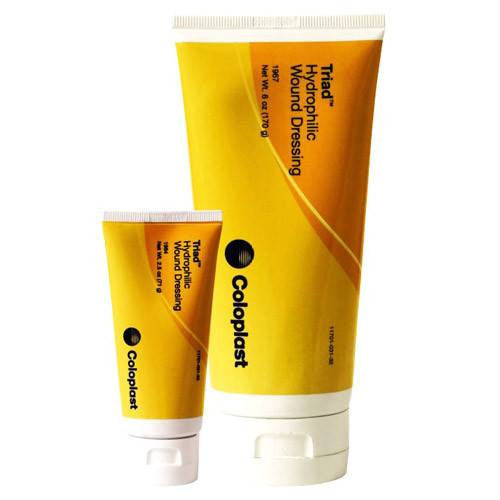
Original price $ 39.95Current price $ 27.50Triad Hydrophilic Wound Dressing 2.5 oz
Coloplast Corporation1 reviewColopast Triad Hydrophilic Wound Dressing is a zinc oxide based hydrophilic paste for treating weeping and hard-to-dress wounds. Triad Hydrophilic ...
View full details -
 Sale 21%
Original price $ 99.80Current price $ 79.00
Sale 21%
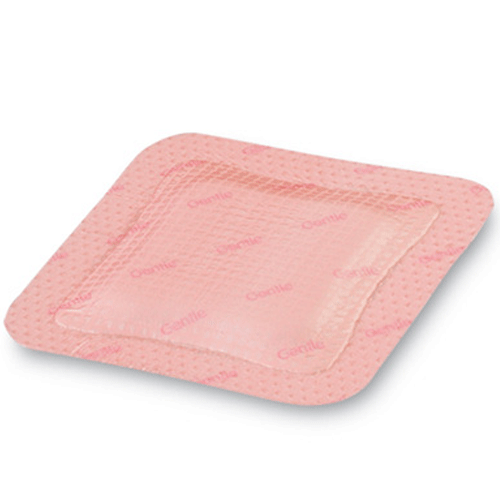
Original price $ 99.80Current price $ 79.00Allevyn Gentle Border Gel Adhesive Foam Dressing 5" x 5" (10 Pack)
Smith & Nephew4 reviewsALLEVYN Gentle Border range has been designed for people with particularly sensitive or fragile skin.These dressings have a soft silicone gel adhes...
View full details -
 Sold out
from $ 9.20
Sold out
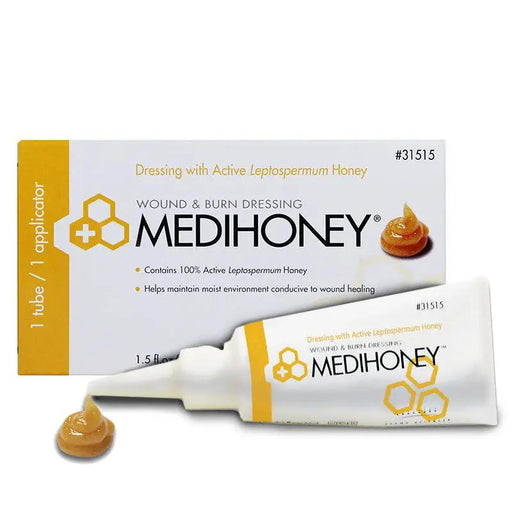
from $ 9.20Medihoney Hydrocolloid Wound Gel
Derma SciencesNo reviewsMedihoney Hydrocolloid Wound Gel is a type of wound dressing made with a combination of hydrocolloid and Medihoney, a medical-grade honey. Hydrocol...
View full details -
 Sale 20%
Low Stock
Original price $ 55.95Current price $ 45.00
Sale 20%
Low Stock
Original price $ 55.95Current price $ 45.00Allevyn Heel Wound Dressings 5 per box
Smith & Nephew1 reviewAllevyn heel wound dressing is designed to provide a moist wound environment, which is beneficial for wound healing. The dressings consist of a foa...
View full details -
 Sale
from $ 4.85
Sale
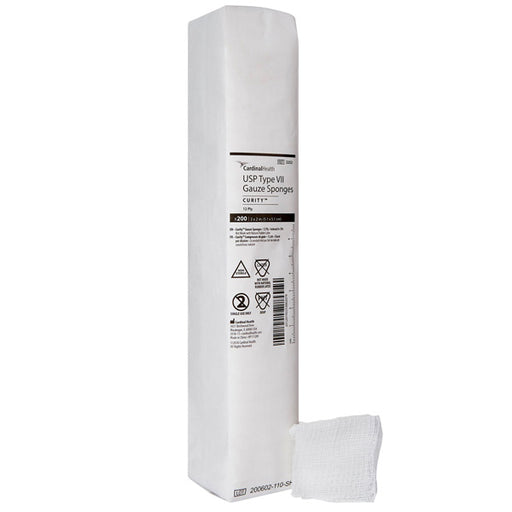
from $ 4.85Curity Non-Sterile Gauze Sponges 12-Ply, USP Type VII
Cardinal HealthNo reviewsCurity Non-Sterile Gauze Sponges 12-Ply, USP Type VII are medical gauze sponges that are designed for general wound care. They are made from 100% c...
View full details -
 Sold out
Original price $ 39.95Current price $ 29.80
Sold out
Original price $ 39.95Current price $ 29.80Telfa Adhesive Island Dressing 4 x 5, Sterile 25/Box
Covidien2 reviewsTelfa Adhesive Island Dressings 4 x 5 are designed for use on lightly draining wounds, offering a soft, absorbent, and non-adherent contact layer t...
View full details -
 Sale 22%
Original price $ 36.95Current price $ 29.00
Sale 22%
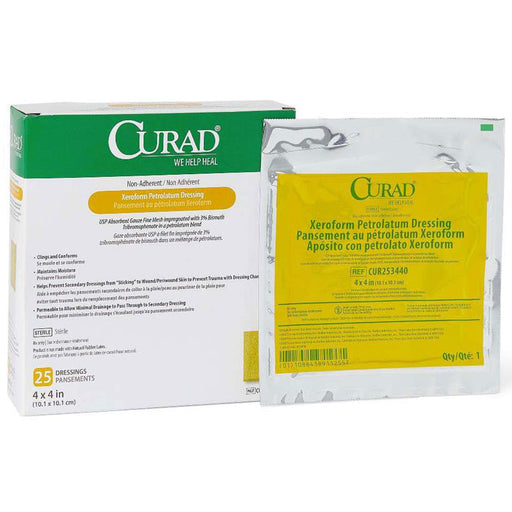
Original price $ 36.95Current price $ 29.00Xeroform Petrolatum Gauze, 4 inch x 4 inch, Sterile, 25/bx
Integrity Medical Devices4 reviewsXeroform Petrolatum Gauze Dressings are used to create a protective barrier and help maintain a moist wound bed for autolytic type healing. These s...
View full details -
 Sale 32%
Original price $ 47.95Current price $ 32.50
Sale 32%
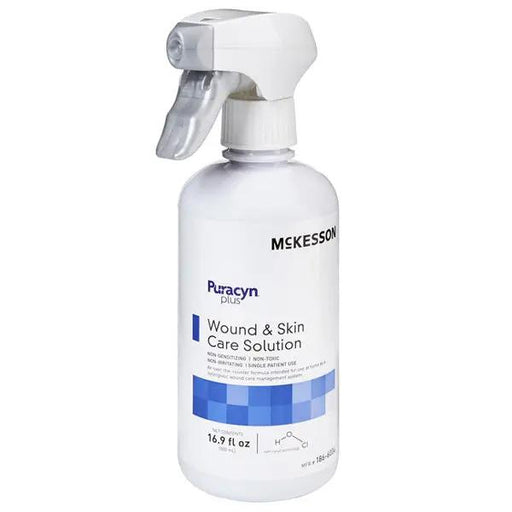
Original price $ 47.95Current price $ 32.50Puracyn Plus Wound Cleanser Irrigation Solution 16.9 oz. Spray Bottle
McKessonNo reviewsPuracyn Plus Wound Cleanser Irrigation Solution is a topical solution that is used to effectively clean and irrigate wounds and cuts on the skin. I...
View full details -
 Sale 45%
Original price $ 6.95Current price $ 3.85
Sale 45%
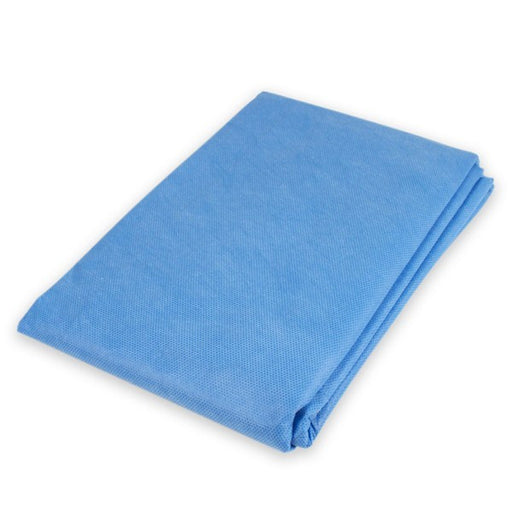
Original price $ 6.95Current price $ 3.85Burn Sheet, Sterile 60" x 90" - Each
DynarexNo reviewsDynarex Burn Sheet is a sterile burn dressing used by EMS to cover the skin of burn victims. This burn sheet protects the skin from contamination a...
View full details -
 Sale 17%
Original price $ 95.95Current price $ 79.95
Sale 17%
Original price $ 95.95Current price $ 79.95Biafine Burn and Wound Topical Emulsion Cream 45 gram (Rx)
Bausch Health US3 reviewsBiafine Topical Emulsion Cream is primarily used to treat minor burns, cuts, abrasions, and radiation dermatitis by promoting healing and soothing ...
View full details🔒 Medical License Required -
 Sale 30%
Original price $ 19.95Current price $ 14.00
Sale 30%
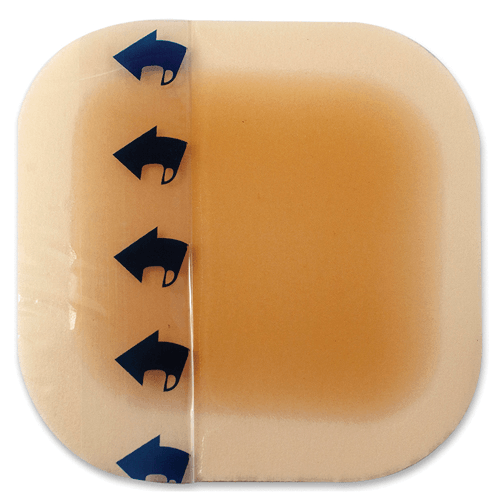
Original price $ 19.95Current price $ 14.00Hydrocolloid Foam Dressing 2" x 2", 10/box
Dynarex4 reviewsDynaDerm Hydrocolloid Dressing 4” x 4” works to maintain moisture on the site of your wound for a faster healing time. A single dressing can last ...
View full details -
 Sale
$ 59.00
Sale
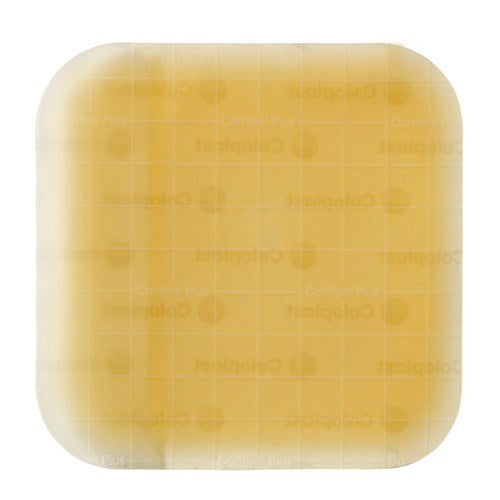
$ 59.00Comfeel Plus Ulcer Dressing 4" x 4", 10/Box - Coloplast
Coloplast Corporation1 reviewColoplast Comfeel Plus is a hydrocolloid dressing that can be used in the management of low to moderate exuding venous leg ulcers, pressure ulcers,...
View full details -
 Sale 35%
Original price $ 48.95Current price $ 31.90
Sale 35%
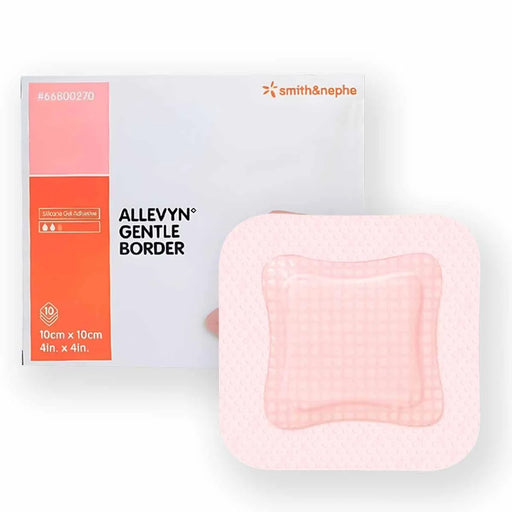
Original price $ 48.95Current price $ 31.90Allevyn Gentle Border 4 inch x 4 inch Square Silicone Gel Adhesive with Border Sterile
Smith & Nephew4 reviewsSmith & Nephew Allevyn Gentle Wound Care Dressing is gentle solution that decreases pain of removal, increases comfort and promotes a moist env...
View full details -
 Sale 28%
Original price $ 59.95Current price $ 43.00
Sale 28%
Original price $ 59.95Current price $ 43.00Xeroform Petrolatum Dressings 5 inch x 9 inch Sterile 50/bx
DermaRite Industries1 reviewXeroform Petrolatum dressings are a popular type of wound dressing because they are easy to use, effective, and they won’t stick to the wound. Thes...
View full details -
 Sale 29%
Original price $ 35.00Current price $ 24.80
Sale 29%
Original price $ 35.00Current price $ 24.80No-Sting Skin Prep Wipes by Smith & Nephew, 50/Box
Smith & Nephew3 reviewsSmith & Nephew No-Sting Skin Prep Wipes are used to prepare the skin for the application of adhesives, tapes, and other medical devices. They c...
View full details -
 Sale
from $ 17.99
Sale
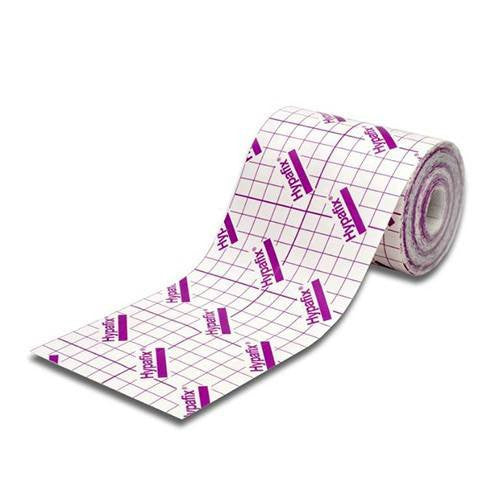
from $ 17.99Hypafix Retention Tape
BSN MedicalNo reviewsHypafix Tape Dressing Retention Sheet is a stretchable, water-resistant adhesive dressing tape used to secure IV tubes, catheters and other medical...
View full details -
 Sale 22%
Original price $ 39.95Current price $ 31.00
Sale 22%
Original price $ 39.95Current price $ 31.00Mastisol Liquid Skin Adhesive Glue 15 ml Spray
Ferndale Laboratories2 reviewsMastisol Liquid Skin Adhesive Glue is a medical product used to seal skin edges and help keep bandages, dressings and other medical devices in plac...
View full details -
 Sale 32%
Original price $ 39.95Current price $ 27.00
Sale 32%
Original price $ 39.95Current price $ 27.00Opsite IV Catheter Securement Dressing 4" x 5.5" Sterile, 10 dressings per box
Smith & Nephew1 reviewOpsite 3000 IV Catheter Securement Dressing is a sterile, transparent, adhesive dressing designed to secure and protect intravenous (IV) catheters....
View full details -
 Sale 21%
Original price $ 37.95Current price $ 29.95
Sale 21%
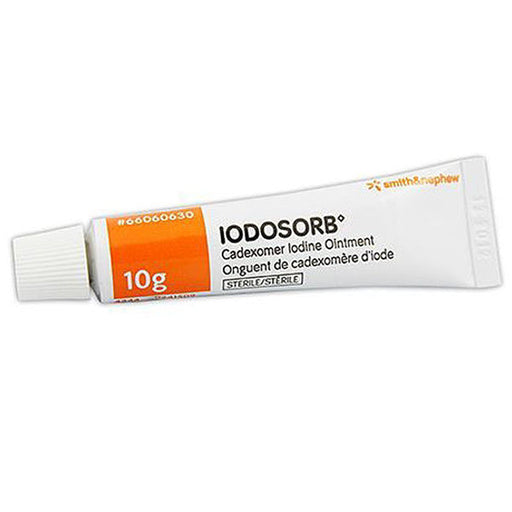
Original price $ 37.95Current price $ 29.95Iodosorb Cadexomer Iodine Gel, 10 grams
Smith & Nephew1 reviewSmith & Nephew Iodosorb Cadexomer Iodine Gel 10 gram tube is a premium skin dressing used to treat and heal wounds such as ulcers, skin grafts ...
View full details -
 Sale 35%
Original price $ 4.95Current price $ 3.20
Sale 35%
Original price $ 4.95Current price $ 3.20Curad Sheer Adhesive Bandages 0.75" x 3" Size 80 Count
CuradNo reviewsCurad Sheer Adhesive Bandages are hypoallergenic, latex-free bandages that provide gentle and comfortable protection for cuts, scrapes, and other m...
View full details -
 Sale 22%
Original price $ 16.99Current price $ 13.20
Sale 22%
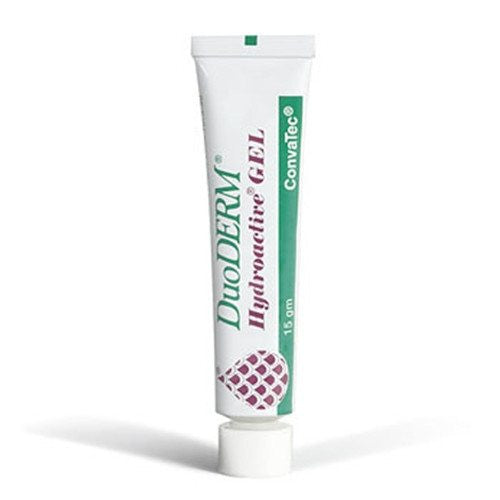
Original price $ 16.99Current price $ 13.20DuoDERM Hydroactive Wound Gel, 30 gram
Convatec1 reviewDuoDERM Hydroactive Wound Gel is a topical gel used to treat and manage wounds. The gel is made with a rich content of hydroxyethyl starch, which h...
View full details -
 Sale 36%
Original price $ 39.95Current price $ 25.50
Sale 36%
Original price $ 39.95Current price $ 25.50SilvaSorb Antimicrobial Wound Gel 1.5 oz tube
Medline Industries1 reviewSilvaSorb Antimicrobial Wound Gel (1.5 oz tube) by Medline Industries is a silver-impregnated hydrogel wound dressing designed to provide moist wou...
View full details🔒 Medical License Required -
 Sale 20%
Original price $ 98.95Current price $ 79.50
Sale 20%
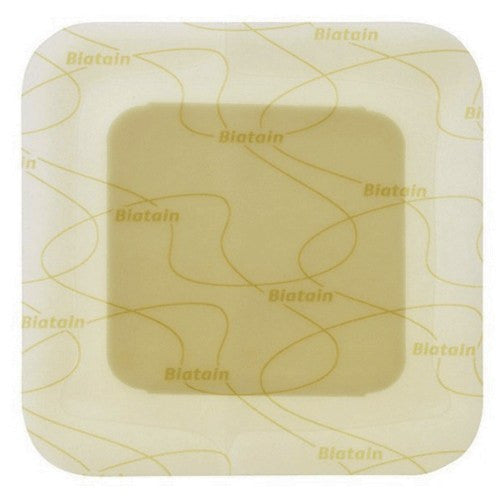
Original price $ 98.95Current price $ 79.50Biatain Adhesive Foam Dressings 5" x 5", 10/bx - Coloplast
Coloplast CorporationNo reviewsBiatain adhesive foam dressing is an adherent foam that absorbs large amounts of wound exudate. Made to treat chronic, acute wounds while creating ...
View full details -
 Sale 26%
Original price $ 9.95Current price $ 7.35
Sale 26%
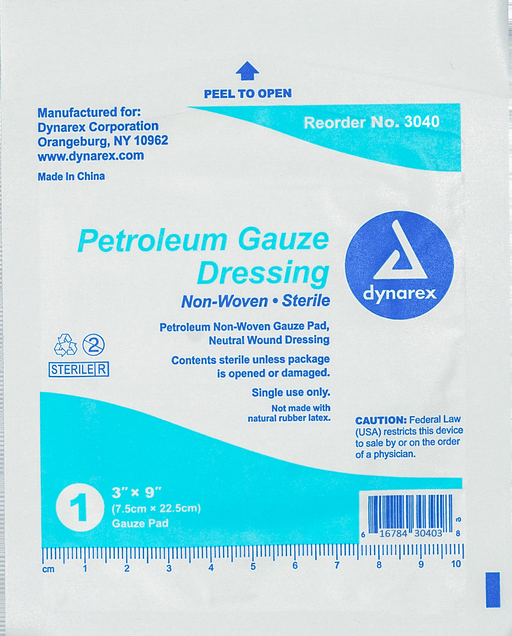
Original price $ 9.95Current price $ 7.35Petroleum Gauze Dressing 3 inch x 9 inch, 12/box
Dynarex1 reviewDynarex Petroleum Gauze dressing is a non-adherent lightweight knitted gauze dressing, impregnated with petroleum jelly to help maintain a moist wo...
View full details -
 Sale
$ 18.00
Sale
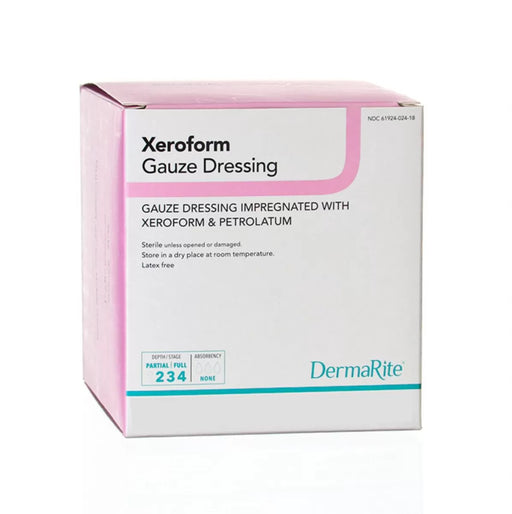
$ 18.00Xeroform Petrolatum Gauze, 2" x 2", Sterile, 25/bx
DermariteNo reviewsXeroform Petrolatum Gauze is a sterile, non-adherent dressing that is composed of a petrolatum gauze saturated with 5% w/v of Xeroform. The petrola...
View full details -
 Sale 36%
Original price $ 38.95Current price $ 24.95
Sale 36%
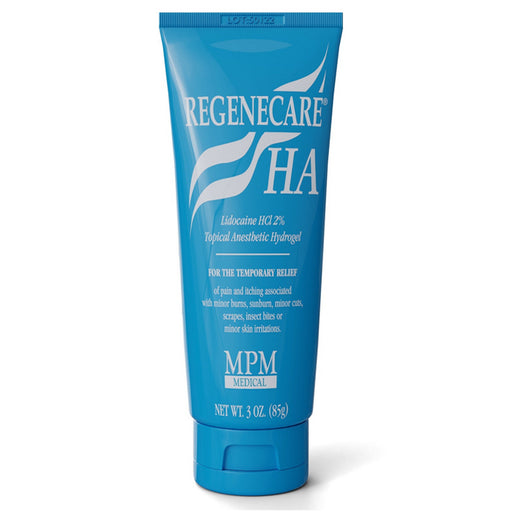
Original price $ 38.95Current price $ 24.95Regenecare HA Hydrogel Wound Dressing with Lidocaine Gel (Amorphous Gel) 3 oz
MPM MedicalNo reviewsRegenecare HA Hydrogel Wound Dressing with Lidocaine Gel (Amorphous Gel) is used for the management of non-infected, partial- to full-thickness wou...
View full details -
 Sale
from $ 29.00
Sale
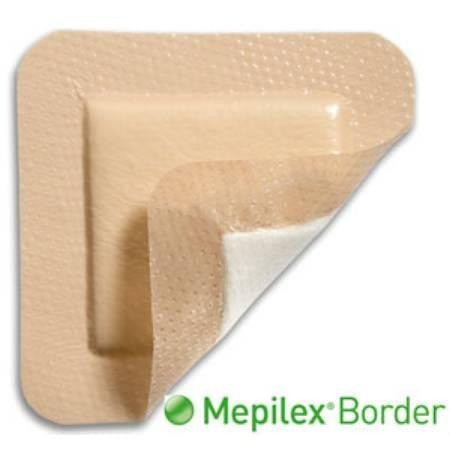
from $ 29.00Mepilex Border Self Adherent Dressing
Mölnlycke Health CareNo reviewsMepilex Border Self-adherent Soft Silicone foam dressing that absorbs exudate effectively, minimizes the risk of periwound skin maceration, and hel...
View full details -
 Sale 8%
Original price $ 12.95Current price $ 11.85
Sale 8%
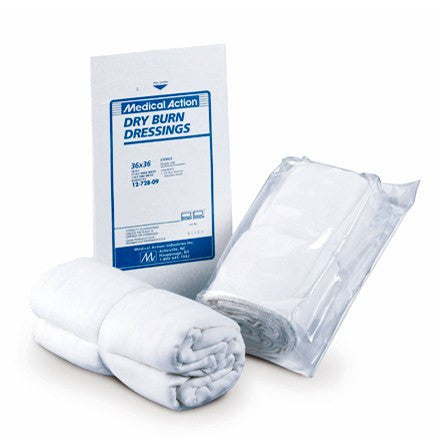
Original price $ 12.95Current price $ 11.85Dry Burn Dressing 18 x 36, White, Sterile, Medical Action
Medical Action2 reviewsThe Medical Action Dry Burn Dressings are designed to be used for absorption, padding, and the debridement of burn wounds. These un-medicated dress...
View full details -
 Sale 26%
Original price $ 4.95Current price $ 3.65
Sale 26%
Original price $ 4.95Current price $ 3.65Adaptic Non-Adhering Oil Emulsion Impregnated Dressings 5 x 9 inches (Each)
Solventum Corporation1 reviewAdaptic Non-Adhering Oil Emulsion Impregnated Dressings 5 x 9 inches are used for managing a variety of wounds, including burns, ulcers, and surgic...
View full details


People Also Searched For
Wound Care Dressings & Wound Dressings by Smith & Nephew
Wound Care Dressings & Wound Dressings by Dynarex
Wound Care Dressings & Wound Dressings to pressure ulcers
Wound Care Dressings & Wound Dressings to Wound Care
Wound Care Dressings & Wound Dressings to Wound Gel
Wound Care Dressings & Wound Dressings to non adherent
Wound Care Dressings & Wound Dressings to Moist Wound Healing
Wound Care Dressings & Wound Dressings to Coloplast
Wound Care Products
Burn Treatment Products
Wound Care Dressings
Wound dressings cover and protect injured skin while promoting appropriate healing conditions. Dressings range from traditional (gauze, bandages, cotton) to modern/advanced types (films, foams, hydrogels, hydrocolloids, alginates, etc.). The key aims are to keep a sterile, moist wound environment, allow gas exchange, control drainage, protect against infection, and permit easy inspection and painless changes. Choice of dressing depends on wound type, depth, exudate level, and healing stage.
-
Traditional dressings: Examples include gauze pads or rolls (woven or non-woven cotton or rayon) and tulle/impregnated gauze (e.g. petrolatum-impregnated Xeroform or paraffin-based Jelonet). These are generally dry coverings that absorb exudate and protect from contamination. Gauze must be changed frequently – if it becomes wet it can macerate surrounding skin and adhere to the wound, making removal painful. Bandages and compression wraps (cotton or elastic) secure dressings in place and provide pressure (useful for venous ulcers). Overall, traditional gauze/tape dressings are mainly used for clean, low-exudate wounds or as a secondary backing wrap. They do not maintain a moist environment, so chronic or deep wounds heal more slowly under gauze.
-
Modern (interactive) dressings: These advanced products are designed to facilitate healing by keeping the wound moist, aiding debridement, and controlling bacteria. Major categories include:
- Transparent films: Thin polyurethane films (like Tegaderm™) that stick to intact skin, are waterproof and impermeable to bacteria yet transmit water vapor and oxygen. They allow continuous wound observation without removal and provide autolytic debridement of dead skin. Films are highly elastic and conformable. They are best for superficial, low-exudate wounds (e.g. epidermal abrasions, donor sites) because they have little absorptive capacity.
- Foam dressings: Soft polyurethane foams (with or without adhesive borders) that absorb moderate to heavy exudate. Foams “contour to wound shape” and trap fluid in their hydrophilic core while allowing vapor to escape. They cushion and insulate, making them good for pressure ulcers, leg ulcers or large healing wounds. Foam dressings handle moderate-to-high drainage and can be used on granulating wounds or as a secondary layer. (They should not be used on dry wounds, as they need some moisture to work.)
- Hydrocolloids: Adhesive gel-forming films or wafers (e.g. Duoderm™, Comfeel™, Tegasorb™). They contain carboxymethylcellulose or gelatin that absorbs fluid and swells into a moist gel over the wound. Hydrocolloids are waterproof and only semi-permeable to vapor; they remain in place for days. They provide “moist environment” dressings ideal for light-to-moderate exudate wounds (e.g. pressure ulcers, burns, traumatic wounds). On contact with exudate they protect granulation tissue and debride slough autolytically. (They are typically avoided on very wet or infected wounds, and because they gel they can sometimes have a distinctive odor or be mistaken for pus.)
- Hydrogels: Water-rich gel sheets or amorphous gels that donate moisture. Made of >70% water or glycerin, they soothe and cool burn or ulcer wounds, help liquefy necrotic tissue, and hydrate dry scabs. Hydrogels are non-adhesive and easily removable, making them good for dry or necrotic wounds, pressure sores and shallow burns. They promote a moist, cooling environment and enable autolytic debridement. Drawbacks: on highly exuding wounds they can accumulate fluid and risk maceration if not changed frequently.
- Alginate dressings: Made from seaweed-derived calcium/sodium alginate fibers. When applied to a wound, they form a gel by exchanging ions with wound fluid. These are highly absorbent dressings (much more than gauze) and are used on moderately to heavily draining wounds. They also have mild hemostatic properties (calcium alginate can promote clotting). Because they dehydrate the wound bed, alginates should always be covered by a secondary dressing (like gauze or film) to keep the wound moist. Alginate sheets (e.g. Kaltostat™, Sorbsan™) are unsuitable for dry wounds or wounds over bone.
- Hydrofibers and Collagens: (e.g. synthetic carboxymethylcellulose fibers like AQUACEL™, or collagen/collagen-containing gels). These behave similarly to alginates/hydrogels by gelling on contact with fluid, providing high absorption or structural support. They maintain moisture and promote granulation (collagen dressings supply matrix for tissue regrowth). These advanced fibers often have silver or honey additives for infection control.
- Medicated dressings: Many dressings now contain antimicrobials. For example, silver-impregnated films/foams (e.g. silver sulfadiazine, Silverlon®) or iodine-impregnated substrates release antiseptics to reduce bacterial load. Honey-impregnated dressings (Manuka honey) also promote healing and inhibit microbes. (These specialized dressings are used when infection is a concern.)
- Composite and Free-form: Some products combine layers (e.g. non-adherent contact layer + absorbent pad + adhesive border) for use on irregular or highly exuding wounds. Newer concepts include bioengineered skin substitutes (cultured epithelial sheets) – but those are beyond basic care.
-
Choosing a dressing: Selection is based on wound exudate, depth, and location. In general, moist (wet) wounds need absorbent dressings, and dry wounds need moisture-donating dressings. For example, heavy exudate wounds call for foams or alginates, whereas dry wounds may benefit from hydrogels or hydrocolloids to provide moisture. Shallow epidermal abrasions can often be managed with transparent films alone while deeper or necrotic wounds might need gels and frequent changes. Dressings should be chosen to create a moist healing environment without pooling fluid, and to allow oxygen exchange. The “ideal dressing” is sterile, moist but not soggy, non-adherent, protective and comfortable. Clinicians typically assess the wound (amount of drainage, infection status, pain, location) and patient factors (age, mobility, allergies) to pick or combine appropriate dressings.
-
Precautions and side effects: While dressings themselves are not drugs, they can have adverse effects. Wet maceration: Occlusive dressings (films, hydrocolloids) can overhydrate skin if left too long, leading to white, softened tissue around the wound. Adherence: Dry gauze or fibrous dressings can stick to a wound, tearing healing tissue and causing pain on removal. Allergic contact: Some patients react to adhesives, antiseptic agents, or materials (latex, adhesives, propylene glycol in gels) with contact dermatitis. Infection: Improperly changed or non-sterile dressings can introduce bacteria. Occlusive dressings should not be used if an infection is untreated, as they could trap bacteria. Chemical effects: Dressings with iodine or silver rarely can cause systemic effects (thyroid dysfunction with iodine, argyria with silver) if used extensively, especially on large burns.
In summary, wound care dressings span a spectrum from simple gauze to high-tech polymers. Modern dressings (films, foams, hydrogels, hydrocolloids, alginates, etc.) are designed to maintain optimal moisture and protect the wound while allowing gas exchange and debridement. Proper selection and technique are critical: the wrong dressing can impede healing (e.g. dry a wound out or over-saturate it). By contrast, well-chosen dressings can significantly accelerate healing by providing a stable, moist environment for tissue repair. All dressing changes and selections should follow clinical guidelines and the supervising healthcare provider’s instructions.
Types of Wound Dressings & Uses
How to Choose the Right Wound Dressing
Major Wound Care Dressing Brands
Types of Wound Dressings & Their Uses
There are many types of wound dressings, each suited to certain kinds of wounds. The choice of dressing depends on factors like whether the wound is dry or oozing fluid, if it’s shallow or deep, clean or infected, and its location on the body. Here are some of the common categories of wound dressings and when they’re typically used:
-
Gauze Dressings: Gauze is one of the oldest and most familiar wound dressings. It’s usually a woven cotton (or rayon blend) material. Gauze can be used as a primary dressing (directly on the wound) or as a secondary layer to hold other dressings in place. It’s highly permeable and non-occlusive, meaning it allows air and fluid to pass through. Gauze is great for simple, dry wounds or as a temporary covering for more complex wounds. It will absorb light to moderate drainage so it’s often used in the early stages of minor wounds, cuts, or abrasions. However, plain dry gauze can stick to the wound if the wound is too dry, which may hurt and disturb new tissue when you remove it. For that reason, gauze is often changed frequently and sometimes moistened with saline (for a “wet-to-dry” dressing used to help debride wounds) or used as a top layer over a non-adherent dressing. Gauze is inexpensive and versatile, but as wound care has advanced, more specialized dressings have largely replaced gauze for long-term management of anything but simple wounds.
-
Transparent Film Dressings: These are thin, clear polyurethane sheets with an adhesive backing. Think of something like Tegaderm – a see-through, sticky film. Film dressings are semipermeable: they allow oxygen and water vapor to pass out but keep out water, bacteria, and contaminants. They also let you see the wound without removing the dressing, which is useful for monitoring. Films are best for superficial wounds with minimal to no drainage. For example, they’re often used to protect IV insertion sites, shallow cuts, or as a secondary dressing over something like a gauze or foam. Because they don’t absorb fluid, they aren’t suitable for wounds with moderate or heavy exudate – too much fluid would collect under the film and potentially macerate the skin. Also, if a wound is infected or very moist, these occlusive films could trap the infection in or keep the wound too wet. But for a clean, dry, superficial wound, film dressings provide a nice protective cover that keeps the area clean and retains moisture to aid epithelial (skin) healing. They’re also commonly used as a second skin to prevent blisters on areas prone to friction.
-
Hydrocolloid Dressings: Hydrocolloids are occlusive or semi-occlusive dressings that contain substances (like carboxymethylcellulose) which react with wound fluid to form a gel. They usually come as a slightly spongy, sticky pad that can adhere to the skin. Hydrocolloids are designed to maintain a moist environment; they seal the wound and as fluid is absorbed, a gel layer forms over the wound bed. They’re great for wounds that are not overly wet but also not dry – e.g., minor burns, pressure ulcers (stages I and II), or wounds with light to moderate exudate. A classic use is on small bedsores or leg ulcers that are clean but need moisture balance. Hydrocolloids can stay in place for several days (even up to a week) if they remain intact, which means fewer dressing changes. This is good for healing, since frequent changes can disrupt new tissue. One caution: hydrocolloids are not recommended for infected wounds or wounds with heavy drainage. Because they are occlusive (essentially waterproof and bacteria-proof), an infected wound could worsen if sealed up, and too much fluid can cause the dressing to detach or the surrounding skin to become soggy. When used appropriately, hydrocolloids promote autolytic debridement (the body’s own enzymes helping to clean the wound) and protect the area. Patients often like that these dressings are low-profile and don’t require daily changes.
-
Foam Dressings: Foam dressings are soft, cushiony dressings made of polyurethane foam. They are excellent for absorbing moderate to heavy wound exudate while still maintaining a moist environment over the wound. The foam material can soak up a lot of fluid, making it ideal for wounds that have a lot of drainage. Examples include pressure ulcers (bedsores), venous leg ulcers, diabetic foot ulcers, and many surgical wounds. The foam often has a semipermeable backing: it allows moisture vapor to escape but keeps external contaminants out, similar to a film. Foam dressings help prevent what’s called maceration – that whitish softening of skin from too much moisture – by drawing excess fluid into the dressing and away from the wound and surrounding skin. They also provide thermal insulation and padding, so they protect the wound from trauma and help relieve pressure, especially over bony areas. Many foam dressings come with an adhesive border, making them easy to apply and secure. They can often stay in place several days (depending on how soaked they get). Like hydrocolloids, very dry wounds wouldn’t need a foam (it could dry them out more), and foams aren’t the best choice if a wound needs to be observed frequently, since they’re opaque. But for active, oozing wounds, foam dressings are a mainstay because they keep the wound appropriately moist without drowning it.
-
Alginate Dressings: Alginates are highly absorbent dressings made from seaweed (alginic acid) fibers. They usually come in a soft, ribbon or pad form (often looks like a piece of felt or cottony dressing). When alginate dressings contact wound fluid, they react to form a moist gel that conforms to the wound shape. They can absorb a remarkable amount of liquid – often many times their own weight – which makes them ideal for very wet wounds with heavy drainage or bleeding. Common uses are deep or cavity wounds, infected wounds with lots of pus, or draining ulcers. For example, a deep pressure ulcer that is oozing might be loosely packed with an alginate; the alginate will swell into a gel as it absorbs fluid, which also helps keep the wound moist and aids in clotting if minor bleeding is present. Because alginates require moisture to function, they won’t work on dry wounds (they would stay dry and might even adhere and dry the wound out more). Usually, after putting an alginate in a wound, you cover it with a secondary dressing (like a gauze pad or foam) to keep everything in place. Alginates are generally not used for superficial, low-exudate wounds – they’re really reserved for those “leaky,” deeper wounds where other dressings would get overwhelmed by fluid. One benefit of the alginate’s gel formation is that removal is often easier and less painful; you can irrigate the gel out gently with saline.
-
Hydrogel Dressings: Hydrogels are the opposite of alginates in a sense – instead of absorbing moisture, hydrogels donate moisture to a wound. They are made of networks of polymers (often glycerin or water-based) that hold a lot of water. Hydrogels come in sheets, amorphous gels (a thick liquid you squeeze from a tube), or impregnated gauzes. These dressings are great for dry or minimally exuding wounds that need hydration. For instance, if a wound has formed a dry scab or hard black eschar, a hydrogel can rehydrate that tissue and promote autolytic debridement (softening and breakdown of the dead tissue), which in turn speeds healing. They are also very soothing and can reduce pain in the wound. Hydrogels are commonly used for burns (especially superficial partial-thickness burns), painful ulcers, radiation burns, or necrotic wounds. Because they’re mostly water, hydrogels do not absorb much fluid, so you wouldn’t put them on a highly exuding wound – they’d get diluted and potentially make the area too wet. Also, hydrogels often require a secondary dressing on top because many are non-adhesive (the gel by itself won’t stick in place). They tend to feel cool when applied (which patients often find relieving). One must watch out that a hydrogel dressing doesn’t oversaturate the wound or skin (changing it as needed if wound fluid accumulates). Hydrogels, due to their high water content, are not the best at keeping bacteria out, so they’re usually used on clean wounds or in combination with an antimicrobial if infection is a concern.
-
Antimicrobial and Specialty Dressings: Beyond the basic categories above, there are many specialized dressings. Some dressings are impregnated with antimicrobial agents such as silver, iodine, or polyhexamethylene biguanide (PHMB). These are used to reduce bacterial burden in a wound that’s infected or at high risk of infection. For example, a silver foam dressing not only absorbs fluid but also delivers silver ions to the wound to kill bacteria. There are charcoal dressings to absorb odor in malodorous wounds, collagen dressings that provide a matrix to help wound healing in non-healing wounds, and bioengineered skin substitutes for large burns or non-healing ulcers. Another advanced modality is NPWT (Negative Pressure Wound Therapy), which isn’t a dressing in the traditional sense but a system: a foam or gauze is placed in the wound and connected to a vacuum pump under an airtight dressing, applying suction to promote healing. All these specialized dressings and systems underscore that wound care can be very tailored – often guided by a wound care specialist for complex cases.
How to Choose the Right Wound Dressing
Selecting a wound dressing is a bit like solving a puzzle: you evaluate the wound and match it with a dressing that meets its needs. Key factors include the wound’s moisture level (is it dry or draining?), depth/size, presence of infection, and location. As a simple rule of thumb, wet wounds need absorption, dry wounds need hydration.
- A dry, necrotic wound (with a scab or dead tissue) benefits from a hydrogel or a hydrocolloid to soften and hydrate the tissue.
- A heavily draining wound (like a leaky ulcer) likely needs an alginate or foam to soak up fluid and protect the surrounding skin.
- A clean, shallow wound that’s almost healed might just need a film dressing or a simple non-adherent pad to protect the new skin.
- An infected wound might be dressed with a material that allows daily changes and cleaning (avoiding occlusive dressings), and perhaps using an antimicrobial dressing (like one with iodine or silver) to help reduce bacteria.
It’s also important to consider patient comfort and practicalities: a dressing that requires complex changes might not be suitable for home use by a patient or caregiver; in such cases, simpler or longer-wear dressings are chosen. Cost can be a factor too, as some advanced dressings are expensive and used primarily for chronic or non-healing wounds that justify the cost.
Wound dressings should be changed at intervals appropriate to the wound and dressing type. Frequent changes can disturb healing, so modern dressings are designed to be left in place longer (often 2-7 days, depending) unless they become saturated or soiled. With each dressing change, the wound is reassessed to see if the chosen dressing is still the best option. As the wound heals, its needs may change – for instance, a heavily draining wound might slow down and then you’d switch from an alginate to a lighter dressing like a hydrocolloid to maintain moisture.
Major Wound Care Dressing Brands and Their Key Products
Several companies specialize in wound care dressings. Below are some top brands, along with examples of their notable wound dressing products and the typical sizes in which those products are available:
3M Health Care
- 3M Tegaderm Transparent Film Dressings: These are thin, adhesive films used to cover and protect wounds or IV sites. They come in a range of sizes – from small covers of about 6 cm x 7 cm (approx. 2.4” x 2.8”) up to larger sheets around 10 cm x 12 cm (4” x 4.75”) . For example, a common Tegaderm size is 10×12 cm, often sold in boxes of 50. Tegaderm film dressings provide a waterproof, sterile barrier while letting oxygen in and moisture vapor out.
- 3M Tegaderm Foam Dressings: These multilayer foam pads (with a Tegaderm backing) absorb wound exudate. They are available in both adhesive-border and non-adhesive versions. Common sizes include 10 cm x 10 cm (4” x 4”), 12.5 cm x 12.5 cm (5” x 5”), and larger 20 cm x 20 cm (8” x 8”) square dressings. 3M also offers special shapes like sacral (tailbone) and heel foam dressings (e.g., roughly 20 cm x 17.5 cm sacral shape) to fit those body contours. These dressings maintain a moist wound environment and have a gentle silicone adhesive for easy removal.
- 3M Coban and Medipore Products: While not dressings in the traditional sense, 3M’s Coban is a self-adherent elastic wrap (available in widths like 1, 2, 3, or 4 inches) used to secure dressings or provide light compression. 3M Medipore and Micropore are adhesive tapes (coming in rolls of various widths) widely used to fix gauze and dressings in place. (These support products complement 3M’s dressing lineup.)
Smith & Nephew
- Allevyn Foam Dressings: Smith & Nephew’s Allevyn is a popular foam dressing brand for moderate to heavily exuding wounds. Allevyn foam comes in multiple sizes and formats – typically squares of 5 cm x 5 cm, 10 cm x 10 cm (4” x 4”), up to 20 cm x 20 cm (8” x 8”), as well as rectangular and round versions. There are adhesive versions (e.g., Allevyn Life with a sticky border) and non-adhesive pads. For example, an Allevyn Life foam dressing is available in a 10.3 cm x 10.3 cm (4” x 4”) size. (often sold in boxes of 10) and larger sizes for bigger wounds. Sacral (butterfly-shaped) and heel-shaped Allevyn dressings exist for those anatomically tricky areas.
- Opsite Transparent Films: Opsite is Smith & Nephew’s line of transparent film dressings. Similar to Tegaderm, Opsite Flexigrid and Opsite Post-Op are clear adhesive dressings. Standard Opsite sheets come in sizes like 10 cm x 12 cm and 15 cm x 20 cm, and Opsite is also available in rolls (so clinicians can cut to needed size). A special variant, Opsite IV3000, is precut to sizes around 7 cm x 9 cm (2.75” x 3.5”) for securing IV catheter sites. These film dressings are waterproof and let patients shower while keeping wounds or IVs protected.
- Acticoat Antimicrobial Dressings: Acticoat dressings are infused with silver for antimicrobial effect, often used on burns or infected wounds. They come as thin, flexible sheets in sizes such as 10 cm x 10 cm, 10 cm x 20 cm, and larger 20 cm x 40 cm. Some Acticoat variants are Silver-coated mesh gauze; others are a nanocrystalline silver film on a foam or fabric. They often require moistening and can be cut to the wound size. Smith & Nephew also produces Iodosorb (iodine-based paste and dressing) and Opsite Moisture Vapor Permeable dressings as part of their advanced wound care portfolio.
Mölnlycke Health Care
- Mepilex Foam Dressings (Safetac technology): Mölnlycke’s Mepilex line is well-known for its soft silicone wound contact layer (Safetac) that minimizes pain on removal. Mepilex Border (the version with an adhesive border) is available in a wide range of shapes and sizes. Common sizes include 7.5 cm x 7.5 cm and 10 cm x 10 cm squares, larger 15 x 15 cm or 20 x 20 cm for bigger wounds, and specialized sacral (22 x 22 cm) and heel shapes. Standard Mepilex (non-border) foam pads also come in similar dimensions (often 10×10 cm up to 20×20 cm) and can be secured with secondary dressings. There are thinner versions (Mepilex Lite) for less exudate, and Mepilex Ag which includes silver for antimicrobial action (those are usually similar sizes like 10×10 cm and 20×20 cm).
- Mepitel and Mepitel One: These are non-adherent wound contact layer dressings made of a silicone mesh. They are designed to lay directly on the wound and not stick to it, allowing fluids to pass through to an outer absorbent dressing. Mepitel typically comes in 5 cm x 7.5 cm, 8 cm x 10 cm, and 10 cm x 18 cm sheets (which can be cut to size). It’s often used for skin tears, burns, or graft sites – anywhere you want to protect the wound bed while using another dressing on top.
- Mepore and Other Dressings: Mölnlycke also makes Mepore, a classic self-adhesive dressing (a breathable pad with adhesive border) in sizes like 6 x 7 cm, 9 x 10 cm, 9 x 15 cm, up to around 10 x 25 cm for surgical incisions. Mepore Pro is a more water-resistant version. Another product, Tubifast/Tubigrip (elastic tubular bandages), is available in various diameters to hold dressings on limbs without tape. These come in rolls (e.g., Tubigrip sizes are given by circumference class rather than length, typically cut to needed length).
ConvaTec
- DuoDERM Hydrocolloid Dressings: ConvaTec’s DuoDERM is one of the earliest and best-known hydrocolloid dressings. DuoDERM CGF (Control Gel Formula) dressings are thick, cushiony pads that form a gel on contact with wound fluid. They are sold in square sizes like 10 x 10 cm (4” x 4”) and 15 x 15 cm (6” x 6”), as well as oval or rectangular shapes for places like elbows or sacrum. There’s also a thin DuoDERM (Extra Thin version) in smaller sizes (e.g., 7.5 cm x 7.5 cm) for wounds with minimal exudate or for use as a protective second skin on fragile areas.
- AQUACEL Hydrofiber Dressings: AQUACEL dressings are made of sodium carboxymethylcellulose fiber (a “hydrofiber”) which absorbs fluid and turns into a cohesive gel. Standard Aquacel comes in flat squares of 5 x 5 cm, 10 x 10 cm, 20 x 30 cm, etc., and also a rope form (~2 cm x 45 cm) for packing deep wound cavities. A commonly used size is 10×10 cm (4×4”), often for moderate exudate wounds. AQUACEL Ag is a silver-impregnated version (same sizes, with antimicrobial silver). ConvaTec later introduced Aquacel Extra (a stronger, reinforced fiber) and Aquacel Foam dressings.
- ConvaTec Foam (Aquacel Foam): Aquacel Foam dressings combine a top foam layer with a thin Aquacel contact layer. They come with or without adhesive borders. Adhesive Aquacel Foam sizes include 10 x 10 cm (4” x 4”), 12.5 x 12.5 cm (5” x 5”), 17.5 x 17.5 cm (7” x 7”), etc., plus rectangular sizes and sacral/heel shapes. Non-adhesive foam pads exist in sizes like 10×10, 15×15, 20×20 cm (secured with wrap or tape). These foams are popular for wounds that need absorption with a gentle silicone adhesive that won’t stick to the wound itself.
- Other ConvaTec Dressings: ConvaTec’s wound range also includes Kaltostat (an alginate dressing in rope or pad form, e.g., 2.5 x 30 cm rope or 10×20 cm pads), CarboFlex (a dressing with a charcoal layer for odor control, about 10×10 cm pads), and Foam Lite (a thin foam for low exuding wounds, available in small squares like 5×5 cm and medium sizes like 10×10 cm).
Johnson & Johnson (Consumer Wound Care products)
(Note: Johnson & Johnson’s wound care offerings are largely in the consumer/first-aid arena. “Kenvue” is now the spun-off consumer health company owning these brands.)
- Band-Aid® Brand Adhesive Bandages: J&J’s Band-Aid is a household name. These adhesive bandages come in many shapes and sizes: common small sizes are the standard strip ¾” x 3” (1.9 cm x 7.6 cm) and 1” x 3” bandages, often for minor cuts. Larger Band-Aid pads (for bigger scrapes) are around 5 cm x 7.6 cm (2” x 3”) or even 5 cm x 10 cm (2” x 4”) for the extra-large variety. They also make finger tip bandages, knuckle bandages, and so on, which are roughly 4-5 cm in their longest dimension with specialized shapes. In recent years, Band-Aid has an “Hydro Seal” line which are essentially mini hydrocolloid dressings for blisters and small wounds – these are oval or hexagonal gel bandages about 2-3 cm across designed to cushion and keep wounds moist for faster healing.
- Non-Adherent Pads and Gauze (Telfa pads): J&J also historically provided Telfa® non-stick pads, which are absorbent dressings with a shiny non-adherent coating. These are used for covering wounds that shouldn’t have material stuck to them. Telfa dressings are available in sizes such as 5 cm x 7.5 cm (2” x 3”), 7.5 cm x 10 cm (3” x 4”), and larger 20 cm x 25 cm (~8” x 10”) pads. They usually need to be held in place with tape or a bandage wrap. For gauze, Johnson & Johnson’s first aid line includes sterile gauze sponges in 5×5 cm or 10×10 cm (2x2, 4x4 inches) and gauze rolls (e.g., 5 cm x 4.1 m rolled gauze). These are more basic dressings for cleaning, padding, or secondary absorption.
- Specialty Bandages: Under the Band-Aid brand, there are also tough strips (extra adhesive, in similar sizes to standard strips), Scar healing silicone sheets (~3-4 inch long silicone strips for scar management), and Liquid Bandage (a small bottle of a polymer gel that forms a film over minor cuts). While these aren’t “dressings” in the professional sense, they represent the range of wound care products offered by J&J for consumer use.
Medline Industries (Includes Curad brand)
- Curad® Bandages and Pads: Medline’s Curad is another prominent brand in consumer first aid. Curad makes adhesive bandages in standard sizes (3/4” x 3”, 1” x 3” strips, as well as assorted shapes like finger-tip and knuckle bandages comparable to Band-Aid). They also offer gauze pads in the typical 2” x 2” and 4” x 4” sizes, and surgical abdominal pads (ABD pads) like 5” x 9” for covering larger wounds. Curad has some specialty items too, like Curad Soothe & Cool burn bandages and Curad Hydro Heal bandages (small hydrocolloid dots) for blisters – these might be around 1-2 inches in size.
- Medline Foam and Alginate Dressings: Medline, serving hospitals and clinics, produces a variety of advanced dressings often under its own name or sub-brands. For example, Optifoam® is Medline’s foam dressing line, available in sizes like 10 x 10 cm (4” x 4”), 15 x 15 cm (6” x 6”), and even large 20 x 20 cm pads. Optifoam Gentle has a silicone adhesive and comes in similar sizes with borders, plus sacral designs. Maxorb® Extra Alginate is Medline’s calcium alginate dressing, which comes as 5 x 5 cm or 10 x 12.5 cm pads and a 2.5 x 30.5 cm (1” x 12”) rope – used for soaking up heavy fluid. They also offer SilvaSorb® (antimicrobial silver dressings) in sheet sizes like 5x5 cm, 10x10 cm, etc., and Hydrocolloid dressings under names like Exuderm® (available in 10x10 cm, 15x15 cm, etc.). In general, Medline covers almost every category with a cost-effective version: from basic woven/non-woven gauze (2x2, 4x4, etc.) to advanced collagen dressings (Medline’s Matrix Collagen comes in sheets around 4x4 cm).
- Wraps, Tapes, and Others: Medline also sells a variety of cohesive wraps (similar to Coban) in 1”, 2”, 3”, 4” widths, adhesive tapes (Cloth silk tape in 1”x10 yd, paper tape, etc.), and elastic bandages for securing dressings. These support the use of their primary dressings.
Paul Hartmann AG
- Cosmopor® Adhesive Island Dressings: Hartmann’s Cosmopor dressings are sterile post-operative dressings – an absorbent pad with an integrated adhesive border. They come in a range of sizes, for example 8 x 10 cm, 10 x 15 cm, 10 x 20 cm, up to 10 x 25 cm, allowing coverage of small to fairly long surgical incisions. (For reference, an 8×10 cm Cosmopor is roughly 3”x4”, and 10×25 cm is about 4”x10”.) These are designed for one-step application after surgery or for moderate-draining wounds, providing a soft non-adherent pad in the center.
- Zetuvit® and Sorbalgon®: Zetuvit Plus is Hartmann’s high-absorbency pad (non-adhesive) for heavily exuding wounds. It’s a thick cellulose pad with a fluid-spreading layer, available in sizes like 10 x 20 cm, 15 x 20 cm, and 20 x 25 cm, etc. It’s often used with a secondary bandage to hold it. Sorbalgon is Hartmann’s calcium alginate dressing, which is applied dry and forms a gel as it absorbs. Sorbalgon is available as 5 x 5 cm and 10 x 10 cm flat dressings and a rope (~2 g rope, roughly 30 cm length) for packing tunnels. These are especially useful for wounds with significant exudate or cavity wounds.
- Hydroactive Dressings (HydroClean® & HydroTac®): Hartmann has some advanced unique dressings. HydroClean is an “active rinse” dressing that releases Ringer’s solution to the wound and then absorbs it back – it comes in round and square options (e.g. a 4 cm diameter round, and squares like 10 x 10 cm). HydroTac is a hydroactive foam with a gel coating; it donates moisture if needed and absorbs as well – available in sizes such as 10 x 10 cm, 10 x 20 cm, etc. Hartmann’s portfolio is broad, also including PermaFoam (another foam dressing line, in sizes like 10×10 cm, 20×20 cm) and Vivano (NPWT foam kits for negative-pressure wound therapy).
Coloplast
- Biatain® Foam Dressings: Coloplast’s Biatain is a high-quality foam dressing line. Biatain foam dressings come in non-adhesive pads (e.g., 10 x 10 cm, 15 x 15 cm squares) and adhesive versions that have a gentle sticking border. Common sizes for Biatain Adhesive are 12.5 x 12.5 cm (5” x 5”) and 18 x 18 cm (~7” x 7”); they also offer Biatain Silicone (with a soft silicone adhesive) in similar or slightly varied sizes. Coloplast makes Biatain in specialty shapes too: a sacral Biatain (tailbone shape, approx 19 x 20 cm at widest points) for pressure ulcers over the sacrum, and a heel shape that wraps around the back of a heel. There’s even a Biatain Alginate (combining calcium alginate and carboxymethylcellulose fibers) that comes in 5×5 cm, 10×10 cm, etc., similar to an Aquacel.
- Comfeel® Plus Hydrocolloids: Comfeel is Coloplast’s hydrocolloid dressing line, used for lightly to moderately exuding wounds. Comfeel Plus Transparent is a thin hydrocolloid mostly in smaller sizes (like 4 x 6 cm up to 10 x 10 cm), often used for superficial wounds. Comfeel Plus Ulcer Dressings (thicker, opaque hydrocolloids) come in square sizes such as 10 x 10 cm, 15 x 15 cm and in pre-cut shapes (like oval 20 cm x ”15 cm or round) to suit different wound locations. These dressings can stay on for several days, and the variety of sizes/shapes helps fit wounds on areas like elbows or knees.
- SeaSorb® Fiber (Alginate) and Other Products: Coloplast’s older alginate brand SeaSorb® (now sometimes labeled under Biatain Fiber or Alginate) is available as flat dressing sheets (e.g., 10 x 10 cm) and long ropes for packing (around 2.5 cm x 30 cm). They also have Purilon® Gel (comes in 15g or 25g tubes) which is a hydrogel to donate moisture, often used under a cover dressing for dry necrotic wounds. Coloplast’s wound care portfolio isn’t as large as some others, but Biatain and Comfeel are globally well-regarded products.
BSN Medical / Essity
- Leukoplast® & Cutimed® Dressings: BSN (now part of Essity) produces the Leukoplast range of dressings and tapes. For example, Leukomed® T is a transparent film dressing similar to Tegaderm/Opsite, often used over IV sites or small wounds – sizes include 8 x 10 cm and 10 x 25 cm (as well as smaller ones like 6 x 7 cm for IVs). Leukomed Sorbact is an absorbent pad that uses a unique Sorbact technology to bind bacteria (available in sizes like 10 x 10 cm). Under the Cutimed brand, they offer advanced dressings primarily for clinical use: Cutimed Sorbact® (an antimicrobial dressing that has a green fabric to which microbes adhere; comes in swabs, ribbon, and sheets like 7.5 x 7.5 cm, 10 x 10 cm), Cutimed Siltec® (a silicone foam dressing in sizes such as 12.5 x 12.5 cm, 10 x 20 cm), and Cutimed Alginate (calcium alginate dressings, 5 x 5 cm, 10 x 10 cm, etc.).
- Comprilan® and Gypsona® (Plaster): While not exactly “dressings” for wound bed, Essity’s portfolio also includes compression bandages like Comprilan (various widths for leg ulcer therapy) and plaster of Paris products like Gypsona for casts. In terms of wound dressing accessories, BSN’s Hypafix® (also known as Fixomull) is a popular adhesive fabric tape that comes in rolls (usually 5 cm, 10 cm, or 15 cm width) – often used to secure dressings or cover sites with a pliable fixation.
Urgo Medical
- UrgoTul™ Dressings: UrgoTul is a non-adherent contact layer dressing impregnated with a technology Urgo calls TLC (Technology Lipido-Colloid) – basically a fine mesh that interacts with wound fluid to create a moist gel. UrgoTul comes in sizes like 5 x 7 cm, 10 x 10 cm, 15 x 20 cm, etc. (It’s thin and flexible, so even the larger sizes come folded in a pouch.) There’s also UrgoTul Ag (with silver) for infected wounds, in similar sizing. These dressings are typically placed directly on the wound, with a secondary dressing on top to hold them and absorb exudate.
- UrgoStart™ Dressings: UrgoStart is an advanced line aimed at accelerating healing in chronic wounds (diabetic foot ulcers, venous ulcers). UrgoStart Contact is a thin contact layer like UrgoTul that releases compounds (NOSF – Nano-Oligosaccharide Factor) to stimulate healing; it comes in sizes such as 6 x 6 cm, 10 x 10 cm, 15 x 20 cm. UrgoStart Plus is a more absorbent version (like a foam dressing with the same healing tech) available in common foam dressing sizes (e.g., 10×10 cm, 15×15 cm, as well as a 20×20 cm for larger wounds).
- Urgo’s Foam and Absorbent Dressings: Urgo also has conventional foam dressings like Urgocell or UrgoClean (a gelling fiber dressing for sloughy wounds). UrgoClean Ag is a newer antimicrobial gelling fiber. Their foam dressings (Urgocell) come in sizes similar to competitors – squares around 10×10 cm, 15×15 cm, etc., and border versions for adhesive support. UrgoClean (non-adhesive pad with a special polyabsorbent fiber) is in sizes like 6×6 cm, 10×10 cm, and ribbon for cavities. Urgo’s lineup may be more known in Europe, but globally the UrgoTul and UrgoStart lines are recognized for innovation in wound healing.
Types of Wound Dressings & Uses
Types of Wound Dressings & Their Uses
There are many types of wound dressings, each suited to certain kinds of wounds. The choice of dressing depends on factors like whether the wound is dry or oozing fluid, if it’s shallow or deep, clean or infected, and its location on the body. Here are some of the common categories of wound dressings and when they’re typically used:
-
Gauze Dressings: Gauze is one of the oldest and most familiar wound dressings. It’s usually a woven cotton (or rayon blend) material. Gauze can be used as a primary dressing (directly on the wound) or as a secondary layer to hold other dressings in place. It’s highly permeable and non-occlusive, meaning it allows air and fluid to pass through. Gauze is great for simple, dry wounds or as a temporary covering for more complex wounds. It will absorb light to moderate drainage so it’s often used in the early stages of minor wounds, cuts, or abrasions. However, plain dry gauze can stick to the wound if the wound is too dry, which may hurt and disturb new tissue when you remove it. For that reason, gauze is often changed frequently and sometimes moistened with saline (for a “wet-to-dry” dressing used to help debride wounds) or used as a top layer over a non-adherent dressing. Gauze is inexpensive and versatile, but as wound care has advanced, more specialized dressings have largely replaced gauze for long-term management of anything but simple wounds.
-
Transparent Film Dressings: These are thin, clear polyurethane sheets with an adhesive backing. Think of something like Tegaderm – a see-through, sticky film. Film dressings are semipermeable: they allow oxygen and water vapor to pass out but keep out water, bacteria, and contaminants. They also let you see the wound without removing the dressing, which is useful for monitoring. Films are best for superficial wounds with minimal to no drainage. For example, they’re often used to protect IV insertion sites, shallow cuts, or as a secondary dressing over something like a gauze or foam. Because they don’t absorb fluid, they aren’t suitable for wounds with moderate or heavy exudate – too much fluid would collect under the film and potentially macerate the skin. Also, if a wound is infected or very moist, these occlusive films could trap the infection in or keep the wound too wet. But for a clean, dry, superficial wound, film dressings provide a nice protective cover that keeps the area clean and retains moisture to aid epithelial (skin) healing. They’re also commonly used as a second skin to prevent blisters on areas prone to friction.
-
Hydrocolloid Dressings: Hydrocolloids are occlusive or semi-occlusive dressings that contain substances (like carboxymethylcellulose) which react with wound fluid to form a gel. They usually come as a slightly spongy, sticky pad that can adhere to the skin. Hydrocolloids are designed to maintain a moist environment; they seal the wound and as fluid is absorbed, a gel layer forms over the wound bed. They’re great for wounds that are not overly wet but also not dry – e.g., minor burns, pressure ulcers (stages I and II), or wounds with light to moderate exudate. A classic use is on small bedsores or leg ulcers that are clean but need moisture balance. Hydrocolloids can stay in place for several days (even up to a week) if they remain intact, which means fewer dressing changes. This is good for healing, since frequent changes can disrupt new tissue. One caution: hydrocolloids are not recommended for infected wounds or wounds with heavy drainage. Because they are occlusive (essentially waterproof and bacteria-proof), an infected wound could worsen if sealed up, and too much fluid can cause the dressing to detach or the surrounding skin to become soggy. When used appropriately, hydrocolloids promote autolytic debridement (the body’s own enzymes helping to clean the wound) and protect the area. Patients often like that these dressings are low-profile and don’t require daily changes.
-
Foam Dressings: Foam dressings are soft, cushiony dressings made of polyurethane foam. They are excellent for absorbing moderate to heavy wound exudate while still maintaining a moist environment over the wound. The foam material can soak up a lot of fluid, making it ideal for wounds that have a lot of drainage. Examples include pressure ulcers (bedsores), venous leg ulcers, diabetic foot ulcers, and many surgical wounds. The foam often has a semipermeable backing: it allows moisture vapor to escape but keeps external contaminants out, similar to a film. Foam dressings help prevent what’s called maceration – that whitish softening of skin from too much moisture – by drawing excess fluid into the dressing and away from the wound and surrounding skin. They also provide thermal insulation and padding, so they protect the wound from trauma and help relieve pressure, especially over bony areas. Many foam dressings come with an adhesive border, making them easy to apply and secure. They can often stay in place several days (depending on how soaked they get). Like hydrocolloids, very dry wounds wouldn’t need a foam (it could dry them out more), and foams aren’t the best choice if a wound needs to be observed frequently, since they’re opaque. But for active, oozing wounds, foam dressings are a mainstay because they keep the wound appropriately moist without drowning it.
-
Alginate Dressings: Alginates are highly absorbent dressings made from seaweed (alginic acid) fibers. They usually come in a soft, ribbon or pad form (often looks like a piece of felt or cottony dressing). When alginate dressings contact wound fluid, they react to form a moist gel that conforms to the wound shape. They can absorb a remarkable amount of liquid – often many times their own weight – which makes them ideal for very wet wounds with heavy drainage or bleeding. Common uses are deep or cavity wounds, infected wounds with lots of pus, or draining ulcers. For example, a deep pressure ulcer that is oozing might be loosely packed with an alginate; the alginate will swell into a gel as it absorbs fluid, which also helps keep the wound moist and aids in clotting if minor bleeding is present. Because alginates require moisture to function, they won’t work on dry wounds (they would stay dry and might even adhere and dry the wound out more). Usually, after putting an alginate in a wound, you cover it with a secondary dressing (like a gauze pad or foam) to keep everything in place. Alginates are generally not used for superficial, low-exudate wounds – they’re really reserved for those “leaky,” deeper wounds where other dressings would get overwhelmed by fluid. One benefit of the alginate’s gel formation is that removal is often easier and less painful; you can irrigate the gel out gently with saline.
-
Hydrogel Dressings: Hydrogels are the opposite of alginates in a sense – instead of absorbing moisture, hydrogels donate moisture to a wound. They are made of networks of polymers (often glycerin or water-based) that hold a lot of water. Hydrogels come in sheets, amorphous gels (a thick liquid you squeeze from a tube), or impregnated gauzes. These dressings are great for dry or minimally exuding wounds that need hydration. For instance, if a wound has formed a dry scab or hard black eschar, a hydrogel can rehydrate that tissue and promote autolytic debridement (softening and breakdown of the dead tissue), which in turn speeds healing. They are also very soothing and can reduce pain in the wound. Hydrogels are commonly used for burns (especially superficial partial-thickness burns), painful ulcers, radiation burns, or necrotic wounds. Because they’re mostly water, hydrogels do not absorb much fluid, so you wouldn’t put them on a highly exuding wound – they’d get diluted and potentially make the area too wet. Also, hydrogels often require a secondary dressing on top because many are non-adhesive (the gel by itself won’t stick in place). They tend to feel cool when applied (which patients often find relieving). One must watch out that a hydrogel dressing doesn’t oversaturate the wound or skin (changing it as needed if wound fluid accumulates). Hydrogels, due to their high water content, are not the best at keeping bacteria out, so they’re usually used on clean wounds or in combination with an antimicrobial if infection is a concern.
-
Antimicrobial and Specialty Dressings: Beyond the basic categories above, there are many specialized dressings. Some dressings are impregnated with antimicrobial agents such as silver, iodine, or polyhexamethylene biguanide (PHMB). These are used to reduce bacterial burden in a wound that’s infected or at high risk of infection. For example, a silver foam dressing not only absorbs fluid but also delivers silver ions to the wound to kill bacteria. There are charcoal dressings to absorb odor in malodorous wounds, collagen dressings that provide a matrix to help wound healing in non-healing wounds, and bioengineered skin substitutes for large burns or non-healing ulcers. Another advanced modality is NPWT (Negative Pressure Wound Therapy), which isn’t a dressing in the traditional sense but a system: a foam or gauze is placed in the wound and connected to a vacuum pump under an airtight dressing, applying suction to promote healing. All these specialized dressings and systems underscore that wound care can be very tailored – often guided by a wound care specialist for complex cases.
How to Choose the Right Wound Dressing
How to Choose the Right Wound Dressing
Selecting a wound dressing is a bit like solving a puzzle: you evaluate the wound and match it with a dressing that meets its needs. Key factors include the wound’s moisture level (is it dry or draining?), depth/size, presence of infection, and location. As a simple rule of thumb, wet wounds need absorption, dry wounds need hydration.
- A dry, necrotic wound (with a scab or dead tissue) benefits from a hydrogel or a hydrocolloid to soften and hydrate the tissue.
- A heavily draining wound (like a leaky ulcer) likely needs an alginate or foam to soak up fluid and protect the surrounding skin.
- A clean, shallow wound that’s almost healed might just need a film dressing or a simple non-adherent pad to protect the new skin.
- An infected wound might be dressed with a material that allows daily changes and cleaning (avoiding occlusive dressings), and perhaps using an antimicrobial dressing (like one with iodine or silver) to help reduce bacteria.
It’s also important to consider patient comfort and practicalities: a dressing that requires complex changes might not be suitable for home use by a patient or caregiver; in such cases, simpler or longer-wear dressings are chosen. Cost can be a factor too, as some advanced dressings are expensive and used primarily for chronic or non-healing wounds that justify the cost.
Wound dressings should be changed at intervals appropriate to the wound and dressing type. Frequent changes can disturb healing, so modern dressings are designed to be left in place longer (often 2-7 days, depending) unless they become saturated or soiled. With each dressing change, the wound is reassessed to see if the chosen dressing is still the best option. As the wound heals, its needs may change – for instance, a heavily draining wound might slow down and then you’d switch from an alginate to a lighter dressing like a hydrocolloid to maintain moisture.
Major Wound Care Dressing Brands
Major Wound Care Dressing Brands and Their Key Products
Several companies specialize in wound care dressings. Below are some top brands, along with examples of their notable wound dressing products and the typical sizes in which those products are available:
3M Health Care
- 3M Tegaderm Transparent Film Dressings: These are thin, adhesive films used to cover and protect wounds or IV sites. They come in a range of sizes – from small covers of about 6 cm x 7 cm (approx. 2.4” x 2.8”) up to larger sheets around 10 cm x 12 cm (4” x 4.75”) . For example, a common Tegaderm size is 10×12 cm, often sold in boxes of 50. Tegaderm film dressings provide a waterproof, sterile barrier while letting oxygen in and moisture vapor out.
- 3M Tegaderm Foam Dressings: These multilayer foam pads (with a Tegaderm backing) absorb wound exudate. They are available in both adhesive-border and non-adhesive versions. Common sizes include 10 cm x 10 cm (4” x 4”), 12.5 cm x 12.5 cm (5” x 5”), and larger 20 cm x 20 cm (8” x 8”) square dressings. 3M also offers special shapes like sacral (tailbone) and heel foam dressings (e.g., roughly 20 cm x 17.5 cm sacral shape) to fit those body contours. These dressings maintain a moist wound environment and have a gentle silicone adhesive for easy removal.
- 3M Coban and Medipore Products: While not dressings in the traditional sense, 3M’s Coban is a self-adherent elastic wrap (available in widths like 1, 2, 3, or 4 inches) used to secure dressings or provide light compression. 3M Medipore and Micropore are adhesive tapes (coming in rolls of various widths) widely used to fix gauze and dressings in place. (These support products complement 3M’s dressing lineup.)
Smith & Nephew
- Allevyn Foam Dressings: Smith & Nephew’s Allevyn is a popular foam dressing brand for moderate to heavily exuding wounds. Allevyn foam comes in multiple sizes and formats – typically squares of 5 cm x 5 cm, 10 cm x 10 cm (4” x 4”), up to 20 cm x 20 cm (8” x 8”), as well as rectangular and round versions. There are adhesive versions (e.g., Allevyn Life with a sticky border) and non-adhesive pads. For example, an Allevyn Life foam dressing is available in a 10.3 cm x 10.3 cm (4” x 4”) size. (often sold in boxes of 10) and larger sizes for bigger wounds. Sacral (butterfly-shaped) and heel-shaped Allevyn dressings exist for those anatomically tricky areas.
- Opsite Transparent Films: Opsite is Smith & Nephew’s line of transparent film dressings. Similar to Tegaderm, Opsite Flexigrid and Opsite Post-Op are clear adhesive dressings. Standard Opsite sheets come in sizes like 10 cm x 12 cm and 15 cm x 20 cm, and Opsite is also available in rolls (so clinicians can cut to needed size). A special variant, Opsite IV3000, is precut to sizes around 7 cm x 9 cm (2.75” x 3.5”) for securing IV catheter sites. These film dressings are waterproof and let patients shower while keeping wounds or IVs protected.
- Acticoat Antimicrobial Dressings: Acticoat dressings are infused with silver for antimicrobial effect, often used on burns or infected wounds. They come as thin, flexible sheets in sizes such as 10 cm x 10 cm, 10 cm x 20 cm, and larger 20 cm x 40 cm. Some Acticoat variants are Silver-coated mesh gauze; others are a nanocrystalline silver film on a foam or fabric. They often require moistening and can be cut to the wound size. Smith & Nephew also produces Iodosorb (iodine-based paste and dressing) and Opsite Moisture Vapor Permeable dressings as part of their advanced wound care portfolio.
Mölnlycke Health Care
- Mepilex Foam Dressings (Safetac technology): Mölnlycke’s Mepilex line is well-known for its soft silicone wound contact layer (Safetac) that minimizes pain on removal. Mepilex Border (the version with an adhesive border) is available in a wide range of shapes and sizes. Common sizes include 7.5 cm x 7.5 cm and 10 cm x 10 cm squares, larger 15 x 15 cm or 20 x 20 cm for bigger wounds, and specialized sacral (22 x 22 cm) and heel shapes. Standard Mepilex (non-border) foam pads also come in similar dimensions (often 10×10 cm up to 20×20 cm) and can be secured with secondary dressings. There are thinner versions (Mepilex Lite) for less exudate, and Mepilex Ag which includes silver for antimicrobial action (those are usually similar sizes like 10×10 cm and 20×20 cm).
- Mepitel and Mepitel One: These are non-adherent wound contact layer dressings made of a silicone mesh. They are designed to lay directly on the wound and not stick to it, allowing fluids to pass through to an outer absorbent dressing. Mepitel typically comes in 5 cm x 7.5 cm, 8 cm x 10 cm, and 10 cm x 18 cm sheets (which can be cut to size). It’s often used for skin tears, burns, or graft sites – anywhere you want to protect the wound bed while using another dressing on top.
- Mepore and Other Dressings: Mölnlycke also makes Mepore, a classic self-adhesive dressing (a breathable pad with adhesive border) in sizes like 6 x 7 cm, 9 x 10 cm, 9 x 15 cm, up to around 10 x 25 cm for surgical incisions. Mepore Pro is a more water-resistant version. Another product, Tubifast/Tubigrip (elastic tubular bandages), is available in various diameters to hold dressings on limbs without tape. These come in rolls (e.g., Tubigrip sizes are given by circumference class rather than length, typically cut to needed length).
ConvaTec
- DuoDERM Hydrocolloid Dressings: ConvaTec’s DuoDERM is one of the earliest and best-known hydrocolloid dressings. DuoDERM CGF (Control Gel Formula) dressings are thick, cushiony pads that form a gel on contact with wound fluid. They are sold in square sizes like 10 x 10 cm (4” x 4”) and 15 x 15 cm (6” x 6”), as well as oval or rectangular shapes for places like elbows or sacrum. There’s also a thin DuoDERM (Extra Thin version) in smaller sizes (e.g., 7.5 cm x 7.5 cm) for wounds with minimal exudate or for use as a protective second skin on fragile areas.
- AQUACEL Hydrofiber Dressings: AQUACEL dressings are made of sodium carboxymethylcellulose fiber (a “hydrofiber”) which absorbs fluid and turns into a cohesive gel. Standard Aquacel comes in flat squares of 5 x 5 cm, 10 x 10 cm, 20 x 30 cm, etc., and also a rope form (~2 cm x 45 cm) for packing deep wound cavities. A commonly used size is 10×10 cm (4×4”), often for moderate exudate wounds. AQUACEL Ag is a silver-impregnated version (same sizes, with antimicrobial silver). ConvaTec later introduced Aquacel Extra (a stronger, reinforced fiber) and Aquacel Foam dressings.
- ConvaTec Foam (Aquacel Foam): Aquacel Foam dressings combine a top foam layer with a thin Aquacel contact layer. They come with or without adhesive borders. Adhesive Aquacel Foam sizes include 10 x 10 cm (4” x 4”), 12.5 x 12.5 cm (5” x 5”), 17.5 x 17.5 cm (7” x 7”), etc., plus rectangular sizes and sacral/heel shapes. Non-adhesive foam pads exist in sizes like 10×10, 15×15, 20×20 cm (secured with wrap or tape). These foams are popular for wounds that need absorption with a gentle silicone adhesive that won’t stick to the wound itself.
- Other ConvaTec Dressings: ConvaTec’s wound range also includes Kaltostat (an alginate dressing in rope or pad form, e.g., 2.5 x 30 cm rope or 10×20 cm pads), CarboFlex (a dressing with a charcoal layer for odor control, about 10×10 cm pads), and Foam Lite (a thin foam for low exuding wounds, available in small squares like 5×5 cm and medium sizes like 10×10 cm).
Johnson & Johnson (Consumer Wound Care products)
(Note: Johnson & Johnson’s wound care offerings are largely in the consumer/first-aid arena. “Kenvue” is now the spun-off consumer health company owning these brands.)
- Band-Aid® Brand Adhesive Bandages: J&J’s Band-Aid is a household name. These adhesive bandages come in many shapes and sizes: common small sizes are the standard strip ¾” x 3” (1.9 cm x 7.6 cm) and 1” x 3” bandages, often for minor cuts. Larger Band-Aid pads (for bigger scrapes) are around 5 cm x 7.6 cm (2” x 3”) or even 5 cm x 10 cm (2” x 4”) for the extra-large variety. They also make finger tip bandages, knuckle bandages, and so on, which are roughly 4-5 cm in their longest dimension with specialized shapes. In recent years, Band-Aid has an “Hydro Seal” line which are essentially mini hydrocolloid dressings for blisters and small wounds – these are oval or hexagonal gel bandages about 2-3 cm across designed to cushion and keep wounds moist for faster healing.
- Non-Adherent Pads and Gauze (Telfa pads): J&J also historically provided Telfa® non-stick pads, which are absorbent dressings with a shiny non-adherent coating. These are used for covering wounds that shouldn’t have material stuck to them. Telfa dressings are available in sizes such as 5 cm x 7.5 cm (2” x 3”), 7.5 cm x 10 cm (3” x 4”), and larger 20 cm x 25 cm (~8” x 10”) pads. They usually need to be held in place with tape or a bandage wrap. For gauze, Johnson & Johnson’s first aid line includes sterile gauze sponges in 5×5 cm or 10×10 cm (2x2, 4x4 inches) and gauze rolls (e.g., 5 cm x 4.1 m rolled gauze). These are more basic dressings for cleaning, padding, or secondary absorption.
- Specialty Bandages: Under the Band-Aid brand, there are also tough strips (extra adhesive, in similar sizes to standard strips), Scar healing silicone sheets (~3-4 inch long silicone strips for scar management), and Liquid Bandage (a small bottle of a polymer gel that forms a film over minor cuts). While these aren’t “dressings” in the professional sense, they represent the range of wound care products offered by J&J for consumer use.
Medline Industries (Includes Curad brand)
- Curad® Bandages and Pads: Medline’s Curad is another prominent brand in consumer first aid. Curad makes adhesive bandages in standard sizes (3/4” x 3”, 1” x 3” strips, as well as assorted shapes like finger-tip and knuckle bandages comparable to Band-Aid). They also offer gauze pads in the typical 2” x 2” and 4” x 4” sizes, and surgical abdominal pads (ABD pads) like 5” x 9” for covering larger wounds. Curad has some specialty items too, like Curad Soothe & Cool burn bandages and Curad Hydro Heal bandages (small hydrocolloid dots) for blisters – these might be around 1-2 inches in size.
- Medline Foam and Alginate Dressings: Medline, serving hospitals and clinics, produces a variety of advanced dressings often under its own name or sub-brands. For example, Optifoam® is Medline’s foam dressing line, available in sizes like 10 x 10 cm (4” x 4”), 15 x 15 cm (6” x 6”), and even large 20 x 20 cm pads. Optifoam Gentle has a silicone adhesive and comes in similar sizes with borders, plus sacral designs. Maxorb® Extra Alginate is Medline’s calcium alginate dressing, which comes as 5 x 5 cm or 10 x 12.5 cm pads and a 2.5 x 30.5 cm (1” x 12”) rope – used for soaking up heavy fluid. They also offer SilvaSorb® (antimicrobial silver dressings) in sheet sizes like 5x5 cm, 10x10 cm, etc., and Hydrocolloid dressings under names like Exuderm® (available in 10x10 cm, 15x15 cm, etc.). In general, Medline covers almost every category with a cost-effective version: from basic woven/non-woven gauze (2x2, 4x4, etc.) to advanced collagen dressings (Medline’s Matrix Collagen comes in sheets around 4x4 cm).
- Wraps, Tapes, and Others: Medline also sells a variety of cohesive wraps (similar to Coban) in 1”, 2”, 3”, 4” widths, adhesive tapes (Cloth silk tape in 1”x10 yd, paper tape, etc.), and elastic bandages for securing dressings. These support the use of their primary dressings.
Paul Hartmann AG
- Cosmopor® Adhesive Island Dressings: Hartmann’s Cosmopor dressings are sterile post-operative dressings – an absorbent pad with an integrated adhesive border. They come in a range of sizes, for example 8 x 10 cm, 10 x 15 cm, 10 x 20 cm, up to 10 x 25 cm, allowing coverage of small to fairly long surgical incisions. (For reference, an 8×10 cm Cosmopor is roughly 3”x4”, and 10×25 cm is about 4”x10”.) These are designed for one-step application after surgery or for moderate-draining wounds, providing a soft non-adherent pad in the center.
- Zetuvit® and Sorbalgon®: Zetuvit Plus is Hartmann’s high-absorbency pad (non-adhesive) for heavily exuding wounds. It’s a thick cellulose pad with a fluid-spreading layer, available in sizes like 10 x 20 cm, 15 x 20 cm, and 20 x 25 cm, etc. It’s often used with a secondary bandage to hold it. Sorbalgon is Hartmann’s calcium alginate dressing, which is applied dry and forms a gel as it absorbs. Sorbalgon is available as 5 x 5 cm and 10 x 10 cm flat dressings and a rope (~2 g rope, roughly 30 cm length) for packing tunnels. These are especially useful for wounds with significant exudate or cavity wounds.
- Hydroactive Dressings (HydroClean® & HydroTac®): Hartmann has some advanced unique dressings. HydroClean is an “active rinse” dressing that releases Ringer’s solution to the wound and then absorbs it back – it comes in round and square options (e.g. a 4 cm diameter round, and squares like 10 x 10 cm). HydroTac is a hydroactive foam with a gel coating; it donates moisture if needed and absorbs as well – available in sizes such as 10 x 10 cm, 10 x 20 cm, etc. Hartmann’s portfolio is broad, also including PermaFoam (another foam dressing line, in sizes like 10×10 cm, 20×20 cm) and Vivano (NPWT foam kits for negative-pressure wound therapy).
Coloplast
- Biatain® Foam Dressings: Coloplast’s Biatain is a high-quality foam dressing line. Biatain foam dressings come in non-adhesive pads (e.g., 10 x 10 cm, 15 x 15 cm squares) and adhesive versions that have a gentle sticking border. Common sizes for Biatain Adhesive are 12.5 x 12.5 cm (5” x 5”) and 18 x 18 cm (~7” x 7”); they also offer Biatain Silicone (with a soft silicone adhesive) in similar or slightly varied sizes. Coloplast makes Biatain in specialty shapes too: a sacral Biatain (tailbone shape, approx 19 x 20 cm at widest points) for pressure ulcers over the sacrum, and a heel shape that wraps around the back of a heel. There’s even a Biatain Alginate (combining calcium alginate and carboxymethylcellulose fibers) that comes in 5×5 cm, 10×10 cm, etc., similar to an Aquacel.
- Comfeel® Plus Hydrocolloids: Comfeel is Coloplast’s hydrocolloid dressing line, used for lightly to moderately exuding wounds. Comfeel Plus Transparent is a thin hydrocolloid mostly in smaller sizes (like 4 x 6 cm up to 10 x 10 cm), often used for superficial wounds. Comfeel Plus Ulcer Dressings (thicker, opaque hydrocolloids) come in square sizes such as 10 x 10 cm, 15 x 15 cm and in pre-cut shapes (like oval 20 cm x ”15 cm or round) to suit different wound locations. These dressings can stay on for several days, and the variety of sizes/shapes helps fit wounds on areas like elbows or knees.
- SeaSorb® Fiber (Alginate) and Other Products: Coloplast’s older alginate brand SeaSorb® (now sometimes labeled under Biatain Fiber or Alginate) is available as flat dressing sheets (e.g., 10 x 10 cm) and long ropes for packing (around 2.5 cm x 30 cm). They also have Purilon® Gel (comes in 15g or 25g tubes) which is a hydrogel to donate moisture, often used under a cover dressing for dry necrotic wounds. Coloplast’s wound care portfolio isn’t as large as some others, but Biatain and Comfeel are globally well-regarded products.
BSN Medical / Essity
- Leukoplast® & Cutimed® Dressings: BSN (now part of Essity) produces the Leukoplast range of dressings and tapes. For example, Leukomed® T is a transparent film dressing similar to Tegaderm/Opsite, often used over IV sites or small wounds – sizes include 8 x 10 cm and 10 x 25 cm (as well as smaller ones like 6 x 7 cm for IVs). Leukomed Sorbact is an absorbent pad that uses a unique Sorbact technology to bind bacteria (available in sizes like 10 x 10 cm). Under the Cutimed brand, they offer advanced dressings primarily for clinical use: Cutimed Sorbact® (an antimicrobial dressing that has a green fabric to which microbes adhere; comes in swabs, ribbon, and sheets like 7.5 x 7.5 cm, 10 x 10 cm), Cutimed Siltec® (a silicone foam dressing in sizes such as 12.5 x 12.5 cm, 10 x 20 cm), and Cutimed Alginate (calcium alginate dressings, 5 x 5 cm, 10 x 10 cm, etc.).
- Comprilan® and Gypsona® (Plaster): While not exactly “dressings” for wound bed, Essity’s portfolio also includes compression bandages like Comprilan (various widths for leg ulcer therapy) and plaster of Paris products like Gypsona for casts. In terms of wound dressing accessories, BSN’s Hypafix® (also known as Fixomull) is a popular adhesive fabric tape that comes in rolls (usually 5 cm, 10 cm, or 15 cm width) – often used to secure dressings or cover sites with a pliable fixation.
Urgo Medical
- UrgoTul™ Dressings: UrgoTul is a non-adherent contact layer dressing impregnated with a technology Urgo calls TLC (Technology Lipido-Colloid) – basically a fine mesh that interacts with wound fluid to create a moist gel. UrgoTul comes in sizes like 5 x 7 cm, 10 x 10 cm, 15 x 20 cm, etc. (It’s thin and flexible, so even the larger sizes come folded in a pouch.) There’s also UrgoTul Ag (with silver) for infected wounds, in similar sizing. These dressings are typically placed directly on the wound, with a secondary dressing on top to hold them and absorb exudate.
- UrgoStart™ Dressings: UrgoStart is an advanced line aimed at accelerating healing in chronic wounds (diabetic foot ulcers, venous ulcers). UrgoStart Contact is a thin contact layer like UrgoTul that releases compounds (NOSF – Nano-Oligosaccharide Factor) to stimulate healing; it comes in sizes such as 6 x 6 cm, 10 x 10 cm, 15 x 20 cm. UrgoStart Plus is a more absorbent version (like a foam dressing with the same healing tech) available in common foam dressing sizes (e.g., 10×10 cm, 15×15 cm, as well as a 20×20 cm for larger wounds).
- Urgo’s Foam and Absorbent Dressings: Urgo also has conventional foam dressings like Urgocell or UrgoClean (a gelling fiber dressing for sloughy wounds). UrgoClean Ag is a newer antimicrobial gelling fiber. Their foam dressings (Urgocell) come in sizes similar to competitors – squares around 10×10 cm, 15×15 cm, etc., and border versions for adhesive support. UrgoClean (non-adhesive pad with a special polyabsorbent fiber) is in sizes like 6×6 cm, 10×10 cm, and ribbon for cavities. Urgo’s lineup may be more known in Europe, but globally the UrgoTul and UrgoStart lines are recognized for innovation in wound healing.